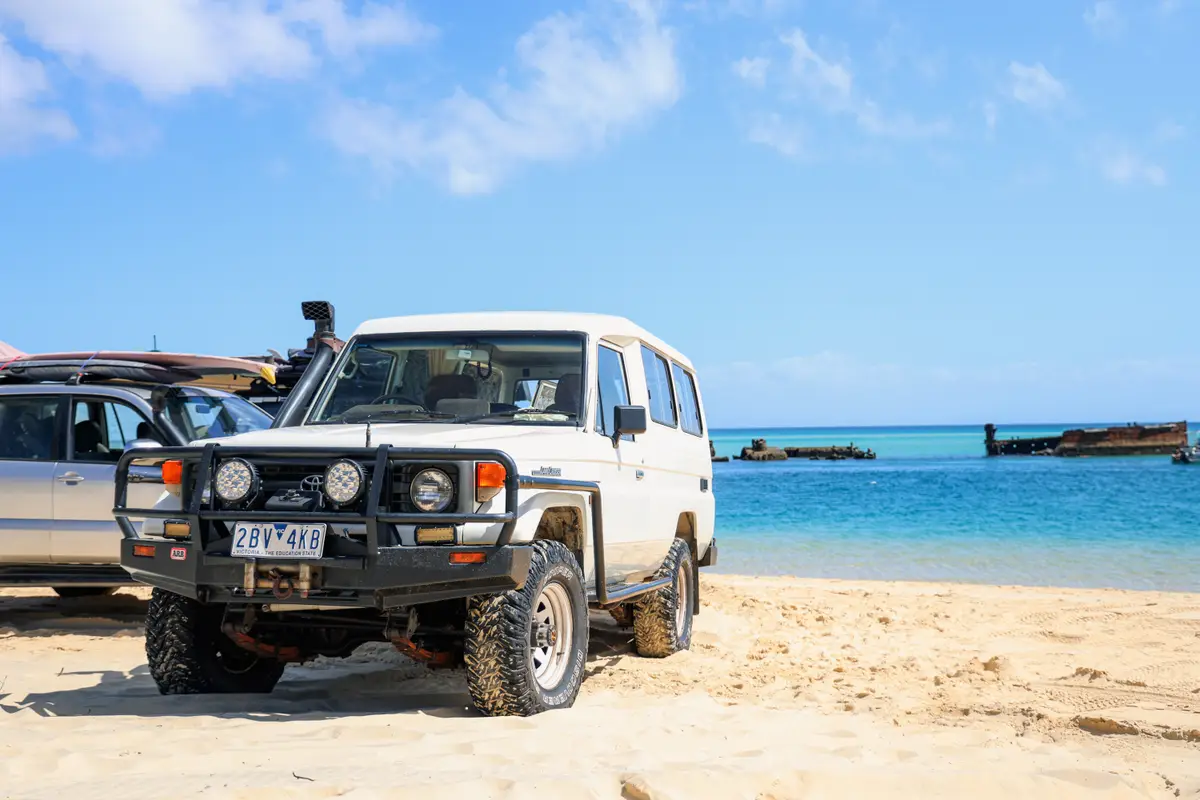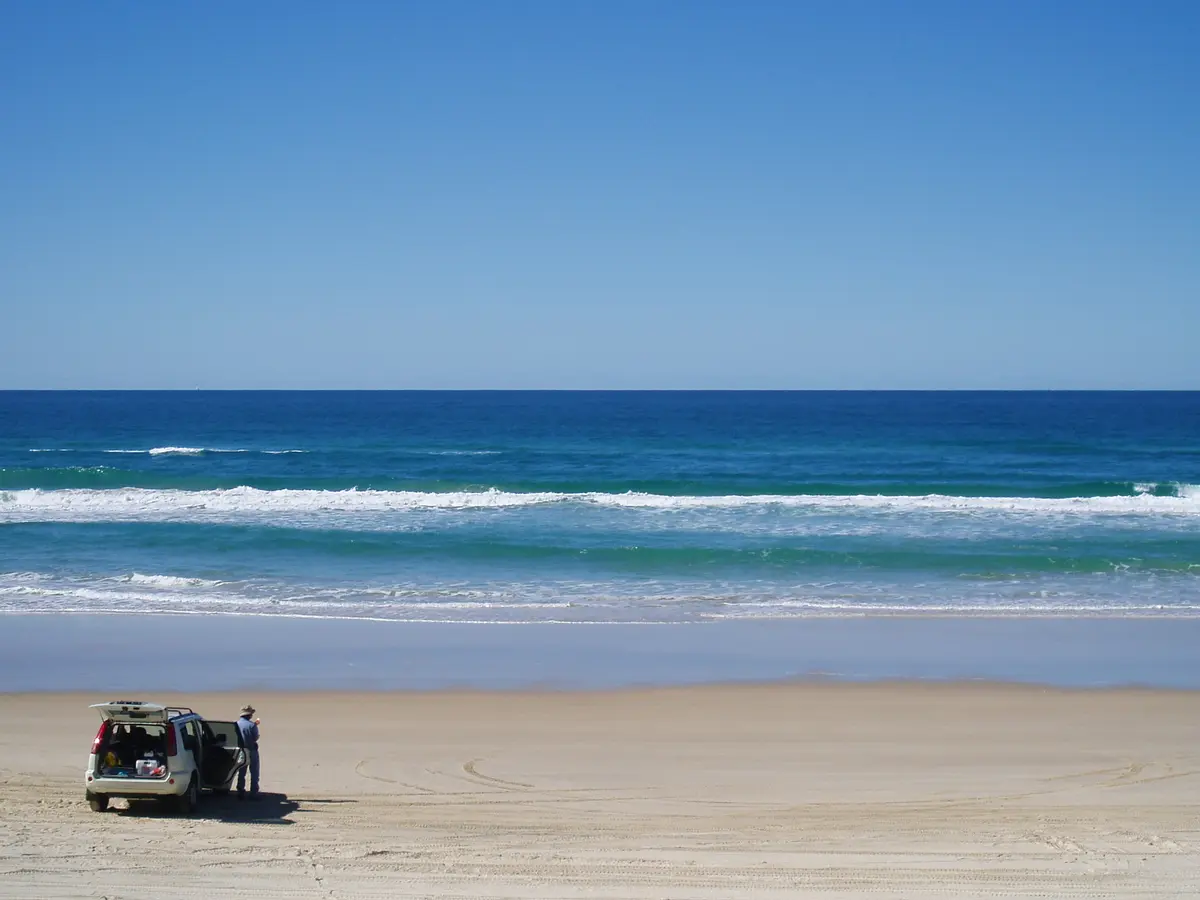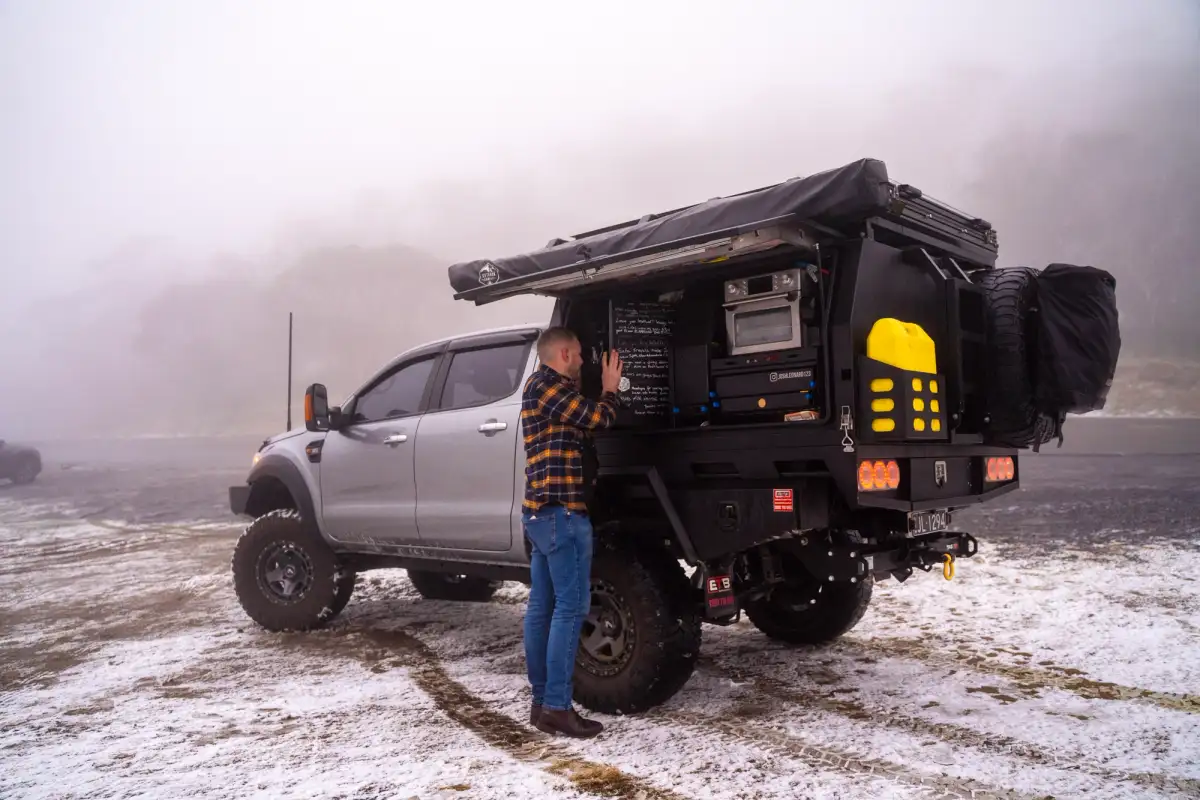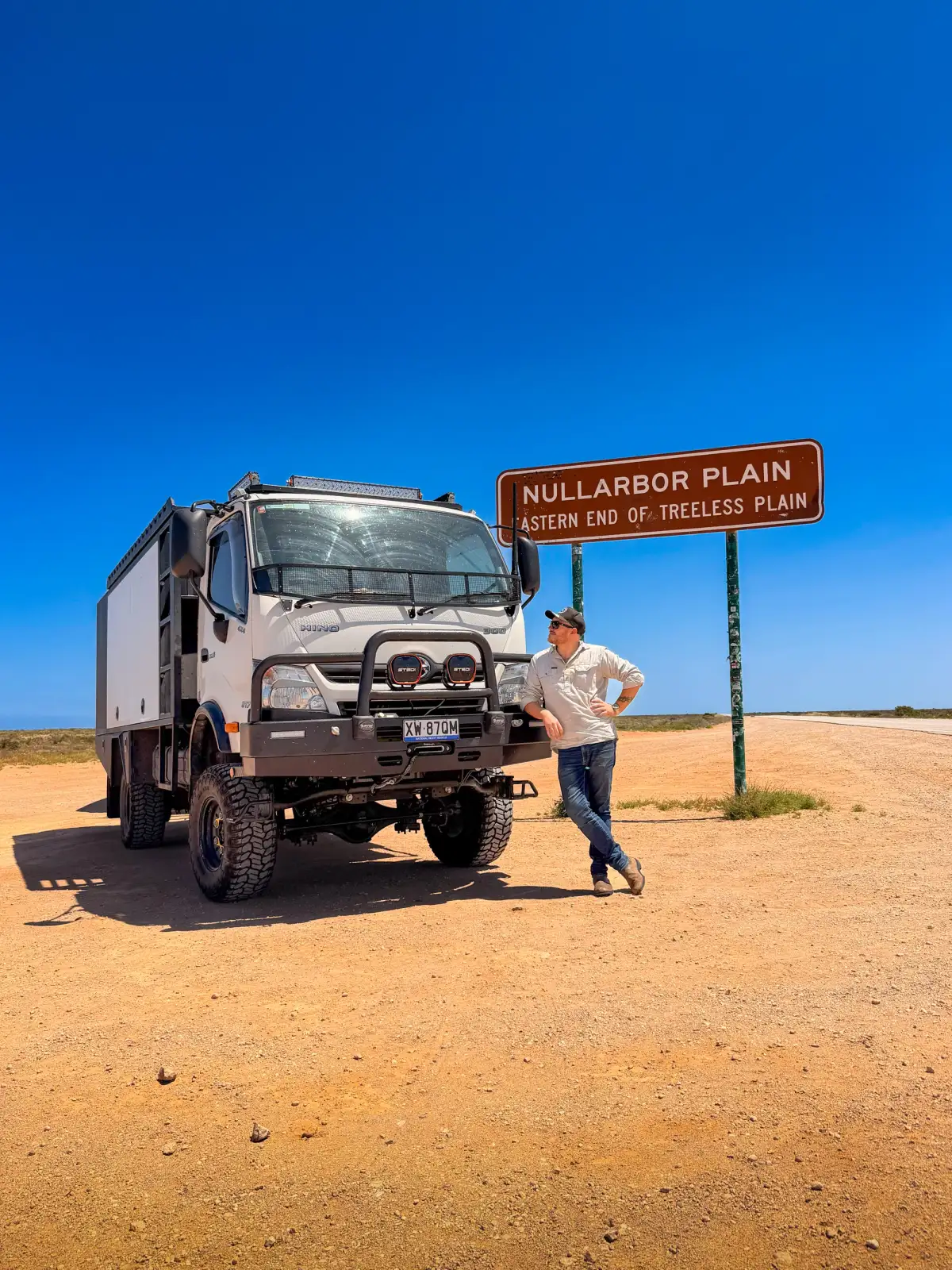
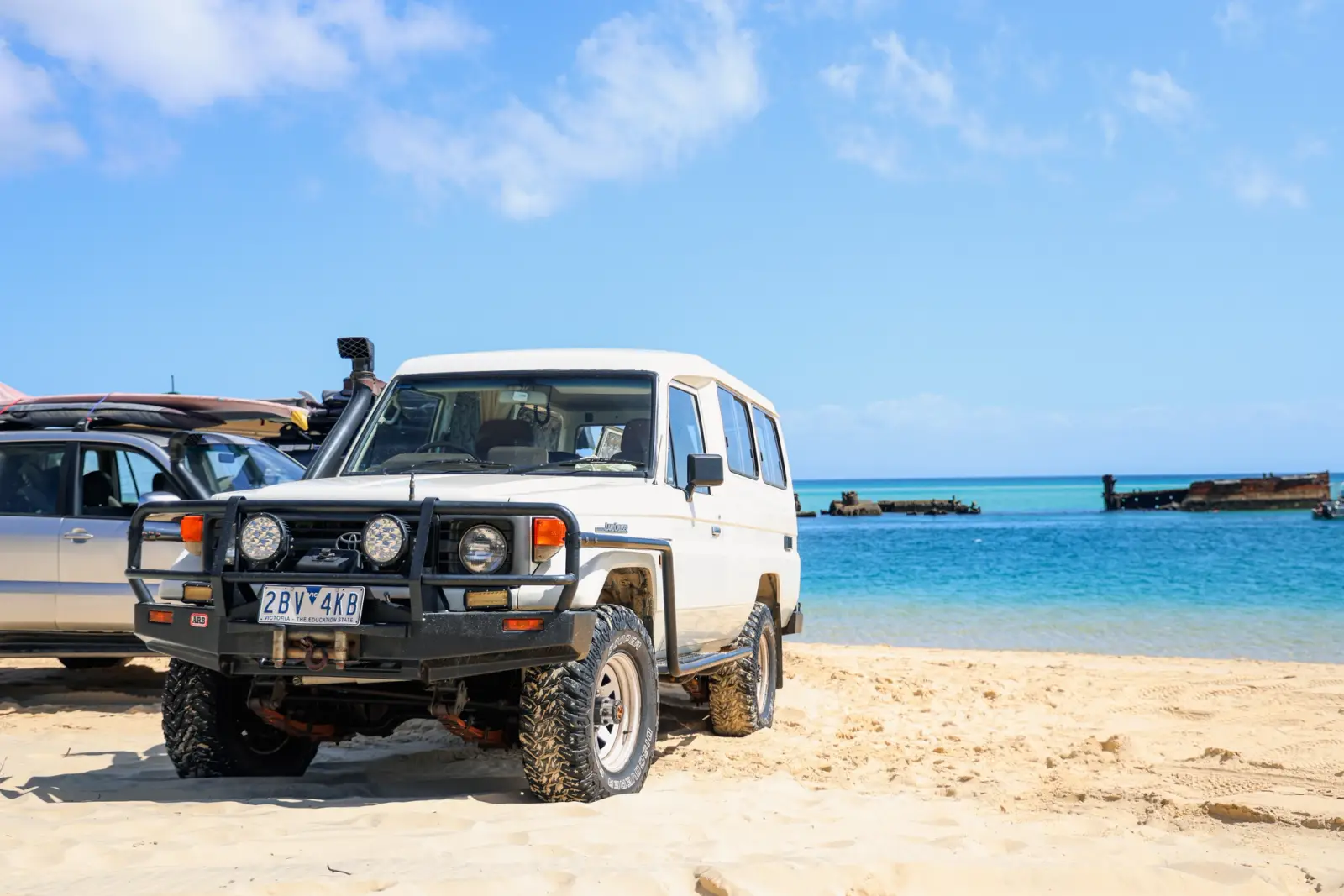
There's a peculiar thing that happens when a manufacturer stops making a 4X4.
Vehicles that spent years being criticised for their shortcomings suddenly become engineering masterpieces, their owners become custodians of automotive history, and the asking prices start to suggest they're made from either titanium or solid gold, or a combination of the two.
Take the humble old LandCruiser. I can remember a time when people complained endlessly about how agricultural they were. Nowadays, a thirty-year-old example with half a million kilometres on the clock and an interior that smells like a wet Labrador is a collector's item.
The adventure starts where the bitumen ends
See how Club 4X4 can help
And the frustrating thing about all of this is, sometimes they're right.
I've been fortunate enough to drive an enormous variety of 4X4s over the years, and while modern vehicles are objectively better in plenty of ways, there are certain engines, drivetrains and combinations that I genuinely wish manufacturers had kept around.
Of course, nostalgia can be a dangerous thing. We tend to remember the adventures rather than the breakdowns, and the character rather than the shortcomings.
So I've picked eight discontinued 4X4s that I reckon genuinely deserve another chance on Australian showroom floors. Some are obvious, others might surprise you, and a couple will probably have you questioning my judgement.
Which, given the subject matter, seems entirely appropriate.
1. Suzuki Sierra SJ413 – 1.3L Petrol
Let's start with something that had absolutely no business being as capable as it was.
The Sierra weighed about as much as a decent-sized lunch, had an engine that would've struggled to power a ride-on mower, and offered roughly the same level of occupant comfort as a wheelbarrow.
Yet take one on the tracks and you'd quickly understand why Australians fell in love with them.
With live axles, low-range gearing, tiny dimensions and bugger-all weight, the Sierra could tackle tracks that would (and did) leave considerably more expensive vehicles looking rather silly.
The 1.3L SJ413 arrived in Australia in 1985, and I'd argue we haven't really had anything quite like it since. Even the modern Jimny, as (kinda) brilliant as it is, has a different character.
Sometimes less really is more.
2. Toyota LandCruiser 100 Series – 1HD-FTE
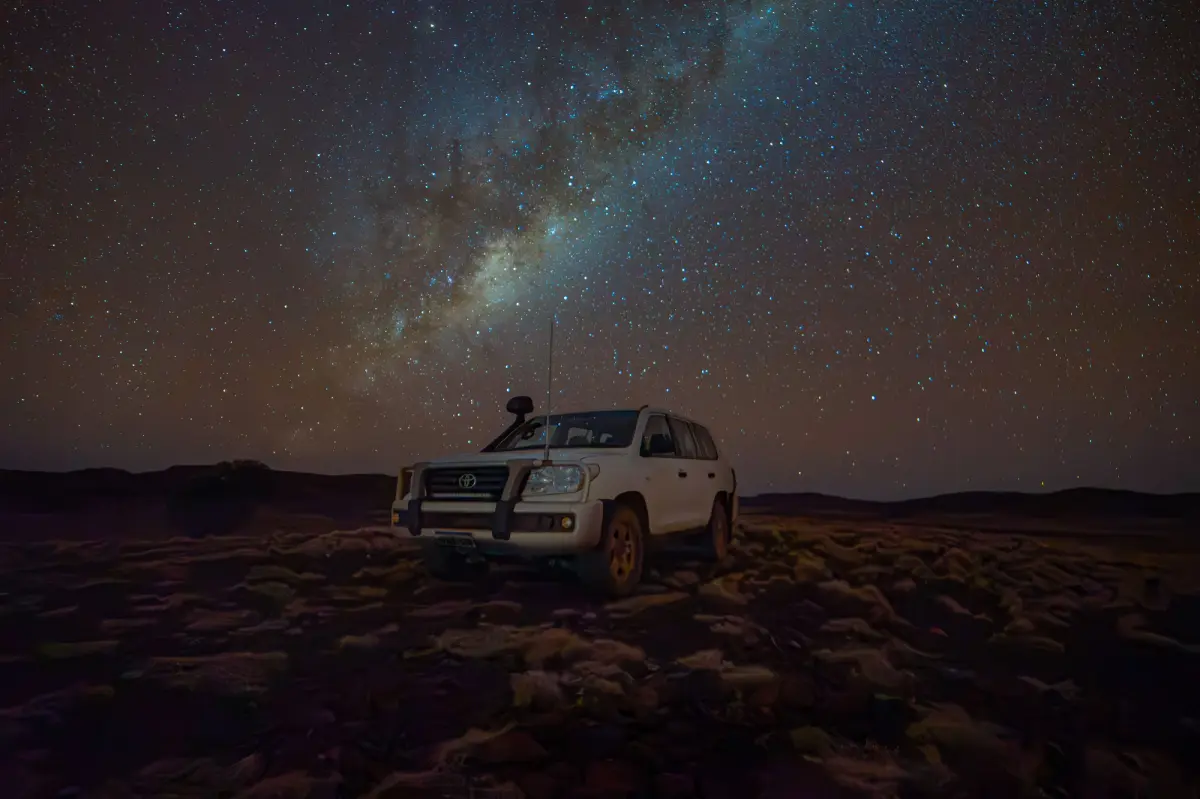
A Toyota LandCruiser 10 series photographed under a starry night sky in Western Australia
If I had to nominate one of the finest diesel engines Toyota has ever produced, the 1HD-FTE would be very close to the top.
A 4.2L, 24-valve, electronically controlled turbo-diesel straight-six producing 151kW and 430Nm in the 100 Series.
Those figures mightn't sound particularly exciting today, but the way this engine delivered its torque, coupled with its reputation for longevity, made it something special.
And the 100 Series itself was a terrific touring platform. It's also home to what I reckon is the easiest timing belt change I've ever done.
Yeah, sure, the factory turbo-diesel wagon had independent front suspension, which still upsets a few people who believe suspension technology peaked sometime during the Second World War. But for long-distance touring, comfort and reliability, it was a bloody good thing.
Geez, I wish we still made them.
3. Land Rover Defender 110 – 300Tdi
I’m almost positive that including a Land Rover on this list will have a few readers questioning my mechanical judgement and sanity. Fair enough, too.
But there's something about the old 300Tdi Defender that I absolutely adore.
The 2.5L mechanically injected turbo-diesel wasn't particularly powerful, the driving position was clearly designed by someone with an unusual understanding of human anatomy, and keeping the weather outside was mostly optional.
But underneath all that character was a remarkably capable 4X4.
Coil-sprung live axles, excellent articulation and a drivetrain that could be worked on without connecting a laptop. The Defender was never perfect, but I'd happily argue that's part of what made it so memorable.
4. Nissan GU Patrol – TD42Ti

A GU Patrol driving on Stockton Beach, NSW
There are few engines that simultaneously command the sort of respect and disrespect the TD42 does among Australian wheelers.
And the factory turbocharged, intercooled TD42Ti fitted to later GU Patrols is arguably the pick of the bunch. A 4.2L straight-six diesel, backed by a strong driveline, live axles at both ends and coil-sprung suspension on the wagons and selected utes.
It wasn't fast, particularly by modern standards, but it was an excellent foundation for a serious touring or 4X4 build.
Of course, the TD42's reputation has also encouraged some fairly ambitious asking prices but I don’t reckon they’re anywhere near as ambitious as some of the LandCruiser pricing you’ll see around.
Still, if Nissan announced tomorrow that you could buy a brand-new TD42Ti GU, I reckon they'd have a queue outside dealerships around the nation.
5. Toyota LandCruiser HDJ79 – 1HD-FTE
Now, this is one for the enthusiasts.
Before the V8 arrived in 2007, Australians could buy a 79 Series cab-chassis fitted with Toyota's magnificent 1HD-FTE turbo-diesel six cylinder, which is something I reckon a lot of people have forgotten.
Unlike the 100 Series version, the 79's engine was detuned to 122kW and 380Nm, and wasn't factory intercooled.
But what a combination. A proven turbo-diesel six-cylinder in a heavy-duty, live-axle workhorse with enormous aftermarket support.
The later V8 certainly had its appeal, but I reckon there's a very good argument that the HDJ79 represented one of Toyota's finest combinations of mechanical simplicity, durability and practical touring capability.
I'd bloody love to see one sitting in a showroom again.
6. Mitsubishi Pajero – 3.2L Di-D
The Pajero might be one of the most underappreciated 4X4s Australia has ever had. There, I said it.
For years, Mitsubishi offered a genuinely capable, comfortable touring wagon that could be purchased for considerably less than an equivalent LandCruiser.
The 3.2L 4M41 turbo-diesel was a terrific engine, and Mitsubishi's Super Select system gave owners the flexibility of selectable two-wheel drive, full-time four-wheel drive and low range.
And the numbers suggest Australians appreciated the package.
More than 8,400 Pajeros were sold here in 2002 alone, according to historical VFACTS data.
Unfortunately, Mitsubishi pulled the pin on the Pajero in 2021, and I reckon the Australian 4X4 market lost something genuinely valuable when it disappeared.
They've since announced a return, which I'm eager to see on our roads once more.
7. Toyota LandCruiser 80 Series – 1HD-FT
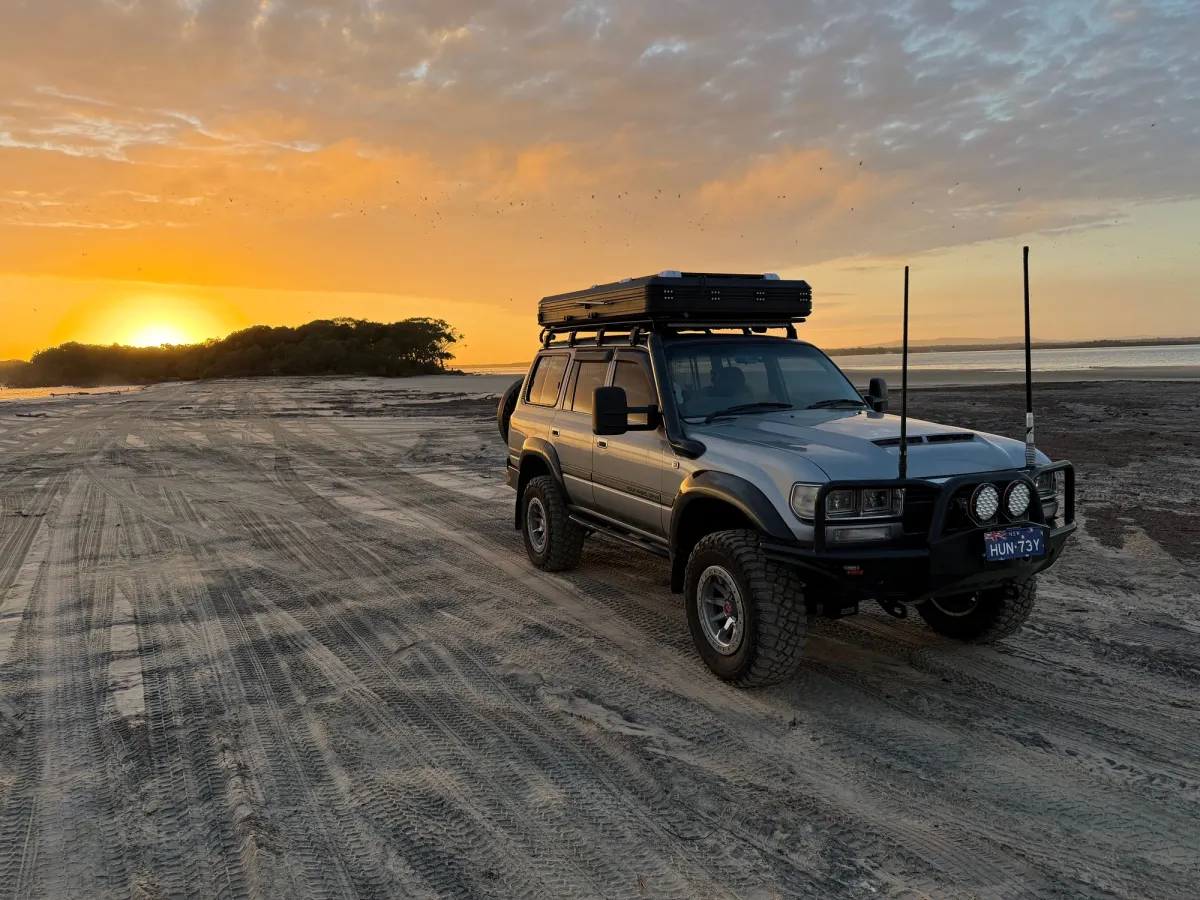
Toyota LandCruiser 80 Series pictured on a beach at sunset
I don't reckon this list could have any credibility without including an 80 Series.
And specifically, the 24-valve 1HD-FT turbo-diesel. Introduced in 1995, the engine improved on the earlier 1HD-T and produced 125kW and 380Nm.
Combine that with coil springs, live axles front and rear, and a wonderfully capable chassis, and you've got one of Australia's most celebrated touring 4X4s.
The 80 Series occupied an interesting sweet spot between the agricultural LandCruisers that preceded it and the increasingly sophisticated wagons that followed.
It was comfortable enough to cross Australia, capable enough to tackle serious tracks and straightforward enough to appeal to mechanically minded owners.
I'd argue it remains one of the best all-round 4WD platforms ever sold here. Yeah, yeah, I know, there’s way too many Toyota’s on this list, but facts are facts.
8. Holden Jackaroo – 3.1L Turbo-Diesel
This one definitely deserves considerably more recognition.
The Isuzu-built Holden Jackaroo, particularly the 3.1L 4JG2 turbo-diesel, was a seriously underrated bit of gear, even though I reckon it was one of the most bland 4X4s I’ve laid eyes on.
Introduced in the second-generation Jackaroo in 1992, the engine produced a modest 84kW and 260Nm.
Hardly earth-shattering figures, but it offered decent low-speed torque, proper four-wheel drive credentials and a practical wagon body.
The Jackaroo was never going to win a popularity (or beauty) contest against the LandCruiser or Patrol, but it certainly earned a following.
Historical sales records show Holden sold more than 31,000 Jackaroos between 1991 and 2005, with 1999 being its strongest recorded year.
There's something to be said for a vehicle that quietly got on with the job without demanding so much attention.
Honourable Mention: Toyota LandCruiser 200 Series – 4.5L Twin-Turbo V8
I can already hear the angry emails being typed.
Yes, the 200 Series probably deserves a place in the main list.
Its 4.5L twin-turbo diesel V8, impressive towing credentials and exceptional long-distance comfort made it one of Australia's great touring wagons.
But with three LandCruisers already featured, I thought I'd give someone else a go.
Besides, the 200 Series is still relatively fresh in our memories. Give it another decade and I suspect we'll be talking about it with the same reverence currently reserved for the 80 and 100 Series.
And probably paying equally ridiculous money for one.
So, Were They Actually Better?
Not in every respect.
Modern 4X4s are safer, generally more powerful, more comfortable and considerably more sophisticated.
But there's something to be said for vehicles that developed a reputation through years of real-world use, rather than an impressive brochure or a clever advertising campaign.
Each of these vehicles offered something distinctive, whether that was mechanical simplicity, an exceptional engine, genuine affordability or an ability to tackle tracks that seemed completely unreasonable.
And while I wouldn't necessarily want to give up modern safety equipment or spend another eight hours listening to an old diesel scream its lungs out, I do miss some of the character we've lost along the way.
So here's my question to you:
If you could walk into a dealership tomorrow and buy one discontinued 4X4, brand new, exactly as it left the factory, what would it be?
And more importantly, would you actually buy it, or do we just enjoy remembering them?
The adventure starts where the bitumen ends
See how Club 4X4 can help