Sure, older 4X4s are deathly slow, loud enough to give you industrial deafness and use about as much fuel as an aircraft carrier. But you know what they're not? Complicated.
In my time I’ve sunk enough 4WDs to have developed a healthy appreciation for mechanical injection, and I've broken enough common rails to know that fuel under that sort of pressure can and will take your finger off.
I wouldn't recommend testing either theory.
But there is something reassuring about an older 4X4. Fuel goes in. Air goes in. Something explodes. Eventually, and usually accompanied by a considerable amount of smoke, forward motion occurs.
If it stops doing that, there's at least a reasonable chance you can work out why.
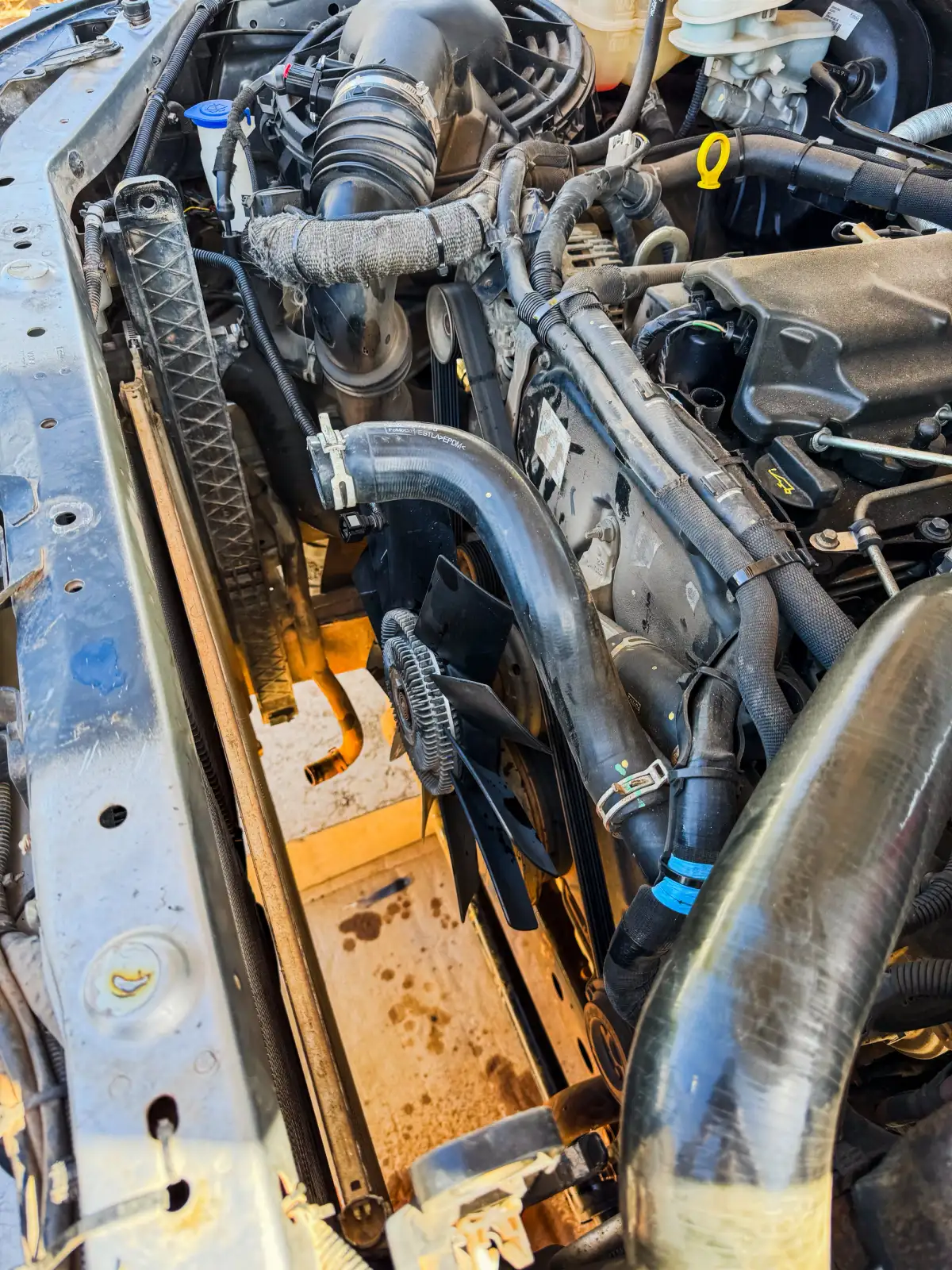
A 4WD engine
Compare that with a modern 4X4.
Before I drive through a puddle these days, I feel like I'm expected to conduct a full environmental assessment. Is it mud? Sand? Rock? Deep mud? Do I want a different throttle map? Should the centre diff be locked? Would I like the vehicle to crawl for me? Would I like one of six cameras to show me said puddle from an angle previously available only to the fish living in it?
Of course, it'd be easy to stop there and declare that everything was better when diesels rattled, hubs were manual and the only warning light on the dashboard was the one you'd been ignoring for six months. Except it wasn't.
Modern 4X4s are ridiculously capable.

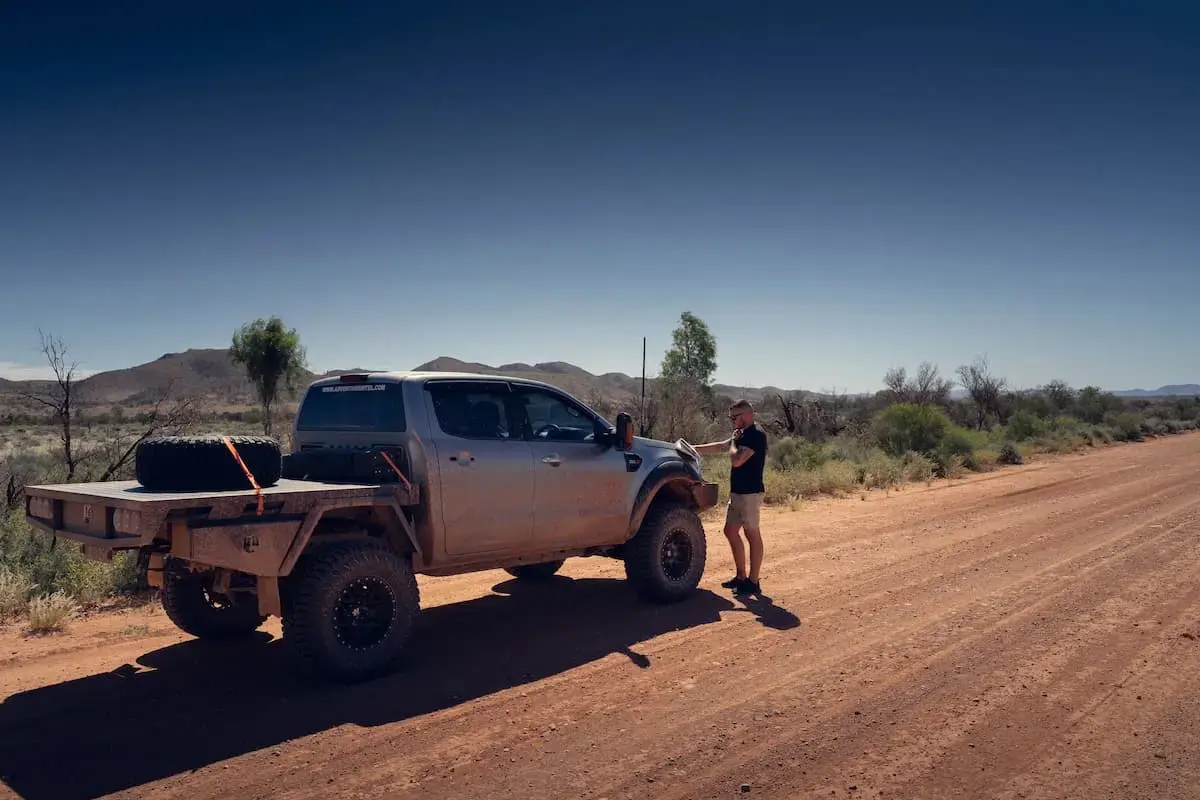
4X4 Ford Ranger driving along gravel road
Electronic traction control can brake a spinning wheel and keep drive going where it's useful. Modern automatics can make technical wheeling way easier. Cameras let you put a tyre exactly where you want it, and common rail systems return plenty of power while sipping on fuel.
Then there are full electric 4X4s.
On paper, they should simplify things. Electric motors have far fewer moving parts than an internal combustion engine. There's no mechanical injection pump, turbocharger, exhaust system or conventional multi speed gearbox to worry about in many EV drivetrains. You can have instant torque and incredibly precise control of it.
Yet if one stops working in the middle of nowhere, most of us are going to stand beside it with a multimeter and the same useful expression a Labrador gives you when you ask it to do your tax return. That's where I reckon this gets interesting.
Modern 4WDs are more capable, safer and more efficient than older vehicles thanks to technologies like common rail diesel engines, electronic traction control and advanced driver assistance systems. However, these improvements often come at the cost of simplicity and repairability. While older 4WDs were easier to diagnose and fix in remote areas, modern vehicles rely heavily on sensors, computers and software, making faults harder for owners to repair themselves.
The argument isn't really old versus new, nor is it electronics versus mechanical.
It's about what we've gained by making 4X4s smarter, what we've lost by making them harder to understand and whether any of that actually matters when you're touring Australia.
So have we actually made the 4WD better? Or have we made them way too complicated?
Modified, upgraded, still covered
4WD insurance built for GVM upgrades, mods and accessories, on-road or off.
How Did We Get Here?
To be fair to the manufacturers, they didn't wake up one morning and decide what the world really needed was a four wheel drive with 97 computers and a dashboard that lights up like a pokie machine every time a wheel speed sensor gets dirty. Most of the complexity in a modern 4X4 is there because we've spent the last few decades asking them to do more with less, while also expecting them to be safer, cleaner, faster and considerably nicer to drive.
The diesel engine is probably the easiest example. An old mechanically injected diesel is a beautifully simple thing, but it's also noisy, dirty, and, by modern standards, usually pretty hopeless in the power department. Getting more power and torque from smaller engines while using less fuel and meeting tighter emissions requirements has brought us electronically controlled common rail injection, variable geometry turbochargers, exhaust gas recirculation, diesel particulate filters and, on plenty of newer vehicles, selective catalytic reduction using AdBlue.
The upside is that we're now getting performance from relatively small diesel engines that would've been fairly ridiculous not that long ago. They're quieter, smoother and far nicer to live with, particularly when you're towing a few tonnes or trying to overtake something without needing to send a drone up to check for oncoming traffic.
The trade off is that every one of those improvements adds another layer to the vehicle. A mechanical injection pump doesn't need to know what the ECU is thinking, whereas a modern engine is constantly relying on information from sensors and control modules to decide what it should be doing.
It's much the same story once you get underneath the vehicle. 4X4 systems used to be reasonably easy to explain. You've got a transfer case, a couple of differentials and, if you've spent some money, perhaps a locker or two. These days the ABS can also form part of the traction control system. The transmission is communicating with the engine, stability control is watching what the vehicle is doing and selecting a terrain mode can change everything from throttle response and gear selection to how aggressively the brakes control a spinning wheel.

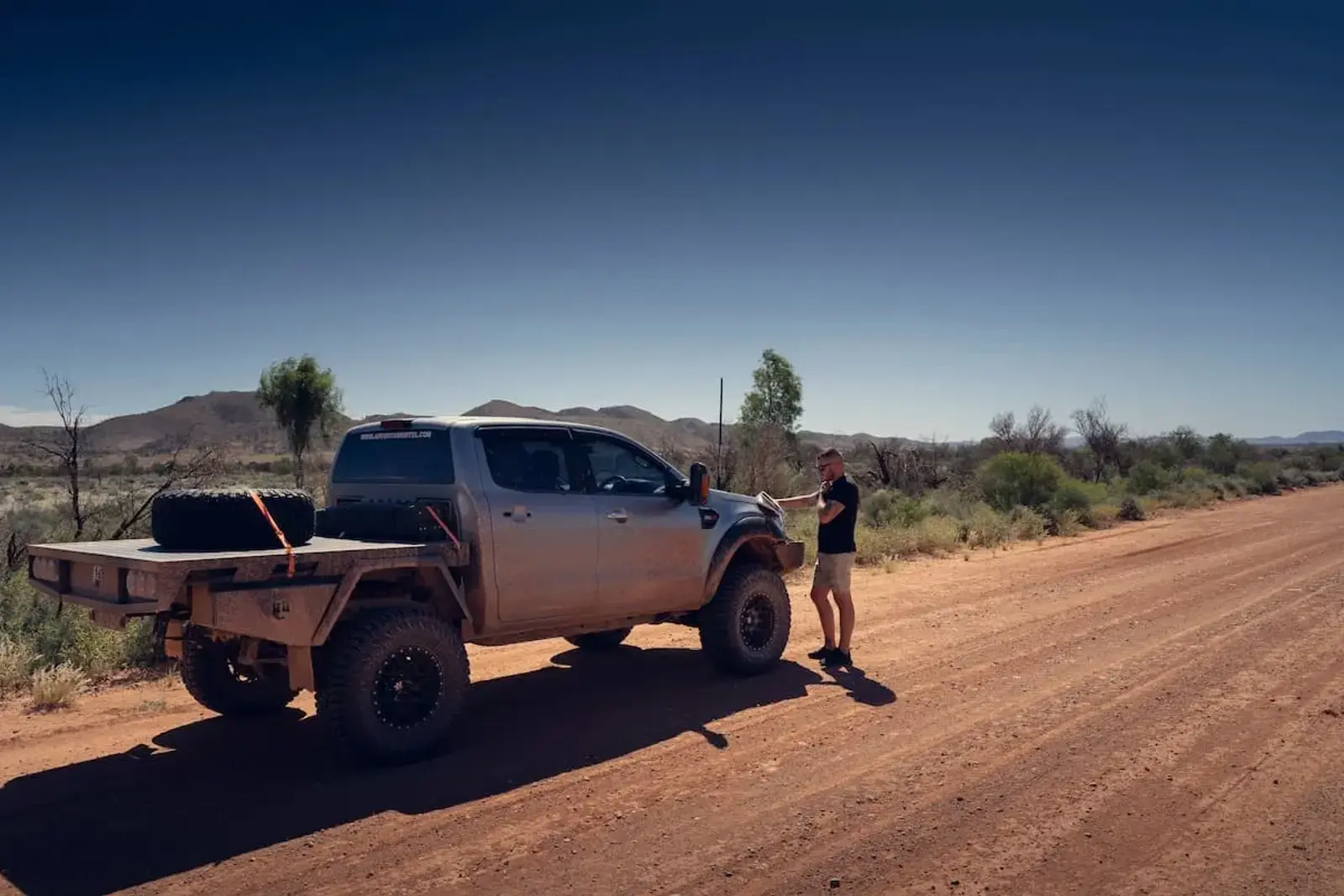
A man adjusts a 4X4's system
None of that automatically makes a modern 4X4 unreliable, and I think that's an important distinction because complexity and reliability often get thrown into the same basket. There are plenty of incredibly complicated vehicles travelling huge kilometres without giving their owners any grief at all.
Where I think things have genuinely changed is repairability. On an older vehicle, a decent mechanical understanding and a well stocked toolbox could get you out of a surprising amount of trouble. You might not fix something properly beside the track, but there was often a way of getting the thing moving again. A modern vehicle can be mechanically fine but decide that a sensor reading doesn't make sense, reduce engine power, disable other systems or drop into limp mode to protect itself.
Sometimes that's a very clever computer preventing a relatively small fault from destroying a very expensive engine. Other times it's a relatively inexpensive sensor having a complete meltdown and taking half the vehicle along for the ride. Either way, when you're a long way from a workshop, the difference between something being reliable and something being repairable is important.
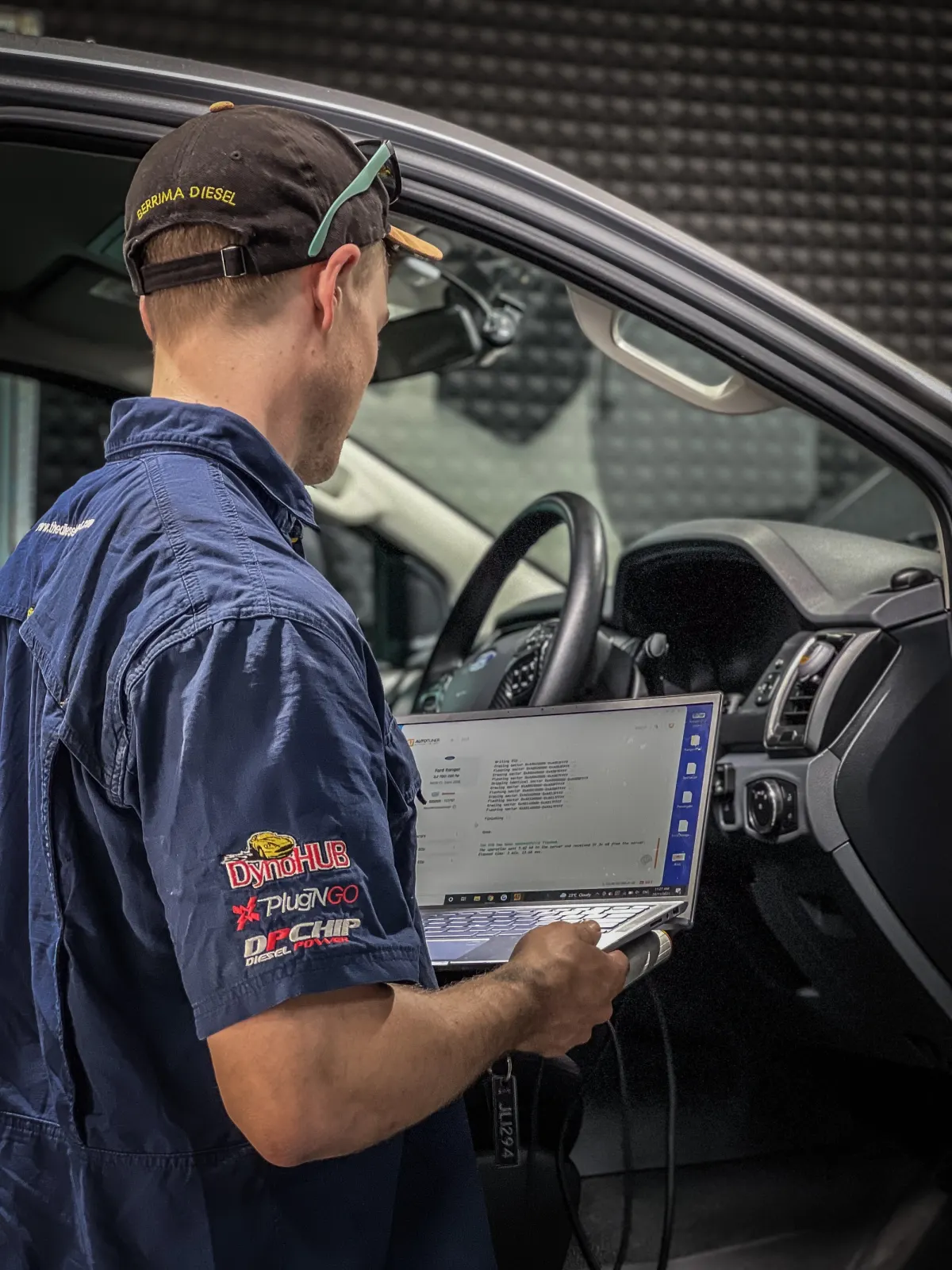
A man using a laptop to diagnose a 4X4
What About Electric 4X4s?
Electric 4X4s make this argument particularly interesting because, mechanically, they can actually be simpler than what we're driving now. An electric motor has far fewer moving parts than an internal combustion engine, there's no common rail fuel system, no turbocharger, no DPF and, in a whole lot of cases, no conventional multi speed gearbox. Multiple motors can also provide incredibly precise control over how torque is delivered, which has some obvious advantages on the rough stuff.
The complexity hasn't disappeared though. It's just relocated.
Instead of worrying about injectors and fuel pressure, you're relying on a high voltage battery, power electronics, heat management, software and an electrical architecture that isn't something you're going to start pulling apart beside the track. Then there's the more obvious problem for Australian touring, which is keeping the thing charged when you start heading properly remote.
That will improve as charging infrastructure expands and battery technology develops, but right now there's a massive difference between an electric 4X4 being capable of driving somewhere and it actually being practical to travel there. Add a heavy caravan behind it, and sprinkle in some soft sand, headwinds or long distances between towns and energy consumption becomes every bit as important as fuel consumption is in a petrol or diesel.
So, are modern 4X4s too complicated? In some ways, I reckon they are, but I certainly wouldn't trade everything we've gained just to make them simple again. Modern 4X4s are safer, more powerful, more comfortable and capable of doing extraordinary things straight out of the showroom.
What has changed is how much of the vehicle we can understand and repair ourselves.
For most people, most of the time, that probably doesn't matter. But the whole point of owning a 4X4 is that we don't always use them where most people use their vehicles.
Modified, upgraded, still covered
4WD insurance built for GVM upgrades, mods and accessories, on-road or off.