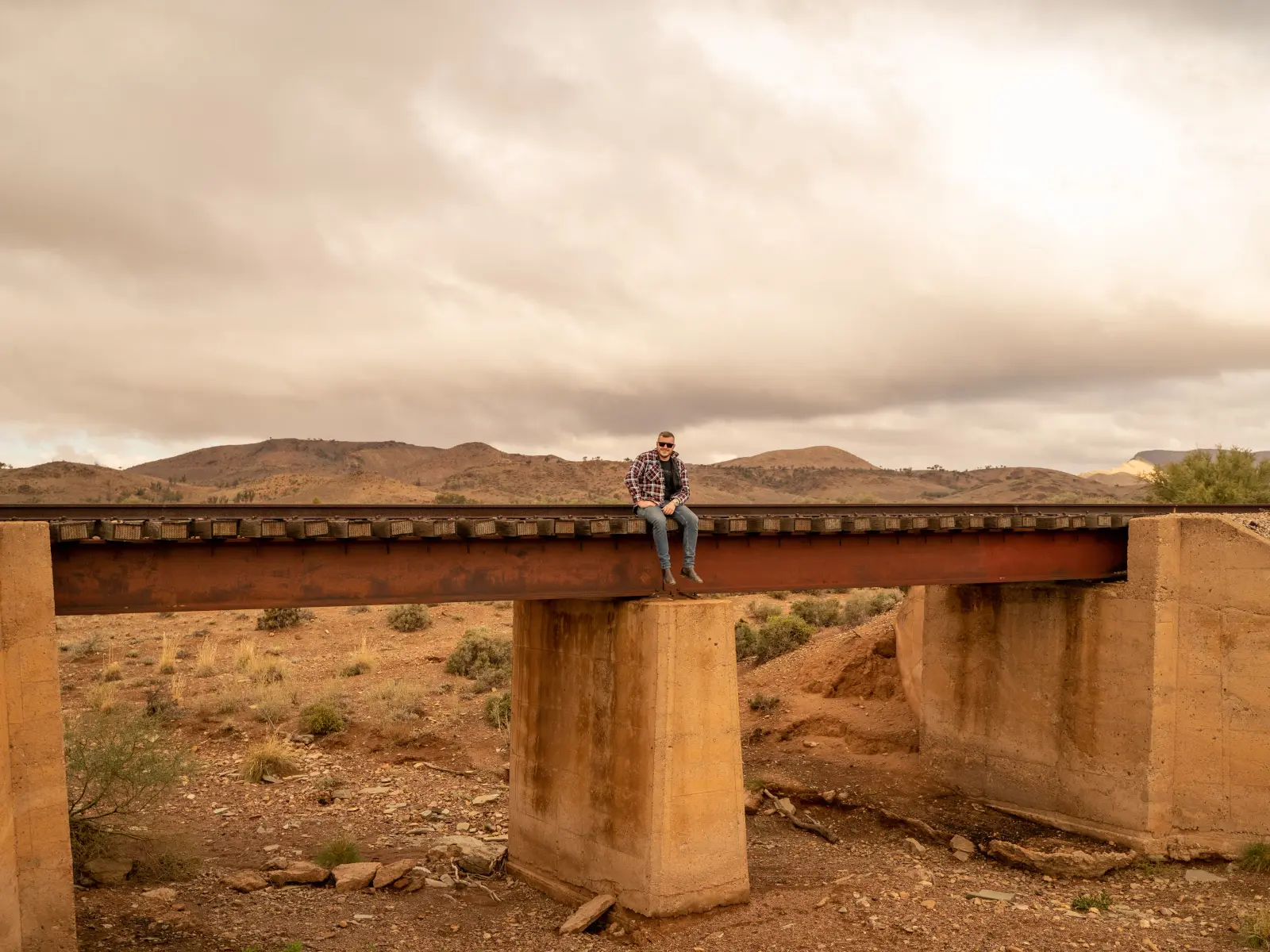
If there's one thing Hollywood has taught us about the Australian outback, it's that you're almost certainly going to be murdered if you venture too far from the nearest capital city.
According to the movies, every second bloke living in the bush is a homicidal maniac with a questionable dental history, an extensive collection of rusty implements and a particular dislike for tourists.
Well, I've been lucky enough to do more laps of this country than most, including some pretty remote corners of it, and yet here I am, still alive and writing this article.
Admittedly, I've had a few close calls over the years, but none involved a bloke named Mick Taylor, or actual humans for that matter. My close calls have come from nope ropes and wild buffalo, etc.
Now, I know a few of you will be reading this thinking, "Yeah Josh, we know they're just movies. Nobody actually believes that rubbish."
And you're probably right.
But I also know there are plenty of people out there who are genuinely apprehensive about venturing into remote Australia. People who'd dearly love to see places like the Simpson Desert, the Kimberley or Central Australia, but find the thought of being so far from civilisation a little intimidating.
And I reckon that's a shame, because they're missing out on some of the best places on Earth, and quite possibly some of the best people they'll ever meet.
If there’s one thing I've noticed during my travels it’s that the further you get from civilisation, the more civilised people seem to become.
The adventure starts where the bitumen ends
See how Club 4X4 can help
I couldn't tell you exactly how many kilometres you need to travel before this phenomenon kicks in, but somewhere between the last set of traffic lights and the first proper stretch of corrugations, people's attitudes seem to change.
Strangers start waving at one another. People stop for a yarn. And if you're pulled over on the side of the road, there's a reasonable chance the next vehicle will slow down to make sure everything's alright.
Try that in Melbourne and you'll probably just have someone lean on the horn because you're holding up traffic.
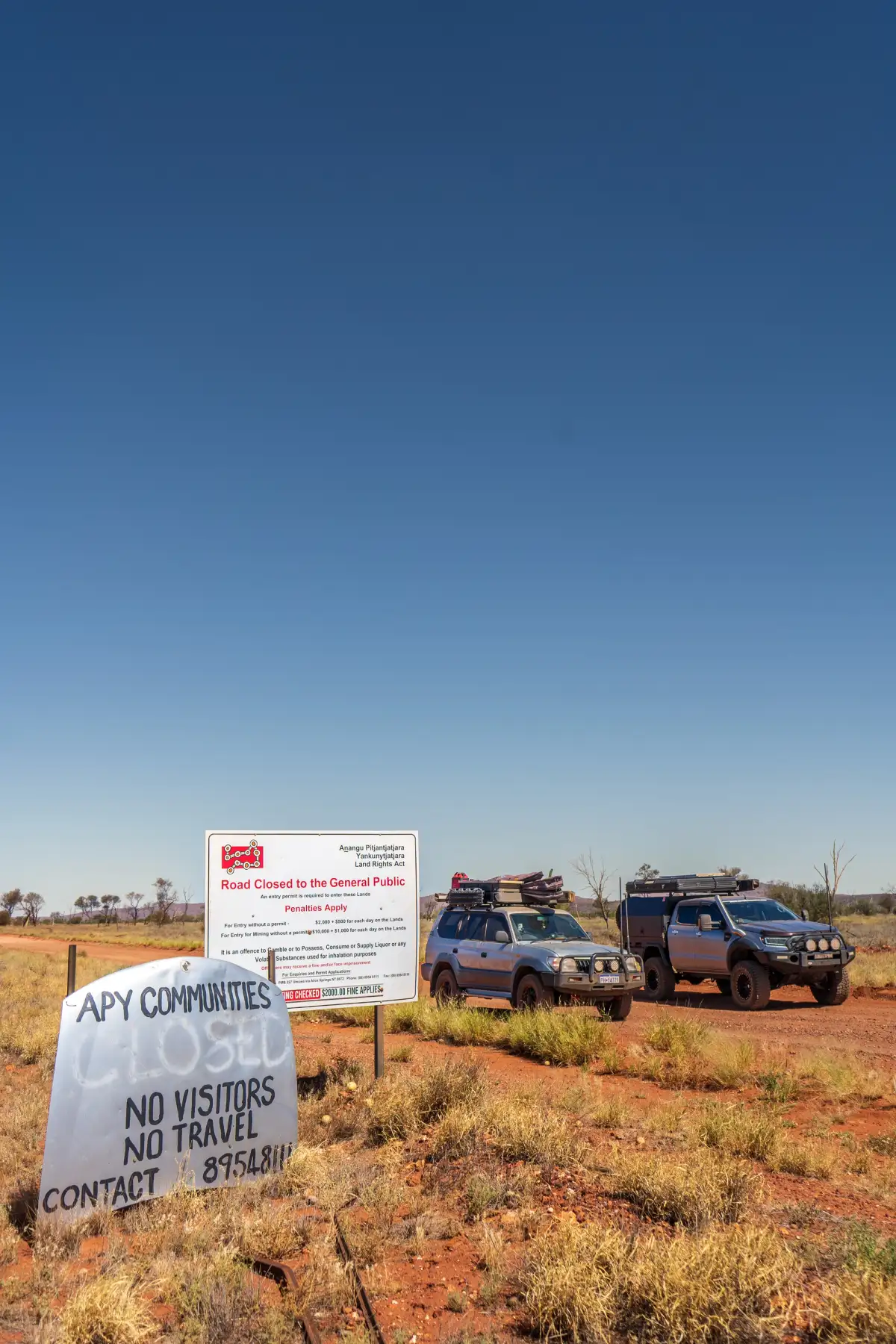
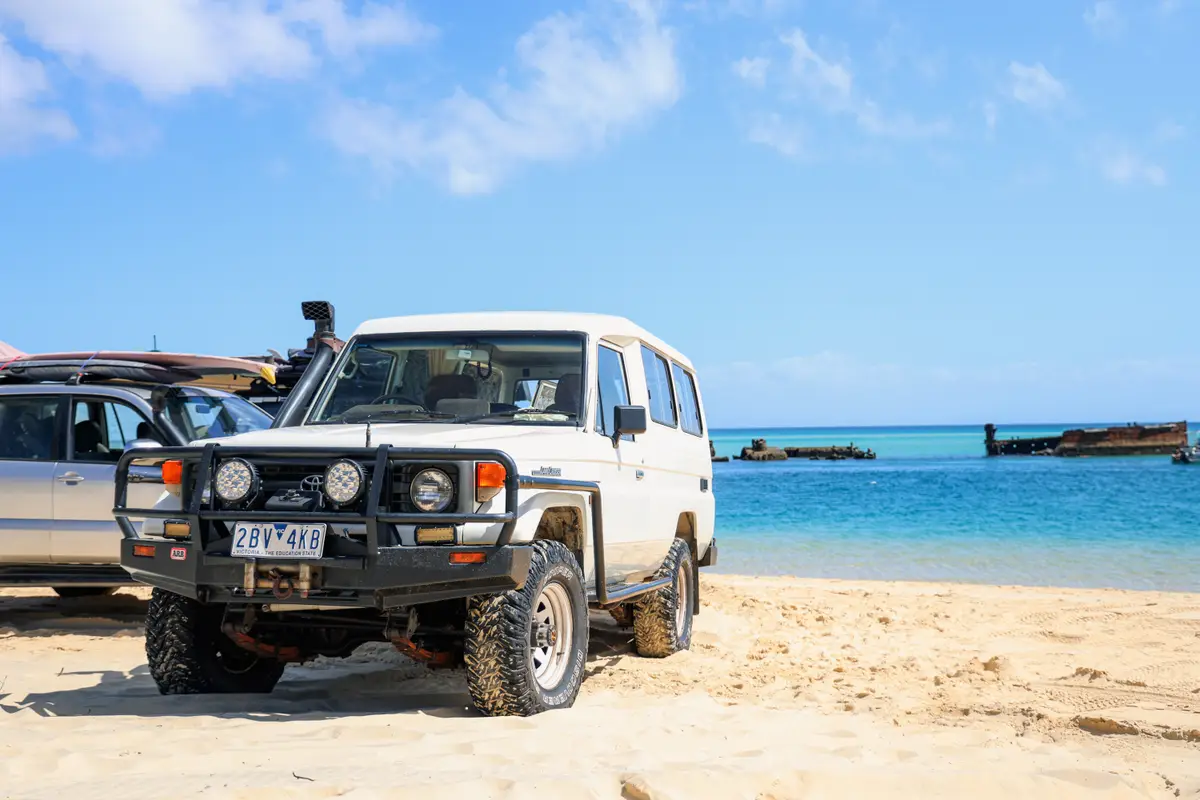
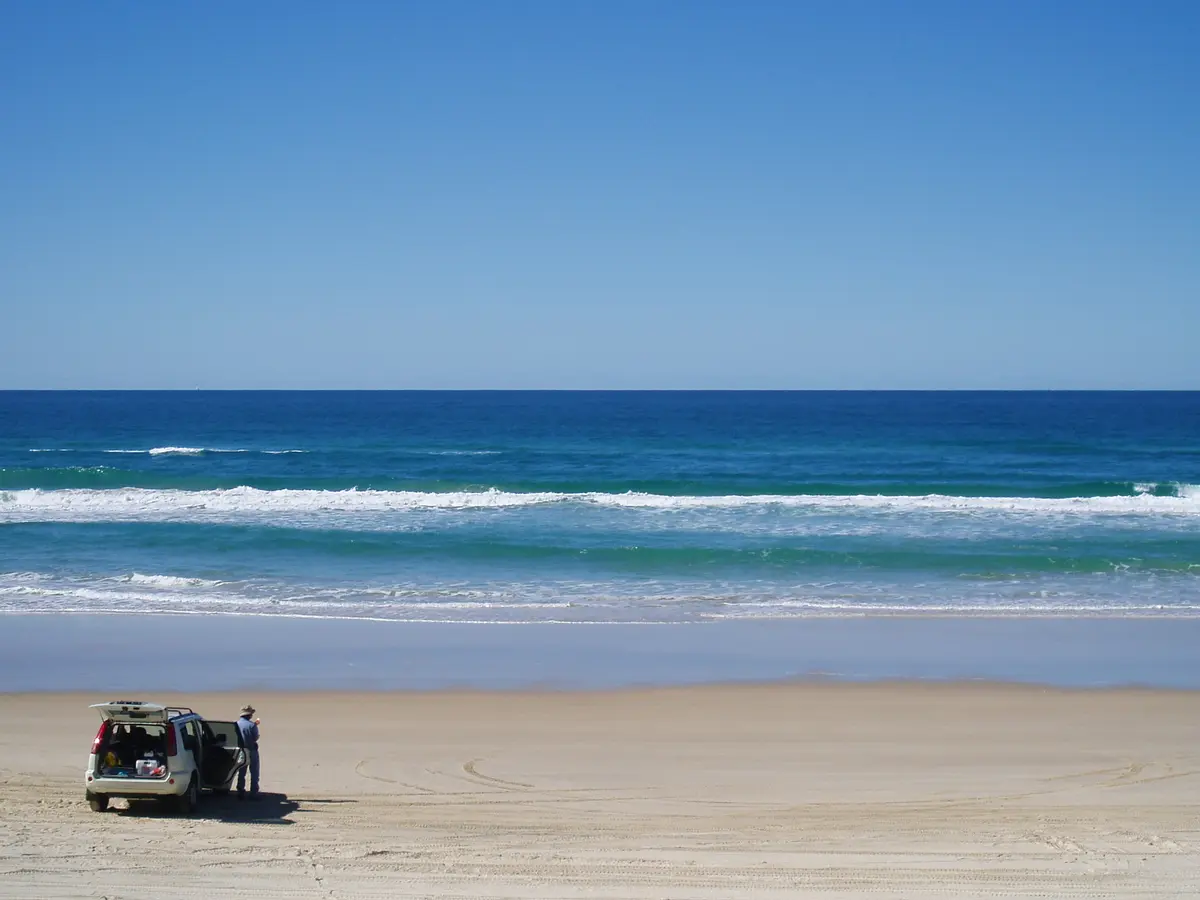
2 4WDs in remote Australia
I've had complete strangers offer assistance, accommodation, meals, share local knowledge and go out of their way to make sure I was travelling safely. And some of the most memorable conversations I've had around Australia have been with people whose names I didn't know an hour earlier.
It's something I've come to appreciate enormously. And I reckon there's a fairly simple explanation for it: when you live or travel somewhere remote, you develop an understanding that people need one another.
A breakdown in the ‘burbs might mean an inconvenient afternoon waiting for roadside assistance. A breakdown a few hundred kilometres west of the Canning can be an entirely different proposition.
Suddenly, the stranger coming over the horizon isn't just another motorist. They're potentially the difference between spending an unpleasant night beside your vehicle and getting back on the road.
And I think that understanding creates a certain level of respect between us humans.
There's also something to be said for the pace of life.
We're so accustomed to rushing around, meeting deadlines and getting from one place to another that we sometimes forget how enjoyable a simple conversation can be.
Out bush, people have a little more time for one another and if they don’t, they create it.
Although I should warn you, asking an old bloke at an outback roadhouse about the condition of the road ahead can occasionally result in a forty-minute conversation covering everything from the weather to the shortcomings of the federal government.
And there's every chance you'll leave knowing considerably more about his family than the road, but that's part of the experience and I wouldn’t change it for quids.
One thing I'd really encourage anyone travelling remotely to do is make an effort with the communities you pass through. Don't just roll into town, fill the tanks and disappear.
Have a chat with the person behind the counter. Ask how things are going locally. Buy a meal, spend a few dollars in the shops and take an interest in the place you're visiting.
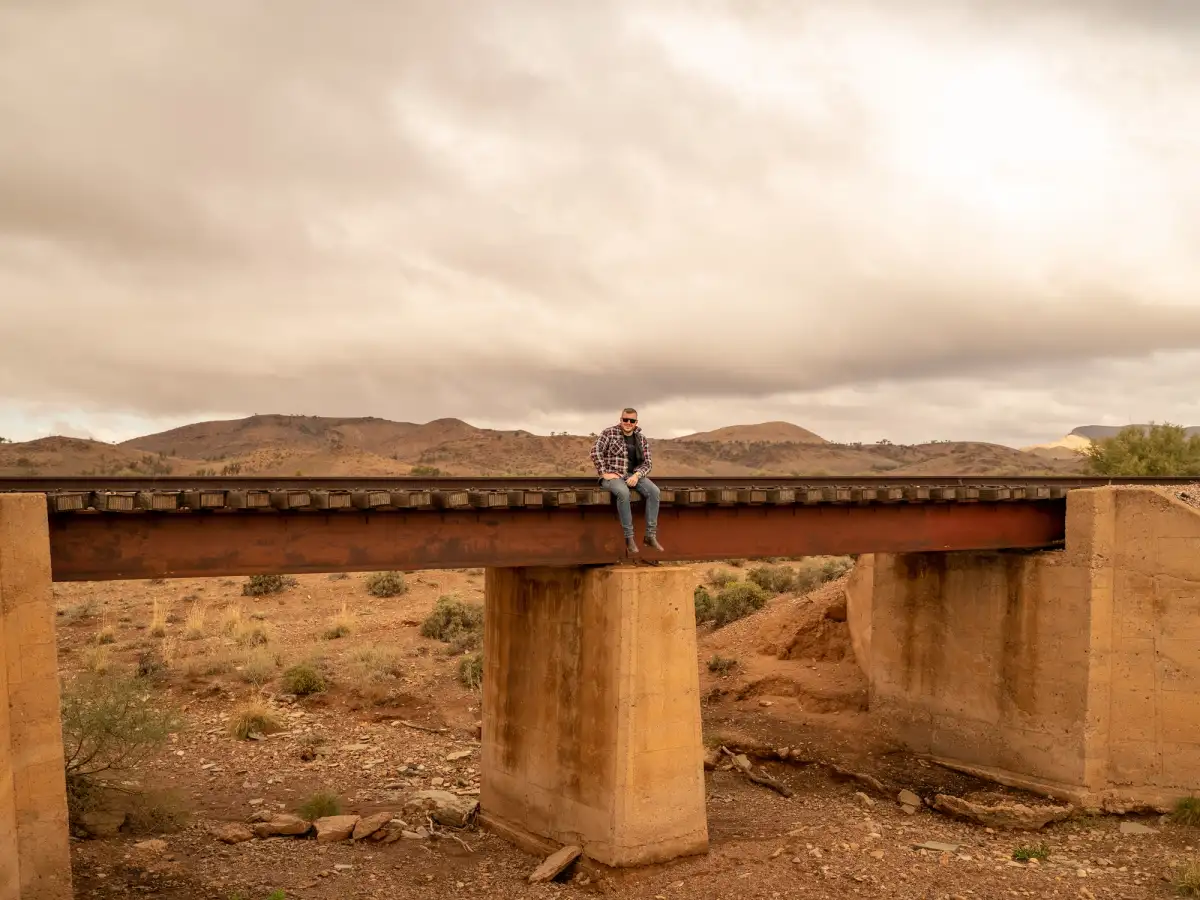
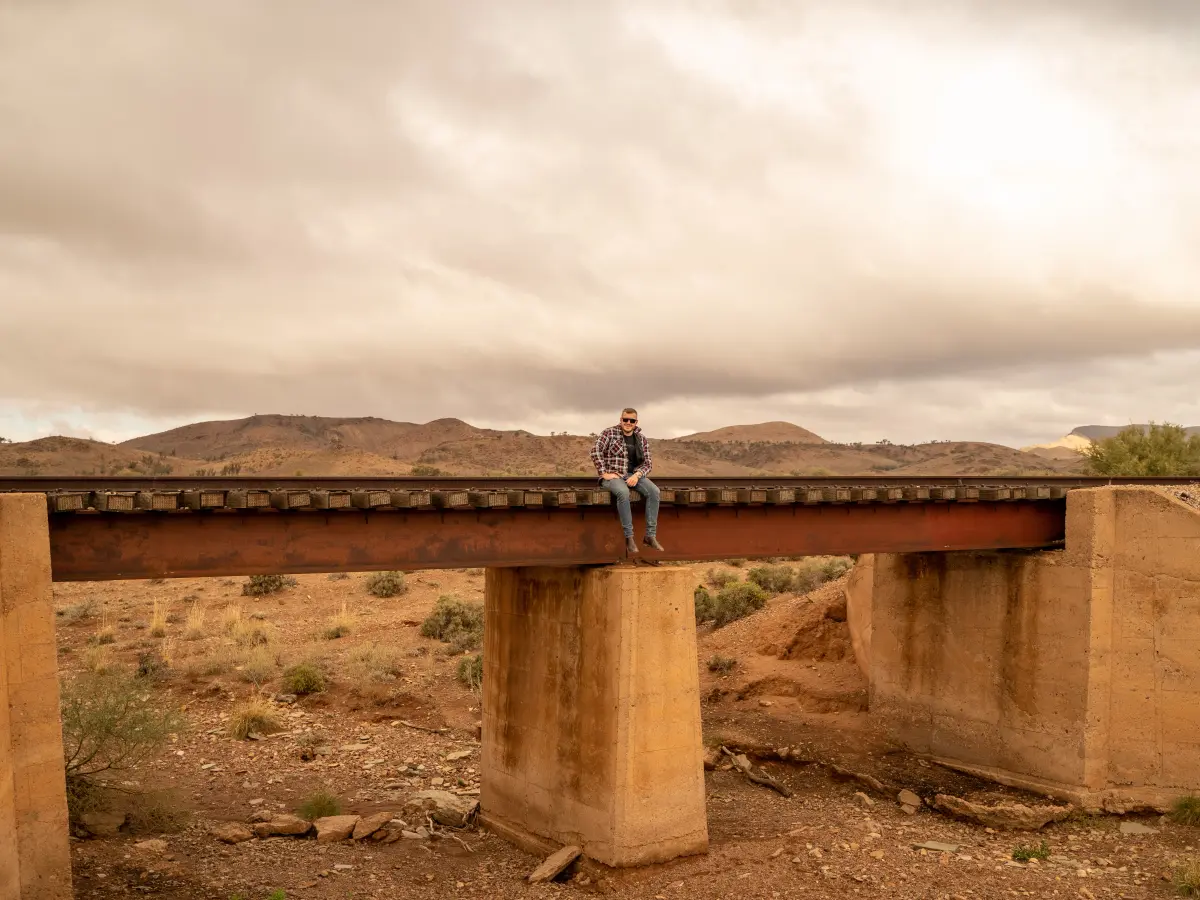
A man sitting on a bridge in remote Australia
I've discovered some terrific places through conversations with locals, and I've also received advice that's saved me considerable time, money and frustration. Some of the best places I’ve ever visited were places I had never intended pointing my bullbar at, until a local said I should.
Of course, none of this means the landscape and environment itself is any less dangerous.
Remote Australia is still remote Australia. You need to carry appropriate supplies, have reliable communications, understand the conditions and be capable of looking after yourself.
The kindness of strangers should be something you're grateful for, rather than something your travel plans depend upon.
Of course, there are unpleasant people everywhere. I'm not suggesting the outback is some magical place where everyone gets along and nobody's ever had a disagreement.
But after all these years, I can say that the overwhelming majority of my encounters with people in remote Australia have been positive.
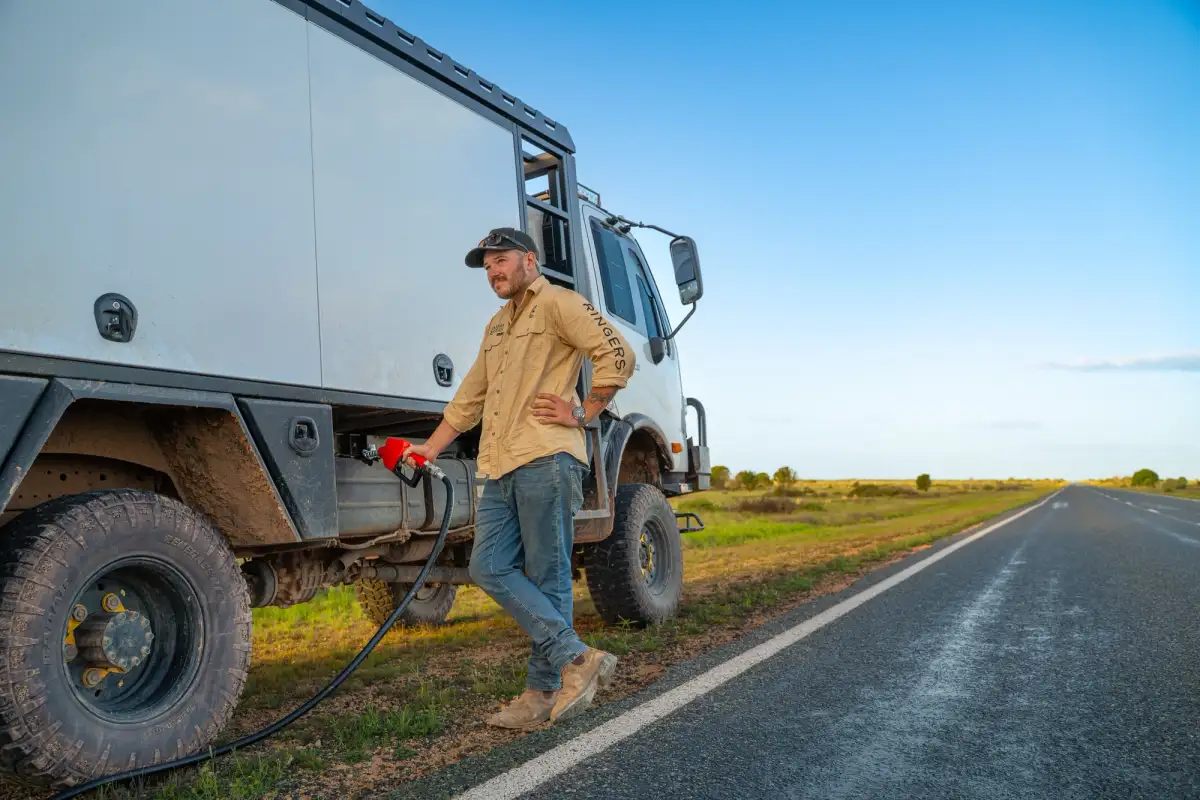
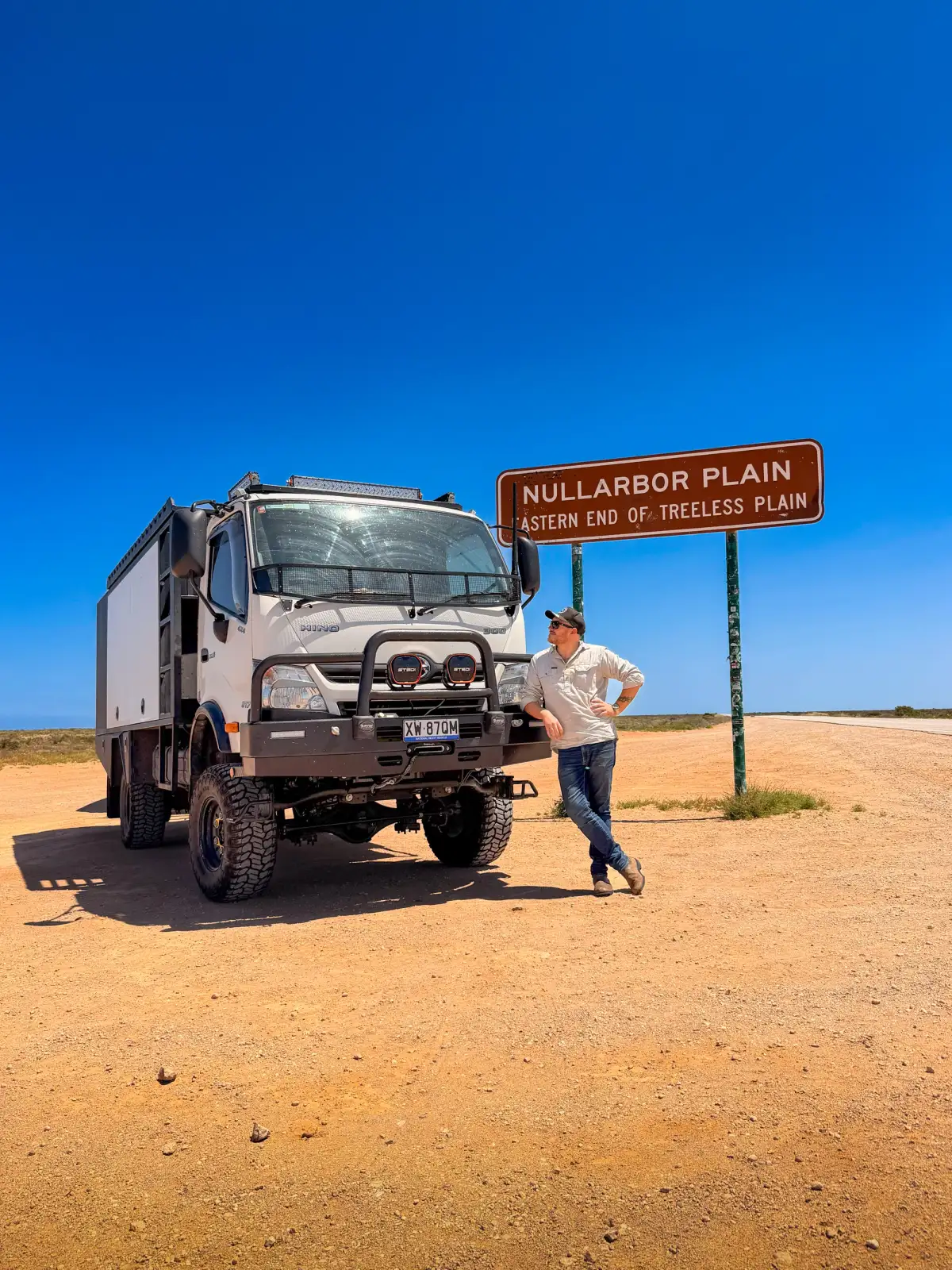
A man refuelling his 4X4 truck
In fact, I reckon some of the greatest experiences I've had travelling this country haven't necessarily involved the destinations themselves. They've involved the people I've met getting there.
So if you've been putting off that big trip because you're worried about heading somewhere unfamiliar, I'd encourage you to do your research, prepare properly and give it a crack.
Sure, the distances might be enormous and the country occasionally unforgiving, but the people you'll meet along the way might just surprise you.
And if my experience is anything to go by, you've got a considerably better chance of being invited in for a cuppa than ending up in a shallow grave.
The adventure starts where the bitumen ends
See how Club 4X4 can help