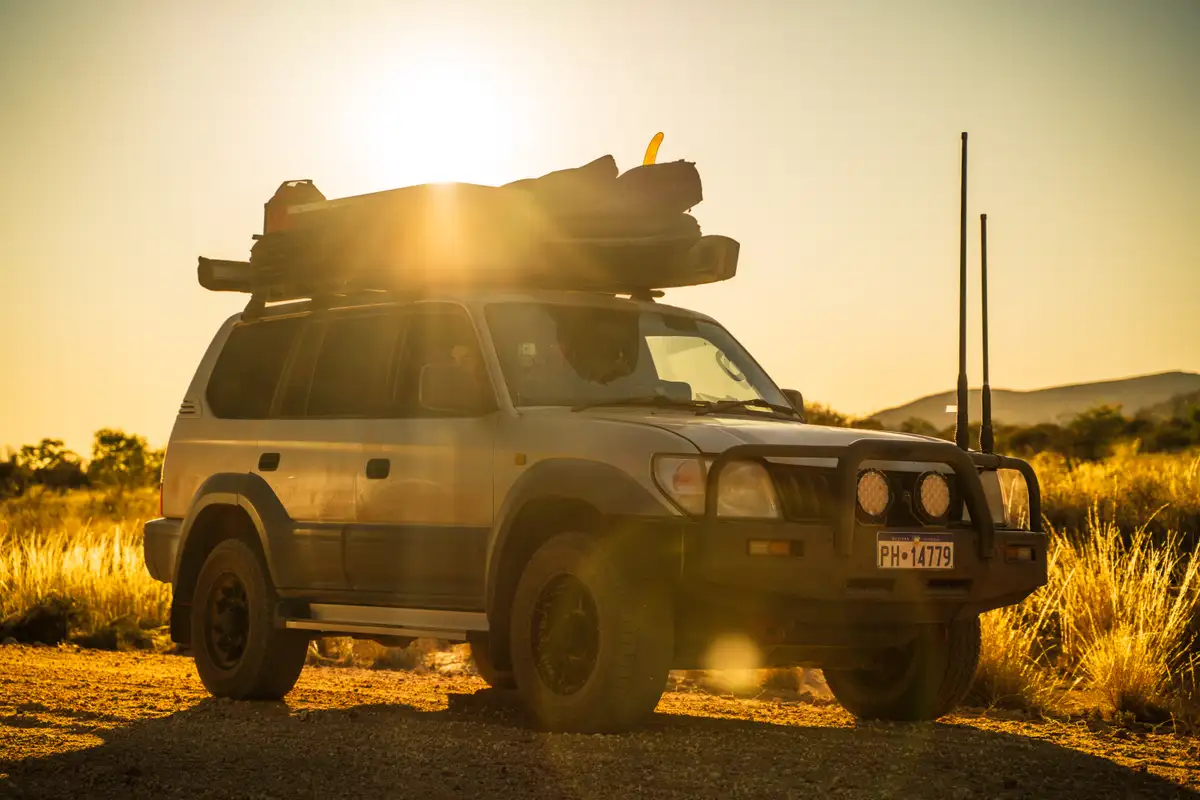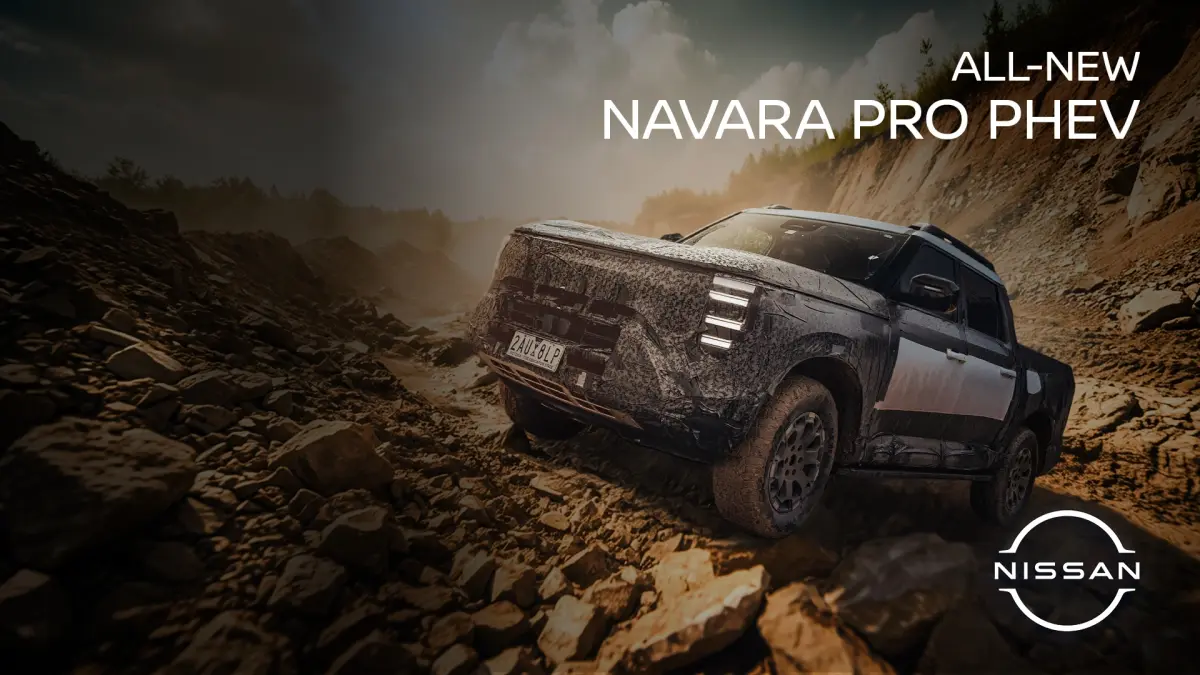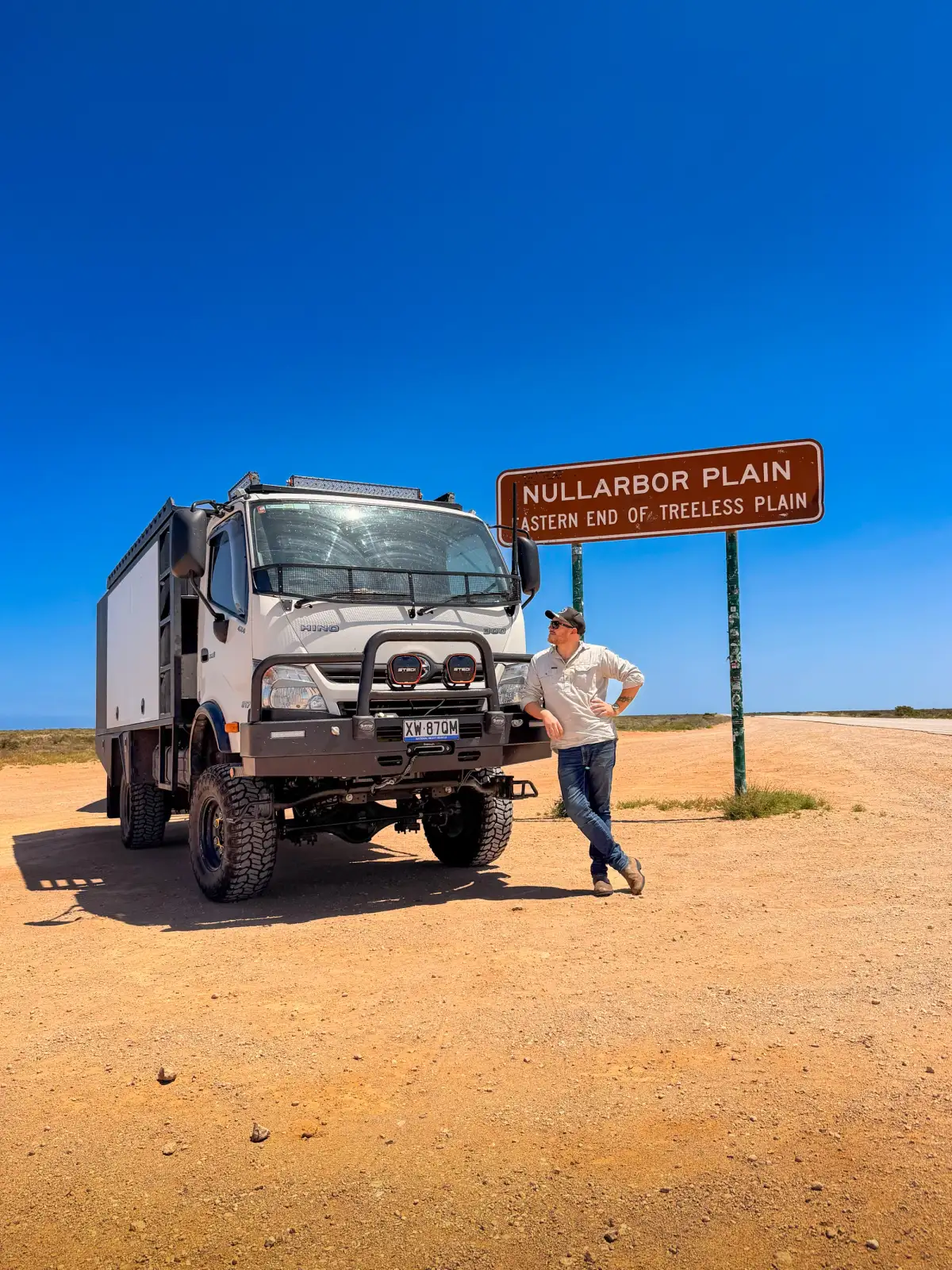
There are plenty of things in life I enjoy more than paying tax. Root canals, for example. Getting bogged in front of a large crowd. Reversing a caravan into an impossibly tight spot while 47 half-drunk men named Keith and Tony offer unsolicited advice. Heck, I'd rather spend an entire afternoon assembling IKEA furniture I didn't even want, but the missus insisted we definitely needed, using instructions written exclusively in Mandarin.
And I'm not alone. Having conducted an extensive survey of three people I know, I've recently discovered that 100% of Australians detest paying tax.
However, there's one tax we seem remarkably happy to cough up for.
The Toyota Tax.
The Toyota Tax is the premium buyers often pay for Toyota vehicles, particularly LandCruisers and Hiluxes, due to their reputation for reliability, strong resale values, widespread parts availability and extensive aftermarket support. While Toyotas typically cost more than rivals, many owners believe the long-term benefits and retained value help justify the higher purchase price.
It's a fascinating phenomenon. Nowhere else in the automotive world can you spend such an obscene amount of money on a vehicle, immediately drop another $40,000 on modifications to make it suitable for the very job you bought it for, and then proudly declare to anyone within earshot that you've made a wise financial decision.
And the worst part? You might actually be right.
Toyota has built an almost religious, cult-like following in this country (and let's be real, in the Middle East too), particularly among those of us who enjoy disappearing into the bush.
But with the price of a new LandCruiser approaching that of a modest investment property, and increasingly capable competitors offering considerably more kit for considerably less coin, I've got to ask the question.
Is the Toyota Tax genuinely worth paying, or have we all just become comfortable paying a premium for a badge and the privilege of winding down our own bloody windows?
Let's find out.
Modified, upgraded, still covered
4WD insurance built for GVM upgrades, mods and accessories, on-road or off.
The Toyota Tax: What’re you Actually Paying for?
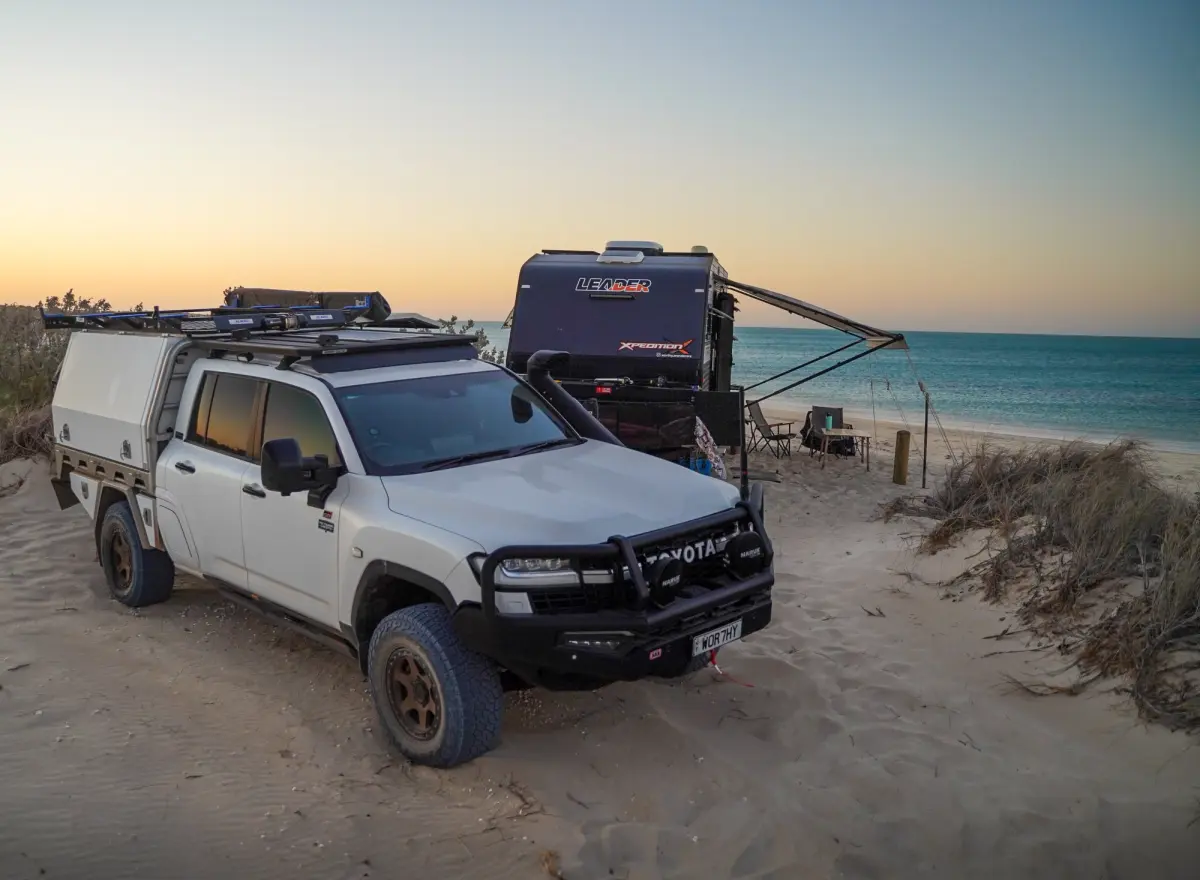
A 4WD Toyota and a caravan camped on a beach
Just like every other tax, on paper, the Toyota Tax can be a difficult thing to justify. You're often paying considerably more for a vehicle that offers less technology, fewer creature comforts and, depending on the model, requires a small fortune in aftermarket modifications before it's ready for serious touring.
So, where's all that extra money going?
Well, you're not necessarily buying more vehicle. You're buying into an established vehicular-ecosystem. Decades of remote-area use have helped Toyota build an extensive parts and servicing network, enormous aftermarket support and a reputation for reliability that few manufacturers can match.
For those of us who regularly disappear into the bush, those things have genuine value. Particularly when the alternative is spending three weeks in Birdsville waiting for a replacement part to arrive, which now that I think of it isn’t so bad, since the local pub does a mean feed… and is a pub.
Then there's the less tangible stuff. The confidence that your vehicle will get you home, the expectation that it'll retain its value and the reassurance that thousands of Australians have already put similar vehicles through absolute hell.
Essentially, you're paying for reliability, support, resale value and, perhaps most importantly, peace of mind.
So the question then becomes whether Toyota still delivers enough of each to justify the premium.
Reliability: Reputation VS Reality

Josh Leonard under a Toyota ute in the Outback
Toyota's reputation for reliability certainly hasn't materialised out of thin air. There's a reason LandCruisers have spent decades being flogged around cattle stations, depended on by Governments, dragged across deserts and subjected to the sort of punishment that would have most vehicles begging for an early retirement.
But just because your dad’s dad had a 40 Series that survived three decades of absolute abuse doesn’t automatically mean a brand-new LandCruiser is more reliable than everything else on the market.
Modern Toyotas have their problems, too. And with increasingly complicated electronics, ever-stricter emissions requirements and more sophisticated drivetrains, they're certainly not immune to leaving you stranded.
But reliability is only half the equation. Repairability matters just as much. By my reckoning, you can break just about anything if you try hard enough. Finding someone who can put it back together in the middle of the bloody Canning Stock Route? That's another story.
When something inevitably goes pear-shaped, there's a reasonable chance the mechanic in the nearest country town has worked on a LandCruiser before. Combine that with Toyota's extensive parts network and enormous aftermarket support, and you've got a pretty compelling argument for spending the extra coin.
“THE TOYOTA TAX MIGHT BE ONE OF THE FEW TAXES AUSTRALIANS WILLINGLY PAY BECAUSE THEY RECKON THE NEXT BLOKE WILL BE HAPPY TO PAY IT TOO.”
So, does Toyota still justify its premium on reliability alone? Not necessarily. But for those regularly travelling remotely, the combination of an established reliability record, widespread support and the confidence that comes with both is worth paying extra for.
Of course, there's another reason people are prepared to part with ridiculous amounts of money for a LandCruiser. They reckon they'll get most of it back when they sell it.
And that brings us to arguably the most interesting part of the Toyota Tax: depreciation.
Depreciation: The Tax you Might Actually get Back
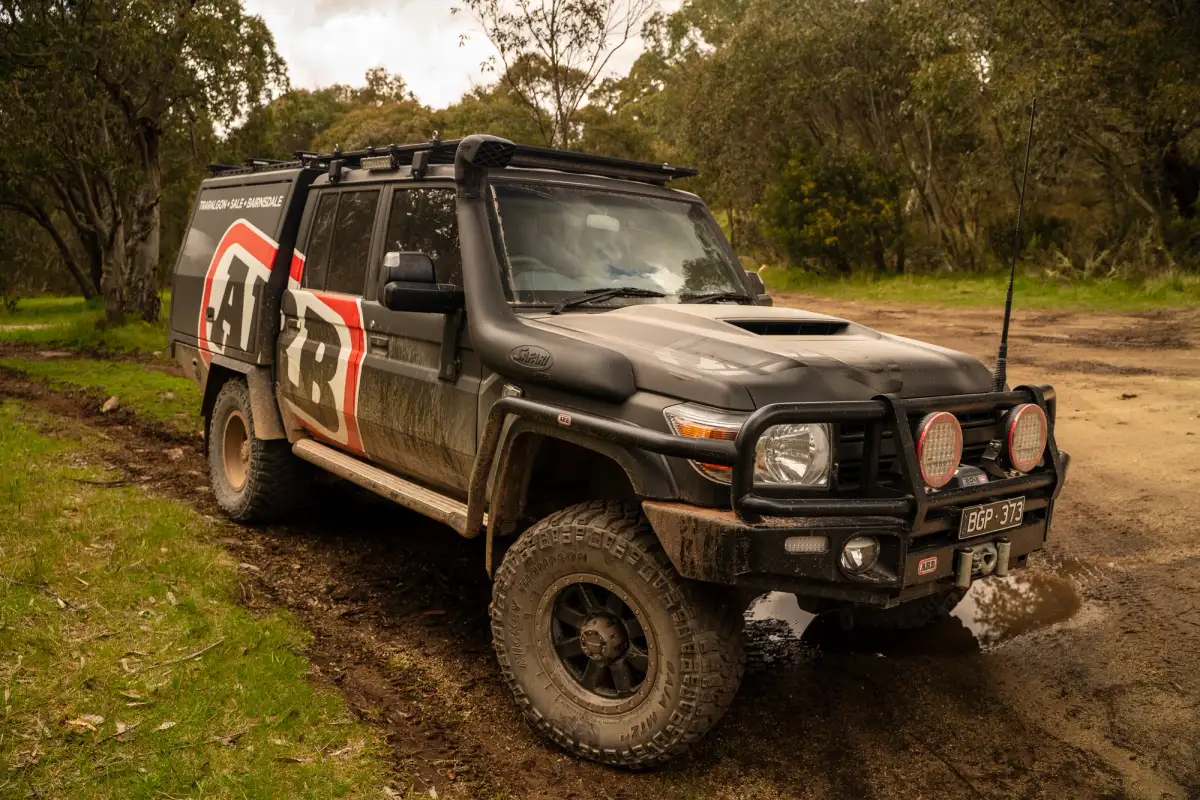
An ARB branded Toyota ute in Australia
While spending an obscene amount of money on a LandCruiser might initially seem like financial stupidity, there's a reasonable chance you'll get a decent chunk of it back when you eventually sell the thing. And before you dismiss this as some questionable Josh-Math, I've got some proper figures to back it up.
According to the Australian Automotive Dealer Association's February 2026 report, LandCruisers aged five to seven years in Victoria retained an average of 98.9% of their original value. That's a pretty remarkable result for something that could've spent half a decade being dragged through the bush.
But before you rush home and tell the missus or mister that buying a $120,000 LandCruiser is a sound investment, there is a slight catch.
That $40,000 you've spent on modifications isn't necessarily coming back when you sell it. Neither are your interest payments, premiums or the small fortune you've donated to every servo between here and Cape York.
The real figure worth considering is what the vehicle costs you over the entire period of ownership, not simply what some bloke on Facebook Marketplace reckons it's worth.
Still, there's no denying that strong resale values can take a considerable sting out of the Toyota Tax. And with V8 LandCruisers now out of production, things could be about to get even more interesting.
So, is the Toyota Tax Worth Paying?
With Toyota having pulled the pin on the V8 LandCruiser, the last of them will likely attract an even more ridiculous premium as enthusiasts scramble to get their hands on one. After all, if there's one thing Australians love more than a V8 LandCruiser, it's a V8 LandCruiser they can no longer buy new.
Whether that translates into higher resale values years down the line remains to be seen, particularly as newer, increasingly capable alternatives establish themselves.
As for whether the Toyota Tax is worth paying? I reckon there's a reasonable argument for it, particularly if you're planning on keeping the vehicle for years and putting some serious kilometres under its belt. But don't confuse a strong resale market with a guaranteed investment, and don't forget to factor in what it'll cost you to own it.
Obviously, none of that guarantees your LandCruiser will appreciate in value, particularly once you've spent a stack of cash modifying it and driven it halfway around the country.
But perhaps that's what makes the whole thing so fascinating.
The Toyota Tax might be one of the few taxes Australians willingly pay because they reckon the next bloke will be happy to pay it too.
Modified, upgraded, still covered
4WD insurance built for GVM upgrades, mods and accessories, on-road or off.