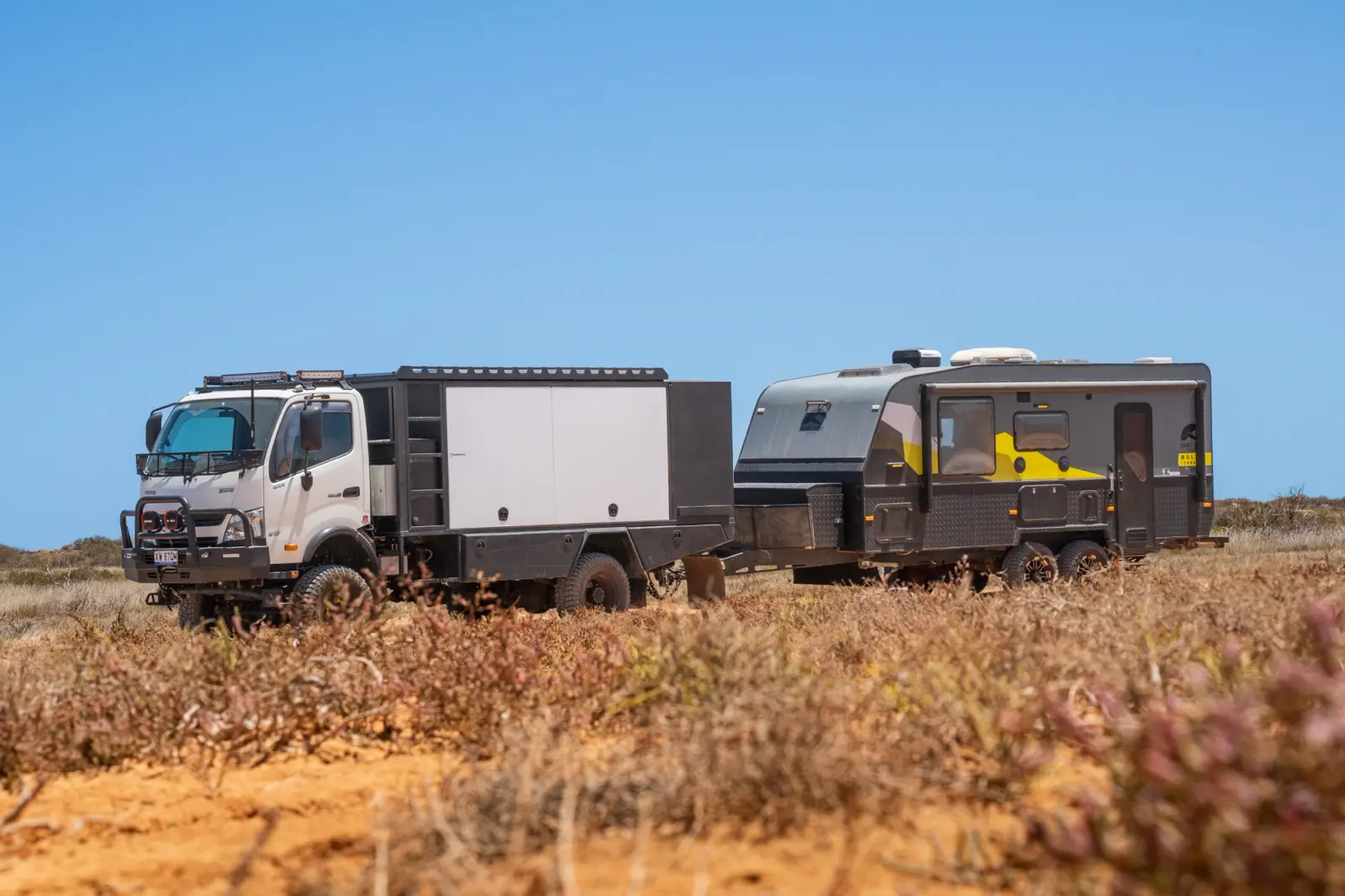
Back in the day camping meant throwing a swag in the back, filling an Esky with enough food and beer to survive the weekend, topping it with a light dusting of ice cubes and heading bush.
These days, before you're allowed to leave the driveway, you'll need a four wheel drive, enough lithium to power a regional town, satellite internet, a coffee machine, three fridges and, ideally, a caravan worth more than the first house your parents bought.
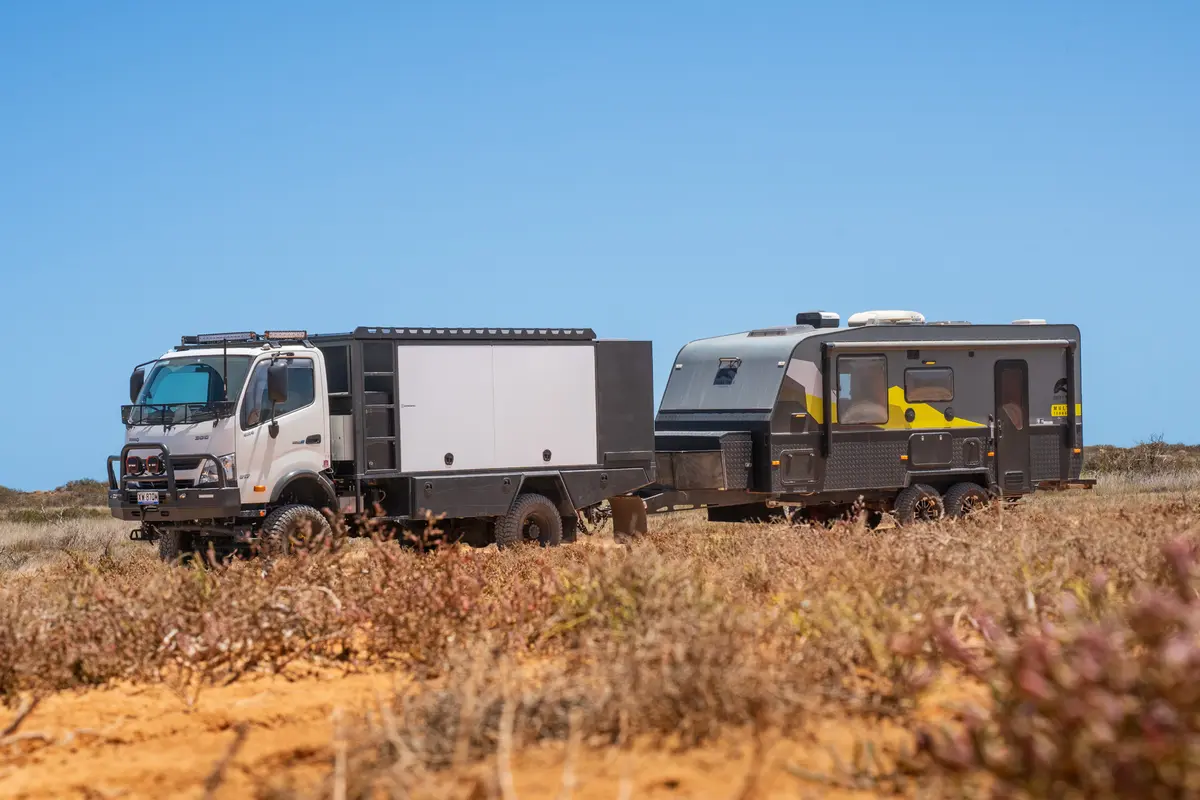
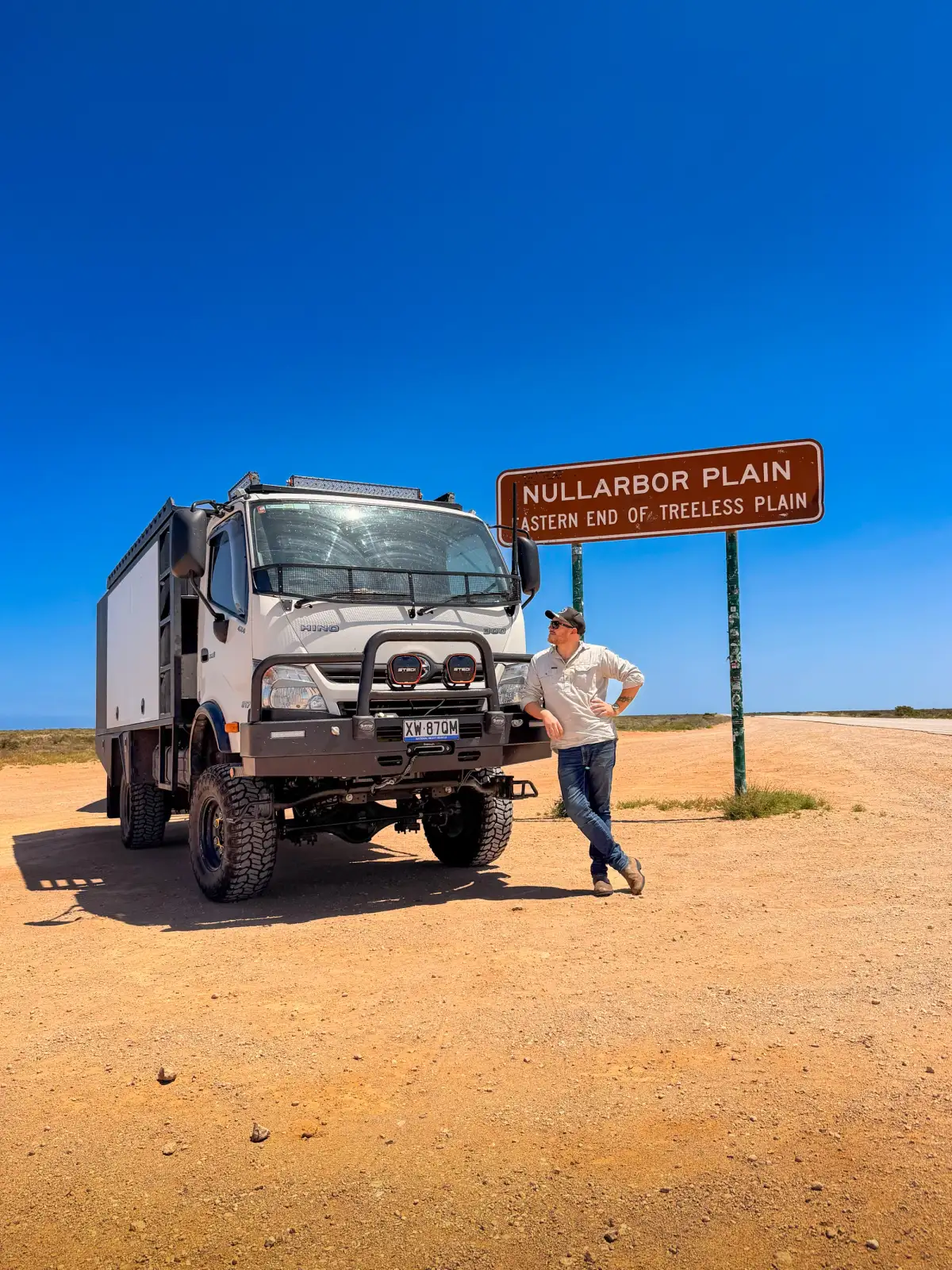
And yes, I'm hardly in a position to judge. I currently travel in a truck with more solar on the roof than some houses, so I'm very much throwing stones from inside an extremely well equipped glass house.
But somewhere along the way, touring feels like it got bloody expensive.
Fuel, food, accommodation, national park fees, maintenance, etc. Almost everything involved in touring this country costs considerably more than it once did. And that's before we've even turned the key.
Don't let it stop you
get a quote for insurance that covers you anywhere you can legally go in Australia
I've spent a decent chunk of my adult life travelling around Australia, and lately I've found myself thinking about the cost of doing it far more than I used to.
A tank of fuel hurts. A night in a caravan park can leave you wondering whether they've accidentally charged you for the cabin instead of the patch of grass out the front of it. And walking into a remote roadhouse for lunch can require the sort of financial planning normally reserved for major infrastructure projects.
Of course, none of that means we should stop going. I'd sooner sell half the crap I've bolted to the truck than give up actually using it.
But it does raise an important question. Is touring Australia becoming too expensive?
And perhaps more importantly, if it is, is there actually anything we can do about it?
What Does Touring Actually Cost?
The issue with working out how much touring costs is that there really isn't one answer.
I've done trips where I've camped for free, cooked every meal myself and really only spent money on fuel. I've also had days where I've filled the truck, paid for a caravan park, replaced a spare tyre, gone to the pub for dinner and somehow relieved my bank account of $1,500 before going to bed.
That's touring.
Obviously, fuel is one of the biggest issues. A 10,000 kilometre trip in a 4WD using 15L/100km, with diesel averaging $2.20 a litre, is $3,300 before you've spent a cent on anything else. Tow a caravan and use 22L/100km and you're at $4,840.
Then, rather crucially, you've got to live.
Food is an interesting one because, theoretically, you'd be eating at home anyway. But anyone who's spent time on the road knows that's kinda not how it works. Remote grocery shops cost more, roadhouse lunches sneak in and "we should have dinner at the pub tonight" is a hard sentence to say no to.
Accommodation can be nothing one night and north of $60 for a bit of dirt the next.
And don't forget the boring stuff you're still paying while you're away. Finance, phone bills, internet and whatever else continues happily removing money from your account while you're sitting beside a campfire pretending it doesn't exist.
That's why I don't think there's much value in saying an Australian lap costs $20,000, $50,000 or $100,000. I've met people travelling this country on bugger all and others who could probably spend $100,000 getting to Queensland.
The useful number is yours.
Decide how often you're prepared to pay for accommodation and brim the tanks, be realistic about how you eat and what you like doing, and leave some money aside for when something inevitably goes wrong.
Have we Been Sold too Much Gear?
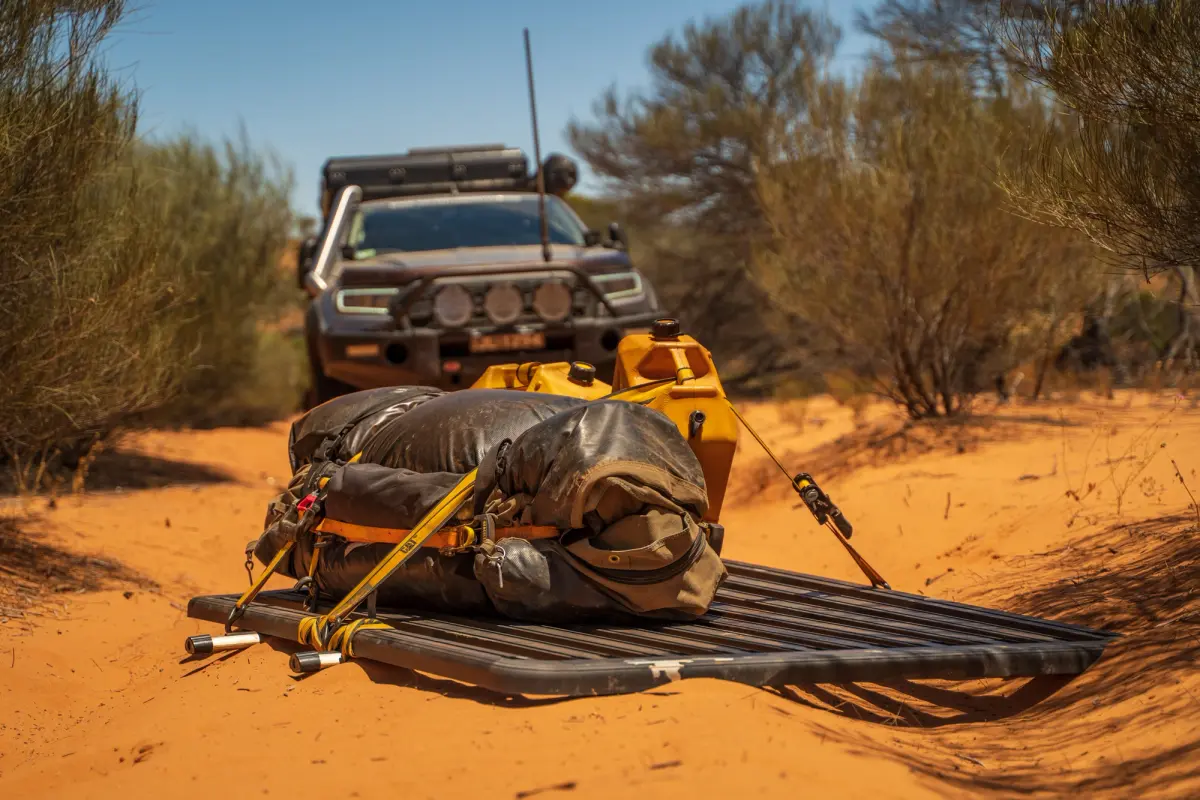
Touring gear on a platform in the Outback of Australia with a 4X4 ute in the background
Then there's the money we spend before we've even gone anywhere.
And this is where I'm going to be very careful throwing stones, because I'm writing this from a truck with a 5kW inverter, satellite internet and enough battery capacity to run appliances I probably shouldn't be taking camping in the first place.
I love good gear. Most of us do. That's half the fun of owning a 4X4.
But I do wonder whether we've reached a point where we're making touring look far more expensive than it actually needs to be.
You'd be forgiven for thinking you need the entire accessory catalogue bolted to your rig just to leave the blacktop. But I can assure you, you don’t.
There's gear I'd absolutely spend money on. Good tyres, recovery equipment, first aid, communications, enough water for where you're going and keeping the vehicle mechanically healthy. The rest depends entirely on what you actually do.
And that's probably the bit we've got backwards.
Go touring first. Find out what annoys you, what you're constantly borrowing, what would make life easier and what you genuinely need. Then hand over your hard-earned.
How Do We Make It Cheaper?
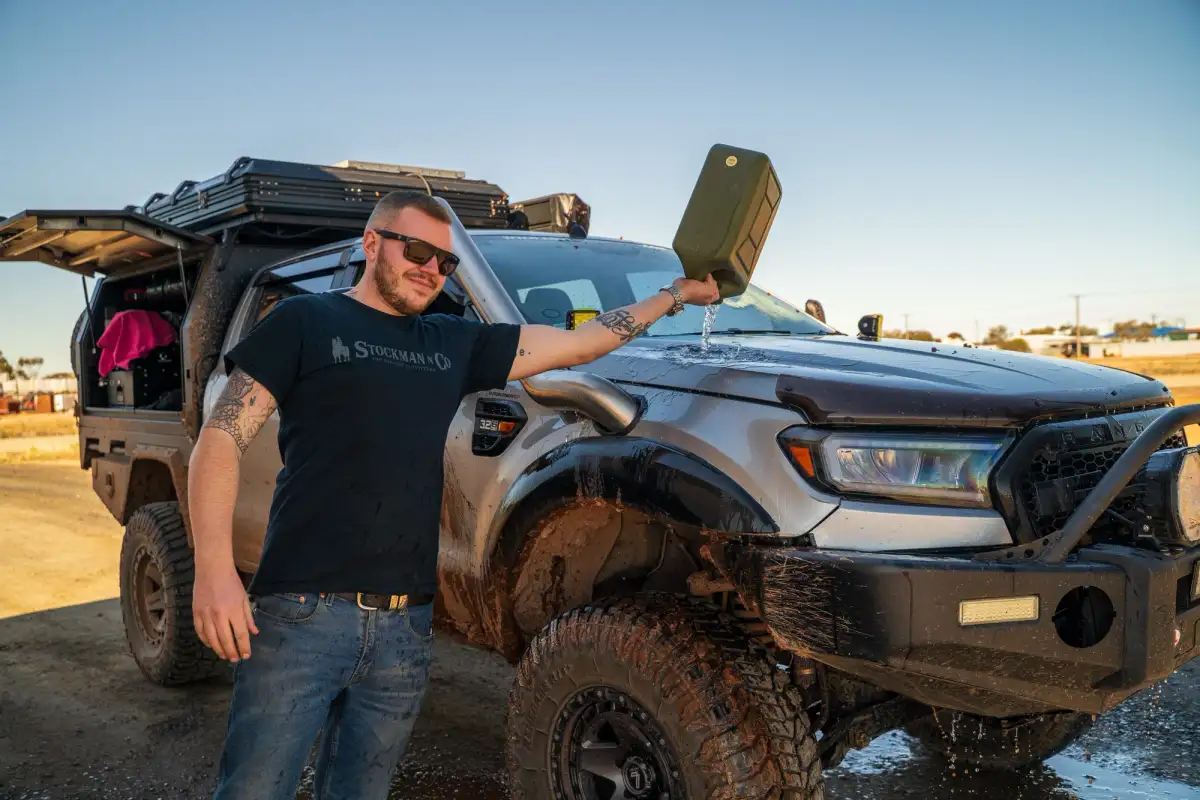
Josh Leonard tipping out a jerry can of water over his 4X4 Ford Ranger ute
Thankfully, there are still plenty of ways to pull the cost of a trip back without spending six weeks eating baked beans in a roadside rest area.
Start with the big stuff. Slow down. The difference in fuel consumption between sitting on 100km/h and trying to hold 110km/h can be enormous in a 4X4.
Where you sleep is another easy one. Mixing caravan parks with free and low cost camps can pull hundreds, potentially thousands, out of a long trip. Save the powered sites for when you actually need the facilities rather than automatically booking one every night, WikiCamps is a great app to help you find free and low-cost camps all over Australia.
Planning fuel stops will help too. In remote Australia you won't always have a choice, but when you do, filling up before you reach the really isolated stuff can make a noticeable difference. The same goes for food. Stock up in larger towns rather than discovering you need six dinners, milk and toilet paper at a roadhouse 700 kilometres from the nearest supermarket.
And try not to overlook maintenance. Spending money servicing the vehicle before you leave might not feel like saving, but it's considerably cheaper than deciding not to and ending up with a knackered engine.
None of these things will suddenly make touring cheap again, but doing them a few times over a month or two on the road can lead to huge savings.
And importantly, none of them require you to have a worse trip.
So, is Touring Getting too Expensive?
A dirt road in Australia's Outback
Somewhere along the way, I reckon we started confusing the cost of touring with the cost of building a touring vehicle.
They're not the same thing.
You can spend $200,000 building the ultimate setup and never leave your postcode, or you can throw a swag in the back of a 15-year-old four-wheel drive and see half the country.
That's not to say touring hasn't become more expensive. It absolutely has. Fuel costs more, campsites cost more, groceries cost more and apparently buying a roadhouse sausage roll now requires pre-approval from your bank manager.
But the uncomfortable truth is that some of the cost is self-inflicted.
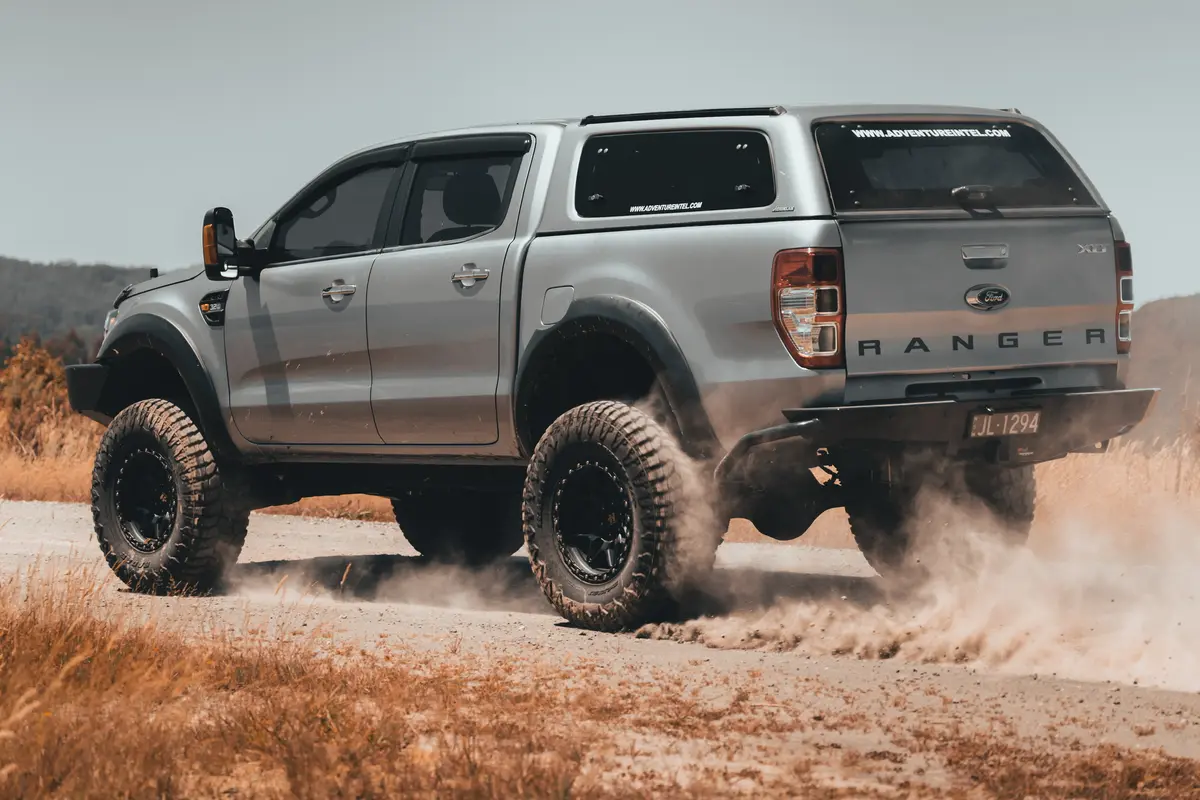
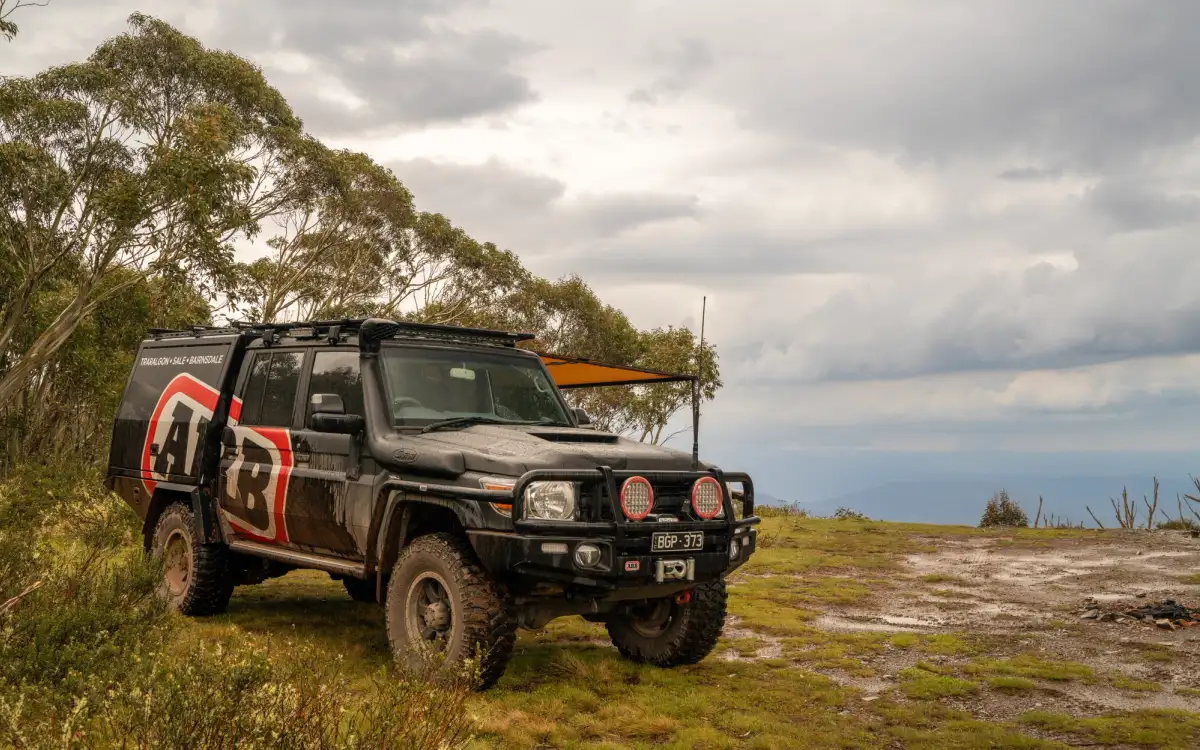
We've convinced ourselves we need bigger vehicles, bigger caravans, more batteries, more accessories and enough technology to maintain contact with the International Space Station before we're properly equipped to spend a weekend in the bush.
I love good gear as much as the next bloke. A well-built touring setup can make life on the road safer, easier and considerably more comfortable.
But none of it is the reason we started doing this.
Touring certainly isn't as cheap as it once was. But perhaps the biggest threat to affordable touring isn't the price of diesel.
It's convincing ourselves we need everything before we're allowed to leave.
Don't let it stop you
get a quote for insurance that covers you anywhere you can legally go in Australia