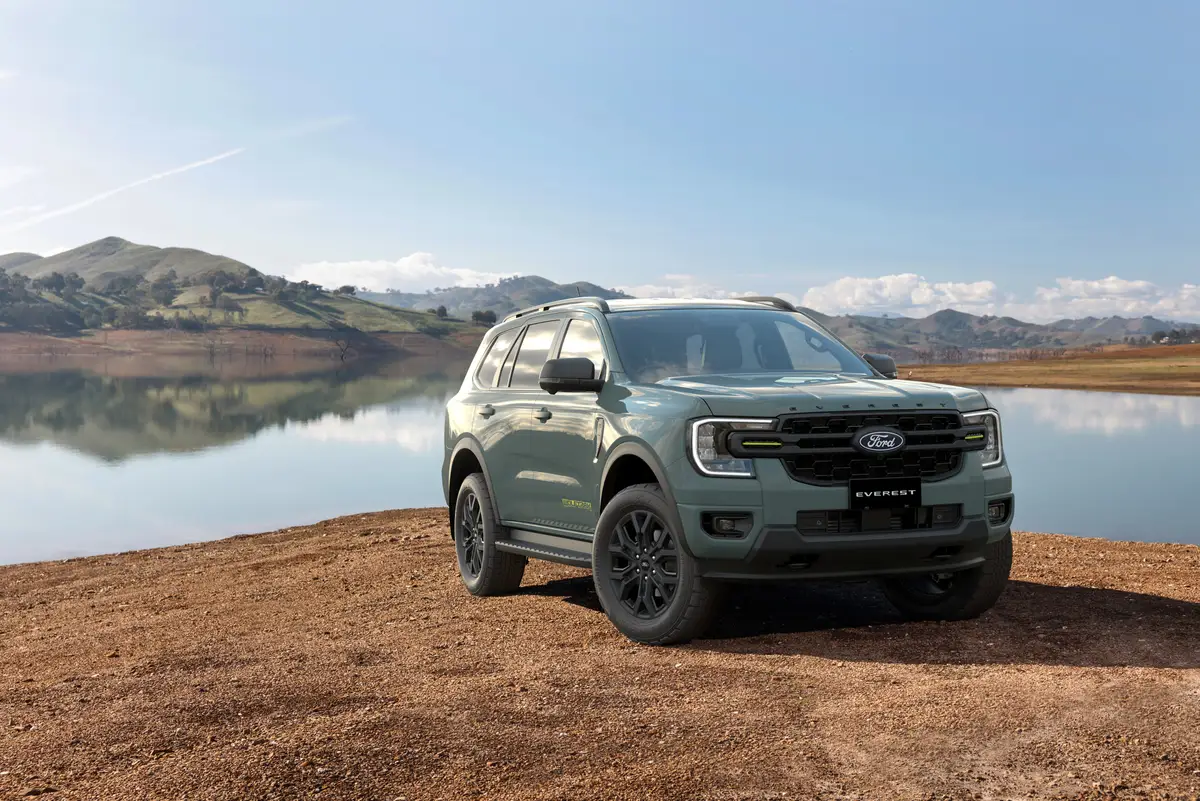
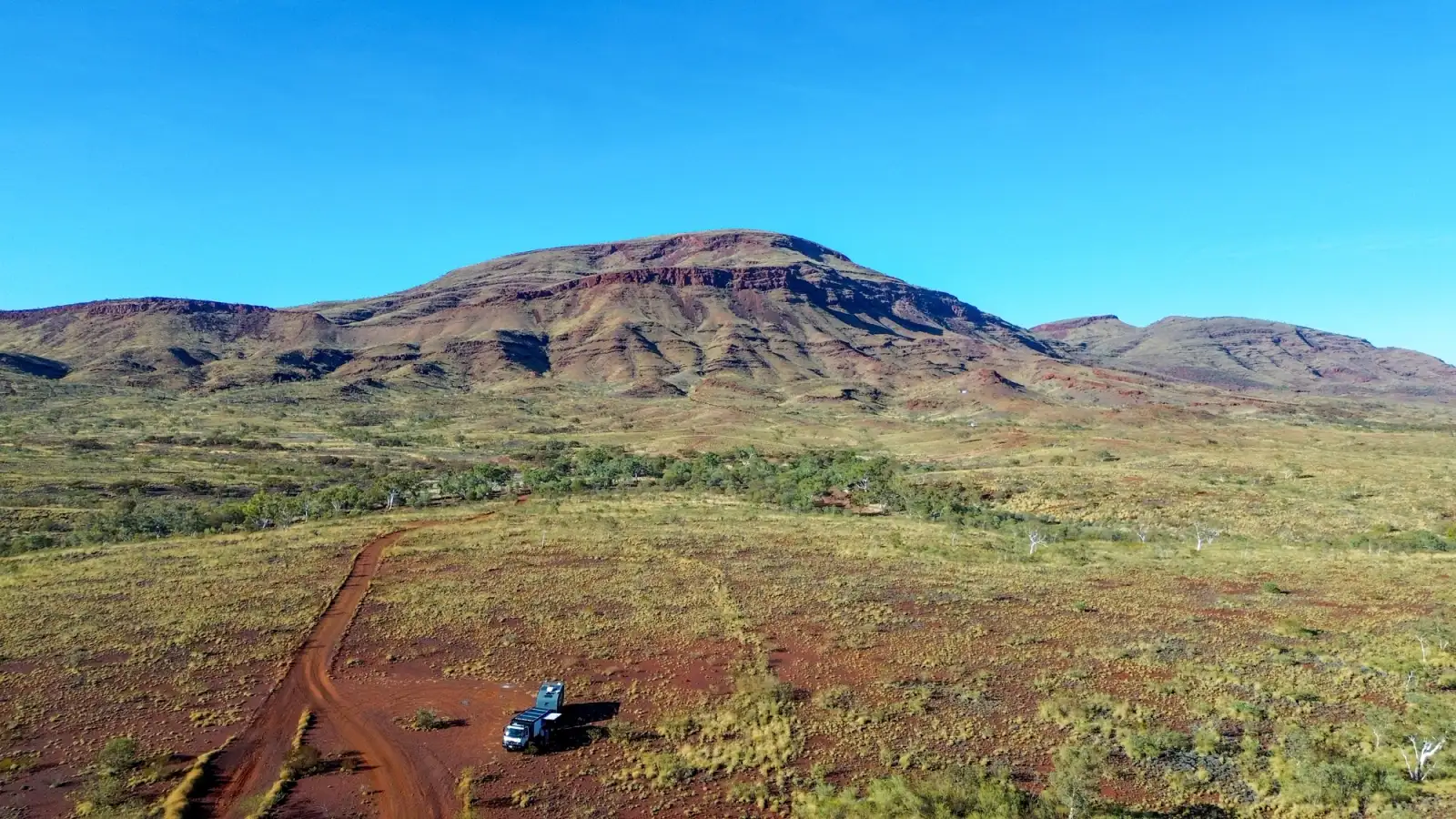
For Aussies and international travellers alike, tackling Australia’s “Big Lap” is the ultimate once-in-a-lifetime, dream adventure. As the name suggests, it involves circumnavigating the country along Highway 1 (the world’s longest continuous highway) covering approximately 14,500 kilometres. Of course, you have the freedom to customise and make the journey your own by adding inland detours such as a run up through Outback South Australia (which I’d highly recommend!).
Whether you stick to the classic coastal loop or venture off the beaten track, this epic adventure requires some serious trip planning and preparation that you can’t just wing. Here are my top tips for planning your ‘Big Australian Lap’.
Work Out Your Timeframe
The first thing you need to decide is how long you want to be on the road and realistically can be away for. This timeframe will dictate almost all of your future decisions in this planning process like what direction your lap will go in, which seasons you’ll be in certain states and how much money you’ll need to last you.
Most people will take 12-months to do it, but if you’re not wanting to stop and smell the roses along the way then it is possible to do it in 6 months. Obviously, the slower you go, the richer your experiences will be as you’ll see more and have the time to enjoy it. However, that’s not always a possibility for everyone.
So, first work out where you stand with time and then you can move on to the next step.
Planning Your Seasons
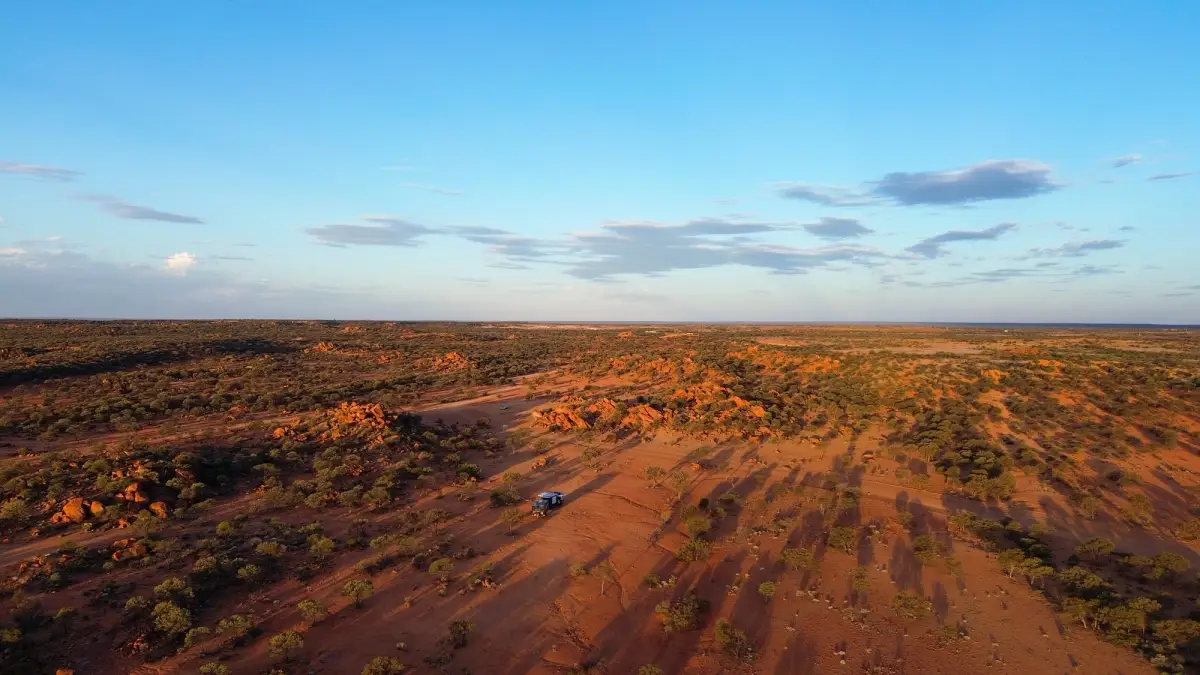
Australian Outback
Timing can make or break a Big Lap. Australia’s climates vary dramatically, so understanding when to head north, when to explore the south, and how to avoid peak-season crowds can have a big impact on your trip. From weather windows to road closures and off-season opportunities, smart seasonal planning is one of the most important parts of mapping out your route.
Choose your setup
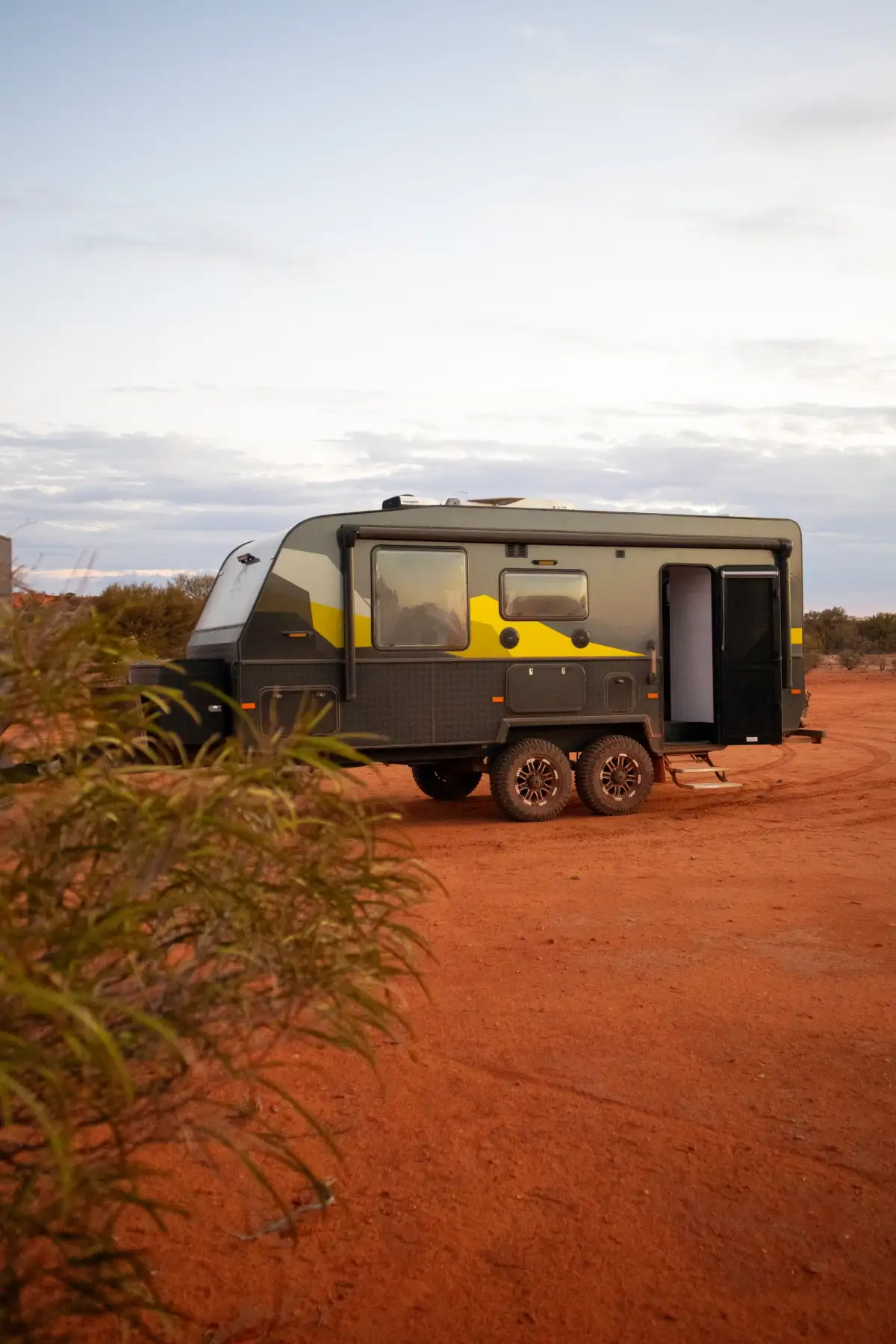
Caravan in Outback
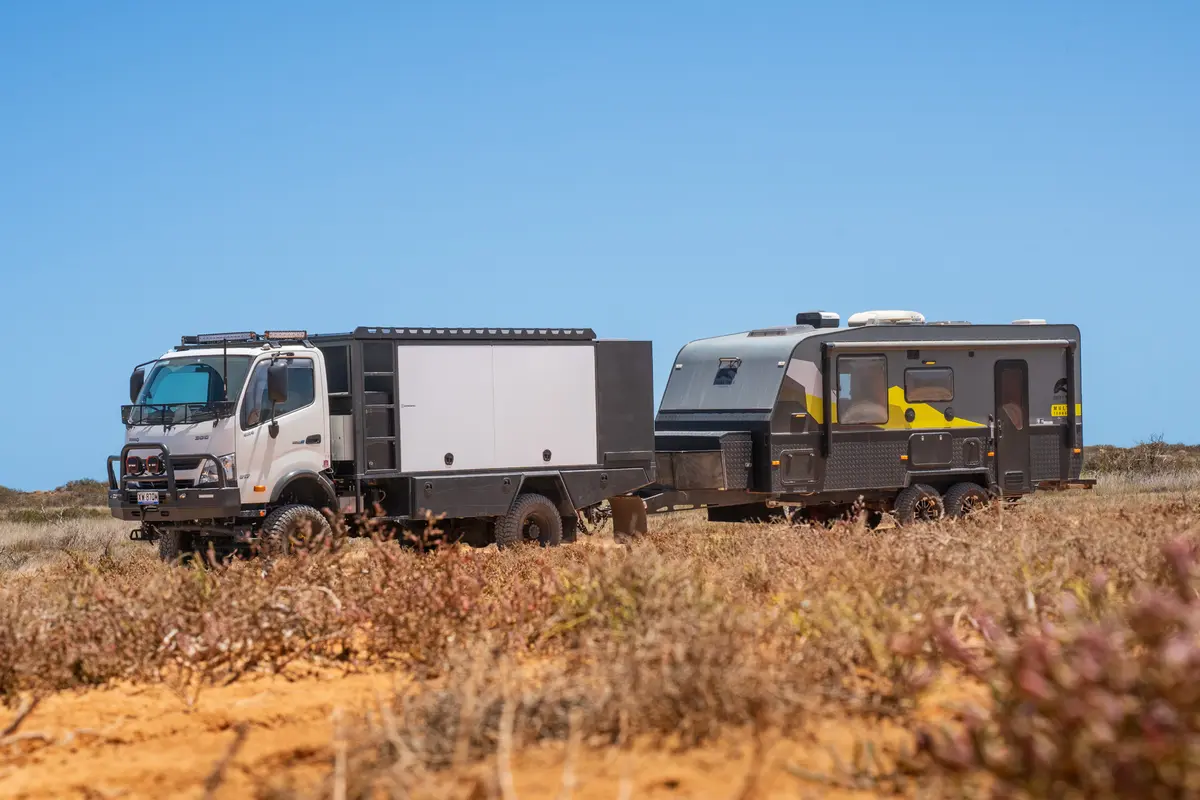
So you now know you’re heading away for 12-months and you’ve decided on your direction. Next, you need to work out what your home and transport will be! If you like a little extra comfort, you might want to consider towing a caravan or camper trailer, but do make sure it’s suited to the conditions you’ll be driving. If you’re heading on corrugated, dirt roads or tricky tracks your best bet is purchasing an off-road caravan or camper trailer that can handle the challenge.
If you’re shorter on cash, want the ultimate capability to get to those hard-to-reach spots and don’t mind roughing it (or prefer it), perhaps a rooftop tent mounted on your 4WD or a simple swag thrown in the back will suffice.
If you’re planning on sticking to the bitumen, then a motorhome or campervan could be your vehicle of choice with everything in one, neat setup. Just keep it mind it may limit you with a lack of off-road capability.
Every setup has its pros and cons, so the key is finding what works best for you and your style of travel.
Budgeting
A 12-month lap takes financial planning, and your costs can vary widely depending on how you travel. Fuel, campsites, groceries, maintenance and emergency expenses all need to be factored in. Building a realistic budget before you leave can help make your adventure sustainable from start to finish.
Consider Working and What That Looks Like for You
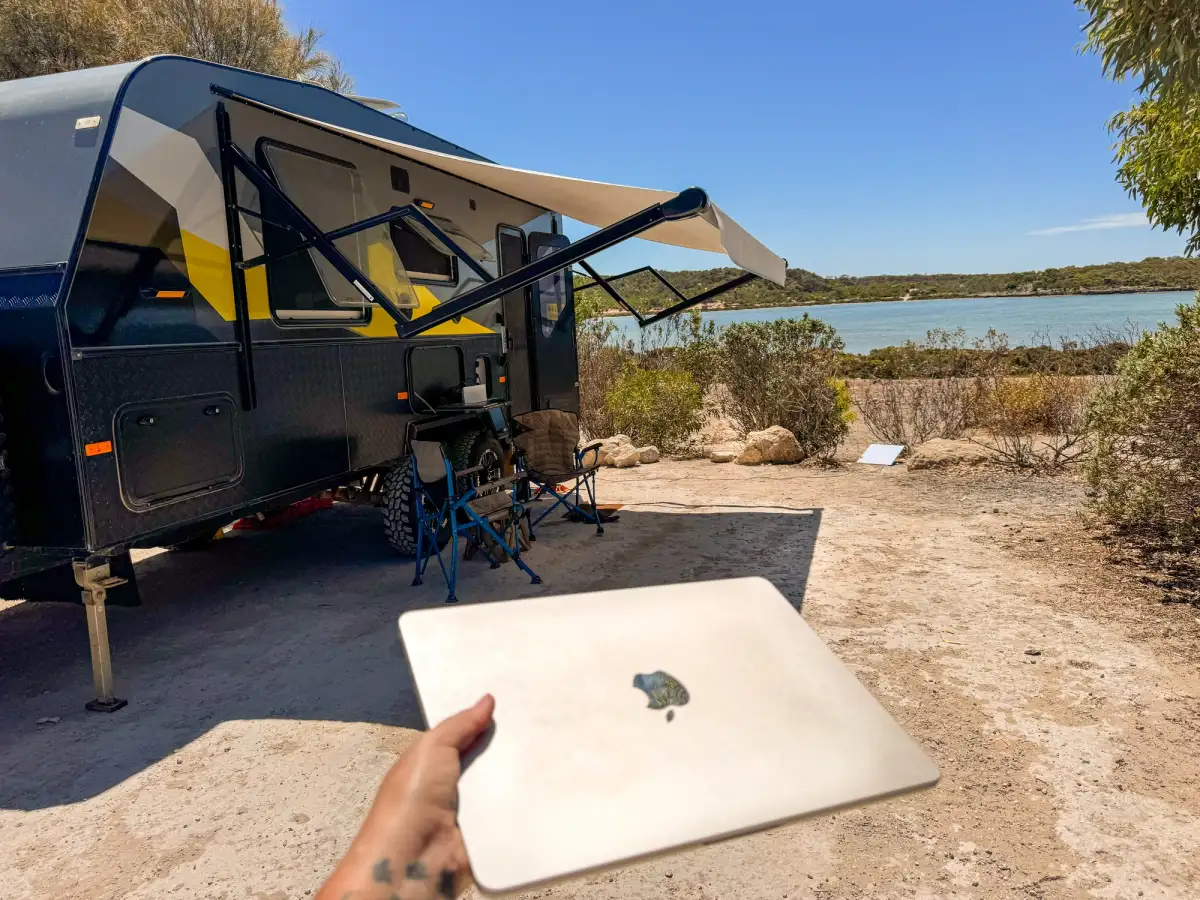
Apple Macbook with caravan, working remotely in Australia's Outback
For some travellers, earning money while travelling can help extend the journey. Whether that means securing remote work before you leave or picking up seasonal jobs on the road, there are options to keep your bank account healthy while you explore. It all comes down to finding the right balance between work and adventure.
Create a Smart Packing List
Packing for long-term travel is all about striking the right balance between being prepared and avoiding unnecessary weight. From safety gear and recovery essentials to space-saving solutions and navigation tools, a well-considered packing list can make life on the road much easier.
Make Sure Your Insurance is up to Scratch
Before you leave, it’s worth reviewing whether your insurance is suited to the way you plan to travel. Standard policies may not cover touring, modifications or remote recovery, which is why specialist cover can be worth considering. The right policy can provide valuable peace of mind when the unexpected happens.
Expect the Unexpected
Even the best-planned lap won’t always go to plan, and that’s often where the adventure begins. Flexibility, preparation and the right mindset can go a long way when dealing with detours, breakdowns or changing conditions. Sometimes the unplanned moments become the most memorable part of the trip.
Big lap planning?
Get comprehensive insurance that can go there too.