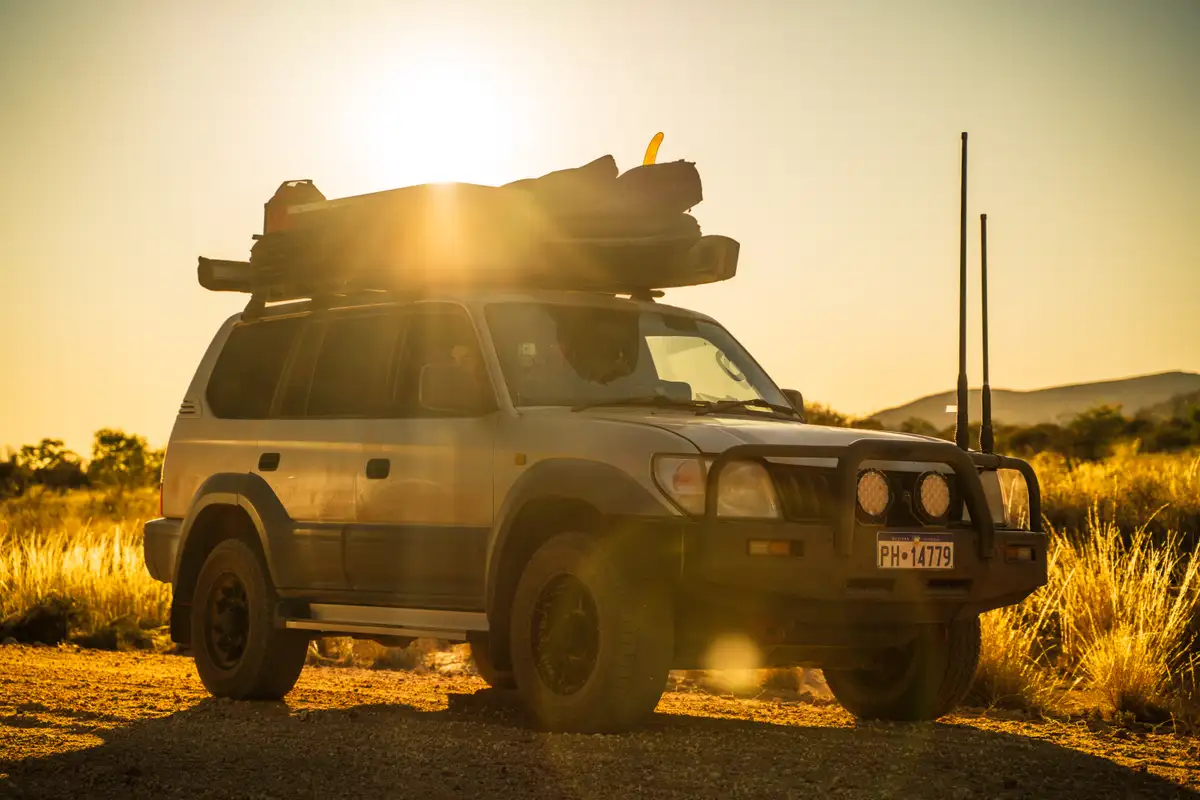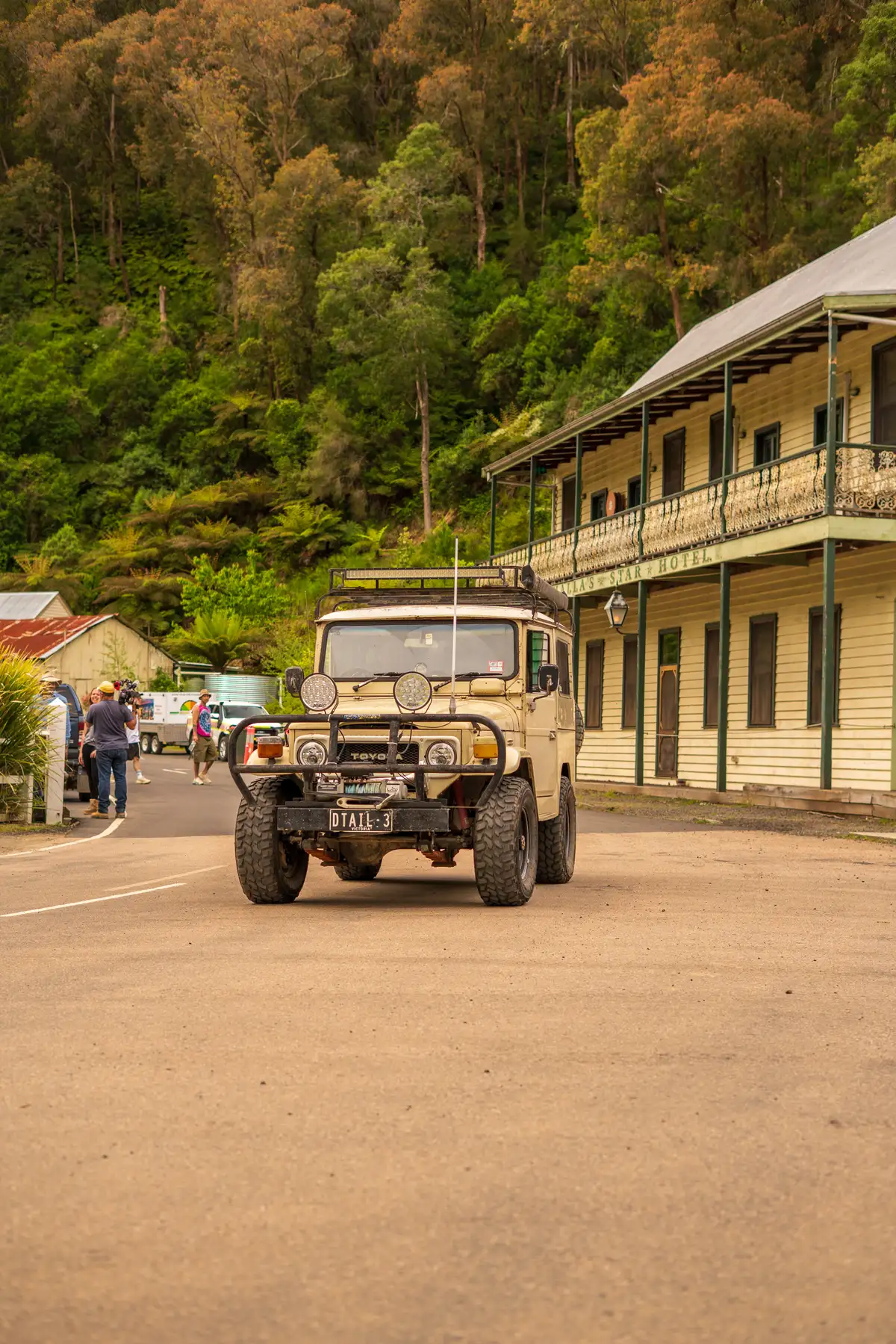
I remember buying my first 4X4 like it was yesterday. I was 17, but I’d been dreaming about that moment since I was six years old. I was so excited I turned up carrying a milk crate with a UHF radio, an aerial, a pair of driving lights which were actually the landing lights off a Cessna aeroplane, and a ratchet strap inside it.
After handing over just about every cent I had, I left as a first-time 4X4 owner. I pulled into the first McDonald’s car park I could find, wired in the UHF and lights, strapped the milk crate into the tray and admired my handiwork. Plenty of addictions probably start in McDonald’s car parks. Mine just happened to be modifying 4X4s.
These days it’s easy to get caught up in what social media says a 4X4 needs to be. Every second rig online looks ready to tackle the Dakar Rally, and it’d be understandable if drivers that are new to the scene started getting quotes for mods like beadlocks, rear winches and hydraulic remote res shocks.
The reality is, your first modifications should be about reliability, capability and learning what actually matters to you and the way you use your 4X4.
Here are the modifications worth focusing on first.
First Things First
When it comes to setting up any 4X4, the first thing people should do is make sure the vehicle itself is fighting fit. There’s very little point bolting a rooftop tent onto a rig with four seized wheel bearings or oil that hasn’t been changed since Bob Hawke was Prime Minister.
Once that’s sorted, the next step is working out what you actually want the vehicle to do. Get that right and the rest of the process becomes a whole lot easier.
You don’t need to be twin-locked on 37 inch tyres if you’re commuting to work Monday to Friday and driving Stockton on the weekends. Likewise, if your goal is technical tracks and insane recoveries, a winch, decent bar work and diff locks will probably matter more to you than a long-range fuel tank or a fridge.
Start by deciding what you want your 4X4 to be genuinely good at, then build around that.
Tyres
I believe tyres are one of the most fundamentally important parts of a 4X4. The right set of rubber can make a night and day difference to a vehicle’s capability, handling and confidence off-road.
Factory tyres are usually a compromise and almost always an insult to the vehicle they were delivered on. They’re designed to be quiet, fuel efficient and cheap to replace, not to handle rocks, mud, sand or a fully loaded touring setup… which seems ridiculous, doesn’t it?
For most people, a quality all-terrain tyre is where they should start. They’re strong enough to handle rough tracks, predictable on-road and far less likely to let you down in the middle of nowhere. You don’t need the most aggressive mud tyre on the shelf if it doesn’t match the majority of your driving.
Sidewall strength matters more than people think. It can be the difference between brushing off a sharp rock and staking a tyre 497km from the nearest town, but it’s not the only thing worth considering. Load rating, construction type (Light Truck vs passenger), ply rating and tread pattern all play an important role too.
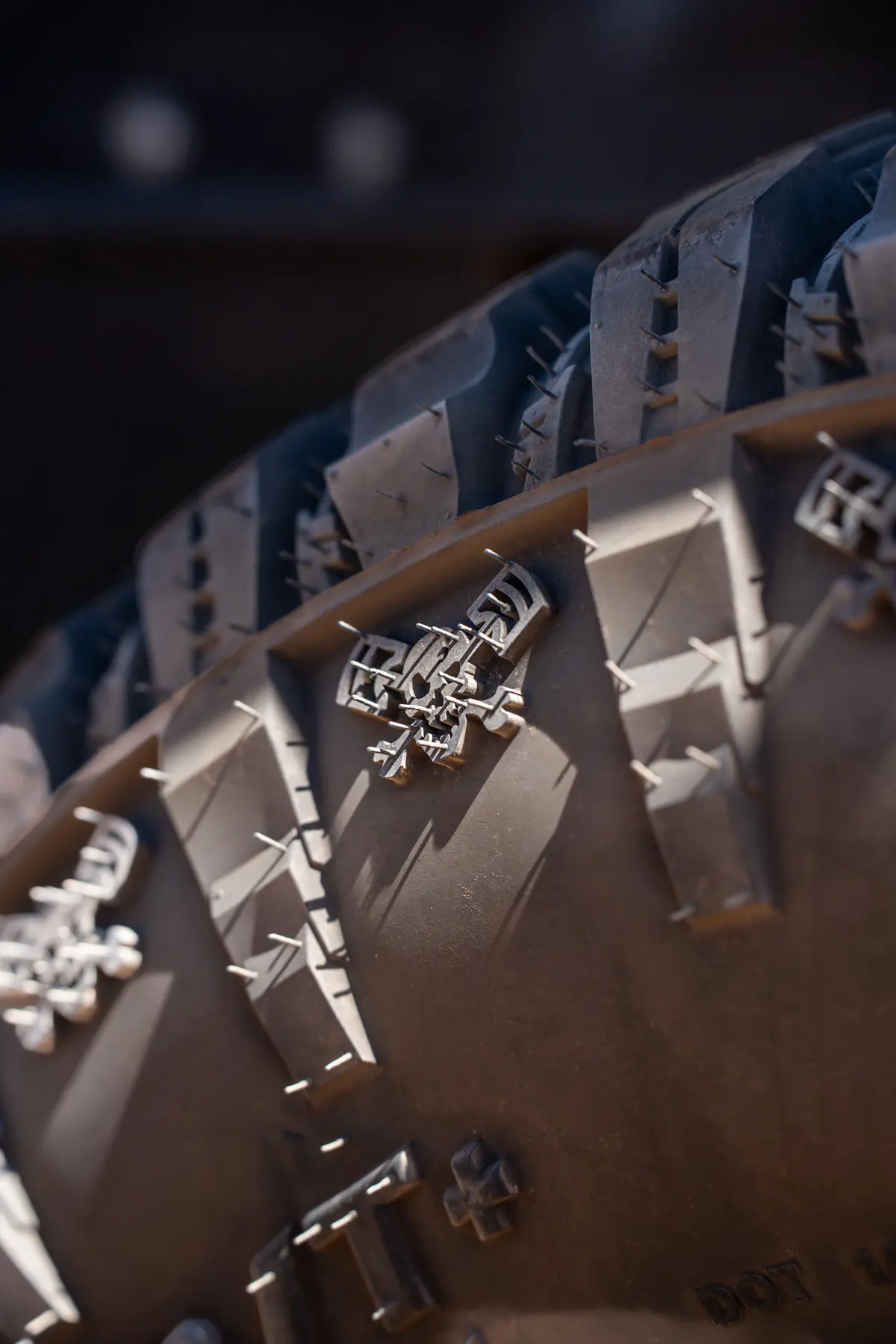
tyre tread close up on 4WD
Bar Work
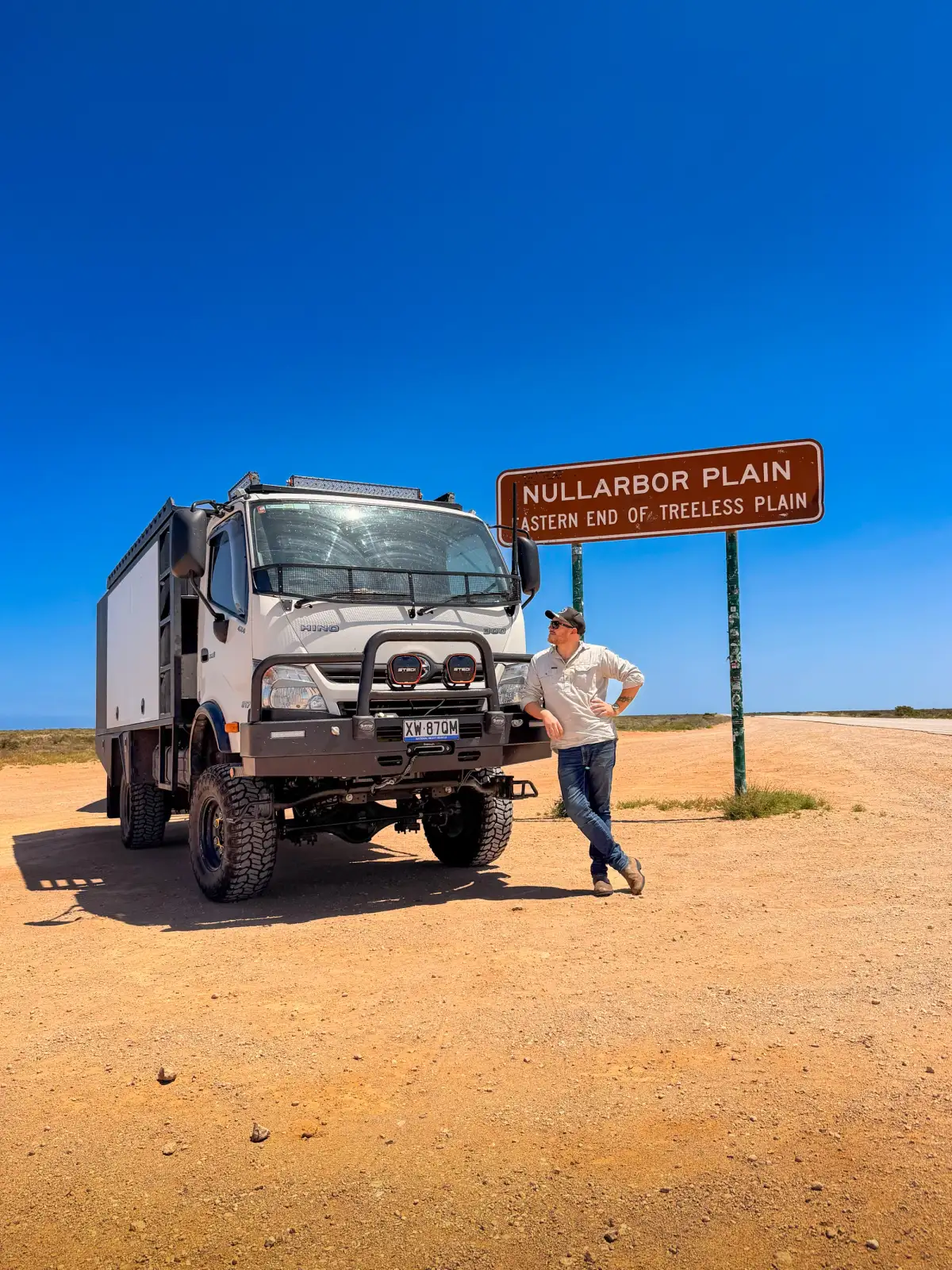
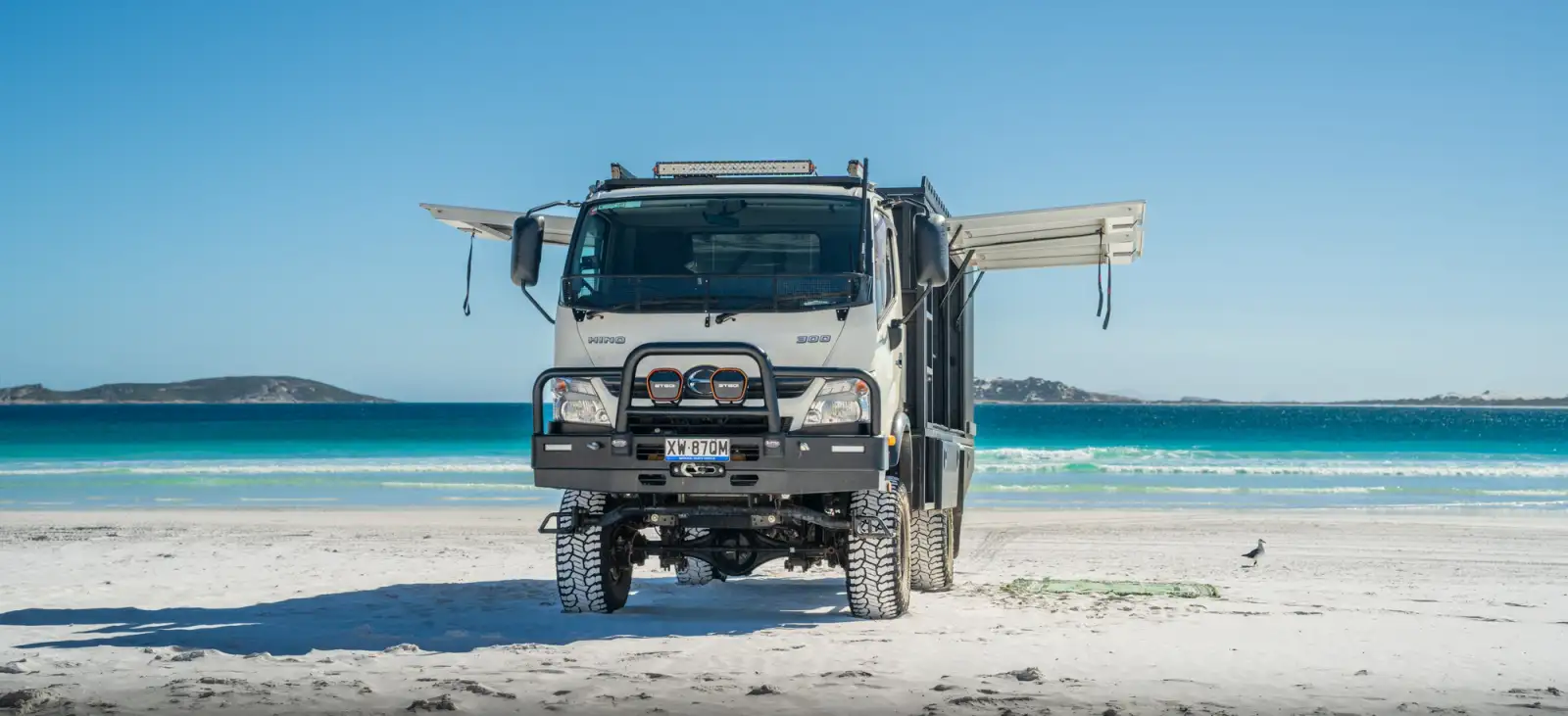
I run a bullbar on every 4X4 I own and I always will.
Out here, it’s not a matter of if you’ll hit something, it’s when. Roos, debris, scrub, it doesn’t take much to do serious damage to the front of a modern vehicle. A proper bullbar takes that hit instead of your radiator, headlights, panels or passengers.
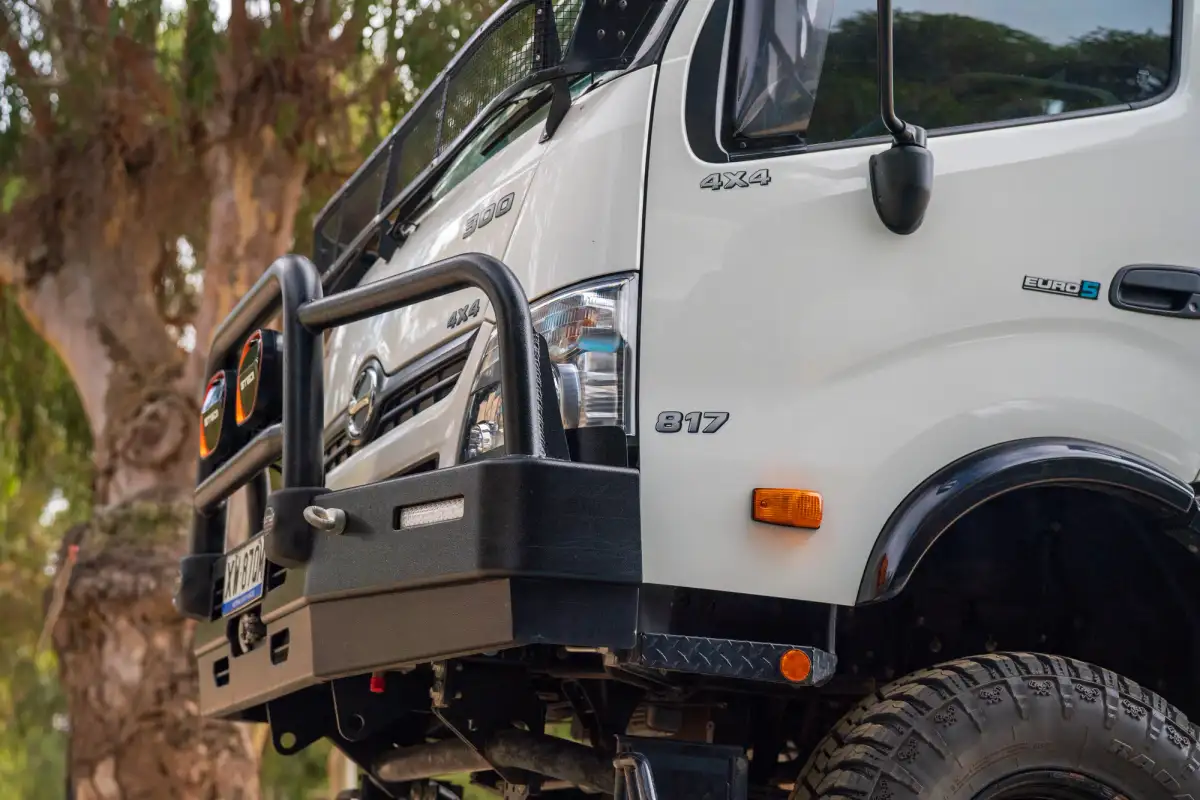
A bullbar on a 4WD light truck
It also improves approach angle and gives you a solid mounting point for things like a winch and driving lights, which makes it more than just protection.
Like anything, quality matters. It needs to meet ADRs, be airbag compatible, and be mounted correctly. A bad bar can cause just as many issues as it solves.
Depending on your flavour of 4X4’ing you may also consider adding a rear bar and or side rails too.
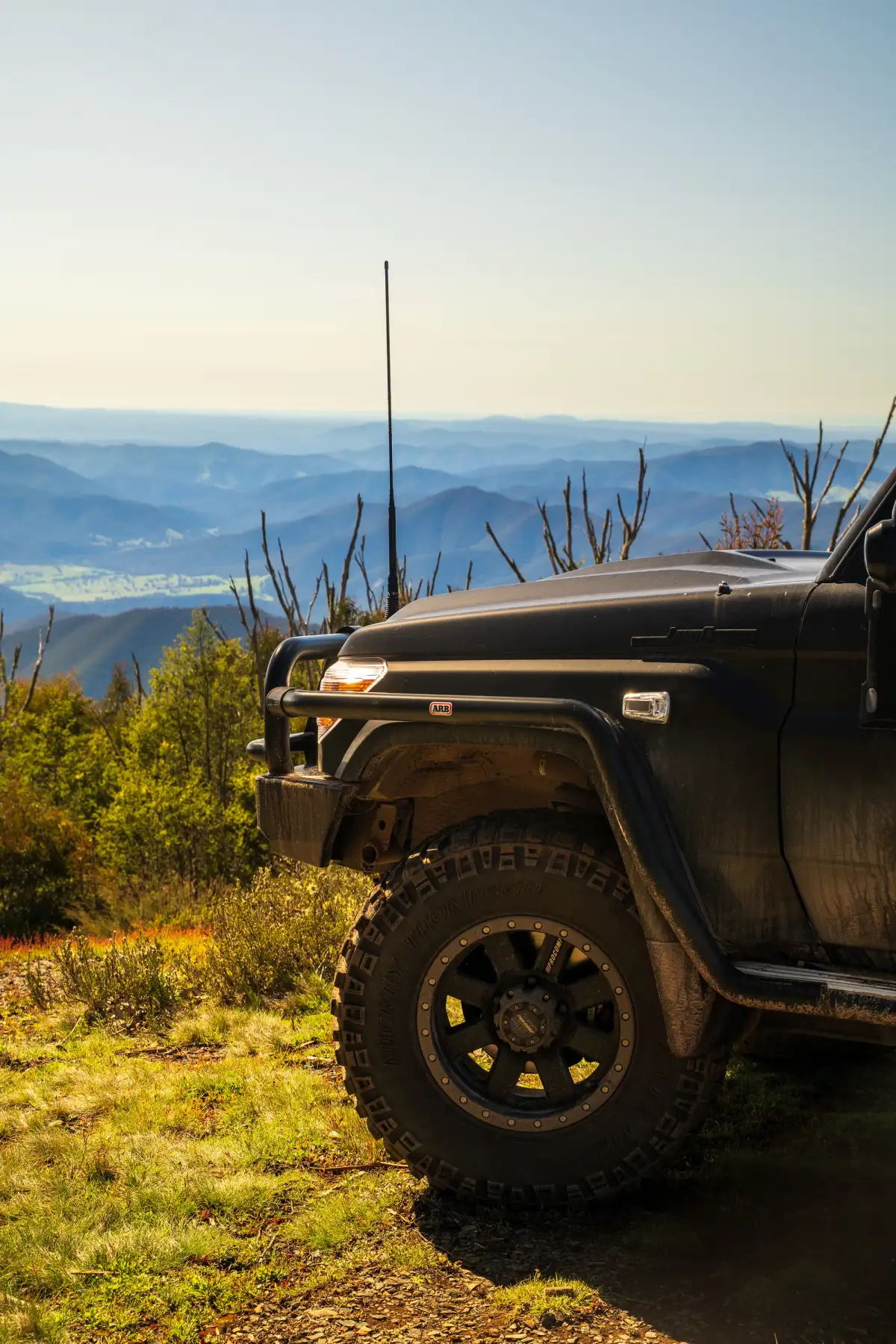
Side rails on a 4WD
Rated Recovery Points
If you get stuck, and at some point you probably, no, definitely will, you need a safe way to get unstuck.
Factory tie-down points are not recovery points. They’re designed for strapping a vehicle to a ship, not for snatching 3.5 tonnes of bogged 4X4 out of mud.
A set of rated recovery points gives you a known, engineered point to recover from. No guesswork and no accidentally taking your mate’s head off during the recovery, which they’ll be understandably pretty stoked about.
Rated recovery points, paired with quality rated recovery gear, reduce risk massively and are absolute essentials on any 4X4.
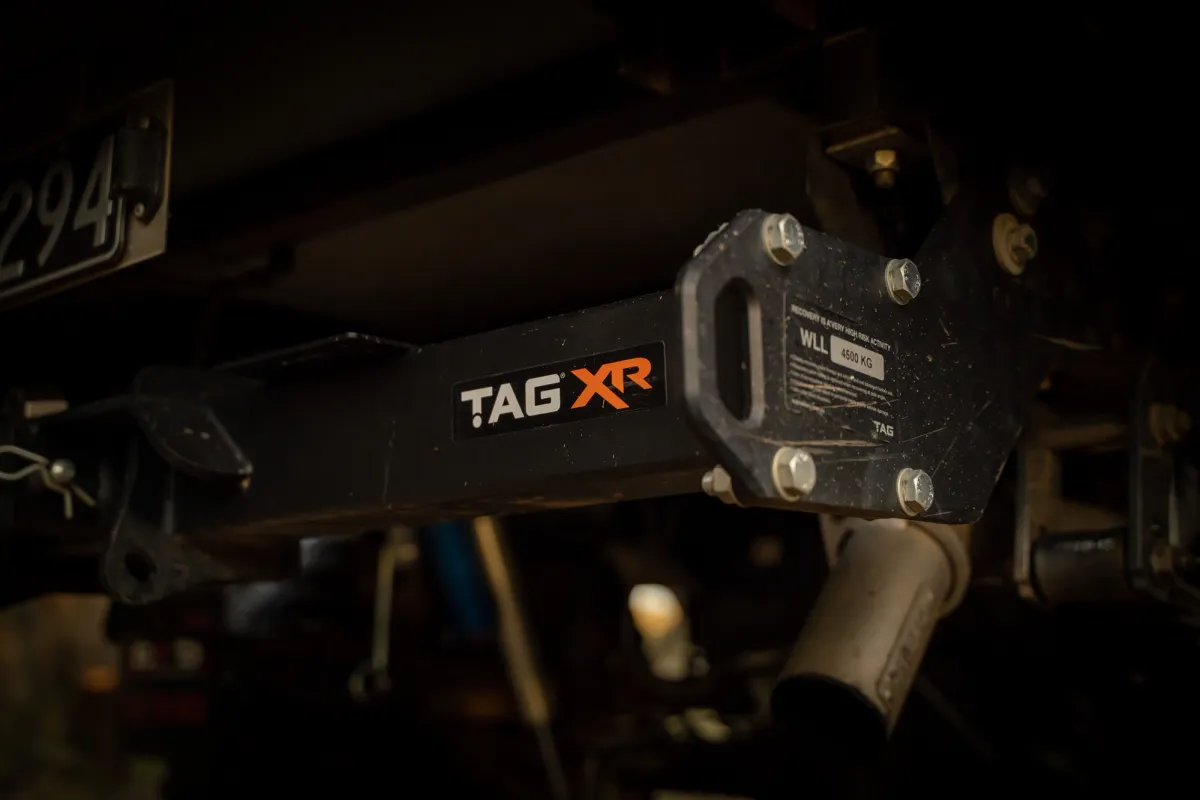
4WD Rated Recovery Points
Suspension
Suspension is one of the most misunderstood modifications on a 4X4, and one of the easiest places to waste money if you get it wrong.
One of the biggest mistakes I see is people choosing and installing suspension too early, then realising it doesn’t actually suit their requirements.
A lift kit might look the part, but suspension isn’t about looks. It’s about ground clearance, carrying weight properly and controlling the vehicle safely both on and off-road.
Where factory suspension starts to fall over is once you begin adding weight. Bullbar, winch, drawers, canopy, fridge, tools, passengers… none of those things are light. That’s when you’ll start noticing sag, poor handling and a vehicle that suddenly becomes a real handful to drive.
The key is matching the suspension to how the vehicle is actually set up. Not what you think you might add later, and certainly not what your mate with a completely different vehicle to yours happens to run.
Spring rates need to suit the weight. Shock absorbers need to control that weight over rough terrain. Get the balance right and the vehicle will sit properly, feel more sure-footed and behave far more predictably off-road.
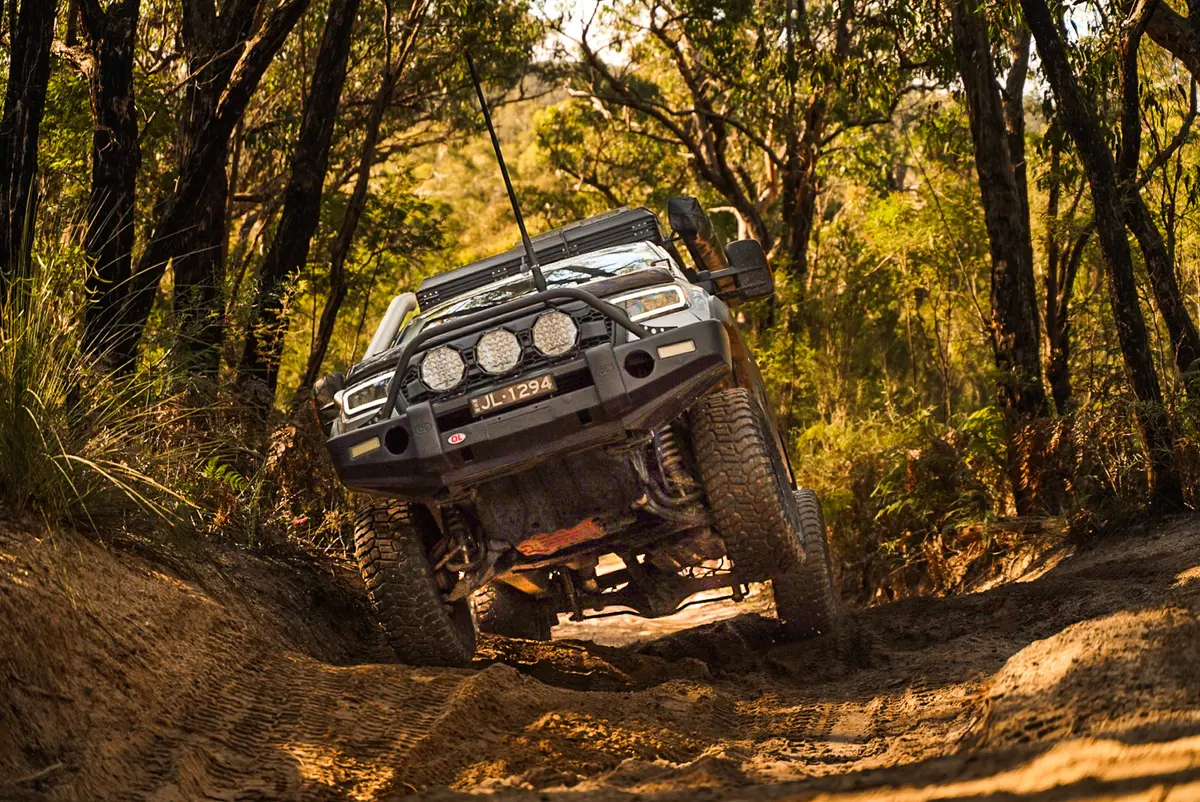
4WD Ford Ranger driving through forest track
Get it wrong and you’ll end up with something that rides like a brick when it’s empty, or sags, bump steers and struggles once it’s loaded.
As for lift height, there’s no need to get carried away chasing numbers. A modest lift, done properly, is more than enough for most touring setups. Chasing height without understanding the flow-on effects to suspension geometry, driveline angles, steering behaviour and legality is a quick way to create more problems than you solve.
Do your tyres and your setup first. Add the weight you actually carry.
Then build the suspension to suit it.
Doing it this way means you’ll only pay for it once.
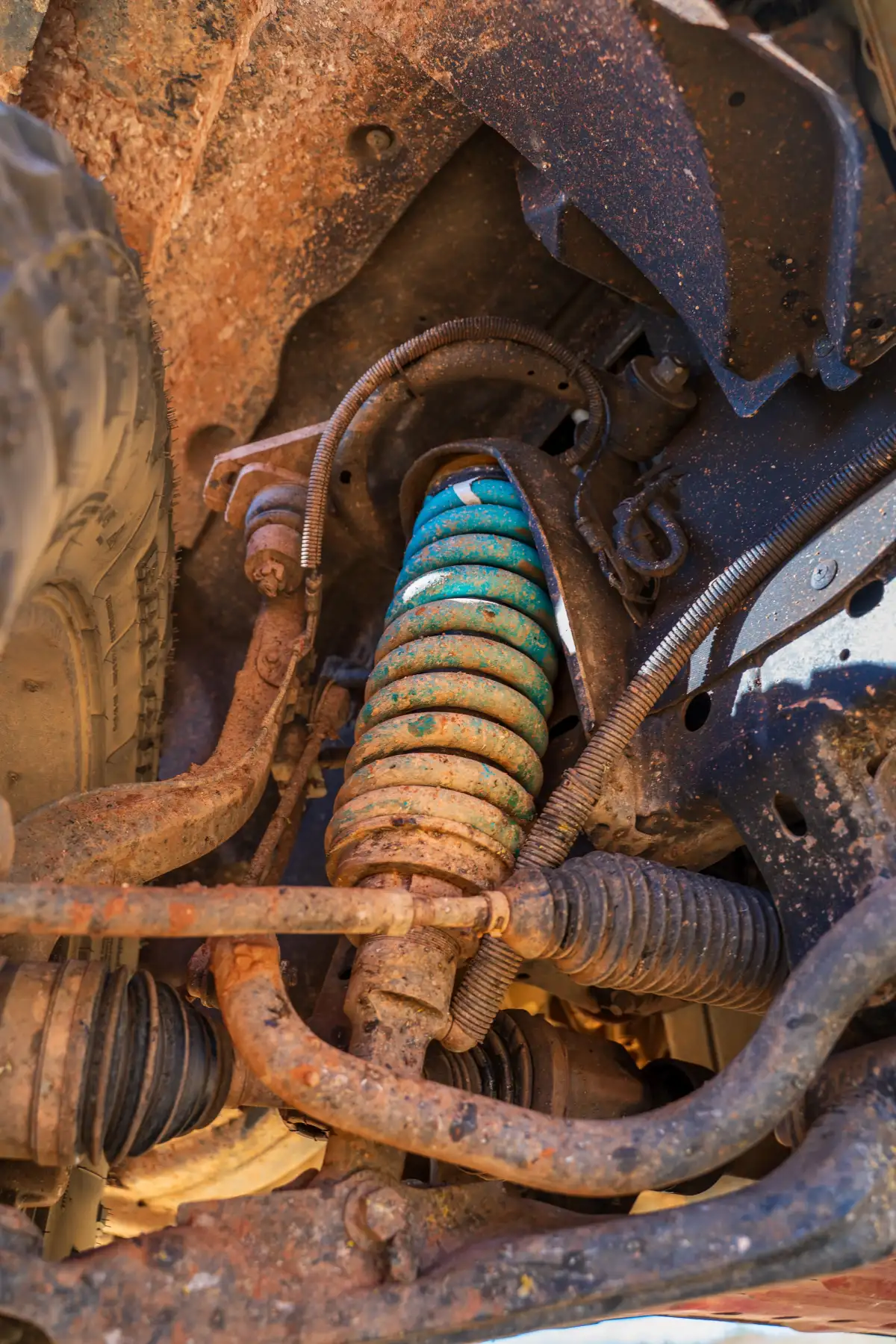
Suspension on a 4WD
Light and Comms
A solid set of driving lights and a quality UHF radio are the type of mods you don’t fully appreciate until you’ve got them.
Driving rural roads at night is no joke. Stock headlights are usually average at best, and spotting roos or other hazards early can be the difference between braking and getting a new bonnet ornament you didn’t ask for.
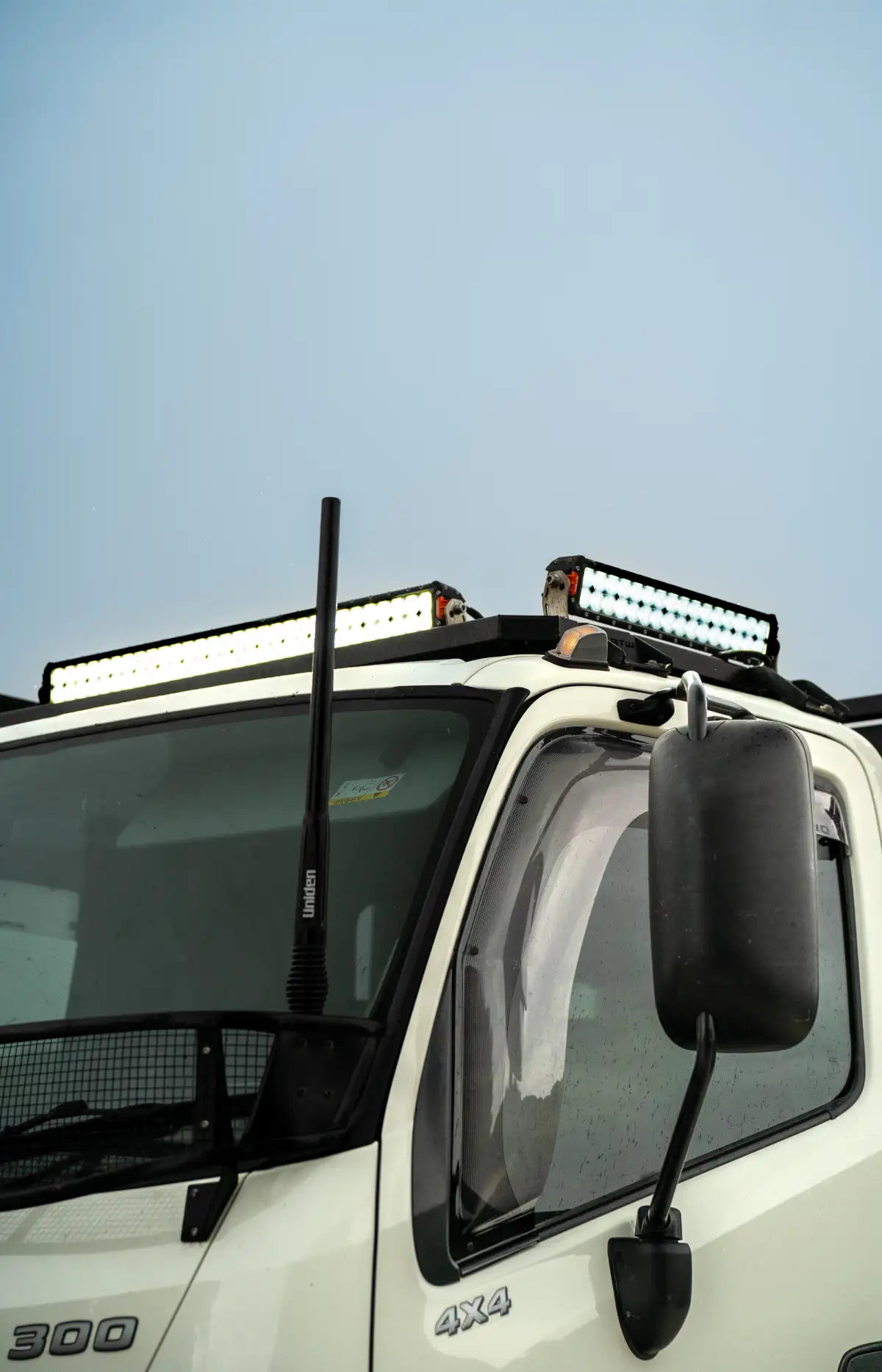
Lights and UHF antenna mounted to a 4X4 light truck
Comms are just as important.
A UHF lets you talk to other drivers on the track, call obstacles, and know what’s coming the other way. On the road, it’s invaluable for overtaking and staying aware of what’s happening ahead.
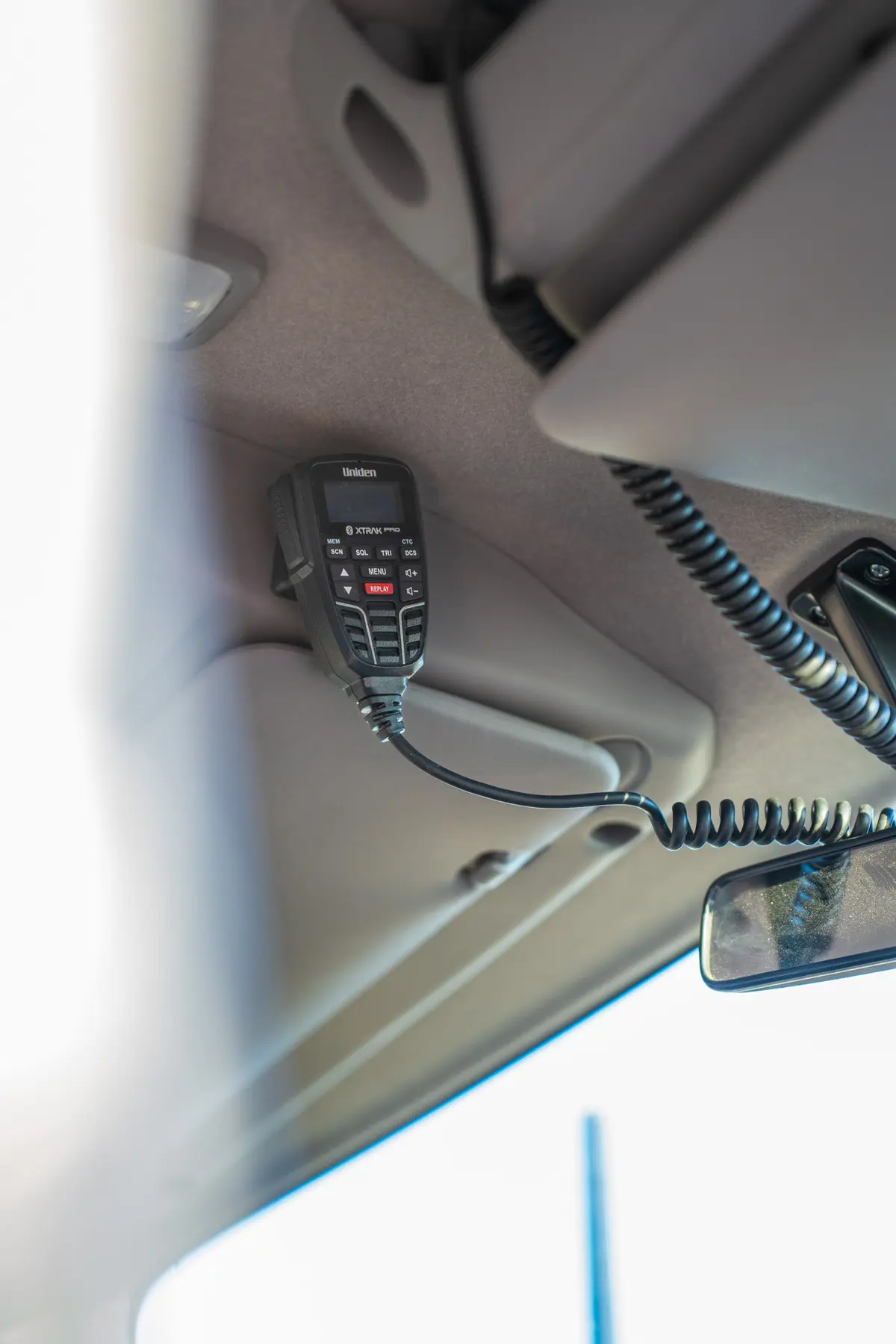
UHF Radio mounted to cabin of a 4WD
Neither of these make your 4X4 more capable off-road. But they make everything around it safer, easier, and a whole lot less stressful.
Safety Equipment
By nature we use our 4X4s to go remote. That means we’re further from help than usual and having the right equipment is crucial. Aside from a recovery kit, get your hands on a quality first aid kit, snake bite kit and fire extinguisher.
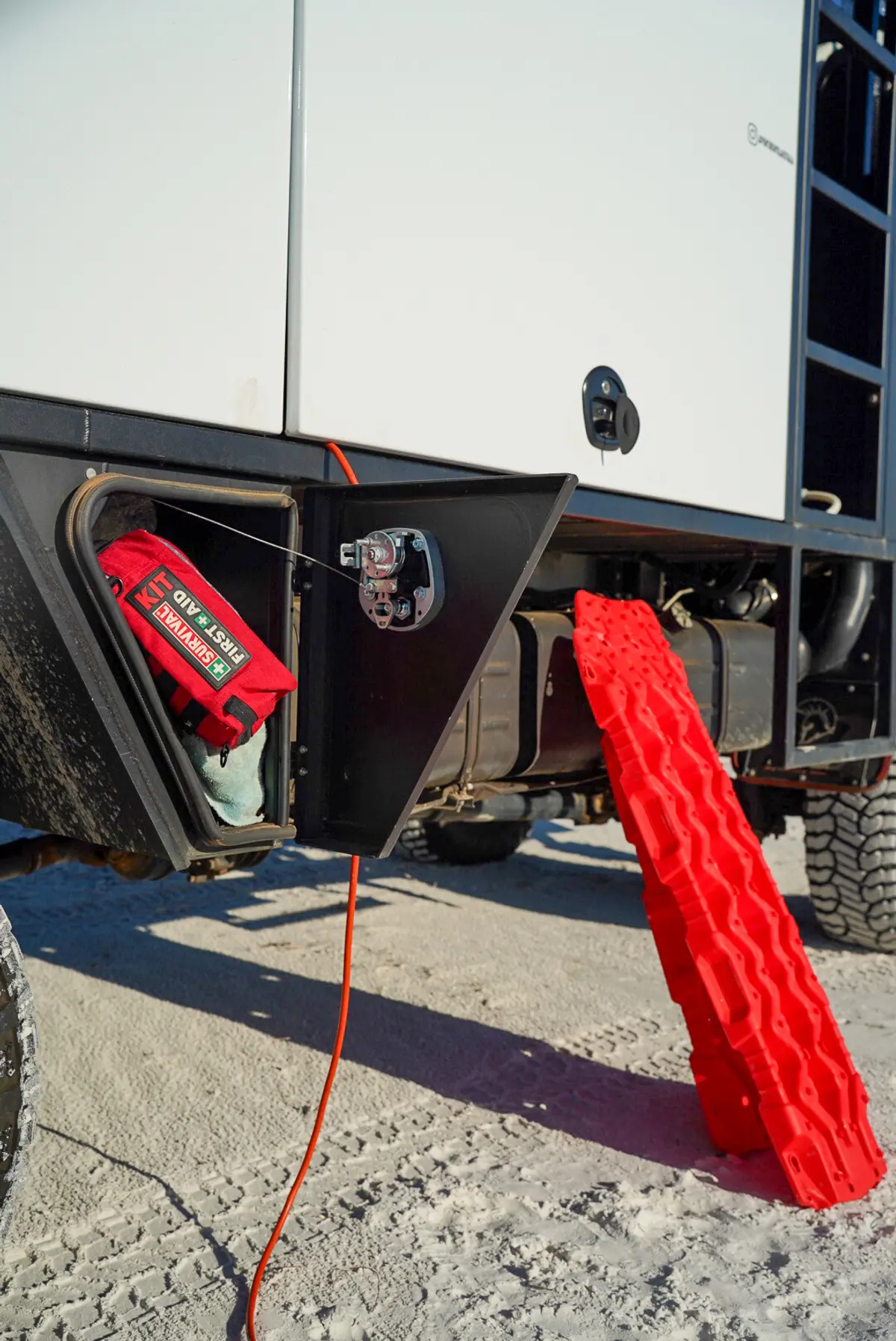
Recovery boards against 4WD Light truck
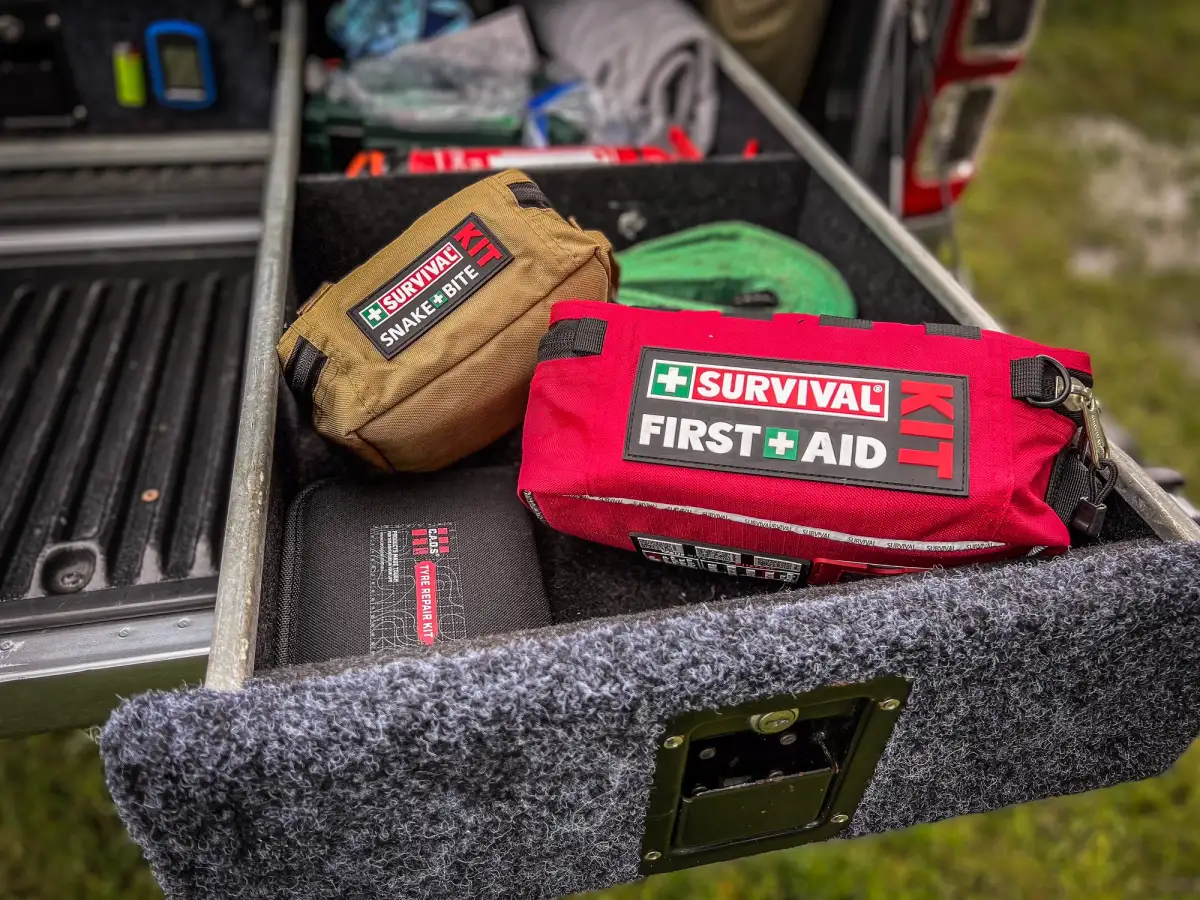
First aid and snake bite kit in 4WD's drawers
If you plan on being out of reception, a Personal Locator Beacon is worth its weight in gold. Take some time to familiarise yourself on how to use all of this equipment so when the time comes, you’re all over it!

Personal Locator Beacon (PLB) device in a 4WD
All the Gear, and now, all the Idea!
Get these fundamentals right and you’ll have a bloody solid foundation to build from. Once the vehicle is reliable, capable and safe, it becomes much easier to work out what it actually needs next, whether that’s storage, accommodation, extra fuel capacity or anything else that suits the way you travel.
Build it properly the first time and your 4X4 will grow with you as your adventures do.
Mods sorted?
Get a quote for cover that includes your modifications, anywhere you can legally go in Australia