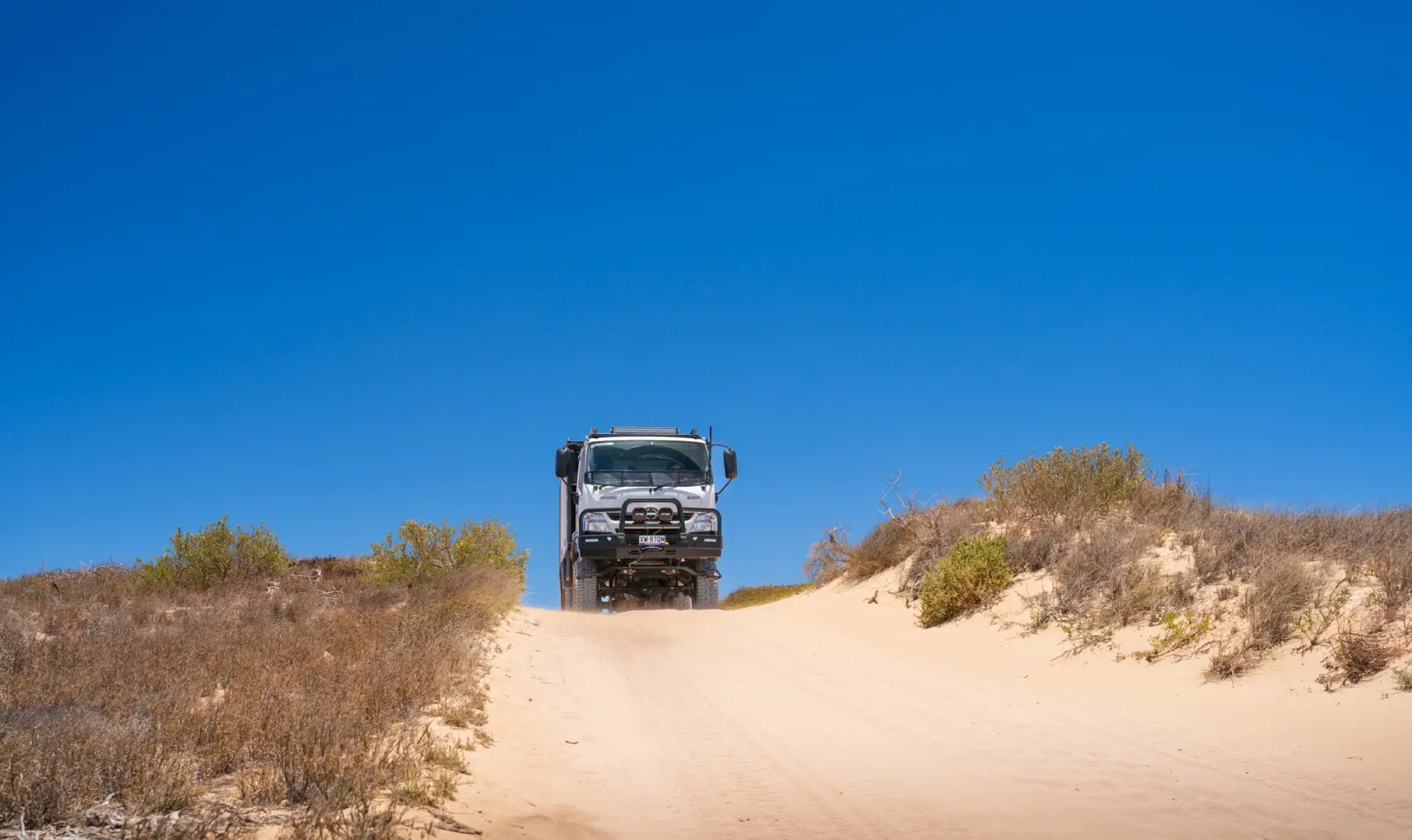
Prioritising 4WD Mods That Actually Matter
If you’re planning your first big trip, you’re probably already wondering whether your 4WD is equipped with the right mods.
It’s an easy headspace to end up in. Social media is awash with well-constructed rigs that could easily leave you convinced you need an entire catalogue’s worth of gear just to leave the driveway. It can be hard to see through.
Ready for the rough stuff?
get a quote for insurance that covers you anywhere you can legally go in Australia
When I present at shows, the questions I’m asked most are along the lines of: What are the must-haves for a big trip? What mods matter most? I’ve got a budget, but where do I start and what do I actually need?
So here’s the reality.
You do not need a fully built 4WD for a big trip in Australia.
What you do need is a vehicle that is reliable, sensibly set up, and modified with the right priorities in mind. And that rig will look different for everyone, depending on what their version of a “big trip” actually is.
This article explores some of the modifications that matter most for any 4X4 getting equipped for long trips.
Maintenance Before Mods
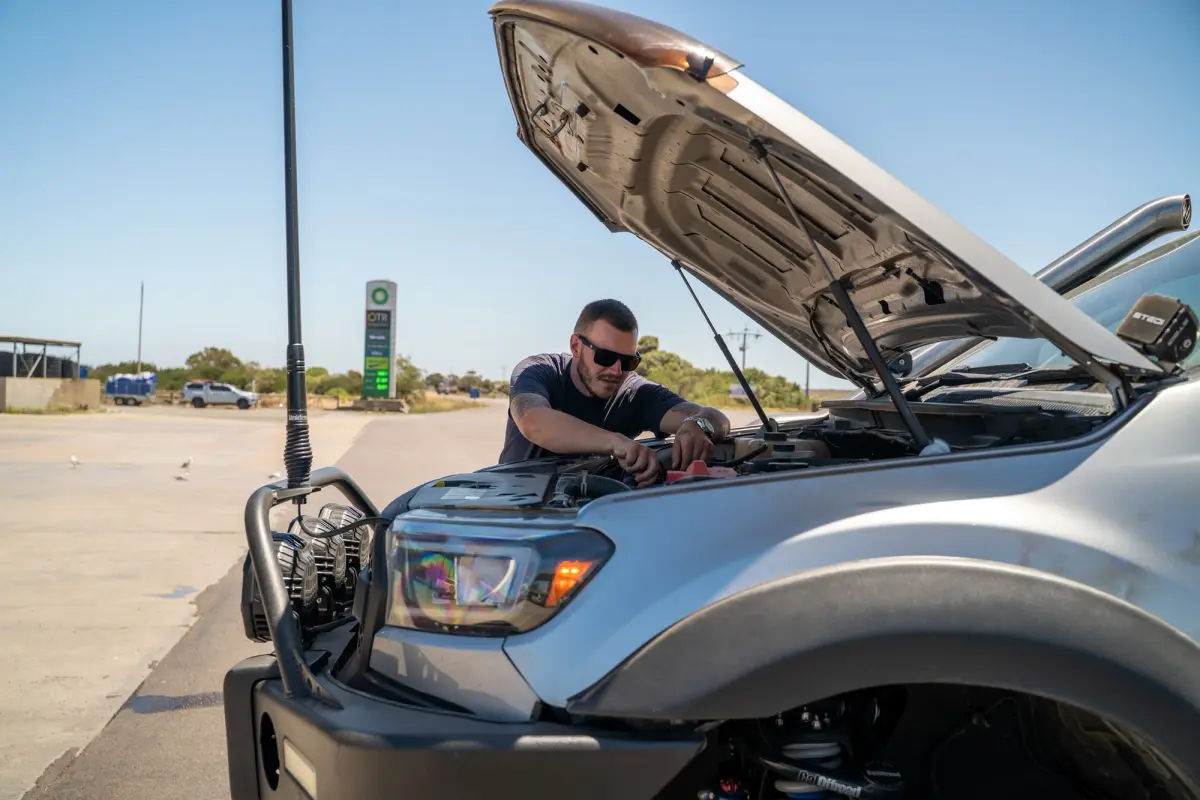
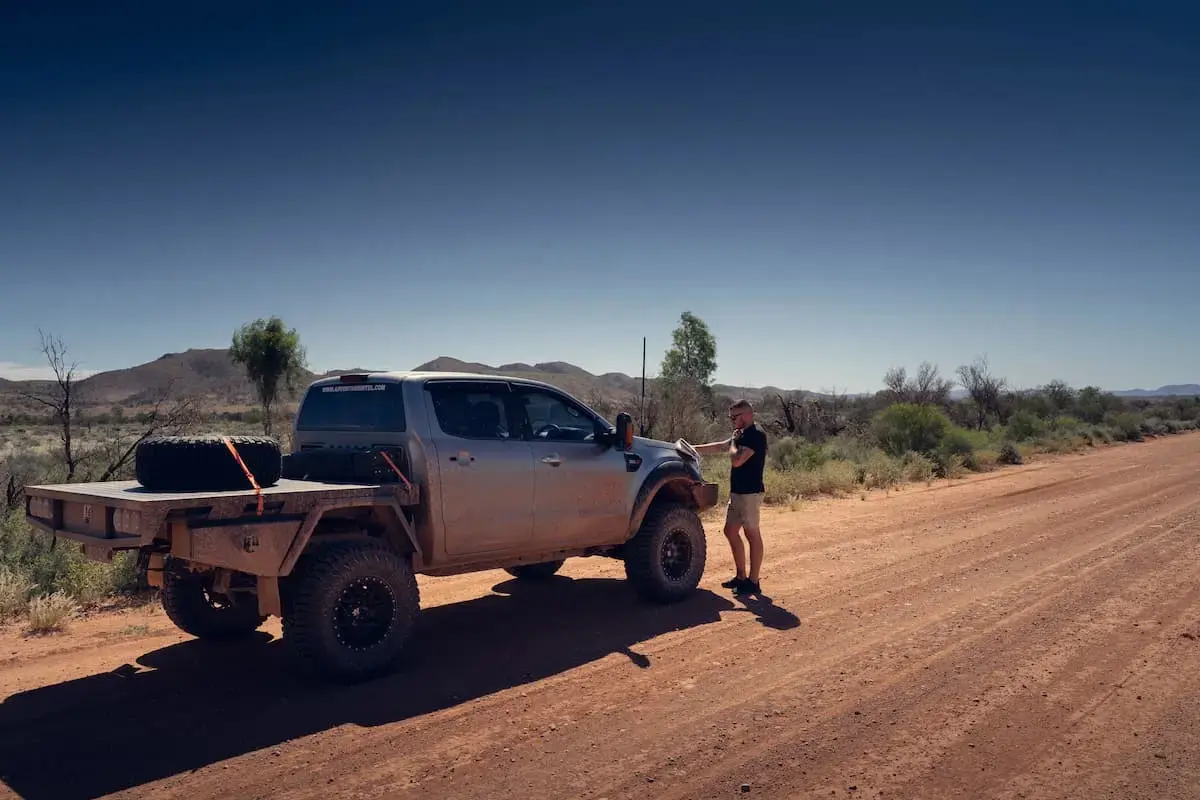
Josh Leonard repairing his Ford Ranger
I know, I know. Modifying your 4X4 is way more fun than repairing it. That’s exactly why maintenance needs to come first.
Because maintenance missed is a repair waiting. And on a big trip, “later” usually means in 45-degree heat, parked on the side of a track, while every Thomas, Richard and Harold offers their opinion. None of which is useful, because there are too many flies to even see where the oil leak is coming from.
Before you bolt anything onto your vehicle, it pays to be confident that the fundamentals of your 4X4 are solid.
Cooling systems are a big one. Radiators, hoses, thermostats, fan clutches and coolant condition matter far more than most people realise.
The same goes for fluids. Engine oil, transmission oil, diffs, transfer case, brake fluid and power steering fluid should be well within service life.
Belts, hoses, wheel bearings and brakes fall into the same category. None of them are exciting. All of them can end a trip. Have a professional go over your entire vehicle and get a clean bill of health before hitting the rough stuff.
Barwork and Recovery Gear
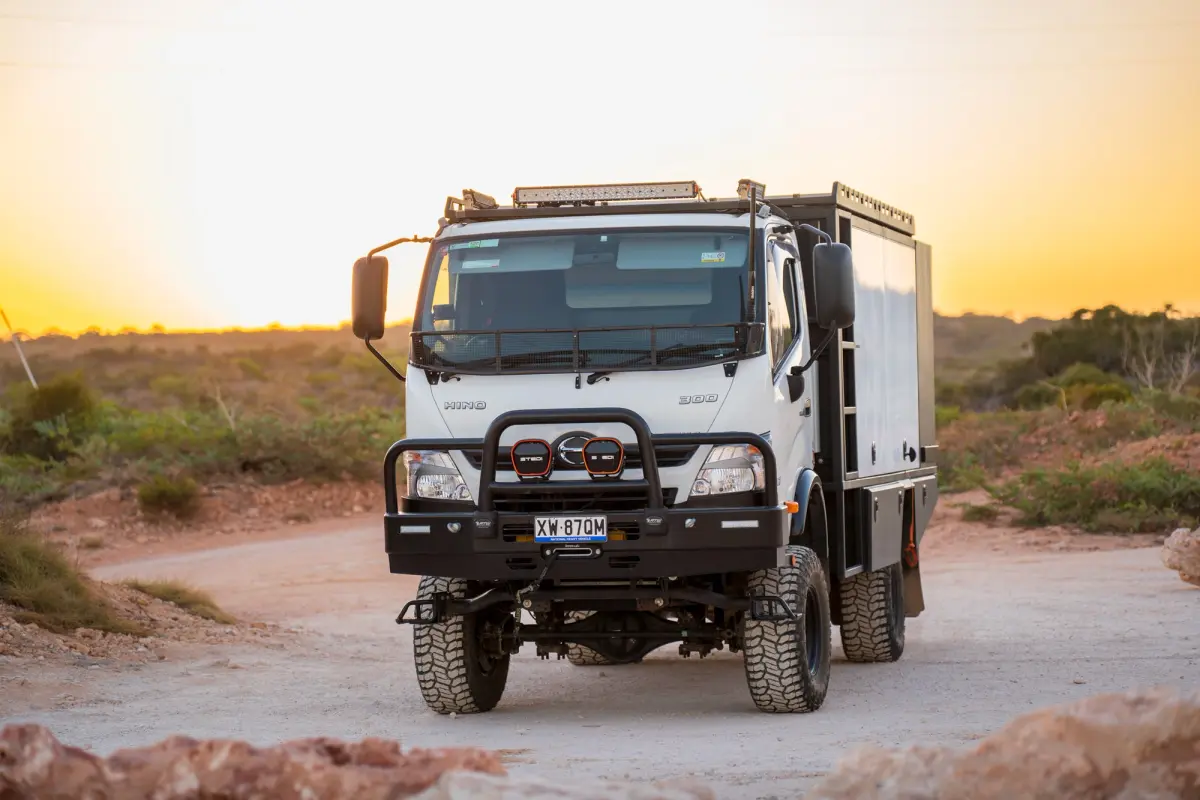
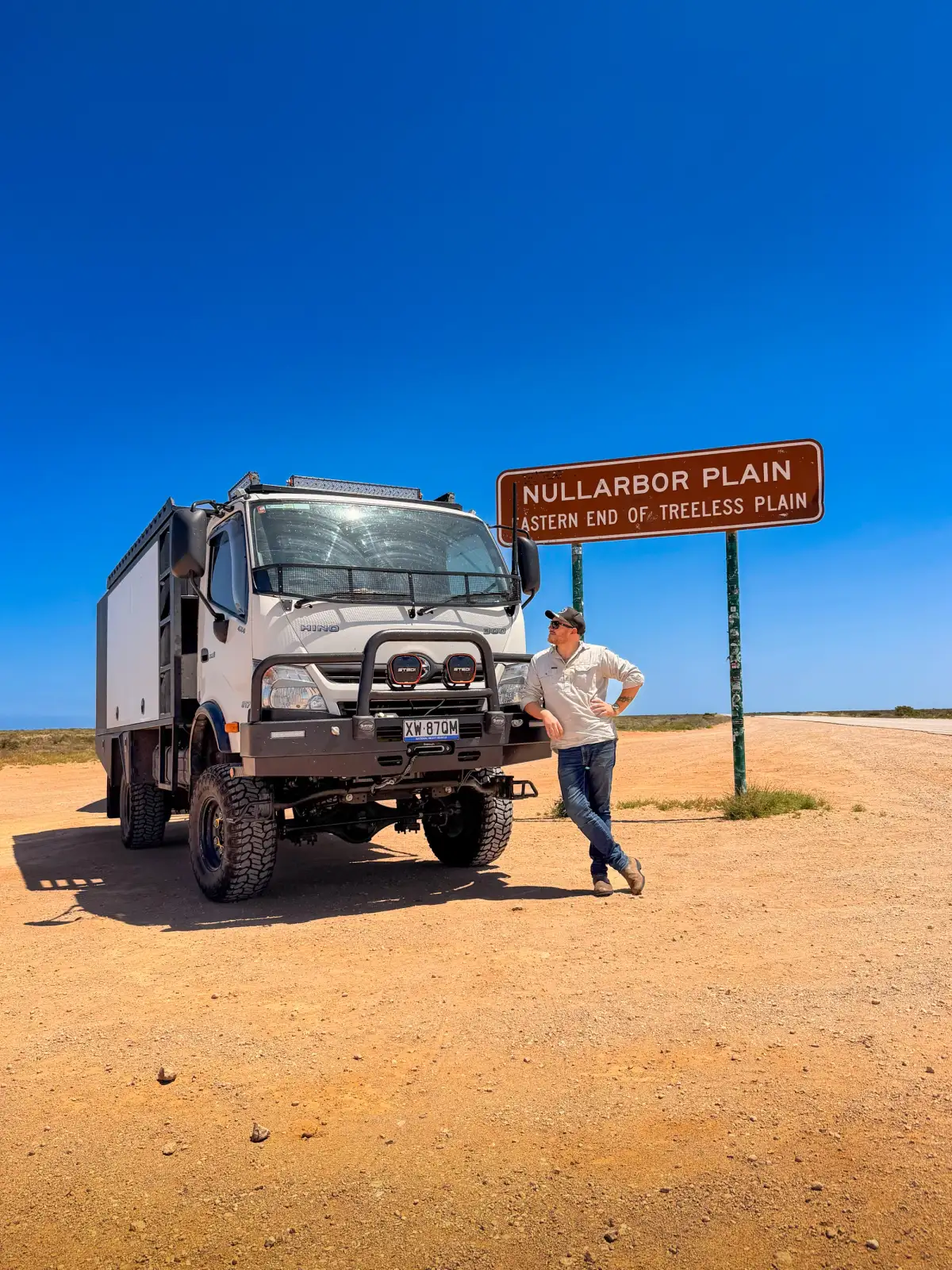
Hino 4WD truck with bullbar
Once the vehicle itself is healthy, the next thing I would tackle is frontal protection and basic recovery.
There’s a reason I’ve fitted a bullbar to every single vehicle I’ve owned.
A quality bullbar is one of the few upgrades I consider a genuine touring fundamental. Not because it looks tough, but because it solves multiple real-world problems at once.
Wildlife strikes are common in Australia. A roo through a grille can end a trip instantly. A good bullbar protects vital components, generally includes rated recovery points, and provides solid mounting locations for antennas and driving lights. It also future-proofs the vehicle if you decide to fit a winch.
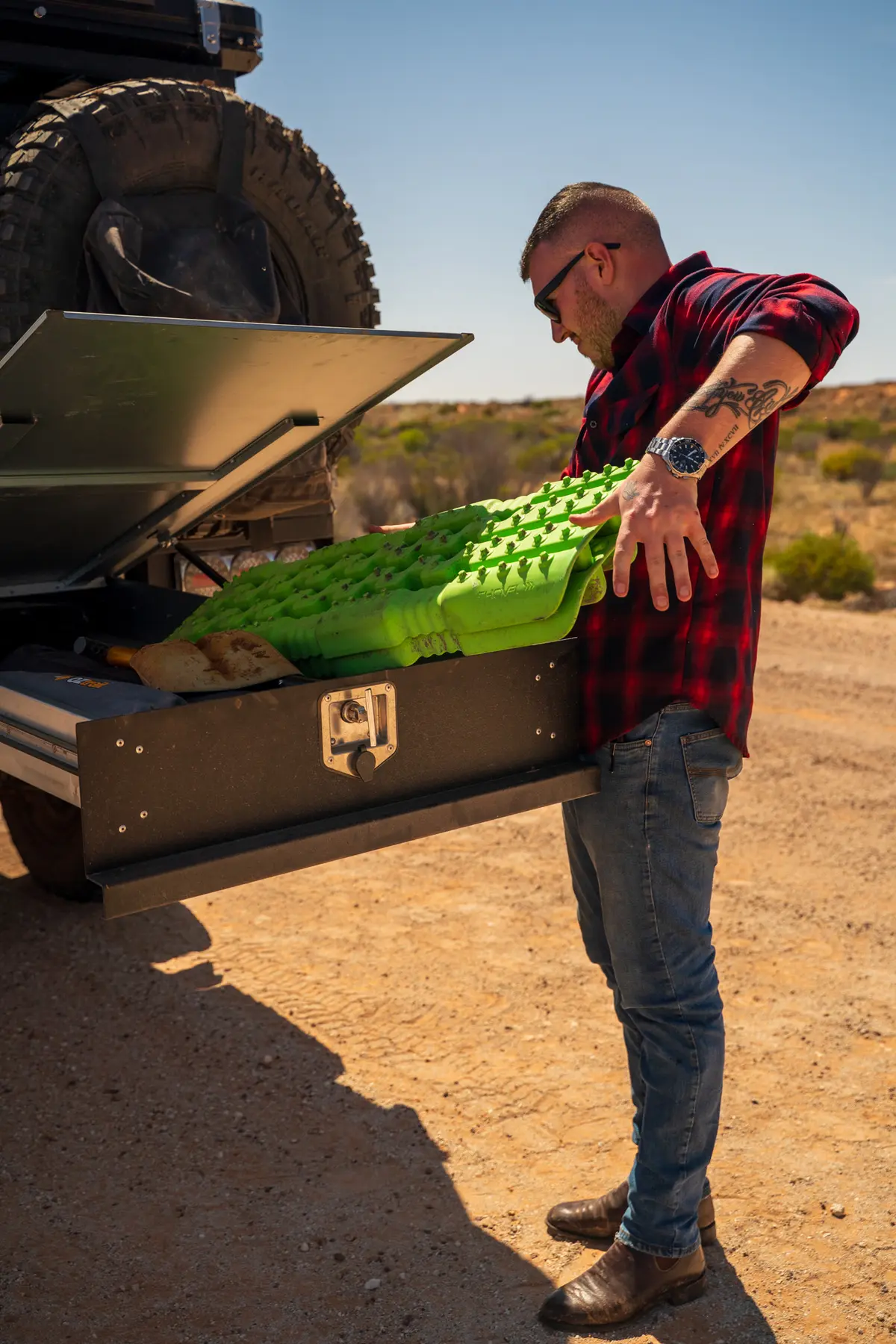
Josh Leonard removing a recovery board from a drawer
Recovery gear itself doesn’t need to be complicated.
For most touring, some rated recovery points, a snatch strap, a couple of shackles, a long-handled shovel and recovery boards will get you out of far more situations than people expect.
Winches sit in an honest middle ground. You’ll never regret having a winch. You also probably won’t need one if you mostly travel in groups or stick to well-trodden tracks.
If you enjoy travelling solo, following your nose, or tackling routes like the Old Tele Track, a winch makes a lot of sense. If you’re generally touring popular routes with other vehicles around, solid recovery fundamentals and good technique go a very long way.
Common sense applies.
Tyres and Tyre Management
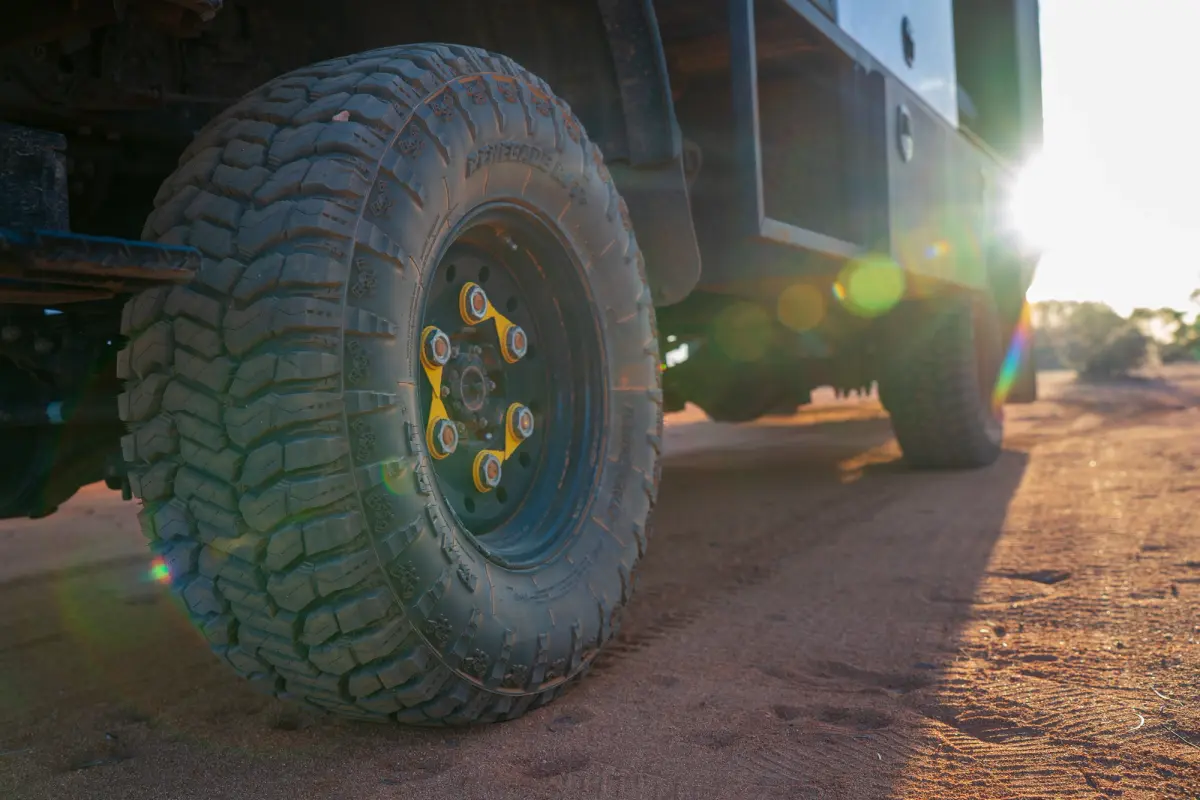
off-road tyres on a 4WD Hino truck
Good quality rubber with an appropriate load rating will change how your vehicle behaves more than most other modifications.
You don’t need the biggest tyre on the market and you don’t need the most aggressive tread pattern available. For touring, a sensibly sized tyre, a strong carcass and a tread pattern suited to mixed terrain, such as an All Terrain tyre will serve you far better than an aggressive set of muddies.
Just as important as the tyre itself is how you manage it. Being able to air up and down quickly and easily is huge. Correct tyre pressures maintain better traction, smooth out corrugations and dramatically lower the chance of punctures and breakages.
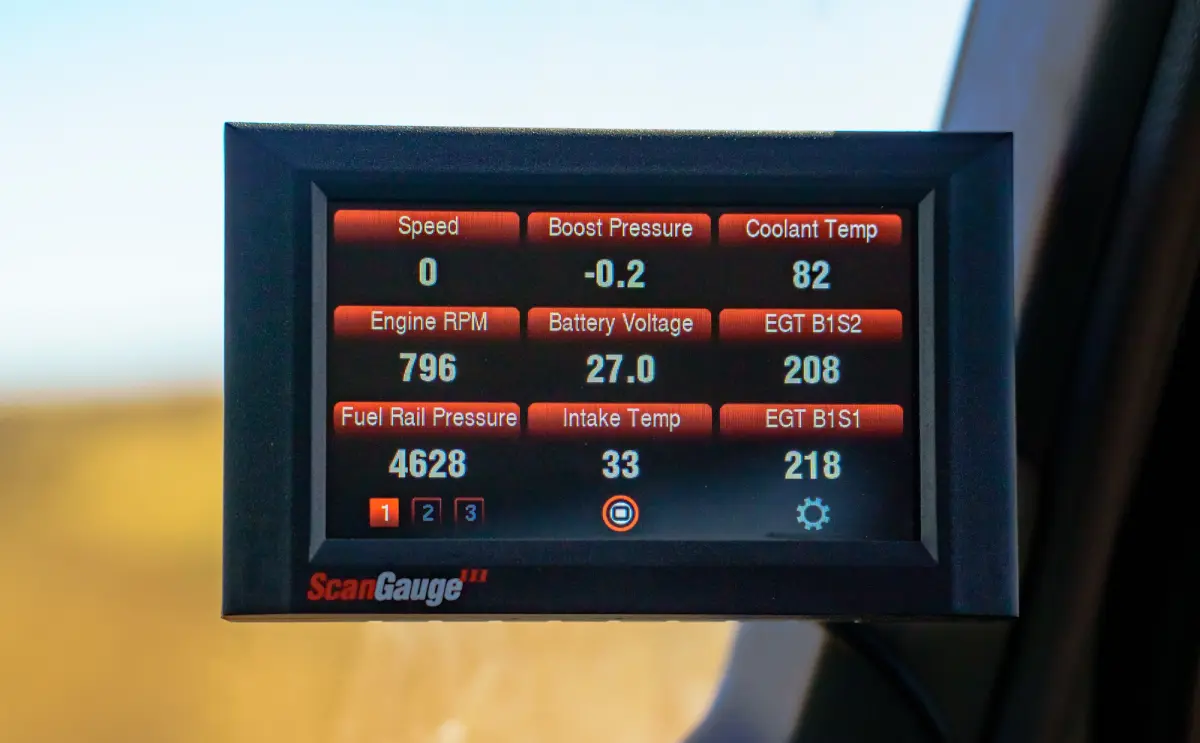
Tyre management system gauge
This is where a decent compressor, deflator and accurate gauge earn their keep. Personally, I love a hard-mounted compressor with a retractable hose reel because it turns airing up from a chore into a quicker, less painful job. And when it’s easy, you actually do it.
Storage and Accommodation
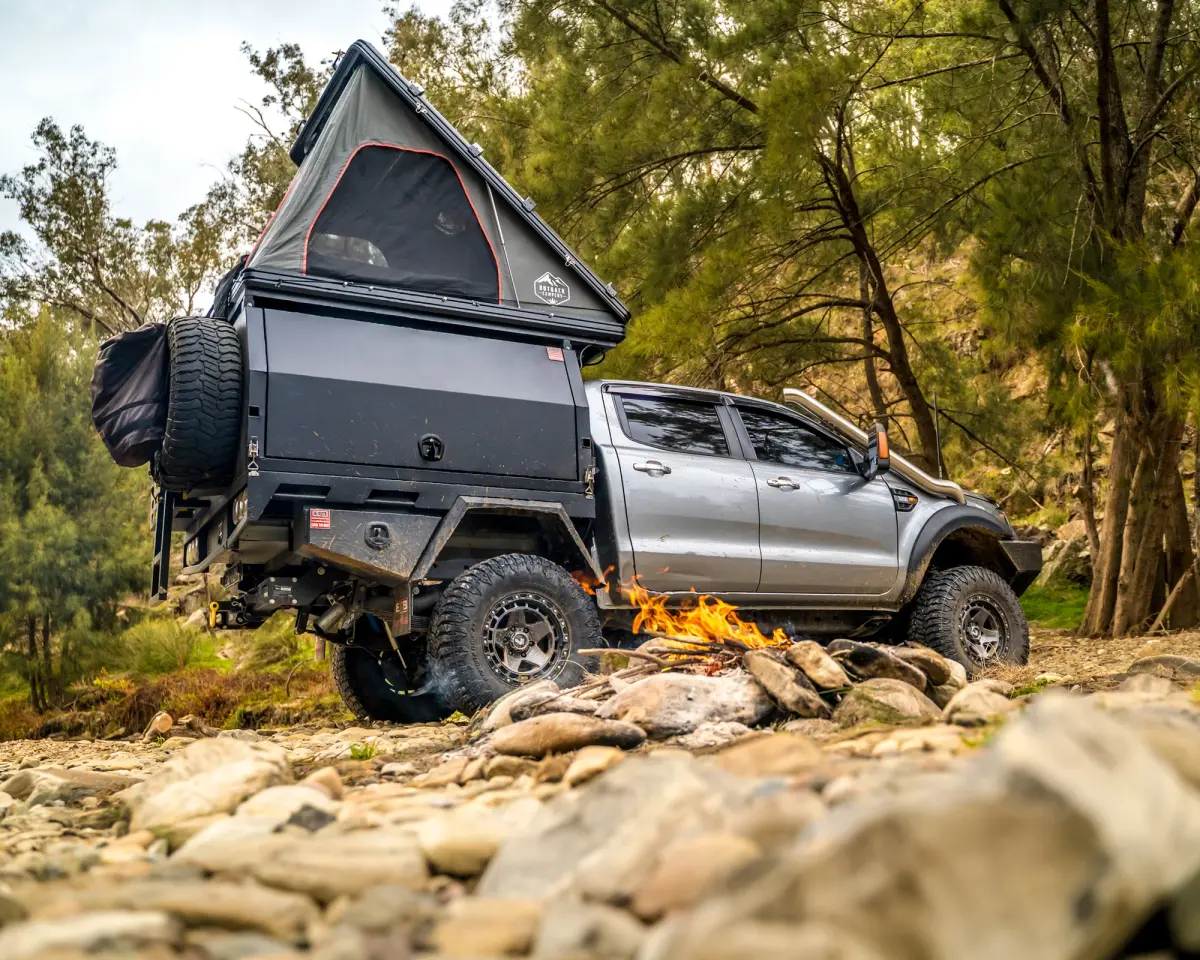
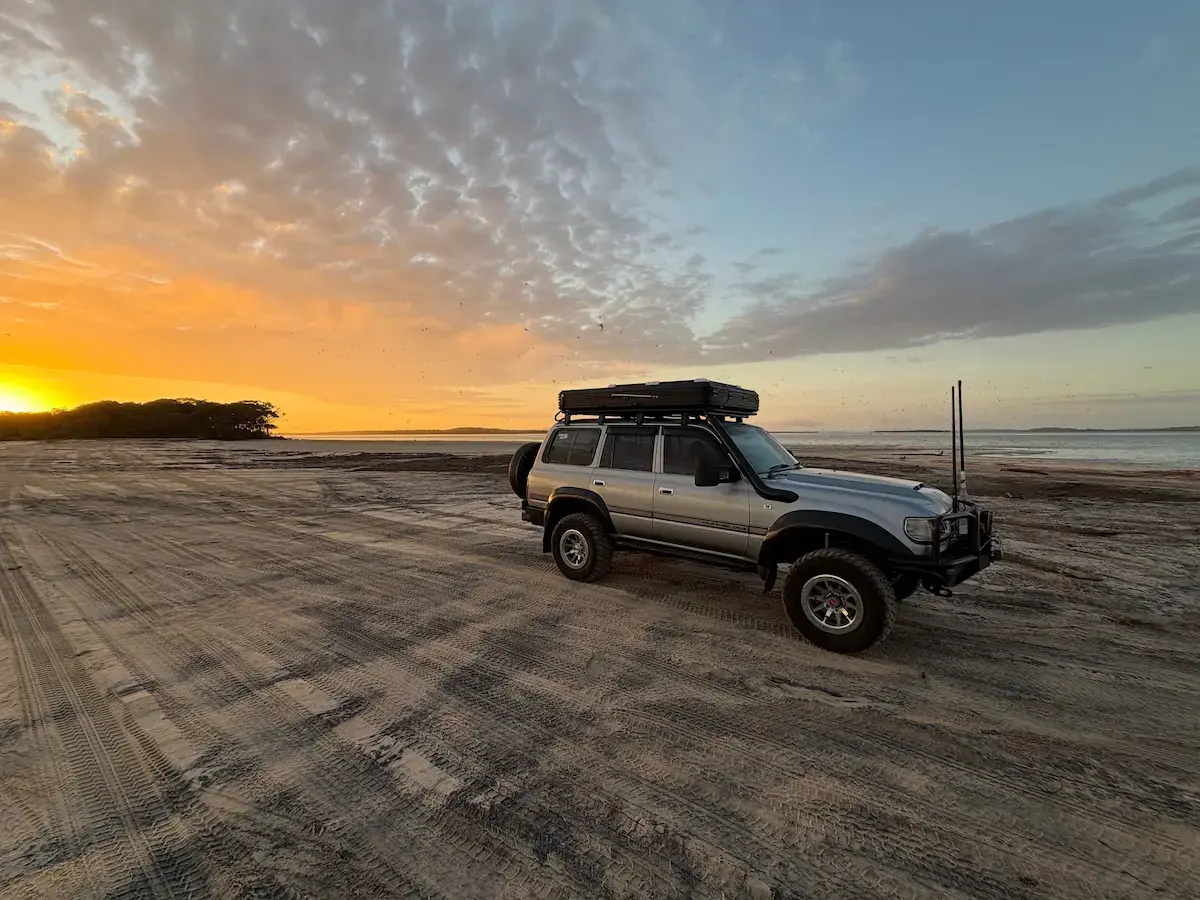
A rooftop tent on a Ford Ranger 4X4
A big trip means your 4X4 can’t just thrive during the drive and then switch off, it’s got to perform when it’s parked too. If your gear is constantly piled on top of itself, hard to access, or moving around while you drive, everything becomes harder than it needs to be.
A proper storage system is one of the best ways to build even more versatility into your setup.
In wagons, that might be a set of drawers, modular boxes, or a simple barrier and tie-down system with some drop down tailgate tables. In utes, a gullwing canopy setup is hard to beat. Being able to access gear from the side, keep it out of the weather, and lock it away securely makes life on the road dramatically easier.
Good storage also plays a big role in safety. Heavy items need to be secured properly. Nothing should be able to become a missile in a sudden stop.
If you plan on camping out of the vehicle a storage system is also a prime way to build a cooking area and home for your electrical setup too.
Power System and Fridge
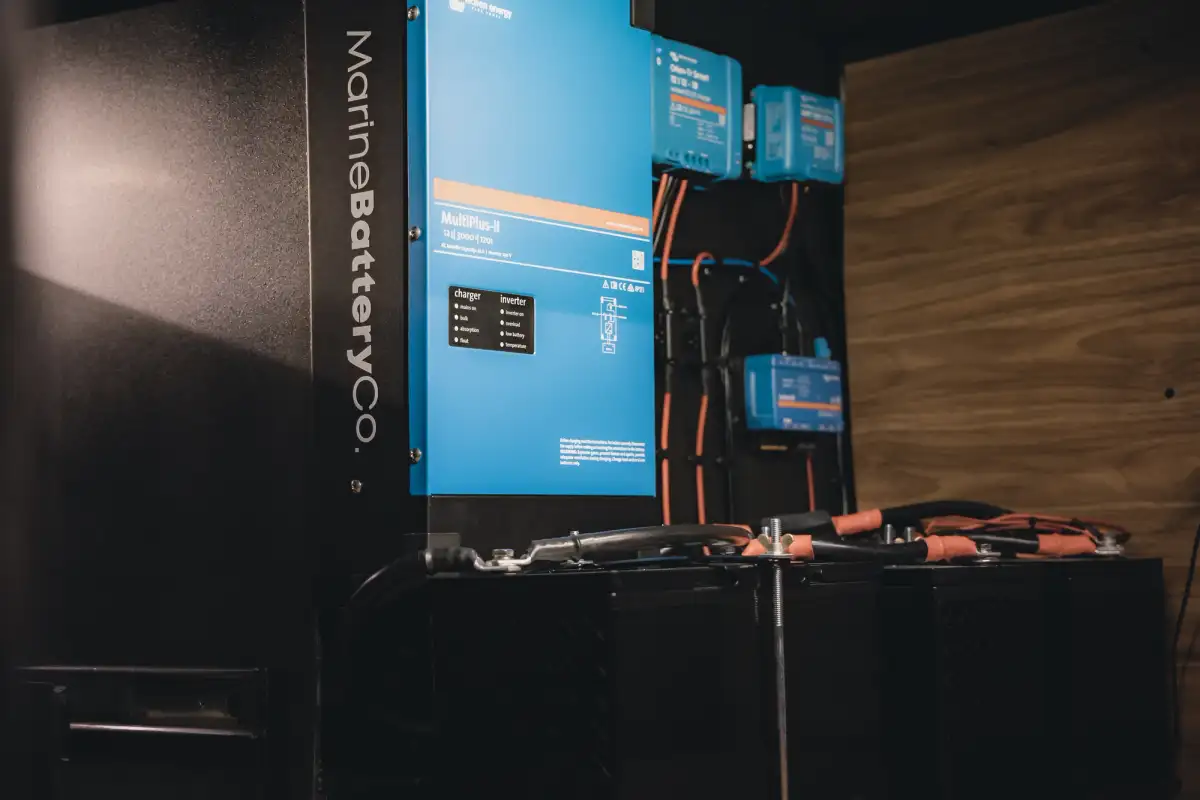
12V electrical system on a 4WD
In my mind, these two go hand in hand. A fridge without reliable power is useless. Reliable power without meaningful loads is wasted.
And this doesn’t need to be overly complicated.
You don’t need a massive lithium bank or a roof covered in solar for your first big trip. Plenty of people travel successfully with modest systems that are well thought out and suited to their actual usage.
A fridge is one of those upgrades that genuinely changes the touring experience. Safe food, fewer shop stops, no ice, better meals and cold drinks at the end of a hot day. It’s hard to overstate how much of a difference it makes to comfort on the road.
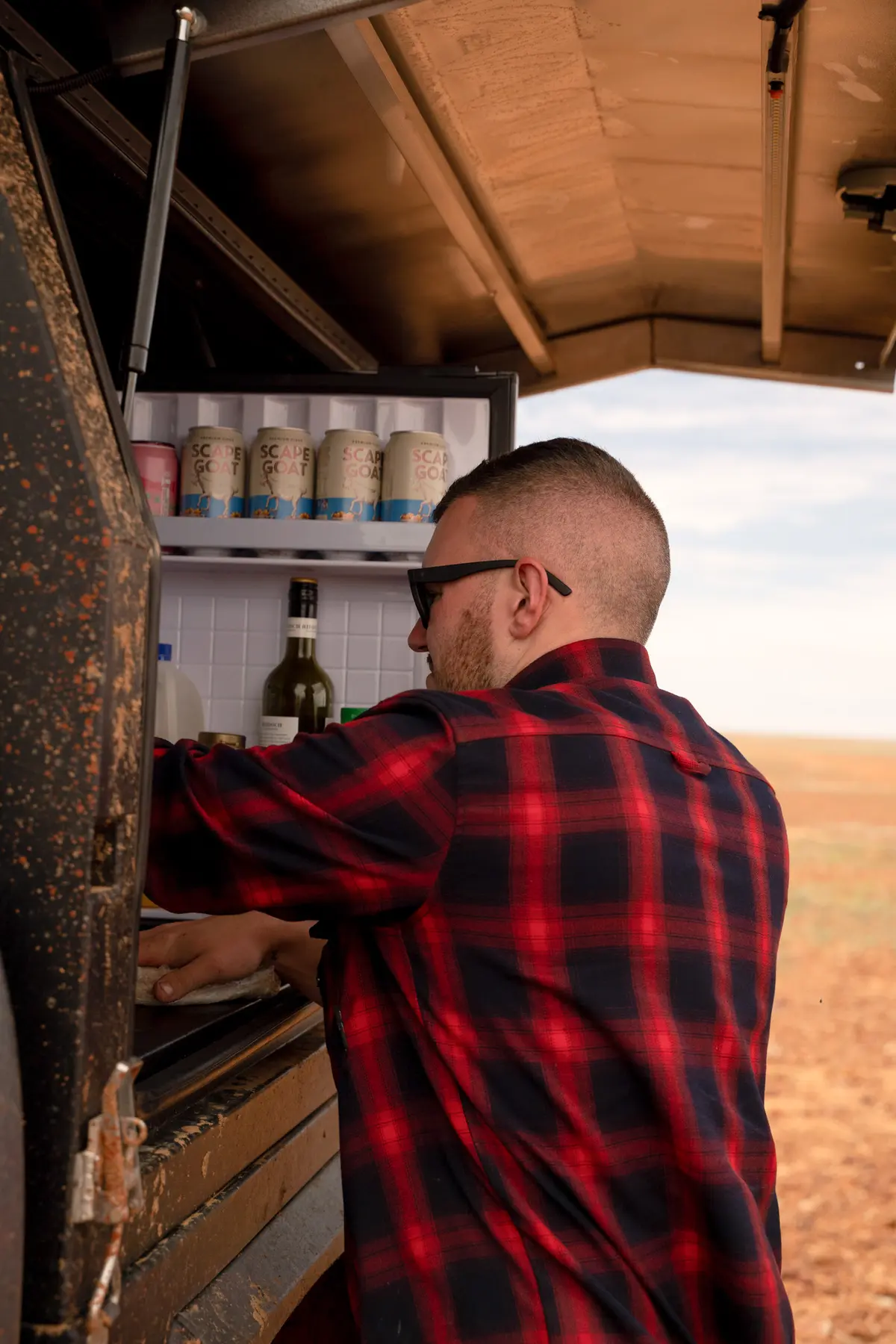
Fridge in a 4WD canopy
You can also very easily go overboard on an electrical setup. At minimum, the ability to run a fridge for a couple of days, power some lights and charge a few devices should be the goal.
For some people, that will be achieved with a dedicated dual-battery setup. For others, a portable power pack with the ability to charge from the alternator makes more sense. Both approaches have pros and cons.
The important part is choosing a system that suits how you actually travel.
A Chemical What?
I’m telling you, the key to the door of some of Australia's best locations is a chemical toilet. It might not be glamorous or even something you considered a mod, but depending on where you want to go, you might just need one. Places like the stunning Ningaloo, remote areas, station stays and self-contained-only camps where having your own toilet is mandatory. If you want access to those spots, a chem toilet (and privacy) becomes essential gear, whether people like admitting it or not.
Suspension
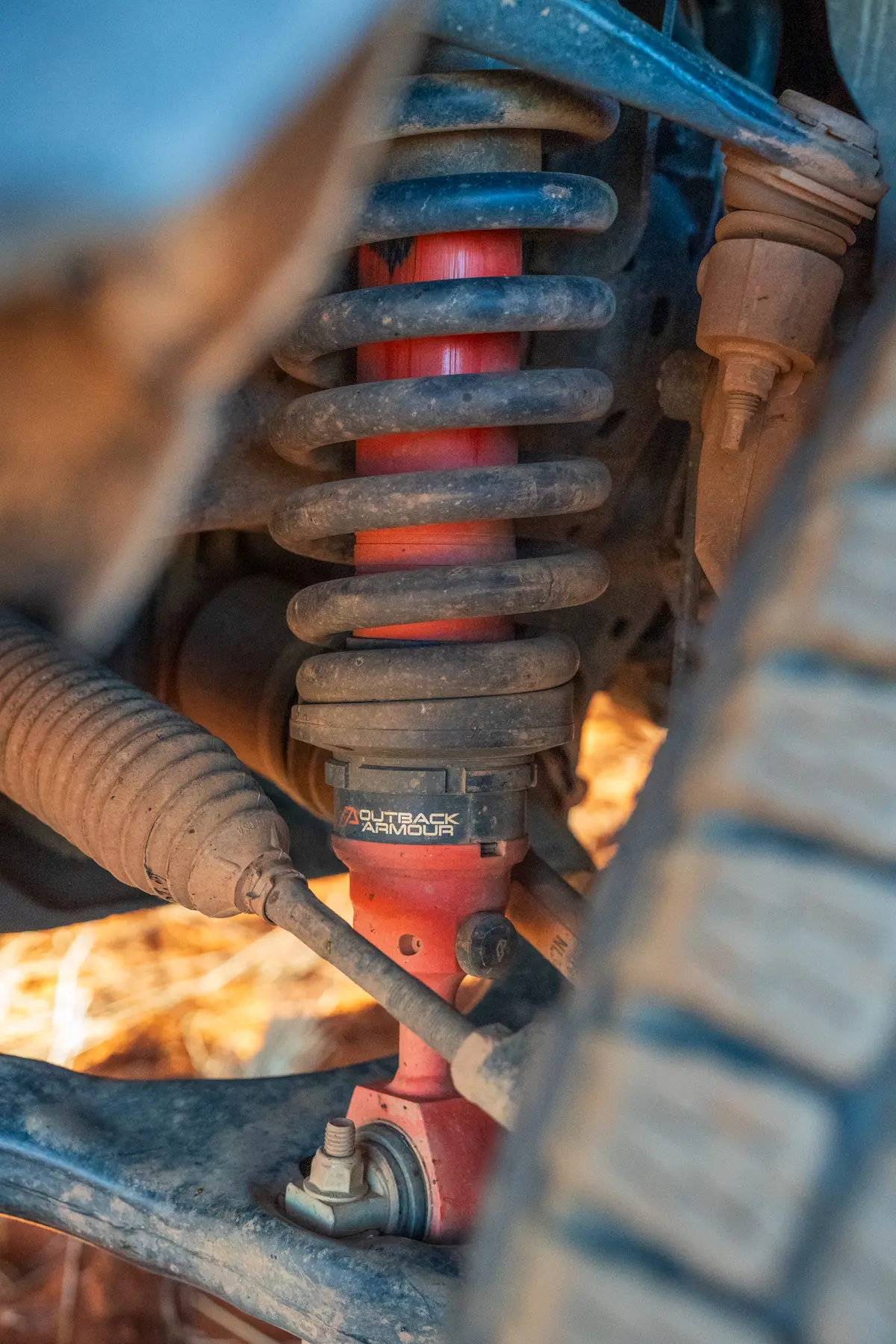
4X4 suspension
Suspension is important, but it’s also one of the most commonly rushed upgrades.
Springs are weight-specific. That’s the part a lot of people gloss over without enough consideration.
If you fit suspension before you actually know how heavy your vehicle will be when it’s set up for a big trip, you’re guessing. And guessing with spring rates usually ends in one of two ways: either the vehicle sits too high and rides poorly, or it ends up sagging once it’s modified and packed, which also leads to poor handling.
Ideally, most of your constant-load accessories are in place before you choose suspension. That way, the springs can be matched to the weight the vehicle will actually be carrying, not what you hope it might carry one day.
Now, that doesn’t mean everyone should drive around on tired factory suspension while they wait.
If your vehicle is already sagging, wallowing, or struggling with added weight, upgrading suspension earlier is absolutely sensible.
The key point is informed selection. You’re not chasing the biggest lift. You’re chasing a legal setup that holds the vehicle at the correct height, controls body movement, rides well on corrugations and doesn’t beat you up over long days.
Comms and Safety
Before heading off, you should have a way to communicate and a way to call for help.
A UHF radio for convoy and general track communication is a given.
Beyond that, a PLB or satellite communication device is always good to have on hand. You hope you never need it. You’ll be very glad you have it if things go sideways.
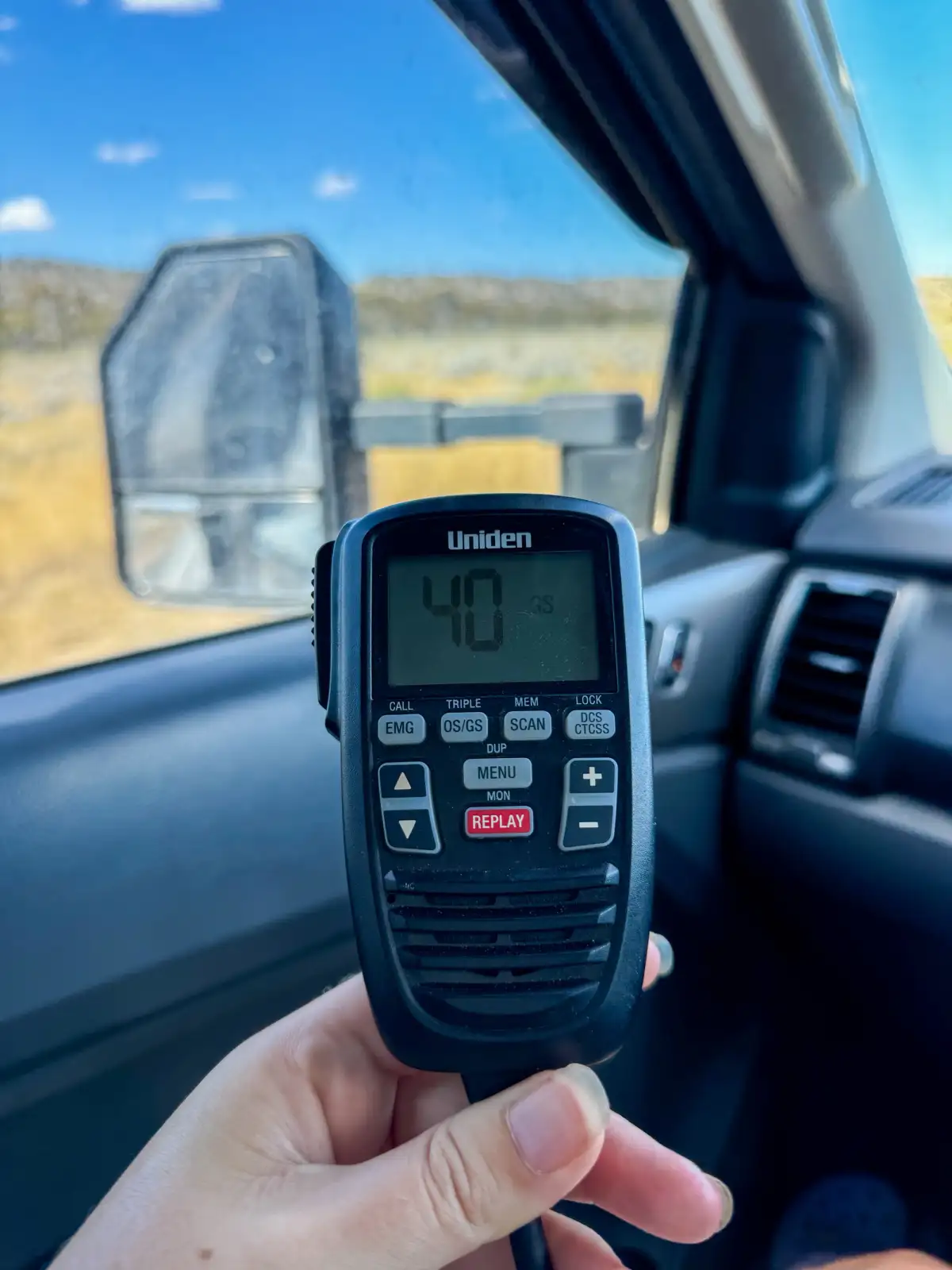
UHF Radio in 4X4
Good navigation with offline maps also falls into this category. Phones and tablets with quality mapping apps work well, as long as you’ve downloaded maps beforehand.
Nice to Have
Once you reach this point, it would be very easy to keep adding to the list.
Snorkel. Lockers. Rear bar. Dual spares. Long-range fuel tanks. Underbody protection. Big lighting packages. Roof racks. The aftermarket space is full of gear, and a lot of it genuinely has its place.
But this is where honesty becomes important. You don’t need everything for a big trip.
What you need is the right gear for the way you travel.
If you’re planning on tackling a bunch of mud and water crossings, a winch and snorkel should be high on your list. For someone else, it might be extra fuel and water capacity for extended remote area travel.
This is where experience starts.
Your own trips will quickly show you what you use, what you don’t, and what annoys you.
And that’s valuable.
Big lap planning?
Get comprehensive insurance that can go there too.
Part of our complete guide to planning your Big Lap of Australia.