Picking the best 4WD for towing deserves as much thought as choosing the van it'll be pulling. Plenty of adventurers spend months researching caravans and campers, then bolt them to whatever tow vehicle happens to be in the driveway. That's where the trouble starts. The 4WD sets the ceiling on how much you can carry, how far you can push, and how comfortable the whole rig feels once you're loaded up and rolling.
Caravan packed and hitched?
Cover anywhere you can legally go in Australia
Whether you're planning weekend trips to the coast or working out the right tow vehicle for a Big Lap, the decision comes down to matching real numbers and hardware to your actual adventures.
This guide walks through what genuinely matters when you're sizing up a towing vehicle, so you can buy once and tow with confidence for years.
Start With the Numbers: Masses, Ratings and Staying Legal
Before you fall for a flash paint job or a big towing figure on the brochure, work through the numbers. Choosing the best 4WD for towing comes down to how the masses stack up once you load the family, the fridge, the water and the van behind you. Get this wrong, and you're either over legal limits or driving a rig that fights you the whole way.
GVM, GCM and What They Actually Limit
GVM (Gross Vehicle Mass) is the most your 4WD is allowed to weigh fully loaded, including passengers, fuel and everything in the tray. GCM (Gross Combination Mass) is the combined ceiling for the tow vehicle and trailer. The trap is that many utes can't tow their maximum 3,500kg while also carrying a full payload, because doing both pushes you past GCM. Add the numbers up before you buy, not at the ranger checkpoint.
ATM, Ball Load and Tow Bar Ratings
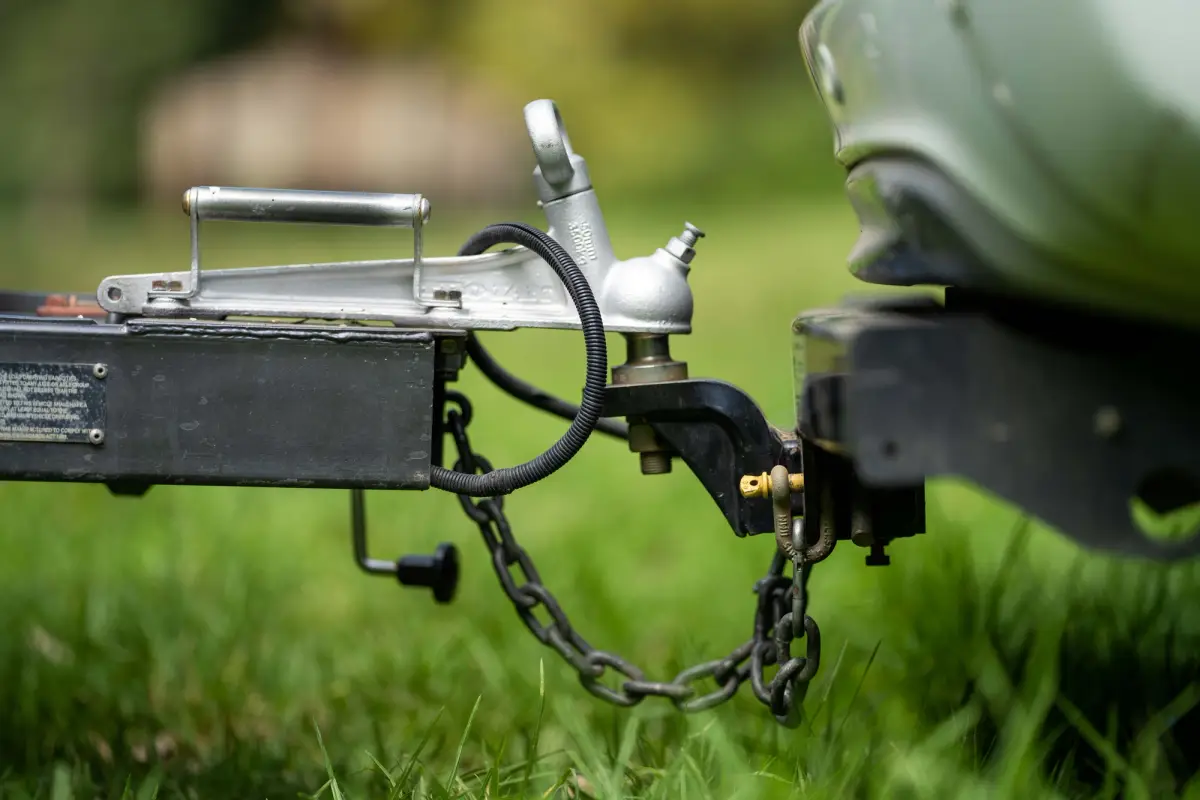
A tow ball hitched
ATM (Aggregate Trailer Mass) is the loaded weight of the van sitting on its own wheels. Ball load, usually around 10% of ATM, presses down on your coupling and eats into your rear axle allowance. Check that your tow bar, hitch and vehicle are all rated for the same figure, because the lowest number wins.
Why the Tail Must Never Wag the Dog
A widely used rule of thumb is keeping your tow vehicle at least 30% heavier than the loaded trailer. When the van is lighter than the vehicle, the tow vehicle stays in charge through crosswinds, dips and emergency braking. Too much weight behind a light 4WD invites sway, and sway is what puts caravans on their roof. At Club 4X4, our claims team knows this better than anyone.
Engine Power, Torque and Why Diesel Dominates Towing
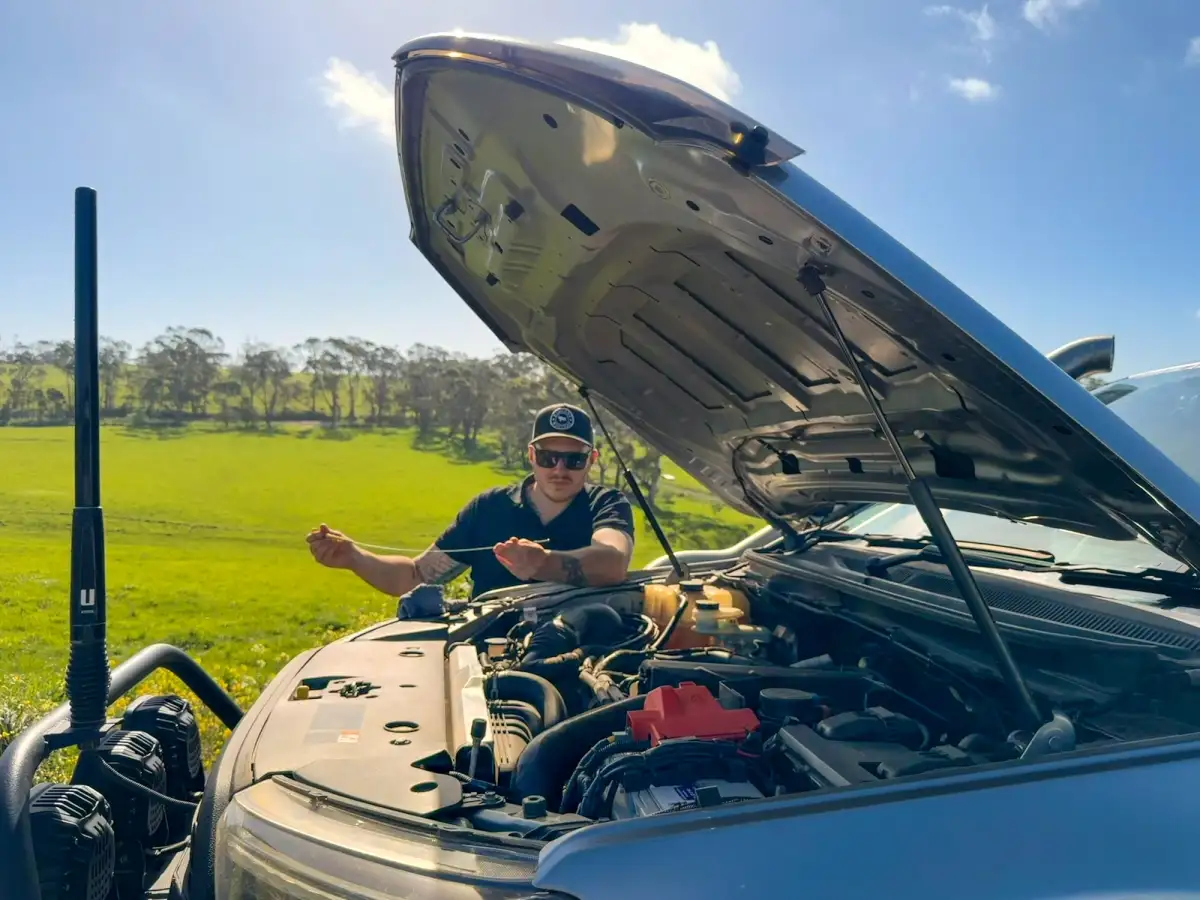
Josh Leonard inspecting the engine of his 4X4 Ford Ranger
When you're hauling a heavy load up a long grade, raw horsepower matters less than how the engine delivers its pull. There's a great way to sanity-check whether a tow vehicle has enough grunt: compare its power and torque to its gross combination mass. Aim for more than 25 kilowatts per tonne of GCM, and more than 65 Newton metres per tonne of GCM. A 4WD rated to a 6.0-tonne GCM should therefore make at least 150kW and around 390Nm before you'd call it comfortable at full weight.
Plenty of dual-cab utes and large wagons clear that bar easily, but the ratio explains why some setups feel gutless towing near their limit even when the brochure figures look fine. Run the maths against the GCM, not just the kerb weight, and you'll get a realistic read on the actual performance.
This is also where diesel earns its reputation as the go-to for 4WD towing. Diesel engines produce their peak torque low in the rev range, often from 1,600 to 2,000rpm, which is exactly where you want it when a loaded caravan tries to drag you back on a hill. Petrol engines can match the numbers, but they need higher revs to do it, so they work harder and drink more when towing. The petrol vs diesel towing debate covers the trade-offs.
Drivetrain, Ground Clearance and Where You'll Actually Tow
Before you settle on the best 4WD for towing, get honest about where the van or trailer is going. A blacktop run to a coastal caravan park asks very different things of a tow vehicle than a corrugated station track into the interior. Match the drivetrain to the terrain, and you'll save money, fuel and headaches.
2WD, 4WD or AWD for your Terrain
A rear-wheel-drive ute will happily tow on sealed roads and firm gravel, but it runs out of traction the moment surfaces turn soft or steep. Part-time 4WD is the go-to for genuine off-road towing: low range gives you the crawl control needed to ease a loaded van up a boat ramp or through a sandy pinch. Full-time or on-demand systems in many wagons keep drive to all four wheels without you thinking about it, which suits mixed touring. If you're unsure which layout you're actually buying, our breakdown of how 4WD systems work is worth a read before you sign anything.
Clearance and the Angles that Matter
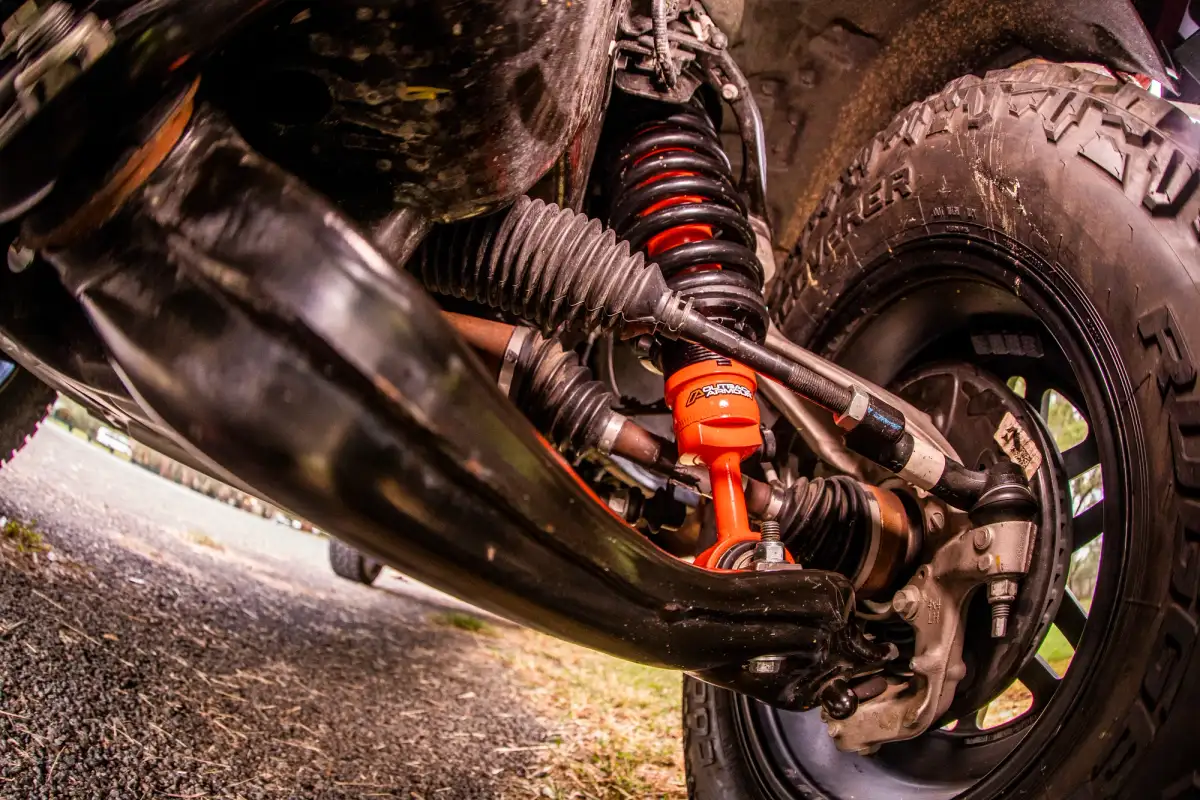
Suspension of a 4X4
Ground clearance decides how much rough stuff you can cross with a trailer behind you. Approach and departure angles matter too, though the number to watch when towing is ramp breakover, since a long wheelbase drags its belly over crests and dips. A longer wheelbase tows more calmly on the highway but limits where you can point the vehicle off-road. Upgraded 4X4 suspension helps a heavily loaded tow vehicle sit level and keep clearance under weight.
Tow Bar Overhang and the 30 Percent Rule
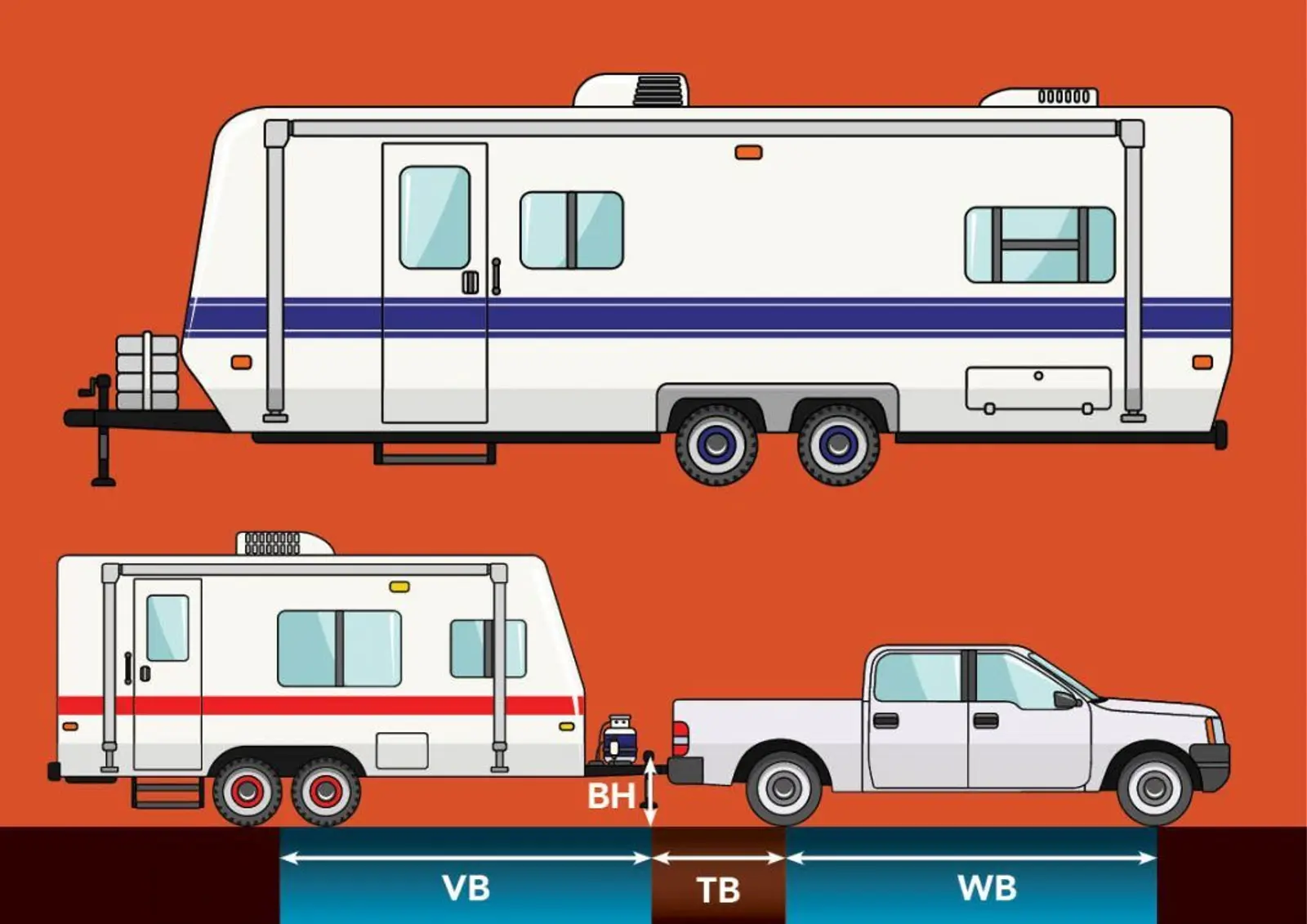
Where the tow ball sits behind the rear axle affects stability. Keep rear overhang under roughly 30 per cent of the wheelbase, and the coupling stays close enough to the axle to resist sway. Excessive overhang acts like a lever, amplifying every movement the trailer makes.
Fuel, Range and Transmission for Real-world Touring
Fuel range decides how far you can push between top-ups, and that matters more the further you head from the road. Diesel remains the go-to for a tow vehicle here, partly because larger factory tanks and better economy under load stretch your range. Many popular towing 4WDs run 80L or larger tanks, and a few wagons push past 100L when you factor in a sub-tank. Work out your realistic towing consumption, then plan around it. Our guide to fuel planning in remote Australia walks through calculating range with a van behind you, and the tips for towing fuel economy are worth a read before you commit.
Towing burns noticeably more fuel than driving solo, so build in a healthy buffer and consider auxiliary fuel carrying options for the longer stretches.
Transmission choice comes down to how and where you tow. Most modern towing 4WDs are autos, and a torque-converter auto handles heavy loads smoothly on climbs and in stop-start conditions. If you're weighing up the manual versus automatic debate, check the first-gear ratio: a low enough first gear makes uphill starts with a loaded van far less stressful on the driveline.
Tyres, Wheels and Towing Aids that Keep you Steady
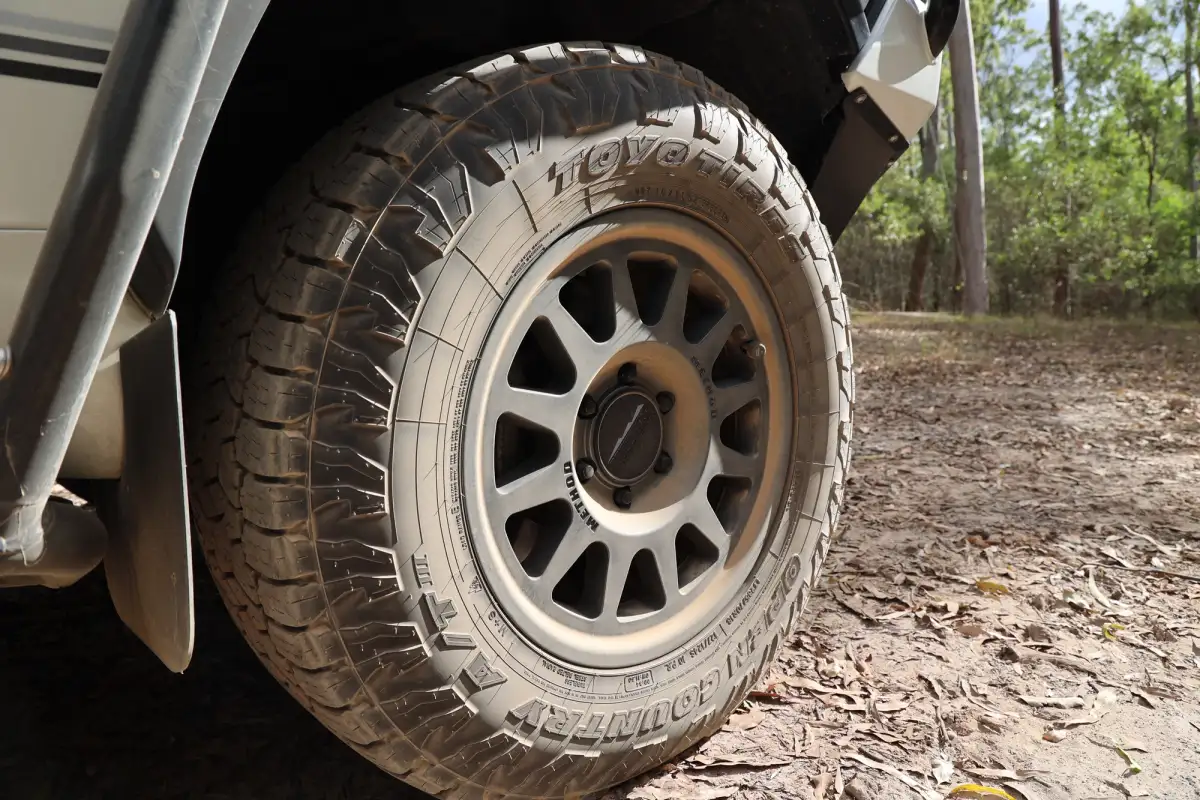
Close-up of a 4X4's wheel and tyre
Once the numbers stack up, the contact patch between rubber and road decides how a tow vehicle behaves under load. Standard passenger tyres fitted to many showroom 4WDs run soft sidewalls that flex when you hang two or three tonnes off the back. Light truck construction tyres carry stiffer sidewalls and higher load ratings, which is why so many serious rigs run them. If you'll spend serious time on gravel, an all-terrain in LT spec gives you puncture resistance without turning highway stints into a droning slog. Get the right tyres for your caravan and match the load index across both the vehicle and the van so nothing is working past its limit.
Matching wheel and tyre sizes across your 4WD and trailer is worth the effort too. Run the same rim and tyre and a single spare covers both, which matters a long way from the nearest tyre shop.
Then there's stability gear. A weight distribution hitch spreads tongue weight back onto the front axle and keeps steering and braking honest. Anti-sway systems, whether electronic or friction-based, settle the van when a truck blows past. Airbag suspension can help level a laden 4WD, and understanding the right 4x4 suspension for your load makes the whole convoy feel planted.
Safety Features, Running Costs and the Test Drive
Once you've narrowed the field on masses and mechanics, safety and running costs sort the contenders. Any serious tow vehicle should carry electronic stability control (ESC), ABS, and traction control as standard, with trailer sway control a genuine advantage when you've got a few tonnes following you down the highway. A five-star ANCAP rating is worth chasing, and features like autonomous emergency braking now come standard on plenty of dual-cabs, including recent Ford Ranger models with AEB. Good safety gear only does its job when the driver knows the vehicle's limits, so brush up on what makes safe drivers on the road before you load up.
Running costs add up quickly over a big lap. Compare service intervals and capped-price servicing schedules, factor in tyre wear under load, and look at resale history because a strong second-hand market softens the long-term hit. Warranty length matters too, particularly if you're planning years of hard kilometres. Staying on top of a simple daily vehicle maintenance checklist keeps small issues from turning into expensive ones out bush.
The test drive is where the spec sheet meets reality. Book a proper run, and if the dealer allows it, hitch up something close to your intended towing weight. Feel how the vehicle pulls away, holds a gear on a climb, and settles under brakes. A 4WD that feels effortless unladen can behave very differently with three tonnes on the ball. Trust the drive over the brochure every time.
Cover your Tow Vehicle for the Whole Adventure
Picking the best 4WD for towing is only half the job. Once you've settled on the vehicle, loaded up the van and pointed it toward the horizon, the next question is what happens if things go sideways a few hundred kilometres from the nearest town.
Club 4X4 was built by adventurers, for adventurers. Off-road recovery is a standard inclusion, so if your tow vehicle gets stuck on a remote track or bogged crossing a river, you're not left sorting it out alone. That's a genuine difference when you're towing well off the bitumen.
Modifications matter too. If you've added a bull bar, upgraded suspension, a GVM upgrade or a long-range tank to make your rig a better tow vehicle, specialist cover accounts for those changes rather than ignoring them at claim time. Whatever your gear, whatever your goal, we cover your adventure.
Ready to protect the whole setup? Get a quote on 4WD insurance for your tow vehicle, or sort out caravan insurance for what you're towing. Wherever you're headed, you're covered, so you can send it with the peace of mind to go the distance.
Caravan packed and hitched?
Cover anywhere you can legally go in Australia