Log in to our new Customer Portal

24/7 access to your policy, documents and claims

Trips & Destinations

K’Gari Permit Guide: Costs, Access Points & What You Need to Know

Before hitting the sand on K’Gari, you’ll need to sort permits, ferry access and a rough travel plan. This guide covers everything from vehicle permits and camping bookings to barge options, ferry departure points and the best time of year to visit the island.

Image
Club 4X4 Insurance
May 12 2026

May 12 2026

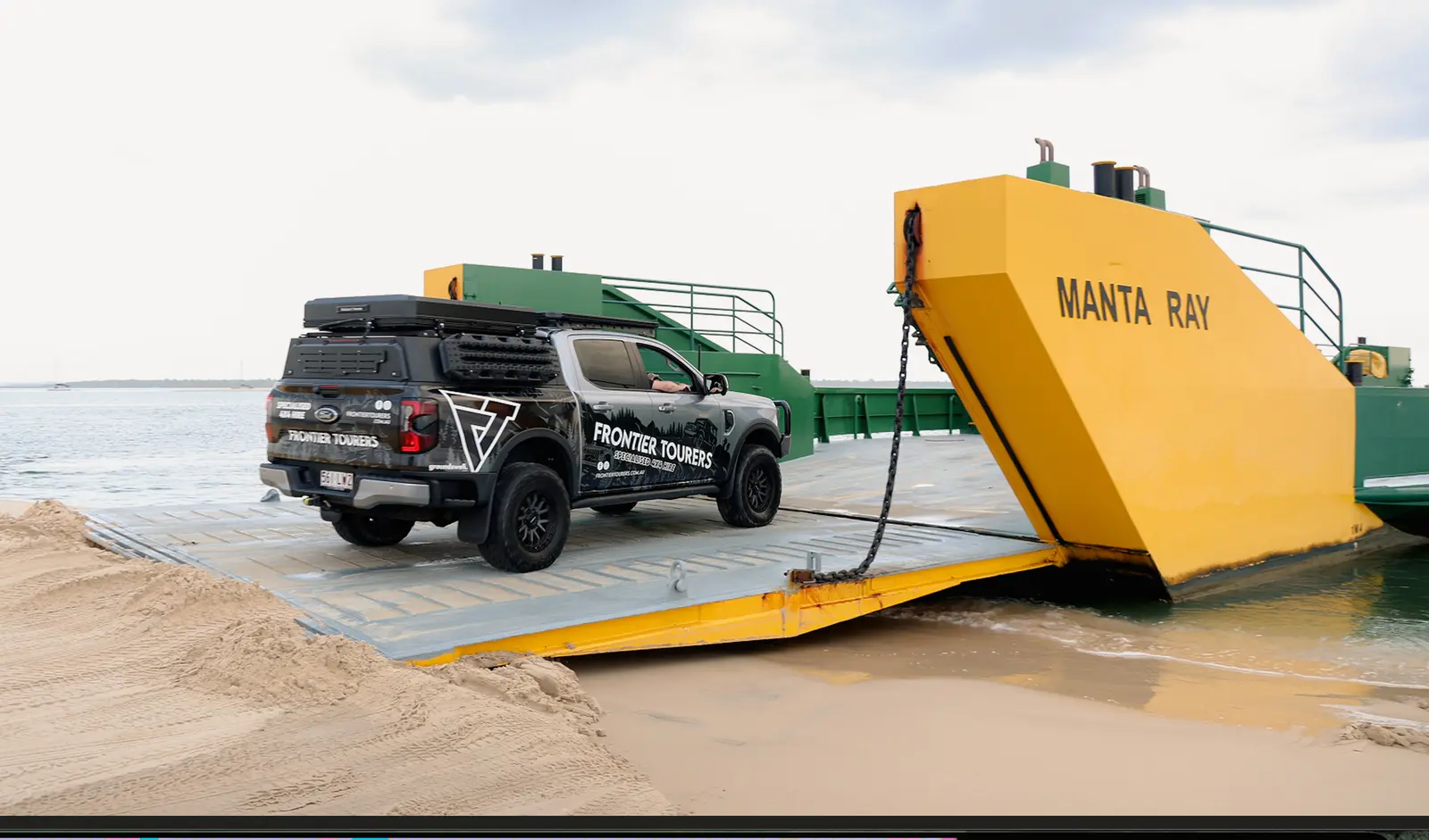
4WD on barge at Inskip Point

4WDers planning to visit the island will need a vehicle access permit. This will allow you to drive on designated tracks and beaches across K’Gari. These can be purchased online through the Queensland National Parks Booking Service website, or over the counter on the mainland. For visits under a month long, it will cost $96, but if you’re planning on visiting a few times throughout the year, you can buy a $481.80 pass. These prices are subject to change, so always double check the website.

For anyone planning on spending more than a day on K’Gari, camping permits can be purchased from the Queensland National Parks Booking Service website. Always plan ahead in busy periods, as some sites have very limited numbers.

So, you’ve got your permits and you’re packing the fourbie, but how are you getting that hunk of metal across the water? From the mainland, there are three daily car and passenger ferry services, departing from River Heads (20 minutes south of Hervey Bay) and Inskip Point (near Rainbow Beach). Vehicle ferry prices and timetables vary according to vehicle size and time of year, so it’s best to check directly with the carrier for the most up-to-date information.

Kingfisher Bay Ferry: Departing River Heads: 50 minutes to Kingfisher Bay

Fraser Venture Barge: Departing River Heads: 30 minutes to Wanggoolba Creek

Manta Ray Barge: Departing Inskip Point: 10 minutes to Hook Point

When to Visit K’Gari

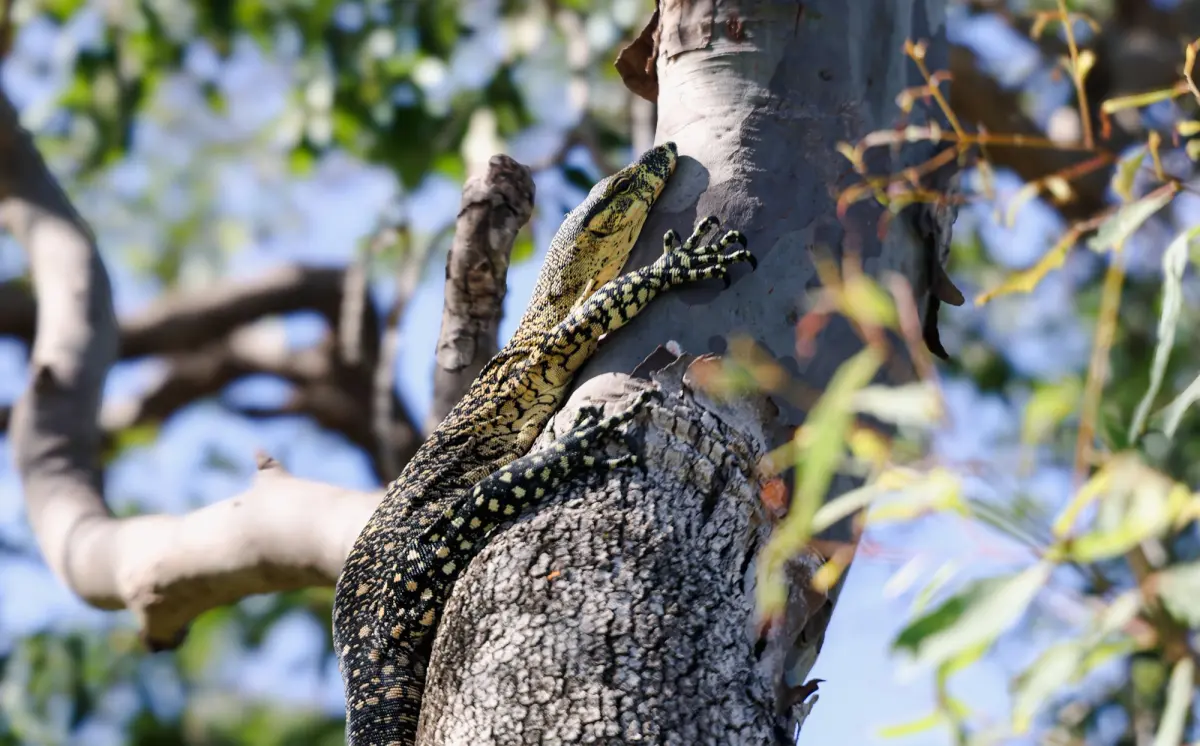
A goanna on a gum tree at K'Gari

A goanna on a gum tree at K'Gari

Beautiful year-round, K’Gari arguably doesn’t have a best season to visit, though spring is probably the sweetest spot. The semi-tropical climate provides consistently warm temperatures, but the seasons dictate the weather conditions, wildlife activity and driving conditions.

Spring is a milder time of the year on K’Gari, with daily average temps of around 22 degrees Celsius. This is considered shoulder season, so crowds and prices may also be lower than during the peak summer season.

For those chasing wildlife, spring brings opportunities for birdwatching as migratory species head off to new destinations and dingo pups emerge from their dens and learn to hunt. For whale watching, winter is the best time, where they can be spotted off the east coast.

Dingo on a beach on K'Gari

Dingo on a beach on K'Gari

Part of our K'Gari travel guide series.

Permits organised?

Get comprehensive insurance that covers you anywhere you can legally go in Australia

Get a Quote
Image
Club 4X4 Insurance
Blog

Discover other stories

View all

Warm up with weekly articles aimed at adventure

First aid kit laid out for remote 4WD travel

Expert Advice

4WD First Aid Kit Checklist: What to Carry for Outback and Remote Travel

The kit that came with the car is built for a world where the ambulance is ten minutes away. Here's what a real 4WD first aid kit needs for remote travel: the base checklist, the snake bite gear most kits skimp on, the remote-area extras, and where to keep it so you can actually find it.

Read more  

The kit that came with the car is built for a world where the ambulance is ten minutes away. Here's what a real 4WD first aid kit needs for remote travel: the base checklist, the snake bite gear most kits skimp on, the remote-area extras, and where to keep it so you can actually find it.

Tyre pressure monitoring system sensor on a 4WD tyre valve

Expert Advice

Tyre Pressure Monitoring Systems for 4WDs and Caravans: Do You Need One and How to Choose

A factory TPMS only watches the four tyres on your 4WD. If you tow or drive remote tracks, an aftermarket system is the one accessory that tells you about a failing tyre before it takes the wheel arch with it. Here's how they work, internal versus external sensors, and what to look for when you buy.

Read more  

A factory TPMS only watches the four tyres on your 4WD. If you tow or drive remote tracks, an aftermarket system is the one accessory that tells you about a failing tyre before it takes the wheel arch with it. Here's how they work, internal versus external sensors, and what to look for when you buy.

A 4WD towing a caravan on an outback track in Australia

Expert Advice

DC to DC Charger Explained: What It Does, Whether You Need One and How to Choose

If your 4WD is newer than about 2012 or you run a lithium battery, a plain isolator will never fully charge your second battery. Here's what a DC to DC charger does, how to size it, where it goes and the wiring mistakes that cost people their charge rate.

Read more  

If your 4WD is newer than about 2012 or you run a lithium battery, a plain isolator will never fully charge your second battery. Here's what a DC to DC charger does, how to size it, where it goes and the wiring mistakes that cost people their charge rate.

View all

Frequently Asked Questions