The electric 4WD has moved from concept car to something you can drive off the showroom floor and onto the sand. Right now, in Australia, an electric 4X4 can crawl a rocky pinch on a High Country track, float across the soft stuff at Stockton Beach, and still get you home with charge to spare. That mix of instant torque and quiet capability is quickly winning over adventurers who once wouldn't have looked twice.
Recent announcements of Australia's first diesel PHEV 4X4 and Nissan Navara's new PHEV have thrown some new consideration into the mix.
This guide covers the full picture of the electric 4WD in Australia, whether you're weighing up your first family tourer or adding to a shed full of built vehicles. We'll look at the best electric cars going off road, what actually makes an EV a genuine 4X4, and which models you can buy today.
We will also answer some of the practical questions: can an electric 4WD tow a caravan, how do you handle charging off the grid, and what changes when it comes to mods and accessories. None of it needs to be a compromise anymore. We'll walk through what you need to know before you buy.
No matter how you're fourbie's powered
get a quote for insurance that covers you anywhere you can legally go in Australia
What actually makes an EV a true 4WD?
Not every electric vehicle with a raised ride height earns the 4WD badge. A genuine electric 4WD needs power going to all four wheels, and in most electric off road vehicle setups that comes from a dual-motor layout: one electric motor driving the front axle, another driving the rear. Because each motor operates independently, the vehicle can shuffle torque between axles in milliseconds, without the mechanical lag you get waiting for a transfer case and diff to catch up.
Torque is where an electric 4X4 pulls ahead of a traditional drivetrain. A diesel four-wheel drive has to build revs before it hits peak twist, which is why low range and gear selection matter so much on technical climbs. An electric motor delivers maximum torque from zero rpm. That instant response makes controlled crawling over rock steps and soft sand genuinely easier, since you can meter power precisely with the throttle rather than relying on clutch feel or momentum.
Some EV 4WD models take it further with a motor on each individual wheel, allowing true torque vectoring. Others use software-based traction control to mimic locking differentials. Understanding how these systems replace the mechanical hardware you might already know from your current 4WD system helps set realistic expectations for what an electric 4WD Australia buyers are considering can actually handle off the bitumen.
Electric 4WDs you can actually buy in Australia right now
The electric 4WD Australia market has moved from concept cars and spec sheets to vehicles sitting in dealer yards. It's still a short list, and most of what's available leans towards dual-cab utes and larger wagons rather than hardcore trail machines, but the options are real and growing month by month.
Electric 4WDs and Utes on Sale in Australia Now
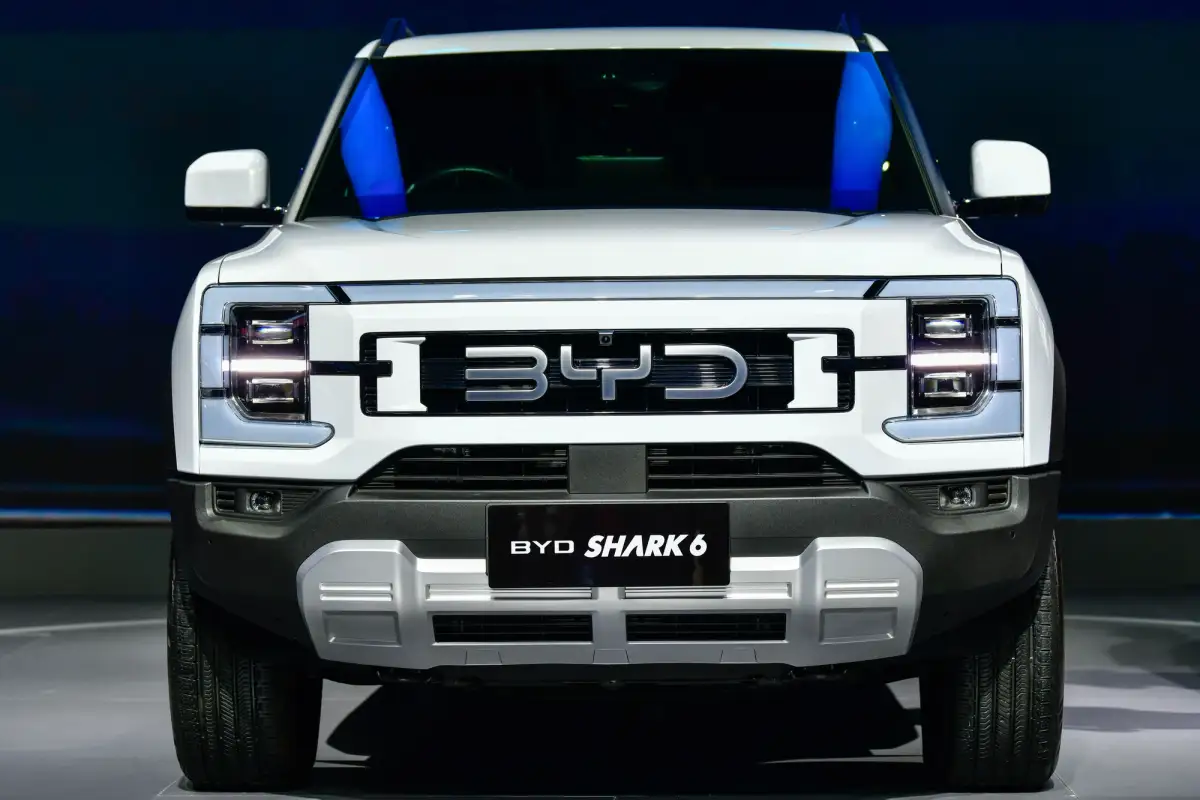
The BYD Shark 6 is one of the models drawing the most attention. It's a plug-in hybrid rather than a full EV 4WD, which matters for range anxiety, and it pairs a 1.5-litre turbo petrol engine with dual electric motors for around 320kW combined. Ground clearance sits at 230mm, and it's rated to tow 2,500kg braked. The standout is its vehicle-to-load capability, letting you run a fridge, lights, or power tools straight off the battery at camp.
BYD Shark 6 Review
Great White or Fish out of Water?
The GWM Cannon Alpha PHEV is another electric 4X4 worth a look, with a bigger 3,500kg braked towing capacity that puts it closer to what caravanners expect. If you're weighing your options, our GWM Cannon L review covers how the brand's utes handle real conditions.
For fully electric, the choices narrow. Most current EVs marketed as capable off-roaders are soft-roaders at heart, better suited to gravel roads and beach access than the Googs Track. Read the specs carefully before assuming an electric off road vehicle will match a diesel wagon on a technical climb.
Electric 4WDs Arriving in Australia Soon
The best electric 4WD 2026 candidates are where things get interesting. Toyota, Isuzu, and several Chinese brands have committed to electrified 4WD platforms, with dual-cab utes leading the charge. Kia and other makers have shown ladder-frame electric concepts aimed squarely at the touring crowd.
Whatever lands, the question every buyer asks is whether an electric 4WD can tow a caravan the full distance without leaving you stranded. We'll break down what the range, towing, and clearance figures actually mean for your adventure in the next section, because the marketing numbers rarely tell the full story once you factor in weight, terrain, and heat.
Range, towing, and off-road capability: what the numbers really mean
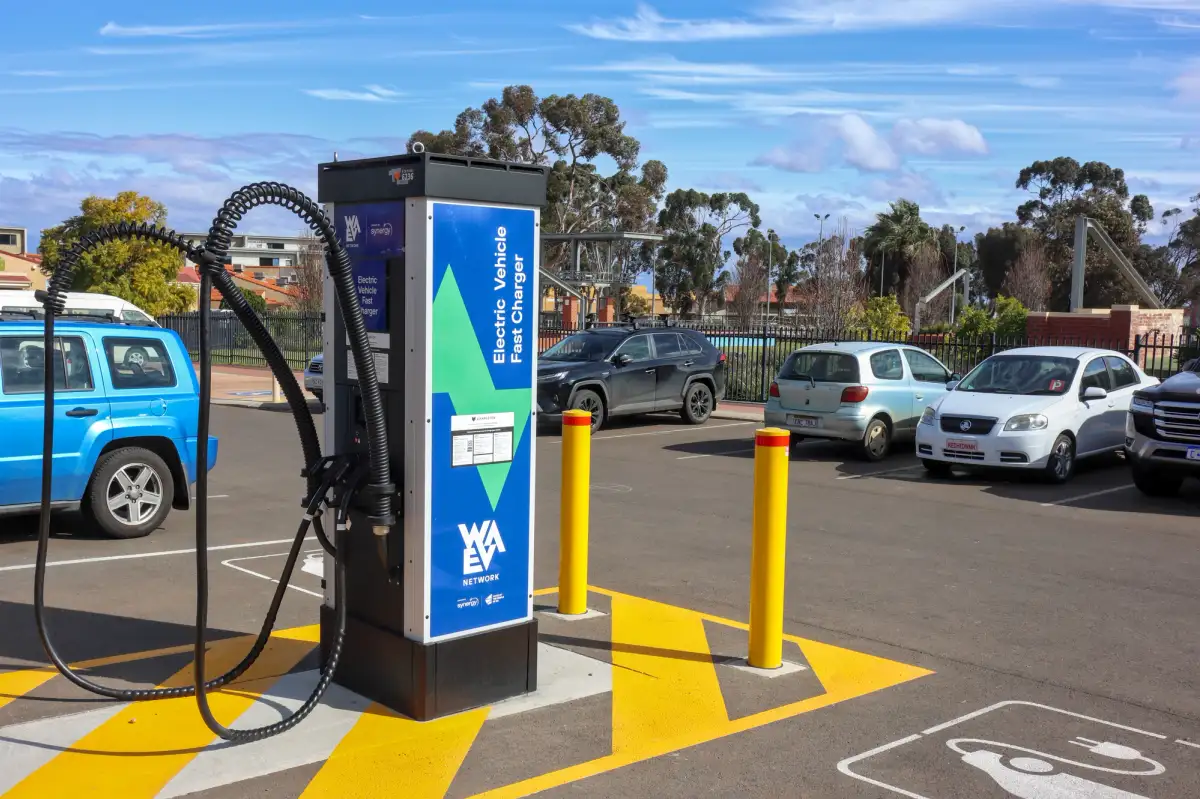
The headline range figure on an electric 4WD is measured under ideal conditions: smooth bitumen, no load, mild temperature, gentle right foot. Load up for a trip and reality bites. Fit a roof rack, throw a fridge in the back, hook up a camper trailer, and that advertised number drops fast. This isn't unique to EVs, diesels lose economy under load too, but the effect is sharper because you can't just top up from a jerry can when the battery runs low. Knowing how far you'll really go matters more than any brochure claim.
Towing Capacity: Can an Electric 4WD Actually Pull a Caravan?
Yes, and the torque makes light work of getting a heavy load rolling. Vehicles like the Ford F-150 Lightning are rated to tow serious weight, and instant electric torque pulls a caravan off the mark with no fuss. The catch is range. Towing a heavy off-road van can cut your usable range by half or more, especially on the highway where wind resistance climbs. If a vehicle claims 400km unladen, plan around 150-200km with a van behind you. That changes how you space out charging stops. Before you commit, work through the great weight debate and get your 4X4 properly weighed, because towing figures assume you've stayed inside your limits. Our guide to towing efficiency applies to EVs too, less drag means more range.
Off-Road Performance: How Electric 4WDs Stack Up Against Diesel
This is where an EV 4WD can genuinely shine. Instant torque means precise, controlled crawling over rocks with no clutch to feather and no revs to manage. On sand, smooth power delivery helps you keep momentum without spinning up, though battery weight can work against you in soft going. Approach and departure angles vary by model, and some electric utes sit lower or carry bulky underbody battery packs, so check clearance before you tackle anything technical. Water crossings need care too; sealed battery systems are designed for wading, but always confirm the rated depth first. Brush up on getting water crossings right and read our mud driving guide before you head into the rough stuff. Whatever your track, the fundamentals of good technique don't change.
Charging Your Electric 4WD Off the Grid
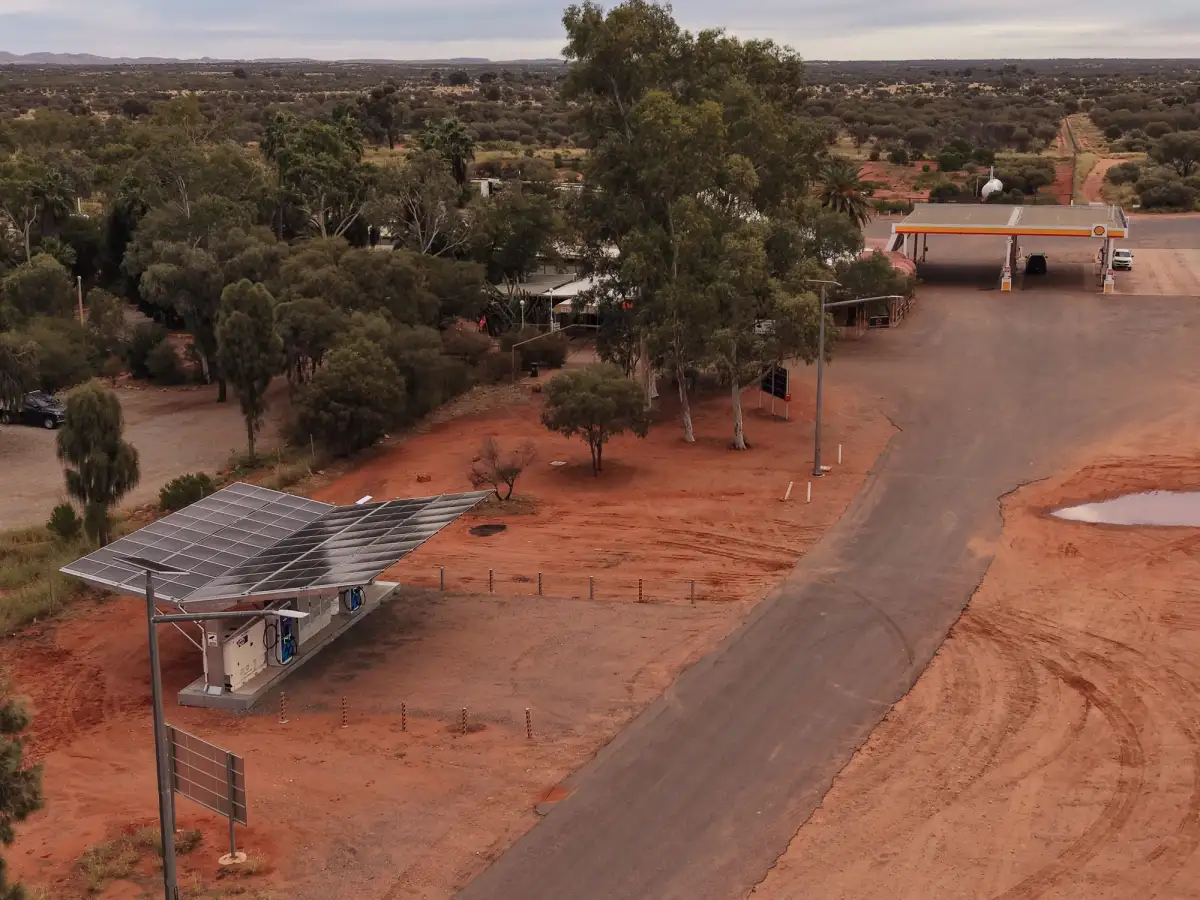
Charging an electric 4WD away from town changes how you plan a trip. On sealed-road touring with regular stops, public charging covers most of the work. Push into remote country and the maths shifts, because the closest DC fast charger might sit hundreds of kilometres from your camp. That's where trip planning becomes part of the adventure rather than an afterthought.
Solar is the obvious starting point, but honest expectations matter. A folding solar setup that keeps a fridge and lights running is a long way short of what an electric 4WD's traction battery needs. A large solar array might add a handful of kilometres of range over a full day of good sun. Useful as a top-up, not a fill. The same thinking that goes into an off-grid power setup for remote travel applies here, just scaled up considerably.
DC fast charging is the realistic way to add serious range on the road. Networks like Chargefox and Evie cover major touring corridors and many regional towns, and the NRMA has expanded regional sites across the country. Plan around confirmed locations rather than hoping for a charger at the next roadhouse, and always leave yourself a buffer. Heat, corrugations, and a loaded vehicle all pull real-world range below the brochure figure, so treat the numbers as a guide, not a promise.
The practical tip: build your route around charging stops the way you'd build one around fuel planning in remote Australia. Map every charger, note the connector type and power output, and carry a backup plan for each leg. Charging an electric 4WD while off grid works well when it's part of the itinerary from day one.
Modifications, Accessories, and Insurance for Electric 4WDs
Kitting out an electric 4WD works much the same as any other touring vehicle, with a few extra considerations. Lift kits and heavy-duty upgraded 4X4 suspension are common first moves, though the added mass of a battery pack means you'll want components rated for the extra weight. All-terrain tyres, bash plates, and solid underbody protection matter even more on an EV, since the battery sits low and flat under the floor and you'll want it shielded on rocky tracks.
Solar setups pair naturally with an electric off road vehicle. A roof or blanket array feeding your auxiliary system helps run the fridge and camp gear without leaning on the traction battery. Recovery gear stays non-negotiable too. A quality kit, rated recovery points, and a plan for when things get sticky are just as relevant when your vehicle runs on electrons.
Here's the part plenty of owners miss. Every mod you bolt on can add value, and a standard policy built around a base electric 4X4 rarely accounts for the full spec of a modified touring build. That gap can hurt at claim time.
Is an Electric 4WD Right for Your Adventure?
An electric 4WD in Australia suits some trips brilliantly and struggles with others, so the honest answer depends on where you point the bonnet. Run through a quick self-check before you commit.
If your driving is mostly the school run, weekend beach days at somewhere like Stockton Beach with the family, and the occasional graded track, an EV 4WD makes a lot of sense. Home charging covers daily use and the instant torque handles soft sand well.
Towing a caravan changes the maths. Range drops sharply under load, so a family towing a camper between caravan parks will want to plan charging stops carefully and check their off-road towing setup against real-world figures.
For serious remote work, a Simpson crossing or the Gibb, current charging gaps make a diesel the easier call for now.
Whatever you drive, cover the adventure properly. Club 4X4's 4WD insurance is built by adventurers, for adventurers, with off-road recovery as a standard inclusion. Wherever you're headed, you're covered.
No matter how you're fourbie's powered
get a quote for insurance that covers you anywhere you can legally go in Australia