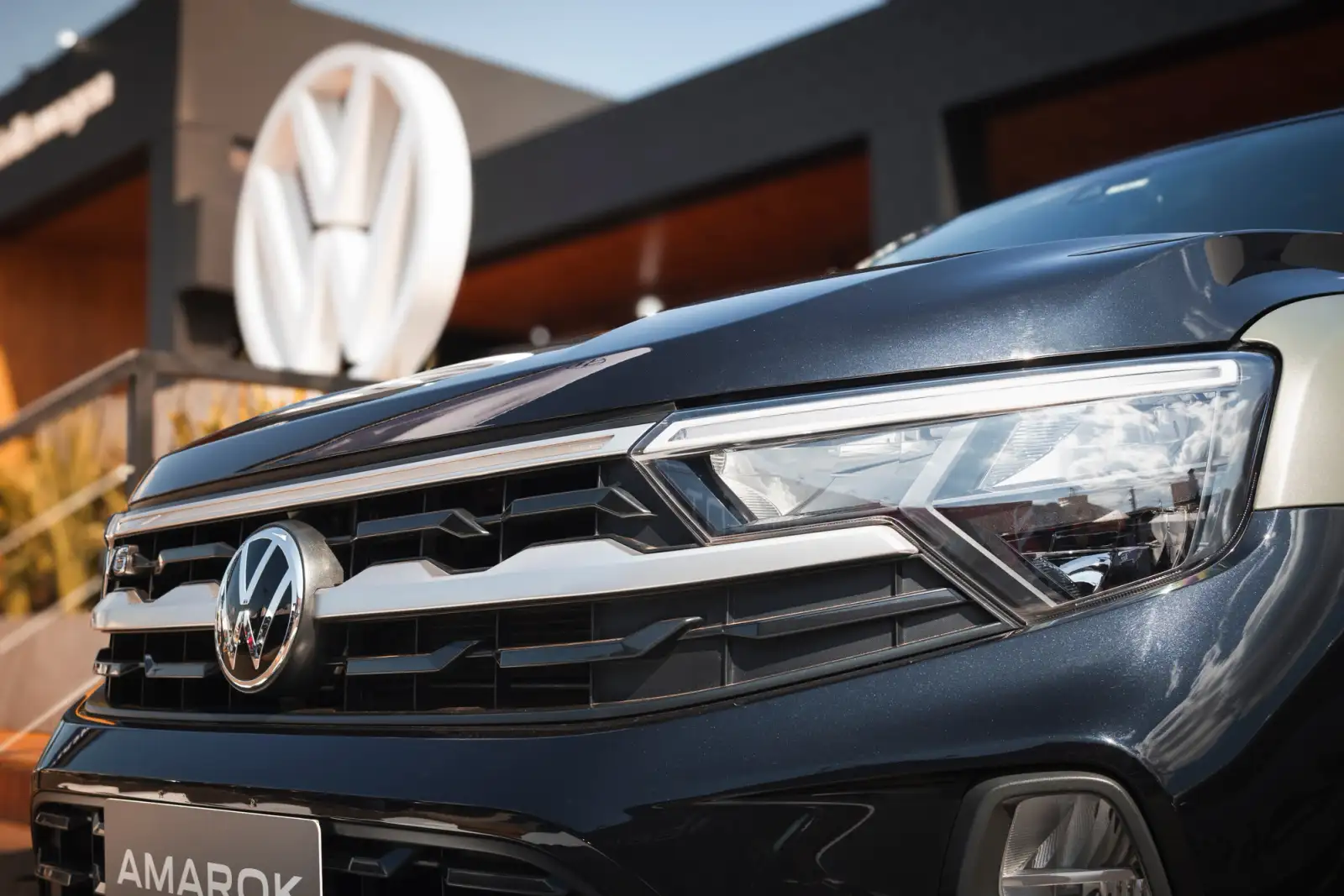
The VW Amarok: A Premium Dual Cab With Adventure in its DNA
Volkswagen’s ute offering, the Amarok, truly bridges two worlds. Weekday commuting and remote touring meet, without forcing you to compromise on either. Anyone who’s driven an Amarok knows this.
The modern Amarok ute doesn’t just sit idly in the crowded dual-cab segment, instead attempting to push its head above the rest, blending serious towing muscle with tech-heavy interiors and genuine off-road capability.
In this Volkswagen Amarok review, we’ll break down everything that matters before you buy, from engine specs and models through to how it drives on-road, performs off-road, and stacks up as a touring platform.
New ute?
now get a quote for insurance that covers you anywhere you can legally go in Australia
What is the Volkswagen Amarok? Platform, Engines and Specs
Since its release in 2010, the Volkswagen Amarok has come a long way. The second-generation model marks a significant shift, now underpinned by the same T6.2 platform as the Ford Ranger, a move that brings proven durability and capability into the VW lineup.
Under the bonnet, buyers get a choice of engines depending on the spec:
- 2.0L single turbo diesel (125kW / 405Nm)
- 2.0L bi-turbo diesel (154kW / 500Nm)
- 3.0L V6 turbo diesel (up to 184kW / 600Nm)
- 2.3L turbo petrol (222kW / 452Nm)
With the higher-spec models being paired with a 10-speed automatic transmission, the Amarok delivers smooth power delivery on the highway, but also under load.
Key specs in the current lineup include:
- Braked towing capacity: 3500kg across most variants
- Payload: Up to around 974kg depending on variant
- GCM: Up to 6,400kg on V6 models
- Dimensions: Approx. 5350mm long, 1910mm wide
- Ground clearance: Around 235mm on off-road variants (up to 275mm on the 10 Deserts Edition)
- Drivetrain: 4MOTION four-wheel drive system
It’s a spec sheet that ticks the big boxes for most Australian buyers.
Amarok Models Explained: From Core to 10 Deserts Edition
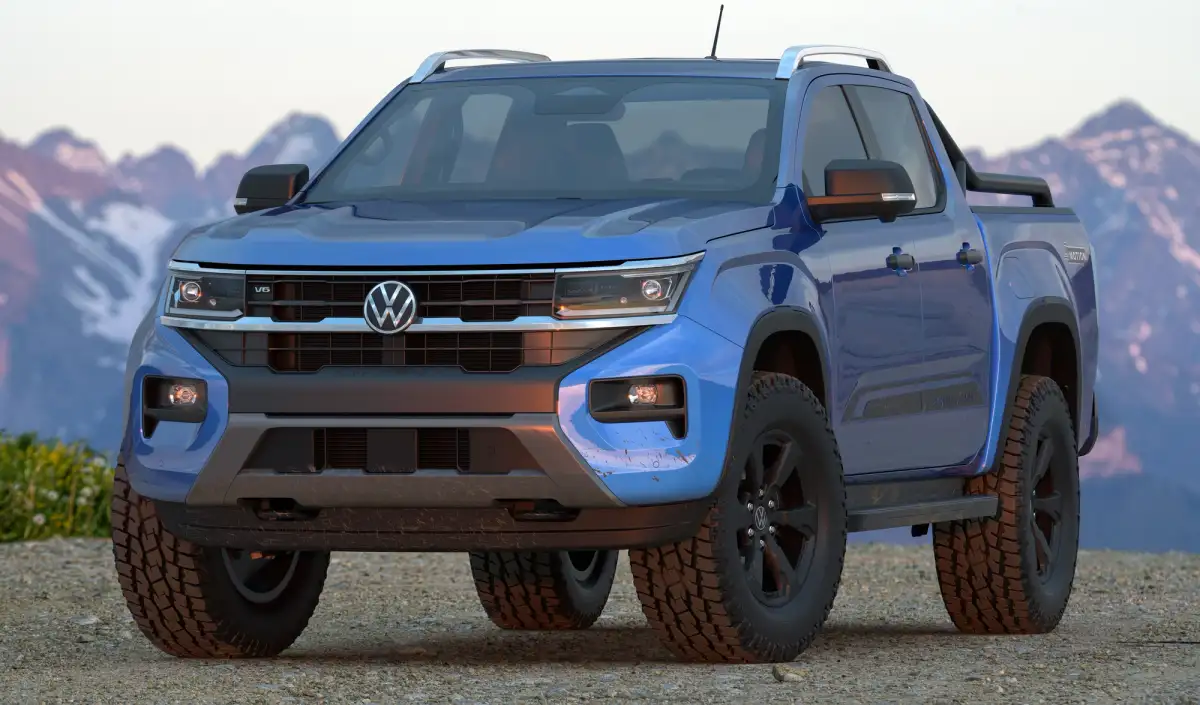
The current Amarok models range from practical to premium, with a model mix designed to suit everyone from tradie, to families, to serious tourers.
Amarok Model Comparison
| Model | Engine | Key Features | Ideal Buyer |
|---|---|---|---|
| Core | 2.0L diesel | Basic workhorse spec, steel wheels | Tradies, fleet buyers |
| Life | 2.0L bi-turbo | Improved tech, comfort upgrades | Daily drivers, entry touring |
| Style | 2.0L / V6 diesel | Larger screens, added towing aids | Families, weekend travellers |
| PanAmericana | V6 Diesel | Off-road styling, all-terrain focus | Off-road enthusiasts |
| Aventura | V6 diesel / petrol | Premium interior, large wheels | Lifestyle buyers |
| 10 Deserts Edition | 2.0L bi-turbo | Lift kit, A/T tyres, protection | Touring-focused buyers |
Core, Life and Style: The Everyday Amarok Range
Starting at the entry point, the Core keeps things simple. It’s a no-nonsense ute designed to be a workhorse, with plenty of room for modifications. Stepping up and into the Life, things start to shift. With its bi-turbo diesel engine, upgraded infotainment system and improved cabin comfort, it’s a more realistic daily driver.
The Style model is where most buyers will find a good balance. With options for the V6 engine, larger infotainment screens and added towing tech, it balances capability and comfort well.
PanAmericana, Aventura and 10 Deserts Edition: The Top Amarok Models
At the top end of the range, the PanAmericana leans into its off-road DNA, with both styling and capability. The Aventura focuses more on premium touches, like larger wheels, leather interiors and more tech. Still off-road capable in theory, but who wants mud on their new leather?
The 10 Deserts Edition stands apart again. Limited in numbers and based on the Life variant, it receives a 40mm suspension lift, all-terrain tyres and underbody protection. This pushes ground clearance to around 275mm.
On-Road Driving, Cabin and Everyday Practicality
We found that after spending time with the Amarok, it isn’t your typical work ute, as its on-road experience stands out as one of its biggest strengths.
Many dual-cabs can have loose steering, geared for off-road terrain, but the Amarok’s feels tighter, meaning less work for daily drivers. The suspension tuning delivers a more settled ride without load, especially at highway speeds. Compared to expectations of a VW dual cab ute, it leans further into SUV-like refinement than most.
This second generation Amarok brings a noticeable step up in design and tech in the cabin. Large infotainment screens, a digital cockpit and smartphone connectivity are standard across much of the range.
For family duties, the rear seat space is generous enough, with practical touches like multiple storage zones and USB ports, making it viable for school runs as well as ‘are we there yet?’ length road trips.
Off-Road Performance: How the Amarok Handles the Hard Stuff
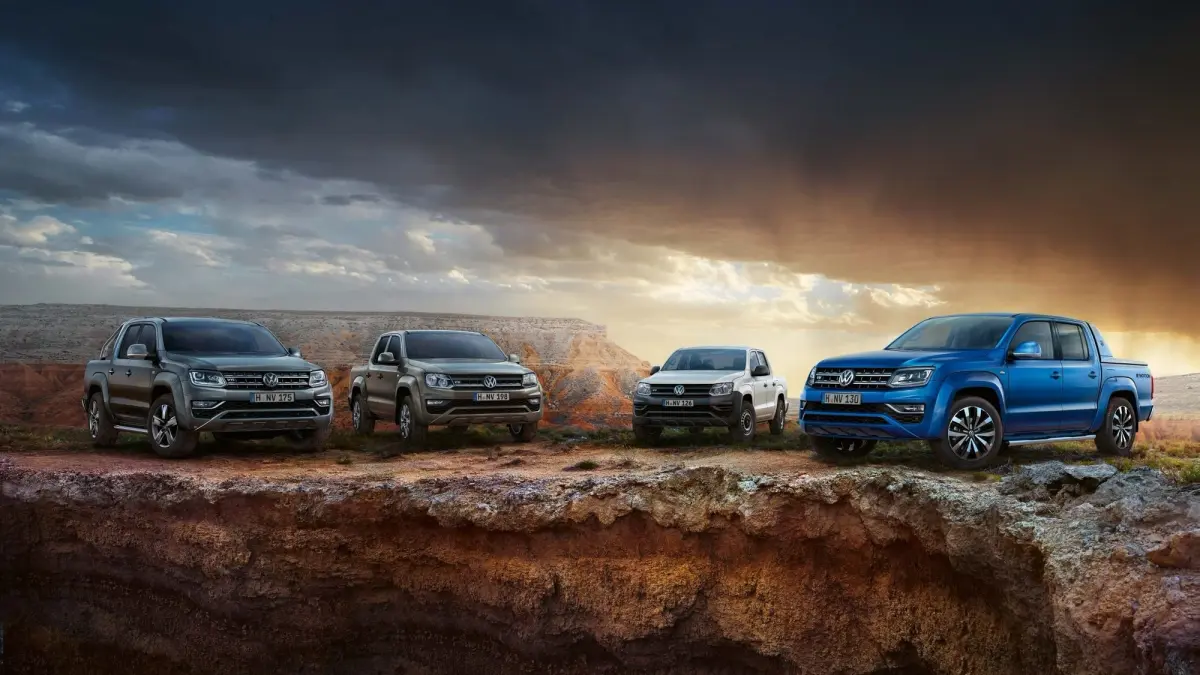
Out past the last servo is where things get interesting. This Volkswagen Amarok 4X4 review will explore how well the ute handles real Australian conditions, whether that be corrugated outback roads, soft beach sand or rutted High Country tracks.
4X4 Systems, Traction and Terrain Modes
The Amarok runs Volkswagen’s 4MOTION system, which uses sensors to determine traction and automatically distribute torque where it’s needed most.
Paired with:
- Low range gearing
- Rear differential lock
- Multiple drive modes (including sand, mud and towing)
- Hill descent control
…it’s a capable package for most scenarios the average owner will encounter.
Key off-road numbers include:
- Ground clearance up to ~235mm standard, higher on special editions
- Approach and departure angles vary by variant
- Wading depth varies, but typically around mid-range for the segment
The Amarok shines on sand and gravel, where the torque-rich diesel engines and stability of the platform make for confident progress.
Building Out Your Amarok: Mods, Accessories and Touring Setup
As with most Aussie-owned utes, Amaroks don’t stay stock for long. The platform lends itself well to customisation, whether that’s tailored toward weekend getaways or full-time touring.
Common upgrades include:
- Bullbars and winches
- Roof platforms and rooftop tents
- Drawer systems and fridge setups
- Dual battery systems
- Long-range fuel tanks
- Suspension upgrades
- All-terrain or mud-terrain tyres
Each modification adds capability, but also weight and value. That matters when it comes to payload limits and insurance.
Verdict: Is the Volkswagen Amarok the Right 4X4 For You?
So, where does the Amarok land?
- Weekend tourer: A strong fit, especially in Life or Style trim with the bi-turbo diesel
- Family adventurer: One of the better options in the segment thanks to comfort and tech
- Serious off-roader: Capable, particularly with the right tyres, setup and variant choice
The Amarok suits buyers chasing a more refined dual cab without giving up real-world capability. It tows well, handles daily driving comfortably, and still holds its own when the road disappears.
If you’re building one out for touring or planning bigger trips, pairing it with specialist 4WD insurance that includes off-road recovery gives you that extra layer of confidence when you’re off the map.
New ute?
now get a quote for insurance that covers you anywhere you can legally go in Australia