Here's a fact that stops most people in their tracks: one of the leading causes of death in Australian desert environments is drowning. Flash floods move faster and hit harder than most people expect, and the outback doesn't give you much time to reconsider your positioning. It's a confronting reminder that remote Australia doesn't deal in single threats, it deals in combinations of them, often arriving without warning.
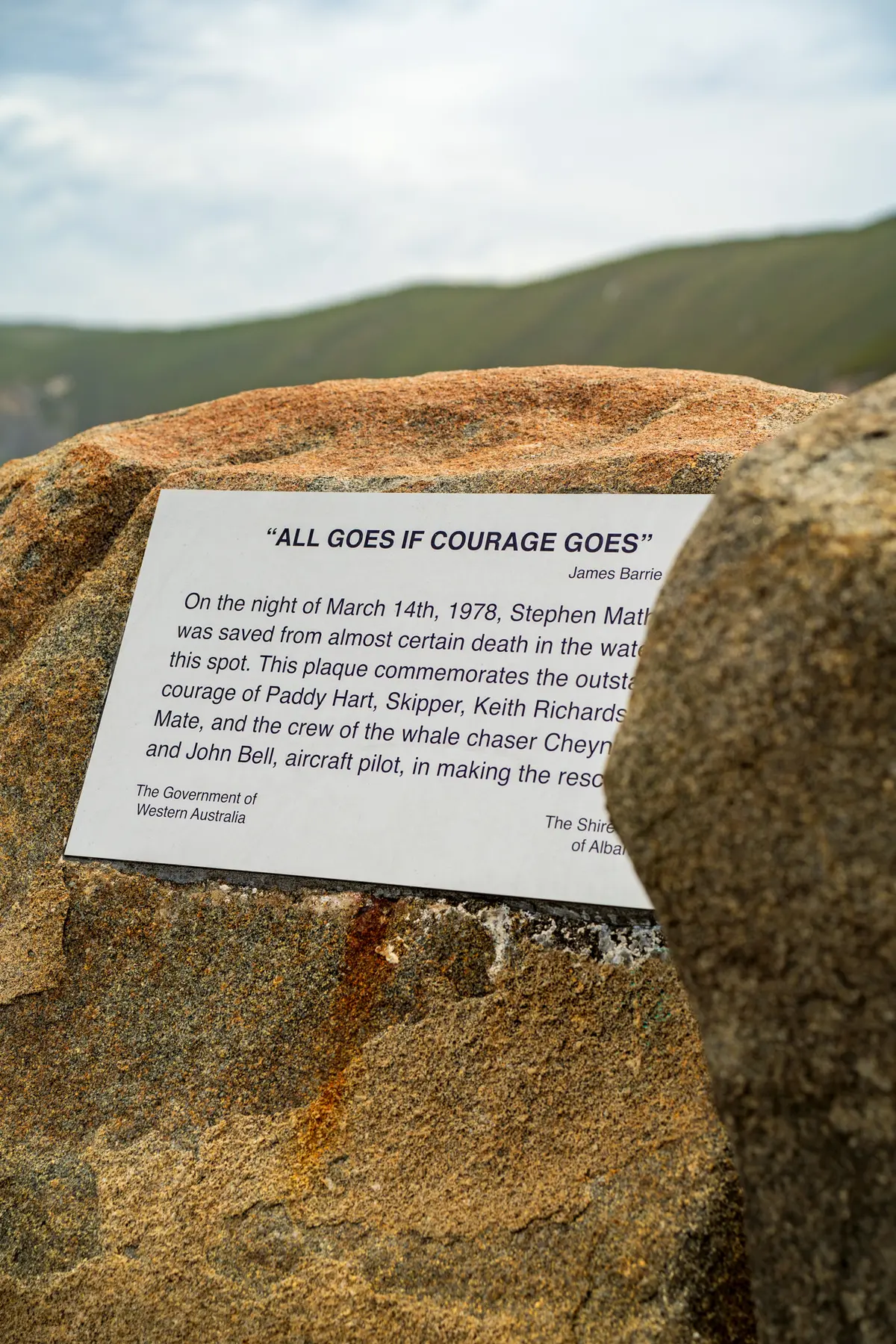
A memorial plaque
Don’t take that as a reason to stay home. The outback is one of the most compelling and remote places on the planet, and exploring it properly is one of the great privileges of living in this country. But there's a significant difference between people who travel remote Australia safely and those who don't, and that difference is almost always preparation.
This is Part One of a two-part guide to keeping yourself alive out there. Here we're focused on what happens before you leave, because the decisions you make in your driveway, and at the servo on the way out of town matter just as much as anything you might do in a survival situation.
Tell Someone Where You’re Going Every Time
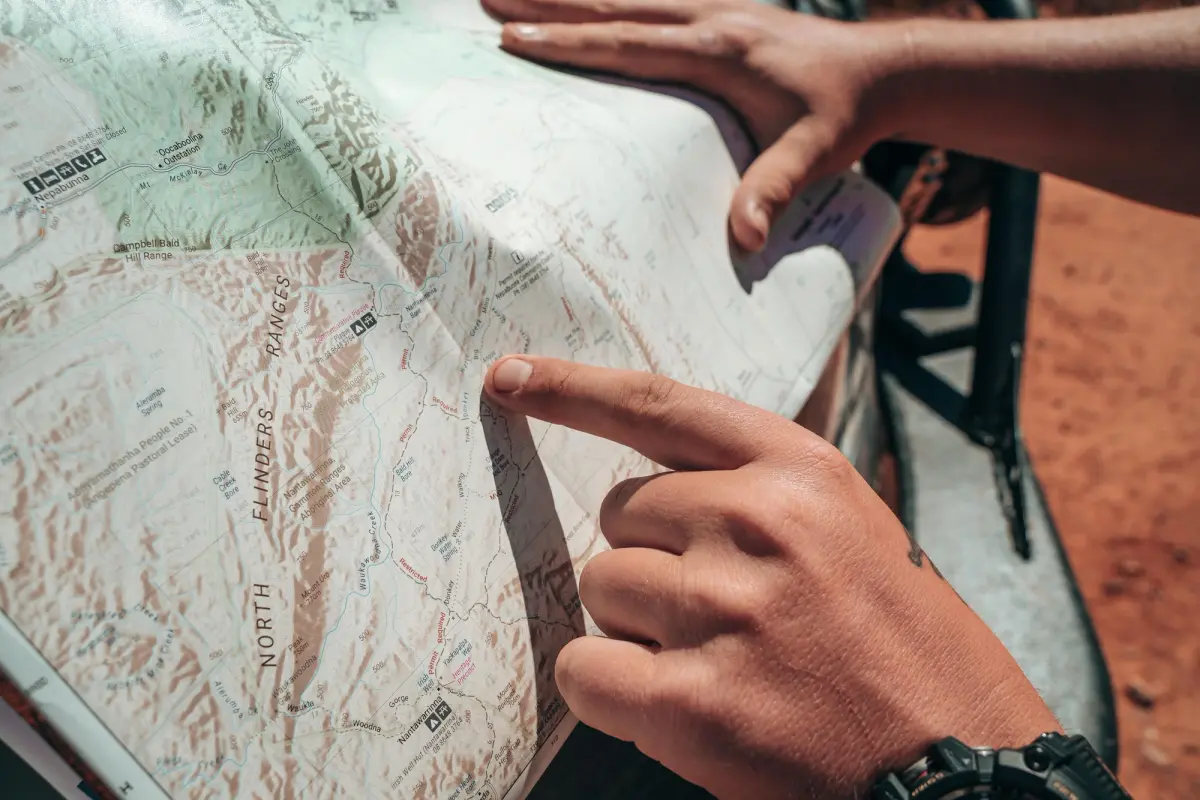
A finger pointing at a map
This one sounds simple, because it is, but it's also the step most people skip when they're keen to get moving. Before any remote trip, someone who isn't coming with you needs to know your full itinerary, your intended route, where you plan to camp each night, and when you expect to be reachable again. That person could be a mate, a family member, a pub owner in the last town, or the local police.
This ensures that if you don't come back when you're supposed to, someone notices and knows where to start looking. In a genuine emergency, that information is the difference between a search party heading in the right direction and one covering the wrong 500 square kilometres.
I spent years travelling the most remote parts of this country alone. The one non-negotiable I held to every single time was making sure someone knew where I was going and when to raise the alarm if they hadn't heard from me.
Vehicle Preparation: Non-Negotiables
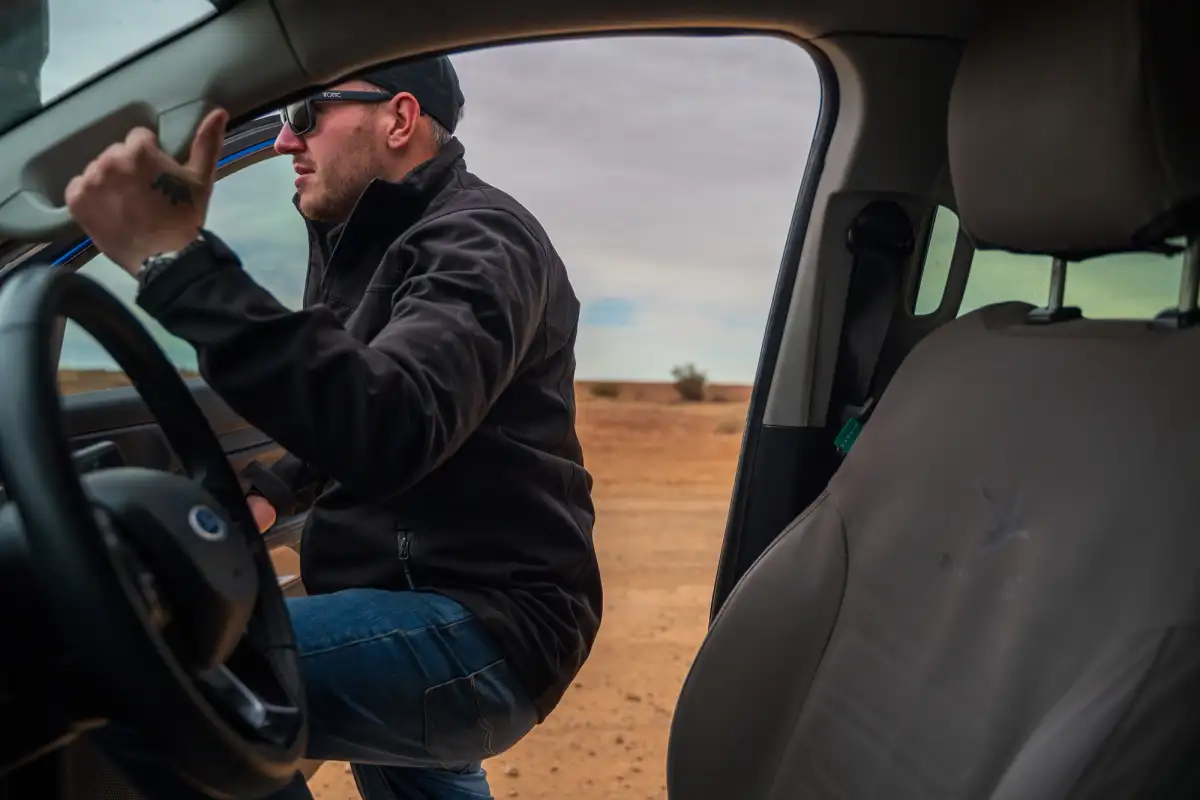
A man hopping inot a 4WD
Your vehicle in the outback isn't just transport, it's shelter, signaling equipment, shade, and your best asset in a survival situation. Getting it right before you leave is critical.
Water is the priority above everything else. The baseline is five litres per person per day, and that figure goes up in summer heat, during physical exertion, etc. For longer trips, a quality water filtration system/purification tablets can add a great safety margin.
Food doesn't need to be complicated but you should have some non-perishables set aside. Nuts, dried fruit and canned goods take up minimal space and keep your energy levels stable if you end up spending more time out there than planned.
Communication gear is where a lot of people underinvest. Mobile coverage disappears fast once you leave the main road. A Garmin InReach or satellite phone is the reliable option for two-way communication regardless of where you are. Starlink is increasingly viable if you have a reliable power source in the vehicle. The key point is redundancy, don't rely on a single device.
Recovery equipment for remote travel means a winch, at minimum two sets of recovery boards, a well-stocked recovery kit, and the ability to self-recover without external assistance. That last part is important, in truly remote areas, you may not be able to wait for someone else to come and pull you out.
Spares and tools deserve more thought than most people give them. A vehicle jack that's actually capable of lifting your rig if you've got aftermarket suspension fitted. A spare belt kit specific to your vehicle. Coolant, oil, and other essential fluids. A basic scan tool, which is inexpensive and can tell you exactly what a warning light means before you make a decision about whether to keep driving. Duct tape, cable ties, and a shovel round it out.
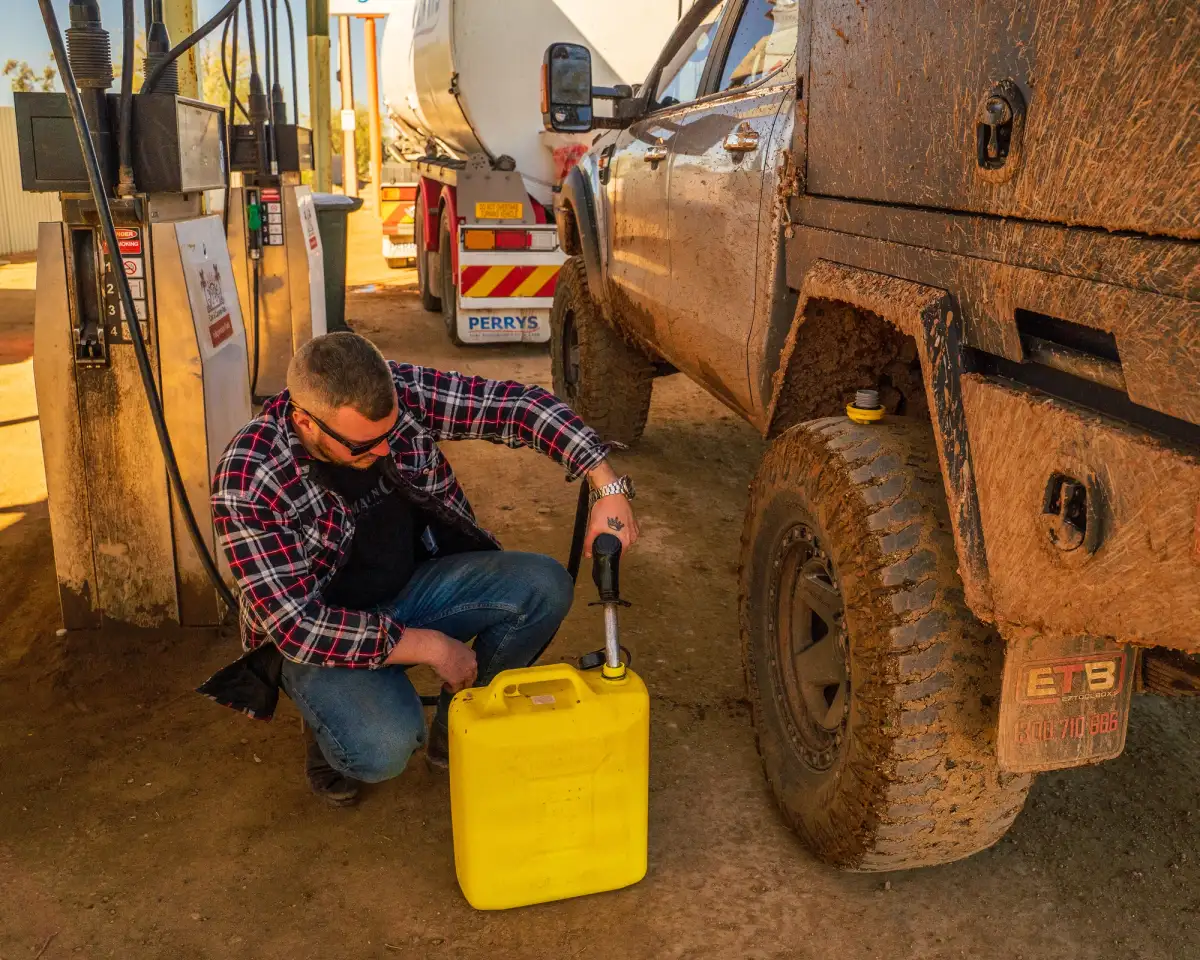
A man filling a jerry can at a servo
An emergency beacon (EPIRB or PLB) is the final layer of the safety net. If everything else has failed and you need to bring in outside help, this is what does it. Carry one, know how to use it and keep it accessible.
Animals, Roads, and the Importance of Barwork
The outback road toll is real, and a significant part of it comes down to animal strikes. Kangaroos, cattle, emus, even camels. They move unpredictably, often at speed, and frequently at the exact moment you'd least prefer them to. At 100 km/h, a large animal strike without adequate protection can disable a vehicle instantly and leave you stranded hundreds of kilometres from help.
A bullbar isn't an accessory in Australia, it's structural protection for the front of your vehicle and, by extension, for you. Once the bar is fitted, slap some quality driving lights on. Factory headlights on most production 4WDs are designed for suburban roads, not for picking up a grey kangaroo against red dirt at 100 km/h. Better lighting gives you reaction time. Reaction time keeps you on the road.
Dawn and dusk are the highest-risk windows for animal activity. If your schedule gives you any flexibility, plan your driving around those hours and pull up before the light goes.
The Mindset Behind all of it
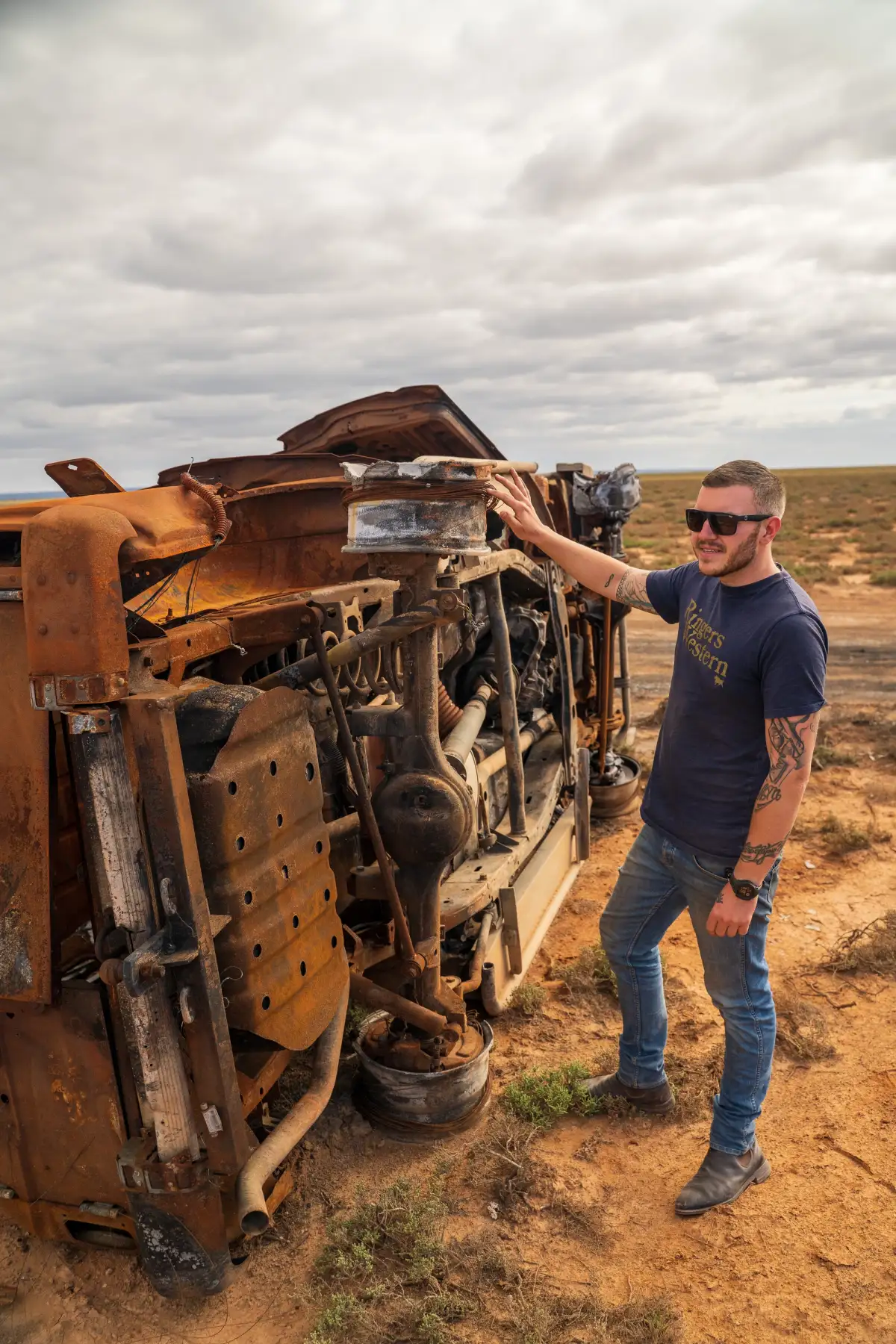
A man standing by a rusted car in the Outback
Preparation isn't pessimism. It's the acknowledgement that remote Australia is a serious environment and that treating it seriously is what allows you to enjoy it fully. Every experienced outback traveller you'll ever meet carries more gear than they think they'll need, tells someone where they're going, and has thought through the what-ifs before they matter.
Get that right, and the outback opens up in a way that very few places in the world can match.
Part Two covers survival in the field: what to do if you get stranded, how to signal for help, finding water in dry country, navigating without GPS, and the first aid knowledge that could save a life out there.
Prepared for the Outback?
now get a quote for insurance that covers you anywhere you can legally go in Australia