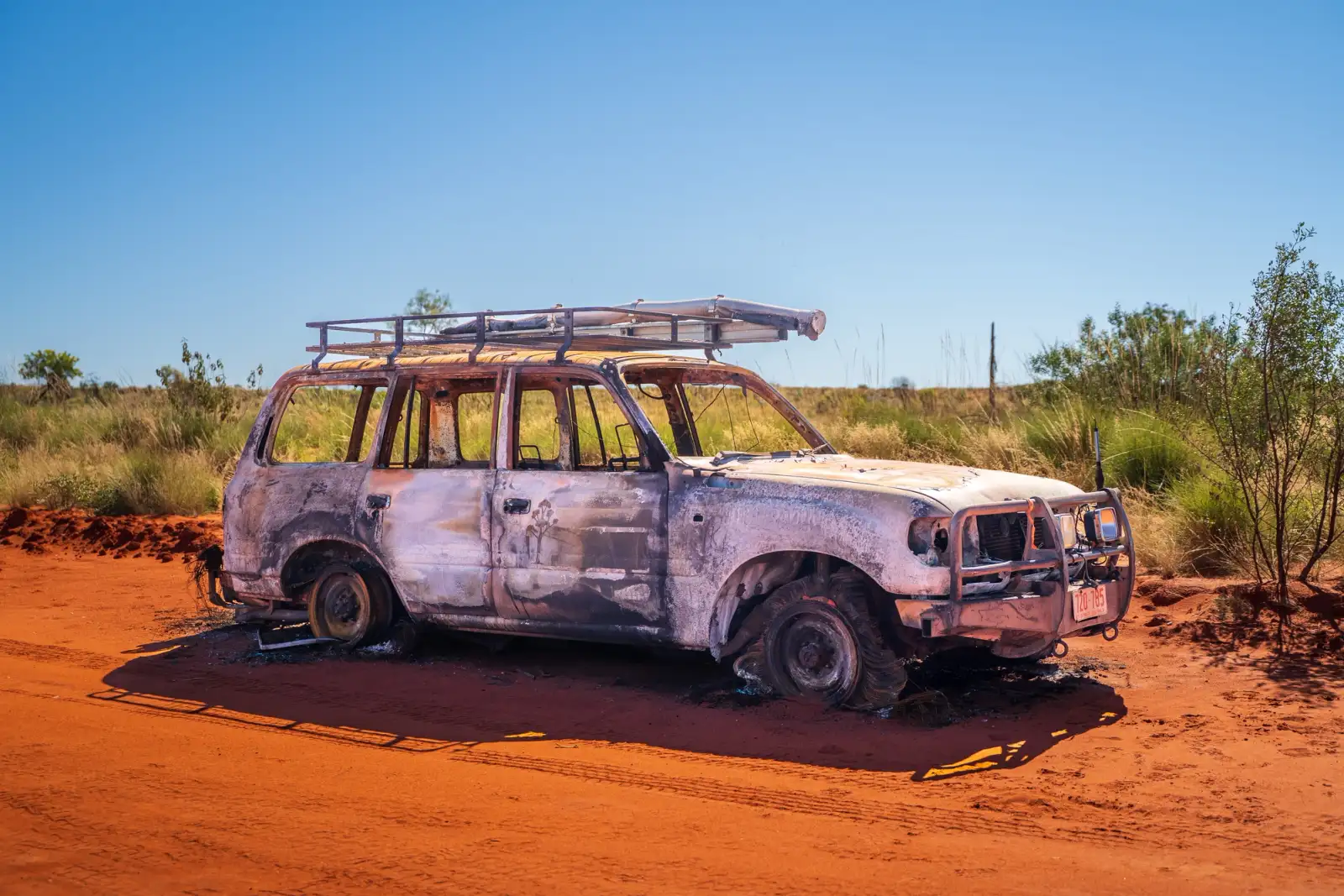
You did everything right. Told someone your itinerary, packed the water, checked the gear twice. And then something went wrong anyway, because that's the outback and that's what it does. A mechanical failure, a wrong turn, a flash flood that rewrote the road you were planning to drive out on. Whatever it was, you're now in a situation that preparation alone can't fully resolve. This is where knowledge takes over. Part Two of this guide is about what you actually do when things go sideways. How to stay alive, make yourself findable, locate water, navigate without technology, and handle medical emergencies when help is a long way off.
Don't just survive, LIVE in the outback
and get a quote for insurance that covers you anywhere you can legally go in Australia
The First Rule: Stay With Your Vehicle
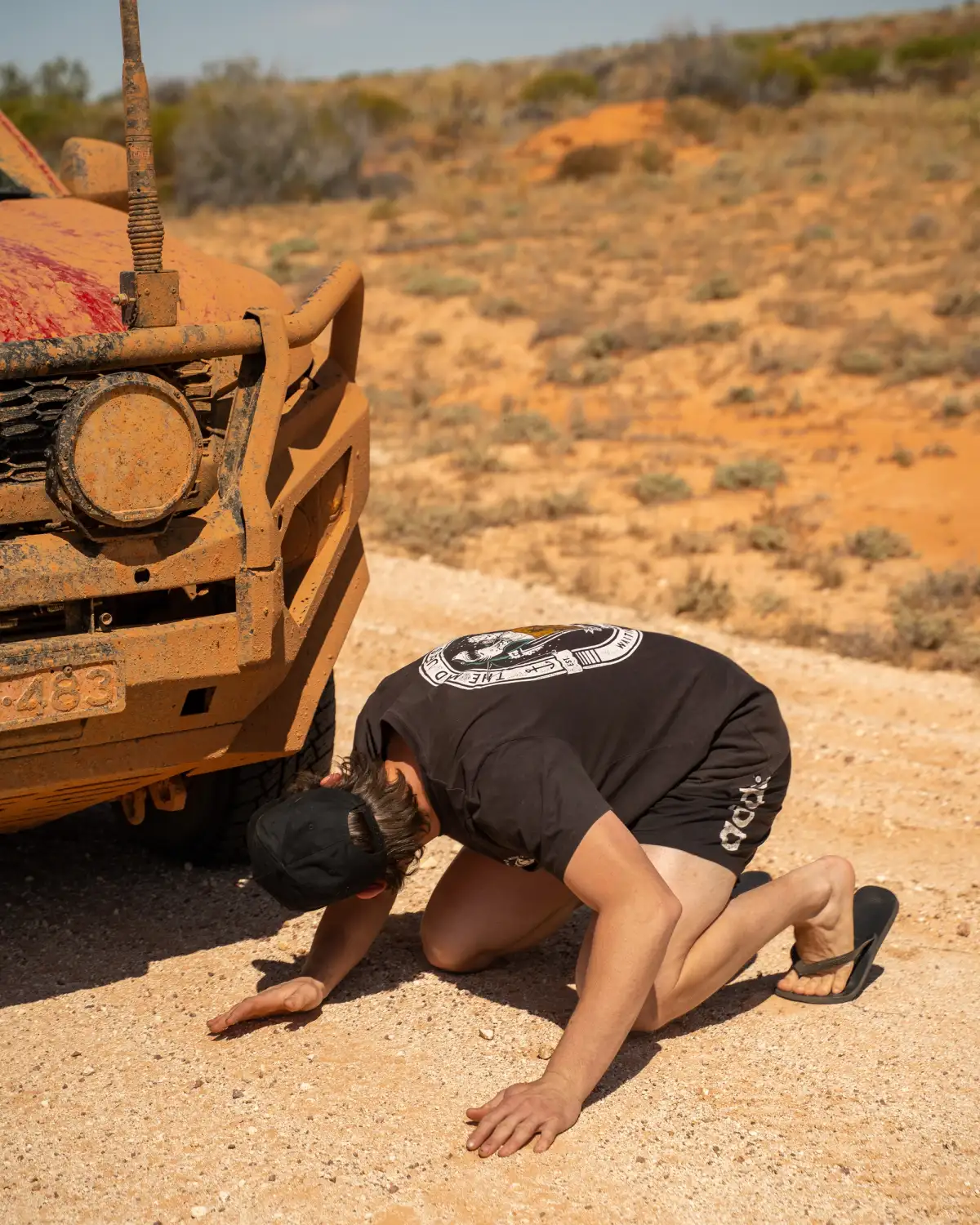
Say it out loud if you need to. Stay with your vehicle.
This is the single most important decision you'll make in a survival situation, and it's also the one most frequently overridden by panic and the very human instinct to do something. I get it, walking out feels like action. It feels like taking control. But in the outback, it is almost always the wrong call.
Your vehicle is visible from the air. A person on foot, in country that stretches to the horizon in every direction, is not. In most cases a person's vehicle is located before they are. Your vehicle provides shade, shelter, and reflects light. It contains your supplies, your signalling equipment, and your communication devices. Leaving it dramatically reduces the probability that rescuers find you before dehydration becomes critical.
Stay put. Use the energy you'd spend walking to make yourself visible instead.
Signalling for Help
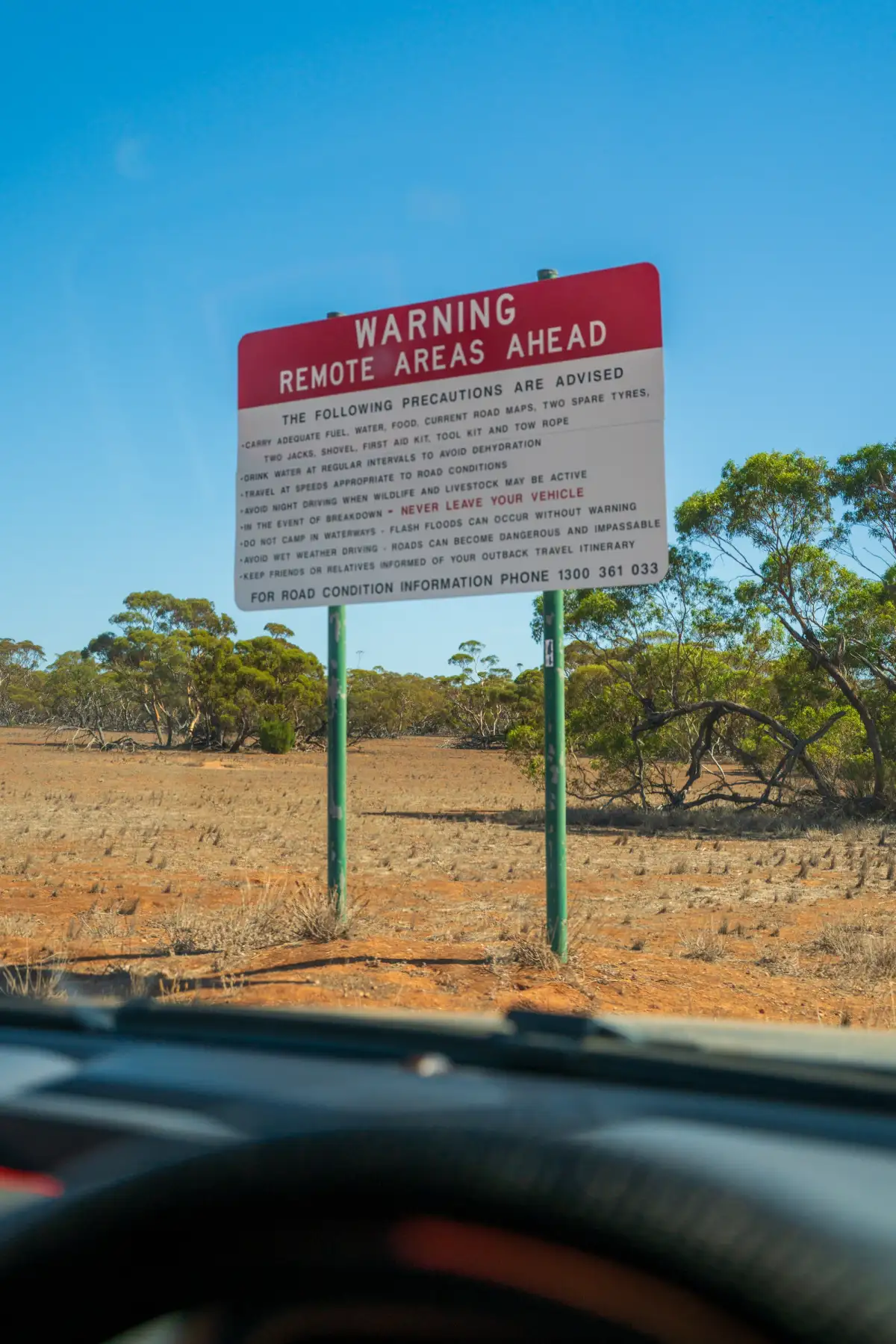
If you have a PLB or EPIRB, activate it. That's not admitting defeat, it's using the equipment exactly as it was intended. If you're stuck, remote, unable to self-recover and your situation is getting worse rather than better, don't waste hours hoping things will magically improve. Call for help early while you still have options.
If you're working without electronic signalling, your goal is visibility, from the air especially.
Spell out SOS on open ground using rocks, branches, or anything with contrast against the soil. Go large, the letters should be as conspicuous as possible. Brightly coloured clothing or gear spread out on flat ground increases your visual footprint significantly.
If an aircraft passes overhead, a reflective surface such as a mirror, a phone screen, a piece of foil, or a vehicle's mirror can be used to catch and redirect sunlight to be seen from several kilometres away under the right conditions. The aim is to point the reflection towards the aircraft and move it in a sweeping motion.
Need a smoke signal? A tyre fire creates a column of dense black smoke visible from a substantial distance. It's a last-resort option, burning rubber produces toxic fumes and you'll want to stay upwind, but if you have no other options and need to attract attention urgently, it works.
Finding Water
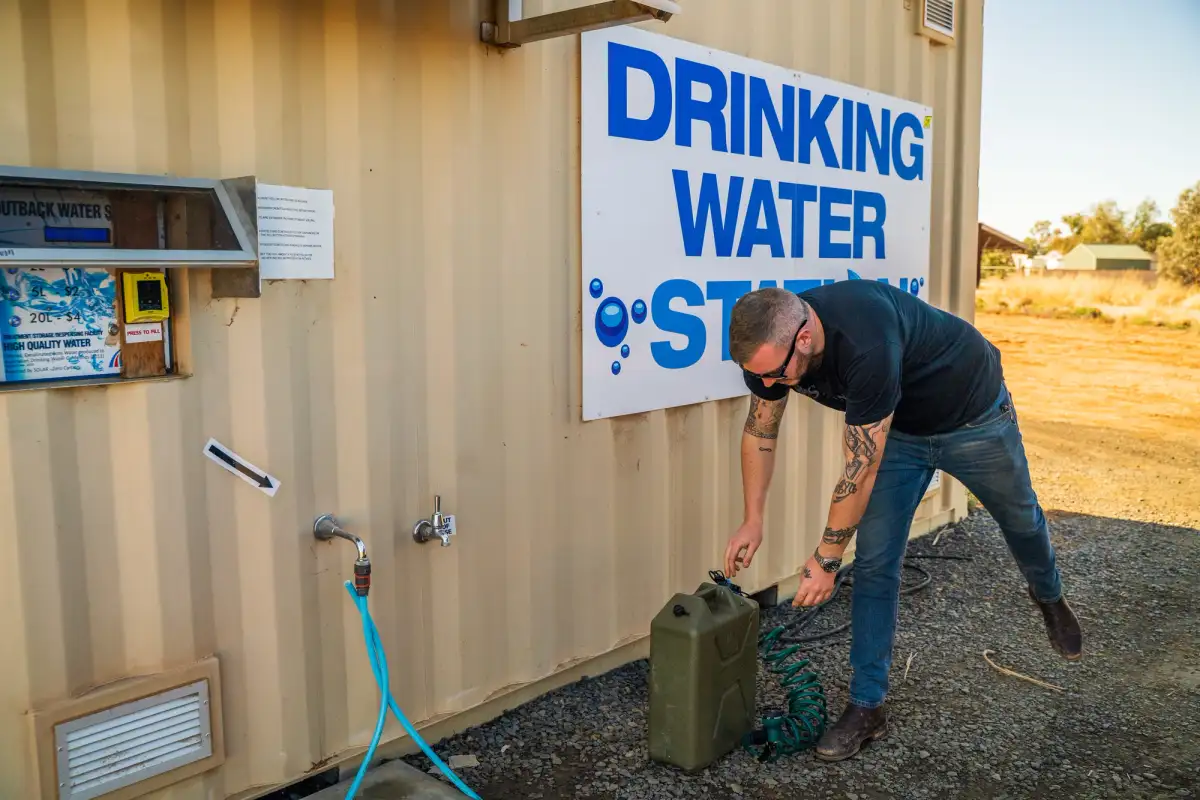
Your body's priority and your thinking priority are the same: water. If your supplies are running low, here's how to look for more.
Water drains to low ground. Dry creek beds and the bases of hills and rock formations are your first places to investigate. Dig in sandy creek beds, even in dry conditions, moisture often sits just below the surface. Use fabric to filter what you find, and treat it with heat before drinking.
Watch the birds. In the early morning and late afternoon, birds fly towards water. A concentration of bird activity, or a line of flight heading consistently in one direction, is worth looking into. The same logic applies to lines of healthy, dense vegetation, paperbarks in particular tend to indicate subsurface moisture nearby.
If you're in a longer-term survival situation with access to plastic sheeting (or a plastic bag), a solar still is worth constructing. Dig a hole, place a container at the centre, cover the hole with plastic and weigh the middle down with a rock so the lowest point sits above your container. Condensation collects and drips. It's slow, don't expect it to replace lost supplies, but in an extended situation it produces clean, drinkable water.
Navigation Without GPS
The sun is a reliable compass if you know how to use it. Push a stick into the ground and mark the tip of its shadow. Wait fifteen minutes and mark the new position. A line drawn in the dirt between those two points runs east to west. Stand with the earlier mark to your left and will be facing north. Which (if you’re in the Southern Hemisphere) means west will be on your left, east on your right and south directly behind you.
In the outback, it helps to use prominent landmarks, ridgelines, rock formations or distant hills to anchor your sense of direction if you need to move (say you’re lost on a bushwalk). Pick a point in the distance, head towards it, then pick another. This keeps you on a consistent bearing without needing instruments.
Field First Aid
Snakebites require immediate pressure immobilisation. Wrap the limb firmly from the bite site upward, keep it still, and keep the patient calm and stationary. Do not wash the bite site, as residual venom helps medical staff identify the species. Get help as fast as possible and do not allow the patient to walk.
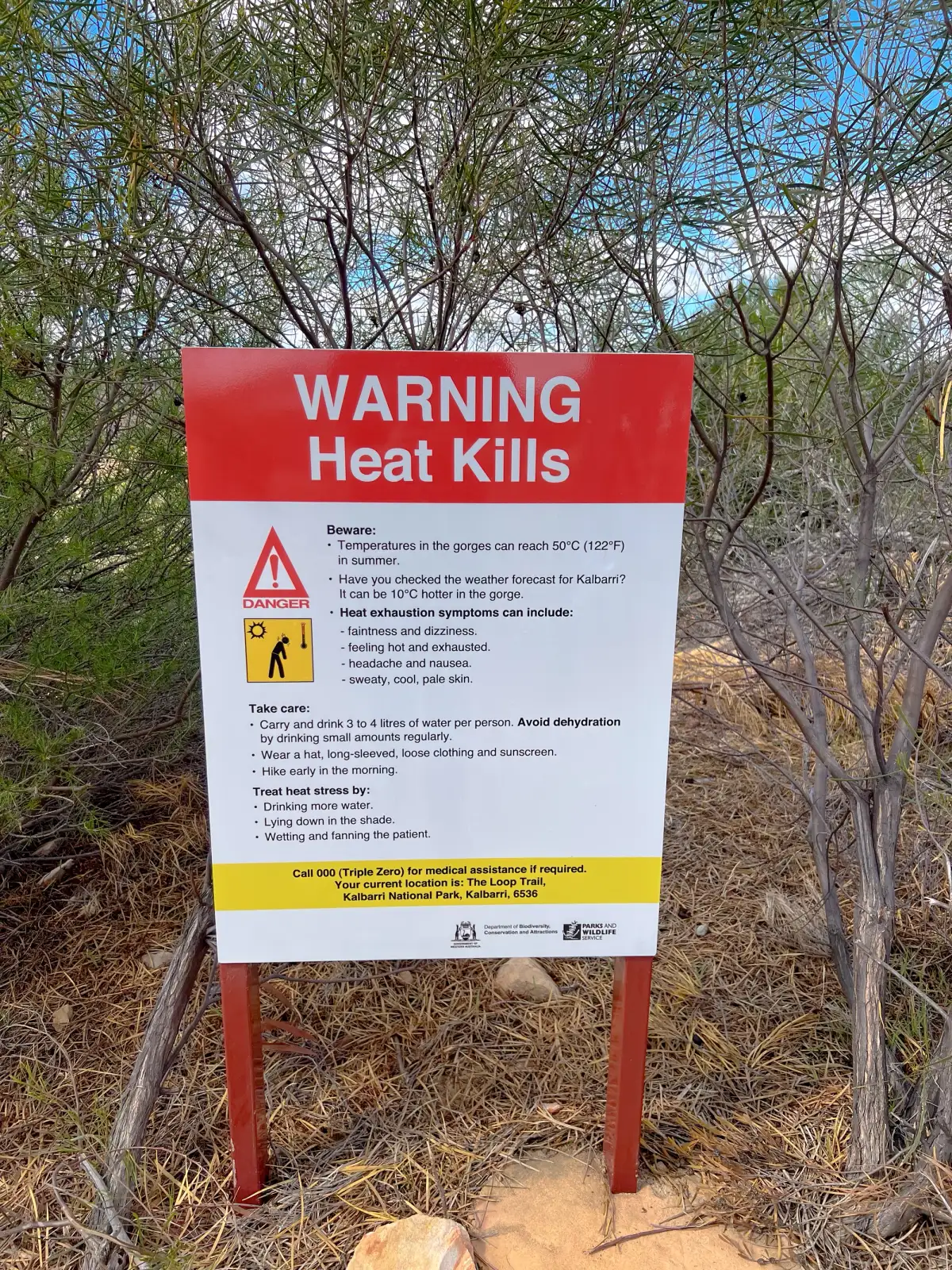
Dehydration and heat stroke are best prevented through consistent hydration throughout the day rather than drinking reactively. Carry oral rehydration sachets. If someone is already symptomatic and presenting with signs of confusion, cessation of sweating, very high skin temperature etc, move them to shade immediately, apply damp cloths to pulse points and the back of the neck, and prioritise getting them cooled down while seeking help.
Fractures and sprains: immobilise the injury, apply the RICE method for sprains (Rest, Ice or cold substitute, Compression, Elevation), and do not attempt to move anyone with a suspected spinal injury.
The Mindset That Gets You Home
Every survival account from the outback shares a common thread: the people who made it home stayed calm, made decisions methodically, and held onto the belief that they were going to be found. Panic burns energy, distorts judgement, and leads to the kinds of decisions, like leaving a vehicle, that turn survivable situations into fatal ones.
The outback is extraordinary country. It rewards people who treat it with respect and punishes those who don't. Go prepared, know what to do when things go wrong, and you won't just survive it out there, you'll keep going back.
Don't just survive, LIVE in the outback
and get a quote for insurance that covers you anywhere you can legally go in Australia