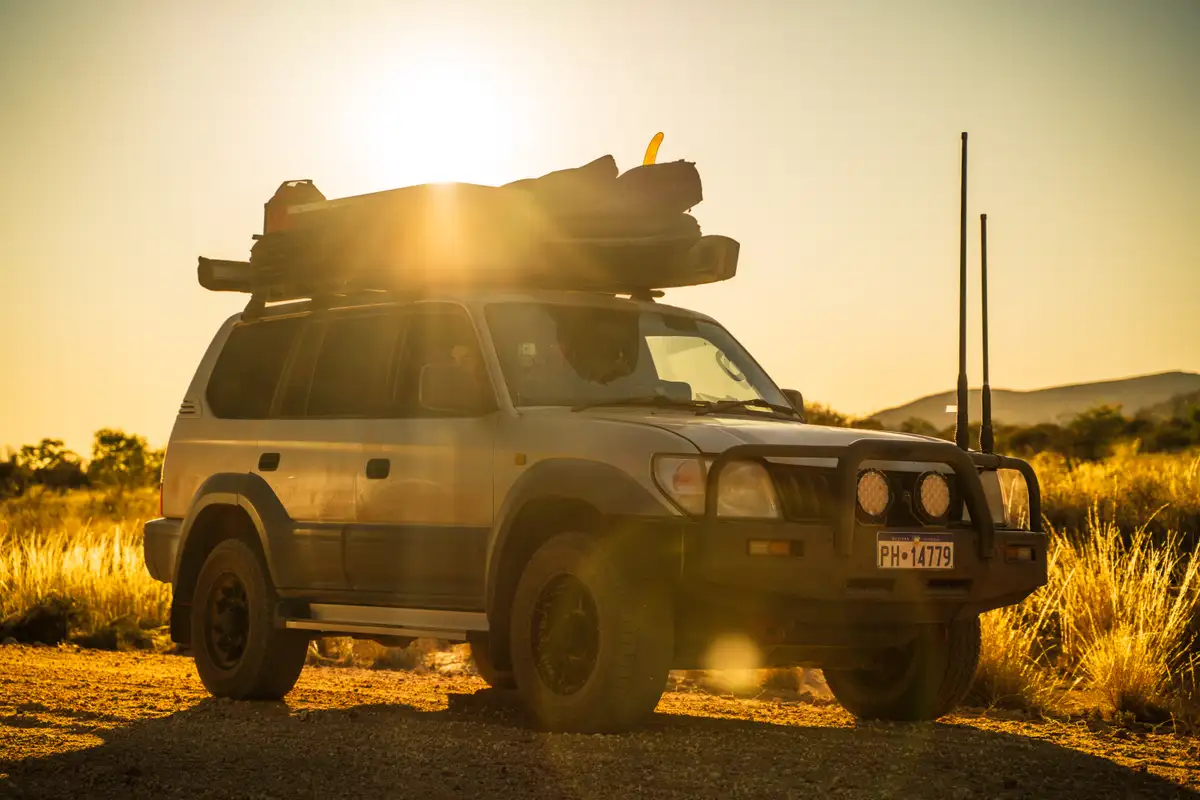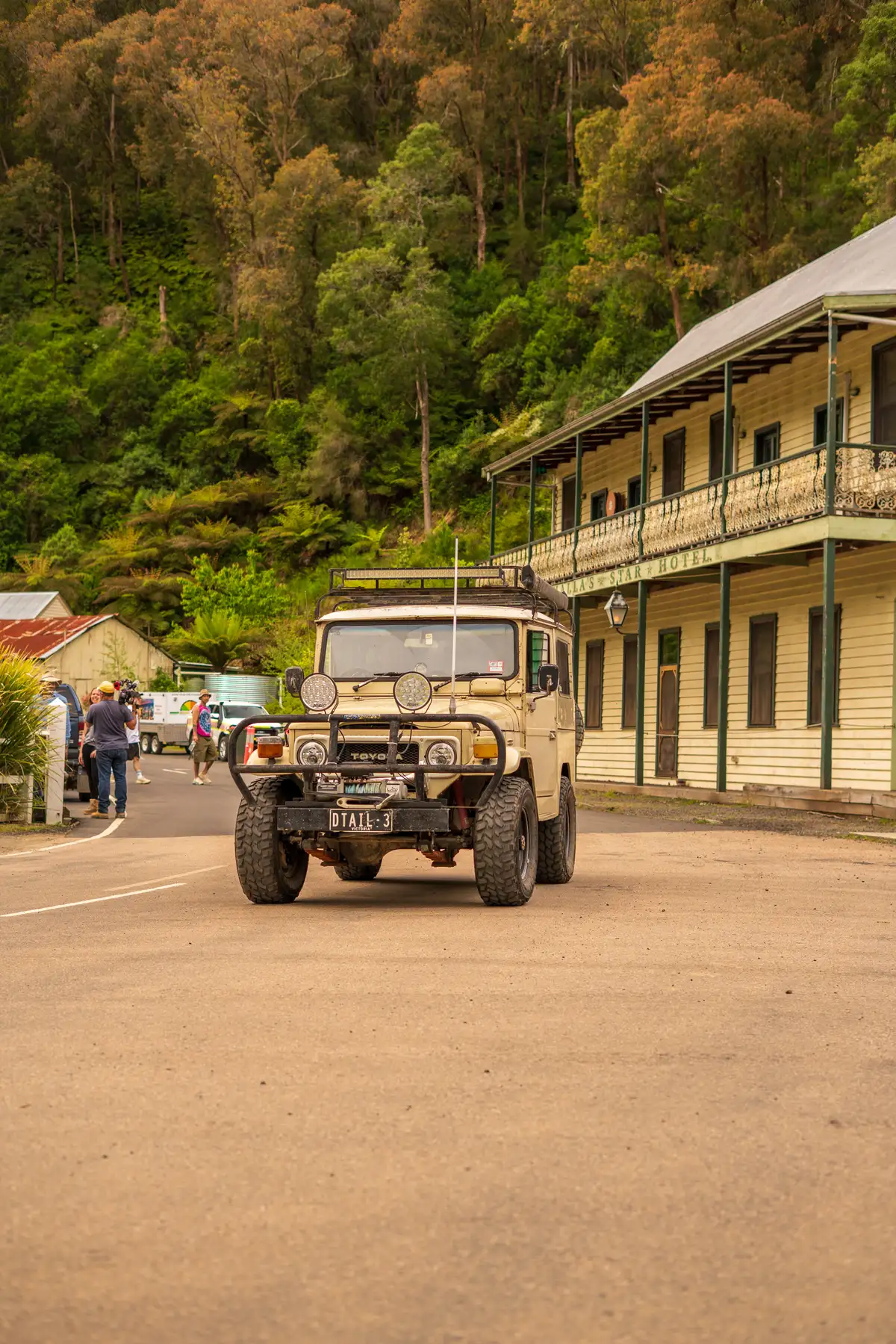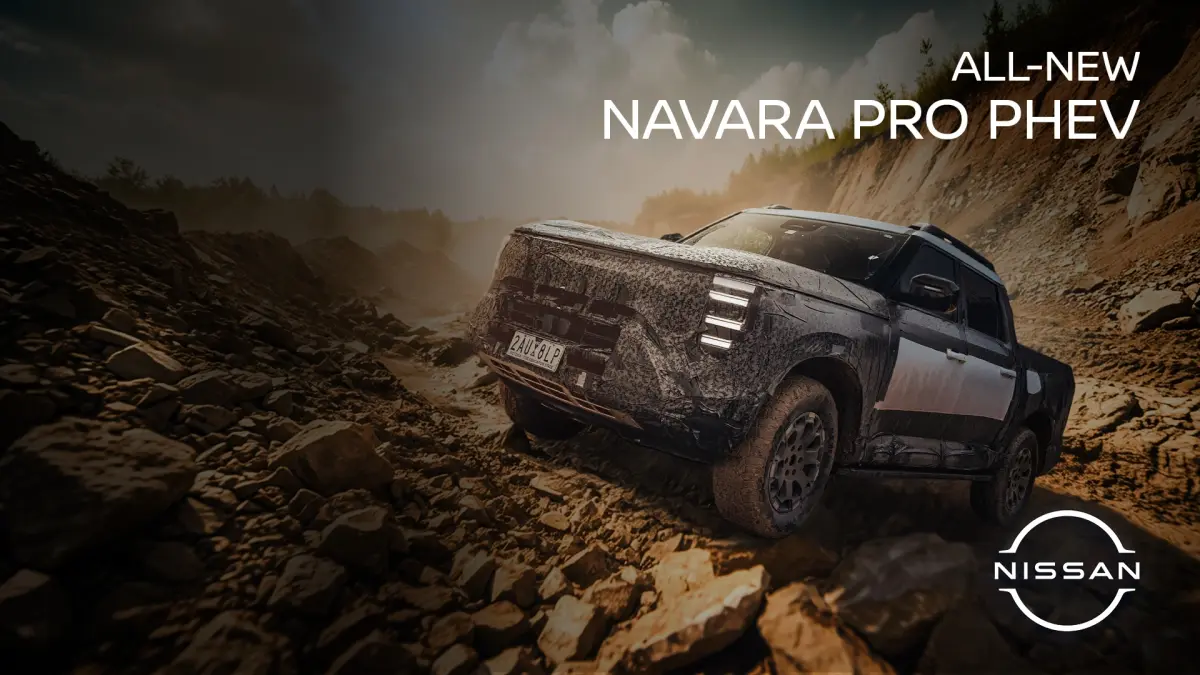
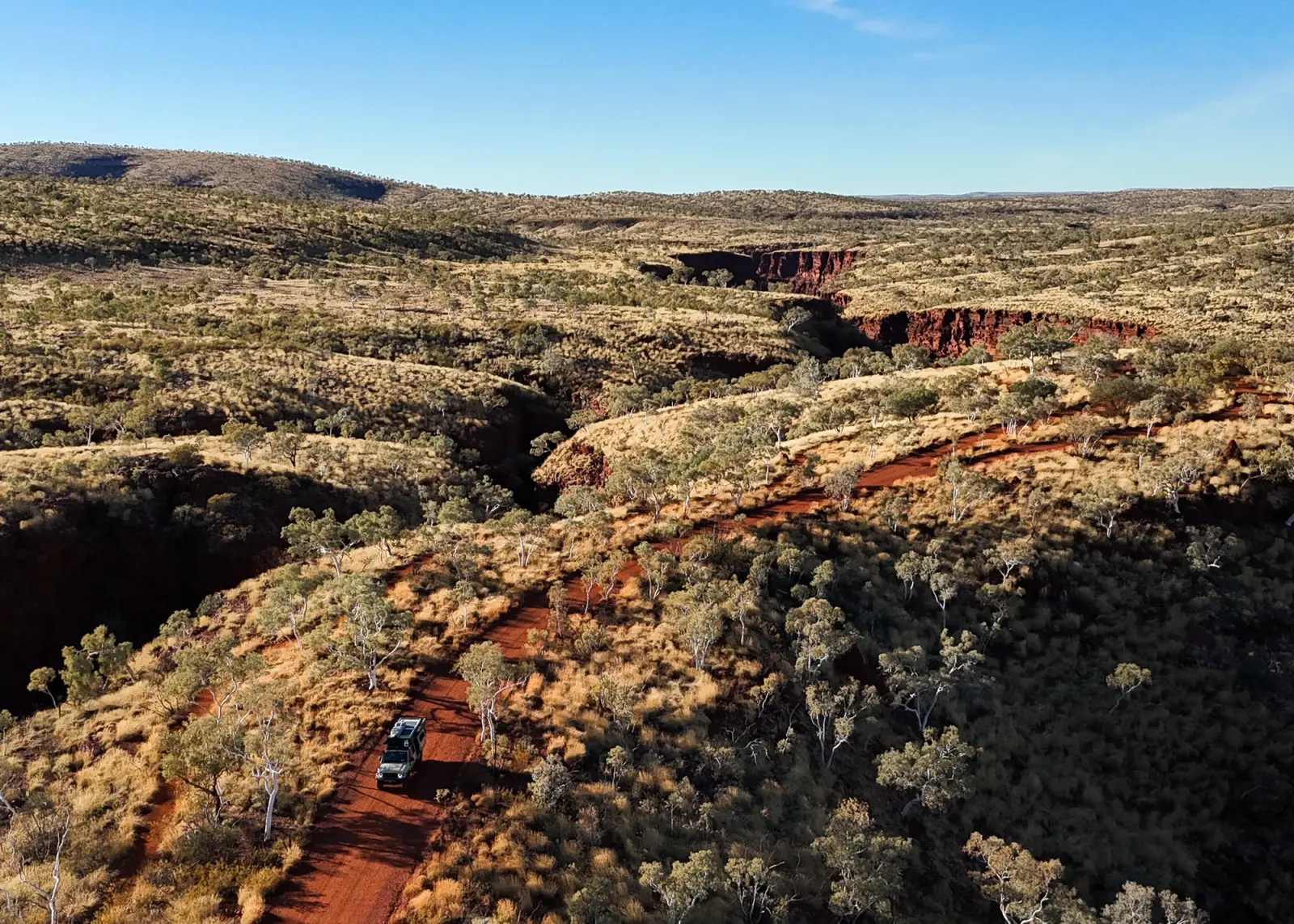
Choosing the best touring vehicle Australia has to offer is not just about convenience. We have one of the toughest proving grounds for any vehicle on the planet. Endless outback highways and corrugated dirt tracks quickly test vehicles gearing up to tour this sunburnt land. So when it comes to going further, for longer, safety, reliability, and self-sufficiency are some of the most important features to have.
But, what is a touring vehicle? A touring vehicle is a 4WD designed to travel long distances across remote Australian terrain while carrying gear, passengers and supplies safely.
The wrong choice of vehicle in remote Australia can turn a great trip into a risky situation very quickly. From the start, you want the right platform, because choose wrong and that trip becomes memorable for all the wrong reasons.
That said, there is no single answer for everyone. The best touring vehicle will depend on how you plan to travel, who is coming with you and how much you are willing to spend. In this guide, we break down the strongest and most practical contenders across both wagons and utes, highlighting their strengths and weaknesses. By the end, you’ll be able to choose the setup that best suits your touring style in 2026.
TL;DR: Best Touring Vehicles in Australia (2026)
- Best overall: Toyota LandCruiser 300 Series
- Best family tourer: Prado 250 or Ford Everest
- Best ute build platform: LandCruiser 79 Series
- Best value touring ute: Isuzu D-MAX
- Wagons vs utes: Wagons = comfort, Utes = flexibility
What Makes a Great Touring 4WD in Australia?
Once the bitumen ends (which in Australia, is often), there are a few non-negotiables. These features make the difference between getting there and getting stuck.
First is reliability. Touring means big Ks, often days away from a major town. A vehicle with credentials in harsh conditions is essential. Genuine 4WD capability is another must. A dual-range transfer case, lockable differentials and solid traction systems make a real difference once tracks become more technical and the average vehicle becomes less tolerable.
An often overlooked aspect of touring is your vehicle’s payload and GVM capacity. The average tourer is likely lugging around extra water, fuel, camping gear and modifications, which quickly add up. To carry it all safely, you should understand your setups’s limits. Towing capacity also matters. For those running camper trailers or caravans, 3,500kg is now a common benchmark.
A vehicle’s job is to get you from one place to the next, and in Australia’s perpetual Outback, its fuel range can make or break a trip. Vehicles with large tanks or the ability to add long-range systems have a clear advantage in this environment. Equally important is parts and service availability across regional Australia, where simple repairs need to be handled quickly, even just to get to the next major town.
Finally, strong aftermarket support will make a proper touring build easier to realise.
With these non-negotiables ticked off, there are a few platforms that stand apart. Being able to handle Australia’s uniquely demanding conditions—heat, dust, corrugations and isolation—will all be tests of a vehicle’s true minerals.
What Are the Best Touring Wagons in Australia for 2026?
Toyota LandCruiser 300 Series
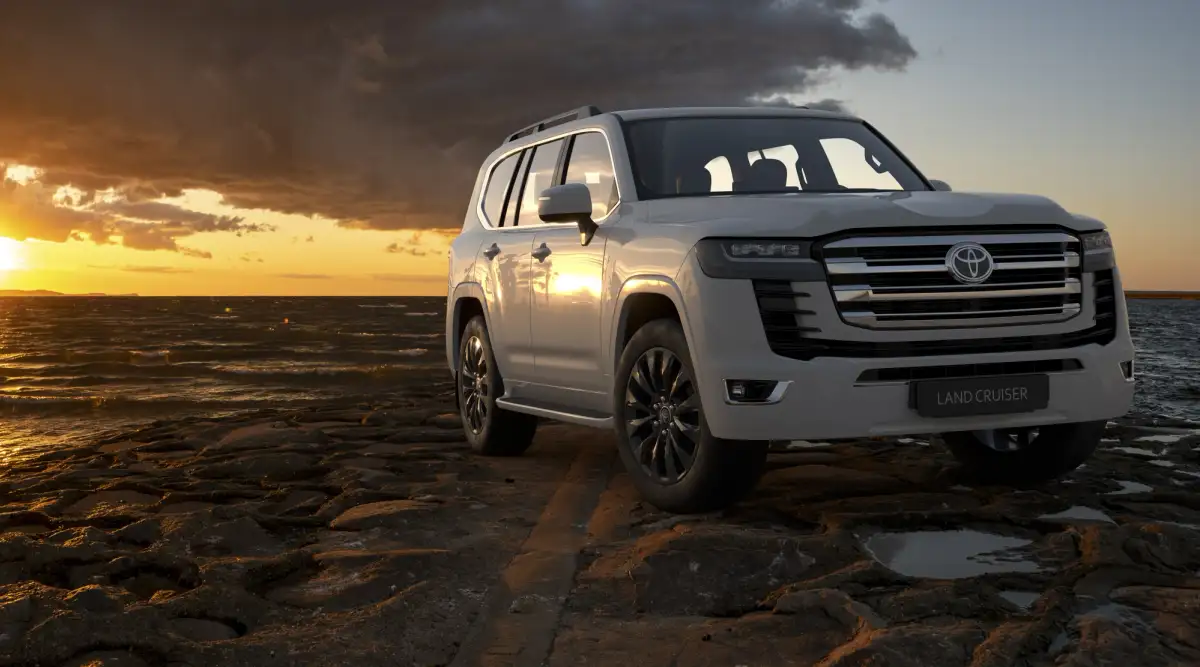
Toyota LandCruiser 300 Series
Who it suits: Adventurers and families who want the ultimate touring wagon with no compromises.
This is the benchmark, plain and simple. The Toyota LandCruiser 300 Series is for serious tourers. The ones who will scour every inch of the land and do it all while on 4 wheels. Powered by a twin-turbo diesel V6 producing 227kW and 700Nm, it delivers effortless performance even when fully loaded or towing.
Its 110-litre fuel tank enables exceptional long-distance touring and its spacious, premium interior means less fatigue and less complaining from the back seat. Its off-road capability is excellent, and its reputation for reliability in Australian conditions is unmatched.
So, it has everything. No-brainer, right? Well, the trade-off for this perfect-on-paper tourer is the price. Depending on the variant, you’re looking at a $95,000-$145,000+ hit to the wallet, and that’s before you mod it. Due to its popularity, supply can also be tight.
Toyota LandCruiser Prado 250 Series
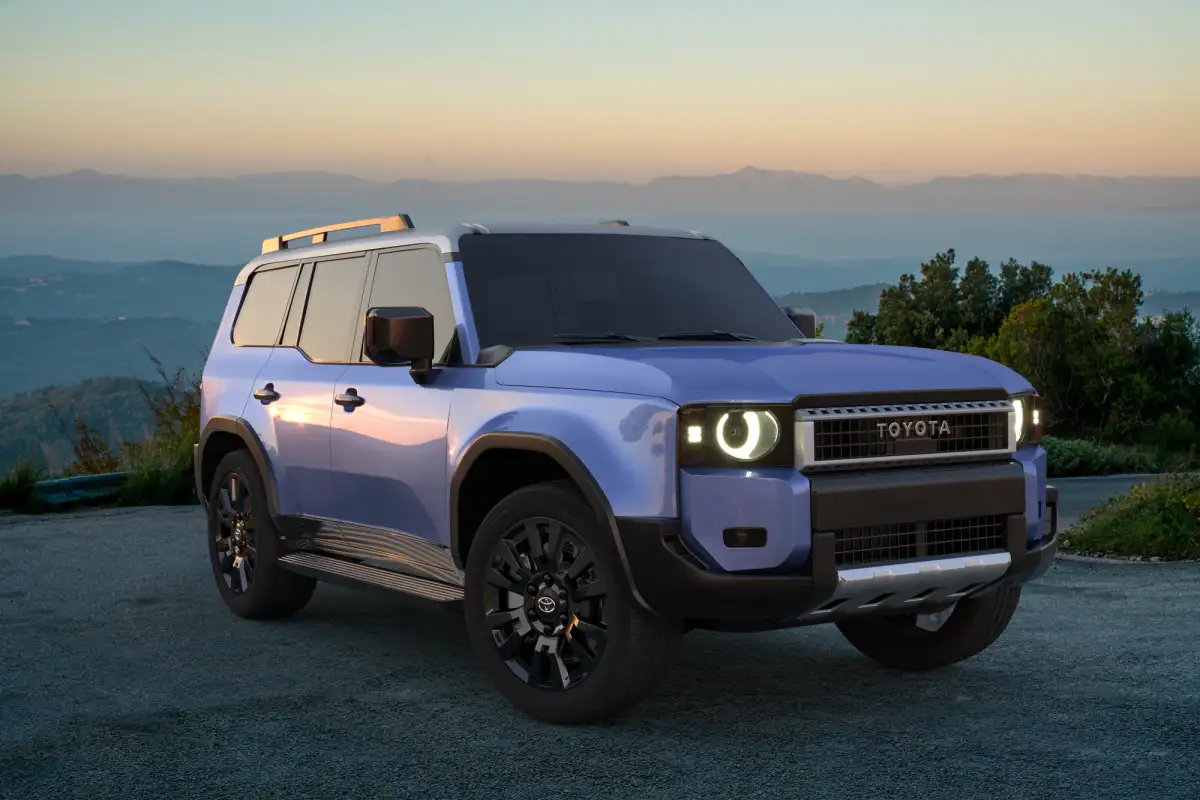
Toyota LandCruiser Prado 250 Series
Who it suits: Families and adventurers seeking balance.
The all-new Prado 250 Series has stepped up its touring capability, but it did come with a price increase. Features like crawl control, rear diff lock and a disconnecting front sway bar help it deliver strong off-road performance straight from the factory and it retains many of its beloved features from previous iterations.
Its 110-litre fuel tank remains and its highly practical interior layout, optimised for storage and passenger comfort, is still one of its strongest selling points. While capable from the factory, its strong aftermarket support makes building a tourer straightforward.
The only limitation it has is its 48V mild hybrid system, which impacts auxiliary tank options. Pricing now sits between roughly $75,000 and $100,000 too, narrowing the gap to the LC300.
Ford Everest
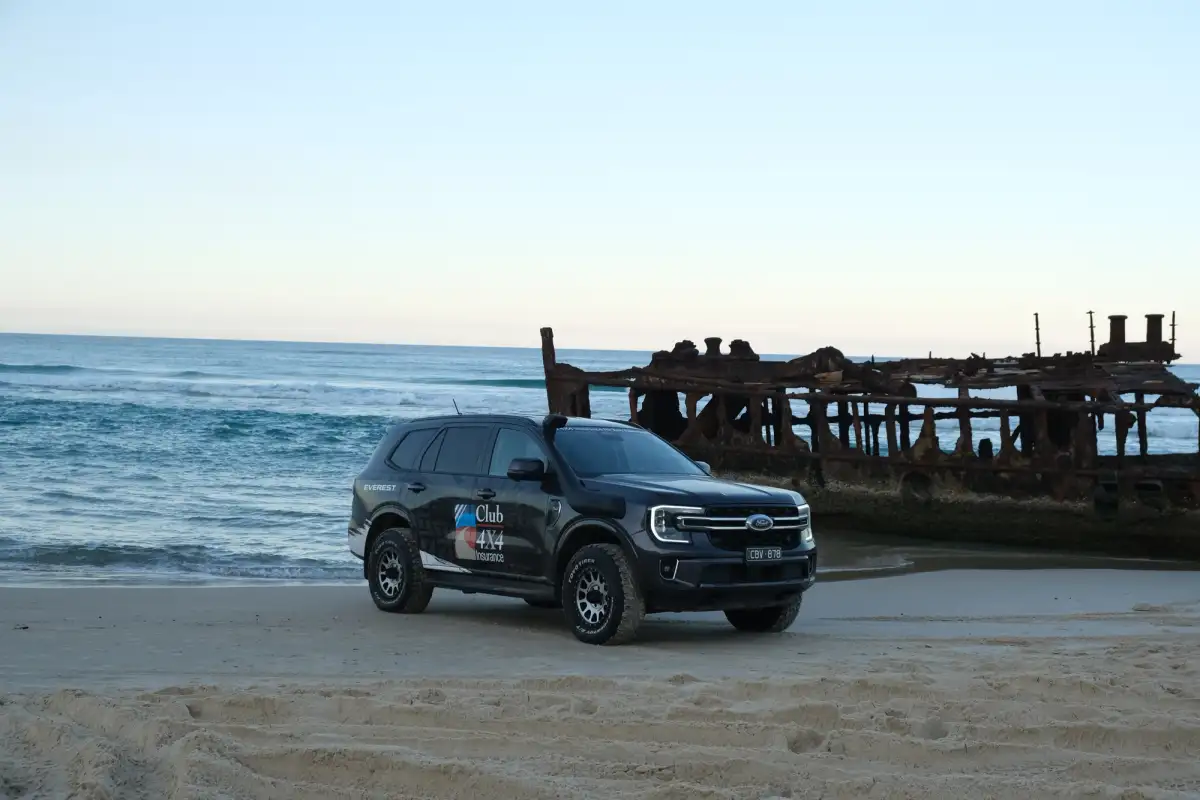
Club 4X4 branded Ford Everest
Who it suits: Buyers wanting value and modern features.
For potential alone, the Ford Everest is a serious contender in the touring space. It’s adequately equipped with a V6 diesel engine, a well-designed interior with practical boot space and seven seats, and 3,500kg in towing capacity. It may not have the credentials to compete with the LandCrusier models when it comes to extreme remote conditions, but it has all the required DNA.
On-road, its comfort is excellent, making it ideal for long highway drives. It handles off-road work well too, thanks to its many drive modes.
Trade-offs like its slightly lower ground clearance when compared to the 250 or 300 Series and the reliance on manual awareness of terrain for optimal off-road performance shouldn’t keep it off the list, especially at the price point.
Sitting between $60,000 and $85,000+, it’s a comfortable and capable touring wagon that doesn’t require stretching to six figures.
What Are the Best Touring Utes in Australia for 2026?
Utes are the rugged cousins of the wagon. Their flexibility is their biggest advantage, with their tray allowing infinite configurations for canopies and modifications. They’re better suited to heavy loads and more self-sufficient remote travel setups.
The downside is that they usually require more setup to reach the same level of comfort as wagons. Chassis stress in heavily loaded dual cabs is also worth considering.
Toyota LandCruiser 79 Series
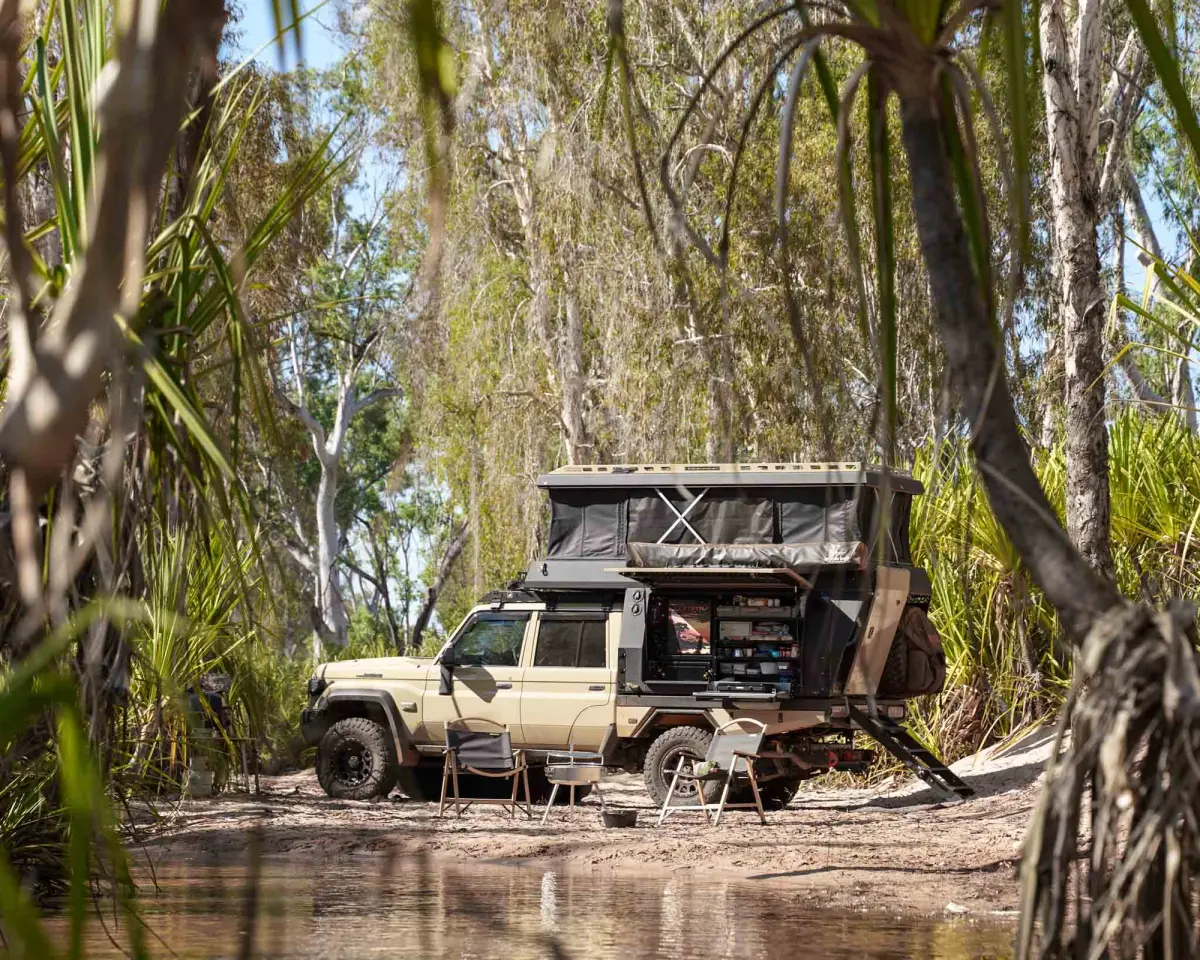
Toyota LandCruiser 79 Series
Who it suits: Hardcore adventurers.
As one of the most proven touring platforms in Australia, the 79 Series is often one of the first options tourers will look at. It’s been known as a durable 4WD since what feels like the dawn of time and the recent update to the 2.8L diesel engine and automatic transmission has improved its drivability while retaining that durability.
With front and rear diff locks, live axles and a robust chassis, it’s built to tackle harsh environments. The dual cab configuration also offers excellent tray space for a full touring setup.
Interior: basic. Comfort: limited. Capability: legendary. Significant investment while aiming for a comfortable long-distance tourer isn’t abnormal for these setups. Before mods, expect a price of around $80,000-$95,000.
Toyota HiLux SR5
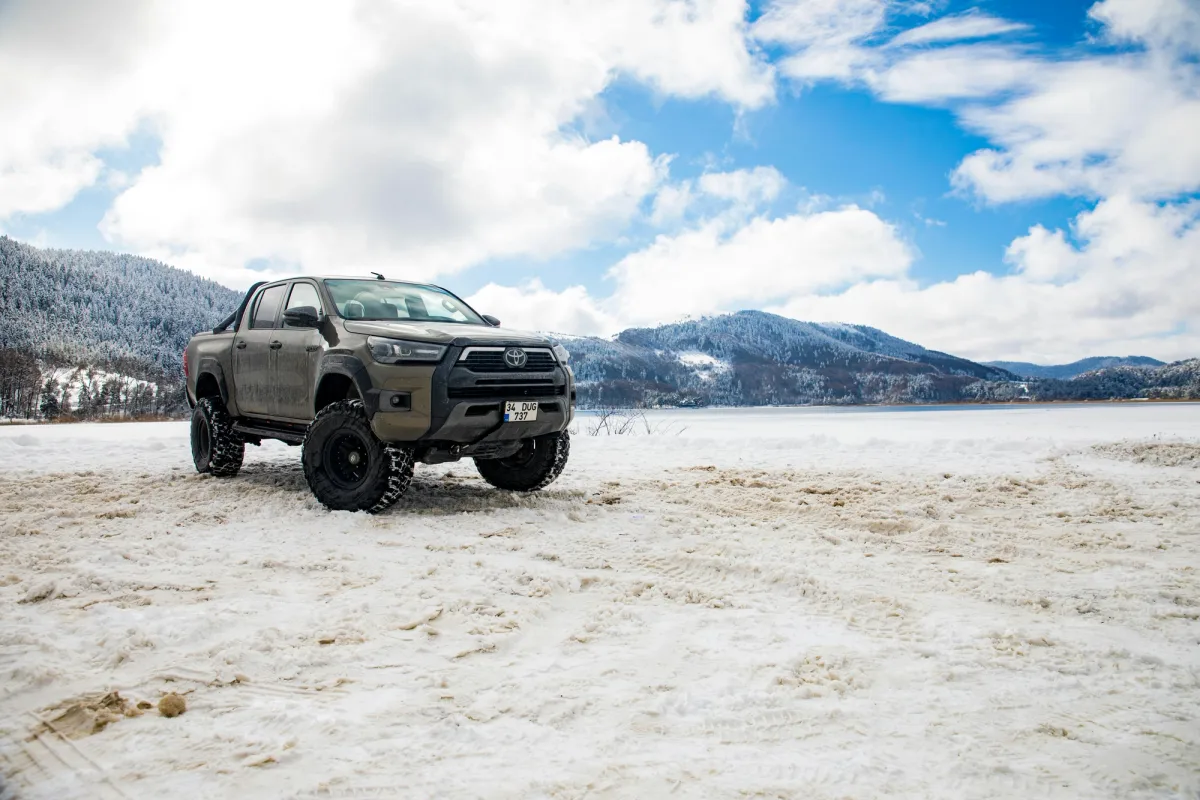
Toyota HiLux on sand
Who it suits: Balanced everyday tourers.
The HiLux continues to be a reliable and well-supported option, even in 2026. Strong nationwide service coverage, proven durability and solid off-road capability with dual-range and a rear diff lock means it’s a staple in the Australian touring scene.
For those tourers who also want an easy-to-live-with daily driver, the HiLux is a popular choice.
Compared to the 79 Series, it does have a smaller tray and chassis upgrades are common for tourers carrying heavy loads, but it remains a dependable option. Pricing also comes on a little cheaper, generally hovering between $60,000-$75,000+.
Isuzu D-MAX
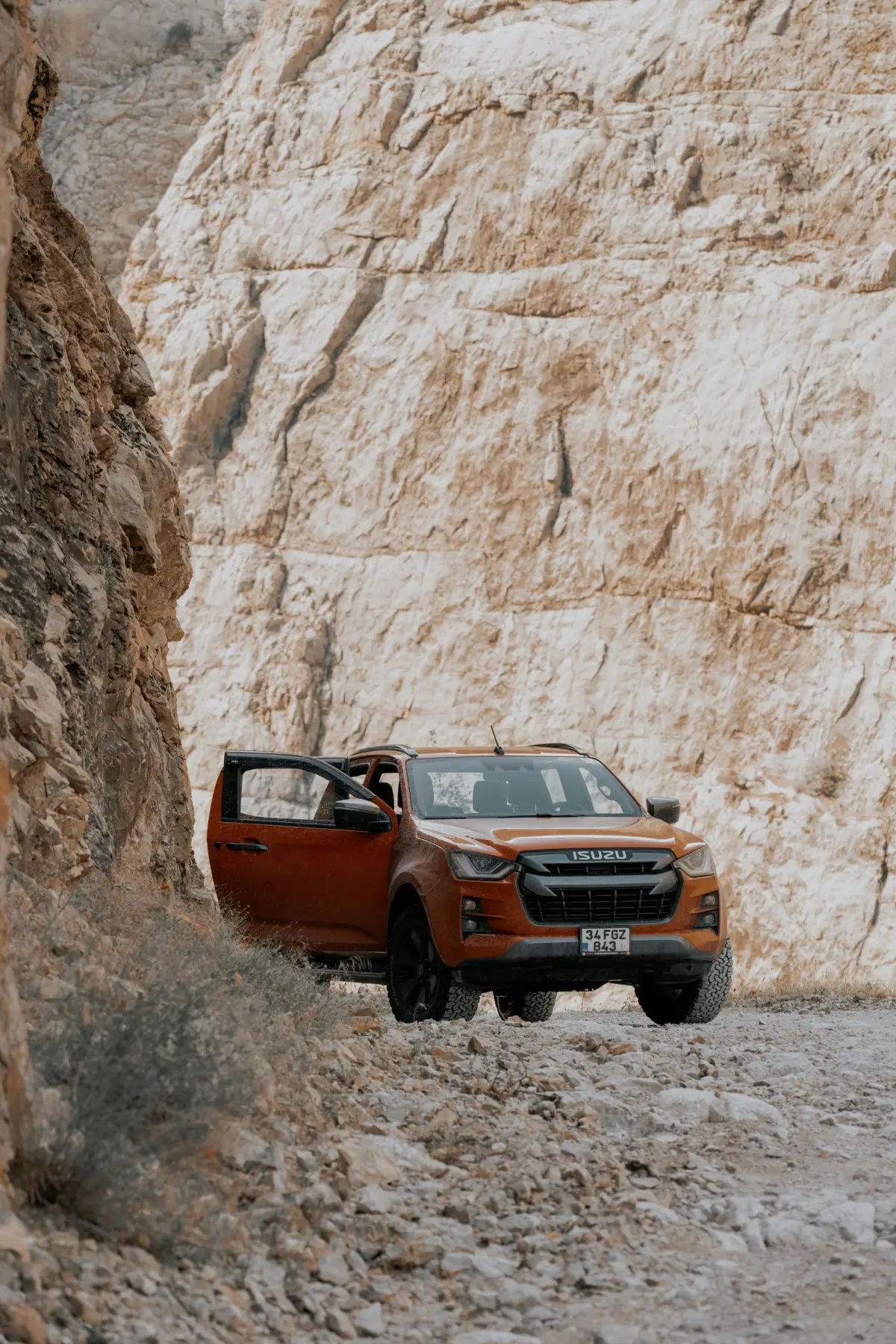
orange Isuzu D-MAX in desert environment
Who it suits: Value-conscious buyers.
For a solid all-rounder, the Isuzu D-MAX is often the option tourers end up at. It has a strong reputation for reliability and no-fuss capability. Off-road it performs well, and higher trim levels are practical, packing in a solid range of features.
Compared to similar utes, it's built with less of a focus on performance and certainly carries less hype, but it consistently earned praise for those who rely on it in real conditions.
Pricing ranges roughly from $50,000-$70,000+, making it one of the most accessible touring platforms.
Wagon vs Ute: Which Touring Vehicle is Better for Australia?
The big question. Well, it’s ultimately going to come down to how you plan to tour.
Wagons generally provide a better option for families. They provide enclosed, air-conditioned storage, better ride comfort over long distances and are easier to set up straight from factory. For highway travel and occasional off-road expeditions, they make a lot of sense.
Utes, on the other hand, shine when looking at flexibility and carrying capacity. The tray means more room for custom setups like canopies, drawers and long-range fuel systems. They’re well suited to extended remote trips where self-sufficiency is key.
The trade-off is that utes require more planning and investment to get right. Suspension, weight distribution and setup all need careful consideration.
There’s no clear winner to be honest, and what works for you might not work for the next tourer. Families travelling with kids will generally lean towards wagons, while solo travellers or couples undertaking remote trips will often prefer utes for the added flexibility.
How Much Does It Cost to Set Up a Touring 4WD in Australia?
Buying the vehicle’s just the start. Proper touring setup adds significant cost and value.
Common upgrades include:
- Suspension upgrades and lift kits
- All-terrain tyres
- Long-range or auxiliary fuel tanks
- Dual battery systems
- Fridge and storage solutions
- Recovery gear
- UHF or satellite communication
It is not unusual for a full touring build to add $10,000 to $30,000 or more, depending on how far you go.
Pick Your Platform and Go: Choosing the Best Touring Vehicle in Australia
In 2026, the options for tourers are deeper than ever. The best touring vehicle Australia has available will come down to how you travel, where you travel, who you travel with and how much money you’re willing to commit.
From premium wagons like the LandCruiser 300 Series to proven ute platforms like the 79 Series, the choice is yours and the right platform will make all the difference. Because a touring build isn’t just a car anymore, it’s your entire setup.
Shopping for a 4WD?
Get a quote for cover that includes off-road recovery, anywhere you can legally go in Australia