What GVM Actually Means
GVM is Gross Vehicle Mass: the maximum your 4WD is allowed to weigh with everything in and on it. Fuel, people, the fridge, the drawers, the bull bar, the winch, the canopy and the tow ball weight of whatever is hooked up behind. It's set by the manufacturer, printed on the compliance plate, and it's a legal limit, not a suggestion.
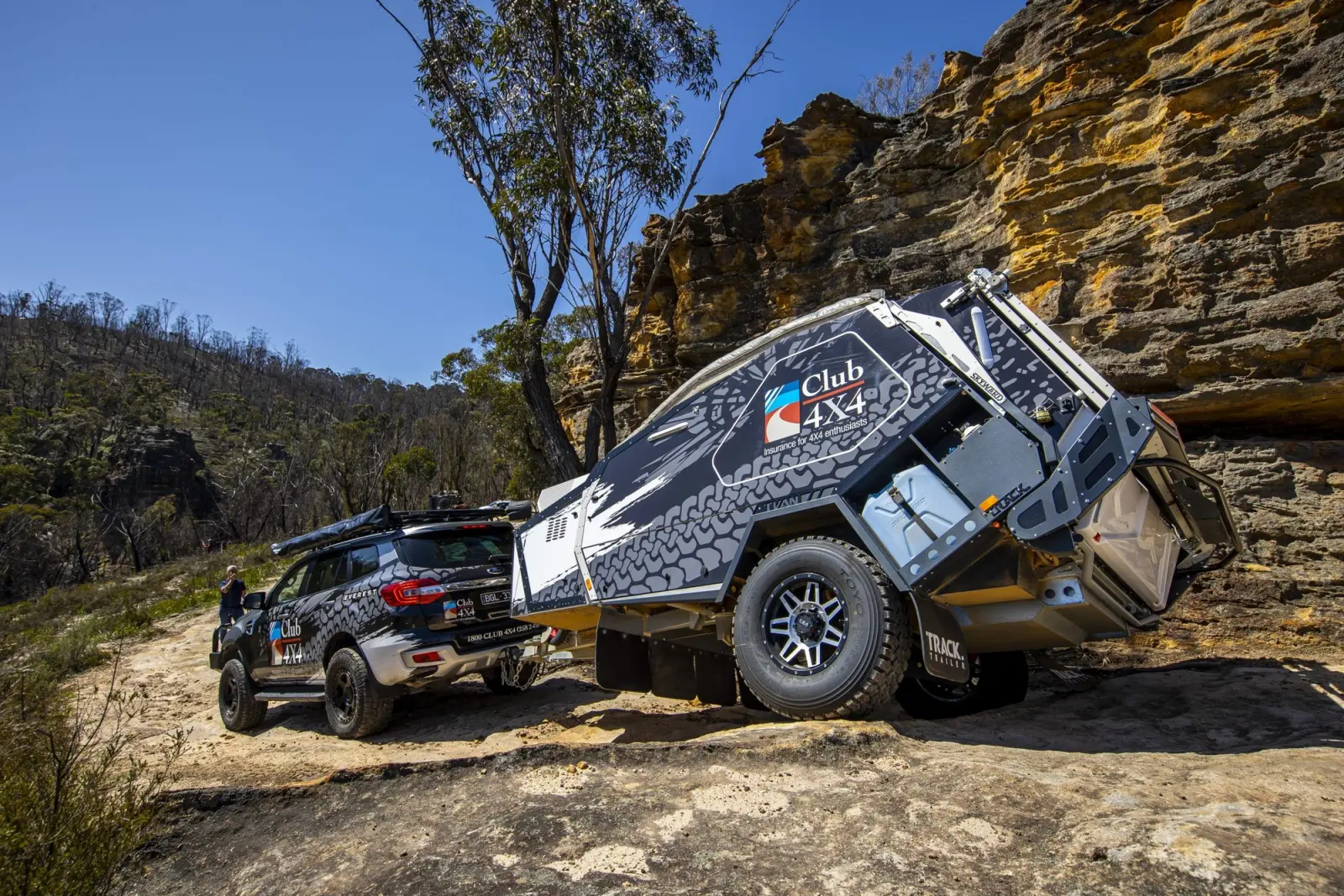
It sits alongside two other numbers: GCM, or Gross Combination Mass, which is the maximum weight of the vehicle and trailer together, and payload, which is what's left after subtracting the vehicle's tare weight from its GVM. On many dual-cab utes that payload figure is under a tonne, and a touring fit-out can eat most of it before anyone sits in the seats. We cover the definitions in more depth in our weight debate article, and what happened when we actually put a loaded rig on a weighbridge in the weight check we wish we'd done first.
Modified, upgraded, still covered
4WD insurance built for GVM upgrades, mods and accessories, on-road or off.
What a GVM Upgrade is
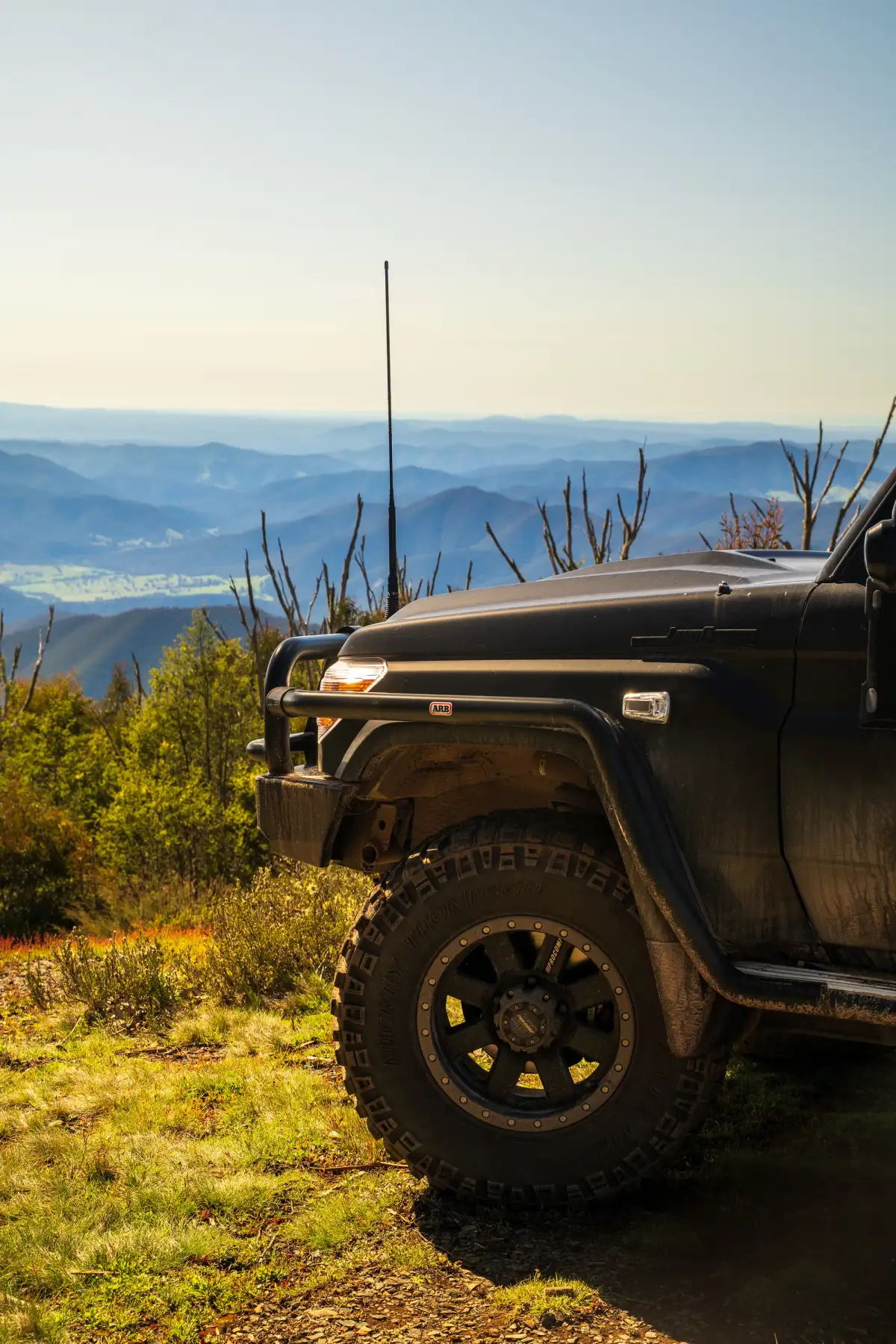
A 4WD on an off-road trail in the high country
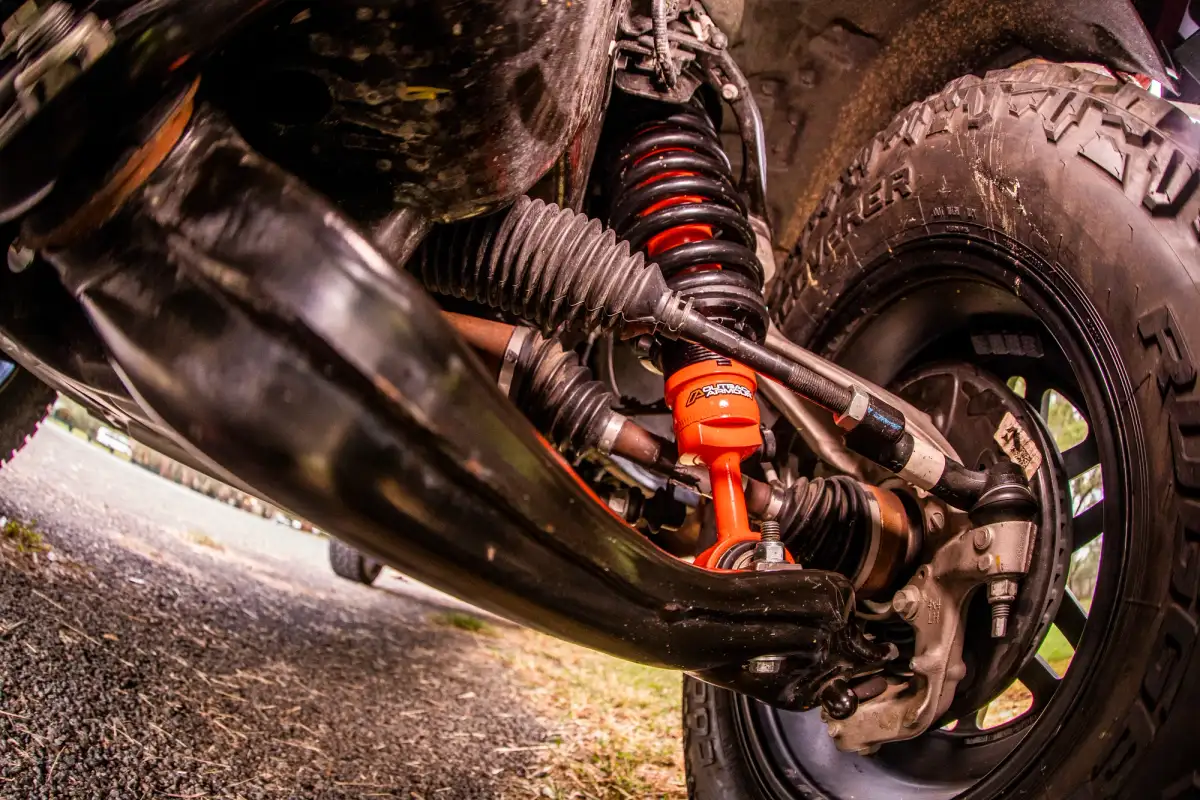
A GVM upgrade is an engineered modification that raises the vehicle's legal maximum weight. It's almost always built around a heavier-duty suspension package, sometimes with upgraded wheels and tyres, and always with paperwork that changes the number on the plate. The suspension is the easy part. The certification is what makes it legal.
Typical increases are in the range of 300 to 900 kilograms depending on the vehicle. A common dual-cab ute with a 3,200 kilogram GVM might go to 3,500 or more. A LandCruiser 79 can go well past 4,000.
Pre-registration Versus Post-registration
This is the distinction that decides what you can get and what it costs.
A pre-registration upgrade is done before the vehicle is first registered, usually by the dealer or a supplier working with the dealer. It's done under a federal approval, the vehicle gets a new compliance plate, and the new GVM is recognised in every state and territory. If you're buying new and know you'll load it up, this is the cleanest path.
A post-registration upgrade is done to a vehicle that's already on the road. It's approved under state-based rules, needs an engineer's sign-off and a modification plate, and the rules differ between states. Most states recognise a post-rego GVM upgrade done to their own scheme, but check what happens if you move interstate.
GCM upgrades, which raise the combined limit for towing, are a separate and harder question. Several states don't allow a post-registration GCM increase at all, and even where they do, the vehicle's braking, cooling and driveline are being asked to handle more than the manufacturer designed. If the reason you want more capacity is the caravan, a GCM upgrade may not be available to you and a different tow vehicle might be the honest answer.
What it Costs
Prices move around, but as a guide:
- A pre-registration GVM upgrade on a popular ute or wagon is typically in the range of $4,000 to $8,000 fitted, including suspension and certification.
- A post-registration upgrade lands in a similar range for the kit and fitting, plus the engineering inspection and plate, which can add $500 to $1,500.
- Add more if the package includes wheels and tyres with a higher load rating, which some upgrades require.
Compare that to the alternative. Being over GVM is a traffic offence. It can void your insurance on the day you need it and it's the first thing an assessor looks at after a rollover with a loaded vehicle.
Does a GVM Upgrade Fix the Axle Limits?
A 4X4's suspension setup
Not always, and this catches people. Every axle has its own maximum, and a GVM upgrade doesn't necessarily raise them. A rear-heavy touring setup with a canopy, drawers, water and a heavy tow ball load can be under GVM and over the rear axle limit at the same time. Ask what the upgraded axle capacities are, not just the headline GVM, and weigh the rig axle by axle.
Does it Change How the Vehicle Drives?
Yes. Heavier springs and shocks ride firmer unladen, and the vehicle sits higher. Most people who tour heavy prefer it. If the vehicle spends most of its life empty, you will notice the ride. Some upgrade packages offer different spring rates for different typical loads, which is worth asking about.
Modified, upgraded, still covered
4WD insurance built for GVM upgrades, mods and accessories, on-road or off.
When You Actually Need One
You need a GVM upgrade when a weighbridge says you are over, or close enough that a full tank and two passengers would put you over. You do not know until you weigh it. Most owners who do are surprised.
You probably do not need one if the weighbridge says you are comfortably under with the vehicle loaded for a trip. Spending the money on removing weight, or on a lighter setup, is often the better call.
What it Means for your Insurance
Two things. First, a GVM upgrade is a modification, and like any engineered modification it needs to be declared on your policy. Club 4X4's 4WD insurance is built for modified vehicles and lets you list modifications and accessories so they are covered, subject to the policy terms. Second, and more important, an upgrade that keeps you legal protects your claim. Overloading is the kind of thing that gives any insurer a reason to look harder at a claim, so being under the limit is worth more than the suspension.
If you are weighing up which mods need to be engineered and declared, our guide to which modifications need engineering covers the rest.
The adventure starts where the bitumen ends
See how Club 4X4 can help