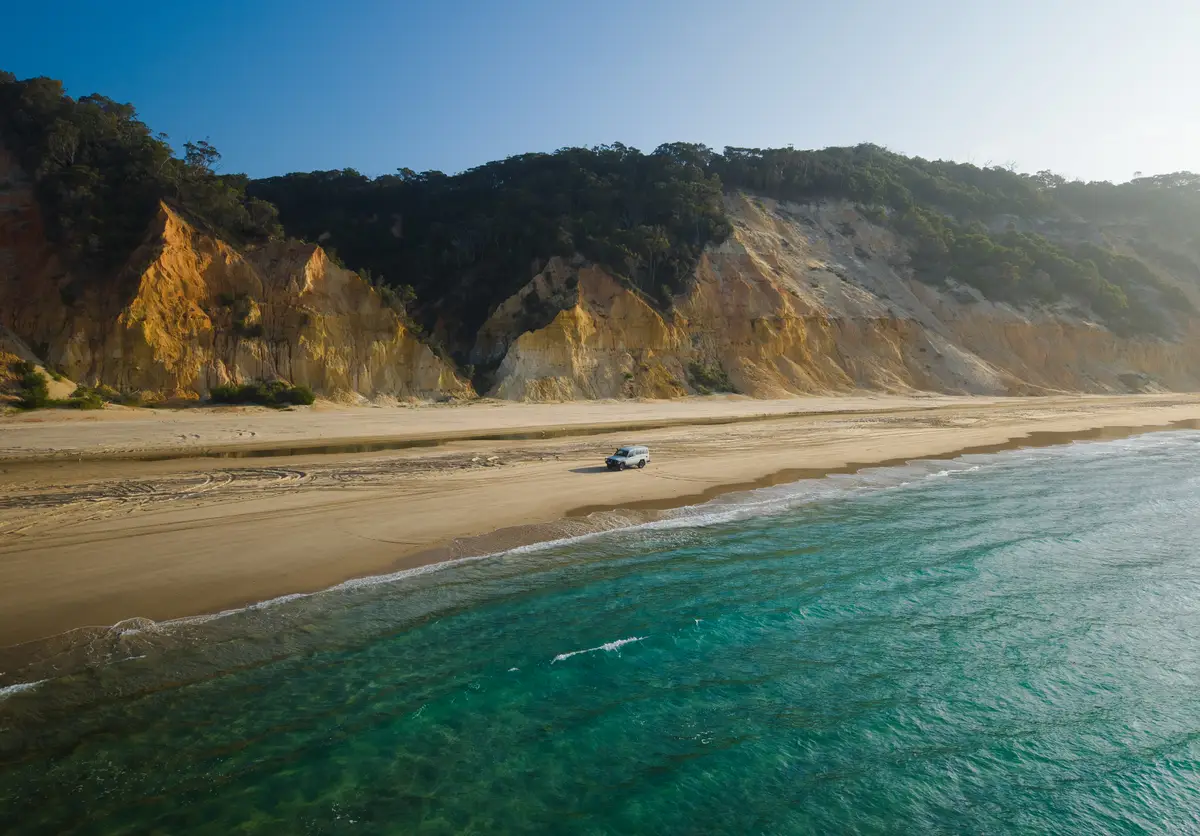
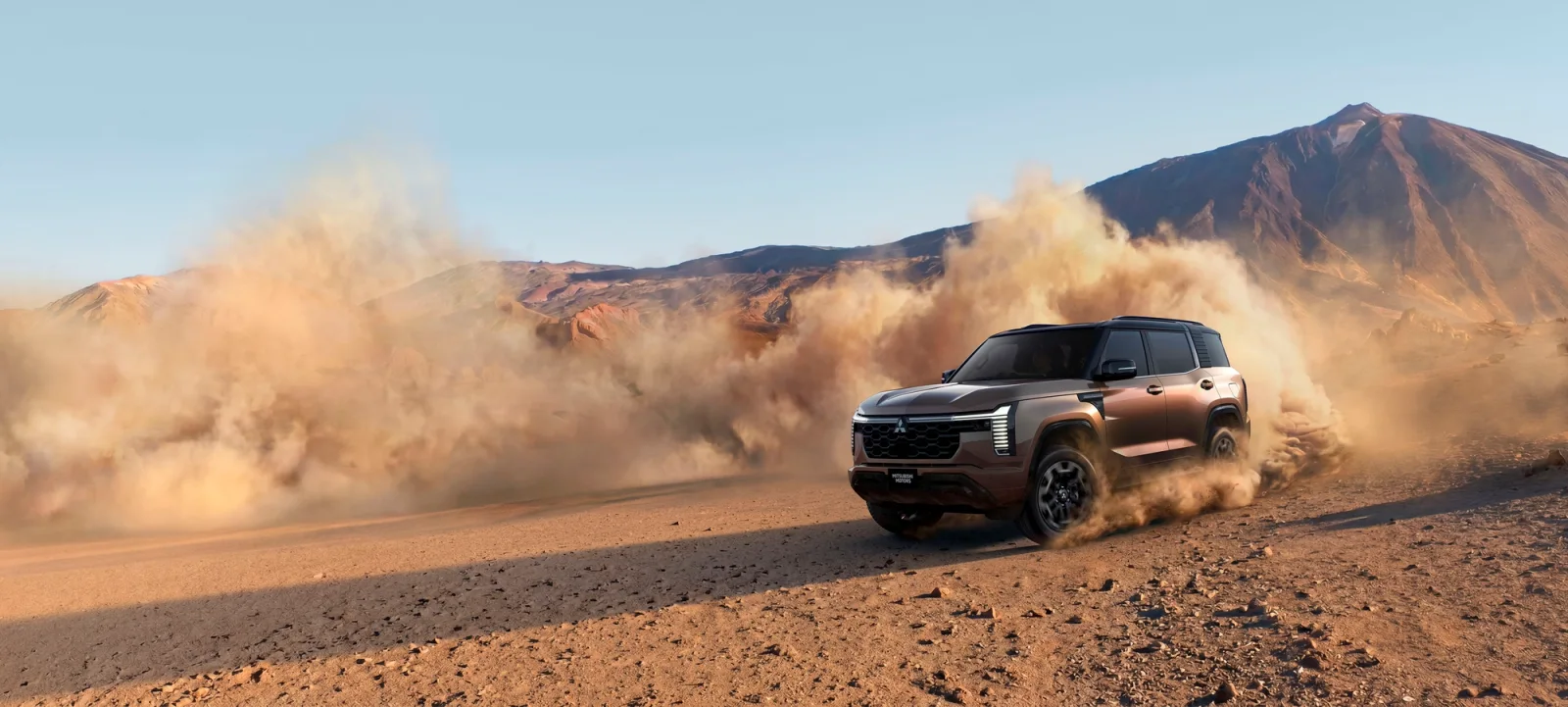
Much like low-rise jeans and leopard print, boxy SUVs are making a roaring comeback.
Look out the window and you're likely to spot a new Prado, 300 Series or Patrol rolling past in all their cuboid glory.
For a while there, it looked like the automotive world had forgotten that SUVs were supposed to look like they could climb a mountain. Corners became curves, rugged became refined, and plenty of off-road icons lost some of the character that made them famous in the first place.
But the pendulum has swung back.
Come 2026, another legend is set to return to the ever-growing lineup of right-angled off-roaders: the Mitsubishi Pajero.
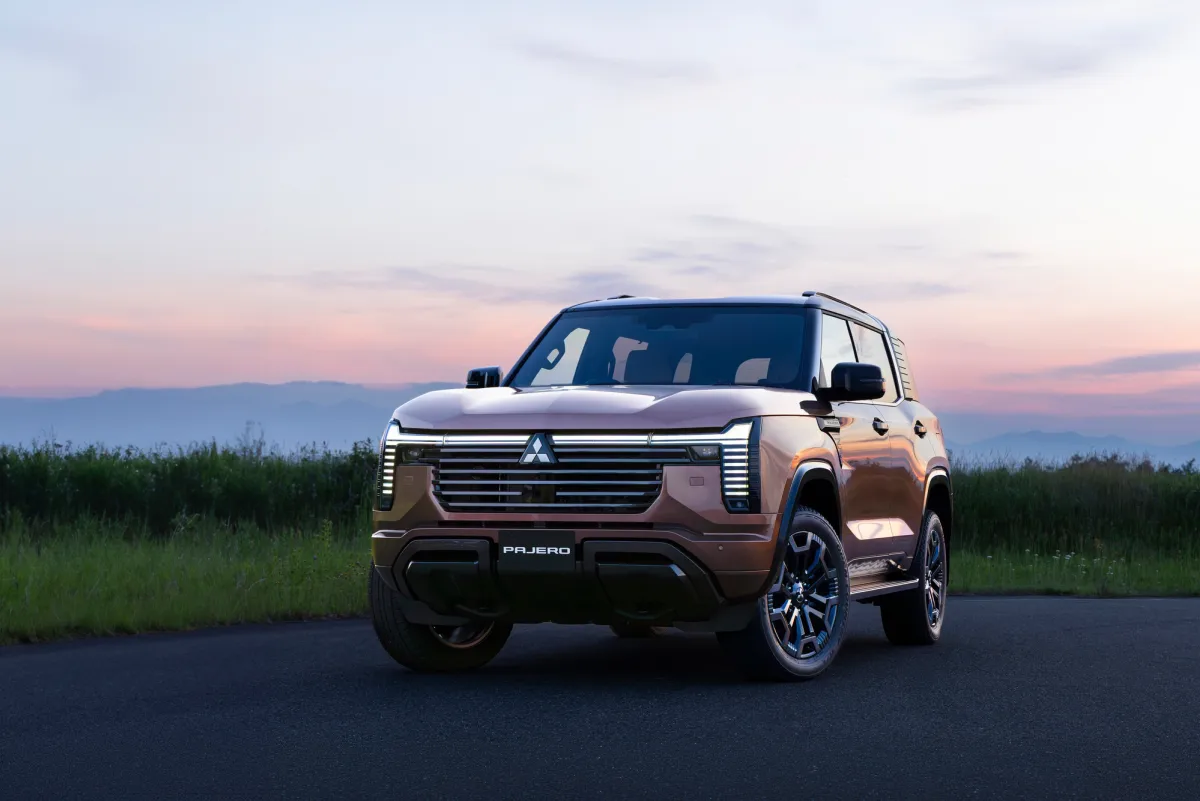
The new Mitsubishi Pajero in a copper colour
Photo: Mitsubishi Motors
Don't get this confused with the Pajero Sport. This is the return of the Pajero. The square-jawed touring wagon that spent decades earning its stripes in the Outback before disappearing from local showrooms. And if the rumours prove true, it could be making a comeback at exactly the right time.
From the Simpson to the High Country
We cover anywhere you can legally go in Australia
What to Expect
Mitsubishi have announced the Pajero will hit Australia shores in December, Meaning we won't have to wait long.
After a five-year hiatus, the comeback promises to be Mitsubishi's "most sophisticated SUV ever" and, from what we've seen, it's looking like it might just live up to the claim.
Underpinning the new Pajero is a ladder-frame chassis, claiming to be "significantly stiffer" than the Sport's. It's paired with long-travel suspension with wider tracks, high-response shock absorbers and stabiliser bars, and electric power steering, all aimed at delivering better comfort on the road and greater capability when the bitumen ends.
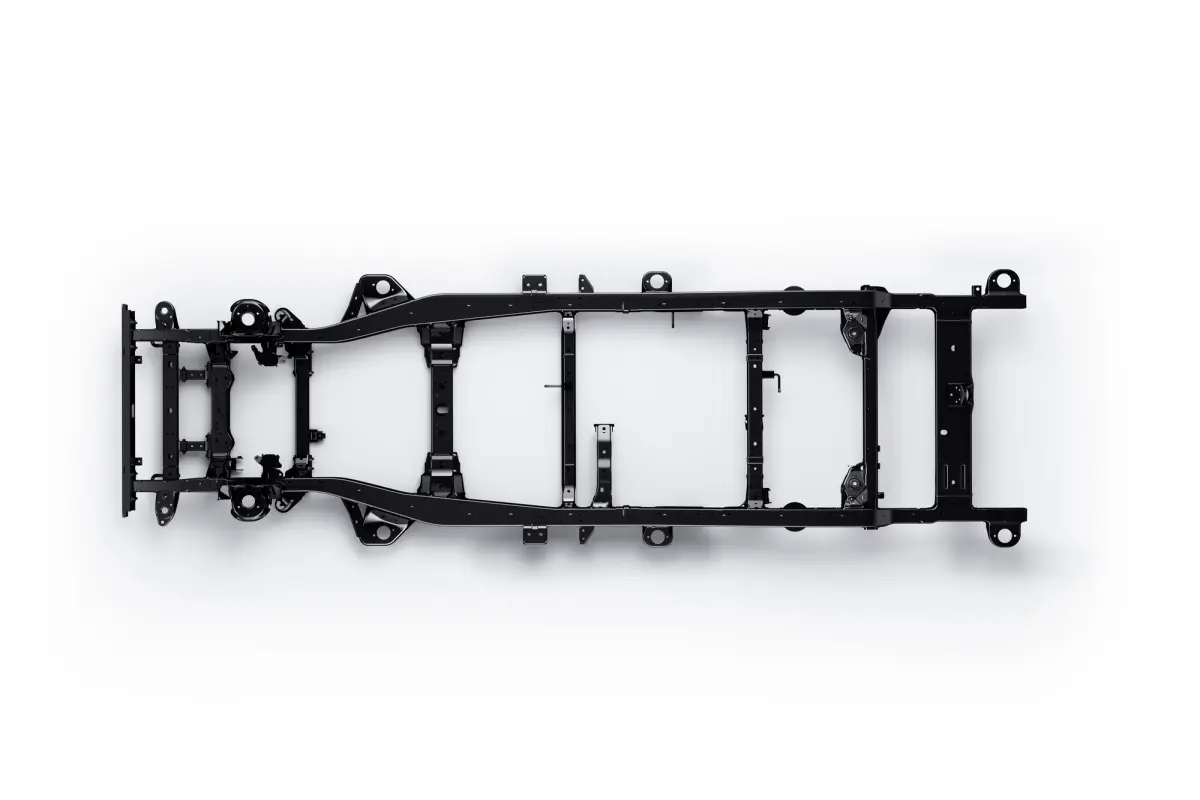
ladder frame chassis for the new Mitsubishi Pajero
Photo: Mitsubishi Motors
Under the bonnet sits a turbocharged 2.4-litre 4N16 four-cylinder diesel producing 150kW and 480Nm. That's 10Nm more than the latest Triton, but with one less turbocharger.
Those figures put the new Pajero ahead of its predecessor and comfortably in the hunt against rivals like the Ford Everest and Isuzu MU-X. Only the Toyota Prado's 2.8-litre turbo-diesel betters it on paper, producing the same 150kW but a higher 500Nm of torque.
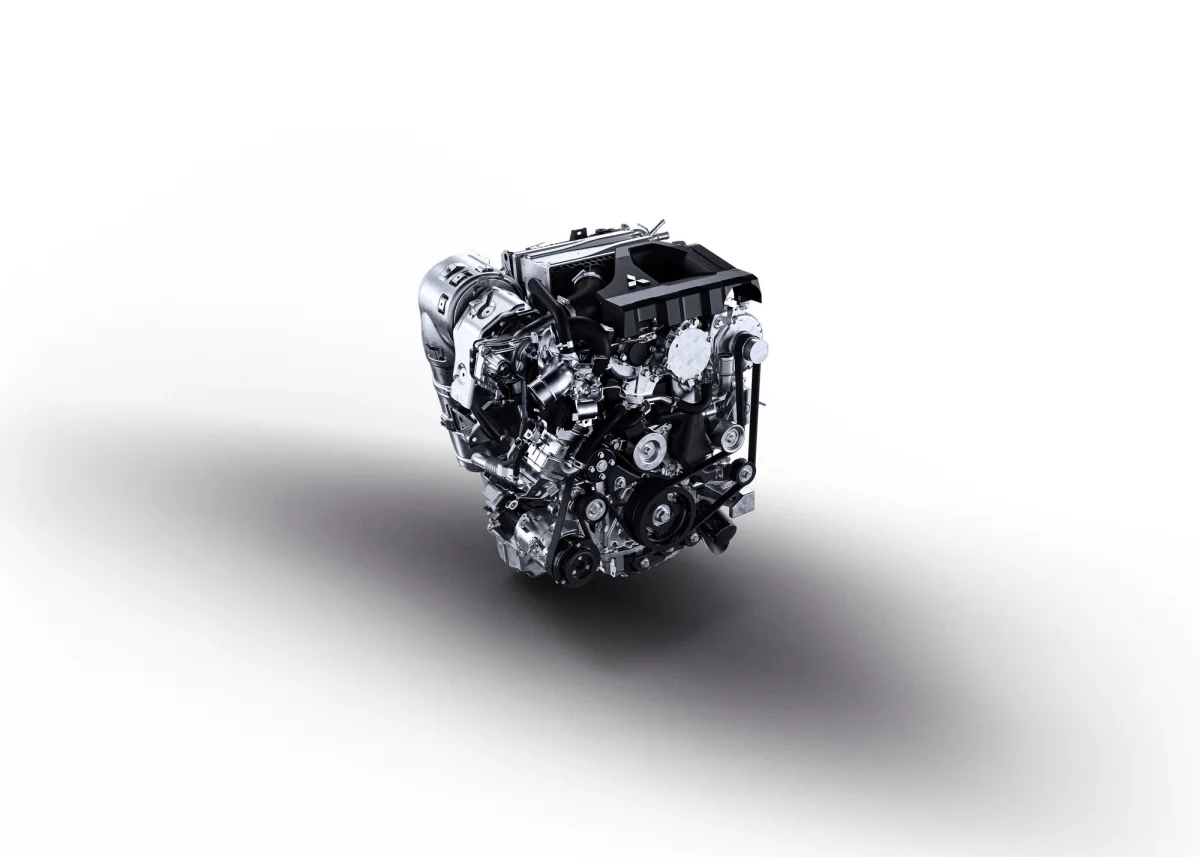
The new Mitsubishi Pajero's engine
Photo: Mitsubishi Motors
Mitsubishi says the story isn't just about outright numbers, though. The company claims the updated engine delivers improved refinement, drivability, throttle response and fuel efficiency.
What Will the New Pajero Be Like Off-Road?
While final testing data hasn't been released, we think there's enough information available to make some educated observations about the new Pajero's off-road capability.
The Signs Are Promising
With a ladder-frame chassis replacing the previous Pajero's monocoque construction, plus a wider track, long-travel suspension and a stiffer platform overall, the new Pajero appears to have been designed with off-road performance firmly in mind.
The Pajero was never loved because it had the biggest engine or the loudest fanbase. It was loved because it quietly got the job done.
These aren't the ingredients of a school-run SUV pretending to be an off-roader. Mitsubishi appears to have gone back to the recipe that made the Pajero name famous in the first place, and that's a promising sign for anyone planning to point one at the Cape, the High Country or the Simpson Desert.
It's also hard to imagine the aftermarket sitting this one out. If the Pajero delivers on its promise, we'd expect bullbars, suspension kits, long-range tanks, canopies and touring accessories to follow shortly after its arrival.
Could It Challenge the Prado?
Prado owners will probably turn their noses up at the comparison. Pajero owners, meanwhile, will tell you Toyota has been charging extra for the badge all along.
Truthfully, the rivalry has never really gone away. It's simply been on pause.
Where It Looks Competitive
On paper, the fight is closer than you might think.
The Pajero's turbo 2.4-litre diesel produces the same 150kW as the Prado, giving away just 20Nm of torque at 480Nm versus Toyota's 500Nm. Both are built on ladder-frame chassis, both are designed as seven-seat touring wagons, and both are expected to spend as much time towing campers and caravans along the beach as they do hauling a family of five down a highway.
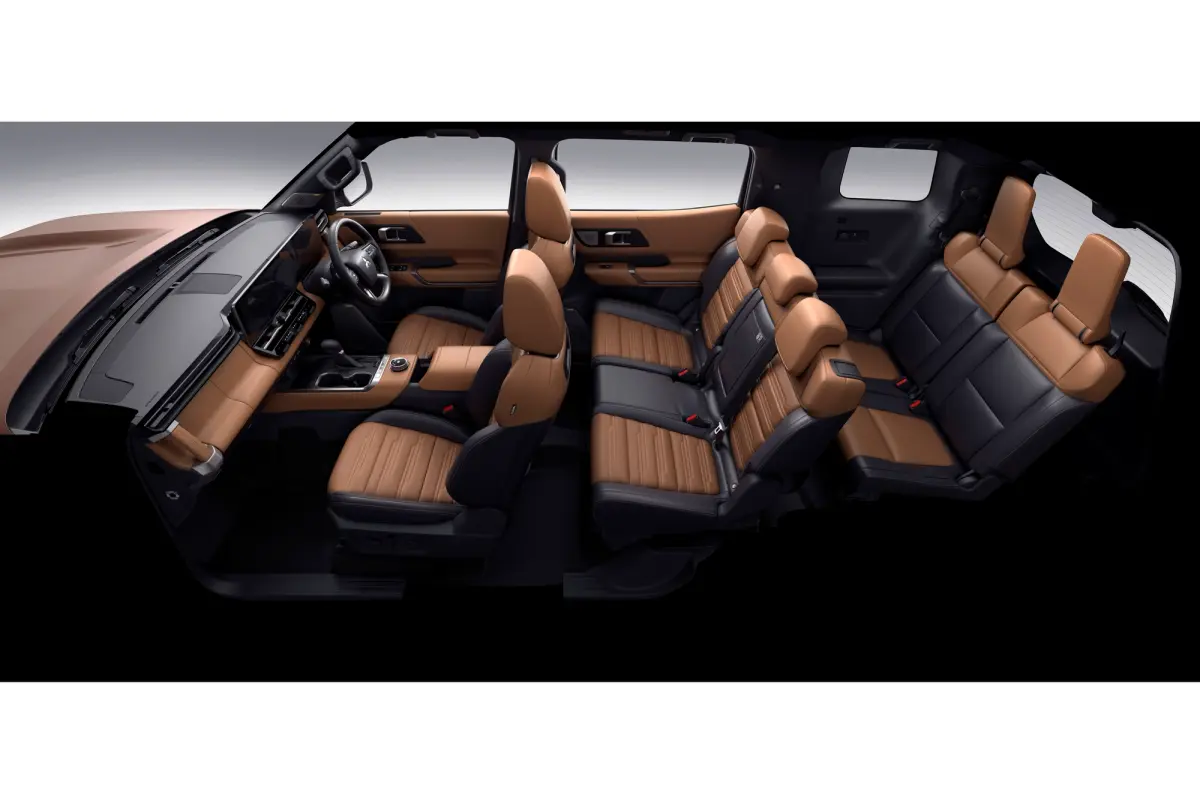
an X-ray view of the Mitsubishi Pajero and all 7 seats
Photo: Mitsubishi Motors
For decades, the two have been compared on everything from off-road capability and comfort to value for money. With the Pajero's return, that conversation is about to start all over again.
Where Toyota Still Has the Advantage
We all know the story. The Prado is reliable, easy to find new or used, backed by a massive aftermarket and supported by a community with enough collective knowledge to fill an encyclopedia.
The Pajero, meanwhile, has spent the last five years watching from the sidelines. Yet for plenty of Australian tourers, it's a nameplate that still carries plenty of weight.
The good news for Mitsubishi is that this new Pajero doesn't need to beat the Prado at its own game. It doesn't need to outsell it, either. It simply needs to offer buyers another genuine touring wagon in a market that has been crying out for more choice.
And if Mitsubishi can deliver the capability, reliability and value that made the Pajero such a favourite in the first place, plenty of Australians will be willing to give the three diamonds another look.
Will It Still Be a Pajero?
Nowadays, new 4WDs tend to make headlines for all the wrong reasons. The discussion usually revolves around what's missing: it's electric, it's not a V8, the engine's too small, it doesn't sound right.
That's hardly surprising. Engines and power figures are easy to compare, and everyone has an opinion on them.
What made the Pajero a legend, however, wasn't what was under the bonnet. It was its reputation for crossing deserts, towing campers, soaking up corrugations and doing it all without costing an arm and a leg.
The new Pajero's power figures, chassis upgrades and technology all sound promising, and we have no doubt it will be a capable tourer as soon as the first models fly out of the dealership.
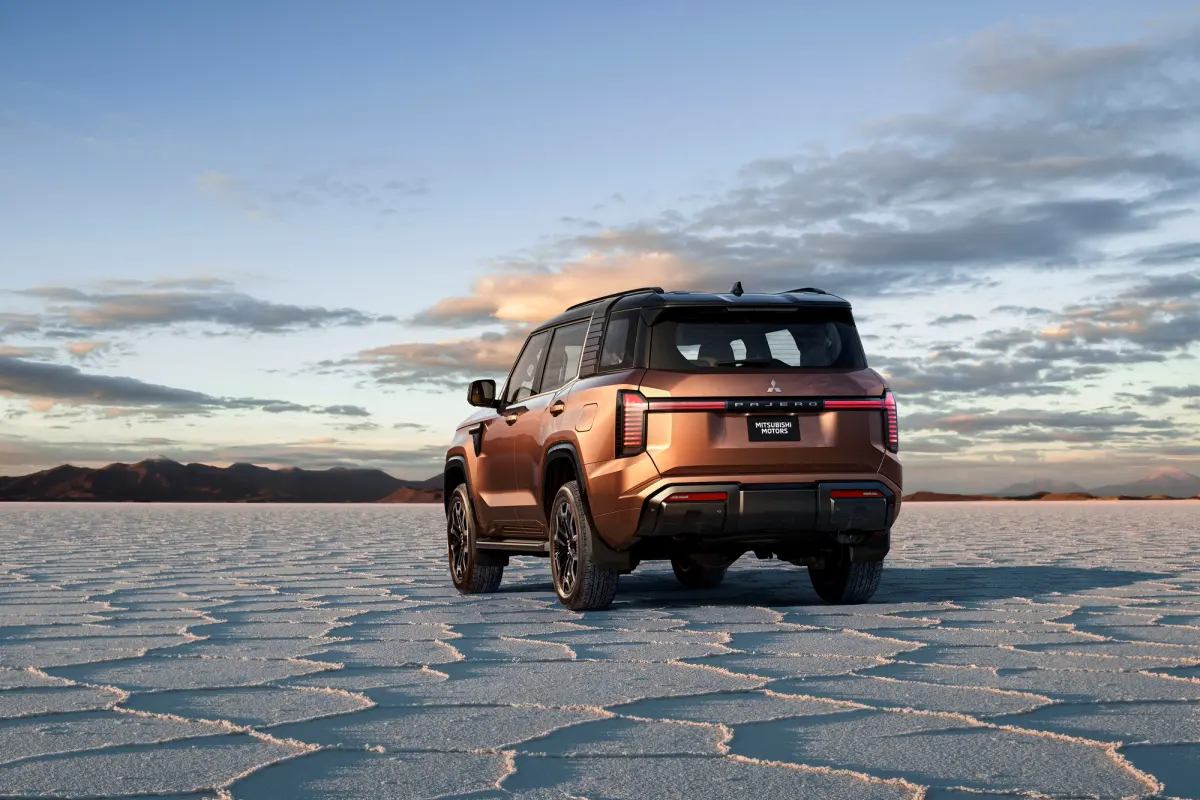
A copper Mitsubishi Pajero on a salt flat
Photo: Mitsubishi Motors
If Mitsubishi can recapture that spirit while delivering the refinement and technology buyers expect in 2026, the return of the Pajero might prove to be more than nostalgia. They could have a serious winner on their hands.
The Final Verdict
For years, 4WDs have gradually become smoother, softer and more refined. Again, that's not necessarily a bad thing, but somewhere along the way, plenty of manufacturers seemed to forget that a big part of a 4WD's appeal is looking like it belongs beyond the bitumen.
The return of the Pajero suggests Mitsubishi remembers.
Of course, spec sheets don't cross deserts. Brochures don't tow campers. And no amount of marketing can tell us how a vehicle will handle years of corrugations, beach launches and heavily loaded touring setups.
But that's the thing about the Pajero. It was never loved because it had the biggest engine, the fanciest interior or the loudest fanbase. It was loved because it quietly got the job done.
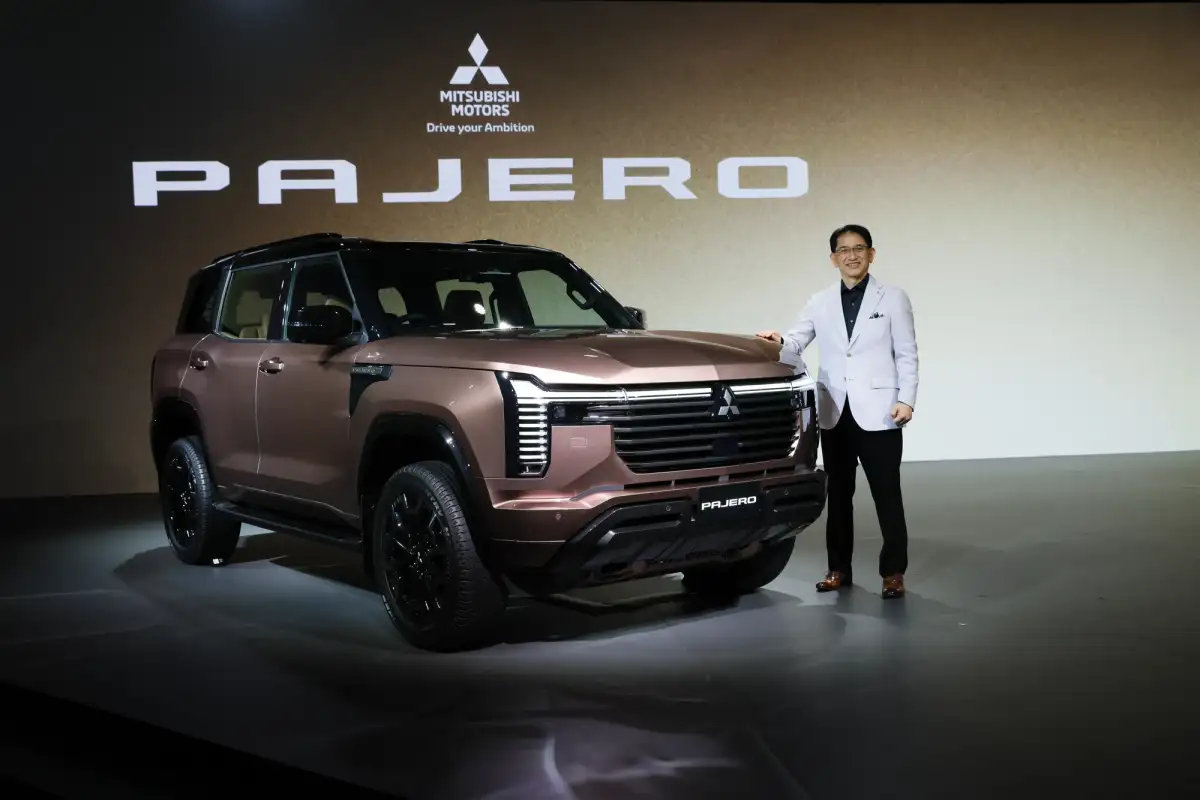
A man stand next to the new Mitsubishi Pajero
Photo: Mitsubishi Motors
If Mitsubishi has managed to capture that spirit while delivering the refinement, technology and comfort expected of a modern 4WD, then the company may have done more than bring back an iconic nameplate.
It may have reminded the industry that sometimes the best way forward is to start thinking square again.
From the Simpson to the High Country
We cover anywhere you can legally go in Australia