Why the Pajero Still Earns Its Reputation
If you’ve been deep in the rabbit hole of a mitsubishi pajero review, you’re probably weighing up one big question, is this iconic wagon still worth your money in 2026? With newer SUVs dominating dealer floors, it’s easy to assume the Pajero belongs in the past. But out on real Australian tracks, it tells a different story.
The Mitsubishi Pajero has built its reputation the hard way. It’s not just about spec or sheets or showroom appeal with this 4WD, but proven reliability in places where breakdowns aren’t an option.
This Mitsubishi Pajero review covers what the Pajero does well, where it shows its age, and whether it remains a smart buy for Australian drivers.
Pajero Model Range: What’s on Offer
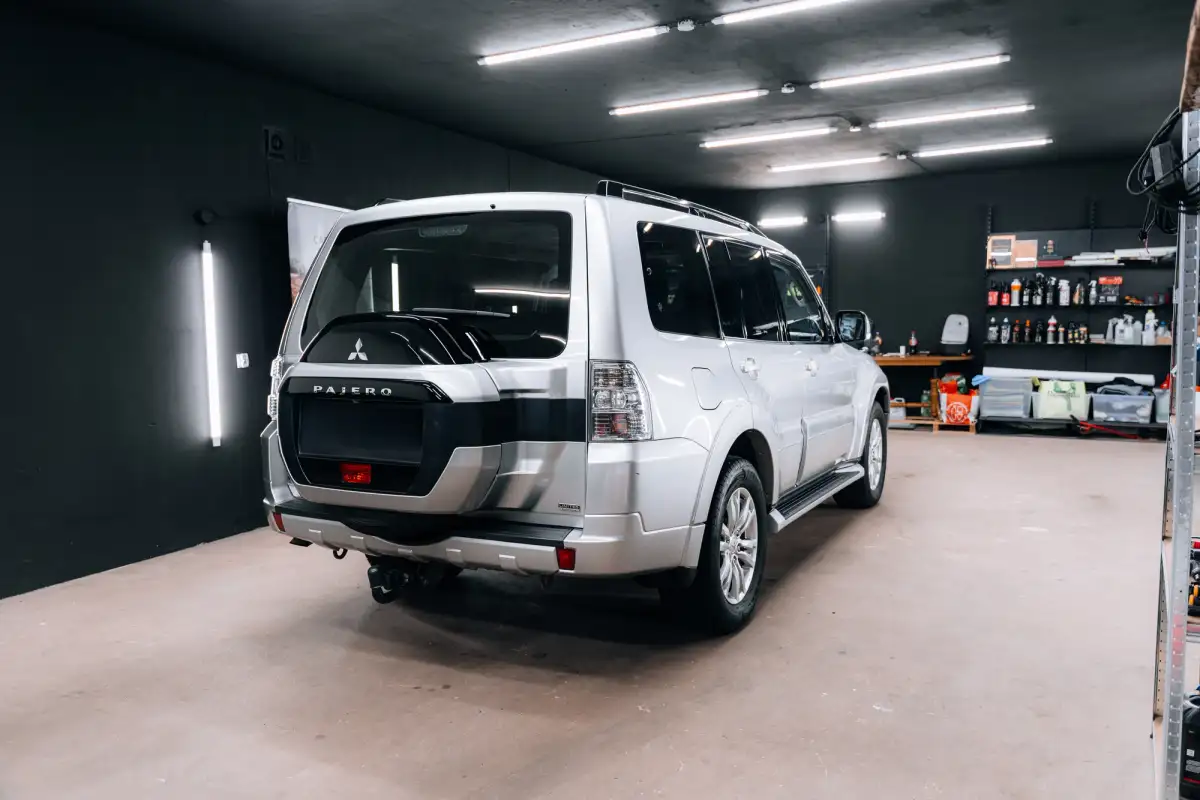
Mitusbishi Pajero in a workshop
While the Mitsubishi Pajero is no longer being produced, the final Australian-delivered lineup remains widely available on the used market and continues to hold strong appeal.
Key Variants
- GLX – Entry-level, practical and durable
- GLS – Mid-spec with added comfort and tech
- Exceed – Top-tier with premium interior features
Shared Core Specs
- 7-seat wagon configuration
- Full-time 4WD system (Super Select II)
- Ladder-frame-derived monocoque chassis
The Pajero has never been about endless trims or flashy redesigns. Instead, it keeps things simple, prioritising consistency with a proven package that’s easy to understand and built to handle Australian conditions.
Inside the Cabin: Comfort, Practicality, and Everyday Use
Step inside the Pajero and you’re met with a cabin that feels more functional than flashy, but that’s part of its appeal. The layout is simple and intuitive, built for long-distance touring rather than chasing trends.
In higher-spec variants like the Exceed, you’ll find leather-appointed seats, a large central infotainment screen, and dual-zone climate control. It’s not cutting edge by 2026 standards, but everything works reliably, which matters more when you’re travelling remote.
Space is a standout. There’s generous room across the first two rows, with a third row that folds flat to open up a large cargo area for touring gear.
Exterior Design: Built for the Tracks, Not the Showroom
The Pajero’s exterior design leans heavily into practicality over polish. It carries that unmistakable boxy silhouette that’s become a staple on Australian tracks for decades.
High ground clearance, short overhangs, and a solid stance give it a purposeful look, but more importantly, they translate directly to off-road capability. You can see it in action on rocky climbs and rutted tracks where approach and departure angles actually matter.
Factory features like side steps and roof rails add everyday usability.
It’s not trying to win design awards, but out in the bush, that’s exactly why it works.
Under the Bonnet: Engine, Power, and Fuel Economy
The Pajero has earned that reputation of reliability and durability thanks to its 3.2-litre turbo diesel engine. This engine produces 141kW of power and 441Nm of torque, providing the backbone of the Pajero’s touring credibility. It has the ability to tackle Cape York tracks without aiming for outright performance.
Its fuel economy sits around 9-10L/100km, though real-world consumption typically runs slightly higher than these official figures, especially once loaded with gear. Still, it remains efficient enough for serious touring without constant fuel stress.
Petrol variants have existed in earlier models, but for Australian buyers and adventurers, the diesel is the clear choice. It’s much better suited for towing and off-roading thanks to its low-end torque, making it a dependable workhorse, even by today’s standards.
Towing Capacity: Can the Pajero Pull Its Weight?
One of the Pajero’s biggest buying factors is its towing capacity.
Key Figures
- Braked towing capacity: 3,000kg
- Unbraked towing capacity: 750kg
These numbers put it right in the mix for serious touring setups. It will handle loads with confidence in a range of environments, from the Bruce Highway to the Flinders Ranges.
For family tourers, this means fewer compromises. You can comfortably tow a well-sized caravan or boat without stepping into a larger, more expensive platform.
On Road and Off Road: How the Pajero Performs
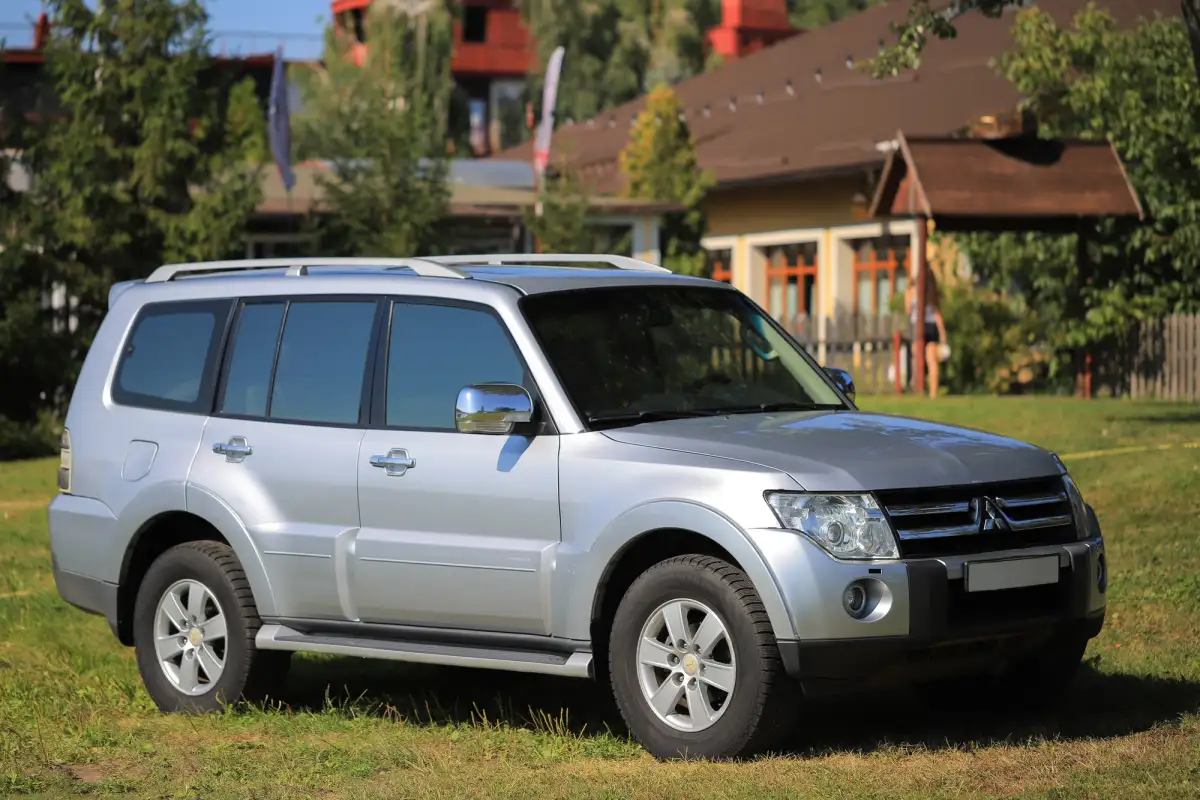
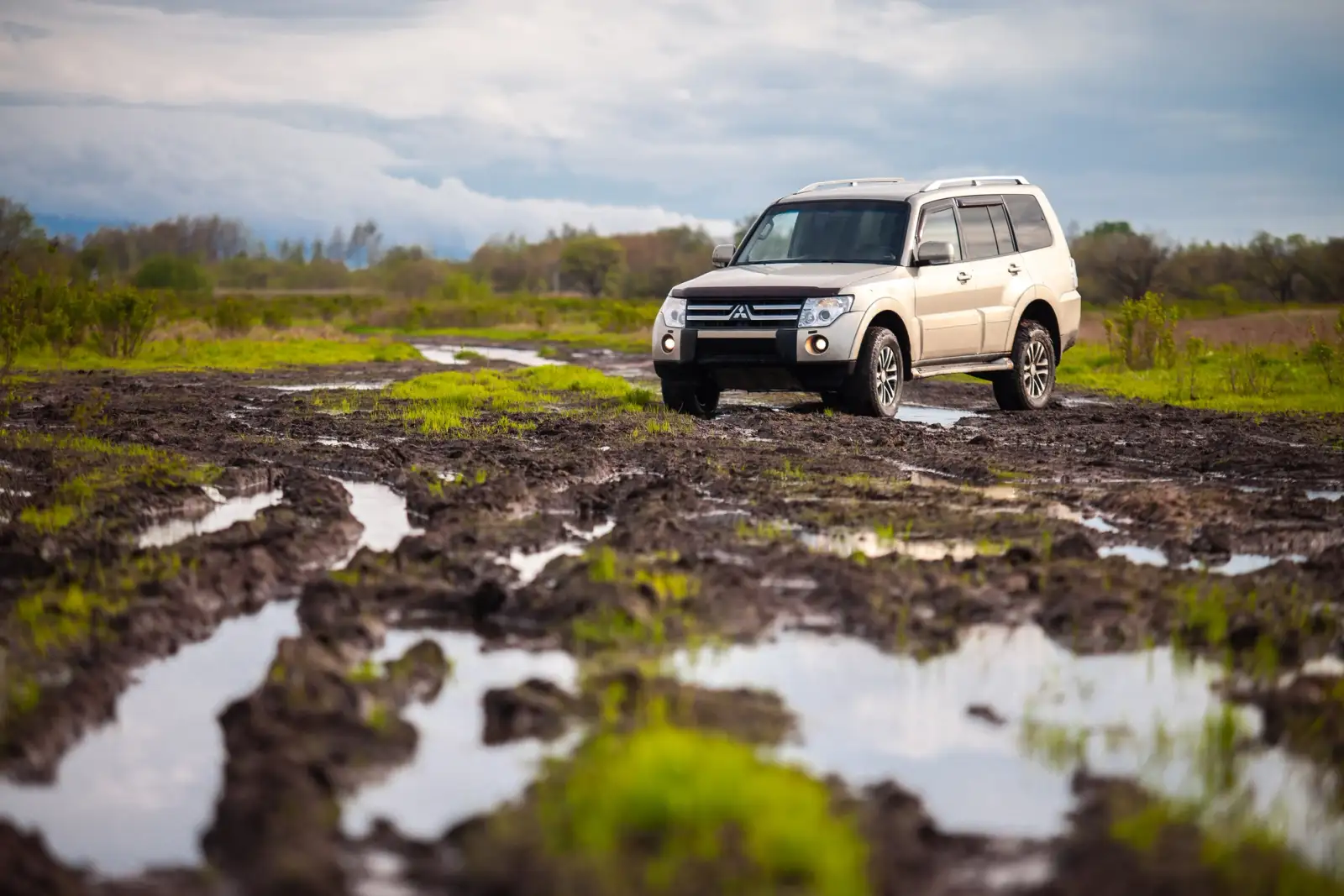
Mitusbishi Pajero on grass
On the Road
Despite its off-road pedigree, the Pajero remains a composed character on bitumen. Ride quality is soft enough to soak up long highway stretches without fatigue, making it well suited to cross country trips.
Considering its boxy build, it also drives well when navigating city streets, with light steering and excellent visibility. It’s certainly not a sports SUV (hello Pajero Sport), but it’s predictable, stable, and comfortable over distance.
Driver-assist tech isn’t cutting edge by 2026 standards, but key features like stability control, traction systems, and reversing cameras ensure it still meets the needs of everyday drivers.
On the Tracks
Off-road is where the Pajero earns its stripes.
The Super Select II 4WD system allows drivers to switch between:
- 2H (rear-wheel drive)
- 4H (full-time 4WD)
- 4HLc (locked centre diff)
- 4LLc (low range)
This flexibility is a major advantage, especially when transitioning between sealed roads and loose terrain.
Off-Road Specs
- Ground clearance: ~235mm
- Approach angle: ~36.6°
- Departure angle: ~25°
These numbers translate to real-world capability on tracks like the Old Telegraph Track or the Victorian High Country. It handles rocky climbs, deep ruts, and corrugations without fuss.
While these numbers are all serviceable, Pajero’s have great access to aftermarket modifications like lift kits, all-terrain tyres, bullbars and winches and underbody protection, enabling them to go further and perform better.
The Verdict: Who Is the Pajero Built For?
Thumbs Up
- Proven reliability in harsh Australian conditions
- Strong diesel torque for towing and touring
- Excellent 4WD system with real versatility
- Comfortable for long-distance driving
Thumbs Down
- Dated interior and infotainment
- No longer in active production
- Fuel economy increases noticeably when loaded
The Pajero still makes sense for a wide range of buyers. Families will appreciate its space and comfort, tourers will value its reliability and simplicity, and enthusiasts will see it as a solid base for modification.
Pajero vs Pajero Sport
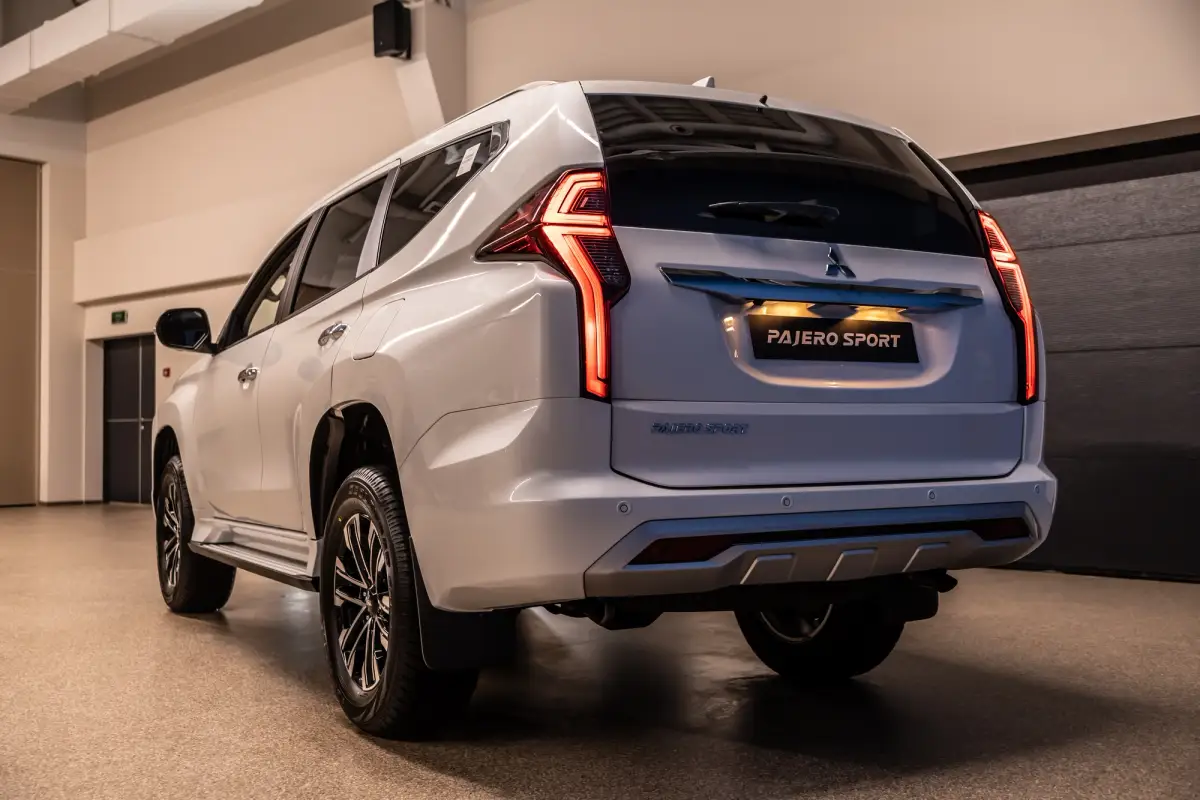
Mitusbishi Pajero Sport in a showroom
If you’re comparing the Pajero vs Pajero Sport, the choice comes down to purpose.
- Pajero: Better suited to long-distance touring, towing, and heavy loads
- Pajero Sport: More modern, refined, and suited to urban driving with occasional off-road use
If your focus is serious touring, the Pajero still holds the edge.
Ready to Protect Your Pajero? Here’s What to Know
Owning a Pajero often means more than just driving. It means building a touring setup that fits your lifestyle, from suspension upgrades to rooftop tents and recovery gear.
That’s where Club 4X4 comes in.
Unlike standard insurers, Club 4X4 policies are built specifically for vehicles like the Pajero. That means:
- Coverage for all legal modifications and accessories
- Coverage for anywhere you can legally drive in Australia
- Off-road recovery included as standard
That last point matters. When you’re hundreds of kilometres from the nearest town, recovery can cost thousands. With Club 4X4, it’s already part of your policy.
Wherever you're headed, from K’Gari’s sand to inland tracks, you're covered.
Get a quote today and protect your Pajero properly before your next trip.
Got the fourbie and now just need the cover?
Get a quote for insurance that covers you anywhere you can legally go in Australia