Image
📣 March Offer

Free Roadside Assistance for new 4X4 policies until 31st March 2026

News

TYRE PRESSURES – WHY THEY ARE SO IMPORTANT

Tyres are often one of the first mods anyone with a 4×4 will do. Offroad tyres will provide better grip in trying conditions and are often larger in diameter to improve clearance. But the thing …

Image
Club 4X4 Insurance
May 15 2018

May 15 2018

Image

Tyres are often one of the first mods anyone with a 4×4 will do. Offroad tyres will provide better grip in trying conditions and are often larger in diameter to improve clearance.

But the thing not as regularly talked about is managing these tyres when on the vehicle. Every tyre manufacturer will have their own stated ideal pressure for a tyre on different vehicles which will account for the weight of the vehicle. Managing these tyre pressures on road will ensure that you maximise your tyres life. But often these manufacturers and retailers won’t make mention of what pressures you should be running offroad – and often this is because it’s something the user needs to decide on, based off conditions.

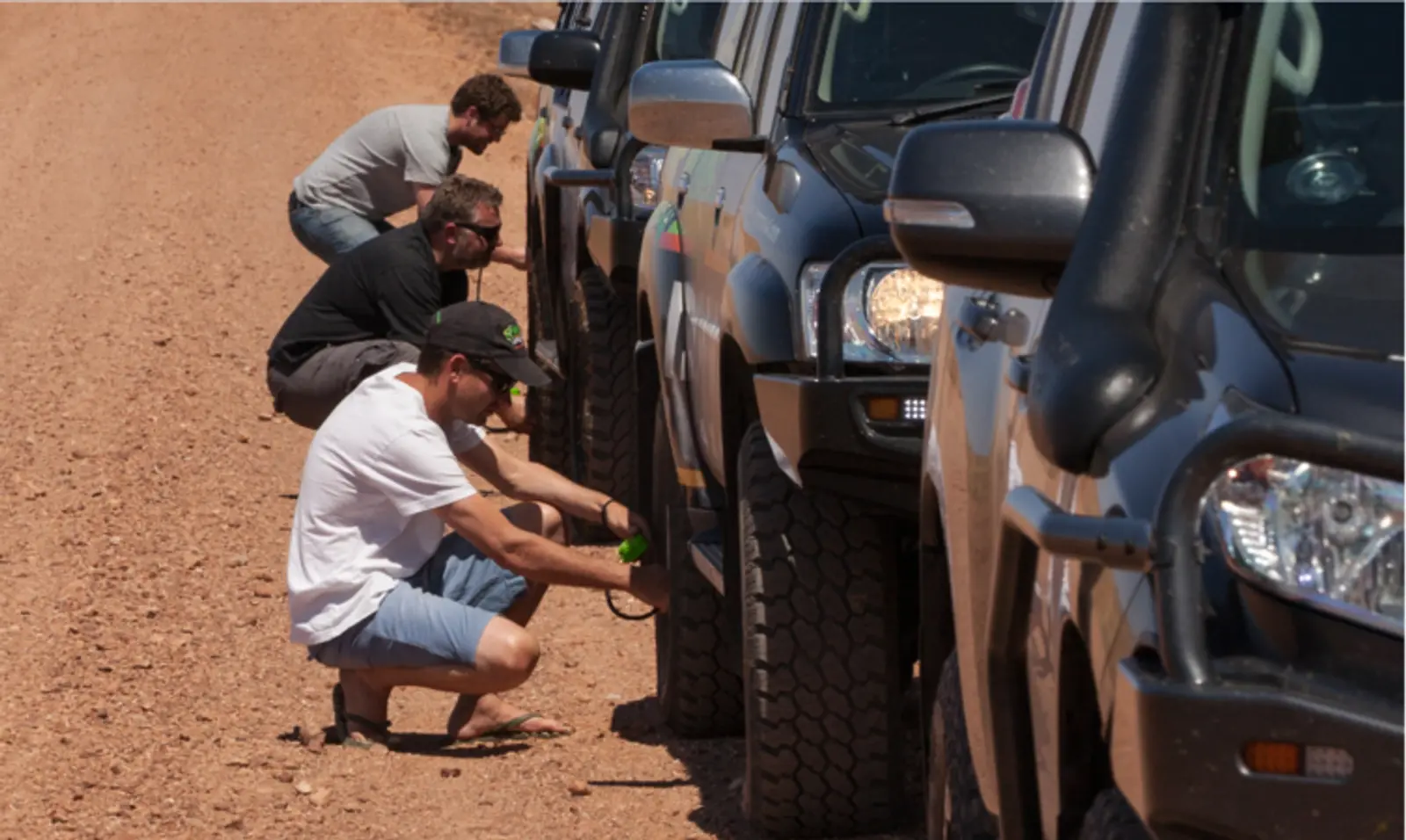
Dropping your tyre pressure is a simple affair and using something like the Ironman 4×4 Speedy Deflator will get you down to the right pressures quickly.

General 4WD Tracks:

As soon as you hit the tracks it’s always a good idea to drop your tyre pressures from you usual road pressure. Road pressures are matched to driving on the blacktop which is smooth, but tracks, be they gravel, dirt etc, aren’t generally as smooth or consistent.

Dropping your tyre pressures will allow the tyre to more easily conform to the inconsistencies of the track – providing a more comfortable ride, more grip and most notably better tyre wear as you’ll have less chipping and cutting in the tred blocks as the rubber is able to conform.

Pressures of around 25psi are generally a good point to start at, though this will vary depending on vehicle. At this pressure it’s still safe to do some high speed driving, but will allow the tyres to conform to the road providing a smoother, more comfortable ride and better grip.

Sand Driving:

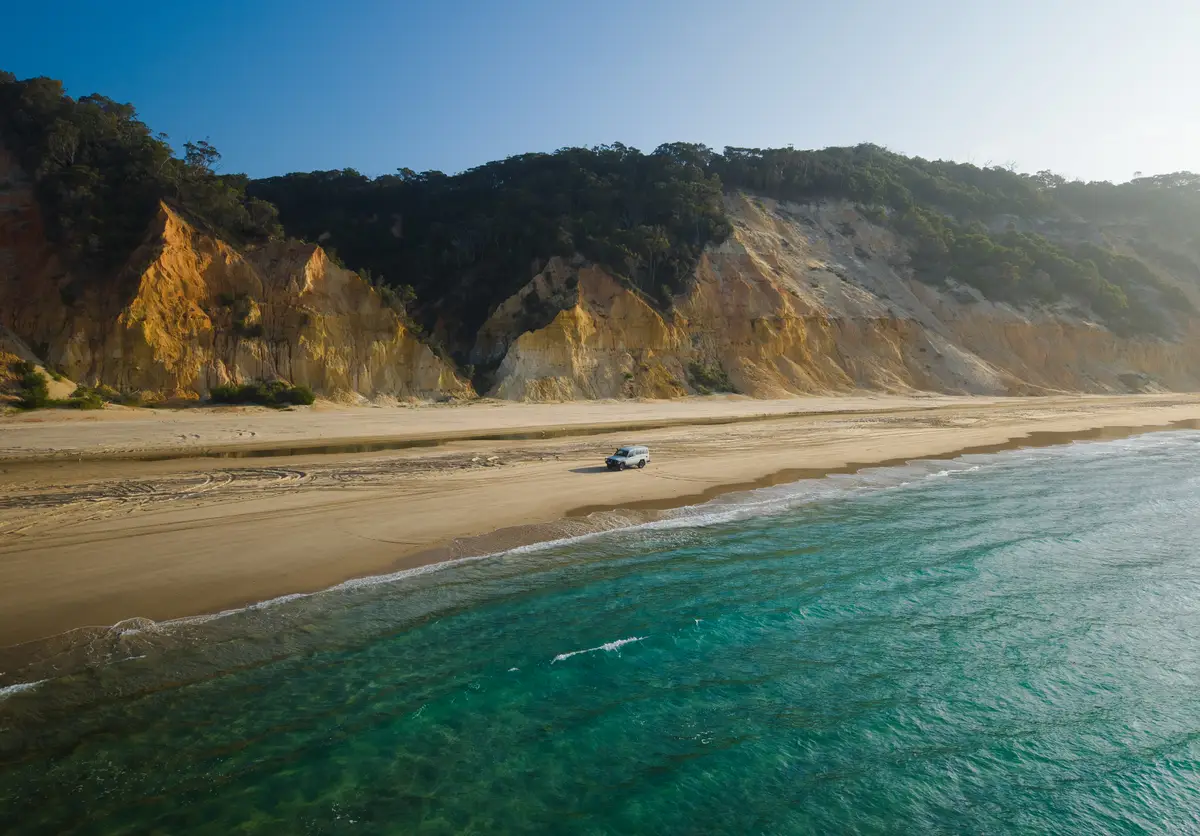
Ideal tyre pressures in sand can vary quite significantly depending on the softness and water content. Wet sand is denser and better supports vehicles, but if you do dig in, you’ll stick harder due to suction. Softer sand will dig more easily, hampering momentum, but is relatively easy to recover from.

As a rule of thumb anywhere from 15psi – 20psi is always a good place to start. If you find you’re still struggling at these pressures, drop down 2-3psi at a time until you come to a point where you are able to “float” over the sand rather than “dig”. Don’t go much lower than 10psi except for emergencies as any lower and you are at high risk or rolling the tyre off the rim and also damaging your rim.

Mud:

Similar to wet sand, drop down to 15-20psi if you’re having issues at higher pressures of 25psi and try and maximise your potential grip. If you have skinny mud tyres you may also run a higher pressure (mid 20s) to “cut” through the mud and reach the harder surfaces at the bottom (if there is any!).

Most importantly when you’re back on the road, pump up your tyre pressures again ASAP! Not only is it not nearly as safe to drive with low tyre pressures on road, it will cause pre-mature wear of your tyres. A portable air compressor will get you back up to road pressure in no time, and saves the slow drive to the nearest servo!

Article from ironman4x4
Image
Club 4X4 Insurance
Blog

Discover other stories

View all

Warm up with weekly articles aimed at adventure

4X4 driving on dirt road at sunset

Expert Advice

Mistakes almost every first-time full-time traveller makes

Out in the Australian bush, experience is everything, and mistakes can quickly turn into serious problems when you’re far from help. From pushing too hard on dirt roads to relying too heavily on recovery gear, even seasoned 4WDers have learned lessons the hard way. Drawing on years of remote travel and hard-earned experience, here are five of the most common 4WD mistakes and why avoiding them could make all the difference on your next adventure.

Read more  

Out in the Australian bush, experience is everything, and mistakes can quickly turn into serious problems when you’re far from help. From pushing too hard on dirt roads to relying too heavily on recovery gear, even seasoned 4WDers have learned lessons the hard way. Drawing on years of remote travel and hard-earned experience, here are five of the most common 4WD mistakes and why avoiding them could make all the difference on your next adventure.

Gibb River Road, WA. Toyota LandCruiser

Trips & Destinations

Planning the Gibb River Road? 4WD Prep & What to Expect

There are road trips, and then there’s the Gibb River Road. Stretching 660 kilometres through the heart of the Kimberley, this iconic 4WD journey delivers rugged landscapes, remote gorges, and unforgettable outback experiences. In this guide, Bush and Bay share everything you need to know to plan your Gibb River Road adventure in 2026, from road conditions and camping to vehicle prep and must-see highlights.

Read more  

There are road trips, and then there’s the Gibb River Road. Stretching 660 kilometres through the heart of the Kimberley, this iconic 4WD journey delivers rugged landscapes, remote gorges, and unforgettable outback experiences. In this guide, Bush and Bay share everything you need to know to plan your Gibb River Road adventure in 2026, from road conditions and camping to vehicle prep and must-see highlights.

William Bay, WA, Australia. Turquoise water of ocean surrounded with rough formations with person

Trips & Destinations

From Granite Peaks to Weathered Monoliths: Australia’s Grey Giants

Australia’s grey landscapes are defined by granite monoliths, coastal rock formations and weathered stone shaped over millions of years. Subtle but striking, these destinations offer unique textures, dramatic backdrops and rewarding stops for those exploring by 4WD.

Read more  

Australia’s grey landscapes are defined by granite monoliths, coastal rock formations and weathered stone shaped over millions of years. Subtle but striking, these destinations offer unique textures, dramatic backdrops and rewarding stops for those exploring by 4WD.

View all