Article from Mr4x4
Since the dawn of time, humans have sought bigger and better.
Since humans worked out that breathing clean air is kind of a good thing, followed by the introduction of Euro emissions testings, us humans have instead been given smaller, cleaner and more efficient engines.
Gone are the petrol V8s. Gone are the inline 6 diesels. Utes, wagons and even the sporty Ranger Raptor have succumbed to the small engine virus.
It’s not what we want, but what we’re given, right?
With calls about being too highly strung and not being built for longevity, it sounds like internal combustion is in for a bad time. Hard to argue about being highly strung when some of the new breed of engines are pumping upwards of 50psi out of their compound turbo systems.
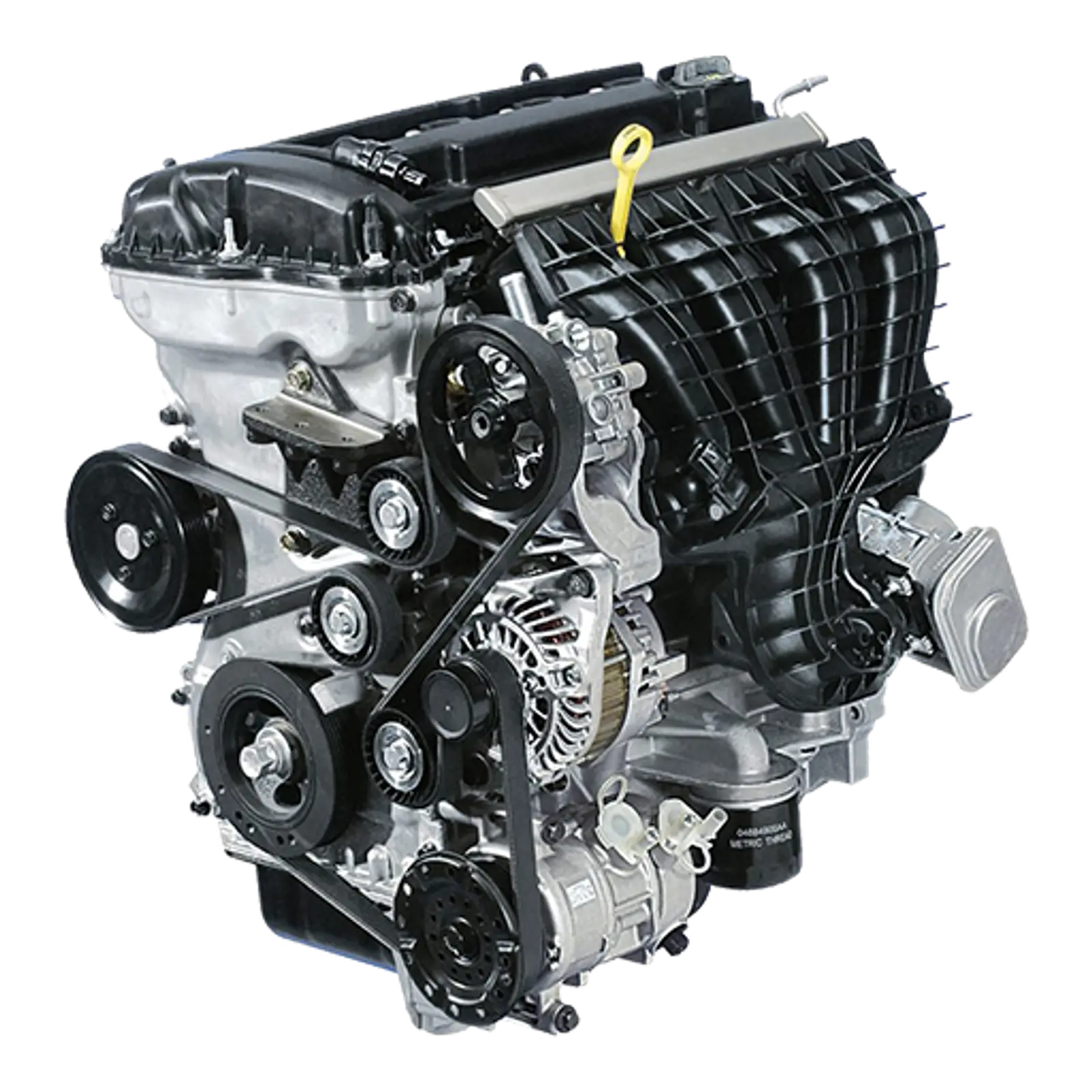
Two litres of hyper-boosted fury. Land Rover’s SD4 engine. There’s a lot going on in the small package
Let’s have a closer look at some of the 2.0-litre diesel engines on the market today, compared to the venerable Toyota 2H, one of the best known under-stressed and reliable diesel engines the 1980s could offer and twice the capacity at 4.0 litres.
Small automotive diesel engines Make Land Rover SD4 (Discovery) Jeep Multijet II (Compass) Ford Panther (Ranger Raptor) Volkswagen (Amarok) Toyota 2H (60/75 Series) Configuration I4 twin turbo I4 turbo I4 twin turbo I4 twin turbo I6 n/a Capacity (l) 2.0 2.0 2.0 2.0 4.0 Power 177kW @ 4000rpm 125kW @ 3750rpm 157kW @ 3750rpm 132kW @ 4000rpm 76kW @ 3500rpm Torque 500Nm @ 1500rpm 350Nm @ 1750rpm 500Nm @ 1750-2000rpm 420Nm @ 1750rpm 241Nm @ 1800rpm Vehicle GVM 2890kg 2189kg 3200kg 3040kg 2760kg
Even Jeep’s relatively underperforming engine offers over 50% more power than the 2H, never mind the near and over 200% power outputs from the Ford and Land Rover engines respectively.
There are some great comments on our blog posts pertaining to engine size … on the one hand, seemingly everyone is angry at the manufacturers for making smaller and smaller engines. “Capacity is king” they chime. On the other hand, dare to mention one of the USA-sourced ‘full size pick-up trucks’ as the yanks call them, and the comments are snide remarks about overcompensation, and how Australia doesn’t need these big vehicles. Well folks, you can’t have your cake and eat it too! Big engines in normal (i.e. HiLux/Ranger etc) dual-cab utes just aren’t going to happen.
The case for modern engines
Why would you want an old diesel dinosaur when you can get seemingly extreme power and torque improvements from much smaller and hence lighter and more efficient engine packages? Do you like keeping up in traffic? Is having ample power available for overtaking worthwhile? Do you like linear power or is turbo lag your thing? These new engines tick a lot of boxes. Reading online it would seem every single engine available today would have a serious reliability problem. How much of that is the ease of communication?
2019 6.7-litre Cummins turbo-diesel from the RAM. It may be large capacity, but just like little engines it has to produce significant power and torque to meet expectations, which means greater internal stresses than the old 1980s equivalents
Diesel dinosaurs or cockroaches?
Sure, after a nuclear disaster destroys the world, the only sound will be scurrying cockroaches and chugging mechanical diesel engines. Yes, older diesels are still common enough, but so are 1930s Fords and there’s seemingly a million or more Hyundai Excels with P plates or grannies getting around. Survival doesn’t always mean superiority! If we look to forums, there are plenty of simple diesels having problems. Owners trying to modernise are the biggest cause, with dodgy turbo installs to try and get some resemblance of performance from them, or expecting a lot more than when they were built. If these engines are so great, why are so many getting modified?
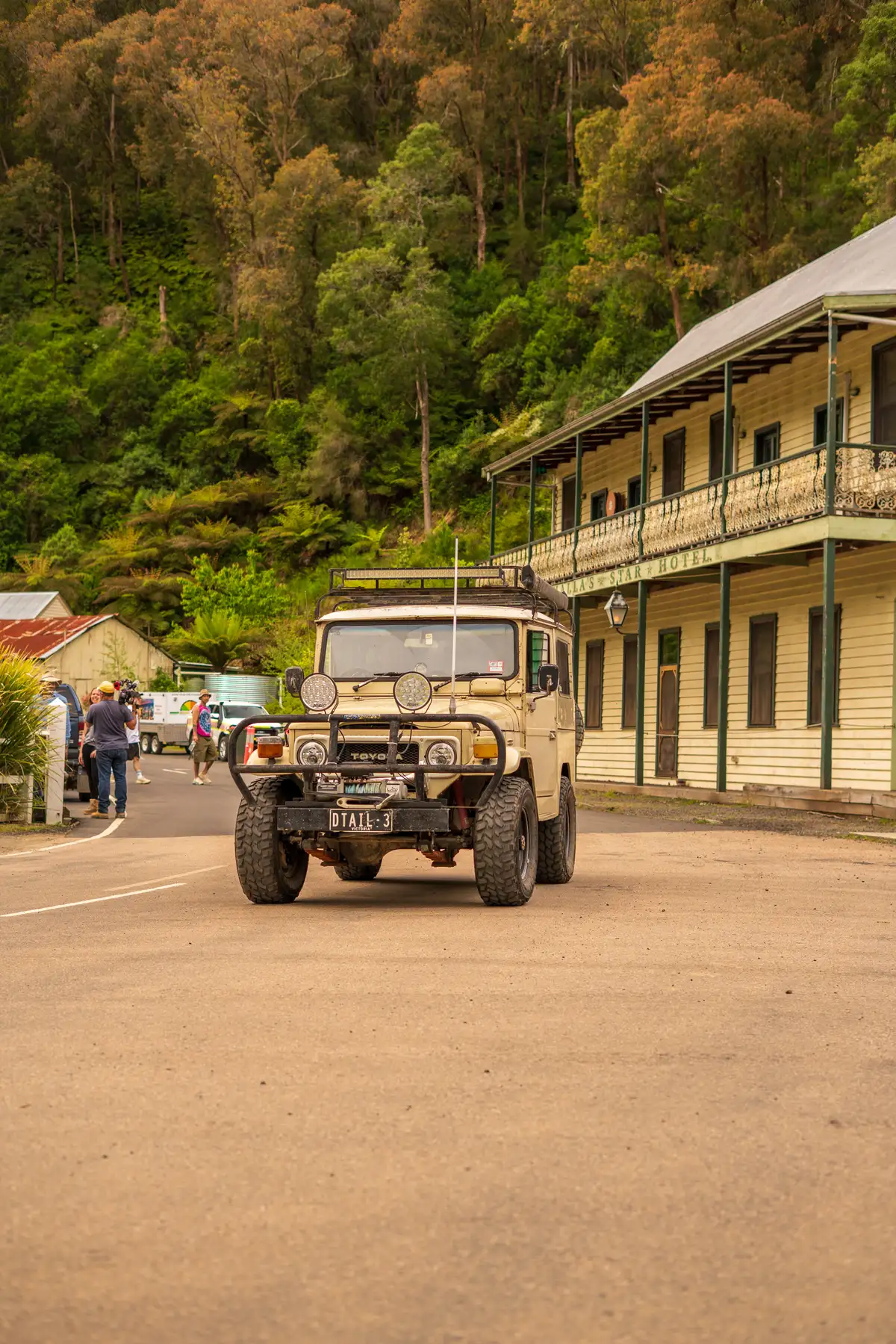
The old 2H, the likes of which we’ll never see again
Reality bites
Which camp are you in? Is capacity king or do you prefer refined high output and efficient engines?
The long and the short of it is, get used to it. Big engines are not ever making a comeback; smaller engines are here to stay until an alternative power source makes diesel power completely obsolete. The motor manufacturers can’t listen to consumers when deafened by regulators.
P.S. I hope there’s plenty more years for my 3.9-litre four-cylinder mechanically injected dinosaurs to come…