
Image
📣 March Offer

Free Roadside Assistance for new 4X4 policies until 31st March 2026

News

More electric vehicles being used in the mines

Article from: Pat Callinan’s 4X4 Adventures You may remember a story we did nigh on 12 months ago with Voltra rolling out fully electric vehicles in the mines. The first lot went to the BHP …

Image
Club 4X4 Insurance
Jun 25 2019

Jun 25 2019

Image

Article from: Pat Callinan’s 4X4 Adventures

You may remember a story we did nigh on 12 months ago with Voltra rolling out fully electric vehicles in the mines. The first lot went to the BHP Olympic Dam fleet as a trial, and it would seem it has passed with flying colours. You’ll see the Voltra e-LV (electric light vehicle) in action below.

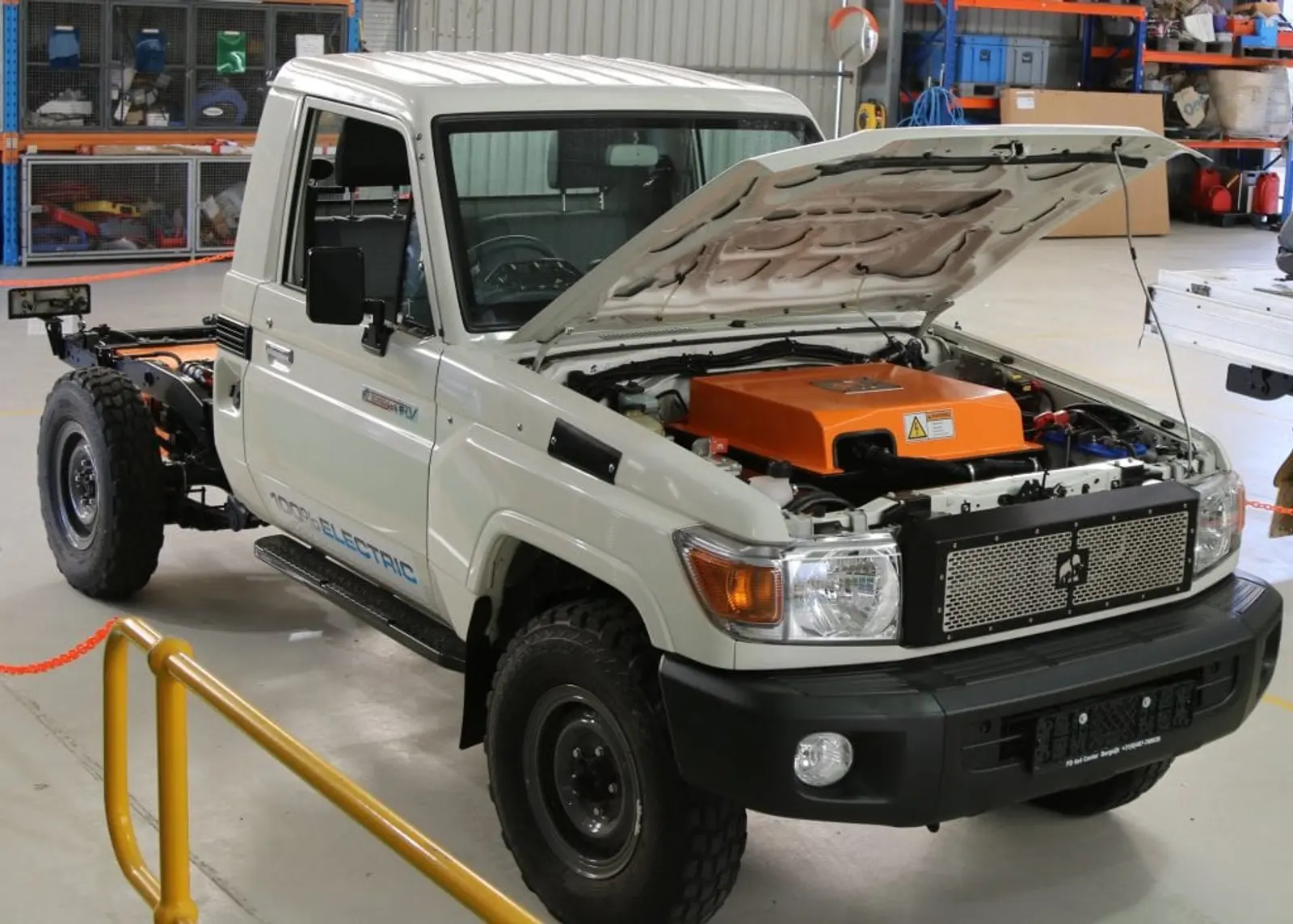
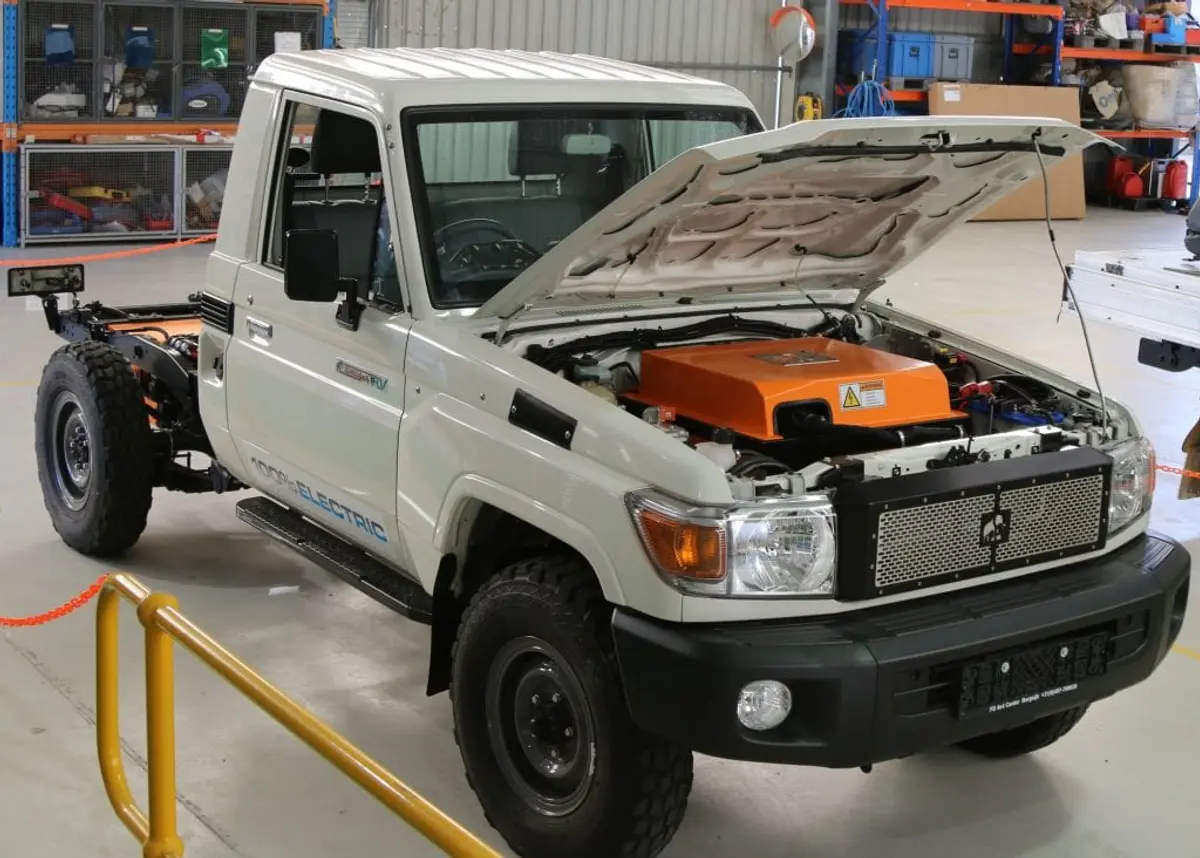
It now seems that more and more electric vehicles are being used in both open cut and underground mining operations, with the first of many electric LandCruisers arriving at GB Auto’s workshop in Orange. The vehicles come from a partnership with Tembo 4×4 e-LV, to design and build EVs for use in underground mining environments.
Image

The new Tembo 4X4 e-LV LandCruiser getting prepped at GB Auto in Orange.

There is continual pressure on the environmental risks of running diesel engines underground, especially health risks to miners. The obvious answer to these issues is the implementation of electric vehicles. Despite many (us included) questioning the usefulness of current-generation electric vehicles for towing three-tonne caravans across the countryside, it would appear that they are quite capable within the mining industry.

As investment into EVs continues, infrastructure will increase, the technology will get better, and in turn, hopefully the range while towing three tonnes of caravan will increase. Time will tell. At least for the moment, the investment is continuing unabated into electric vehicles in the mines.
Image
Club 4X4 Insurance
Blog

Discover other stories

View all

Warm up with weekly articles aimed at adventure

Pat Callinan and his 4X4 Ford F-150 around a campfire in the Outback

Expert Advice

The Off-Grid Power Setup That Can Make or Break Your Remote Trip

When you're travelling far beyond powered campsites, a reliable off-grid power setup isn’t a luxury, but an essential. From battery capacity and solar charging to monitoring and redundancy, here’s how to design a 12-volt system that keeps your fridge cold, your lights on and your trip running smoothly in remote Australia.

Read more  

When you're travelling far beyond powered campsites, a reliable off-grid power setup isn’t a luxury, but an essential. From battery capacity and solar charging to monitoring and redundancy, here’s how to design a 12-volt system that keeps your fridge cold, your lights on and your trip running smoothly in remote Australia.

Pat Callinan's 4X4 and caravan

Expert Advice

The Golden Rules of Off-Road Towing

Off-road towing puts big loads through every part of your vehicle, and if the setup isn’t right, things can unravel quickly. Broken components, poor control, and near-miss moments usually come back to the same few fundamentals. Get those right, and towing in the bush becomes predictable, controlled, and far more enjoyable.

Read more  

Off-road towing puts big loads through every part of your vehicle, and if the setup isn’t right, things can unravel quickly. Broken components, poor control, and near-miss moments usually come back to the same few fundamentals. Get those right, and towing in the bush becomes predictable, controlled, and far more enjoyable.

Josh from Adventure Intel Australia filling up his Ford Ranger at a service station in the Outback

Expert Advice

Planning Fuel Stops for Remote Area Travel

Fuel planning for remote travel doesn’t need to be complicated, but it does need to be conservative. It’s about understanding your real-world consumption, knowing how far you can comfortably travel, allowing a buffer, and choosing fuel-carrying solutions that are simple and easy to live with.

Read more  

Fuel planning for remote travel doesn’t need to be complicated, but it does need to be conservative. It’s about understanding your real-world consumption, knowing how far you can comfortably travel, allowing a buffer, and choosing fuel-carrying solutions that are simple and easy to live with.

View all