Log in to our new Customer Portal

24/7 access to your policy, documents and claims

News

KEEPING DUST OUT OF YOUR 4X4

Dust is an iconic part of the Australian road trip. Coming home to a vehicle covered in red dust is the expectation and usually something that keeps finding its way into cracks months after you’ve …

Image
Club 4X4 Insurance
Mar 28 2018

Mar 28 2018

Image

Dust is an iconic part of the Australian road trip. Coming home to a vehicle covered in red dust is the expectation and usually something that keeps finding its way into cracks months after you’ve finished your trip.

But you really don’t want dust inside your vehicle.

There are two really simple methods to keeping dust out of your vehicle – new or old.

PRESSURISING THE INSIDE

New vehicles generally have much better seals than older vehicle, so you’re already ahead if you’ve got a newer vehicle, but in the fight against dust, take every advantage you can get! If you’ve got a ute with a canopy or an older vehicle pressurising your interior space will make a huge difference.

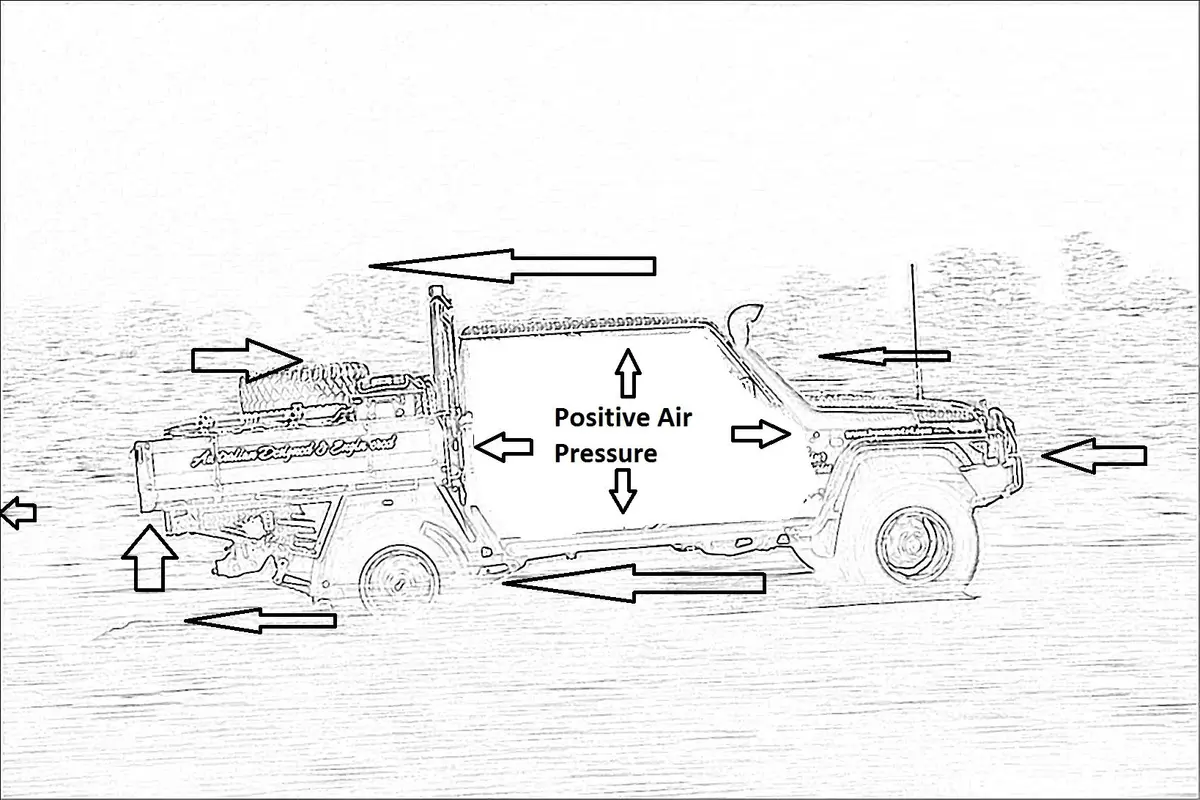
Pressurising the interior of your vehicle can be done via a number of ways.
outback2_sketch - Copy

outback2_sketch - Copy

Air conditioning

Keep all your windows and doors closed and turn your aircon/heat up night and high (fan speed) without re-circulation on. This will force fresh air into your vehicle ensuring positive pressure inside the vehicle which will stop the dust being sucked in.

Canopy sliding windows
sliding window ironman 4x4 canopy

sliding window ironman 4x4 canopy

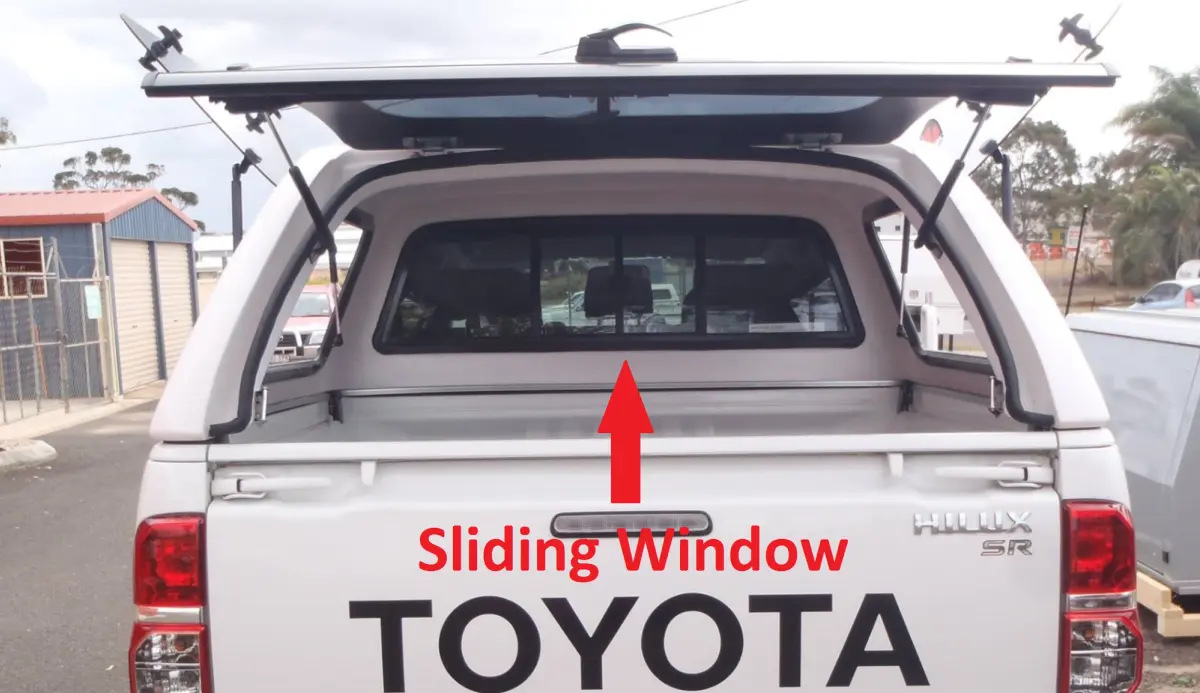
Similar to the interior of your vehicle canopies including those with tubs have sealing issues – especially around the tailgates and hinges. Tub liners and a well fitted canopy will minimise gaps, but it’s important to still positively pressurise the interior. Opening the sliding windows at the rear of the canopy (built into all Ironman 4×4 canopies) by the rear of the cab will ensure fresh air is being sucked into the canopy and creating that positive air pressure that you want. It may seem counter intuitive leaving a window open that can take in dust – but if you’re leaving enough space so you aren’t in the dust cloud of the vehicle in front of you, the window should be high enough to remain dust free and the positive pressure will ensure dust isn’t being sucked in at lower points like the tailgate.

GIVE SOME SPACE
French-Line-Convoy-w1920

French-Line-Convoy-w1920

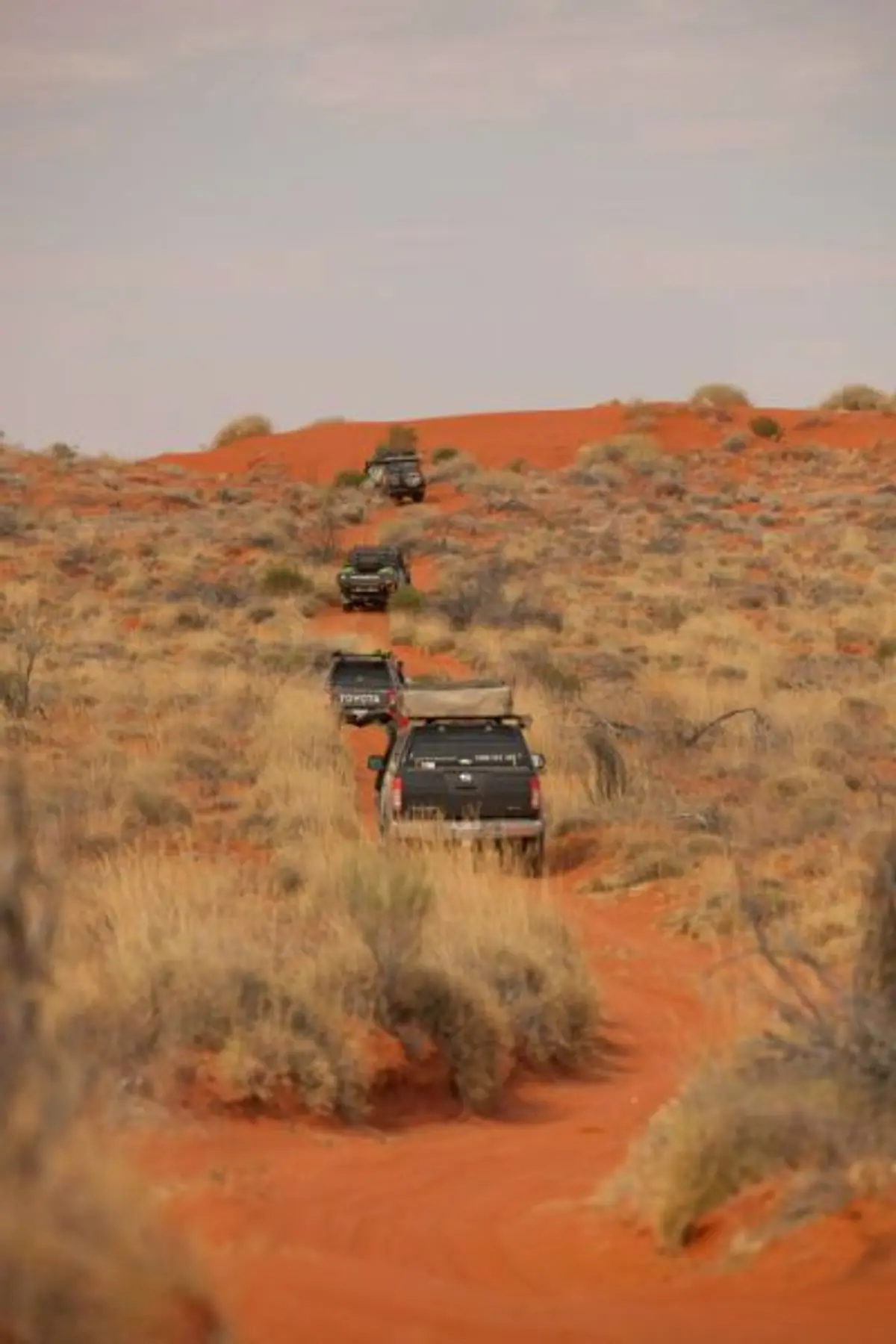
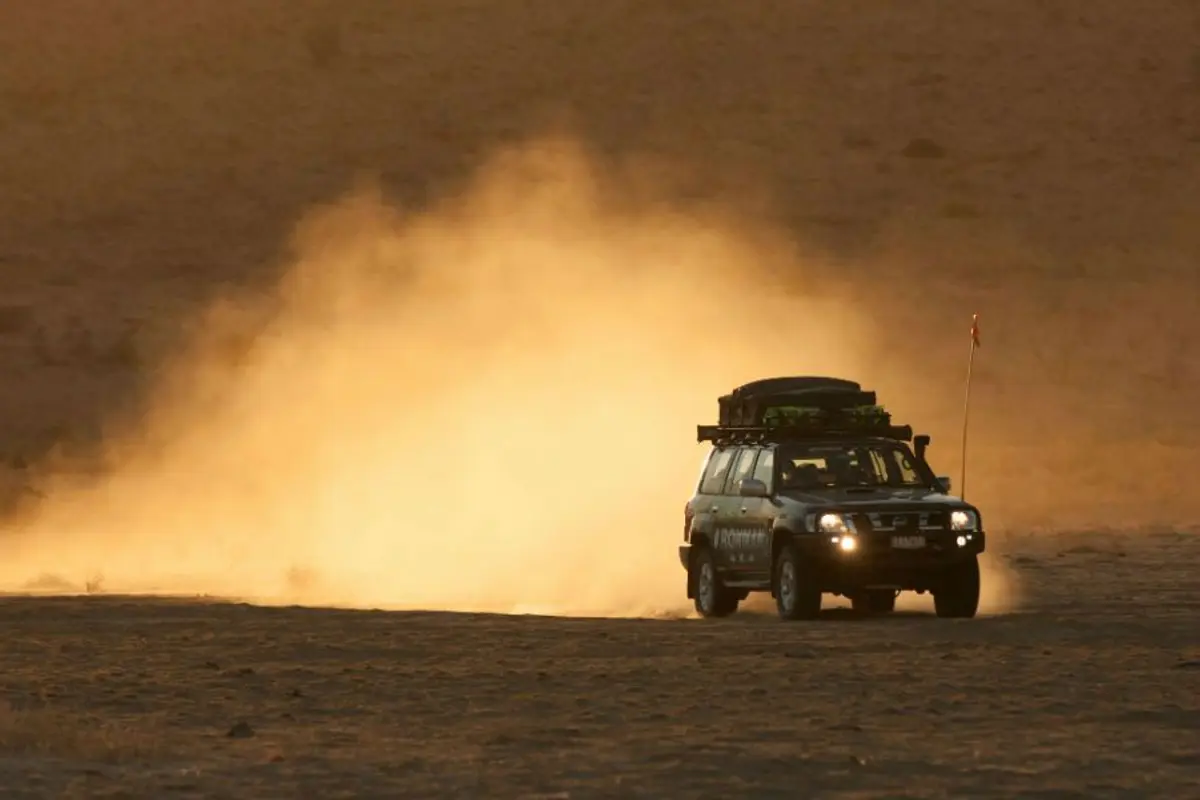
Driving in convoy is excellent for safety – but you don’t need to be right up the backside of the vehicle in front. Use your radios to maintain communication and provide plenty of space between vehicles to ensure you aren’t driving through their dust cloud and have plenty of opportunity to stop in case of an emergency. Plus you have the added benefit of avoiding any stray rocks or debris that might be thrown up by their wheels as well!
Dusty-Sunset-Patrol-w1920

Dusty-Sunset-Patrol-w1920

Article from Ironman4x4

Image
Club 4X4 Insurance
Blog

Discover other stories

View all

Warm up with weekly articles aimed at adventure

First aid kit laid out for remote 4WD travel

Expert Advice

4WD First Aid Kit Checklist: What to Carry for Outback and Remote Travel

The kit that came with the car is built for a world where the ambulance is ten minutes away. Here's what a real 4WD first aid kit needs for remote travel: the base checklist, the snake bite gear most kits skimp on, the remote-area extras, and where to keep it so you can actually find it.

Read more  

The kit that came with the car is built for a world where the ambulance is ten minutes away. Here's what a real 4WD first aid kit needs for remote travel: the base checklist, the snake bite gear most kits skimp on, the remote-area extras, and where to keep it so you can actually find it.

Tyre pressure monitoring system sensor on a 4WD tyre valve

Expert Advice

Tyre Pressure Monitoring Systems for 4WDs and Caravans: Do You Need One and How to Choose

A factory TPMS only watches the four tyres on your 4WD. If you tow or drive remote tracks, an aftermarket system is the one accessory that tells you about a failing tyre before it takes the wheel arch with it. Here's how they work, internal versus external sensors, and what to look for when you buy.

Read more  

A factory TPMS only watches the four tyres on your 4WD. If you tow or drive remote tracks, an aftermarket system is the one accessory that tells you about a failing tyre before it takes the wheel arch with it. Here's how they work, internal versus external sensors, and what to look for when you buy.

A 4WD towing a caravan on an outback track in Australia

Expert Advice

DC to DC Charger Explained: What It Does, Whether You Need One and How to Choose

If your 4WD is newer than about 2012 or you run a lithium battery, a plain isolator will never fully charge your second battery. Here's what a DC to DC charger does, how to size it, where it goes and the wiring mistakes that cost people their charge rate.

Read more  

If your 4WD is newer than about 2012 or you run a lithium battery, a plain isolator will never fully charge your second battery. Here's what a DC to DC charger does, how to size it, where it goes and the wiring mistakes that cost people their charge rate.

View all