Log in to our new Customer Portal

24/7 access to your policy, documents and claims

News

HOW TO: THE TRUCKIE’S HITCH

When it comes to securing your gear safely and securely, you need to know a failsafe method of tying it down with some rope. So we thought we’d show you one of the handiest and most …

Image
Club 4X4 Insurance
May 29 2018

May 29 2018

Image

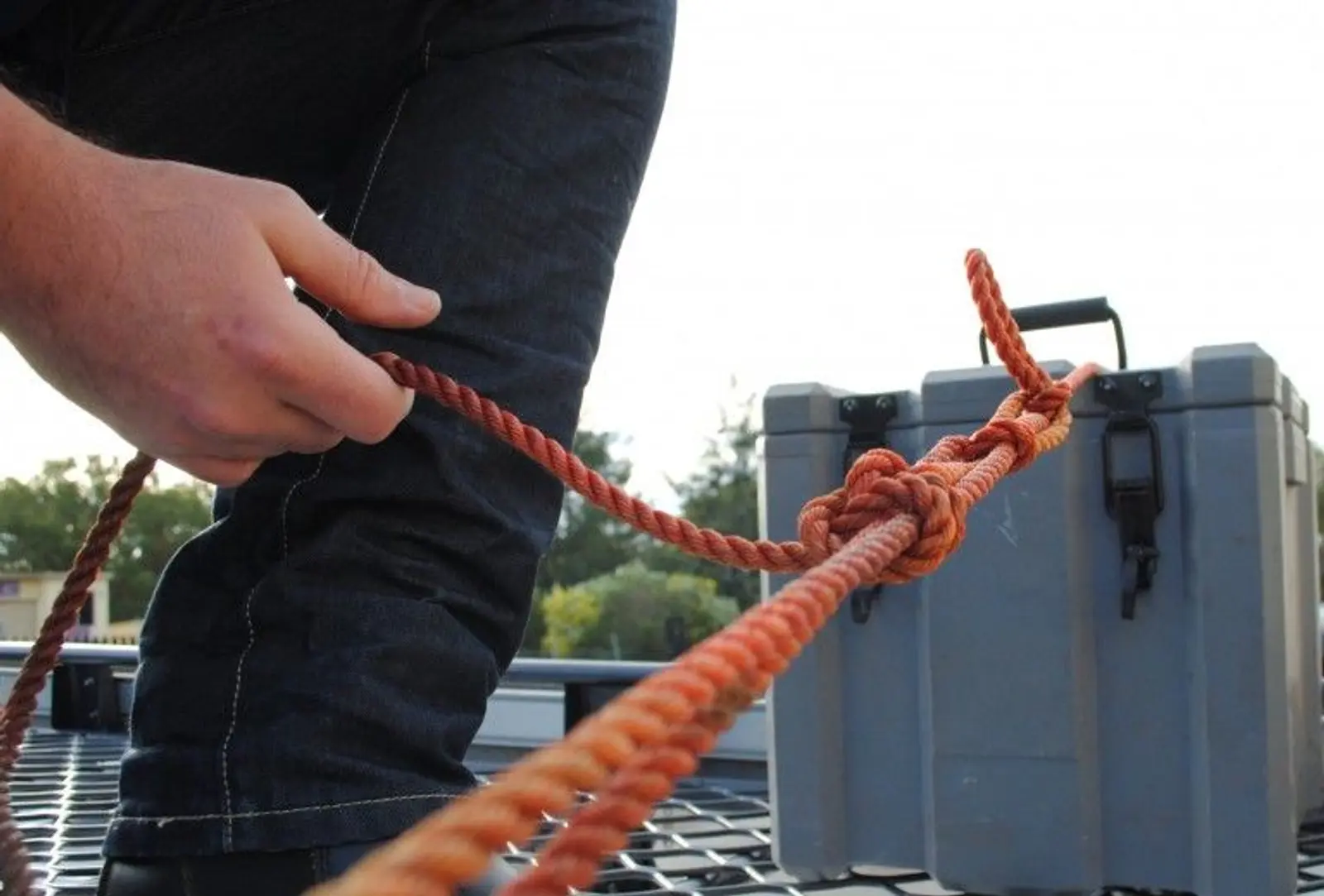
When it comes to securing your gear safely and securely, you need to know a failsafe method of tying it down with some rope. So we thought we’d show you one of the handiest and most versatile knots in the business: the venerable Truckies Hitch.
DSC_1757-768x514

DSC_1757-768x514

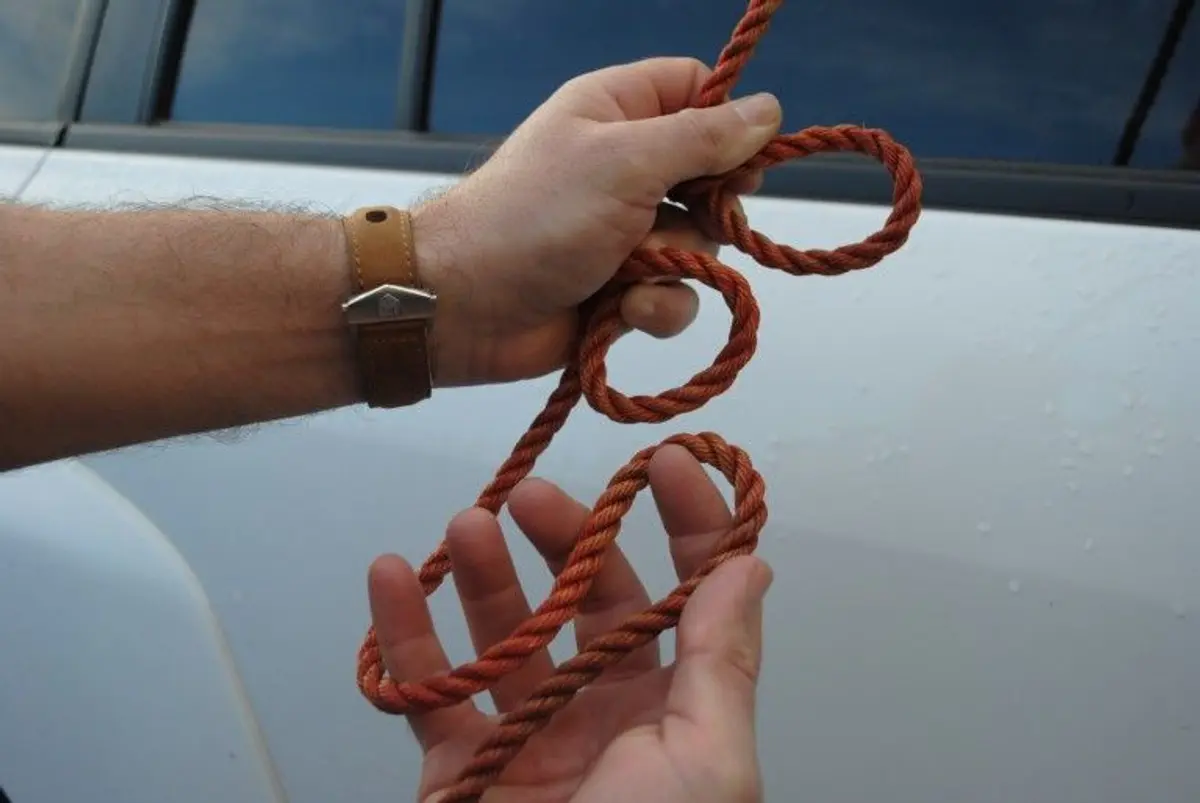
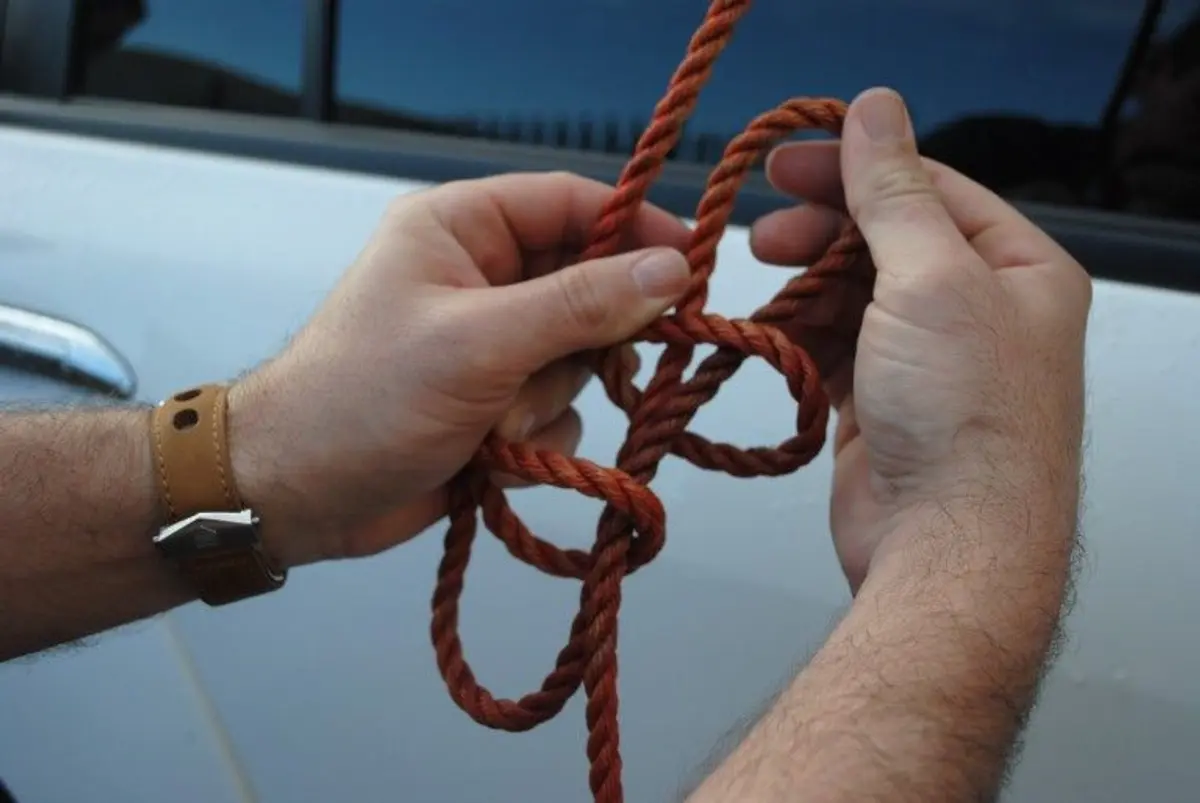
1. Secure your rope at one end. Now make two loops in the rope. Double the rope over just beneath these two loops
DSC_1759-768x514

DSC_1759-768x514

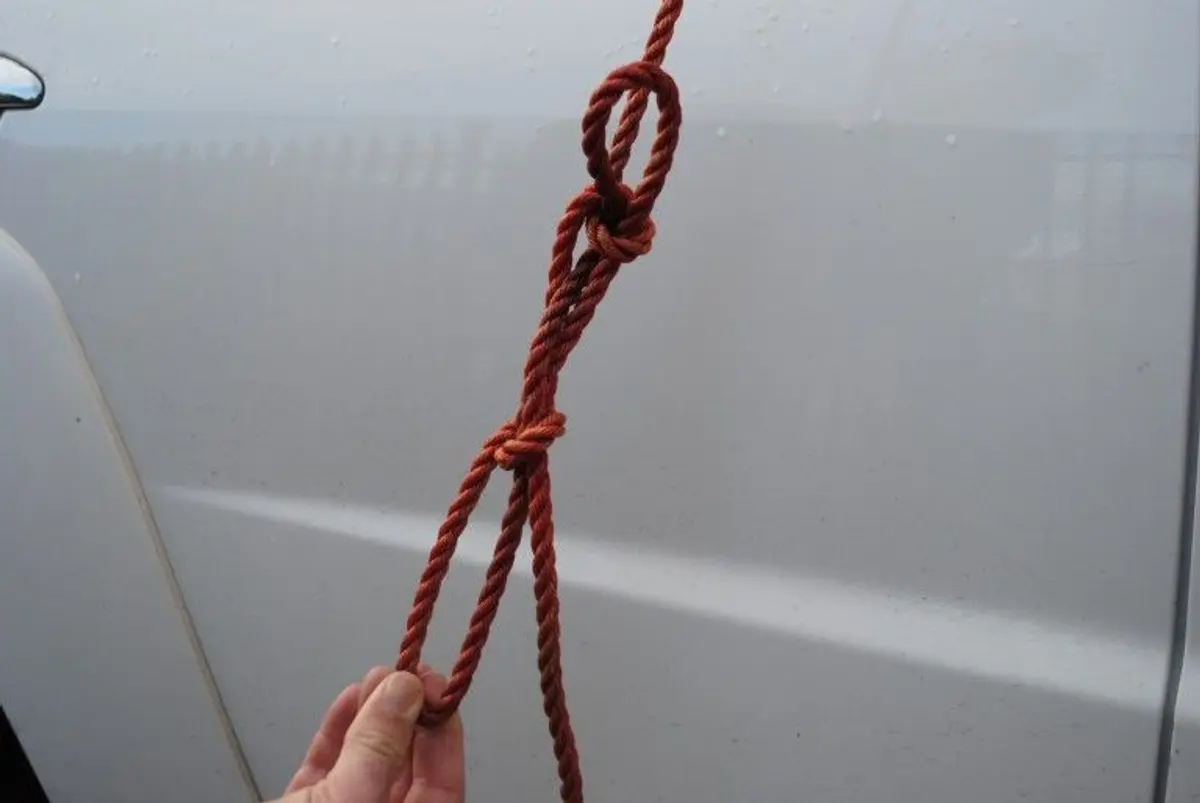
2. Feed the doubled section up through your two loops
DSC_1765-768x514

DSC_1765-768x514

3. Hold the newly formed top loop in one hand and pull the bottom loop to tighten the slippery hitch

DSC_17761-768x514

DSC_17761-768x514

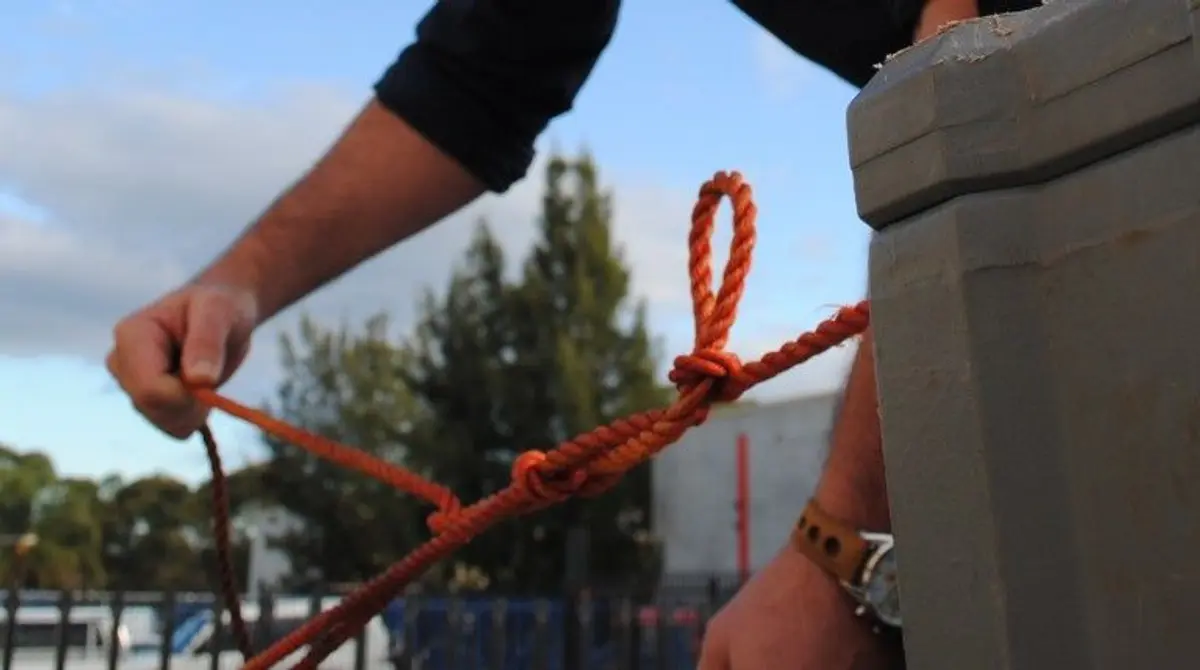
4. Run the tag end of the rope around an anchor point and thread it back through the bottom loop of your slippery hitch
DSC_1780-768x429

DSC_1780-768x429

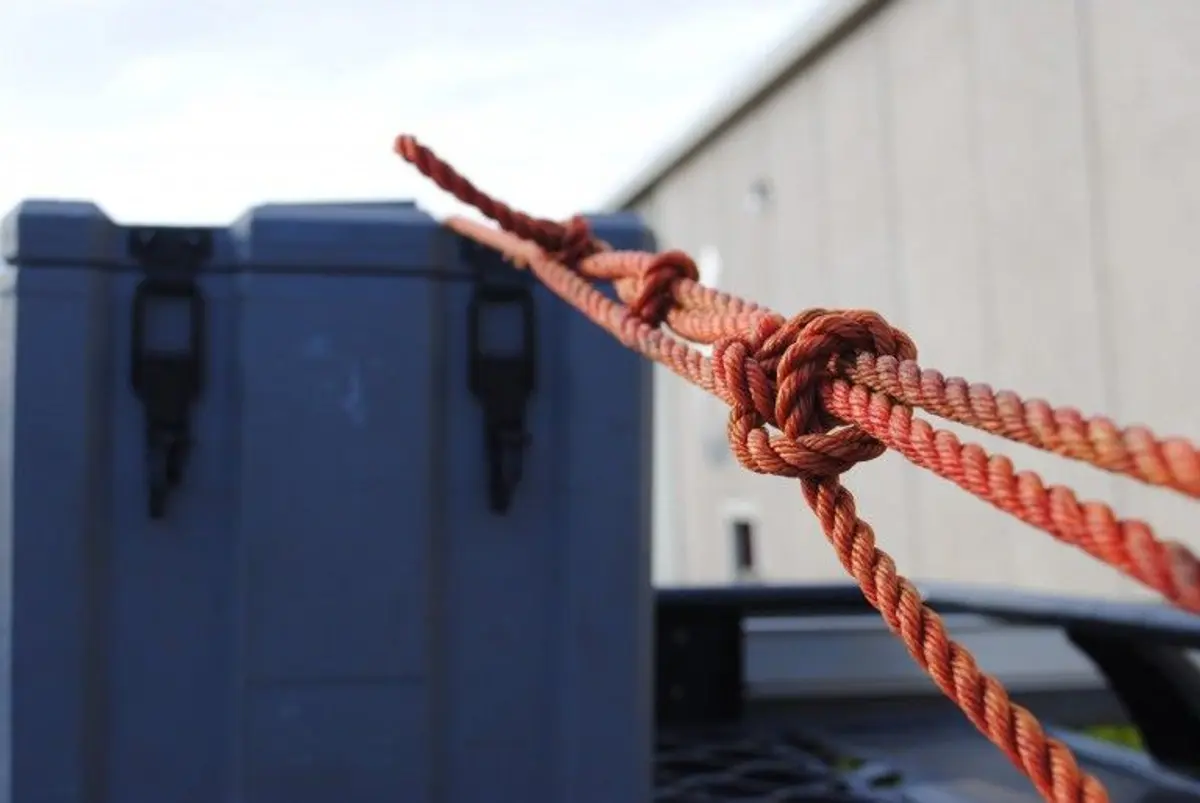
5. Pull the tag end as tight as you can (put your entire body weight into it if possible) and hold the tightened rope in place at the loop
DSC_1787-768x514

DSC_1787-768x514

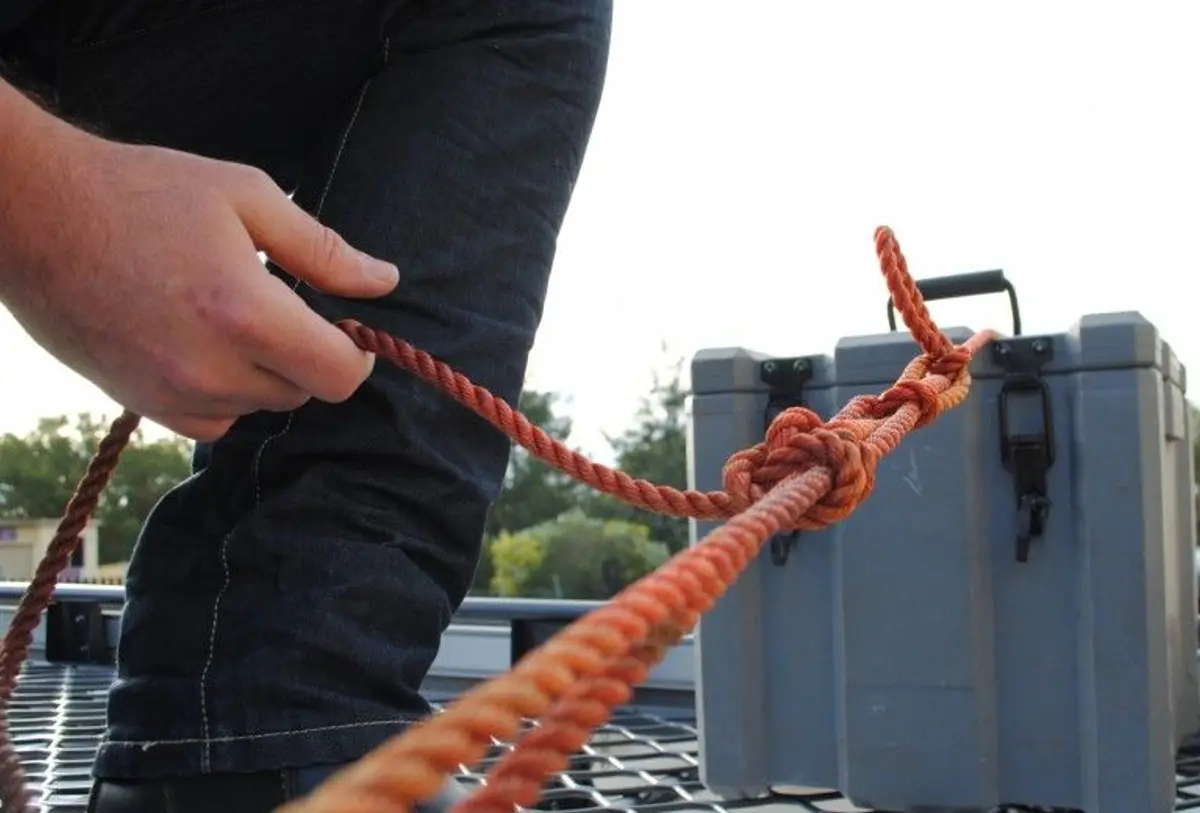
6. Run a couple of half hitches over the rope to hold the knot in place.
DSC_17851-768x520

DSC_17851-768x520

The beauty of this type of slippery hitch is that it will hold secure with any sort of rope (including hemp and nylon) without coming loose and will easily come undone without binding with a simple tug on either end when we’re ready to pull our space case off our roof.

NB:

There are heaps of types of hitches you can tie which will do the job, as long as it forms a secure loop in your rope. We just like this one as it will come undone without binding with all types of rope

Article from mr4x4

Image
Club 4X4 Insurance
Blog

Discover other stories

View all

Warm up with weekly articles aimed at adventure

First aid kit laid out for remote 4WD travel

Expert Advice

4WD First Aid Kit Checklist: What to Carry for Outback and Remote Travel

The kit that came with the car is built for a world where the ambulance is ten minutes away. Here's what a real 4WD first aid kit needs for remote travel: the base checklist, the snake bite gear most kits skimp on, the remote-area extras, and where to keep it so you can actually find it.

Read more  

The kit that came with the car is built for a world where the ambulance is ten minutes away. Here's what a real 4WD first aid kit needs for remote travel: the base checklist, the snake bite gear most kits skimp on, the remote-area extras, and where to keep it so you can actually find it.

Tyre pressure monitoring system sensor on a 4WD tyre valve

Expert Advice

Tyre Pressure Monitoring Systems for 4WDs and Caravans: Do You Need One and How to Choose

A factory TPMS only watches the four tyres on your 4WD. If you tow or drive remote tracks, an aftermarket system is the one accessory that tells you about a failing tyre before it takes the wheel arch with it. Here's how they work, internal versus external sensors, and what to look for when you buy.

Read more  

A factory TPMS only watches the four tyres on your 4WD. If you tow or drive remote tracks, an aftermarket system is the one accessory that tells you about a failing tyre before it takes the wheel arch with it. Here's how they work, internal versus external sensors, and what to look for when you buy.

A 4WD towing a caravan on an outback track in Australia

Expert Advice

DC to DC Charger Explained: What It Does, Whether You Need One and How to Choose

If your 4WD is newer than about 2012 or you run a lithium battery, a plain isolator will never fully charge your second battery. Here's what a DC to DC charger does, how to size it, where it goes and the wiring mistakes that cost people their charge rate.

Read more  

If your 4WD is newer than about 2012 or you run a lithium battery, a plain isolator will never fully charge your second battery. Here's what a DC to DC charger does, how to size it, where it goes and the wiring mistakes that cost people their charge rate.

View all