Win $30,000 of mods for your 4WD

Comp ends July 6th

Image

News

Gator Jaw Synthetic Shackles

We’ve all been doing it for as long as we can remember. Somebody gets stuck; you roll out the snatch strap, connect it to the bogged fourby and the recovery vehicle using a couple of …

Image
Club 4X4 Insurance
Oct 21 2016

Oct 21 2016

Image

We’ve all been doing it for as long as we can remember. Somebody gets stuck; you roll out the snatch strap, connect it to the bogged fourby and the recovery vehicle using a couple of rated shackles and complete the recovery. It’s the way it’s been done since Willys Jeeps were still available off showroom floors.

The problem is, if a recovery point lets go or the shackle has been incorrectly attached you’ve now got a heavy piece of steel flying through the air at a speed only a little slower than a bullet. People have tragically lost their lives or sustained horrific injuries this way. It’s why we keep beating on the ‘safety first’ drum here at Unsealed 4X4.

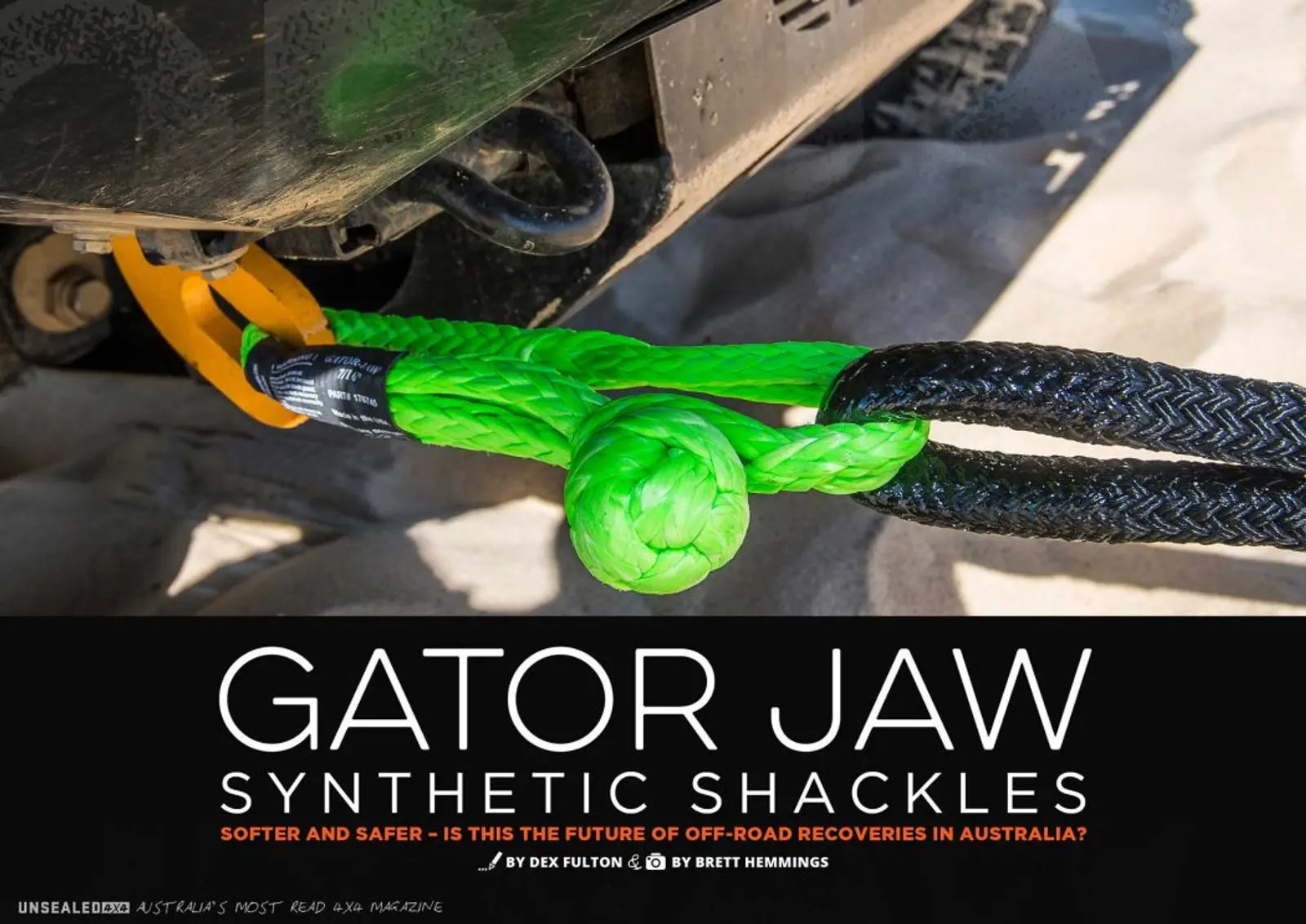
So when American company Bubba Rope wanted to send us out some of their award-winning Gator Jaw soft shackles, we were immediately interested in seeing how they work compared to the tried and true 4.5T rated bow shackles in our recovery kit. First impressions were a little off-putting. “This thing’s going to snap like a postal worker – it weighs less than a helium-filled balloon.”

But we were so wrong.

Sure, the Gator Jaw is light. It actually floats – handy for when you’re doing a water or mud recovery; but it’s made from Plasma rope which is one of the highest-strength synthetic ropes available. The ones we used are actually rated to 32,000lbs, or just over 14.5T for those of us who aren’t slaves to an outdated measurement system (sorry America but you know it’s true)… so they’re not lacking in the strength department. But still, how would they go in a real-world recovery?

Pretty bloody good, actually. They’re opened by slipping the spliced loop over the knot and then simply pulled tight once it’s been threaded through the recovery point. No pins to fasten, no chunk of metal to potentially become a lethal missile; and they can easily be washed and air-dried along with your snatch straps. They just felt safer too, during the recovery. We did a couple of decent pulls on a fully-loaded 150 Prado going uphill on a soft sand dune and the Gator Jaws still looked brand new. They’re designed to take the load without stretching and given that our American cousins use these things to recover their ‘muddin’ trucks’ that usually attack mudholes the size of Tasmania on tyres that start at the 44in diameter mark, I think it’s safe to assume they work.

The only thing I’d do is probably look at running a rubber grommet through my recovery point holes to reduce the wear and tear on the rope… but that’s me.

Personally, I think they’re an excellent invention and represent a significant leap forward in the safe-recovery stakes. They cost a bit more than an equivalent steel shackle, but when you consider that they’re actually stronger, they weigh less, they won’t clink around noisily in your recovery bag and they’ll fit any recovery point (no matter how small or fiddly to get to), I reckon it’s money well spent.

GATOR JAW SYNTHETIC SHACKLE AVAILABLE FROM

bubbarope.com

PRICE

$42.99 (USD) doesn’t include Shipping

BREAKING STRENGTH

32,000lb

ROPE DIAMETER

7/16in (11mm)

Source: Unsealed4x4

Image
Club 4X4 Insurance
Blog

Discover other stories

View all

Warm up with weekly articles aimed at adventure

Toyota LandCruiser 70 Series driving in the Outback

Reviews & Comparisons

Best LandCruiser Engine in 2026: Which One is Right for You?

The LandCruiser name has been earned the hard way, forged across Australia’s harshest tracks and most remote country. While the badge gets the recognition, it’s the engines that built the legacy. The best choice comes down to how you use your 4WD, whether that’s crossing the Simpson, towing a van up the coast, or running a reliable daily that’s ready for the weekend.

Read more  

The LandCruiser name has been earned the hard way, forged across Australia’s harshest tracks and most remote country. While the badge gets the recognition, it’s the engines that built the legacy. The best choice comes down to how you use your 4WD, whether that’s crossing the Simpson, towing a van up the coast, or running a reliable daily that’s ready for the weekend.

A family of 3 in front of their modified Toyota LandCruiser

Expert Advice

The Mods That Changed the Way We Travel

Seven years, three tow vehicles and more than 200,000km on the road have a way of sorting the useful mods from the show pony gear. This guide runs through the 4x4 upgrades that genuinely changed how we travel, from suspension and GVM to recovery gear, storage, power and the little bits of kit you only fully appreciate when things go sideways.

Read more  

Seven years, three tow vehicles and more than 200,000km on the road have a way of sorting the useful mods from the show pony gear. This guide runs through the 4x4 upgrades that genuinely changed how we travel, from suspension and GVM to recovery gear, storage, power and the little bits of kit you only fully appreciate when things go sideways.

Mitsubishi Pajero off-road on a muddy track

Reviews & Comparisons

Mitsubishi Pajero Review: The Legendary 4X4 That Still Delivers

It’s been a few years since the Pajero left the showroom floor, but out on the tracks, it hasn’t gone anywhere. You’ll still find them pushing through sand, climbing rocky lines, and towing heavy setups across the country. So what is it about this old-school 4WD that keeps it relevant in 2026? Dive in to see where it still delivers, and where it shows its age.

Read more  

It’s been a few years since the Pajero left the showroom floor, but out on the tracks, it hasn’t gone anywhere. You’ll still find them pushing through sand, climbing rocky lines, and towing heavy setups across the country. So what is it about this old-school 4WD that keeps it relevant in 2026? Dive in to see where it still delivers, and where it shows its age.

View all