

Evolution and continual innovation in the automotive industry have over time seen the adoption of driver-assist features like ABS, Adaptive Cruise Control, Blind Spot Detection and Lane Change Assist become common-place. Vehicle safety has never been more important, effective or attractive.
And over the last few years, the term Autonomous Emergency Braking, or AEB, has been referenced by manufacturers with regards to new makes and models of vehicles on the market.
But what does AEB actually do, and is it going to impact your next choice of tow vehicle?
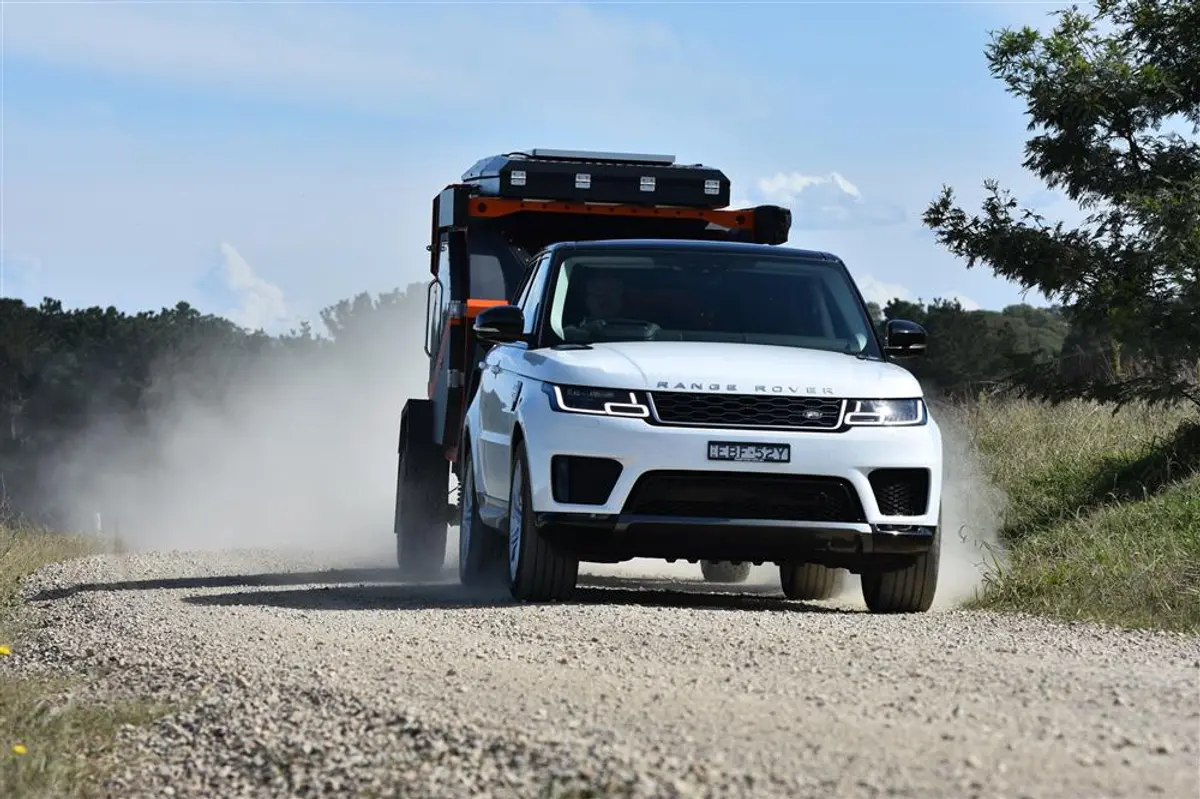
What is AEB?
Automatic Emergency Braking (AEB) is an onboard sensor system in most new vehicles that can detect a potential accident or crash, and aims to avoid or reduce the likelihood of impact.
AEB features audio and visual alerts to notify the driver that there is a possibility of impact and that corrective action is required. If the driver’s response is not deemed sufficient, the AEB system may automatically apply the vehicle brakes to assist in preventing or reducing the severity of the impact by using the maximum braking capacity of the vehicle.
AEB can utilise high specification cameras or radar systems to measure the distance between your vehicle and any objects in front of it and reacts if that distance begins to decrease at a significant speed.
Benefits of Autonomous Emergency Braking
Using cutting-edge sensor technology, AEB has the capacity to react faster than a human’s natural reaction speed. And as driving conditions and environments can change in an instant, in most cases AEB can begin to function well before a driver has even begun to process and asses a potential risk.
To accommodate for the various types of road and driving conditions that can be experienced, there are three different systems of AEB available to accommodate for any scenario; low speed, high speed and pedestrian detection.

Low speed is designed for city driving and can detect other vehicles in front of your car to prevent most common, bumper related crashes.
High-speed AEB systems work as you would expect, at higher speeds; it detects potential obstacles up to 200m’s ahead and can also help the driver ensure a safe distance behind the vehicle in front.
The final AEB system function is tailored more toward pedestrians. This monitors pedestrian’s movement in relation to the vehicle and applies appropriate braking should a pedestrian or object move into the path of the vehicle.
Does Autonomous Emergency Braking affect towing?
Drivers of vehicles installed with AEB will find that there are some distinct differences when it comes to towing a trailer, caravan or camper trailer. This is likely to be experienced with regards to increased stopping distances caused by the additional heavy load.
This doesn’t mean that the AEB won’t function as desired, more so that rather than ensuring complete avoidance of impact there’s more likely a chance that vehicle speed will be reduced, and so too will the impact force should a collision be unavoidable.
Stopping distances are also likely to be increased during AEB events, where the system may only be able to limit damage rather than avoiding it completely.
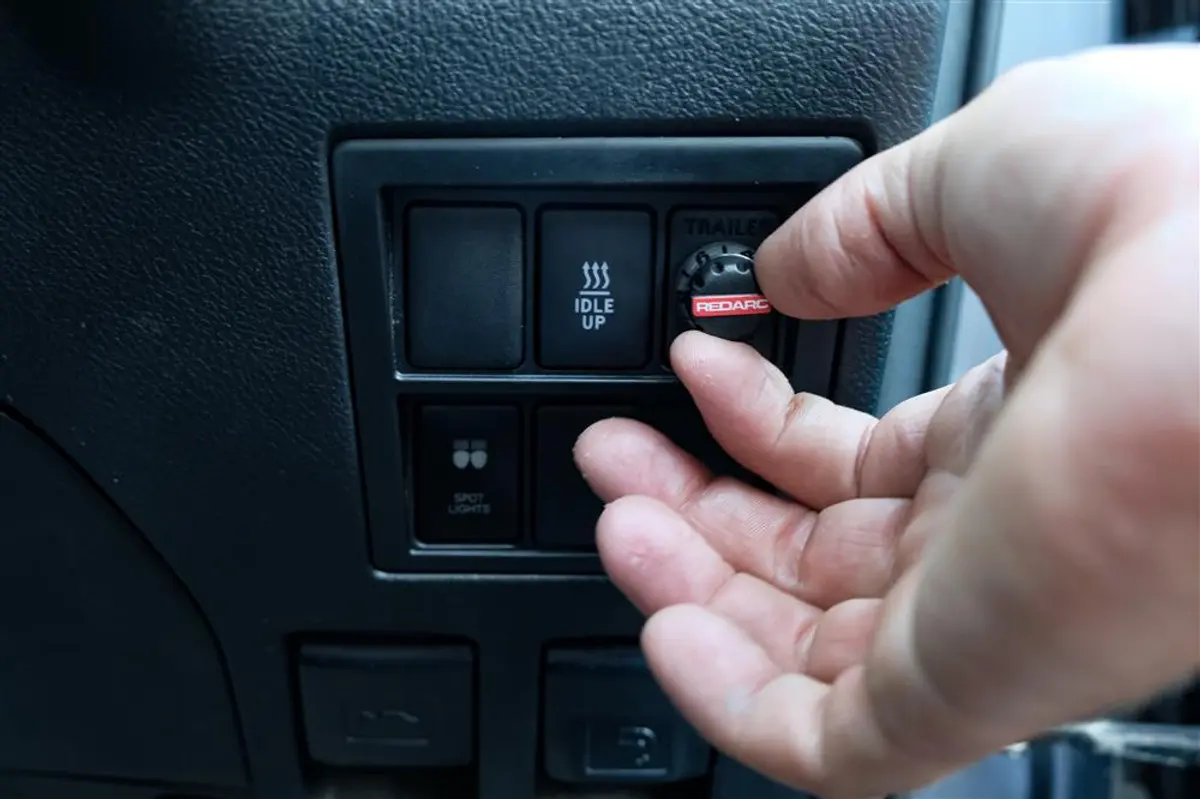
That risk is further mitigated by the installation of a highly adaptable electric trailer brake controller like the market-leading Tow-Pro Elite. This brake controller has been extensively tested and integrates with all modern vehicle technology. And when coupled with the introduction of REDARC’s Encapsulated Protection Device, which has been specifically designed and engineered to reduce the risk of interference with vehicle’s onboard systems when using electric brakes, means that your vehicle is further supported to ensure the safest towing experience possible.
Autonomous Emergency Braking is available with many newer vehicles and is not available as an aftermarket accessory. To find out what vehicles are fitted with AEB or for more information about its features visit How Safe Is Your Car.