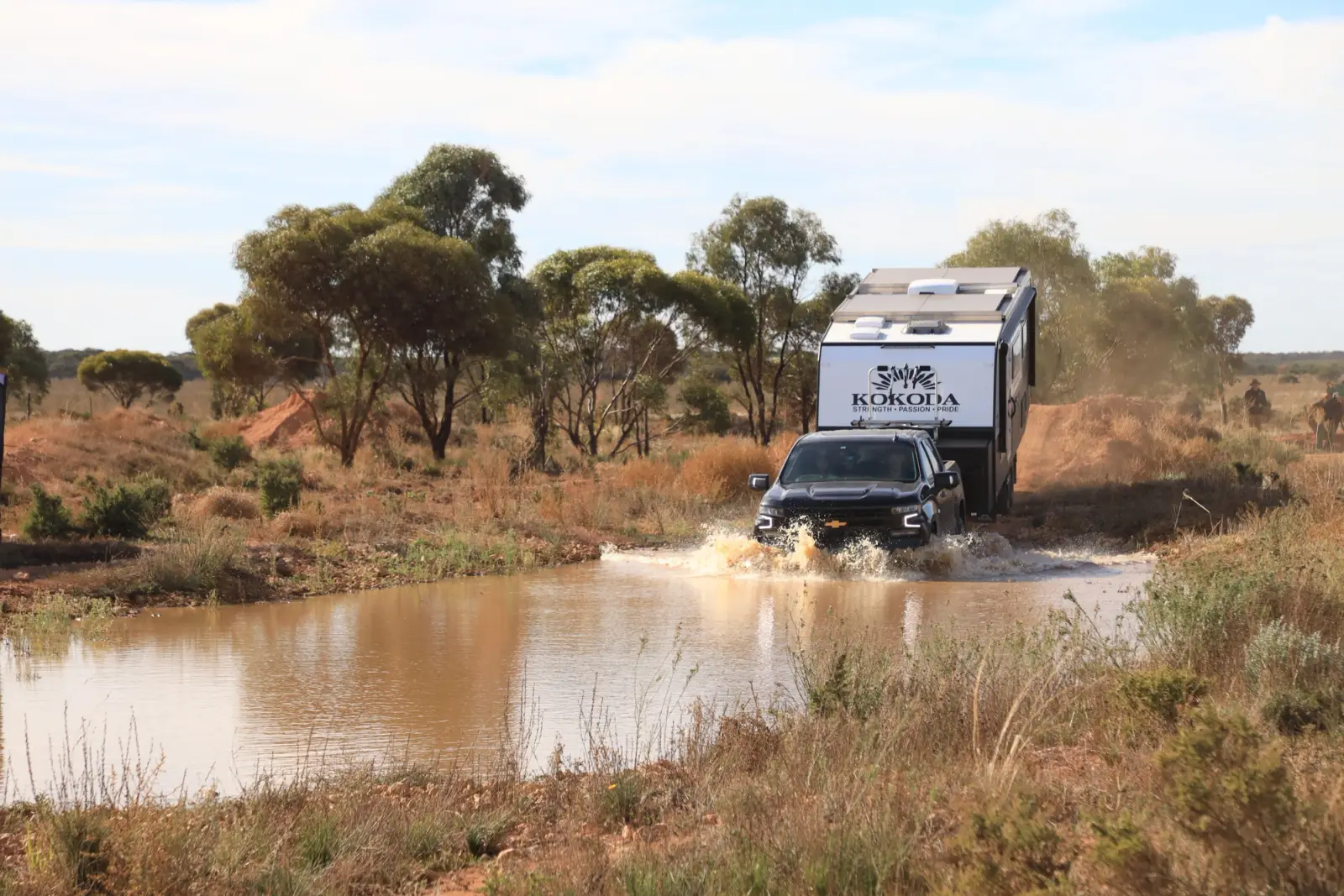
Off-road towing through water crossings can be an exhilarating yet challenging experience. Remember, safety always comes first, so never hesitate to turn back if a crossing seems too risky. With the right approach, you can make a splash on your off-road excursions without sinking your spirits! This week's tip & trick focuses on safely tackling water crossings while towing.
Tough Tested is a TV show that subjects caravans & camper trailers to accelerated torture testing to assess durability over a lifetime of off-road towing. Club 4X4 Insurance are the naming rights sponsor of Season 2, promoting safe off-road adventures through a series of towing tips.
See The Tip!
1. Scout the Crossings
Before attempting any water crossing, take a walk through it first. Carefully assess the depth, current (if its flowing) and the composition of the base surface. This can give you valuable insights into the challenges you might face. Keep an eye out for any hidden obstacles, submerged rocks, or sudden drop-offs that could catch you off guard. Familiarizing yourself with the crossing beforehand will significantly increase your chances of navigating it safely.
2. Macca's Tip: Polarized Sunglasses Are Your Friend!
When it comes to water crossings, visibility is paramount. Polarized sunglasses can be a game-changer. Not only do they reduce glare, but they also offer a clear view of what's underwater. This can help you spot potential hazards and obstacles beneath the water's surface. A clear view can make a big difference in confidently navigating through the crossing, ensuring you make informed decisions every step of the way.
3. Know Where Your Air Intakes and Water Ingress Points Are
Understanding the anatomy of your towing setup is crucial. Know where the air intake is on your vehicle to prevent water from entering the engine. This is typically located higher up in the engine bay, but it's essential to double-check. Similarly, identify any water ingress points on both your trailer and tow vehicle. These could include vulnerable areas where water might seep in. Properly sealing these points or avoiding submersion can prevent potential damage and costly repairs.
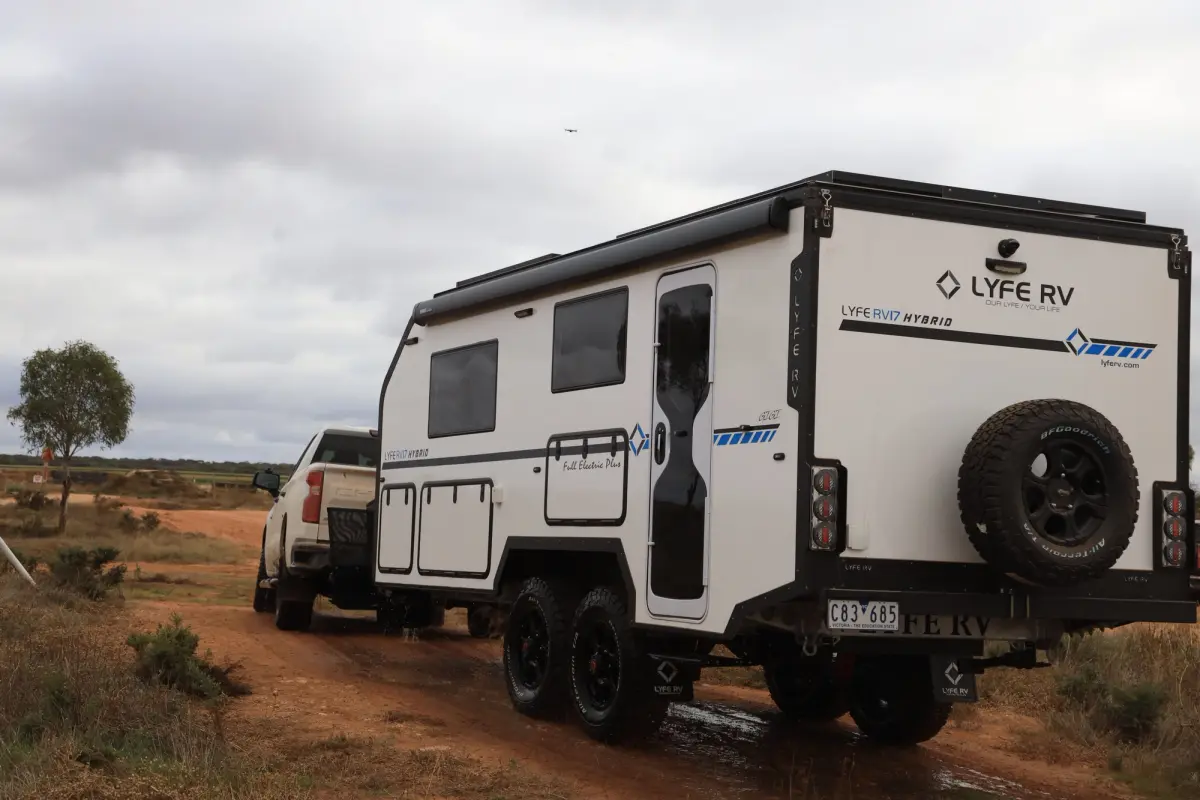
4. The Importance of a Bow Wave
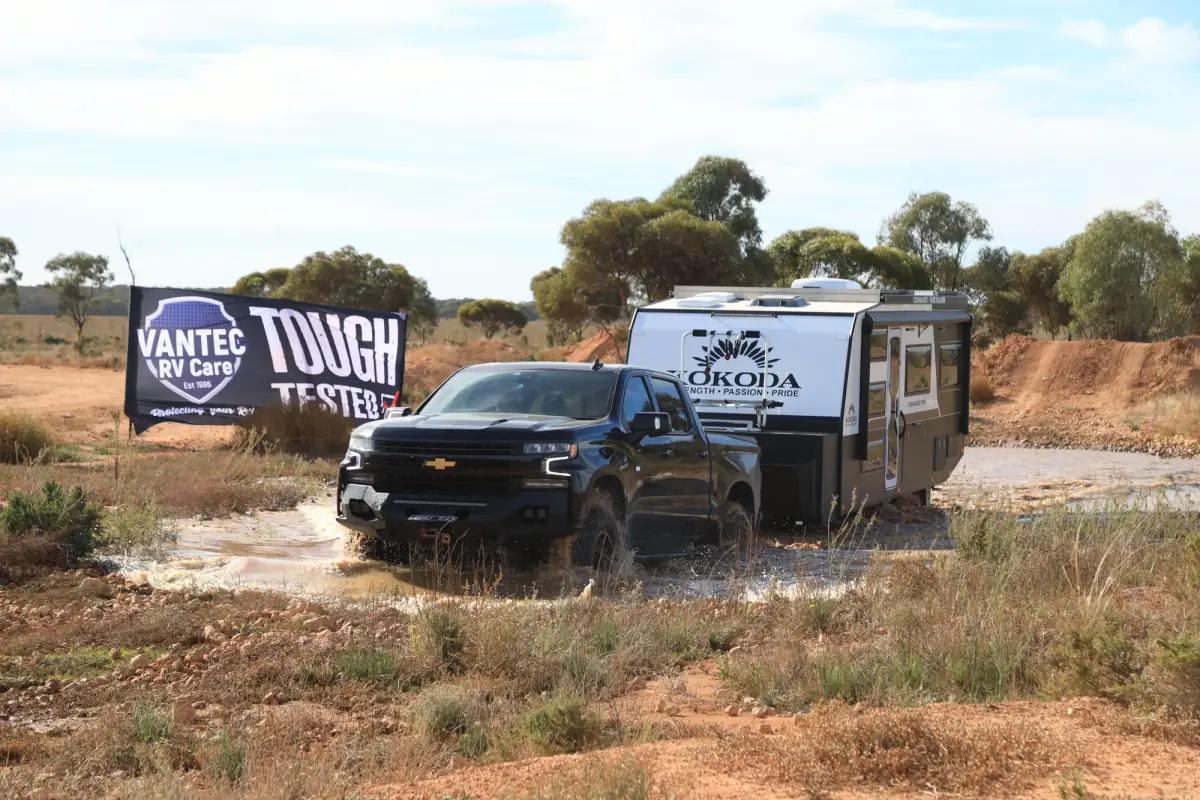
Creating a bow wave is a technique that involves maintaining a controlled speed as you enter the water crossing. This causes the water to rise in front of your vehicle, creating a sort of "wave" that helps displace water away from your engine's air intake. The bow wave essentially acts as a barrier against water entering crucial components of your vehicle. Maintaining a consistent speed, usually in the low to mid-range of first gear, is key to effectively utilizing this technique.
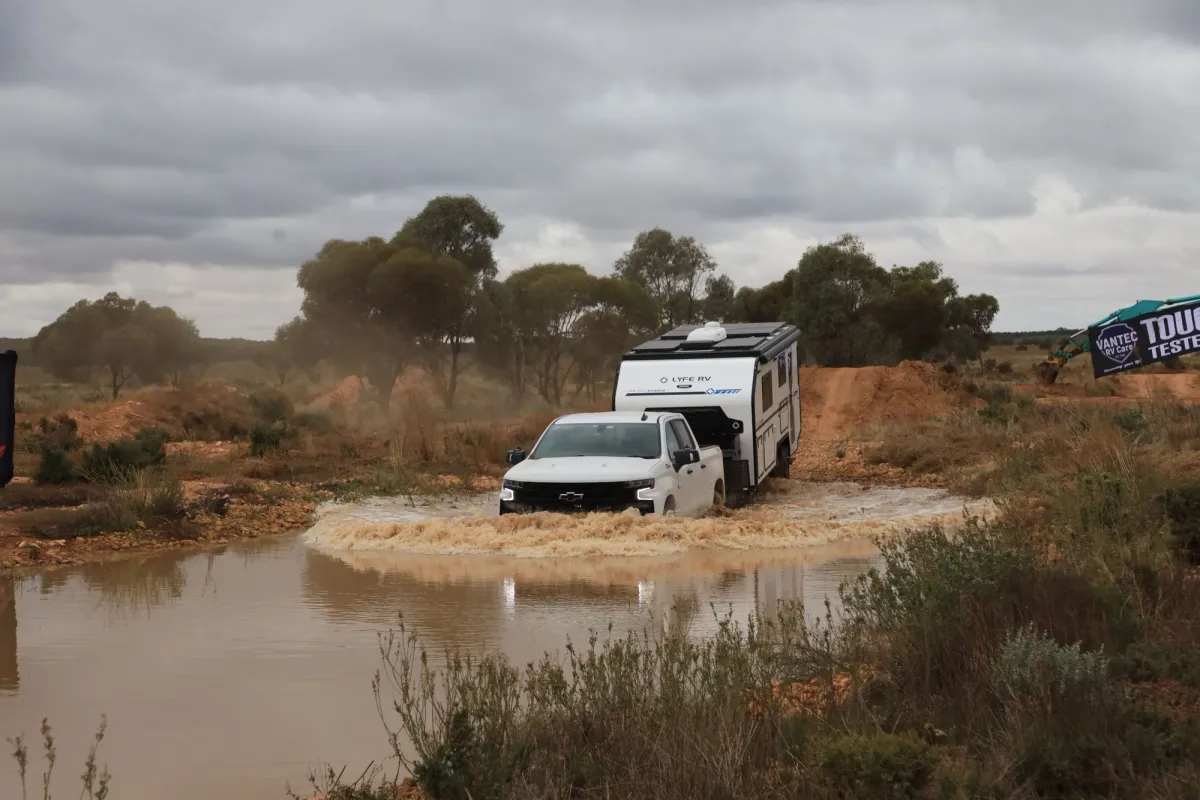
If you are planning an off-road adventure where you know you will come across a water crossing or two, it would be worth considering a snorkel as an investment in your vehicle as it will raise the air intake point on your vehicle and help in safeguarding your engine.
Cover Yourself for Water Crossings
And have peace ofmind when you're adventuring on-road and off-...