Australian roads are dominated by the grunting gear changes of 4X4s. Utes, wagons, vans, single cabs, dual cabs, space cabs; the list goes on. You cannot deny their chokehold on Aussie drivers, and it absolutely makes sense. We’re a nation built—and still building—on red dust, muddy swampland and rocky terrain. A 4X4 is the ideal solution for tradies towing trailers, adventuring families where space is essential and enthusiasts who want to beef up their fourbie with the latest mods, but the best choice depends on your specific needs.
So, now to answer the big question: what’s the best 4WD in Australia? The market would say the Ford Ranger and Toyota Hilux but ask any old battler on the Googs and you’ll get a myriad of answers back. The tried and tested 70 Series; the new kid on the block GWM Tank; the all-rounder Everest. Each come with their own pros and cons. Let’s explore these and help you weigh up the best 4WD to suit your Australian adventures.
No matter the shape of your 4WD
get a quote for insurance that covers you anywhere you can legally go in Australia
What Makes a Great 4WD in 2026?
Regardless of what you plan on using your 4WD for, there is a universal buying criterion that every buyer should evaluate. You may not take it off-road every week and its tyres may never make contact with anything other than some sand, grass and gravel, but at the core, you should understand your 4WD’s:
· Off-road credentials
· Reliability
· Towing and payload capacity
· Fuel efficiency
· Ease of modification and aftermarket support
Because what may start out as an Isuzu MU-X bought for running the kids around town may one day turn into the ‘Big Lap’ touring setup when they move out.
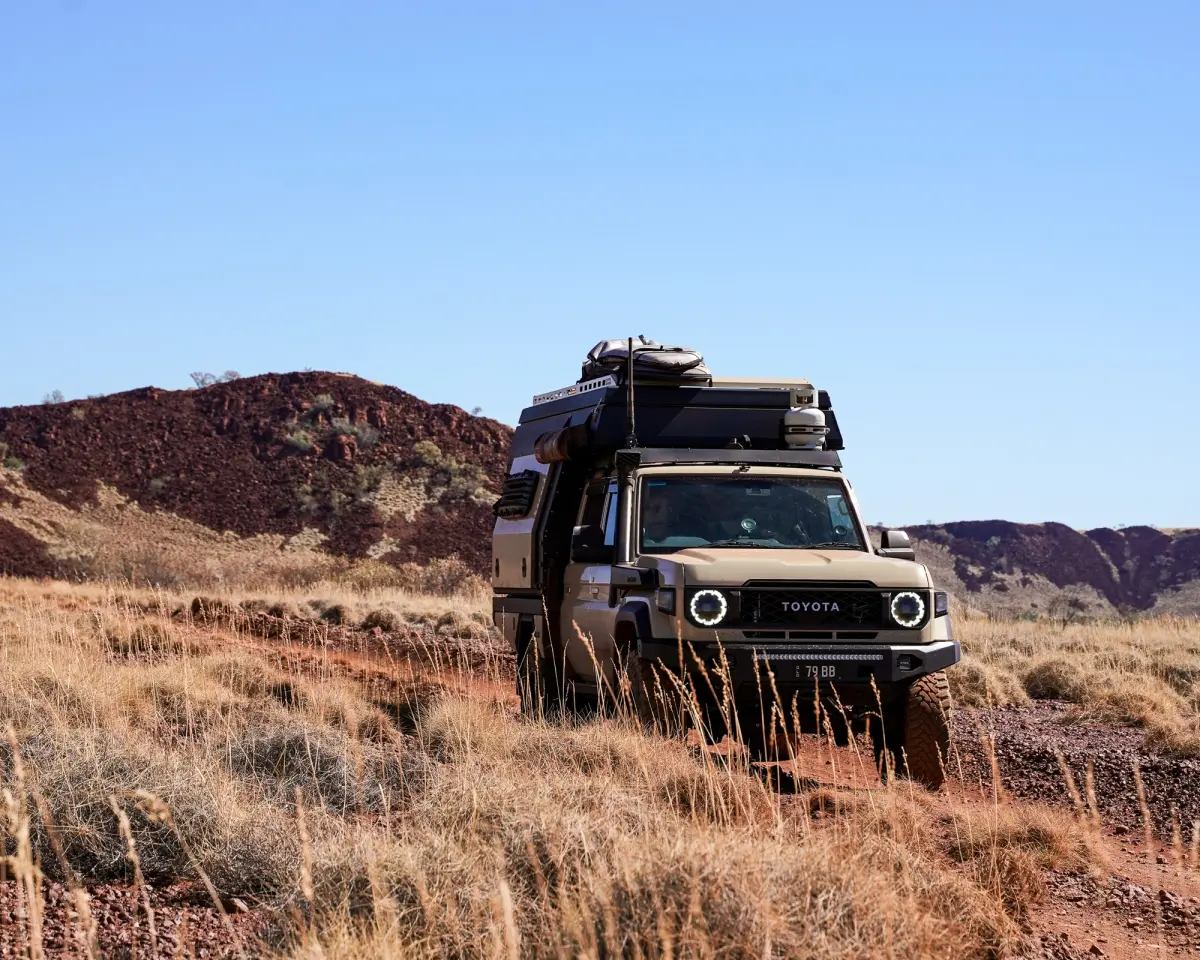
Toyota LandCruiser 70 Series driving in the Outback
What’s New in 2026?
4Wding as a hobby has its ups and downs, but the vehicles that shape the scene share that same unpredictable trend cycle. In 2026, new entries in the market are coming in the shape of mild hybrid systems, Chinese-brand vehicles with serious hardware at competitive prices and new-generation classics like the Nissan Patrol and Toyota LandCruiser.
So, while that same universal buying criterion remains relevant in 2026, there’s a few more you might want to consider.
What kind of 4WDer am I, really?
Are you a ‘just in case’ driver who only needs a soft-roader AWD, a weekend warrior chasing a balance of off-road and on-road capability, a family tourer seeking a spacious wagon with all the safety tech or a tradie who needs a tough-as-nails ute with enough space for all the tools? Depending on your answer it’s going to lead you down a different path and you’re already narrowing down the best 4WD for you.
Ute or Wagon?
Not to say a 4WD van isn’t an option, but most people will be tossing up between these two archetypes, and each come with their own pros and cons.
Ute
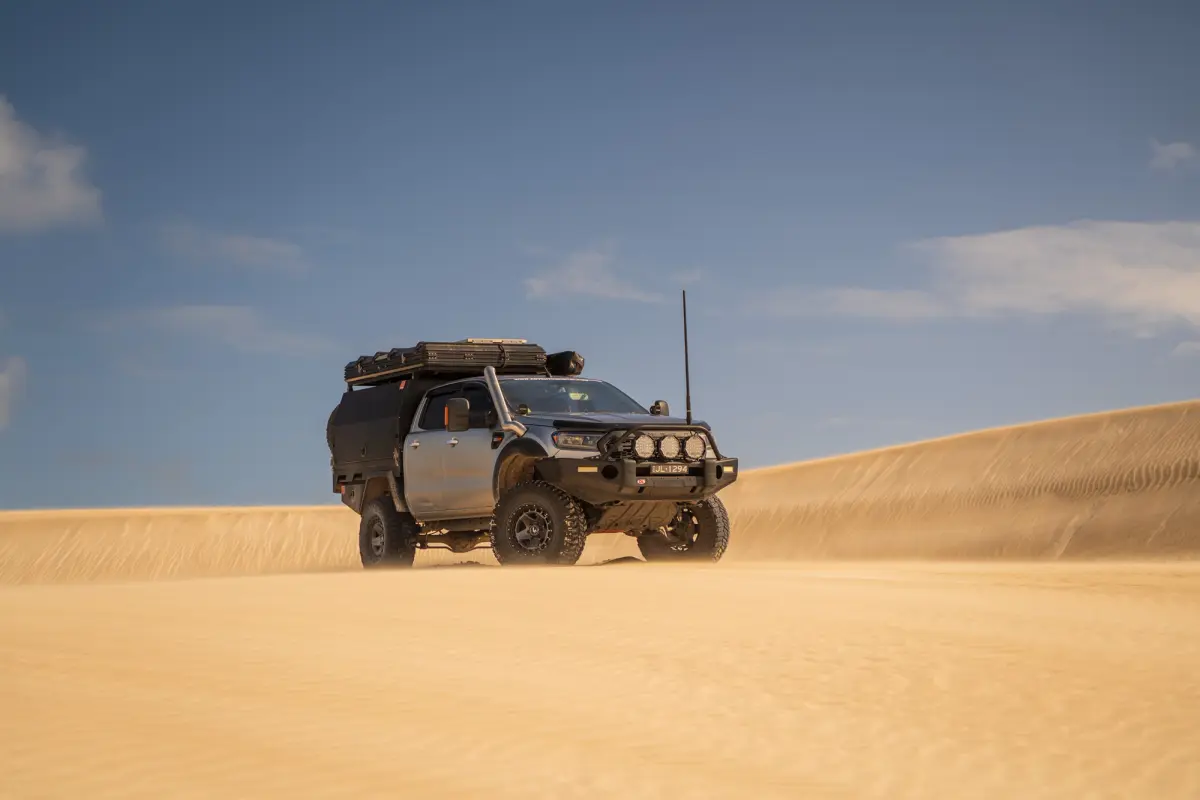
Ford Ranger ute in desert
Pros:
· Big trays perfect for tools, bikes and camping gear
· Canopies, roof racks and drawers are an easy install
· High towing and payload figures
· Suited to rough work and remote travel
Cons:
· Ride feels stiffer when unloaded
· Trays will need a canopy or cover to keep gear secure
· Not as quiet or refined as wagons
· Single cabs have limited passenger space
Wagon
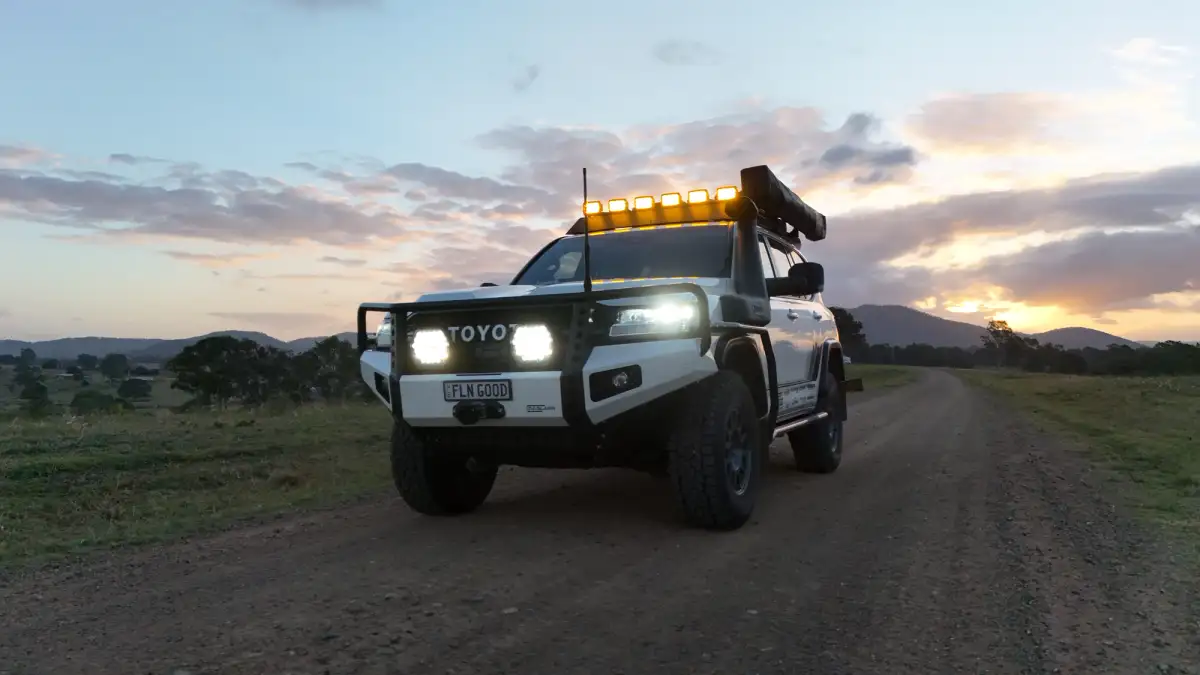
Toyota LandCruiser
Pros:
· Better ride quality when unloaded
· Lockable, weatherproof storage
· More comfortable on longer drives
· Generally, have better safety and infotainment tech
Cons:
· Not as much cargo flexibility
· Even with more passenger space, can get cramped when packed with gear
· Some are built more for comfort than off-roading
Petrol or Diesel?
When it comes to choosing either a 4WD powered by diesel or by petrol, there’s some key considerations:
· Torque
· Fuel consumption and range
· Price
· Reliability
· Engine complexity (repairs)
All of these will change year by year as new models enter the market and 2026 is certainly one where the price of fuel will be a key factor in many’s decisions. Ultimately, one is going to be cheaper at the bowser, but the other will have you visiting the bowser less often.
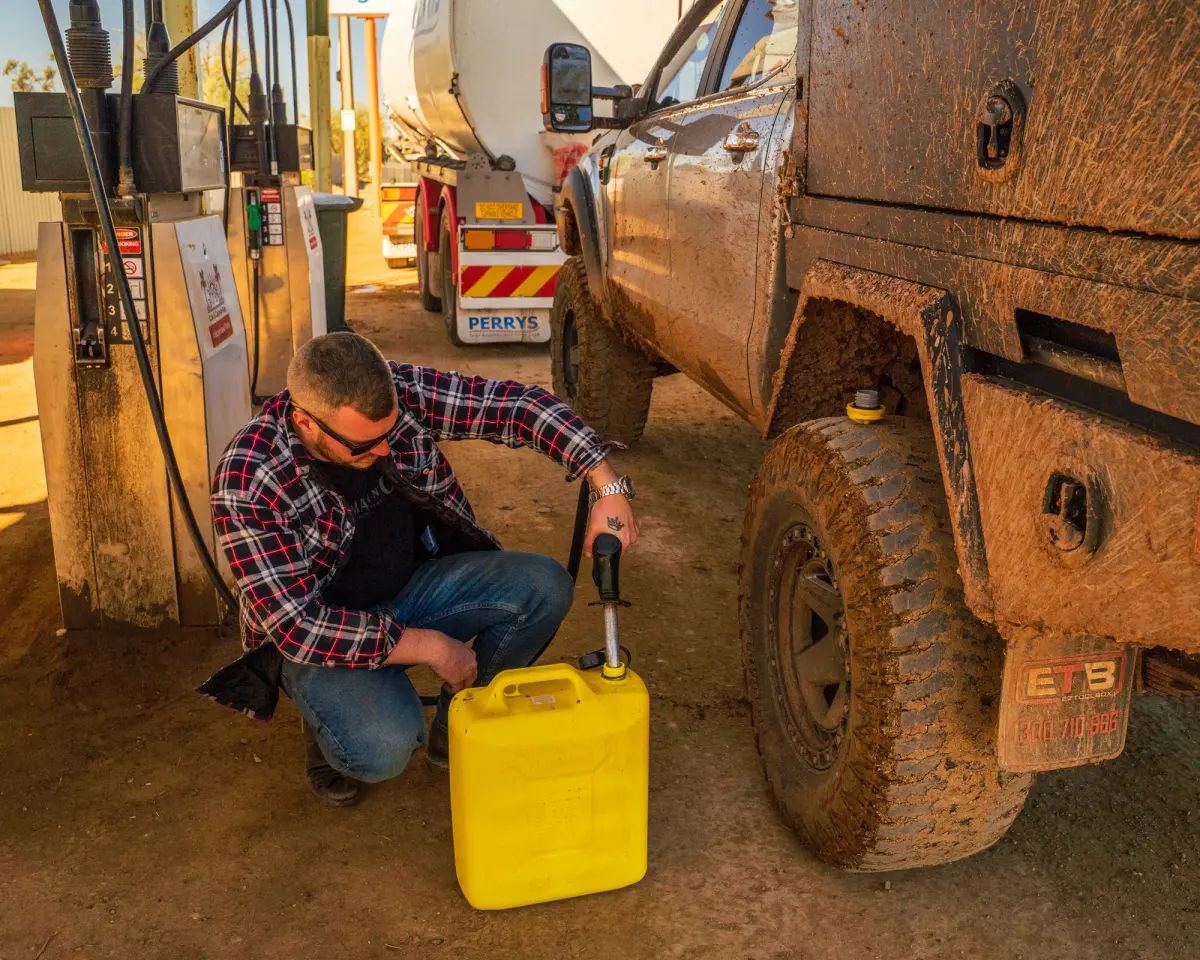
Josh Leonard filling a jerry can
If your touring is lighter, less remote or mixed with a lot of day-to-day driving, then petrol might prove the more viable option, but if your life revolves around towing, long distance driving and carrying weight, diesel makes a lot of sense.
Automatic or Manual?
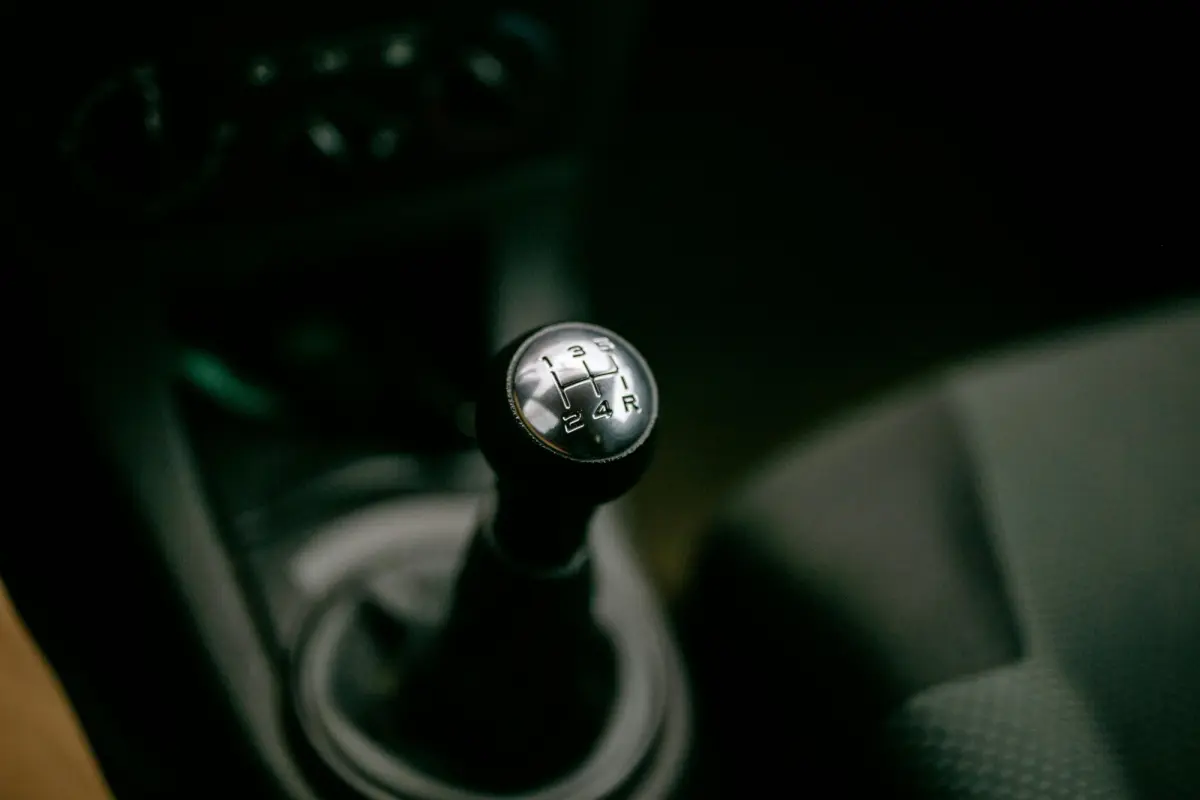
Vehicle manual transmission
This will ultimately come down to personal preference, but there are some situations where one might be better than the other.
Automatic
Pros:
· Smooth, consistent and easy to control power delivery
· Less to think about when tackling complex terrain or fatigued
· Great for towing heavy loads
· Beginner-friendly
Cons:
· Generate more heat under load
· Repair cost is higher
· Lower fuel efficiency
Manual
Pros:
· More sturdy in the long run
· Less tech = less problems
· Cheaper repair costs
· Great for a hands-on, old-school driving experience
Cons:
· Less forgiving in soft sand
· Hill starts with a heavy trailer can be a juggling act
· Fatigue quicker
Again, this one is up to the individual driver, but an auto will always be easier to learn and manage. The manual is still kicking though, with that mechanical feel attracting plenty of drivers who want a more engaging time when wheeling.
What type of 4WD?
The many drivetrain options on 4WDs in Australia, especially in 2026, add another consideration for 4WD buyers. Once again, each will suit different drivers, so don’t just assume a full-time 4WD is the one and only option.
It’s also important not to be confused by AWD wagons that look the part but aren’t genuine 4WD vehicles. To be able to safely and effectively traverse terrain like soft sand, mud and corrugations, you want a vehicle with a dual-range transfer case and typically locking differentials. An AWD, on the other hand, distributes power automatically without the low-range gearing required for serious off-road use.
Full-Time 4WD
Best for: serious touring, heavy off-road use, frequent loose surfaces
Pro tip: Although you don’t need to switch anything on most of the time, understanding low-range gear will help you squeeze maximum torque when climbing or descending steep terrain
Example: Volkswagen Amarok
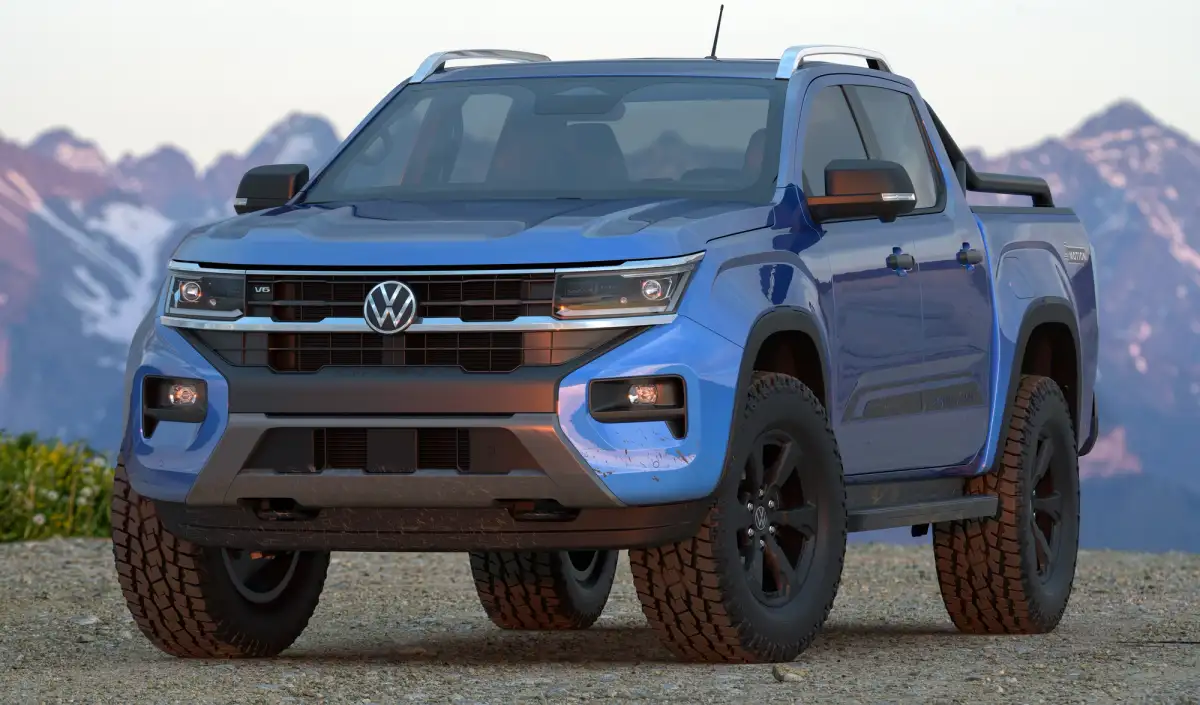
Volkswagon Amarok
Part-Time 4WD
Best for: tradies, campers, and anyone who uses 4WD intermittently
Pro tip: Don’t leave it in 4H on dry bitumen, because without a centre diff, it can cause driveline wind-up and damage. Save it for loose, slippery surfaces like dirt, sand, or mud
Example: Toyota Fortuner
On-Demand 4WD
Best for: urban drivers who want extra traction on gravel or wet roads
Pro tip: Treat it as a safety net, not a full off-road system as it only sends power when slip is detected, so momentum and tyre choice still matter in tougher terrain
Example: Ford Everest
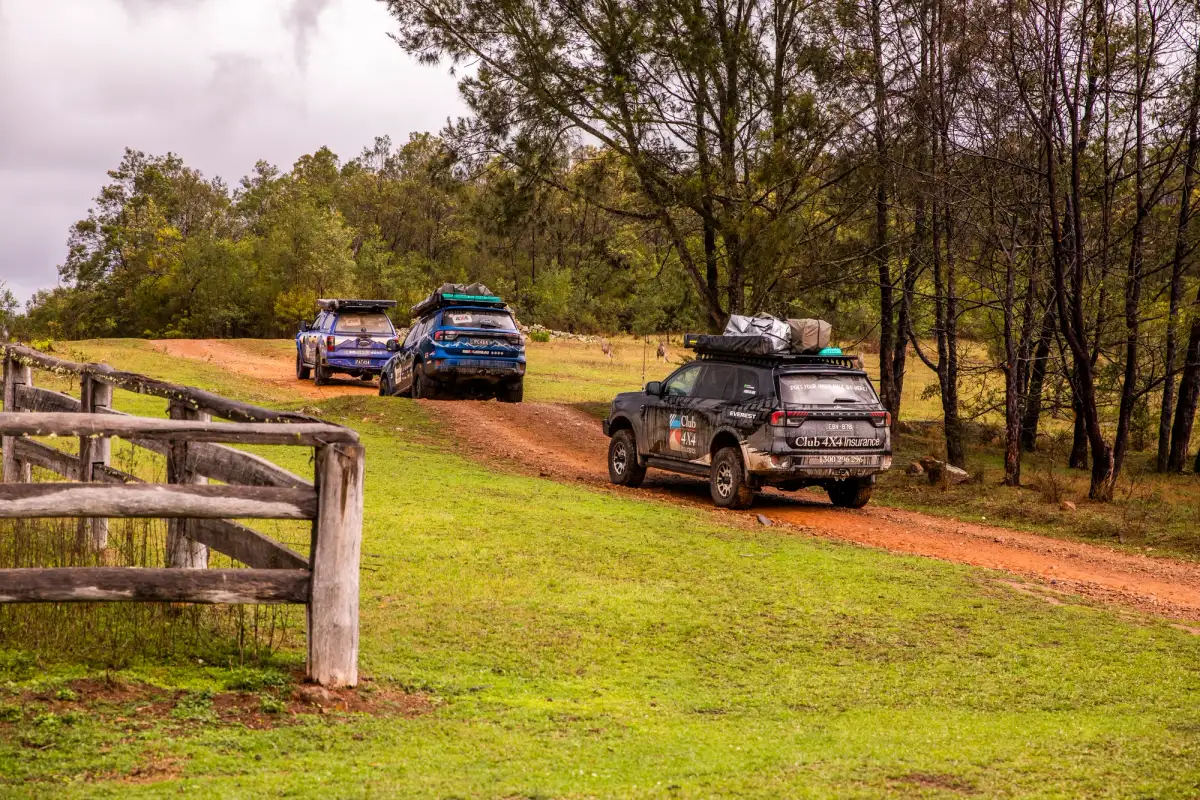
Club 4X4 Ford Everest in convoy
Hybrid 4WD
Best for: tech-focused drivers who want efficiency with occasional off-road capability
Pro tip: Learn how the electric motor contributes to traction as many hybrid systems drive one axle electrically, which can give surprisingly smooth torque delivery at low speeds but may lack true low-range capability.
Example: Land Rover Defender 110 PHEV
All-Wheel Drive (AWD)
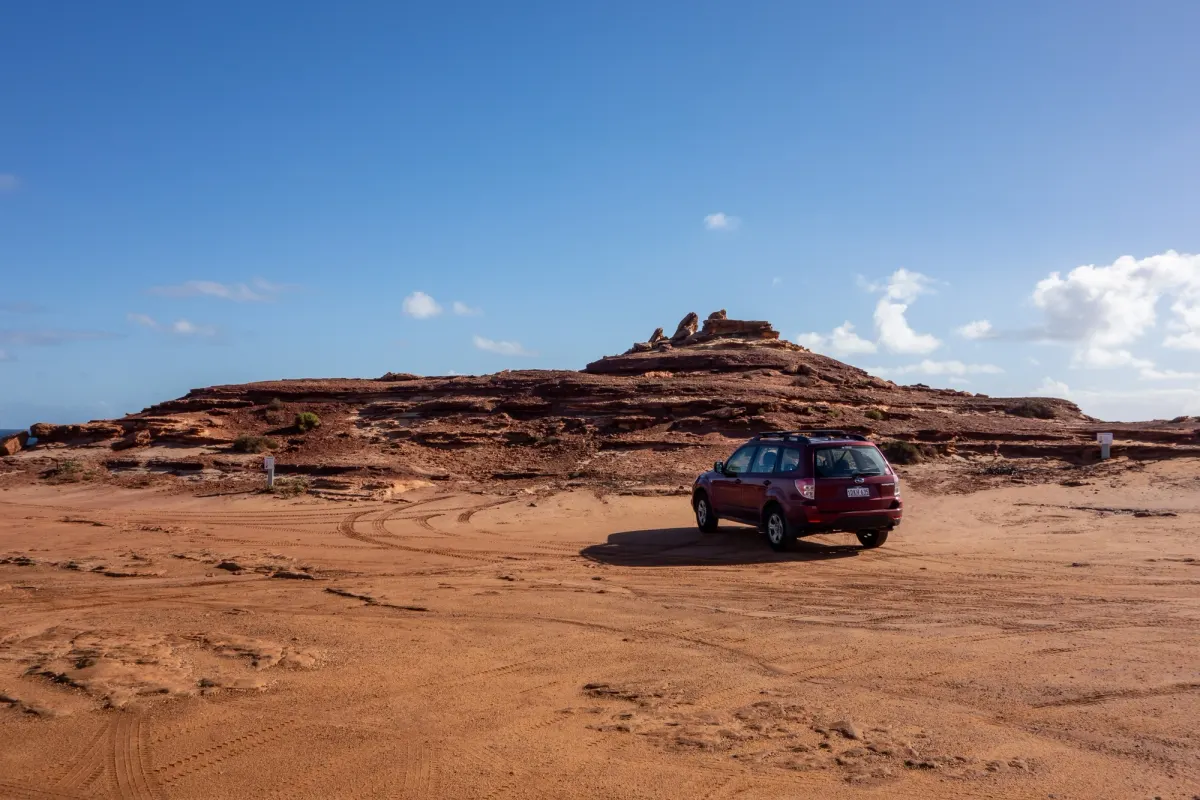
Subaru Forester
Best for: daily driving, highway touring, and light gravel use
Pro tip: AWD boosts traction when accelerating, not stopping, so pair it with good tyres and driving technique, because it won’t save you on slippery descents or poor braking decisions.
Example: Subaru Forester
Best 4WDs for Adventurers
Toyota LandCuiser Prado 250 Series
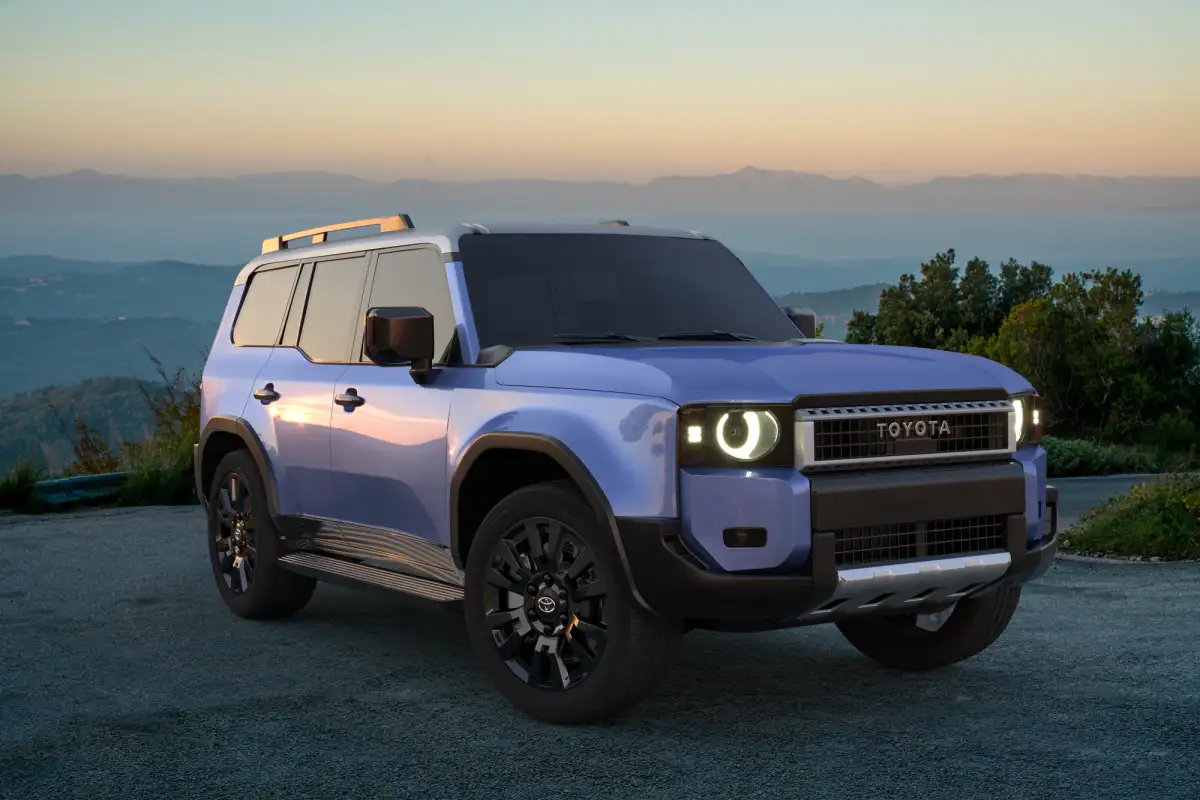
Toyota LandCruiser Prado 250 Series 4X4
The Toyota Landcruiser Prado is somewhat of a legendary figure in Aussie 4WDing. In 2024, the new-look 250 Series was released in Australia and the boxy, retro-inspired design was more than just a mid-cycle update or cosmetic refresh. The modern icon was modernised with a new platform, updated tech, an improved towing capacity and enhanced off-road hardware. It can be a soccer mum car, a beefed up off-roader or a towing tourer and it performs at a high level in each role. Is it right for you though?
Who it suits: Adventurers who want a capable, well-equipped tourer that handles remote travel confidently.
Key strengths: Crawl Control, rear diff lock, 110-litre fuel tank, strong aftermarket mod support.
Trade-off: The 48V mild hybrid system limits aftermarket auxiliary fuel tank fitment.
Ballpark pricing: Depending on the variant, anywhere from ~$72,000 to $100,000.
Ford Everest
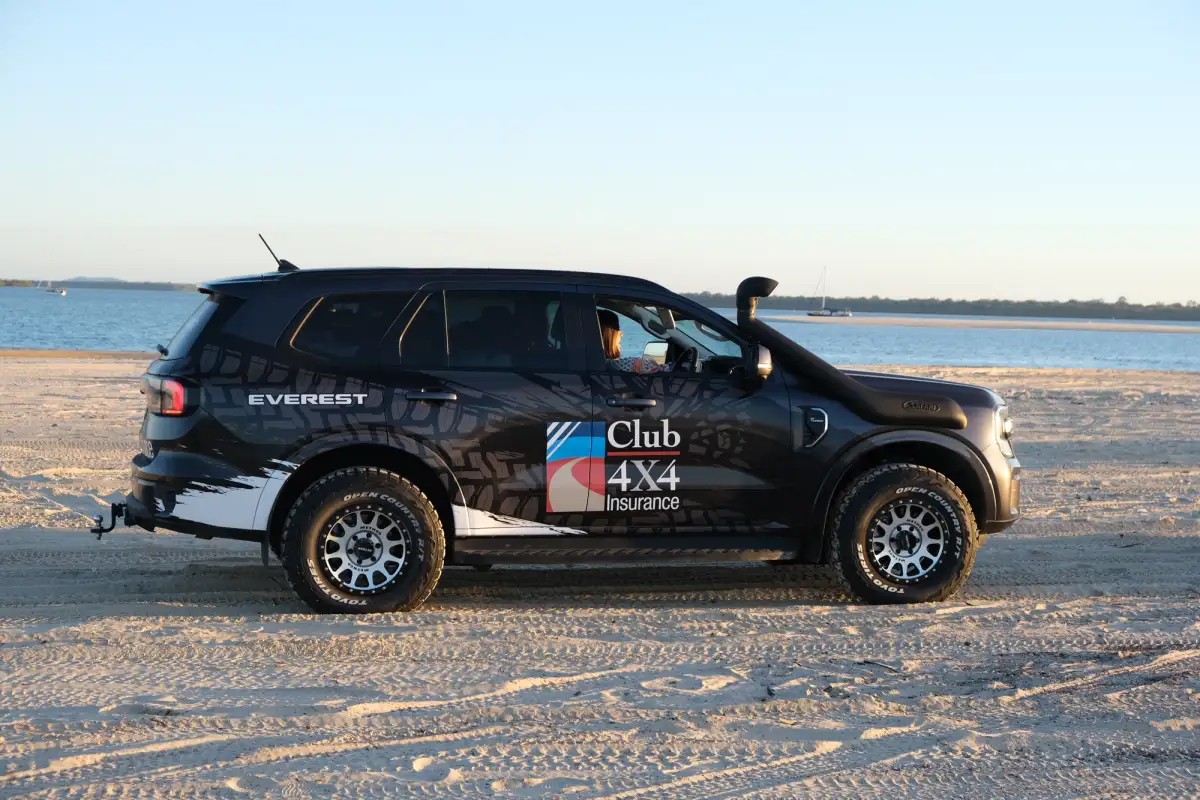
Club 4X4 Ford Everest on the beach
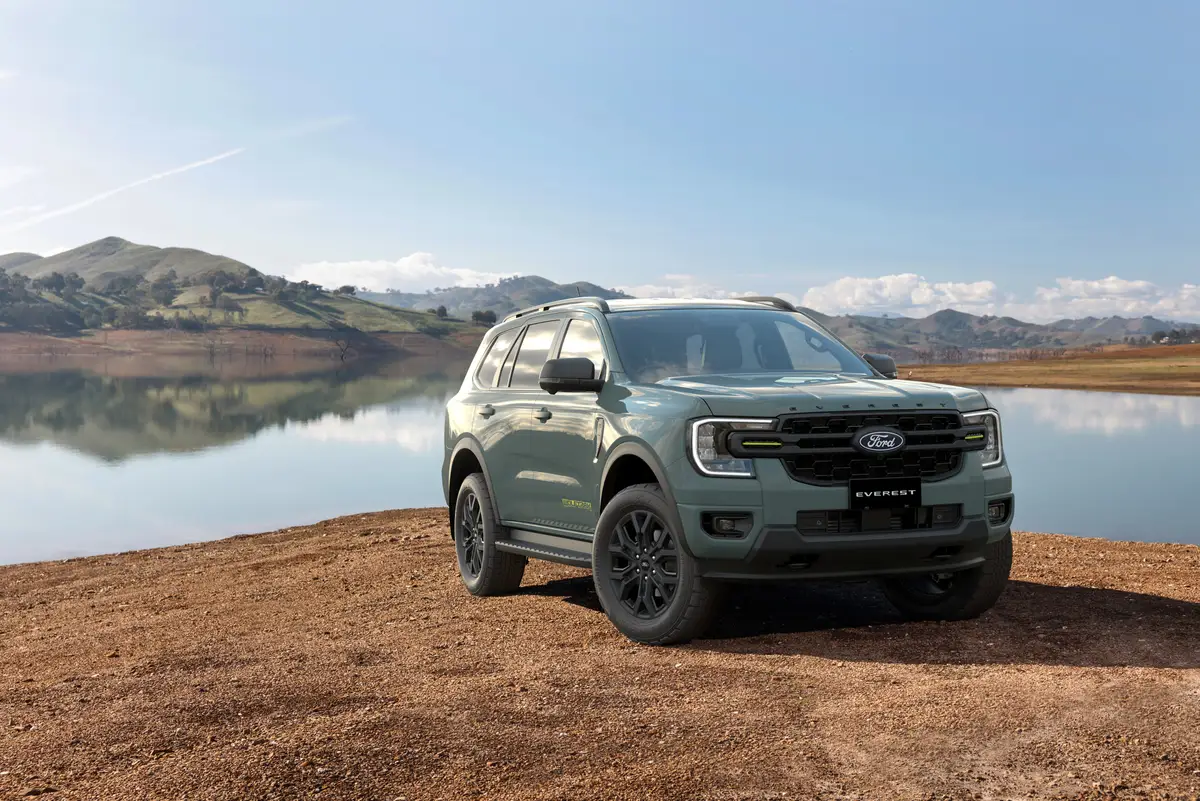
The Ford Everest is a genuinely capable, well-rounded 4WD wagon that handles school runs just as well as the Canning. Most three-row SUVs are relegated, by design, to gravel roads and the occasional puddle, but the Everest is fitted out with adequate low-range transfer case, helping it perform where others can’t. The Everest range also caters to all adventurers, from the base model to the off-road equipped Tremor.
Who it suits: Adventurers who want strong performance and value in a well-rounded touring package.
Key strengths: Standout V6 diesel engine, strong towing capacity, practical and comfortable cabin for long trips.
Trade-off: Drive modes need to be actively managed off-road.
Ballpark pricing: Depending on the variant, anywhere from ~$58,000 to $84,000.
Best 4WDs for Families
Isuzu MU-X
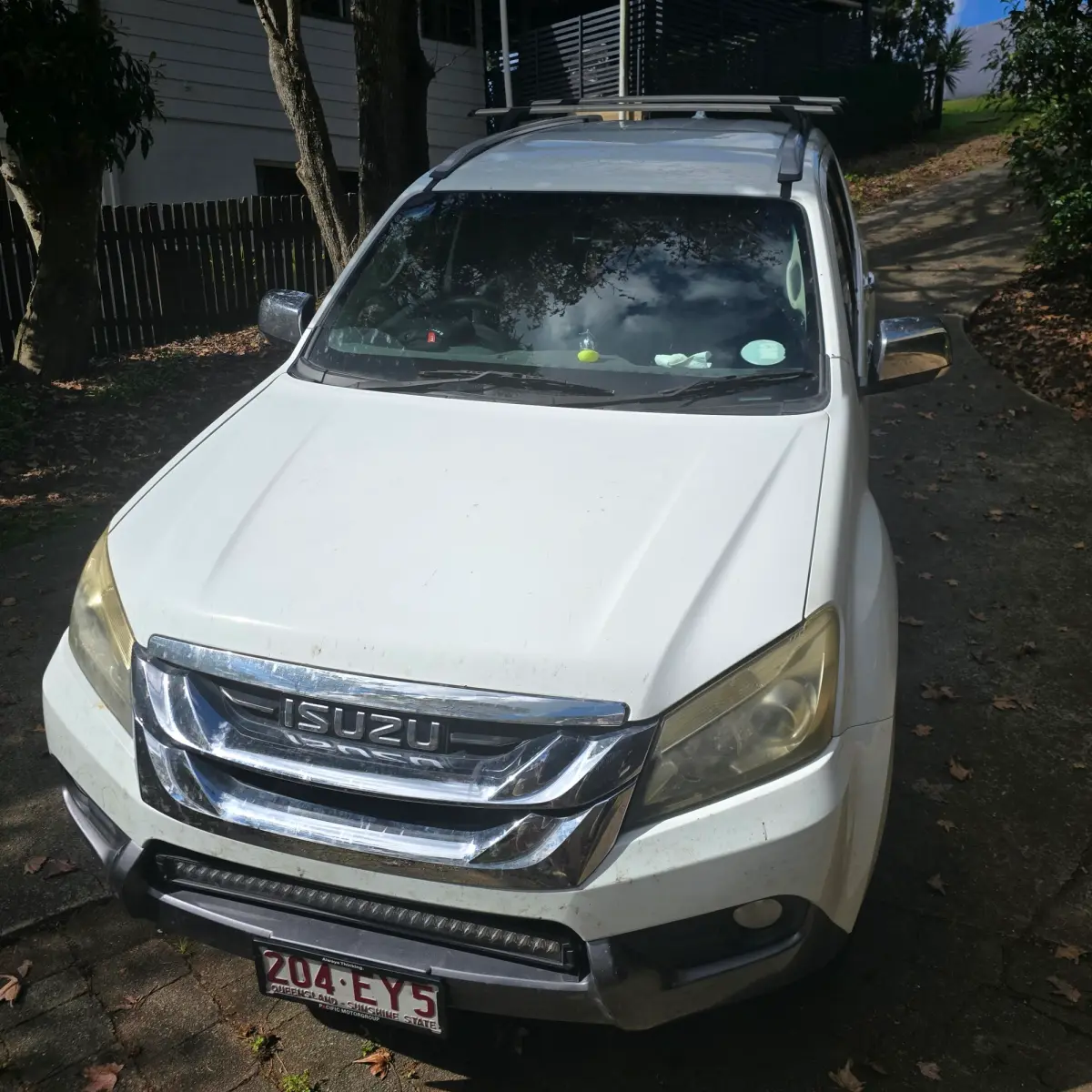
White Isuzu MU-X 4X4
The MU-X is a versatile choice in the Australian 4WD market. A 7-seater SUV built on the same ladder frame chassis as the D-MAX ute with part-time 4WD, low-range gearing and hill descent control. Yes, it’s a little firm on-road, but that suspension means control on rough ground. You can fit the whole family, all the camping gear and still tow a boat or caravan onto the beach and run into minimal problems.
Who it suits: Families who prioritise reliability, practicality and low running costs over outright performance.
Key strengths: Comfortable seven-seat interior, strong towing credentials, proven long-term reliability.
Trade-off: Less refined on-road compared to the Prado or Everest.
Ballpark pricing: Depending on the variant, anywhere from ~$54,000 to $83,000.
Toyota LandCruiser 300 Series
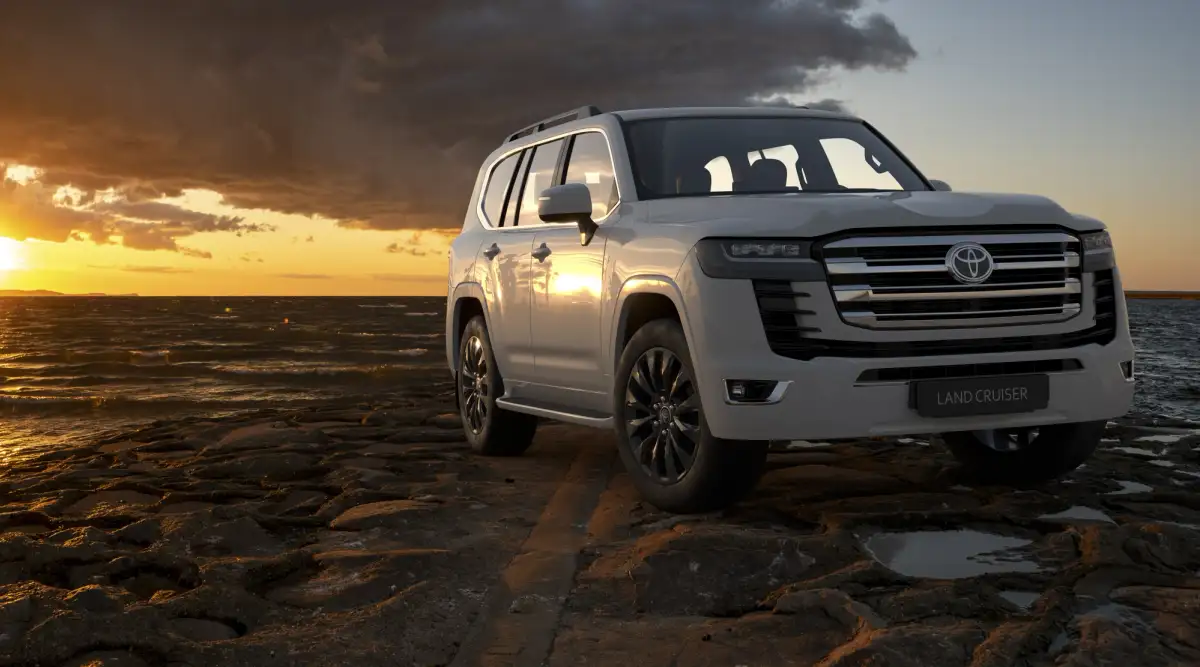
Toyota LandCruiser 300 Series 4X4
Spending six figures of your hard-earned money on a 4WD calls for some serious consideration. And there’s a lot to unpack with the 300 Series. From its tech-packed dash, American dimensions and new 3.3L V6 engine, the latest LandCruiser entry has its spot in the list of best 4WDs in Australia, especially for those wanting to fit the whole fam in.
Who it suits: Families who cover serious kilometres in remote terrain and want a premium, long-term vehicle.
Key strengths: Twin-turbo diesel V6, exceptional long-range capability, spacious interior, unmatched resale value.
Trade-off: Significant price premium and ongoing supply constraints.
Ballpark pricing: Depending on the variant, anywhere from ~$99,000 to $164,000.
Best 4WDs for Enthusiasts
Toyota LandCruiser 76 Series
Unapologetically old school, the Toyota LandCruiser 76 Series’ solid axles, ladder chassis and a proper part-time 4WD system with low range are built with durability in mind, not comfort. Toyota have really leaned into simplicity with this one, which is partly why it’s trusted as one of the best 4WDs in the harshest parts of Australia. It’s also the perfect blank canvas for any off-road enthusiast with a new build in mind.
Who it suits: Enthusiasts who want a no-compromise, highly modifiable platform built for serious off-road work.
Key strengths: Updated 2.8L diesel and automatic transmission (2024 refresh), front and rear diff locks, live axles, near-unstoppable off-road capability.
Trade-off: Basic interior, dated on-road manners, and noticeably less comfort and refinement than modern wagons.
Ballpark pricing: Depending on the variant, anywhere from ~$75,000 to $85,000.
INEOS Grenadier
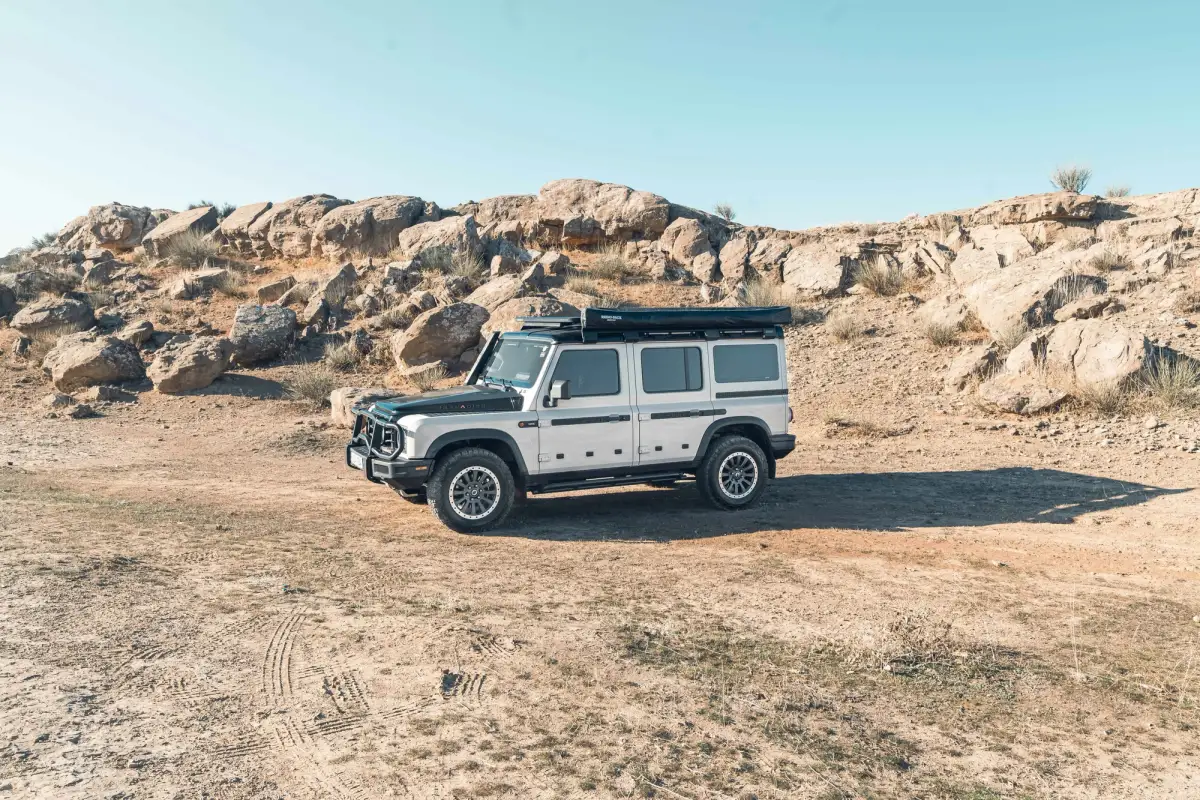
INEOS Grenadier 4X4
The INEOS Grenadier, much like the 76 Series, is a stripped back, modern SUV, just waiting to be modified. It’s built for the rough stuff, with solid axles, a ladder chassis and full-time 4WD with low range. As a pure off roader, it’s up there with the LandCruisers and Wranglers of the world.
Who it suits: Enthusiasts who want a purpose-built, body-on-frame 4WD from outside the traditional Japanese stable.
Key strengths: Triple locking differentials, BMW inline-six diesel, purpose-built chassis, strong accessory mounting points.
Trade-off: Switchgear has a learning curve, and on-road manners are less refined than Japanese rivals.
Ballpark pricing: Depending on the variant, anywhere from ~$107,000 to $130,000.
Best Budget 4WDs in 2026
GWM Tank 300
This rugged, mid-size wagon blends classic hardware and aesthetics with modern tech and strong value for those looking to get off the black top on a budget. While it’s missing the long-term reliability of Toyotas or Isuzus, it’s one of the few affordable, proper 4WD wagons left in Australia that are built for off-road use, not just gravel roads.
Who it suits: Buyers who want genuine off-road hardware at a price well below Japanese rivals.
Key strengths: Twin-locker setup, body-on-frame construction and a well-appointed interior at a sub-$60k price point.
Trade-off: Engine performance is a step below the Japanese competition, and the brand has a shorter track record in Australia.
Ballpark pricing: Depending on the variant, anywhere from ~$46,000 to $58,000.
Mitsubishi Pajero Sport
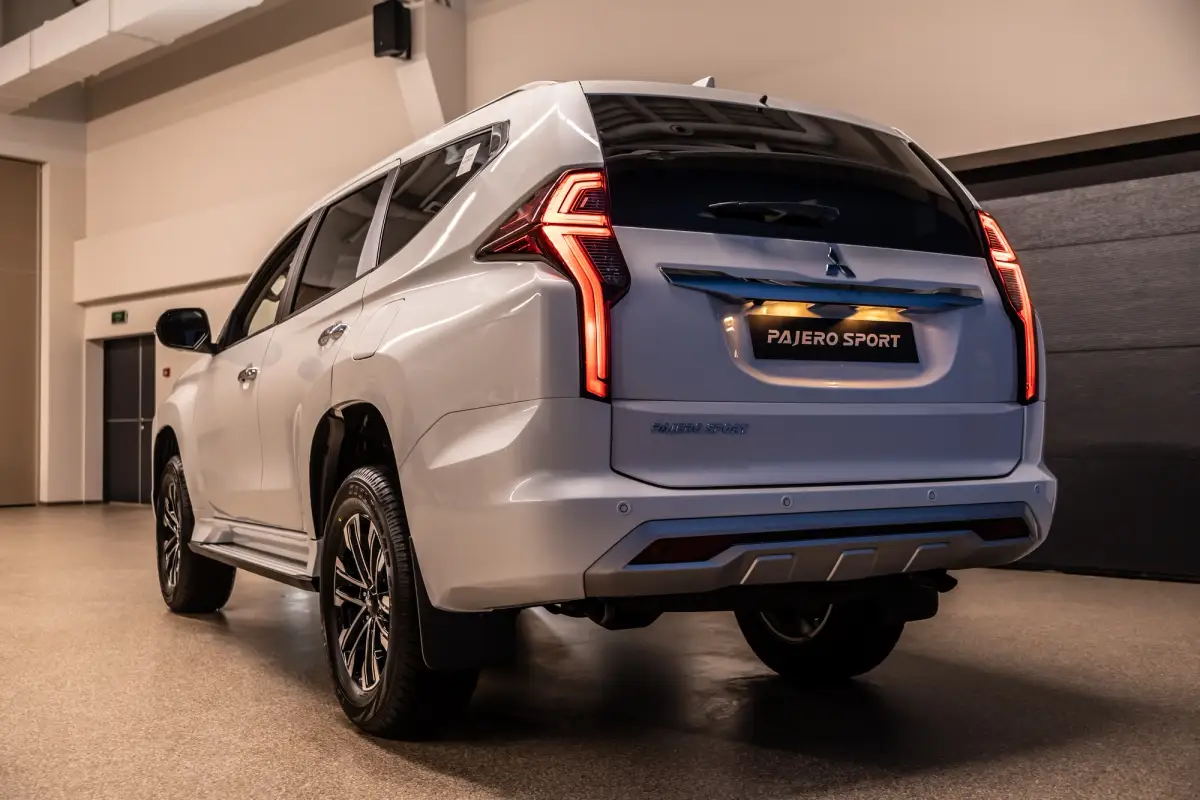
Rear of a Mitsubishi Pajero Sport 4X4
As far as mid-sized wagons go, the Misubishi Pajero Sport presents itself as one of the most affordable options on the 2026 Aussie market. A jack of all trades, the Pajero Sport is able to shine in both off-road and in urban environments, and its proven diesel engine, capable 4WD system and practical interior will attract many buyers.
Who it suits: Buyers who want proven, accessible 4WD capability for occasional off-road use.
Key strengths: Proven reliability, practical interior, and competitive pricing.
Trade-of: Better suited to easy to moderate terrain rather than hardcore tracks.
Ballpark pricing: Depending on the variant, anywhere from ~$46,000 to $70,000.
How to Choose the Right 4WD for You
Think of this like narrowing down a shortlist, not picking a winner straight away. Each step removes options until you’re left with what actually suits your setup.
Step 1: What’s Your Primary Use?
Start broad as this will instantly cut your list in half.
· Touring & remote travel – Prado 250 Series, Everest
· Family hauling & daily driving – MU-X, LandCruiser 300
· Hardcore off-roading & mods – 76 Series, INEOS Grenadier
· Budget-friendly capability – Tank 300, Pajero Sport
Step 2: What Terrain Will You Tackle Most?
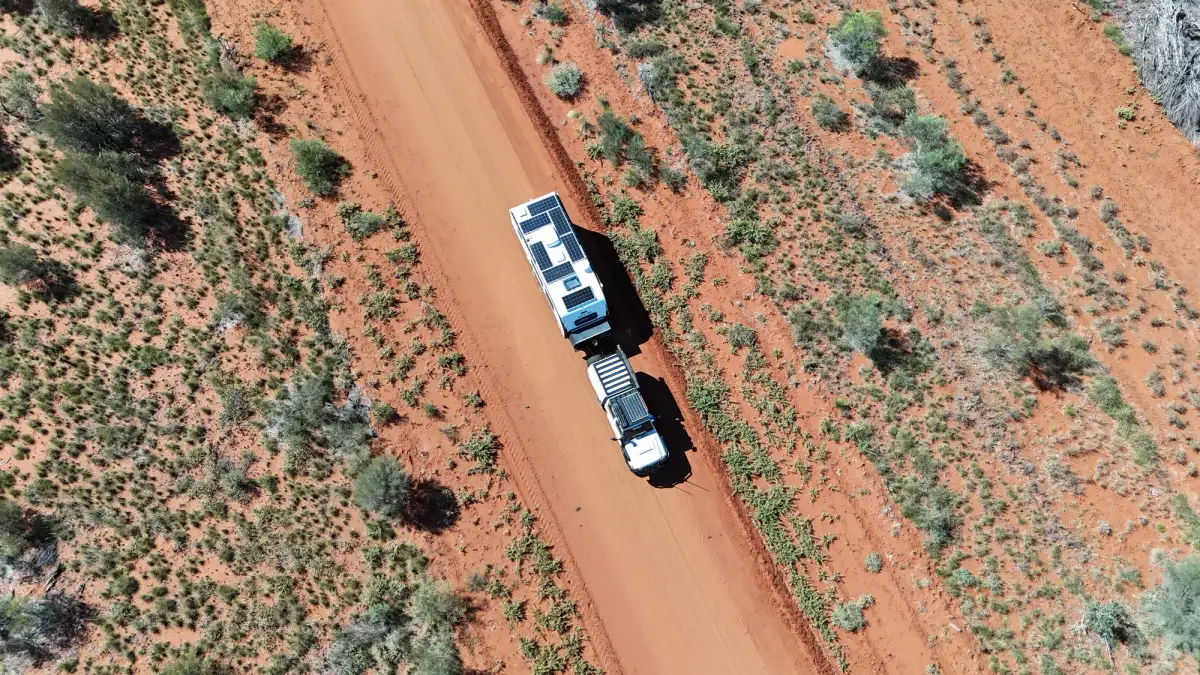
Bird's eye view of a 4X4 towing a caravan on a dirt road
Now refine based on where the vehicle will actually spend its time.
· Mostly sealed roads & occasional dirt – Pajero Sport, MU-X, Everest
· Touring (corrugations, gravel, long distance) – Prado 250, LandCruiser 300, MU-X
· Sand & beach work – Everest, Prado 250, Tank 300
· Technical tracks (mud, rocks, steep climbs) – 76 Series, INEOS Grenadier, Tank 300
Step 3: How Much Space Do You Need?
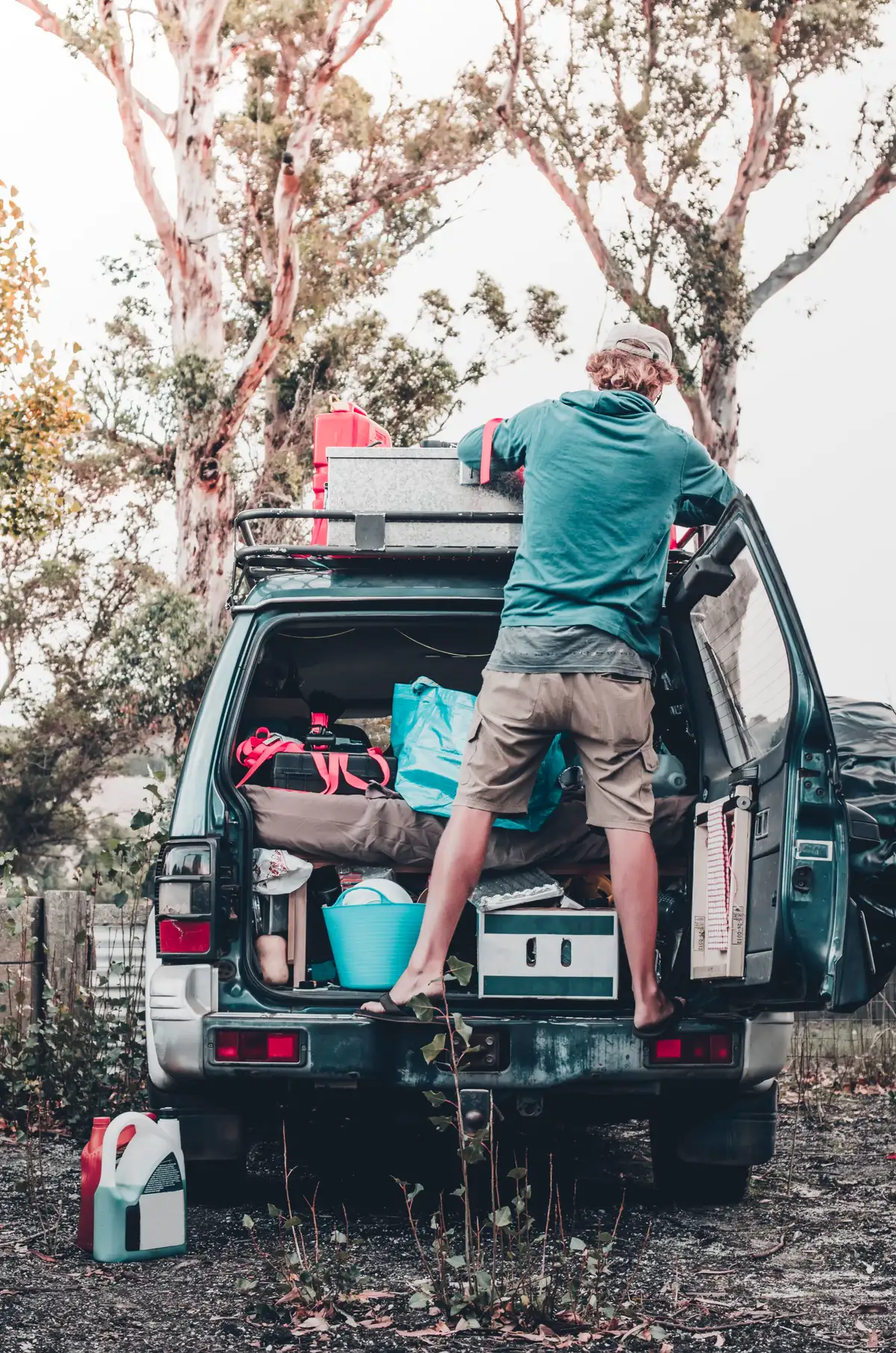
Man pacing a 4WD
Capacity rules out more options than people expect
· Solo or couple – Tank 300, 76 Series, INEOS Grenadier
· Family (5-7 seats) – MU-X, Everest, Prado 250, LandCruiser 300
· Touring with lots of gear or towing – LandCruiser 300, Everest, MU-X
Step 4: How Serious Are You About Mods?
This is where some vehicles either shine or fall over.
· Heavy mods planned (bar work, lifts, touring setups) – 76 Series, Grenadier, Prado 250
· Light mods and accessories only – Everest, MU-X, Pajero Sport
· Minimal mods, but capable from factory – LandCruiser 300, Tank 300
Step 5: What’s Your Budget?
Now to really narrow this down with the final filter.
· Budget ($45k to $65k): Tank 300, Pajero Sport.
· Mid-range ($65k to $100k): Everest, Prado 250, Isuzu MU-X.
· Premium ($100k+): Toyota LandCruiser 300 Series, Ineos Grenadier.
This shows just how strong Australia’s 4WD market is in 2026 and it can seem super overwhelming to start with. But after these five steps, you should have two or three options that suit your profile.
From there, it’s no longer ‘what’s the best 4WD?’
It’s ‘which 4WD fits MY trips, MY gear and MY budget?’
Bush bound?
Get comprehensive insurance that can go there too.