Dust hangs in the air behind your tyres. The Macquarie River glints through the trees. Around the next bend lies another quiet campsite, an old gold mining relic or a lookout that feels untouched by time. That's the magic of the Bridle Track.
Just a few hours from Sydney and right on Bathurst's doorstep, the Bridle Track remains one of NSW’s most iconic touring routes. Stretching between Bathurst and Hill End, this historic road combines scenic river crossings, easy-going four-wheel driving, riverside camping and a healthy dose of gold rush history.
If you’re planning your first trip, you’ve probably got a few questions. Where do you find the Bridle Track map? Which campsites are worth staying at? Is the Bridle Track 4X4 experience suitable for beginners? And what should you pack before heading out?
This guide covers everything you need to know, from route planning and camping spots to track conditions and vehicle preparations, helping you make the most of one of NSW’s most rewarding 4WD adventures.
Ready for the rough stuff?
get a quote for insurance that covers you anywhere you can legally go in Australia
Getting There and Reading the Bridle Track Map
Located north of Bathurst in Central West NSW, the Bridle Track links Bathurst with the historic gold mining town of Hill End. Most travellers begin their Bridle Track 4X4 adventure from Bathurst, before following Duramana Road, then joining the unsealed sections that run alongside the Macquarie and Turon Rivers.
A major rockfall at Monaghans Bluff kept access along the full route closed for years, but the construction of the Monaghans Bluff Bypass has changed that, allowing travellers to once again drive the track from end to end.
It’s still worth downloading the latest route information before you head off. Access this from the Bathurst Regional Council or local tourism resources. Having that offline copy is always a smart move, especially if planning to spend a few days exploring the campsites and side tracks along the way.
As with most NSW touring destinations, the best time to visit depends on what you’re chasing. Spring and autumn offer mild temperatures and comfortable camping conditions, while summer of course brings warmer weather, but the trade off there is that the river becomes the ideal spot to cool off. Winter rewards visitors with crisp mornings, quieter campsites and clear daytime conditions.
Mobile reception in the area is patchy and conditions change following rain or floods. Before departing, check local road updates, review current fire restrictions and download the Bridle Track map so you’re not relying solely on reception once you’re in the thick of it.
A Quick History: Gold Rush Roads and the Origin of the Name
If you’re anything like us, you like to know what’s in a name before visiting it. The Bridle Track earned its name because some sections were so narrow that travellers had to lead their horses by the bridle. Now you know!
Originally established during the mid-1800s, the route connected Bathurst with the booming goldfields around Hill End and Sofala. Gold fever was sweeping through central NSW at the time, and the track became an important transfer corridor for prospectors, merchants and settlers moving between the region’s mining communities.
As Hill End grew into one of Australia’s richest gold towns, traffic along the route grew. Sections were widened during the late nineteenth century, allowing wagons and carriages to access areas that were previously only suitable for horses and pack animals. Throughout the decades that followed, the route evolved from a mining road into a popular scenic drive.
Today, many reminders of those prime gold rush years remain. Old diggings, stonework and abandoned mining areas can still be spotted from sections of the track, particularly around rivers and historic settlements.
For modern travellers, that history is just another layer to the already incredible adventure. Every river crossing, ridge climb and riverside campsite follows a route that helped shape one of NSW’s most significant gold mining regions.
Bridle Track Camping: The Best Reserves Along the Route
The quality of the camping along the Bridle Track is one of the things that keeps enticing people back. Bridle Track camping includes riverside reserves to explore, fish and unwind at and are well worth spending at least a weekend at (if not more).
When choosing where to camp, plotting it out on a Bridle Track map can be handy, allowing you to easily identify nearby reserves and plan fuel, supplies and travel distances and times.
Northern Reserves: First Stops Off the Sealed Road
Bruinbun Reserve
One of the first reserves you’ll encounter, Bruinbun offers easy river access and plenty of open space for tents and camp setups. Large shade trees make it attractive during warmer months, while nearby water provides opportunities for fishing and paddling.
Amy Anderson Reserve
This spot is a favourite among families thanks to its spacious grassy areas and easy access from the main track. The setting feels more open than many of the deeper campsites further south, making it a comfortable first-night option.
Native Dog Reserve
The setting at the Native Dog Reserve feels far removed from everyday life despite being relatively accessible for most 4X4 setups. It’s slightly more secluded, but still riverside, surrounded by bushland, delivering just what most campers are after.
Southern Reserves: Deeper Into the Track
As you continue south, the landscape begins to change. The valleys narrow, river views become more dramatic and campsites feel increasingly remote.
Black Gate Reserve
One of the more scenic reserves along the route, Black Gate reserve is located among river flats, providing ample room to spread out. Nearby fishing spots are also magnets for keen anglers year-round.
Randwick Hole Reserve
Great for swimming, Randwick Hole Reserve is especially popular during the warmer months. This is classic Bridle Track camping, with easy access to both the track and the river.
Root Hog Reserve
Located near the southern end of the route, Root Hog Reserve sits close to one of the track's best-known sections. The setting feels more rugged and adventurous, making it a fitting final stop before continuing toward Hill End.
Each reserve has its own personality, but together they showcase what makes the Bridle Track special. Once you've picked your campsite, it's time to consider what the track itself has in store.
Bridle Track 4X4 Difficulty Rating and Vehicle Prep
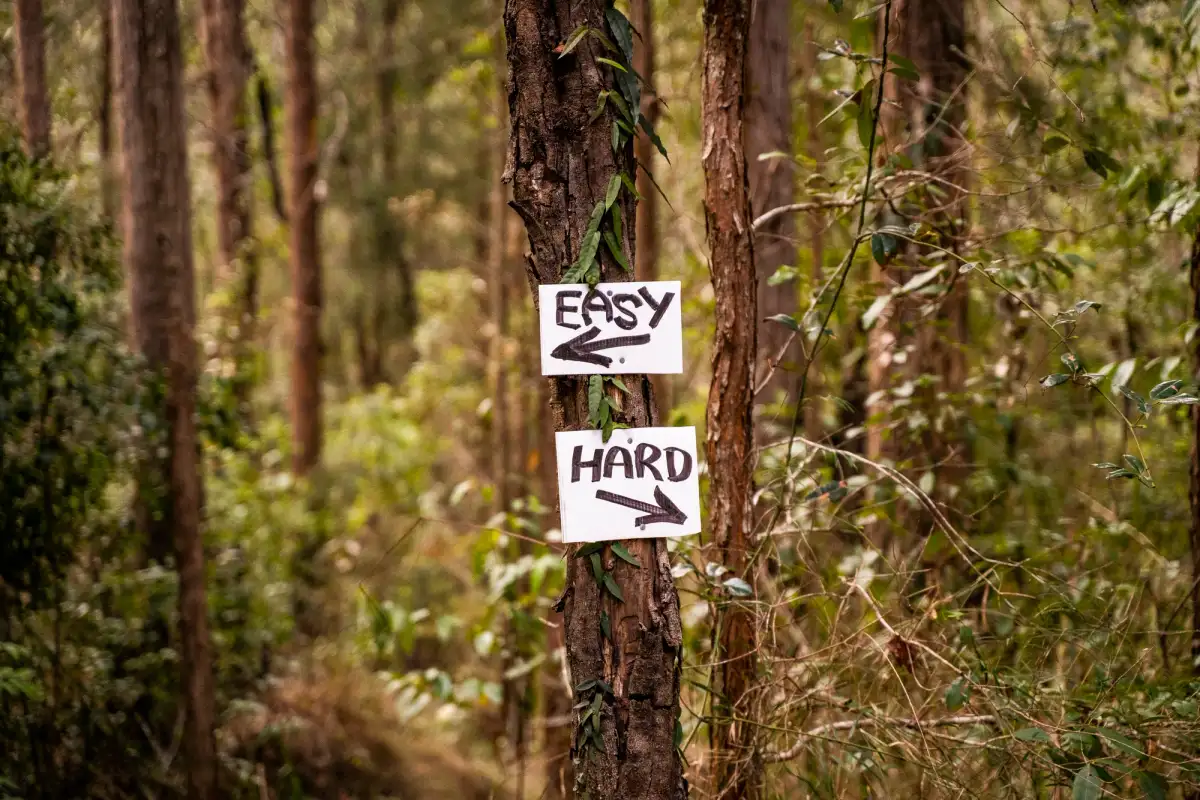
The Bridle Track 4X4 experience is generally achievable for most drivers with a capable four-wheel drive and sensible preparation, and in dry conditions, it could even be considered relatively straightforward. However, rainfall, seasonal conditions and driver experience can influence how challenging the trip becomes.
What to Expect from the Terrain
The track combines a variety of surfaces, including:
- Compacted dirt roads
- Loose gravel sections
- Rocky patches
- Uneven riverbank terrain
- Steeper climbs and descents
- Occasional water crossings depending on conditions
Most obstacles are not overly technical, but changing weather can alter track conditions quickly. Loose shale, washouts and muddy surfaces may appear after heavy rain, increasing the difficulty level.
For that reason, a reasonable Bridle Track 4WD difficulty rating would be:
- Easy to Moderate in dry conditions
- Moderate after recent rainfall
- Moderate to Challenging when rivers are elevated or track surfaces are heavily affected by weather
Drivers new to off-roading should still feel comfortable tackling the route, provided they travel within their limits and adjust their plans according to conditions.
Vehicle Setup, Modifications, and Recovery Gear
While heavily modified vehicles aren't required, the following preparation is recommended:
- Low-range capable 4WD
- All-terrain or light mud-terrain tyres
- Full-size spare tyre
- Tyre deflator and portable air compressor
- Recovery boards
- Rated snatch strap
- Rated recovery points
- Recovery hitch or shackles
- High-lift jack or suitable recovery jack
- UHF radio
- Basic tool kit
- First aid kit
- Extra drinking water
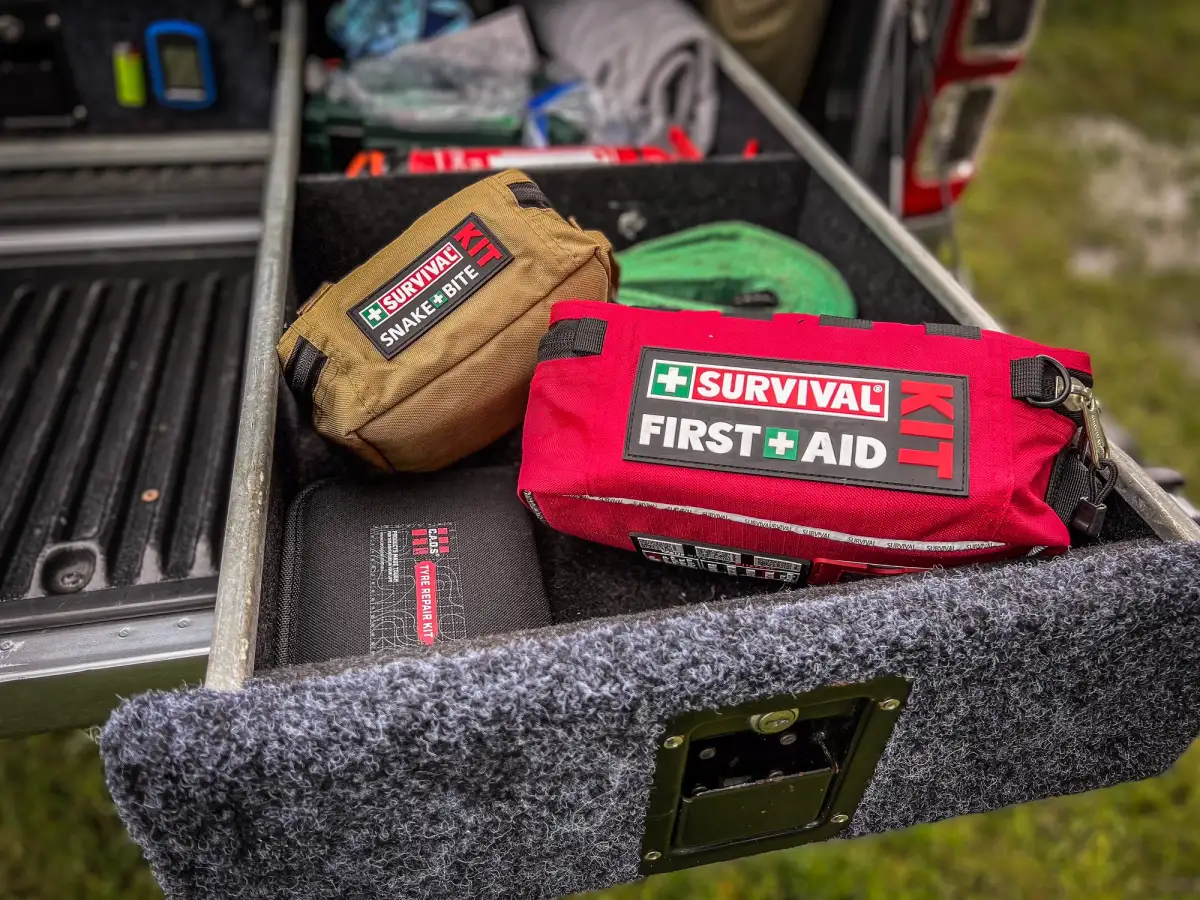
Recovery equipment shouldn't be viewed as emergency gear reserved for worst-case scenarios. It's simply part of standard preparation whenever you're exploring remote tracks and campsites.
Track Rules and Looking After the Place
The Bridle Track remains a public road. While you may not see a wagon being drawn by a horse on the way to the goldfields, it is shared by more than just four-wheel drivers.
Before heading out, keep these simple rules in mind:
- Take all rubbish home with you
- Observe all Total Fire Bans and local fire restrictions
- Follow posted speed limits
- Avoid taking large trailers where possible
- Camp only in designated areas
- Give cyclists plenty of room when overtaking
- Slow down and respect horse riders on the track
- Leave campsites cleaner than you found them
The best thing about the Bridle Track is that it can be enjoyed by campers, hikers, cyclists, anglers, horse riders and four-wheel drivers alike. Respecting other users helps preserve the experience and ensures this iconic NSW route remains open for future generations of adventurers.
Head Out Covered: Insurance for the Tracks You Actually Drive
Tracks like the Bridle Track highlight the difference between everyday driving and genuine touring.
From river crossings and rocky climbs to remote campsites and long-distance adventures, your vehicle faces conditions that many standard insurance policies were never designed to cover.
That's where specialist 4WD insurance comes in.
Whether you're tackling a weekend Bridle Track 4x4 trip or planning a larger outback adventure, Club 4X4 policies are designed with off-road travel in mind. Cover for legal modifications, touring accessories and off-road recovery can help provide extra confidence when travelling beyond the bitumen.
Because let's face it: if you're buying a 4WD to explore places like the Bridle Track, it makes sense to insure it for the way you actually use it.
Bridle Track 4x4 Guide: Camping, Maps, Difficulty & Tips
Ready for the rough stuff?
get a quote for insurance that covers you anywhere you can legally go in Australia