What a tyre pressure monitoring system does
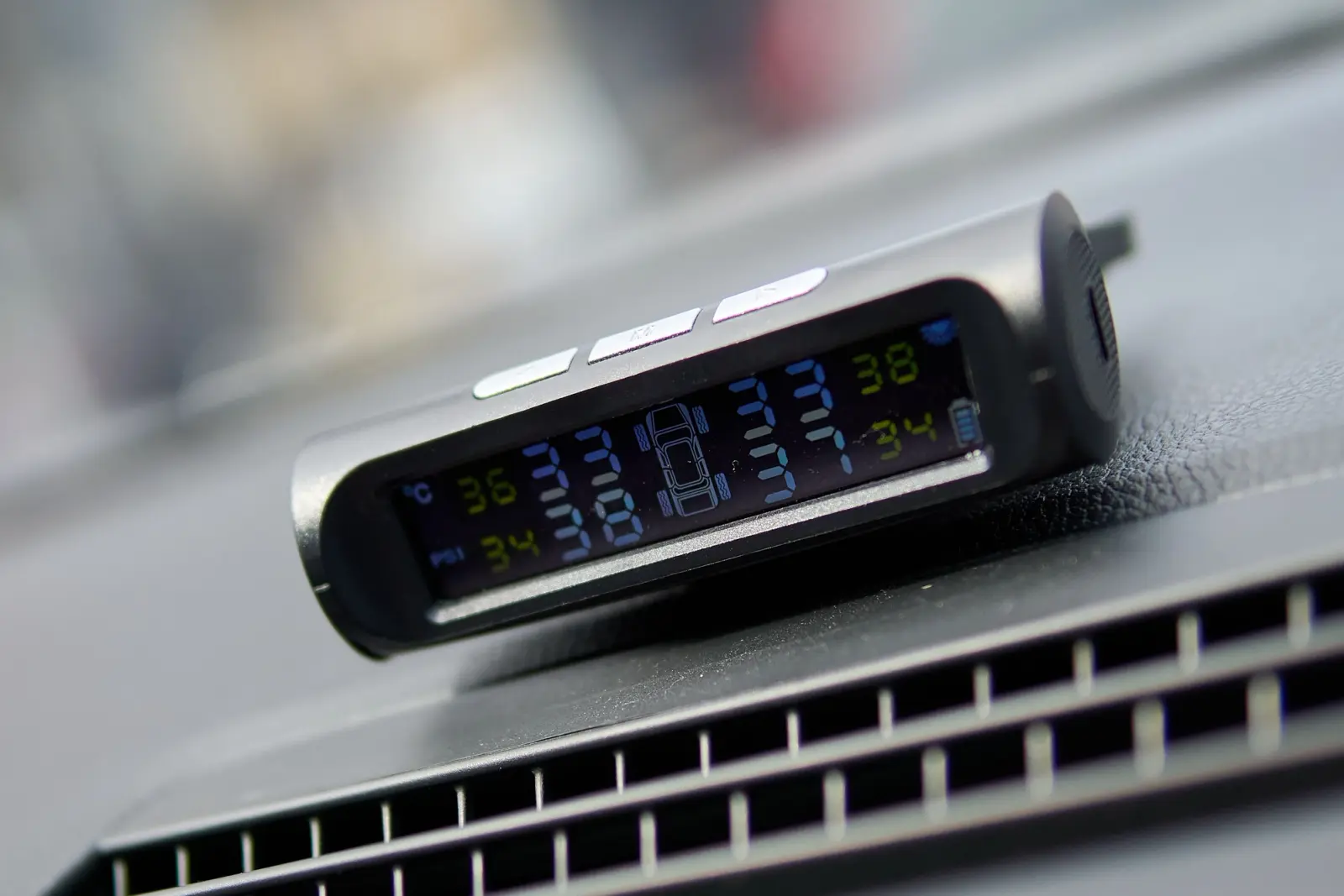
A tyre pressure monitoring system, or TPMS, is a set of sensors that read the pressure and usually the temperature inside each tyre and send it to a display in the cab or an app on your phone. The point is simple: you find out about a slow leak, a puncture or an overheating tyre while there is still time to pull over, not when the tyre lets go at 100km/h with two tonnes of caravan behind you.
Most new 4WDs sold in Australia have a factory system, but it only watches the four wheels on the vehicle. It knows nothing about your caravan, camper trailer or the spare on the back door. That is where an aftermarket kit comes in.
The adventure starts where the bitumen ends
See how Club 4X4 can help
Do you actually need one?
If you tow, it's certainly beneficial. A caravan or camper tyre can lose pressure for kilometres before you feel anything through the wheel, and by then the tyre has usually destroyed itself and often the wheel arch and plumbing around it. A TPMS is the only thing that will tell you before that happens.
If you drive remote tracks, again, yes. On corrugations and rock, a slow puncture is common, and the difference between catching it at 25 psi and finding it at 5 psi is the difference between a plug kit and a spare tyre you now do not have.
If you run low pressures on sand or tracks, it is useful but not essential. A good gauge does the job of checking pressures when you air down. The TPMS earns its keep when you forget to air back up, or when one tyre creeps down over a long day.
If you only ever drive on the bitumen with a factory system, you can skip it.
Internal versus external sensors
External sensors screw onto the valve stem in place of the dust cap. They fit in minutes, move between vehicles and trailers easily, and are the right choice for most people. The downsides are that they can be stolen, they get knocked off by rocks on tight tracks, and they add a small weight to the valve that cheap rubber stems do not love. Use metal valve stems if you go this way.
Internal sensors mount inside the tyre, banded to the rim or built into the valve. They are protected, they read more accurately because they are measuring the air itself, and they cannot be pinched. They cost more, need a tyre shop to fit, and have to be re-paired if you rotate tyres or change wheels.
For a caravan or camper that sits in the driveway between trips, external sensors are the sensible call. For a 4WD that lives on rocky tracks, internal sensors are worth the extra outlay.
How many sensors and what range
Count every tyre you want to watch, including spares. A 4WD towing a dual-axle van is four plus four plus two spares, so ten sensors. Most kits ship with four or six and let you add more, but check the maximum the display or app supports before you buy. Some cap out at eight.
Range is the other thing that catches people. The signal has to travel from the rear axle of a 7-metre van through a steel chassis to the dash. Any kit intended for towing should include a repeater, a small booster you wire to 12 volts somewhere near the drawbar or in the van. Without one, the rear sensors drop out on long rigs and you get a stream of false alarms.
Display or phone app
Dedicated displays are the traditional choice. They sit on the dash, work the moment the key turns, and don't depend on your phone being charged, paired or awake. Solar-topped units with a built-in battery are common too and need no wiring.
App-based systems use a small Bluetooth receiver and show everything on your phone. They are cheaper, the screen's better, and the alerts can be louder. The catch is that your phone has to be on and the app running, and on a long day, that's a battery drainer. If your phone's already doing navigation and music, a dedicated display is one less thing to manage.
Setting the alarms properly
Out of the box, most kits alarm at a fixed percentage below a set pressure. That works on the highway and fails on the beach. If your road pressure is 38 psi and you air down to 18 psi for sand, a system set to alarm at 25 per cent below 38 will scream the whole way along the beach.
Look for a system that lets you save profiles, or at least change the thresholds quickly from the display. Set a high-pressure alarm too. A tyre that climbs well above its cold pressure on a hot day is telling you something. Usually that it's underinflated for the load or that a brake's dragging.
Temperature alarms matter more on the trailer than the tow vehicle. A caravan wheel bearing that is starting to fail heats the hub, which heats the tyre, and the TPMS will often see it before you smell it.
Cover that goes where the tyres go
4WD, caravan and camper insurance for anywhere you're legally allowed to drive in Australia, on-road or off.
Tyre deflators and gauges still matter
A TPMS tells you what's happening. It doesn't change anything. You still need a way to air down and a compressor to air back up.
A screw-on deflator that removes the valve core drops a tyre from 38 to 16 psi in under a minute and is the fastest tool for sand driving. Preset deflators that stop at a chosen pressure are slower but hands-off, which is handy with four tyres and a van. A decent dial gauge, kept in the glovebox, is the thing you check the TPMS against. Sensors drift, and a 2 psi error across four tyres is enough to change how a 4WD behaves on a rutted track.
What to look for when buying
- Enough sensors for every tyre including spares, with room to add more.
- A repeater included or available if you tow anything longer than a camper trailer.
- Adjustable low and high pressure thresholds, ideally with saved profiles for road, dirt and sand.
- Temperature readings and alarms.
- Replaceable sensor batteries. Sealed sensors are a throwaway item after two or three years.
- Sensors rated for the pressures you run. Light truck tyres on a loaded 4WD or van can sit above 60 psi, and some budget sensors top out there.
- Metal valve stems if you go external. Rubber stems and a 15-gram sensor are a poor match on corrugations.
Expect to pay from around $150 for a basic four-sensor app kit to $500 or more for a ten-sensor display system with a repeater and internal sensors. We tested one of the popular Australian display kits a while back in our Oricom TPS9 review if you want a sense of how they work day to day.
Where it fits with your insurance
A blown caravan tyre rarely stops at the tyre. The usual damage is the wheel arch, the floor, the water tank and the plumbing on that side, and if the van gets away from you it can be a lot worse. Club 4X4's caravan insurance and camper trailer insurance cover you on and off road, anywhere you are legally allowed to go, and the off-road recovery option covers getting the rig out when the failure happens somewhere a tow truck won't go. A TPMS is a few hundred dollars that makes all of that less likely to be needed. It also counts as an accessory, so list it on the policy with the rest of your 4WD's modifications.
The adventure starts where the bitumen ends
See how Club 4X4 can help