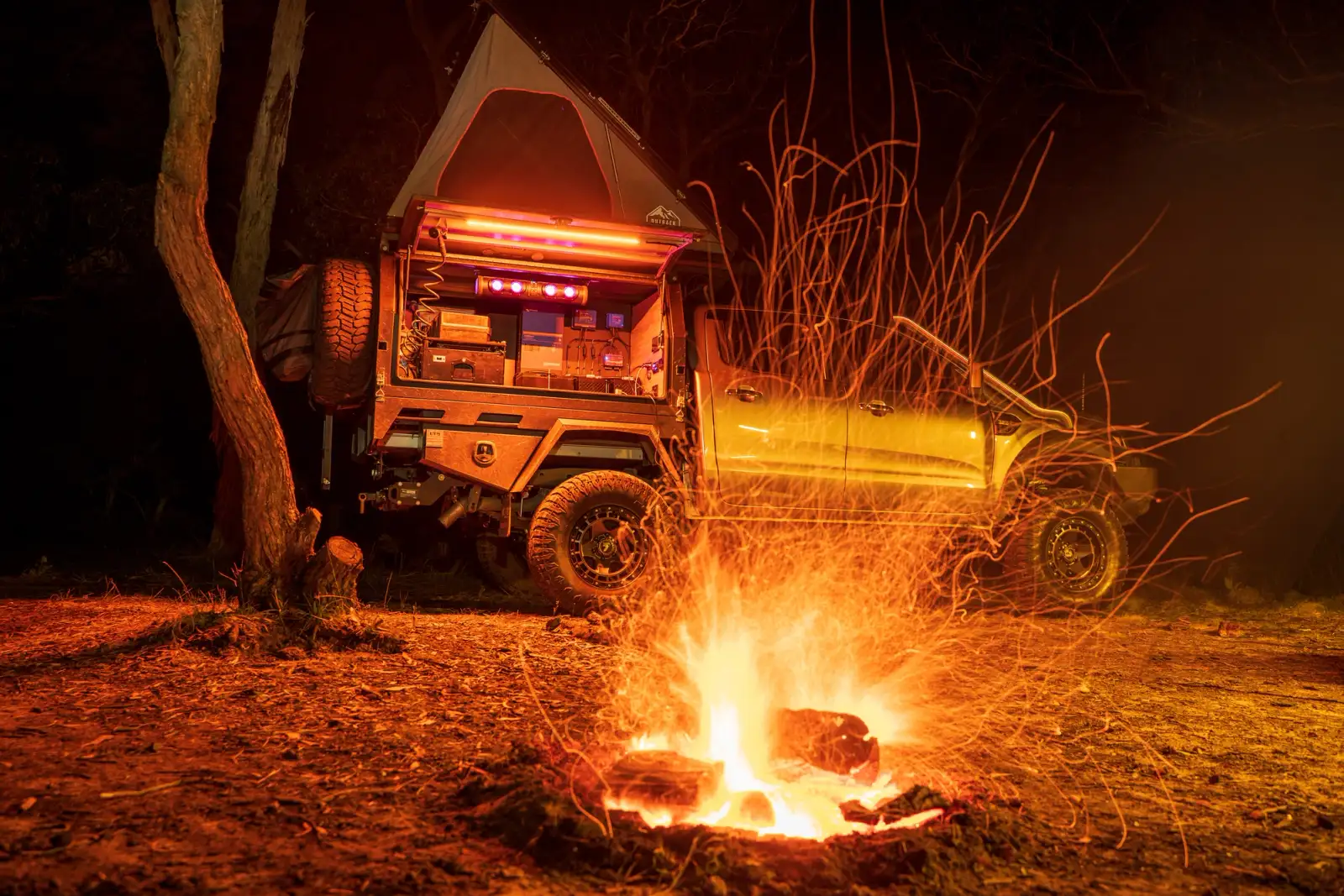
When someone tells you there’s a place called Big Desert in Victoria, you’d be forgiven for picturing something a little more… desert-like. Endless dunes, shimmering horizons, oppressive heat, something constantly trying to kill you and perhaps the distant silhouette of a camel wondering how the hell it ended up south of the Murray, while you wonder if it ever met Burke and Wills.
What you probably don’t picture is thick scrub, mallee, heathland, wildflowers and enough vegetation to make you question whether somebody at the Victorian place-naming department was having an exceptionally lazy or had something way too fizzy on a Friday afternoon.
Yet head into Victoria’s exceptional far west, roughly between the Little Desert and the South Australian border, and that’s exactly what you’ll find. Big Desert is one of those places that challenges your expectations almost immediately, because while it might not look much like the classic Australian desert we’ve been conditioned to imagine, get off the main roads and underneath all that vegetation is something Victorian 4X4’ers don’t encounter nearly often enough: sand. Lots and lots of sand.
And that alone makes it worth the trip.
For deserts and... 'deserts'
We cover anywhere you can legally go in Australia
So, is it Actually a Desert?
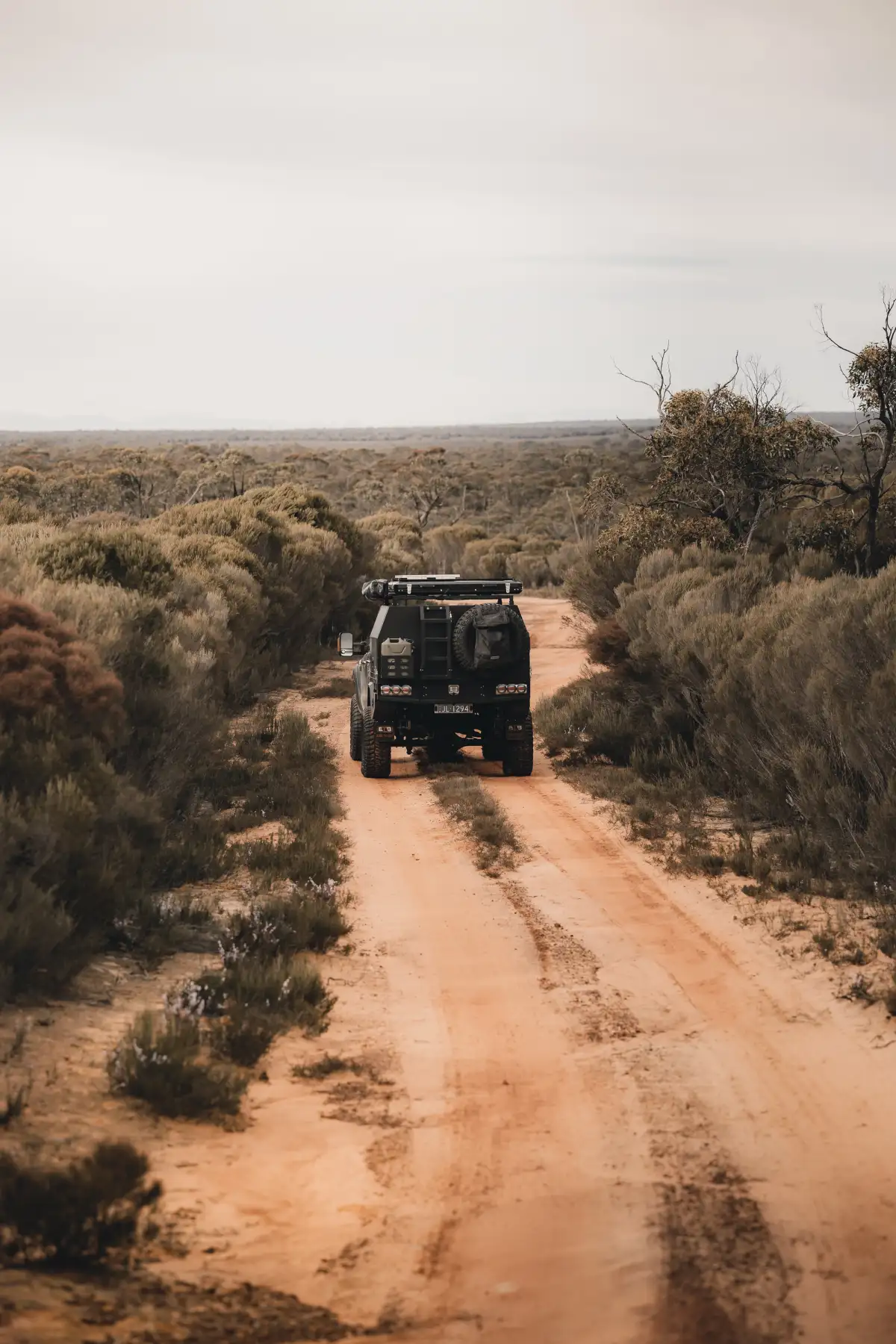
A 4X4 Ford Ranger driving down a sandy track surrounded by bush
The answer depends somewhat on how determined you are to start an argument with a geographer.
Big Desert sits within Victoria’s Mallee country, an environment characterised by low and unreliable rainfall, sandy soils and vegetation specially adapted to surviving in pretty ordinary growing conditions. It isn’t a vast, barren sandpit like parts of the Simpson, and you won’t spend three days staring at the same spinifex-covered dune wondering whether you’ve accidentally driven in a circle, but it is dry, remote and incredibly sandy country.
The name itself is also a reminder that “desert” doesn’t necessarily mean devoid of vegetation. Australia’s dry landscapes can support an extraordinary amount of plant and animal life, and Big Desert is a brilliant example. Depending on when you visit, the country can range from dry and harsh-looking to surprisingly colourful, particularly through spring when the heathlands and wildflowers start showing off.
That contrast is part of what makes the place interesting. From the driver’s seat you can be looking at thick bush that feels distinctly Victorian, while the vehicle underneath you is behaving as though you’ve suddenly transported it to a beach.
Victoria's Other Kind of Four-wheel Driving
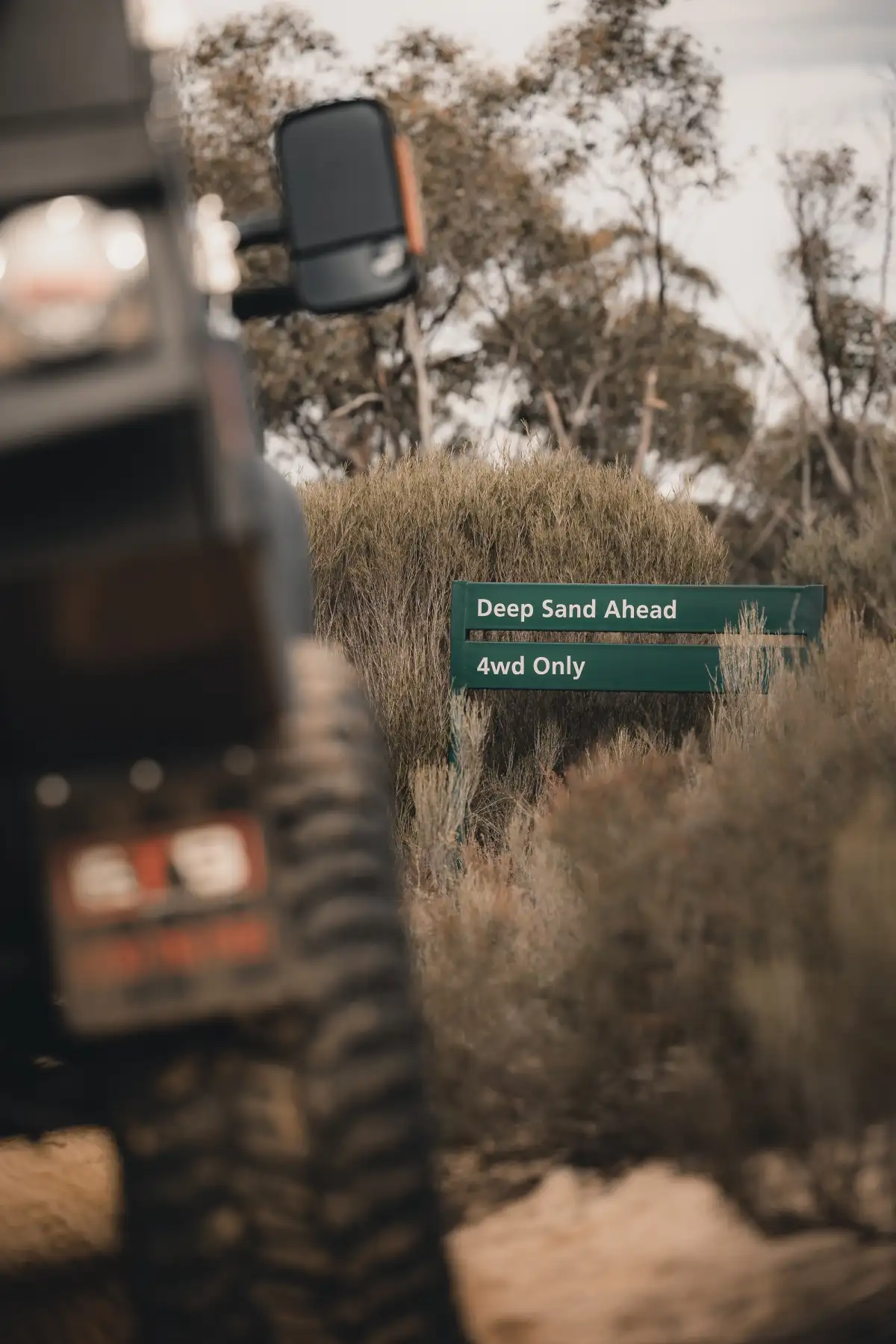
A sign in the bush indicating deep sand
Victoria spoils wheelers. It’s got the High Country, endless steep climbs and descents, rocks, river crossings, clay and approximately nine million kilometres of mud capable of sticking to the underside of a 4X4 until the following financial year.
What Victoria doesn’t have a lot of is genuine sand driving.
That makes Big Desert a fantastic place to develop a completely different set of skills. There’s an extensive network of tracks through the State Forest, ranging from straightforward sandy touring to softer sections that can quickly expose poor tyre pressures, excessive weight and the age-old four-wheel-drive technique of simply pressing the accelerator harder and hoping the problem sorts itself out.
Sand rewards finesse far more than aggression. Tyre pressure is one of the biggest factors, and if your vehicle is struggling, digging itself down or requiring ridiculous amounts of throttle to maintain progress, lowering pressures should be one of your first considerations. The goal is to increase the tyre’s footprint so it floats across the surface rather than cutting through it.
Exactly what pressure you run depends on the vehicle, tyre construction, load and conditions, so there’s no magic number that works for everyone. The important thing is understanding what the vehicle is telling you. Start conservatively, adjust as required and remember that once pressures come down, speed needs to come down with them.
Smooth momentum is equally important. Charging every soft section at warp speed might make excellent footage right up until something expensive separates itself from the vehicle. Read the track ahead, maintain enough momentum to keep the vehicle floating and avoid unnecessary wheelspin. If you do get stuck, stop early. A four-wheel drive sitting on top of the sand is much easier to recover than one you’ve spent five minutes enthusiastically burying to the chassis rails.
A shovel, tyre gauge, compressor and recovery boards are therefore particularly useful additions to the kit out here, along with the usual recovery equipment and communications appropriate for remote travel.
Don't Just Drive it
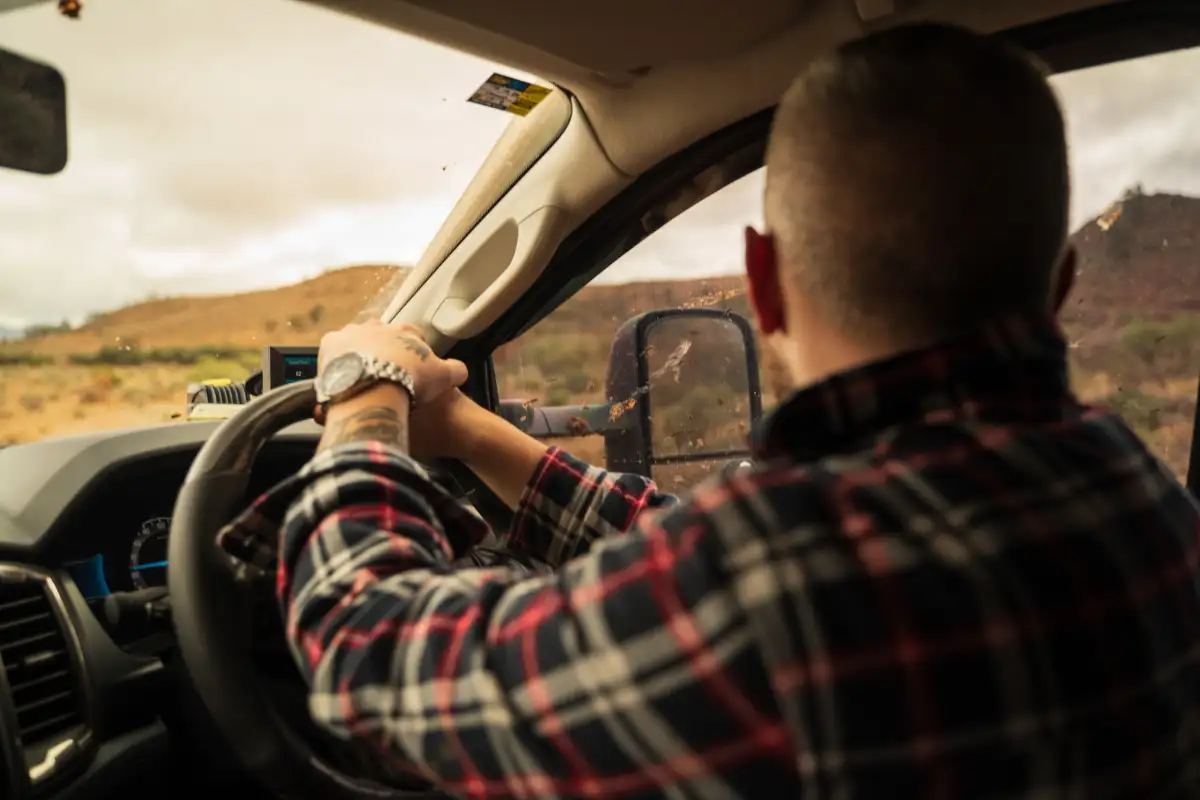
Josh Leonard driving a 4X4 in Big Desert, Victoria
It would be easy to treat Big Desert as another collection of tracks to conquer, but I reckon you’d miss half the point. This is somewhere worth slowing down for.
Big Billy Bore is probably the best-known camping base in the area and provides access to plenty of surrounding 4WD country. The facilities are basic, which is exactly how they should be. Bring your own drinking water, carry what you need and approach the area with a degree of self-sufficiency rather than expecting a powered site, hot shower and somebody named Keith arriving at 8am to empty the bins.
There are other remote camping opportunities throughout the surrounding country, and spending a night out here completely changes the experience. Once the day-trippers disappear and the sun drops behind the mallee, the isolation becomes much more obvious. There’s very little artificial light, very little noise and, provided nobody in your group has brought a Bluetooth speaker and an unexplained obsession with Cold Chisel at full volume, an enormous amount of peace.
Walking and wildlife watching are worthwhile too, particularly in the cooler months and during spring. This is country that rewards people who actually stop and look at it rather than simply measuring the trip by how many tracks they completed.
When Should you go?
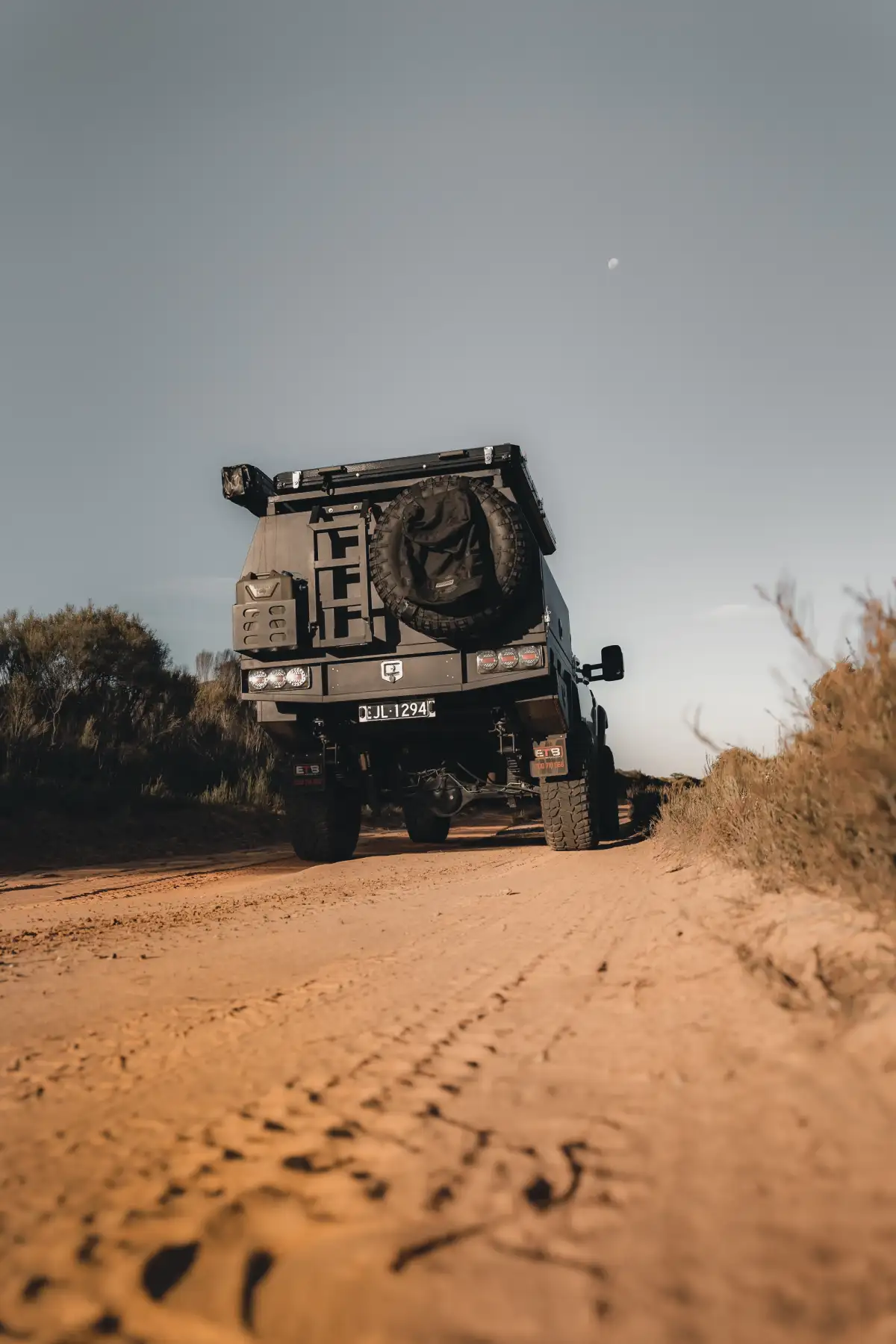
The behind of a 4X4 Ford Ranger on a sandy track in Big Desert, Victoria
If I had the choice, I’d aim for autumn or spring. The temperatures are generally more comfortable, camping is pleasant and spring brings the added bonus of wildflowers and more colour through the landscape.
Winter is absolutely worth considering as well. Nights can be properly cold, but I’d happily take another jacket and a decent sleeping bag over trying to prove my toughness in 40-degree heat.
Summer is where I’d think carefully. I’ve never not enjoyed being there, but in summer you will be enjoying yourself with a thick layer of sweat over your entire body… perfect for the sand to stick to.
Big Desert is remote, dry country and extreme heat dramatically reduces your margin for error. A simple mechanical issue becomes a very different proposition when temperatures are soaring and you’re a long way from assistance. Fire danger is another obvious consideration, so check current conditions, closures and restrictions before travelling regardless of the season.
You also need to understand where you’re driving. Big Desert State Forest and Big Desert Wilderness Park are not the same thing, and vehicles are prohibited within the Wilderness Park. Maps, signage and current land-management information matter here. As excuses go “Google Maps reckoned there was a track” remains a fairly ordinary defence when you’re somewhere you shouldn't be.
The Desert you Weren't Expecting
Big Desert probably isn’t going to satisfy someone searching for Victoria’s answer to the Simpson Desert, because it isn’t one. There are no towering red dunes and no vast expanses of completely barren country. In places, you could almost forget you’re somewhere with the word “desert” in its name.
But that’s exactly why I like it.
Big Desert is distinctly Victorian above ground and surprisingly desert-like underneath your tyres. It offers remote camping, beautiful Mallee country and one of the relatively rare opportunities in this state to spend serious time learning how a four-wheel drive behaves in sand.
Come expecting the Sahara and you’ll definitely be disappointed.
Come looking for one of Victoria’s most unusual 4X4 environments, lower your tyre pressures and give yourself a few days to explore it properly, and Big Desert starts making a hell of a lot more sense.
For deserts and... 'deserts'
We cover anywhere you can legally go in Australia