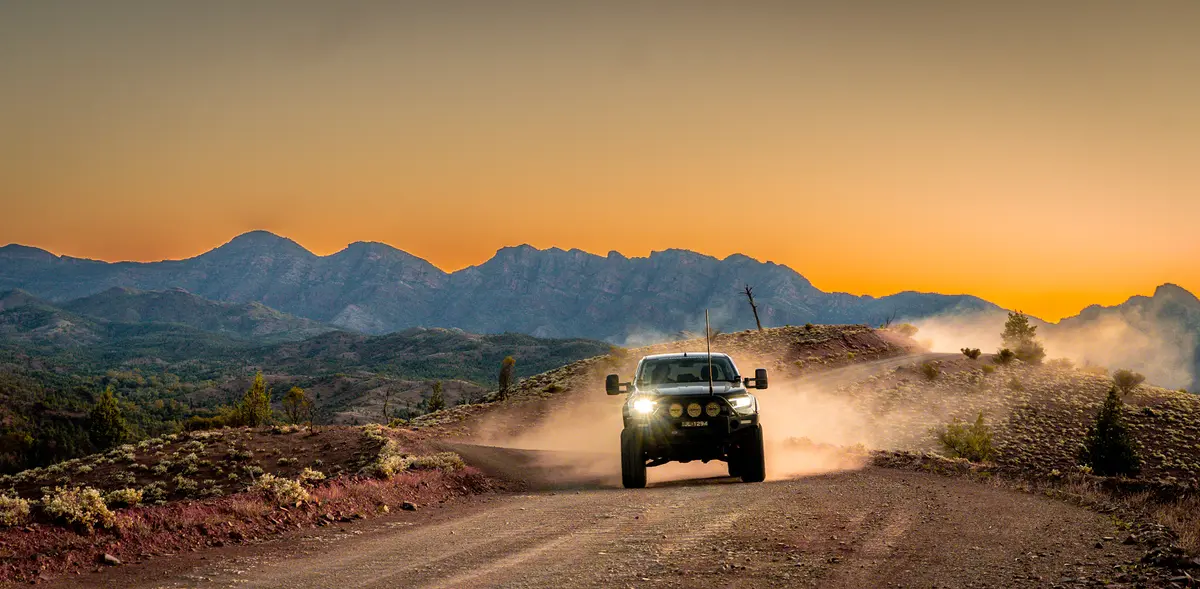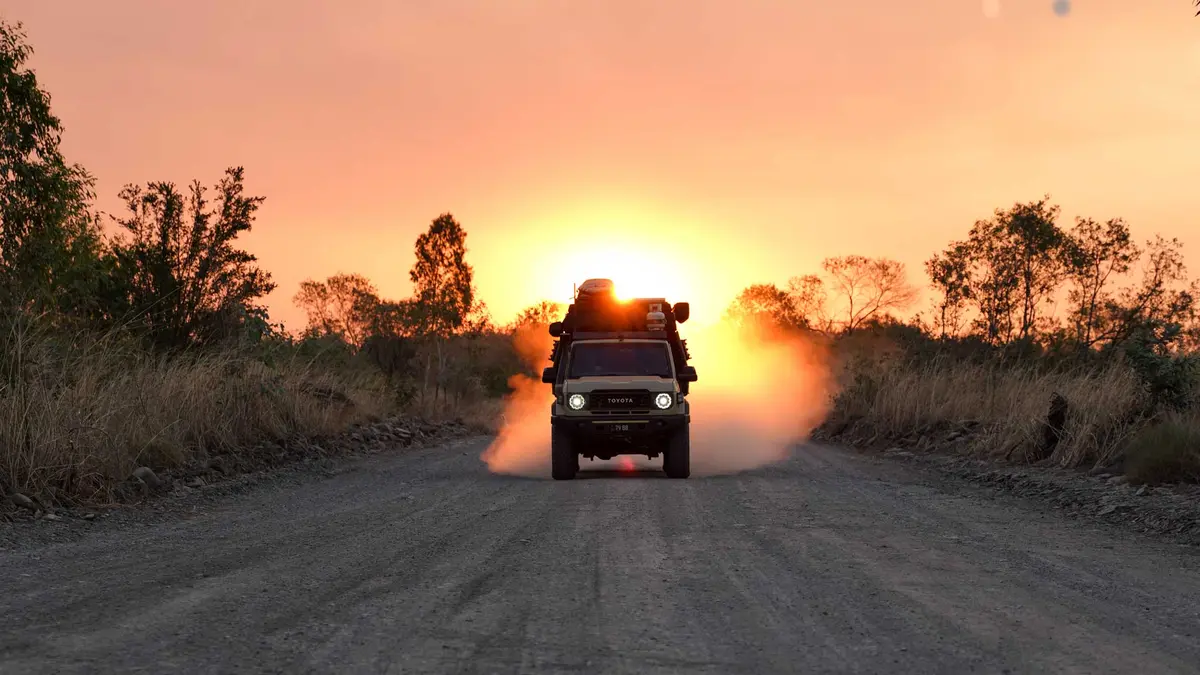
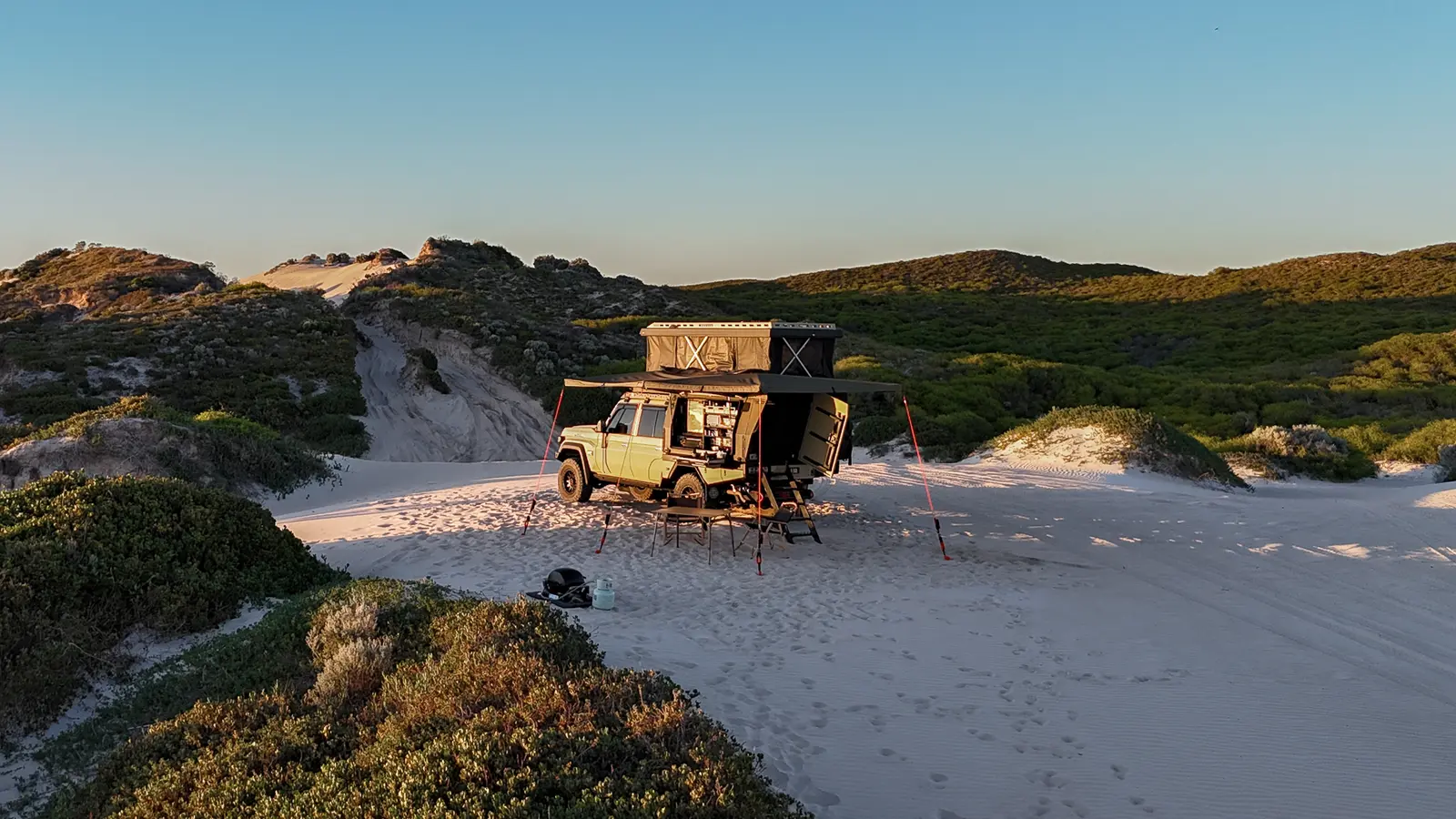
Australia’s roads are filled with vehicles that can transition from bitumen to the rough stuff without a second thought. Wander a shopping centre car park, cruise the highways or glance in your rear-view, and you’ll likely see a 4WD-capable vehicle. That dominance on the road isn’t surprising. In 2025, seven of the top ten selling cars in Australia had 4X4 options. SUVs and utes aren’t just practical for families and tradies. They’re designed to explore the country, chase remote camps and tackle outback roads with confidence.
The idea of ‘four-wheel drive’ began in late 19th century France on farms with tractors, however the first '4X4 car' is widely thought to have been made by Spyker, an automaker from Tompenburg near Amsterdam in the Netherlands in 1903. This idea of 4WD vehicles moved into the military through World War One, where early 4X4s helped pull guns across muddy battlefields. Between the wars, Citroën built 4WDs to follow parts of Marco Polo’s route from Beirut to Beijing, and designers like Miller and Dodge made vehicles for both racing and rugged use. By World War Two, over 100,000 4WDs were built for military duty. After the war, vehicles such as the Land Rover and Ford 4WD became everyday tools and adventure rigs and are still evolving today with modern engines, tech and styling.
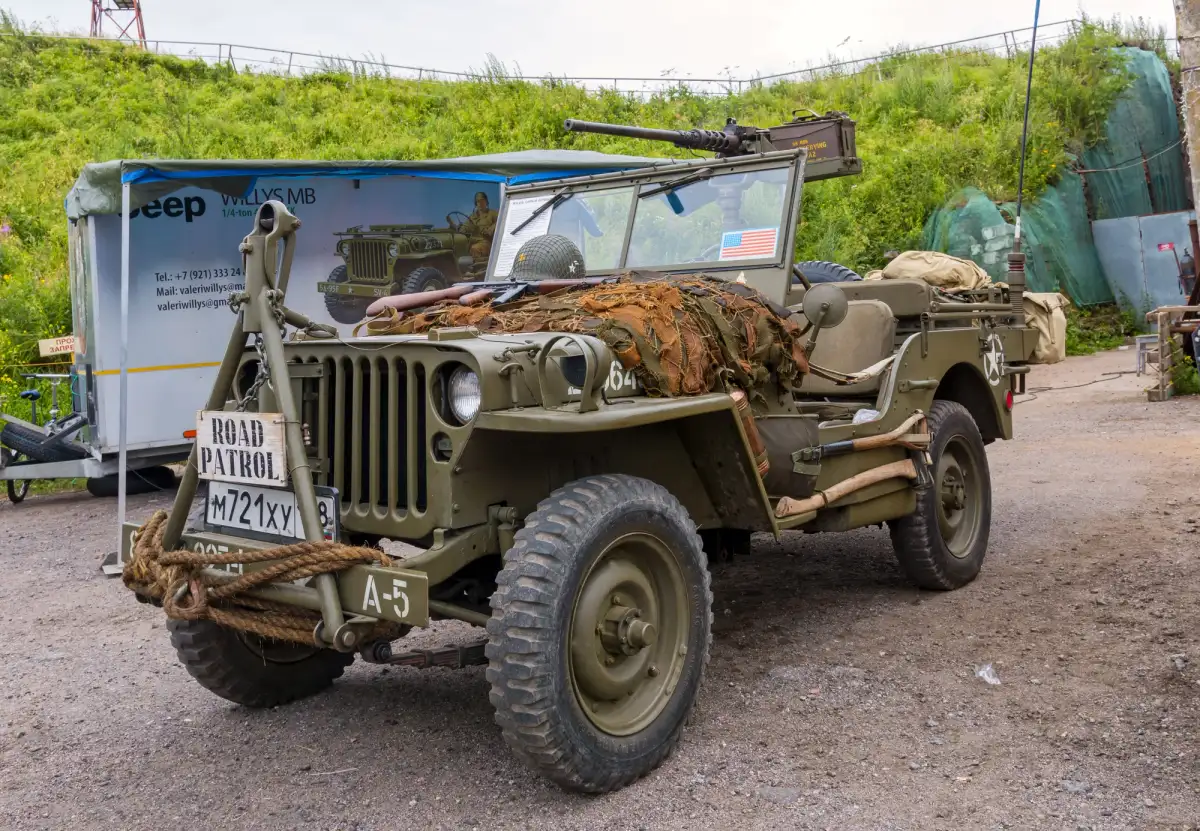
A US Army issued Jeep 4WD
As 4WDs spread into recreational and sport use, manufacturers big and small built on the core idea: drive all four wheels when you need grip, traction and control. From the Hummer in the ’80s to the Porsche 911 AWD winning the Paris-Dakar in ’84, the ethos endured. Today, brands like Toyota and Ford still build global favourites, and electric manufacturers like BYD are pushing hybrid and electric 4WD systems into the future.
Below, we unpack the most common 4WD systems, what makes each one different, and where they shine off the bitumen.
What the Main 4WD Systems Are and How They Work
Full-Time 4WD
Full-time 4WD is the traditional choice for serious off-road wagons and explorers. This system sends power to all four wheels all the time, giving steady traction on loose or slippery surfaces without any input from the driver.
Older systems did it mechanically with a differential in the transfer case. You’d only grab a lever to select low range for slow, steep climbs. Some also had a centre-diff lock to force both prop shafts to turn together. Modern full-time 4WDs automate much of this, with centre-diff locking that engages in low range when needed.
When you’re cruising gravel, dirt or corrugated roads on remote trips, full-time 4WD feels effortless and confidence-boosting.
Best for: serious touring, heavy off-road use, frequent loose surfaces
Pro tip: Although you don’t need to switch anything on most of the time, understanding low-range gear will help you squeeze maximum torque when climbing or descending steep terrain.
Example: Volkswagen Amarok
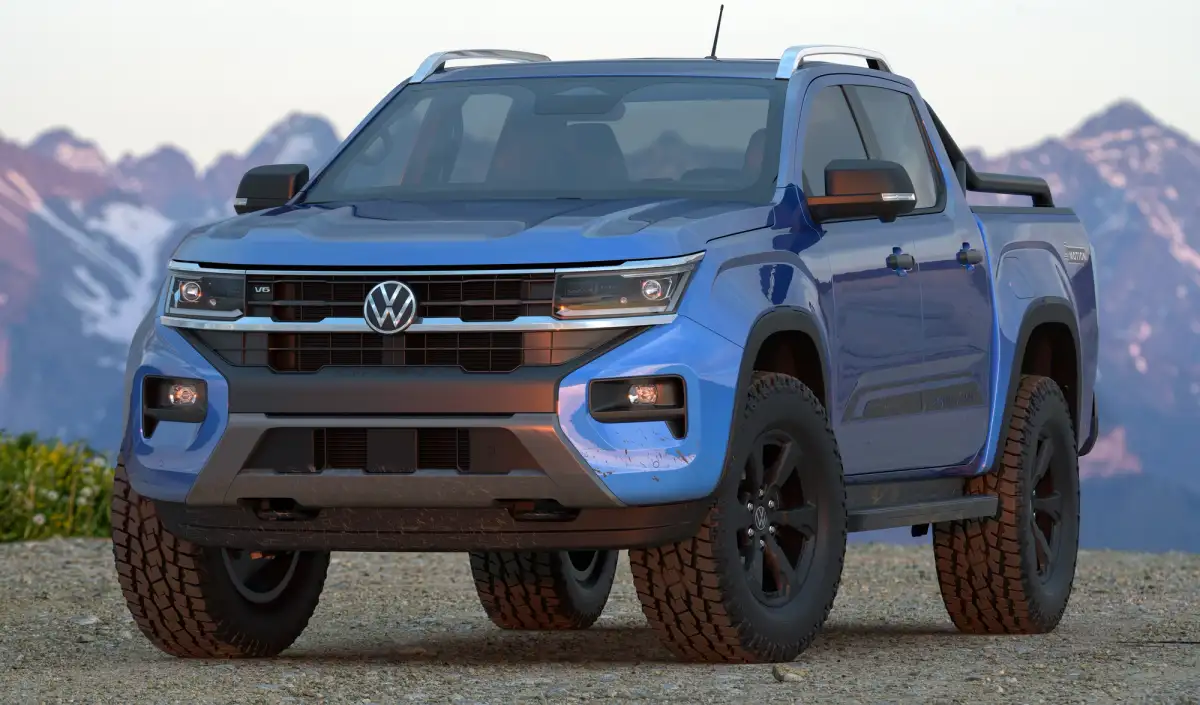
A blue Volkswagen Amarok posed in front of mountains
Part-Time 4WD
Part-time 4WD is common in utes and classic 4X4 rigs. With this setup you can switch between 2WD (typically rear-wheel drive) and 4WD as you need it, using either a mechanical lever or an electronic switch.
It’s simple and robust, but there’s a catch: part-time systems aren’t designed to stay in 4WD on high-traction surfaces like bitumen. That can cause drivetrain wind-up and wear.
Leaving part-time 4WD engaged won’t harm anything immediately. The bigger issue is fuel economy. Switching back to 2WD when you don’t need all-four wheels can save a little fuel.
Best for: tradies, campers, and anyone who uses 4WD intermittently
Example: Toyota Fortuner
On-Demand 4WD
Many modern SUVs are built around on-demand 4WD. These systems normally operate in 2WD (often front-wheel drive) and automatically send power to the rear wheels when sensors detect slip.
On-demand systems are great for everyday driving and light off-road conditions. They are especially common in ‘softroaders’ where you want the look and some capability without heavy mechanical complexity.
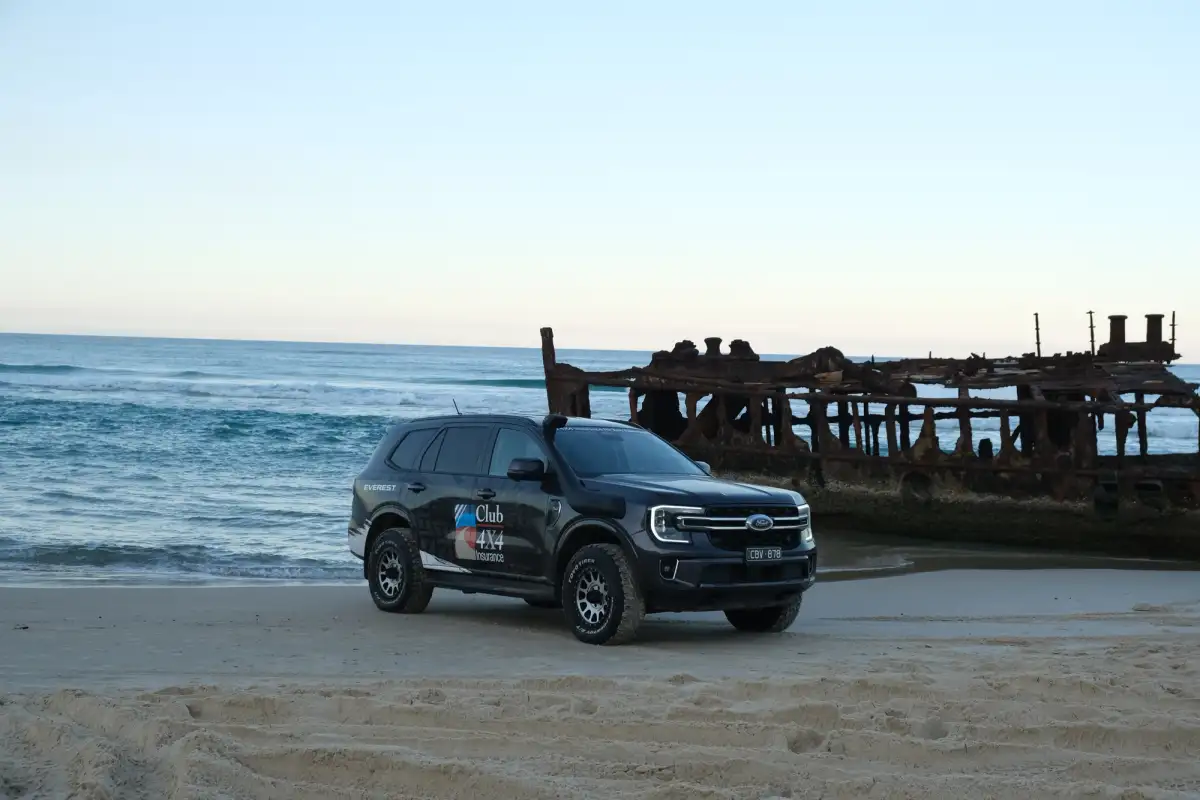
A Club 4X4 branded Ford Everest posed in front of a shipwreck on K'Gari
Some on-demand vehicles even let you lock the drive manually, which effectively turns them into a part-time 4WD. But that lock mode should not be used on high-traction surfaces.
Best for: urban drivers who want extra traction on gravel or wet roads
Example: Ford Everest
Hybrid 4WD: The Electrified Future
Electrification is changing the 4X4 world fast. Hybrid 4WD systems use an electric motor with the traditional engine, and often another motor at the rear. With no need for a mechanical driveshaft between front and rear, these systems can send torque where it’s needed quickly.
Electric motors produce maximum torque from zero revolutions. That means many hybrid 4WD systems don’t need low range gearing for torque multiplication like old mechanical systems did.
Torque can also be proportioned instantly based on wheel grip, removing the need for mechanical diff locks on the electric axles. Some systems even employ a motor at each wheel, similar to how many battery-electric vehicles operate.
Testing of hybrid on-demand SUVs shows they work effectively off-road. Their limitations come more from SUV design elements like low ground clearance and tyre choice than from the drivetrain itself.
Example: Land Rover Defender 110 PHEV
All-Wheel Drive (AWD): What It Is and What It Isn’t
All-wheel drive sits in a grey area that often causes confusion, especially in Australia where AWD and 4WD are used interchangeably in marketing. Mechanically and practically though, AWD is its own category.
Most AWD systems are designed for on-road stability first and light off-road use second. Power is delivered to all four wheels either permanently or automatically, without the driver needing to select modes or lock differentials. There is no low range, and torque distribution is managed electronically rather than mechanically.
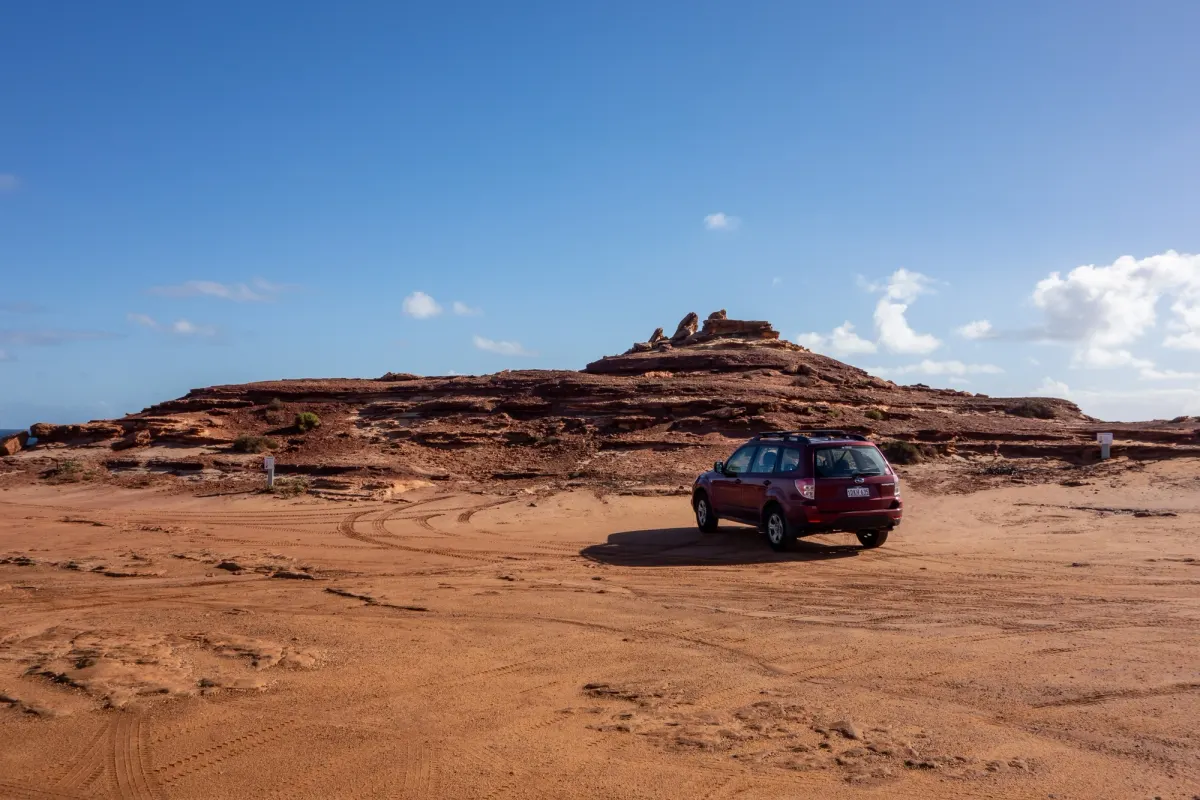
A Subaru on a red dirt landscape in Australia
They’re particularly good for long distance touring where conditions vary but extreme off-road obstacles aren’t part of the plan. Think dirt highways, alpine roads, rain-soaked bitumen and long stretches of gravel rather than rock steps and deep ruts.
Because AWD systems rely on traction control and electronic couplings rather than low-range gearing, they are limited when terrain becomes slow, steep or highly technical. Wheel placement, tyre choice and momentum matter far more than drivetrain strength.
This is why AWD is most commonly found in crossovers and SUVs rather than traditional off-road wagons or utes.
Example: Subaru Outback
How Drivetrain Types Match Different Vehicle Styles
Now that we’ve covered how AWD, part-time 4WD, full-time 4WD and hybrid systems work, the next piece of the puzzle is how manufacturers pair these systems with different vehicle types. This is where many buying decisions either make perfect sense or fall apart entirely.
SUVs and Softroaders
Most modern SUVs are built around AWD or on-demand 4WD systems. These vehicles prioritise comfort, fuel efficiency and on-road handling, with just enough off-road capability to handle gravel roads, beach access tracks and poorly maintained regional roads.
They’re ideal for family touring, long highway runs and mild off-grid camps, but they’re not designed for sustained low-speed, off-road work. Ground clearance, suspension travel and tyre choice usually become the limiting factors well before the drivetrain does.
This is why many SUVs perform well until the terrain suddenly asks more of them than they were designed to give.
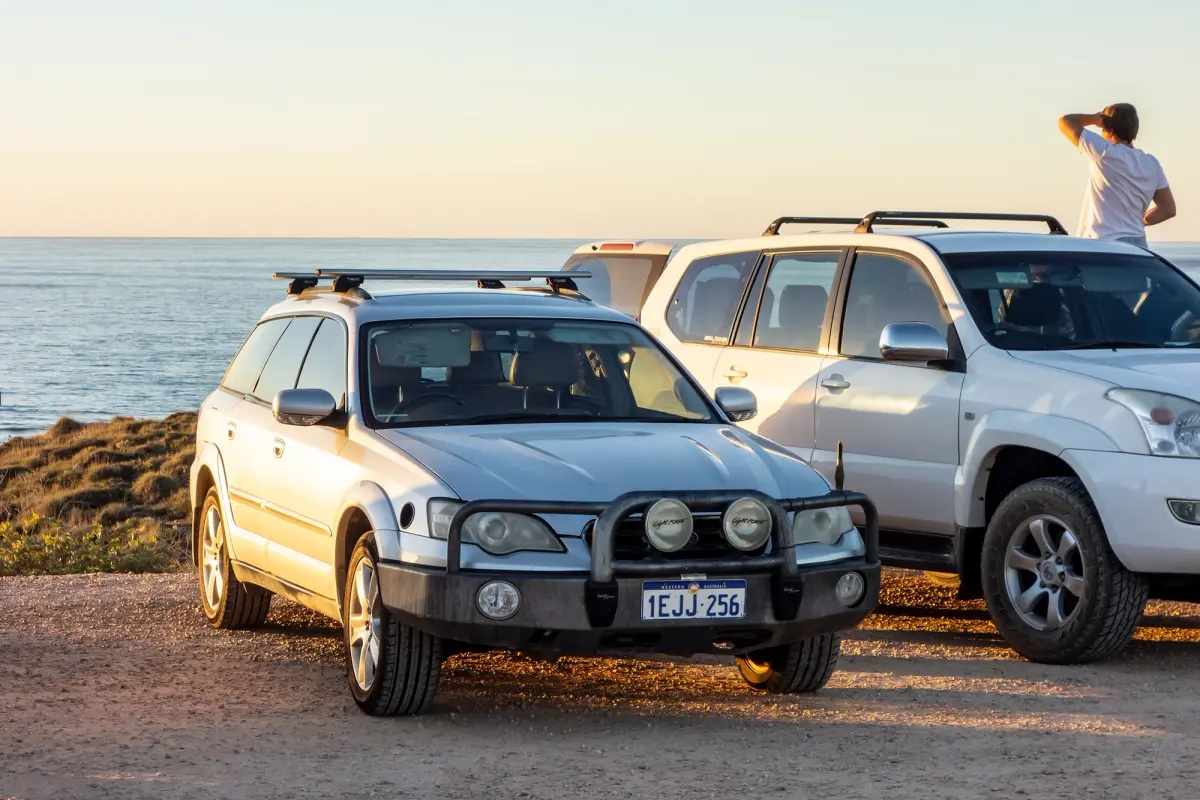
A Subaru AWD parked at a beach lookout
Popular SUVs and Softroaders include:
- Subaru Outback
- Toyota RAV4
- Nissan X-Trail
Traditional 4WD Wagons
This is where full-time 4WD and selectable full-time systems dominate. Wagons like the LandCruiser, Patrol and Prado are engineered from the ground up for remote travel and sustained off-road use.
They combine strong drivetrains, low-range gearing and robust suspension with enclosed cargo space, making them ideal for long remote trips where self-sufficiency matters. On corrugated roads, loose climbs and technical tracks, these vehicles shine because the drivetrain is always ready to work.
Wagons are the natural choice for extended touring, towing in remote areas and trips where recovery options are limited.
Popular traditional 4WD wagons include:
- Ford Everest
- Toyota Prado
- Isuzu MU-X
Dual-Cab Utes
Utes most commonly use part-time 4WD systems, although selectable full-time options are becoming more common. This setup makes sense given how utes are used. They spend much of their life in 2WD for efficiency, switching into 4WD only when conditions demand it.
With their strong chassis, good payload capacity and wide aftermarket support, utes are extremely capable off-road when driven within their limits. However, they demand more driver input than full-time systems, especially when conditions change quickly.
For touring builds, suspension setup, weight distribution and tyre pressures play a huge role in how capable a ute becomes off the bitumen.
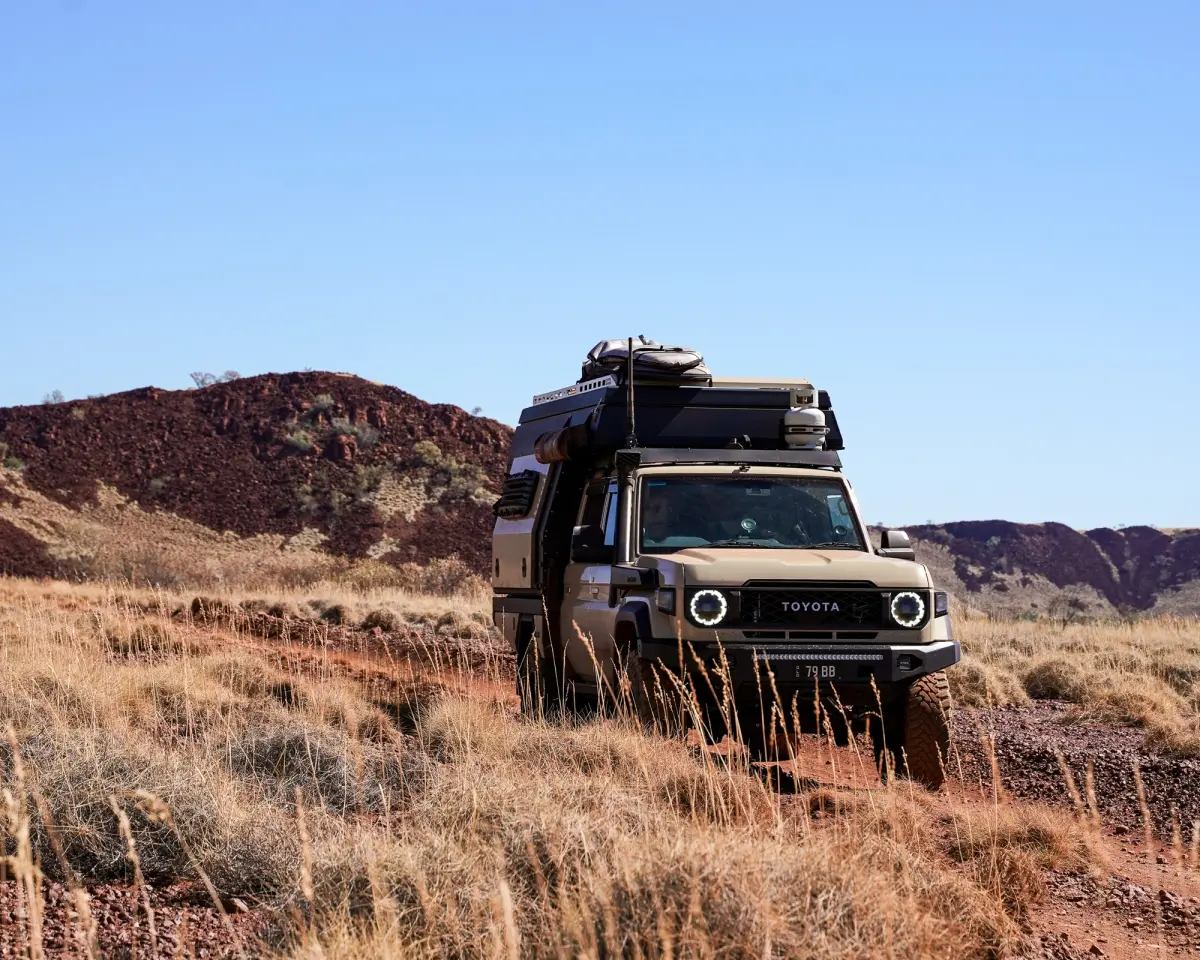
A Toyota LandCruiser 70 series driving though a grassy road
Popular dual-cab utes include:
- Ford Ranger
- Toyota HiLux
- Mazda BT-50
Single-Cab Utes
Single-cab utes are often overlooked in touring conversations, but they remain one of the most capable and durable 4WD platforms in Australia. Built primarily as work vehicles, they typically run part-time 4WD systems and are engineered to carry heavy loads in harsh conditions.
With a longer tray, higher payload and fewer comfort-focused electronics, single-cabs are well suited to remote work and self-sufficient travel. Traction can be limited when unladen, but correct tyre pressures and sensible loading make a big difference.
They’re also highly customisable, with space for canopies, service bodies or slide-on campers without compromising axle loads. The trade-off is passenger capacity and everyday comfort, but for durability-focused builds, single-cabs excel.
Popular single-cab utes include:
- Nissan Navara
- Isuzu D-Max
- Mitsubishi Triton
Hybrid and Electrified Vehicles
Hybrid AWD and hybrid 4WD systems are starting to blur traditional categories. Some SUVs now outperform older mechanical systems in traction delivery, even without low range.
That said, drivetrain technology can only compensate so much. Vehicle shape, clearance, overhangs and tyres still dictate how far you can push into remote or technical terrain. Electrification improves control and torque delivery, but it doesn’t magically turn a road-focused SUV into a rock crawler.
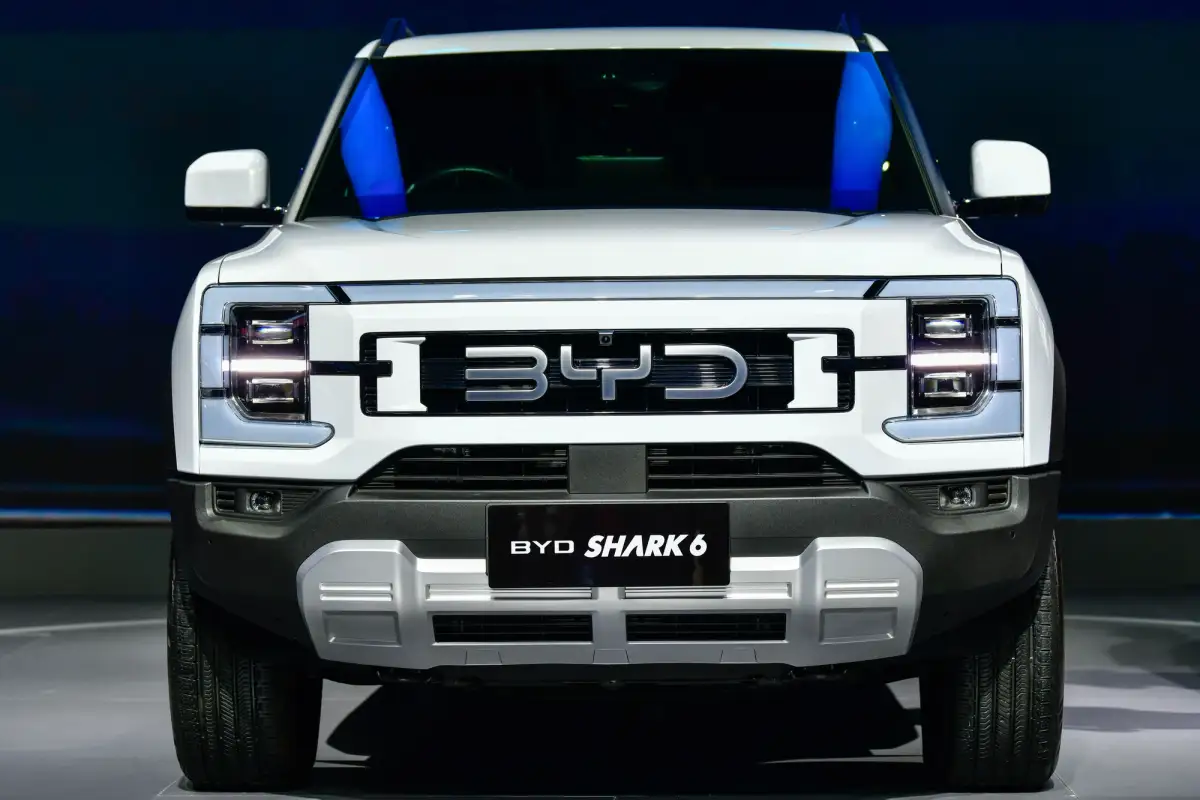
A white BYD Shark 6 in a showroom
Popular hybrid and electrified vehicles include:
- BYD Shark 6
- Land Rover Defender PHEV
- Ford F-150 Lightning
Why Understanding This Matters Before You Buy or Build
Drivetrain type and vehicle style should always be considered together. A highly capable 4WD system in a low-clearance SUV still has limits, just as a tough ute in 2WD mode will struggle in slippery conditions.
Understanding how these systems work helps you:
- Choose the right vehicle for your type of travel
- Avoid overestimating capability
- Set realistic expectations off-road
- Build a touring setup that works with your drivetrain, not against it
At the end of the day, Australia’s love affair with 4WDs, AWDs, SUVs and utes makes sense. We drive long distances, we travel far from help, and we value vehicles that can adapt to changing terrain. Knowing what’s under your vehicle and how it delivers power is one of the most important steps in travelling safely and confidently beyond the bitumen.
Whether you're 4WDing full-time or part-time
Cover anywhere you can legally go in Australia