There comes a point when the swag or the camper trailer just doesn't cut it anymore, and you make the move to a caravan. I've seen firsthand how important it is to get the weight distribution right for a safe and comfy journey. In this story, we're diving into why weight distribution in caravans is so darn important, covering stuff like water tanks, spare tyres, air conditioning units, luggage, and how tyre pressures can make a big difference when you're all loaded up. We'll also talk about anti-sway tech and the havoc that trailer sway can wreak when your caravan isn't balanced right, along with tips for handling it like a pro.
Comprehensive Caravan Insurance
On-road or off-road, big or small, we’ve got your caravan & contents covered
1. The Foundation of Stability: Weight Distribution in Caravans
Caravans are meant to be your home away from home, letting you pack in all the essentials for an epic journey. But one thing folks often overlook is how they spread the weight around inside the caravan. Think of it like a seesaw; if the weight isn't balanced, you're in for a wobbly ride that could lead to some hairy moments on the road. To keep things smooth and safe, it's vital to nail down the ins and outs of weight distribution.
2. The Role of Water Tanks and Spare Tyres
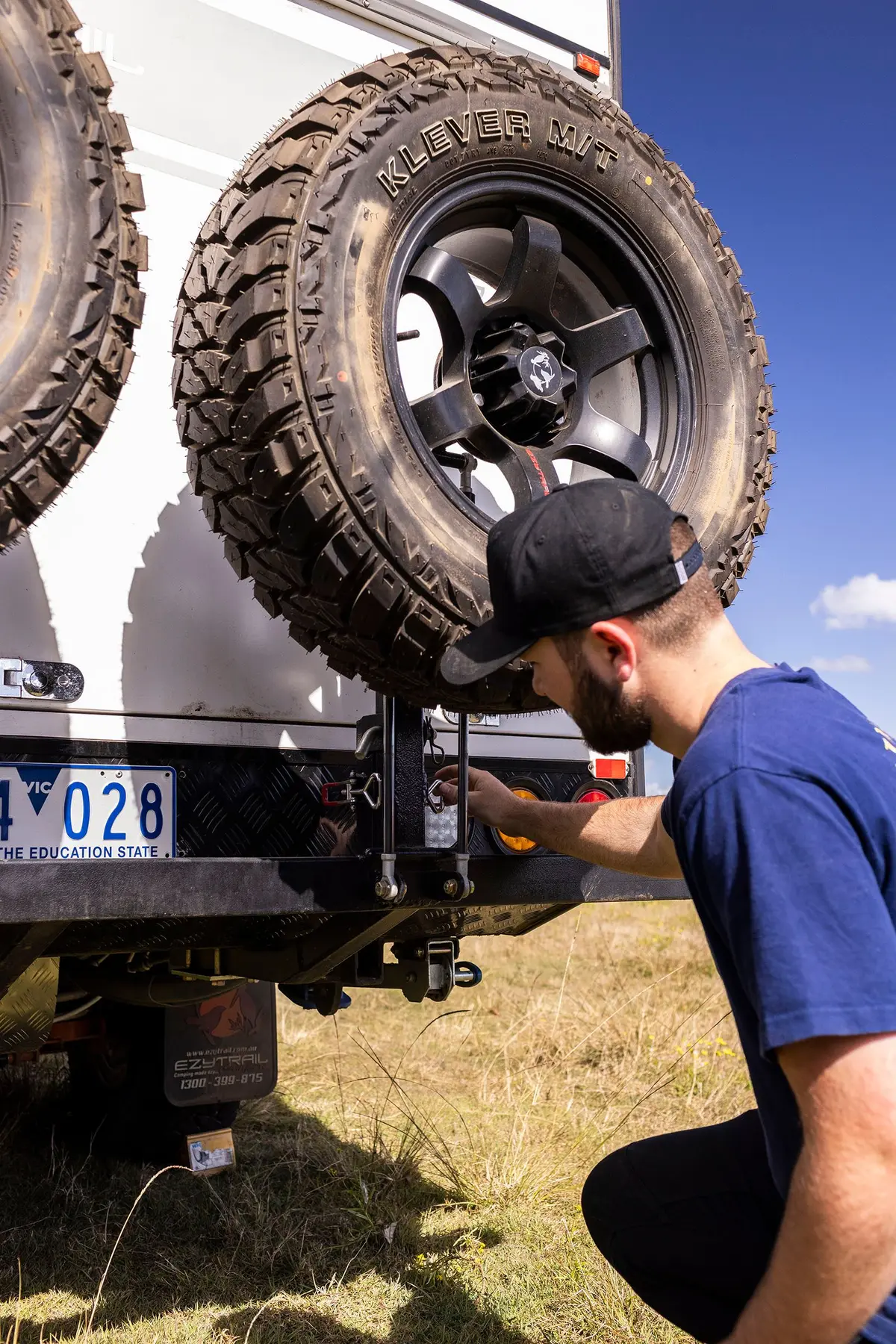
Water tanks are like gold on the road, so it's smart to stash them near the center of the caravan, keeping things nice and balanced from side to side. Placing them close to the axles does wonders for stability and cuts down on any pesky swaying. And spare tires? Well, they're lifesavers, but they have got to be strapped down tight and snug near the axles. None of that lopsided business. Sure, it's tempting to slap on a couple of big spares at the back, but it's not great for the caravan's balance. Less weight hanging out on the edges means a smoother ride.
3. Air Conditioning Units and Luggage Considerations
Those air conditioning units are a godsend when the Aussie sun's blazing down, but they can throw off your weight distribution game. They usually chill up front, which can make things a tad nose-heavy. Tossing some heavier luggage towards the back can help even things out. Every now and then, you might spot a DIY enthusiast sticking a hefty home-style aircon on the rear of their caravan. Sure, it might pump out some serious cool, but it's worth considering how it affects the balance.
4. Tyre Pressures: A Crucial Element
Getting those tyre pressures right is key for both your towing vehicle and the caravan. When you're loaded up, the weight distribution affects how the tyres bear the load, so you'll need to tweak the tyre pressures accordingly. Check out the manufacturer's guidelines or chat with a pro to make sure you've got the right pressures dialed in for a smooth and safe journey.
5. The Battle Against Trailer Sway: Anti-Sway Technologies
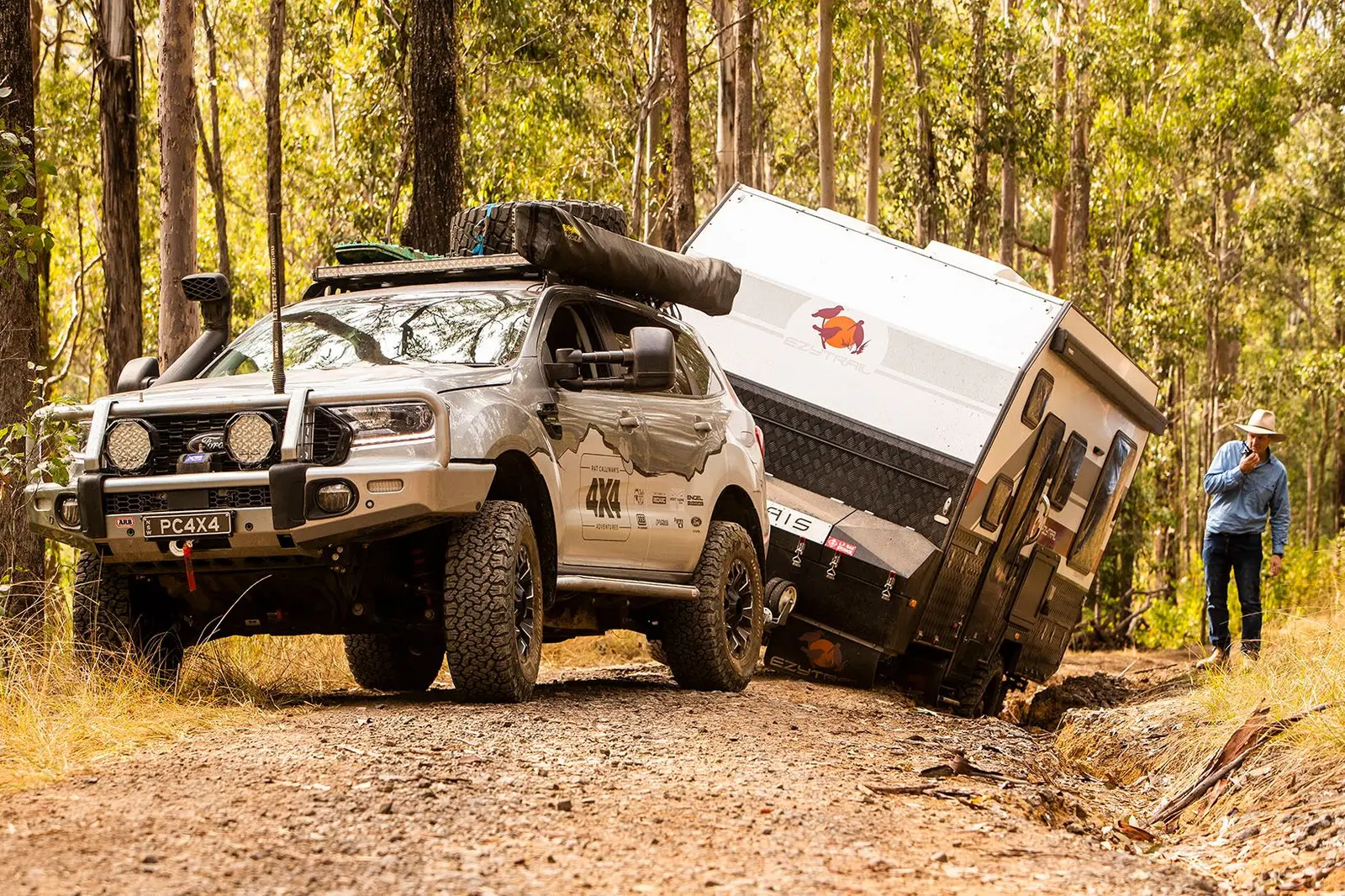
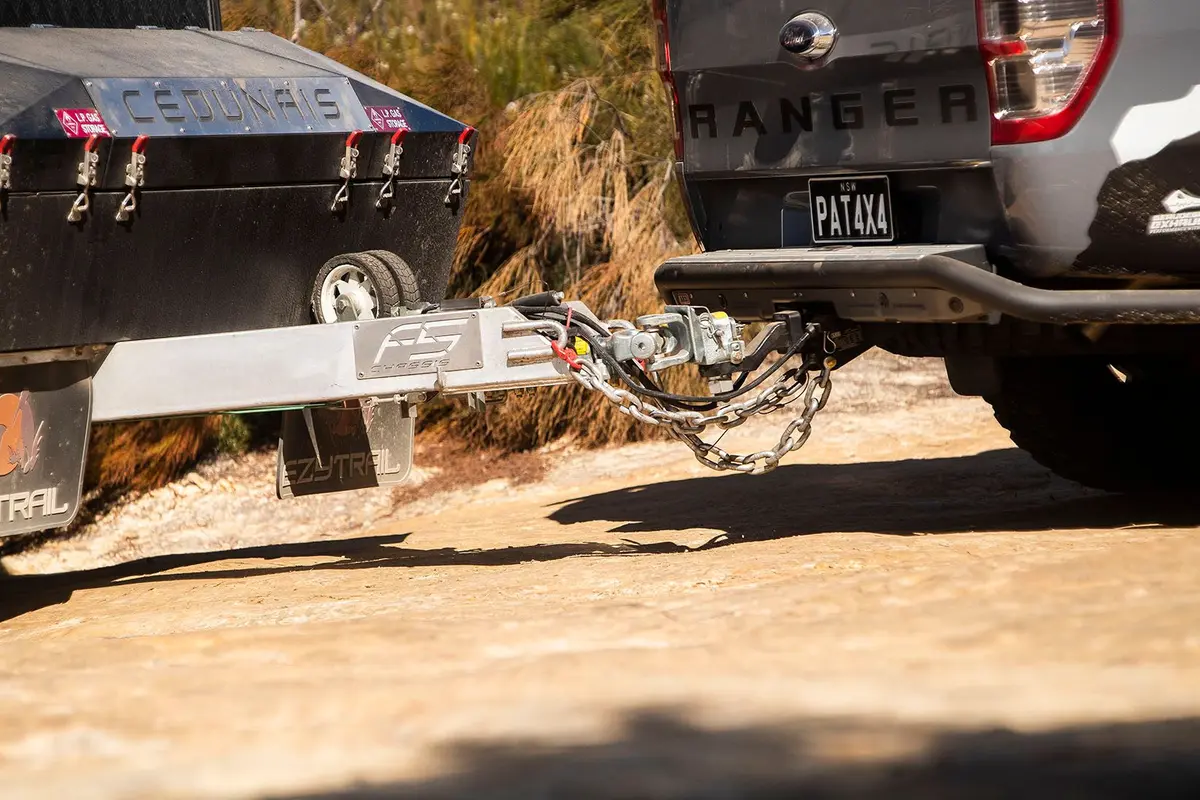
Trailer sway? It's every caravanner's worst nightmare. Picture your caravan swinging side to side like a pendulum - total chaos on the road. Thankfully, manufacturers have come to the rescue with anti-sway technologies like sway control hitches and electronic stability control systems. These nifty gadgets detect and tackle sway, giving you added peace of mind on both highways and off-road jaunts.
6. Managing Trailer Sway: Driver's Actions
Even with all those fancy anti-sway gizmos, it's still down to the driver to stay sharp and ready to act if trailer sway rears its ugly head. First rule: don't freak out. Ease off the gas slowly, steer gently, and use your van's electronic brake controller to apply the brakes independently. The tug-of-war between your tow vehicle and caravan should help calm things down. And if you're still swaying, consider reshuffling your load to rebalance the weight - it can work wonders.
I can't stress this enough: getting your weight distribution spot-on in caravans is absolutely key. Whether it's your water tanks, spare tyres, air conditioning units, or luggage, every little bit counts when it comes to keeping things stable on the road. By grasping how weight distribution impacts your caravan and sticking to the best methods, you'll be cruising across Australia's stunning landscapes in safety and style. Just remember, a well-balanced caravan isn't just a mark of you know-how—it's your ticket to epic adventures. So, set off on your next journey with confidence, knowing you've nailed the art of weight distribution.