You probably didn’t hear this one coming (pun intended), but the BYD Shark 6 has silently been competing with the likes of the Ford Ranger and Toyota HiLux in the mid-sized Australian ute market since its introduction in late 2024. You’ve likely seen them rolling all around town, and it’s really no surprise given its stomach-able price point and impressive feature list. But how does the Shark fare off the black top? Does it thrive or is it a fish out of water?
Overview of the BYD Shark 6
In 2026, BYD builds and sells more EVs than Tesla. In Australia, they’re now a well-established EV brand and are quickly growing, dominating wherever they go.
BYD’s aquatic-inspired range of EVs are great for everyday drivers, but the company did something clever when expanding to Australia – they gave their range some teeth. The Shark 6 was designed for Aussie roads, targeting the popular ute segment and nailing it with a competitive price point that opens the financial gate for many aspiring off roaders.
To better cater to the Australian market, BYD partnered with Ironman 4X4 to develop a range of accessories including bull bars, roof racks, roll-top tonneau covers and canopies, all available at purchase to give your Shark some bite.
Performance: Hybrid Power with Real-World Grit
Sharks in nature lack bones, instead cruising through our oceans with a flexible cartilage skeleton, reducing the energy generally required for movement. The BYD Shark 6 has nailed one of these anatomical functions with its pair of electric motors offering smooth power delivery. However, what this beast lacks is flexibility. Its suspension lacks the adaptability we’re used to on corrugated roads and pothole-ridden country backroads.
Under the bonnet is a 1.5-litre turbocharged petrol engine producing around 135kW/260Nm paired to electric motors at both axles for a combined output of 321kW and 650Nm.
The petrol engine’s main job is to keep the batteries topped up, slipping in above about 70 km/h or when you bury the throttle. Even then, the Shark remains relatively quiet and refined in town. The package makes the Shark a tidy urban ute, but its suspension feels reactive and jerky over rough surfaces, leaving something to be desired for extended outback travel.
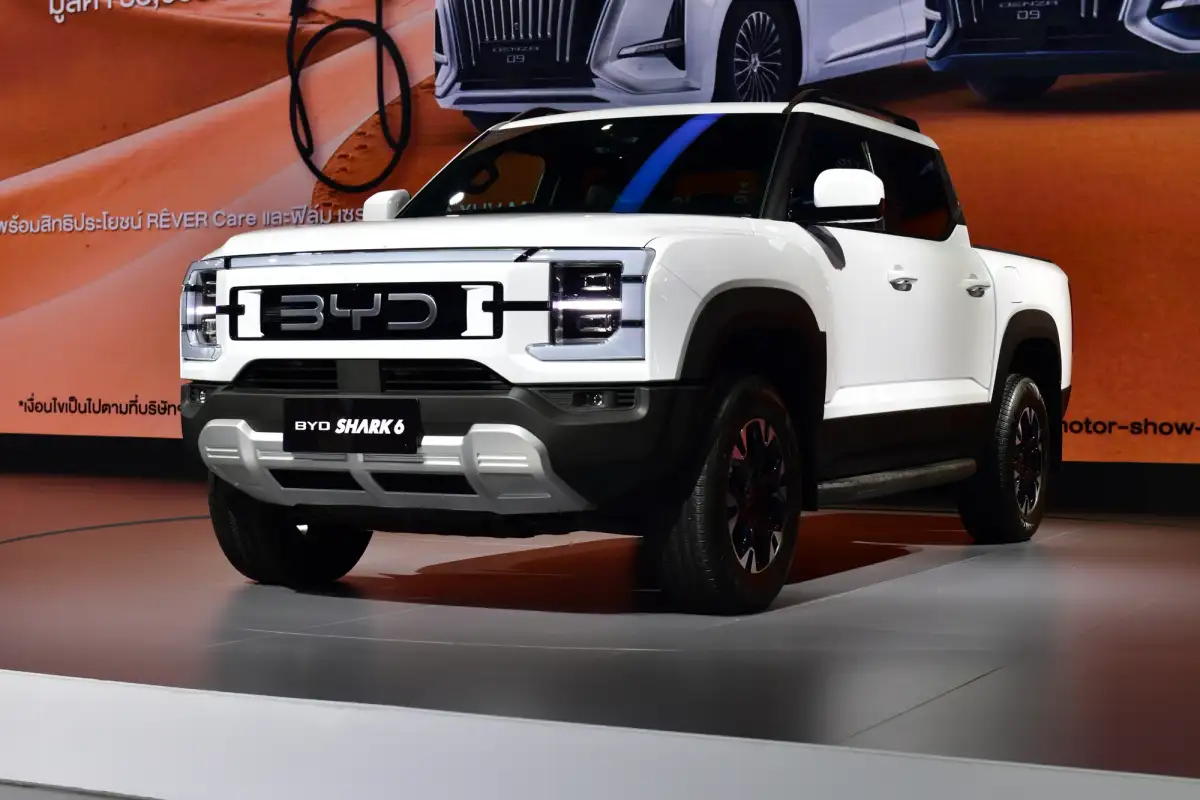
A white BYD Shark 6 in a showroom
4WD Capability & Off-Road Handling
On paper, the Shark 6 looks well equipped. The dual electric motors provide on-demand all-wheel drive with instant torque delivery and no traditional transfer case to complicate things. Traction control reacts quickly and low-speed grip on sand and loose gravel is more confident than many would expect.
Ground clearance of around 230 mm with decent approach and departure angles means it can handle beach runs, fire trails and rutted tracks with ease. But where things start to fall apart is suspension compliance and wheel articulation. Its independent rear setup favours on-road comfort and payload stability over extreme flex. Rock steps, deep washouts and sustained corrugations reveal its limits. It’s capable enough for weekend adventures, but it won’t replace a traditional 4WD with a low-range transfer case for hard off-road use.
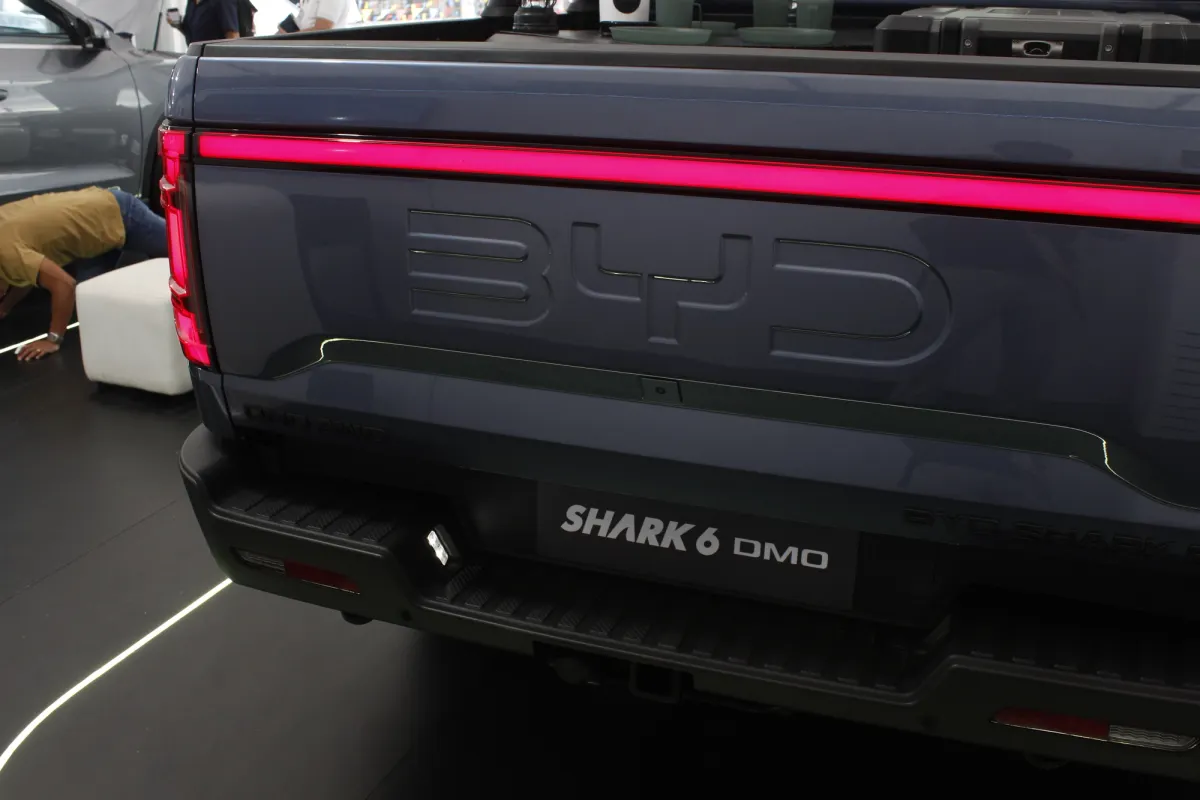
The rear of a grey BYD Shark 6
Towing: Practical but Not Segment Leading
BYD claims a 2,500 kg braked towing capacity, which is respectable but trails behind segment leaders like the Ranger and HiLux. This is a real consideration for caravanners and tradies who tow regularly.
That said, the electric motors deliver torque smoothly when pulling weight and low-speed towing feels controlled and predictable. Without traditional gear changes, manoeuvring trailers around campsites or boat ramps is easier. However, once the petrol engine is working hard to charge batteries at highway speeds, fuel consumption rises and range is affected. With accessories fitted like canopies or gear, payload reduces, so the Shark suits moderate loads over heavy touring setups.
Interior & Technology: SUV-Like Comfort
Inside, the Shark 6 feels modern, well-finished and undeniably tech-forward. A large 15.6-inch touchscreen dominates the dash with wireless Apple CarPlay and Android Auto, while seats are supportive and adjustable.
There’s good head and legroom for occupants, but storage solutions fall into the adequate rather than exceptional category. Materials feel solid but not rugged in a way tradies might expect from a working ute.
Driver assistance tech is thorough and sometimes overly eager. Lane assist and collision warnings are helpful in urban settings but can be intrusive off-road or on narrow forest trails.
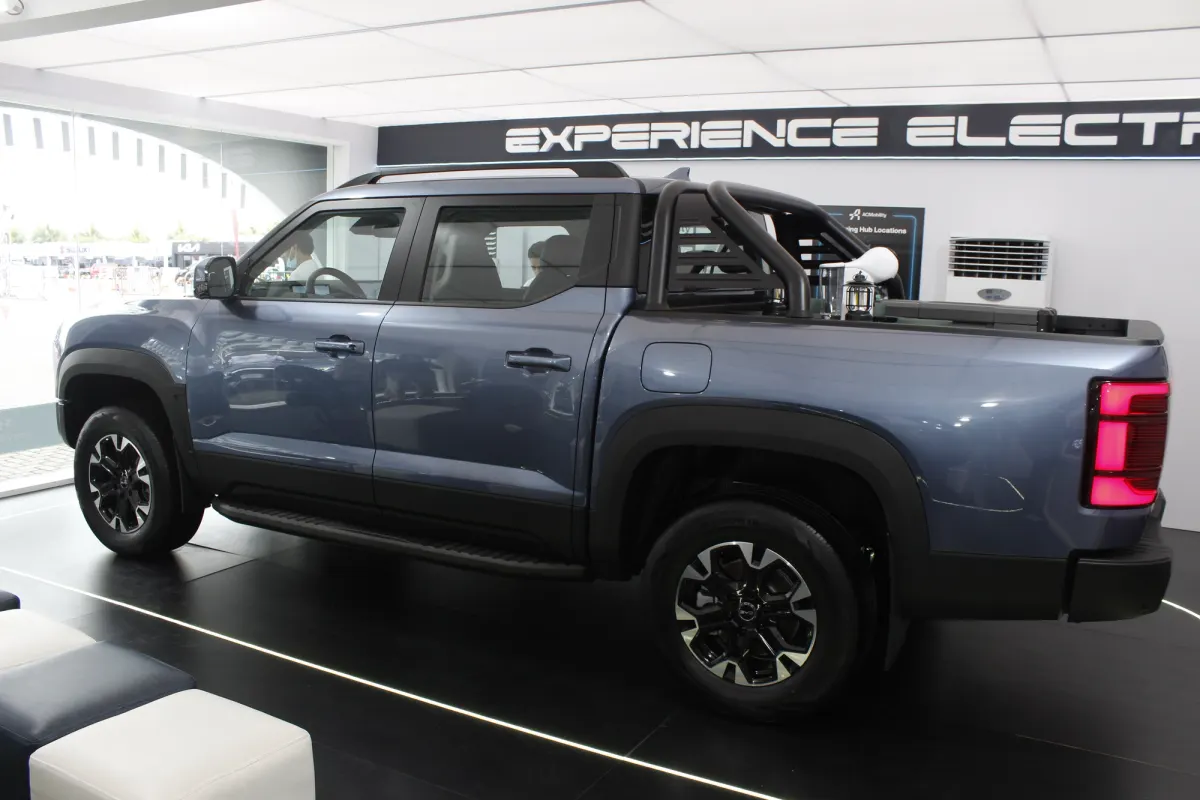
Exterior of a grey BYD Shark 6
Range, Charging & Efficiency
As a plug-in hybrid ute, the Shark 6 sits in a unique middle ground. In town it can operate largely on electric power only, offering smooth, efficient driving. Longer distances and remote touring lean on the petrol engine, giving a total range up to about 800 km
Charging infrastructure remains a consideration for regional travel, but the ability to self-charge via the engine gives peace of mind. Real owners report mixed real-world fuel economy depending on driving style and how often they keep the battery charged.
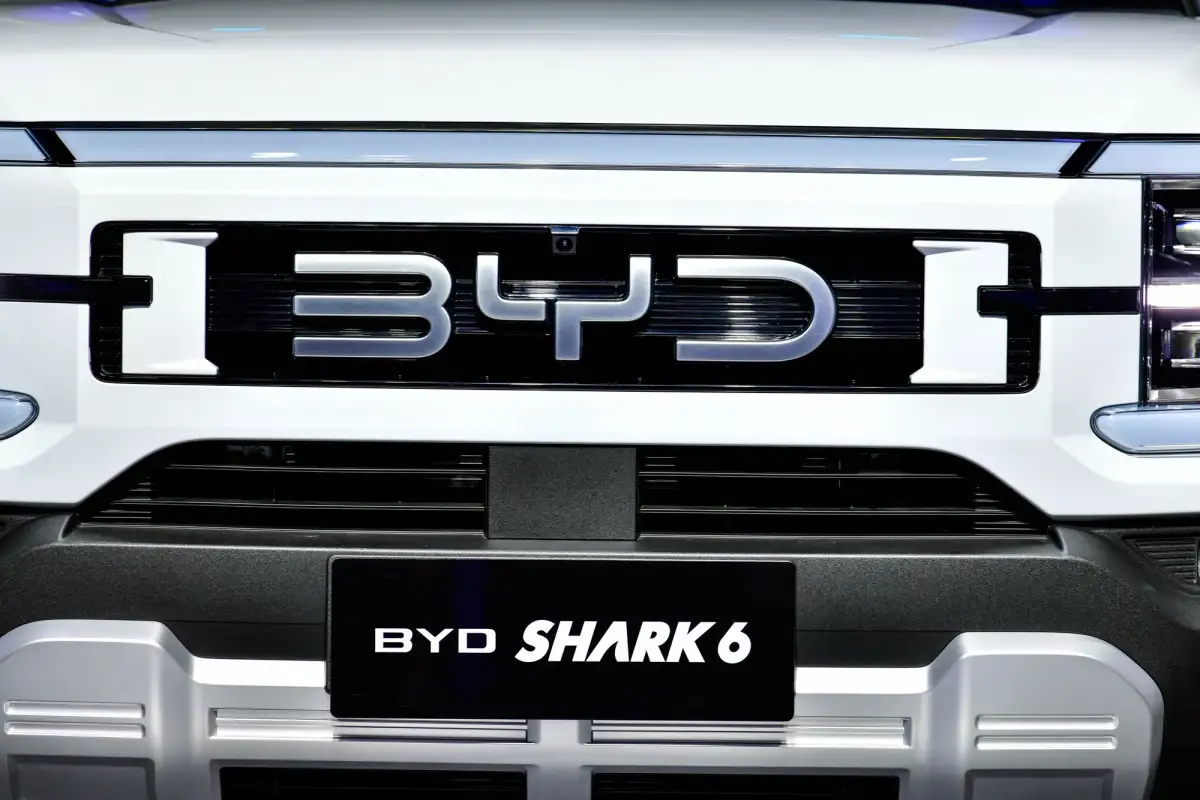
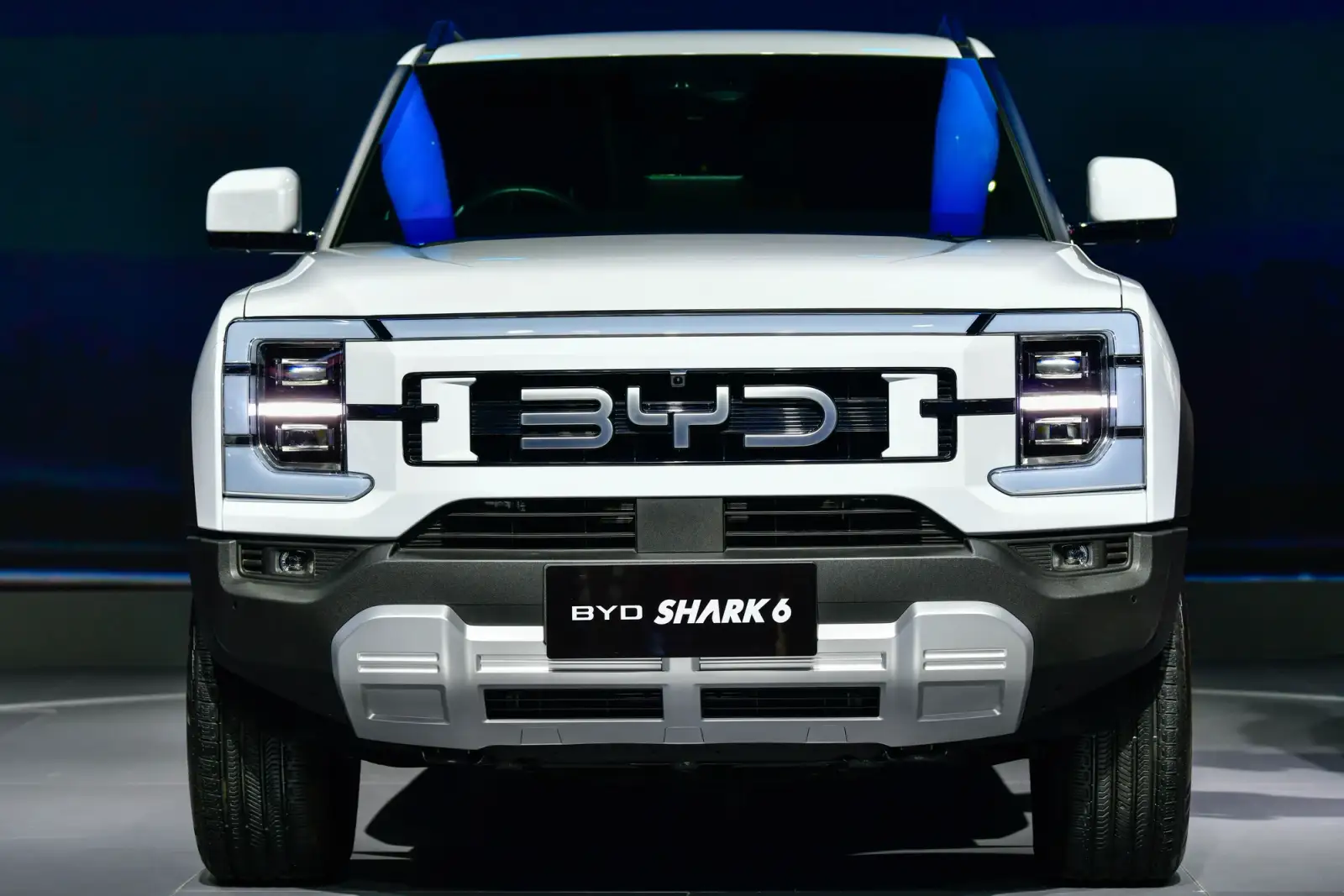
Close-up of the grille of a white BYD Shark 6
The Verdict: Not a Diesel Ute, but Worth a Look
The BYD Shark 6 is not a traditional Aussie ute, and it does not pretend to be one. It’s a modern, tech-driven take on the category that excels in urban environments and light adventure use. It’s quiet, quick, comfortable and well-priced, making it appealing for buyers spending more time on bitumen than deep in the bush.
For hardcore off-roaders, heavy towers or long-distance remote touring, the Shark still feels like a first-generation experiment rather than a proven tool. But as a daily driver with weekend capability and an attractive price tag, it shows BYD is serious about cracking Australia’s most competitive market.
It’s not a great white just yet, but definitely not a fish out of water either.
Considering the BYD Shark 6?
Cover anywhere you can legally take it in Australia