As NSW’s largest national park, Kosciuszko has no shortage of unique landscapes to explore. From the ski fields of Thredbo and Perisher to Australia’s highest peak, it’s the winter adventurer’s dream playground. But when the snow melts and the wildflowers start to show their colourful heads, there’s nowhere else like Blue Waterholes in the national park’s northern end.
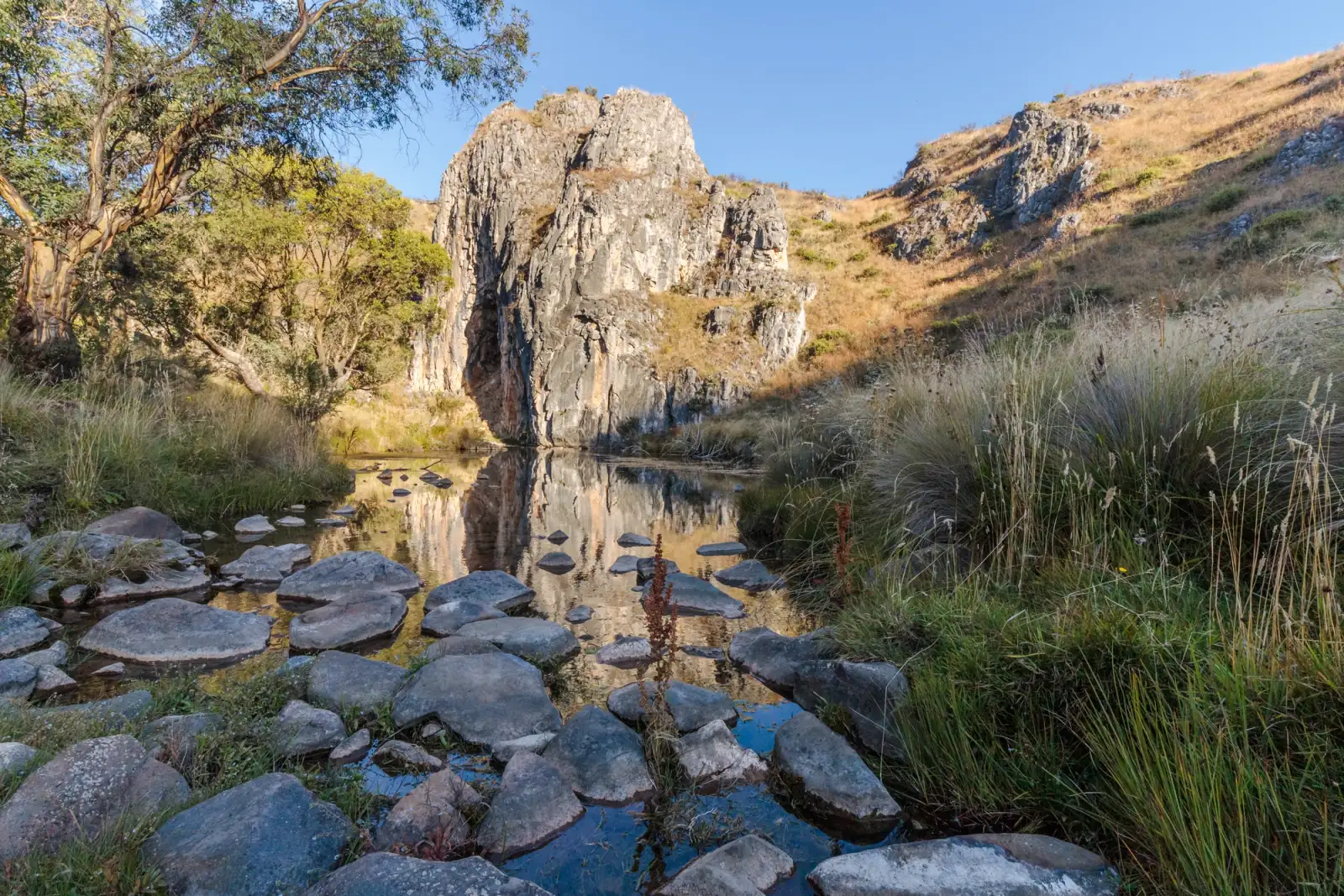
Named for the blue waterholes that sit along the creek, this park has it all. There are caves for those who want to head underground, gorges to follow, and of course the waterholes themselves. The limestone leaches calcium carbonate into the creek, which is what gives the water its blue hue, and makes it an ideal spot for a dip after a hike.
It’s the perfect place to visit for those with a 4WD, as there are also a number of campgrounds in the area. So, here’s how to get there, where to stay and why Blue Water Holes belongs near the top of your Aussie adventure bucket list. In short: - Blue Waterholes sits off Long Plain Road in Kosciuszko’s High Plains, around 25km of unsealed road from the Snowy Mountains Highway - Access is closed between the June and October long weekends - Camping is free apart from a $6 booking fee, with quieter sites a few hundred metres up the road.
The adventure starts where the bitumen ends
See how Club 4X4 can help
Where is Blue Waterholes?
Blue Waterholes sits in the Long Plain area of Kosciuszko National Park, in the northern reaches of the NSW Snowy Mountains. It’s tucked away near Cooleman Plain, with access via Long Plain Road before turning onto Blue Waterholes Trail. From the Snowy Mountains Highway turn-off, it’s roughly 25km to the campground, all on unsealed roads.
From Tumut, the Long Plain Road turn-off is around 75km south along the Snowy Mountains Highway, while from Cooma it’s about 124km to the turn-off via Adaminaby. Allow roughly another 25km from there to reach Blue Waterholes itself. From Canberra, you’re looking at approximately 110km as the crow flies, although actual driving distance varies considerably with your chosen approach.
Once you’re on Long Plain Road, landmarks including Cooinbil Hut, Coolamine Homestead and Cooleman Plain let you know you’re getting close. Coolamine Homestead, a preserved 1880s grazing property, is worth a stop in its own right, and it’s only a couple of kilometres from the campground.
The Drive in: Access and Track Conditions
The drive to Blue Waterholes leaves the Snowy Mountains Highway for Long Plain Road, trading bitumen for a long run across the open high plains. Conditions can change quickly after rain, so it pays to take your time rather than treat the gravel like a rally stage.
Road Quality and Vehicle Suitability
In dry weather, this isn’t a hardcore 4X4 destination. In fact, NSW National Parks lists 2WD vehicle access to the campground, while recommending 4WD in wet conditions. After rain, it isn’t uncommon for the Blue Waterholes Trail to become boggy, and the alternative approach from the Canberra side, including Broken Cart Trail, can become slippery, rutted and considerably more challenging in wet weather.
For casual tourers, that means checking conditions and choosing your approach carefully. For seasoned four-wheelers, the drive is generally straightforward in good weather, but the high country can still throw in the occasional challenge. Several sections are single lane with limited room to pass oncoming traffic, so take it steady if you’re towing. Camper trailers are fine, but anything larger gets tight. We’ll cover what to carry and check on your vehicle below, in Preparing Your 4X4 for the High Plains.
Winter Closures: June to October
Access to Blue Waterholes in Kosciuszko National Park is seasonal:
- Closes: around the NSW June long weekend
- Reopens: around the NSW October long weekend
- Outside these dates: temporary closures can still occur due to weather and road conditions
These winter closures protect the unsealed roads when snow, rain and saturated ground make them vulnerable to damage. Before heading in, check current NSW National Parks alerts, particularly around the opening and closing weekends.
Camping at Blue Waterholes Campground
It’s actually possible to camp at Blue Waterholes, but the area is shared by day-trippers and can become busy during the day. It does clear out by the afternoon however, and can be the perfect spot if you’re looking for something close. It has views of the limestone cliffs and rock formations of Clarke Gorge and Cave Creek as well as being a short walk to the waterhole that the campground gets its name from.
The site has barbecue facilities and toilets, and campfires are permitted outside fire ban periods. Dogs aren’t allowed in Kosciuszko National Park, though several nearby campgrounds are set up for horses.
The one gripe with this spot is that the ground isn’t perfectly level and with the constant coming and going of cars, it may be preferable to head just a few hundred metres up the road to Magpie Flat Campground. Camping is free at both sites apart from a $6 booking fee, and there are no park entry fees for the High Plains area, so your biggest cost is fuel.
Other nearby sites include Cooleman Mountain Campsite, Cooinbil Hut Campground and Ghost Gully Campground.
Walks, Gorges and Things to do
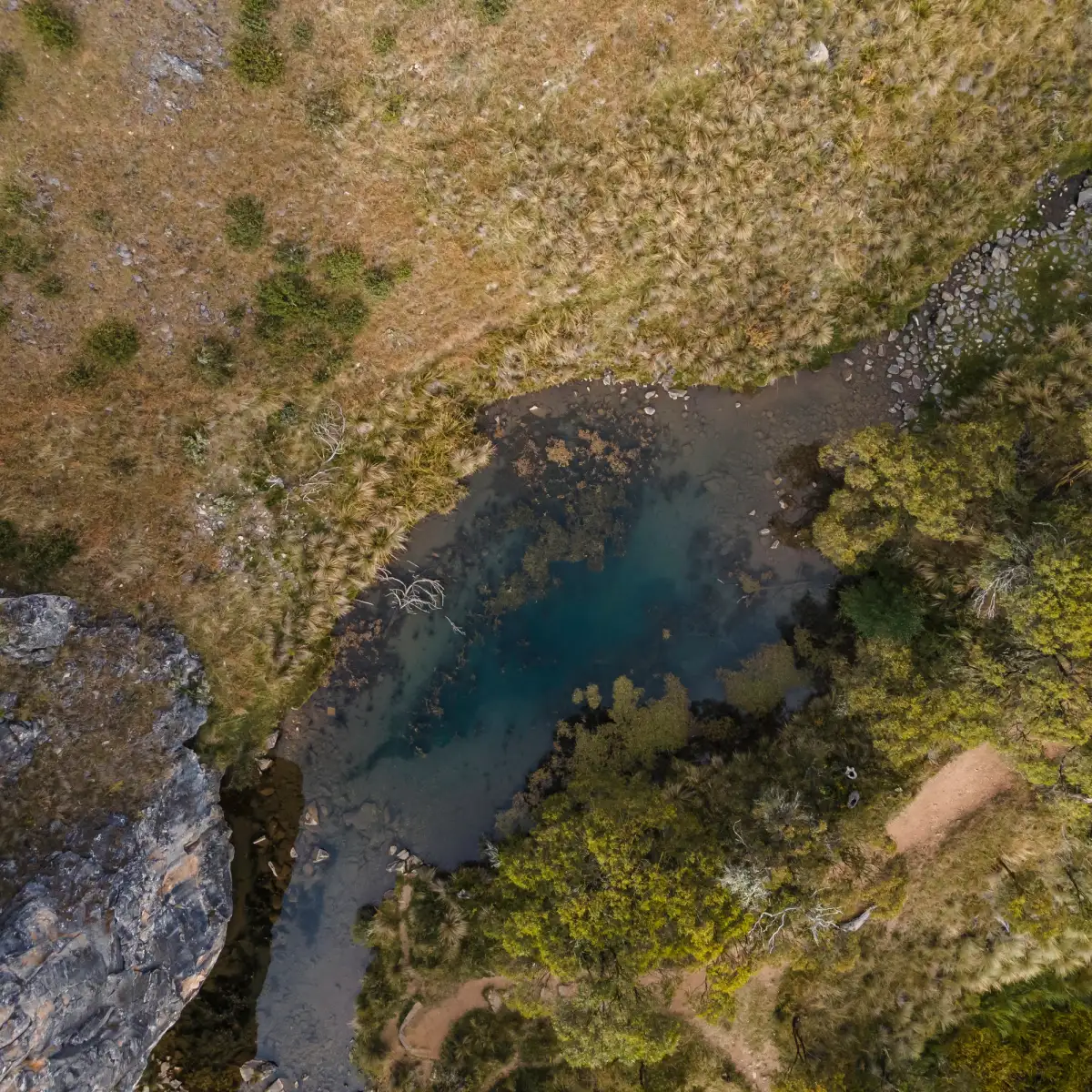
aerial view of blue waterholes np, nsw
The walks, gorges and limestone caves surrounding Blue Waterholes are the ultimate payoff for the drive in. From towering limestone cliffs and ancient caves to crystal-clear swimming holes, there's plenty to explore beyond camp. From a full-day gorge hike to a quick dip in the clearest blue water hole in NSW, this corner of Kosciuszko National Park rewards every pace of adventure.
Clarke Gorge and Nichols Gorge Walks
The Clarke Gorge walk is a 5km return hike beneath sheer limestone walls formed over 400 million years ago, with multiple creek crossings and turquoise pools along the way. Despite its relatively short distance, NSW National Parks gives it a hard grading due to the uneven terrain and multiple water crossings.
The trail finishes above the spectacular 15m Cave Creek Falls, overlooking Wilkinsons Gorge, with snow gums, grey kangaroos and circling wedge-tailed eagles accompanying you along the way.
For keen walkers, the 7km Nichols Gorge loop offers a slightly longer but less challenging alternative. Graded 4, this walk passes Cooleman Cave just 500m in, so bring a torch and have a look inside before continuing. Murray Cave, Right Cooleman Cave and Barbers Cave can also be explored without a permit if you want more time underground.
Following the often-dry Cave Creek, you'll encounter ancient fossilised shells of brachiopods and sea lilies, fascinating limestone formations and plenty of birdlife.
Swimming, Fishing and Making a Day of it
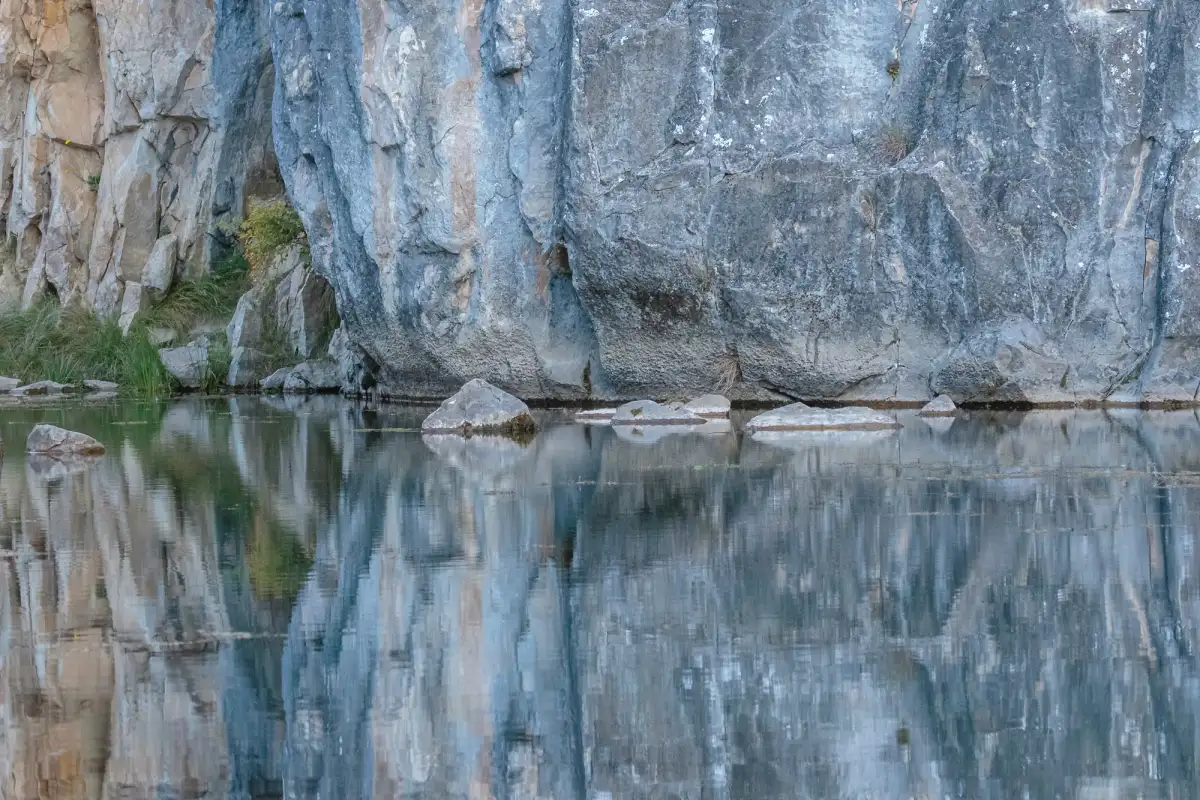
granite cliffs at blue waterholes np, nsw
After a morning on the trails, there's nothing quite like cooling off in the clear waters of Blue Waterholes. Just be warned, the water stays pretty chilly, even during summer!
Keen anglers can also try their luck fishing for trout in Cave Creek's waterholes, provided they hold a valid NSW recreational fishing licence.
Between the swimming, fishing and spectacular gorge walks, it's easy to fill an entire day exploring. If you’ve got a second day, Yarrangobilly Caves and its 27-degree thermal pool are under an hour away on the other side of the highway. And you don't need to be an experienced hiker to appreciate the scenery. Sometimes, simply relaxing beside the water is just as rewarding.
Preparing Your 4X4 for the High Plains
As mentioned, in good weather you can reach this part of the country in a 2WD, but its remote location and unpredictable alpine conditions mean preparation is essential. Before you tackle the Blue Waterhole 4WD track and surrounding trails, make sure your vehicle is properly equipped for whatever the High Plains throw your way.
A basic recovery kit should include rated recovery points, a suitable recovery strap, shackles, a shovel and a tyre deflator and compressor. It’s also worth carrying a spare tyre, tyre repair kit, basic tools and enough food, water and fuel for unexpected delays.
Weather is another consideration. Conditions in the High Plains can change quickly, with warm sunshine giving way to rain, strong winds and freezing temperatures. Creek crossings can also become hazardous after heavy rainfall, so always check conditions before setting off and never attempt to cross fast-flowing water.
Mobile reception is limited or non-existent in parts of the park, making offline maps and a satellite communication device valuable additions to your kit.
Finally, consider 4WD insurance that includes off-road recovery as a standard feature. When you’re exploring somewhere this remote, knowing you’ve got assistance available if things go wrong can provide some welcome reassurance.
Send It to the Snowy High Country
There's something special about finding a place that feels a world away from civilisation, and Blue Waterholes certainly delivers. Between the turquoise swimming holes, towering limestone gorges, ancient caves and remote high-plains camping, it's the kind of destination that reminds you why you bought a 4X4 in the first place.
Explore Clarke Gorge, wander through Cooleman Cave or simply kick back beside the creek after a day on the tracks. However you spend it, this corner of Kosciuszko National Park gives you plenty to go at.
Of course, getting out here is only half the adventure. The remote location, unpredictable alpine weather and changing track conditions mean a little preparation goes a long way. With a properly equipped 4X4, the right recovery gear and a healthy respect for the conditions, you'll be well placed to make the most of your trip.
And while you can't plan for everything, you can prepare for the unexpected. That's where Club 4X4 Insurance comes in. With off-road recovery included as standard, you can explore Australia's more remote destinations with a little more freedom. Find out what 4WD insurance with off-road recovery covers, or read our other high country track guides before you plan your next trip.
The adventure starts where the bitumen ends
See how Club 4X4 can help