Insurance is a tricky subject at the best of times. As off-road travellers, the issue compounds, so I thought I’d spend some time talking about the limits of traditional motor insurance. To do that, we need to talk about “claimable events”. A “claimable event” is one that is covered under the standard conditions of your insurance policy. Think things like a collision, damage while parked, theft, hail damage etc. These are all “claimable events” and you can find more detailed information about exclusions regardless of who your insurer is, in their PDS.
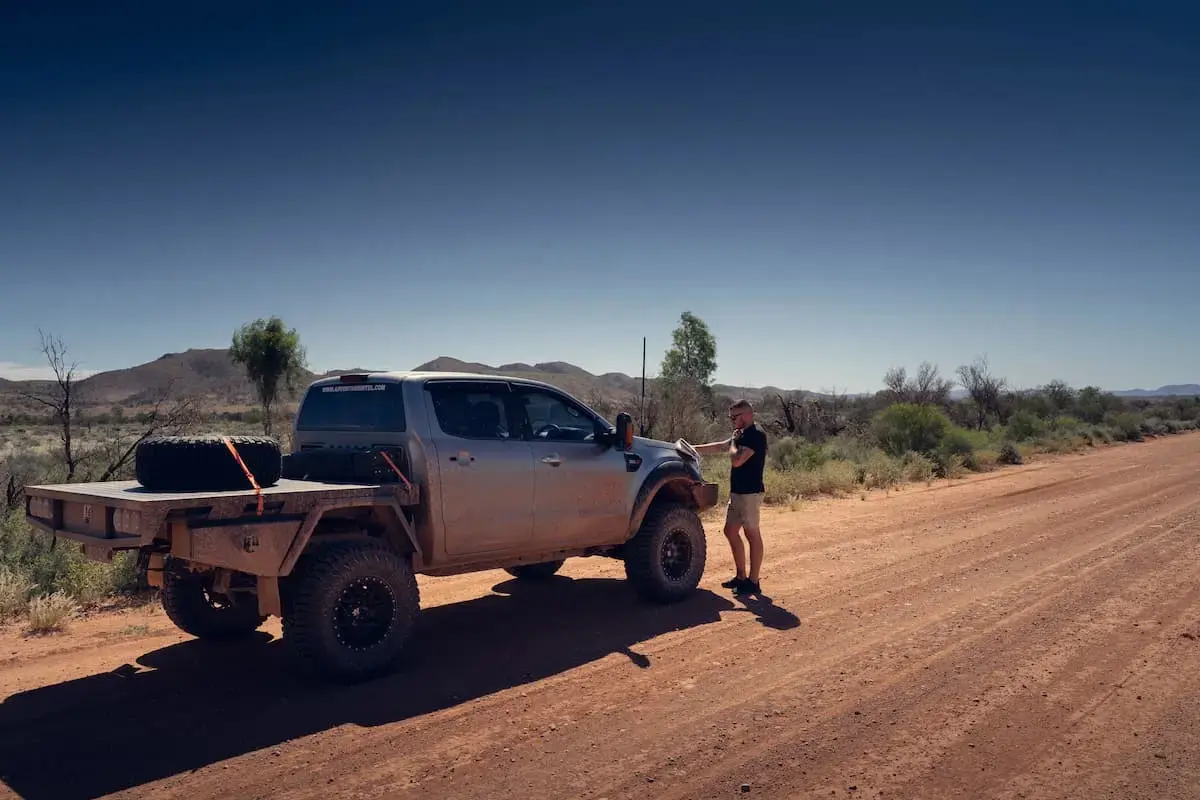
The challenge is that lots of things that can happen to our fourby’s whilst travelling are not claimable under motor insurance. For example, under most motor insurance policies, mechanical breakdowns, getting bogged or stuck aren’t covered, even if you choose an insurance product that will offer coverage off-road. The challenge for us as four-wheel drivers is that when this sort of issue occurs, old mate Murphy makes sure that we are km’s from anywhere and have little to no phone reception, which means a long wait and a decent tow bill.
Savvy off-roaders realise the gap in insurance coverage here, and will more often than not choose a Roadside Assistance package from a provider which helps in the case of a breakdown, running out of fuel, a flat battery etc. The challenge though is that most roadside assistance providers have surprisingly low weight limits for towing, and a raft of conditions which mean they may not service you if you are not on a gazetted and sealed road
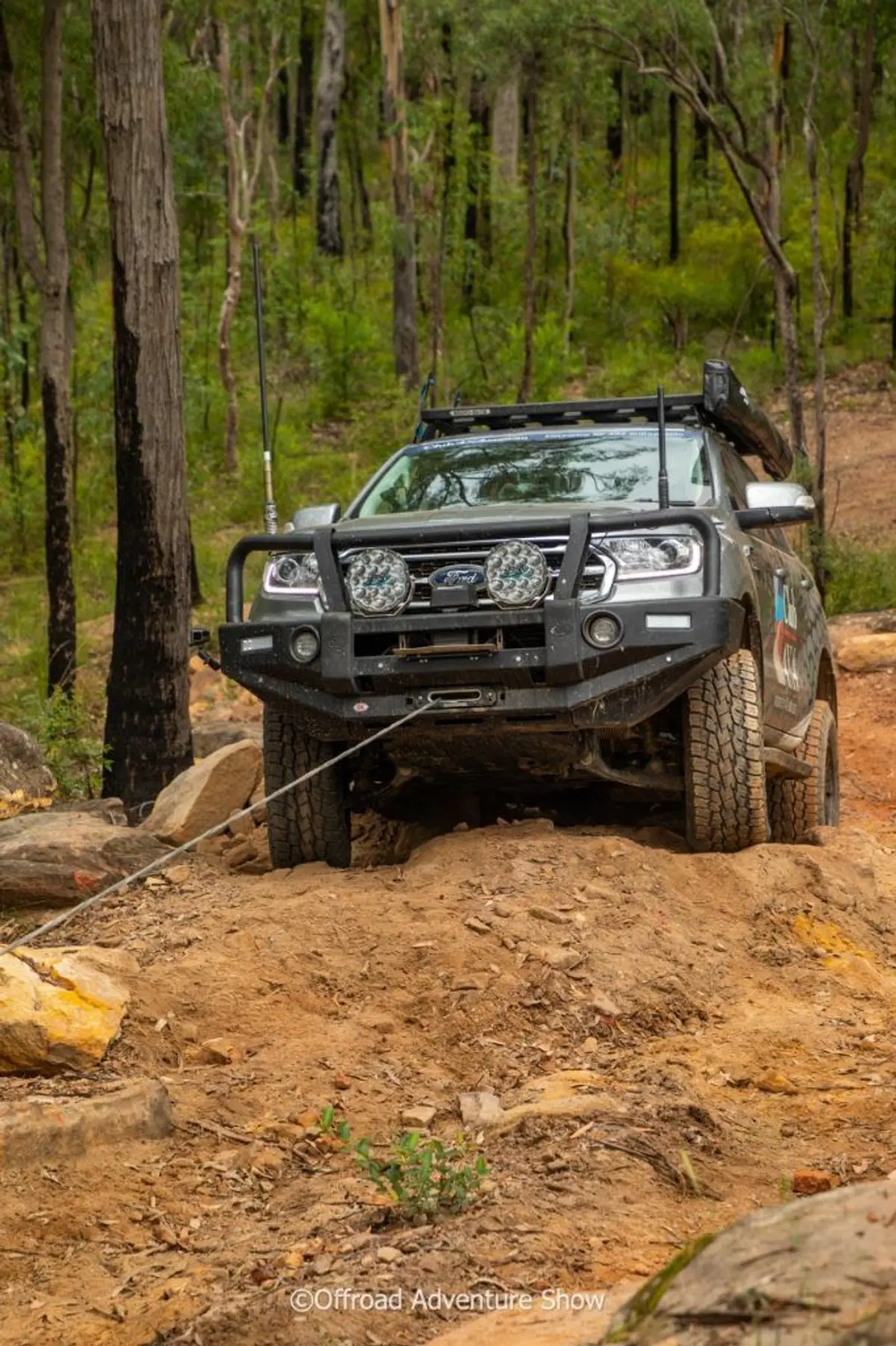
At the end of the day, we all just want to be covered if something goes wrong, so we aren’t up for thousands in costs to get things sorted. At Club 4X4, we understand this well. That is why we now offer a Roadside Assistance Plus product that will tow you up to 150km (to the nearest repairer) and covers vehicles up to 4.5T GVM, in addition to including towing for any trailer you might be towing at the time up to 4T.
So we now have a truly tailored Roadside Assistance product designed for assistance on a sealed road, and while some assistance may be offered on unsealed Gazetted roads, what if you have broken down off-road or bogged? This is where Club 4X4’s Off-Road Recovery Cover comes in. It dovetails nicely with Roadside Assistance Plus to help ensure that if you are stuck off-road and need a tow, you can get the help you need.
The good thing is that if you are insured with Club 4X4, you’ve automatically got Off-Road Recovery Cover up to $1,500.00 because it is included with every 4X4 policy. So if you bolt on our Roadside Assistance Plus product, then you’ve got all eventualities covered.
How do Roadside Assistance and Off-road Recovery Cover work?
If you have both a Roadside Assistance Plus policy (we offer it with our 4X4 policy as an optional extra, but it doesn’t have to be with us) and Off-Road Recovery Cover (which as noted, is an automatic inclusion of $1500, but can be extended to $15k or $30k at a cost), then as mentioned you’ve got all eventualities covered. The way to think about this is based on where the incident happens.
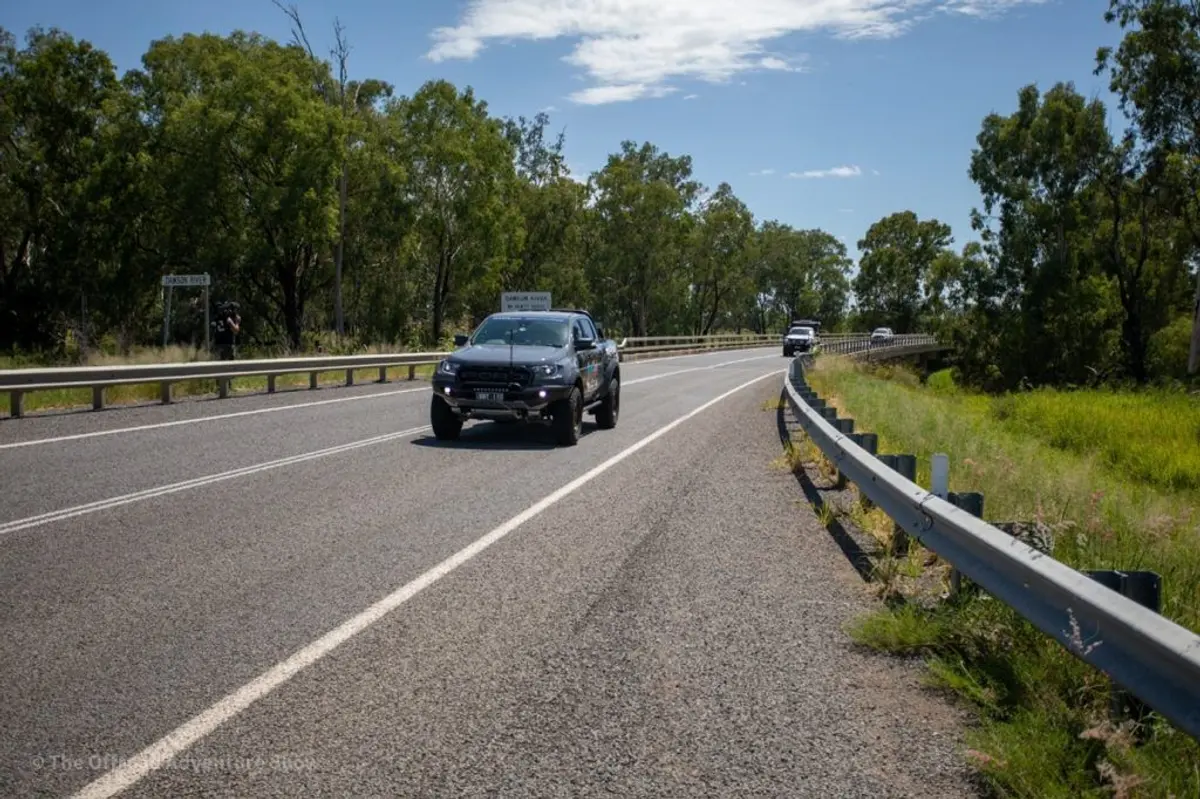
If you breakdown off-road and away from the blacktop, then generally that would be considered an off-road recovery. You simply arrange the recovery, and then Club 4X4 reimburses you less the applicable excess. You can use Off-Road Recovery Cover once a year, up to the limit selected, to get recovered to the nearest town if required, to help you get the repairs you need.
If you breakdown on-road, then your Roadside Assistance cover kicks in and helps. The benefits will depend on who you choose to take up cover with. If you’d like more information on Club 4X4’s Roadside Assistance Plus, visit club4x4.com.au/roadside for full details of our new and improved cover.
The outtake here
To ensure that you are covered for all eventualities when travelling remotely, you not only need the right insurance policy, but you should consider cover for an off-road recovery, and some form of roadside assistance. Otherwise you risk a nasty surprise in the event of a breakdown and a potentially large bill to pay before your pride and joy even gets close to a repair shop.
If you’ve got any questions in relation to anything discussed today, please leave a comment below and we’ll respond. I hope you are as excited as we are about getting back to touring!