Recently I was lucky enough to be a guest speaker at the Sydney All Wheel Drive Club. I was particularly humbled because it was actually the second time I was able to get out there; the first being almost 3 years ago. One of the questions that invariably comes up in these sorts of forums is vehicle value and how it’s determined. I’m pretty passionate about this myself, so I wanted to put together a guide to understanding what goes into it, along with some tips on getting the value you want for your car.
Importantly, I’m talking about the VEHICLE ONLY here – not the modifications. For those who don’t know, we look at modification and accessory values separately; you can read more about that here.
Here are some tips for navigating the insurance landscape to get a valuation that suits your needs, regardless of your insurance provider.
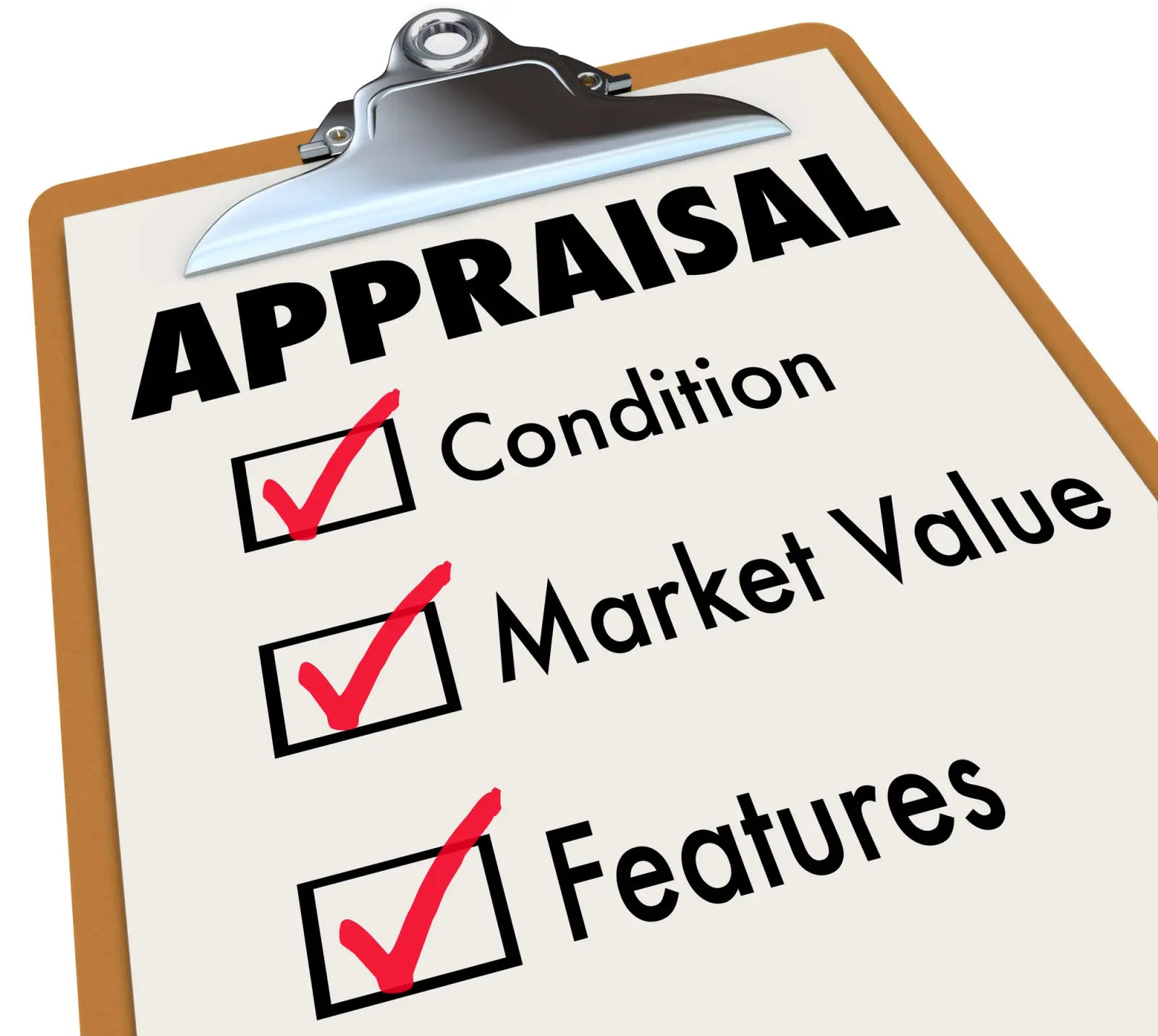
How is my vehicle valued? – All insurers will use a valuation service to ascertain a baseline vehicle value; in our case we recently moved to using Glasses Guide as we feel it is the market leader. These valuation companies use complex data algorithms which are updated daily to determine the value of a vehicle. This can be interpreted into a Market Value, which is an estimate of what the value of a vehicle might be on the given day, or, an Agreed Value which is determined by the policyholder by selecting and setting a value in a range from the lowest available value to the highest.
What’s the difference between Market and Agreed anyway? – When you select a “Market” Value policy, you generally pay a lower premium, but if the worst were to happen and your vehicle was deemed a total loss, the value you will receive will be determined on the day this determination is made. Earlier I mentioned that “Market” value is determined by a valuation organisation on a given day; in essence it factors in depreciation on a daily basis to determine what the market might pay for the vehicle. Further to this, the general condition of the vehicle at the time of the total loss determination is also considered by the insurance provider to ascertain what the Market value would be. Where you choose an “Agreed” value policy and select a value within the lower and higher limits of the applicable range, you set the value that you would expect as a total loss payout for the term of that policy. So for the 12 month term of that policy you will be paid the amount on your paperwork less any applicable excess if the vehicle is deemed a total loss.
But my vehicle is special and I wont be told what it’s worth by a suit who knows nothing about fourby’s – This is one I’m pretty passionate about; I’ve said this before, but as a gear head I’ve always taken pride in keeping all of my motorised toys in pristine condition. This means that on the open market, I feel that I could get more for them if I were ever to sell them. Further to this, you may have a vehicle that is sought-after on the market and seeing appreciation in enthusiast circles rather than depreciation. In this case, your “vanilla” valuation is going to fall short every time. FJ40? TD42 GU? 40th Anniversary Diesel 80 series? These are a small sample of vehicles that are bucking the valuation trend. This is where seeking out a specialist insurance policy can reap rewards when it comes to your valuation.
Then I get my renewal and they’ve taken a massive chunk out of my valuation? – Let’s face the facts – unless you are lucky enough to own a make and model which is bucking the trend, ultimately the majority of motor vehicles are a depreciating asset. This is why on an annual basis your renewal offer on an Agreed value policy comes out with a lower valuation. This is generally the same regardless of your insurance policy or provider – it’s just part of the process. Market value as I said earlier, is adjusted daily so the effect of depreciation should be a normal consideration for you if you’ve selected this option.
So what can I do about my vehicle value? Well a fair bit. My key piece of advice however is to not accept the value if you’re not happy with it – remember you don’t have to! As an insurer, we need to apply depreciation using a broad brush, and unfortunately we can’t factor individual circumstances into the equation because it will have been at least 12 months since we previously valued it. If you feel that your vehicle is worth more than what you’re being offered, here’s a few things I always do at various points in the insurance timeline.
When taking up a policy – I always go with an Agreed value myself as it gives me certainty around what I could be paid if the worst were to happen. If the Agreed value I can get isn’t enough, I ask if there is anyway that that can be increased. My experience has show that generalist insurers are less likely to entertain this, but niche providers will take a look. At times I’ve had to provide proof in the way of photos and in other instances I’ve taken my vehicle in for an inspection that has then led to an improved valuation. In most instances I have been able to get the value I wanted or at least an increase.
At renewal – The process doesn’t really differ to how I approach it when taking a policy out. It will entail a phone call every year to go through the a process of increasing the value of the vehicle. It may need more photos or evidence of condition, but always worthwhile
The worst that can happen in this process is that they say no. At that point you can make a decision on whether you need to shop or settle. Remember that changes in the value of the asset you’re insuring comes with a premium increase and that is something some people will need to weigh up also.
How do we do it? – I have always directed my team to take customer’s requests around vehicle valuation as individual cases. The process we undertake is to get a bit of history around the vehicle as well as a “showcase”. Basically we ask you to send us through photos of the vehicle from each side, some imagery of the interior for general condition as well as the instrument cluster to see the kilometres traveled. These are supplemented with photos of the engine bay and underneath. All of these photos form part of an assessment to determine whether we can exceed the bounds of a vanilla valuation driven by Glasses Guide.
Oh, and we understand what the market is doing for the more sought after fourby’s 😊 and that always makes a difference!
I mentioned before that mods and accessories are a separate value with Club 4X4, and the good news here is that these are always an Agreed Value with us, and we don’t apply depreciation to them. Which means if you are driving a vehicle with a few mods, the overall insured value depreciated should be less than a general market value.
I hope this helps explain why you’ll see decreases in your value each year, regardless of the insurer, but that it also gives you the confidence that we are more than happy to revisit this if you feel that the general market depreciation applied to your policy isn’t reflective of the replacement value of your vehicle.
Happy Touring
Kalen