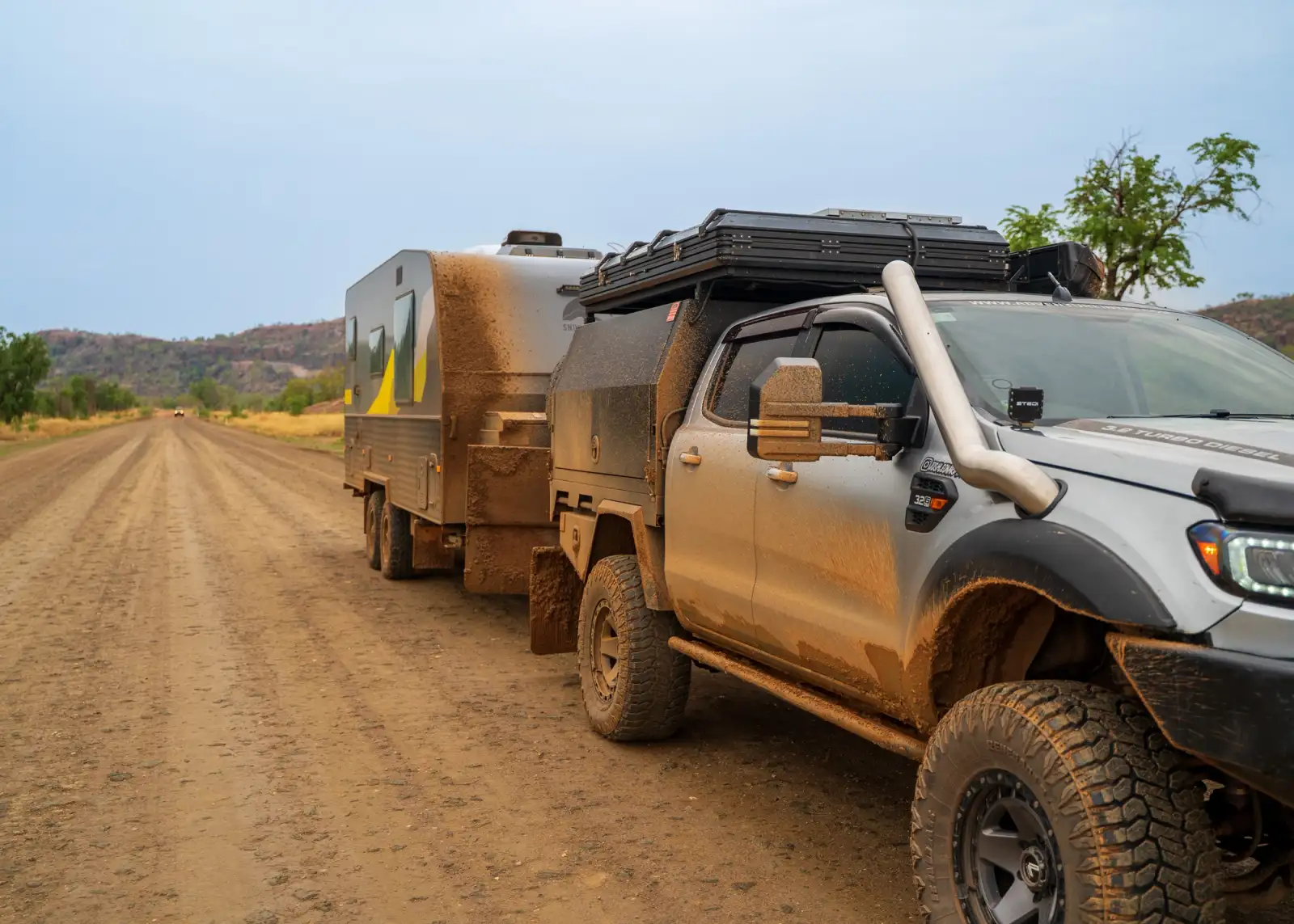
In Part One of the Australian 4X4'er's Guide to Crossing the Continent we mapped out the routes, the stops and the itineraries and if you didn't immediately open a new tab to check your annual leave balance, I'm not sure we can be mates. In Part Two we cover the gear, the tips and the things that stand between you and a very humbling conversation with emergency services.
Sort Your Rig Before You Leave
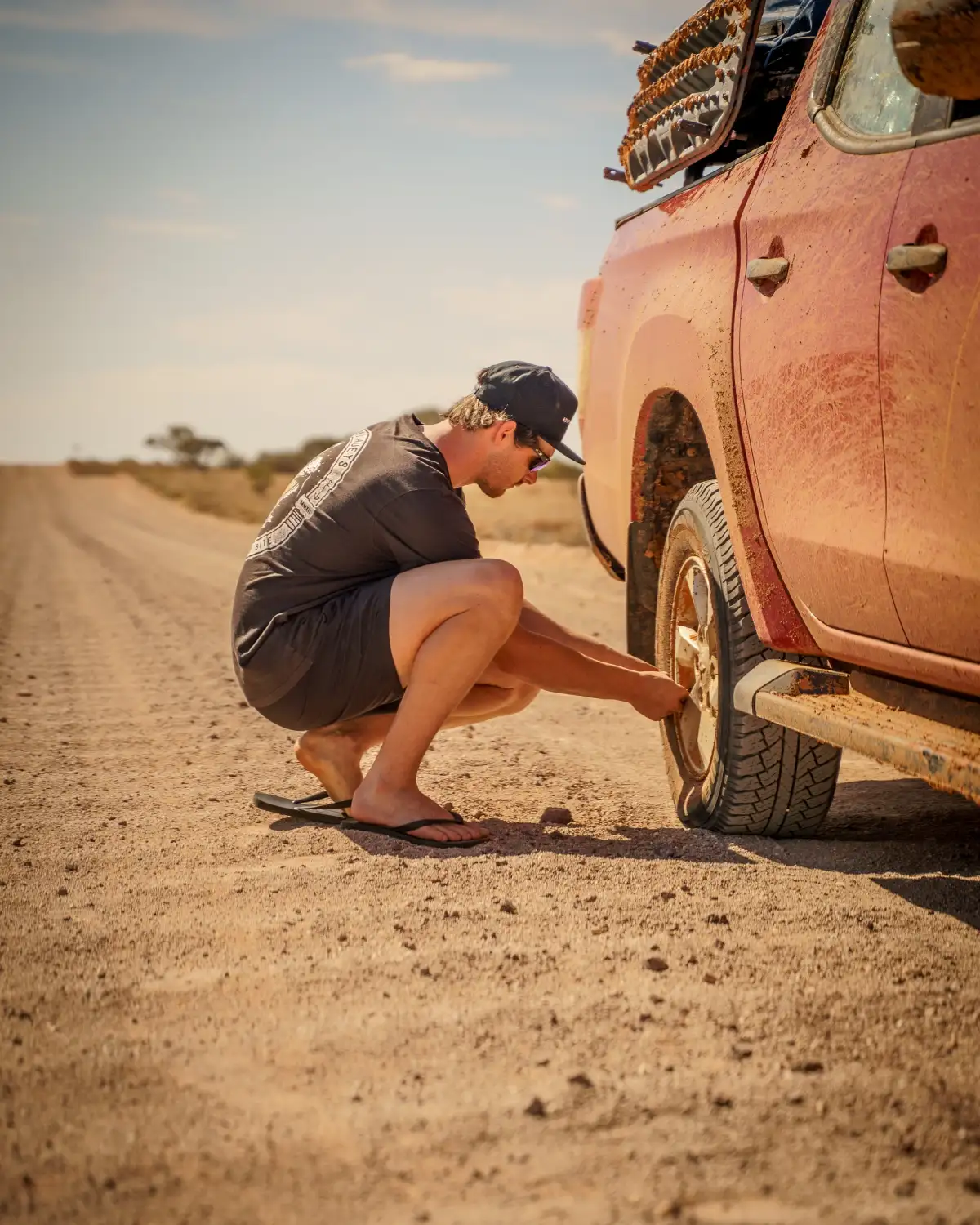
Get a full mechanical check before you go, sort anything that's been nagging at you and make sure your recovery gear, comms and tyres are genuinely up to the job rather than theoretically up to the job.
Speaking of tyres, please invest in quality rubber. The rocks along some of these routes are notoriously sharp, unforgiving and completely indifferent to your schedule. Subpar tyres will remind you of that fact multiple times and at the worst possible moments.
Fuel and Water: More Than You Think
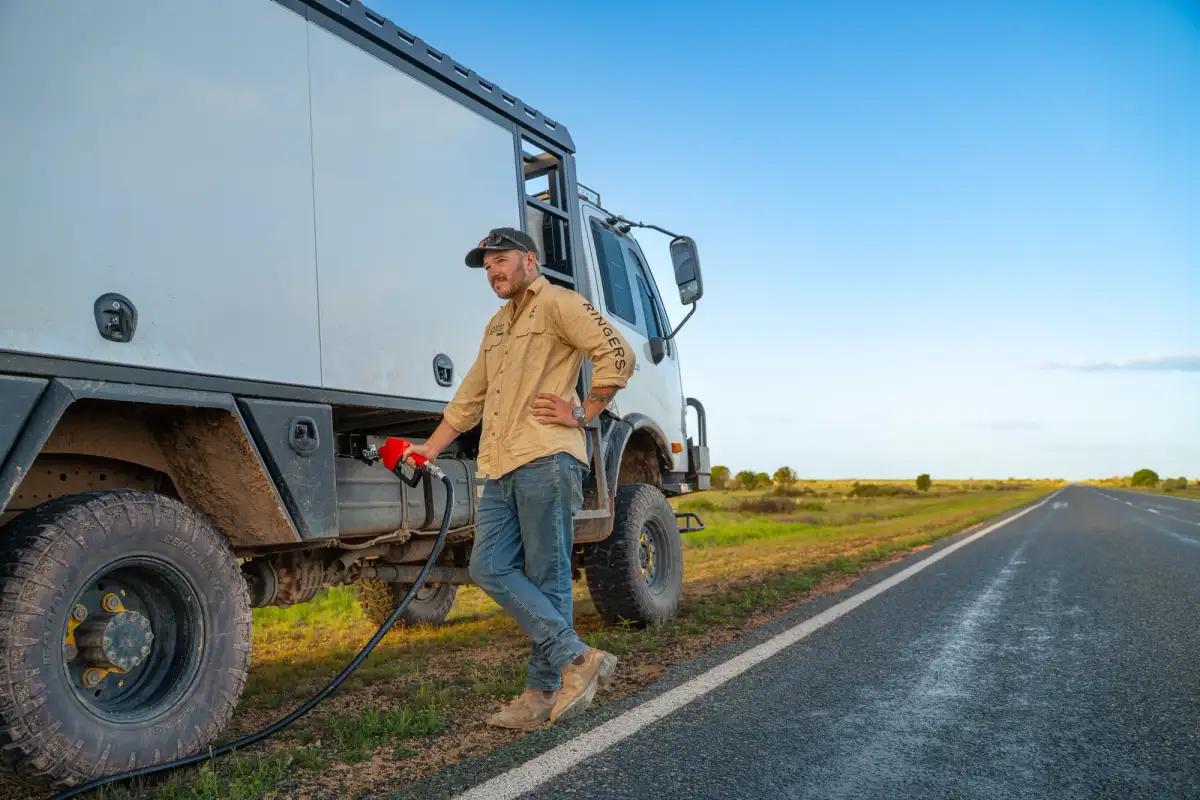
Fuel stops on the remote routes can be several hundred kilometres apart and the prices when you get there are liable to genuinely offend you. A long range tank or auxiliary fuel storage allows you to carry more fuel, buy it where it's cheaper and have more versatility, options and peace of mind.
Water is the one people consistently get wrong and it's an easy trap to fall into. To be fair, I don't reckon I've personally hit five litres in a day in my life and I'd hazard a guess you haven't either. But that’s not to say I’ll never need to.
As tourers we all know water is important and pack some level of bulk contingency. The mistake usually happens when you leave camp for an adventure. You're only going 50km up the road to check out a lookout, it's a mild day and you aren't planning on being long, so you grab one bottle and peel out leaving the jerry cans sitting back at camp. The thing is, if you're already remote, you're now 50km more remote. That mild day is tomorrow's 47 degrees. And if you've become seriously bogged and aren't going anywhere anytime soon, that's the moment you'd start kicking yourself. If it didn't make you so thirsty.
Invest in a 12V Fridge
A quality 12V fridge sounds like a luxury until you've spent three consecutive days eating servo pies in 40-degree heat. Fresh food makes a profound difference to morale on a long trip and morale matters more than most people admit when you're eight days into a corrugated dirt road with three to go.
Freeze your meals before departure, pack them flat in zip-lock bags so they stack cleanly in the freezer and reprovision near major towns where prices are reasonable. Buying fresh food at remote roadhouses works perfectly well as a strategy for spending more money than you intended.
Recovery Gear: For You and Your Rig
Recovery gear is an absolute essential, not just for your 4X4 but for you and your convoy too. At a minimum you should be carrying a Personal Locator Beacon, two sets of quality recovery boards, a long handled shovel, a full recovery kit, rated recovery points, a tyre repair kit, a jack that actually fits your vehicle and its lift height, first aid and snake bite kits, an additional supply of any usual medications and a remote area medical kit stocked with over the counter items for things like UTIs, burns and allergies. Know how to use all of it before you need to, because standing in the middle of nowhere reading instructions while the sun goes down is less than ideal.
JOSH LEONARD’S CONTINENTAL CROSSING TIPS
After more crossings of this continent than I can honestly remember I’ve learned a thing or two. Here’s ten tips that I reckon will make a massive difference to your trip:
- Corrugations break vehicles. Speed breaks them faster.
- Drive through the heat of the day and get to camp at least three hours before sunset. Quality time at camp is what these trips are all about.
- Aim to cover less than 300km per day. As a rule of thumb, that should get you out of camp at a reasonable hour after breakfast, give you time to explore along the way and still have plenty of daylight left when you roll into camp.
- Prep as many dinners as possible before departure. You'll eat better, spend less, wash less and have more time enjoying camp.
- Take twice as many photos of the people as you do the scenery. Years from now, you'll care more about who you shared the trip with than what a particular sunset looked like.
- Leave enough margin in your plans that you can say yes to unexpected detours. Some of the best parts of Australia won’t be on your itinerary, but they will be on your left or right.
- Download your maps, playlists and podcasts for offline use before you leave reception.
- Download WikiCamps. It'll quickly become your go-to source for campsites, points of interest, dump points, showers, fuel stops and just about everything in between.
- Prioritise sun safety. The long-term health risks are one thing, but in the short term, camping with severe sunburn is absolutely miserable.
- Carry emergency cash. Bank apps go down, reception disappears and EFTPOS terminals fail. Cash talks and saves wheelers from long walks.
Prepared for the Outback?
now get a quote for insurance that covers you anywhere you can legally go in Australia