Article by RV Daily
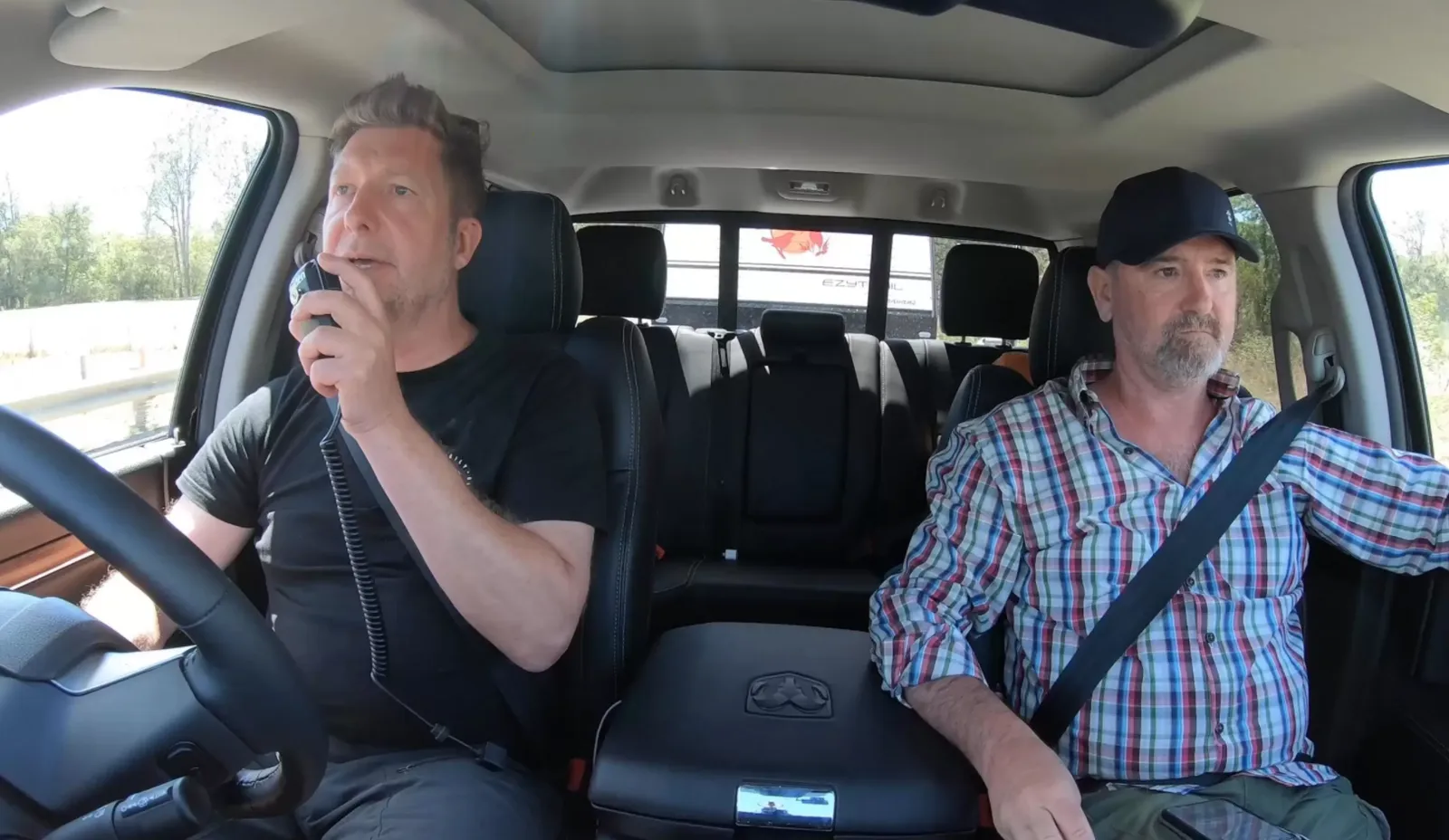
A UHF radio is a vital piece of safety equipment that can be a lifeline on the road. But do you know how to use it properly?
When used properly, a UHF radio is one of the most important pieces of safety equipment when towing a caravan. Here’s seven ways to use a UHF radio to keep yourself and other road users safe.
1. Select an appropriate channel
Know which channels to use and importantly, which not to use. Channel 5 and 35 are emergency channels and are not to be used except in an emergency. There are fairly hefty fines in place if you disrupt an emergency call on these channels. Channel 11 is the ‘call channel’ used to locate friends or other road users before quickly moving onto a different channel. Channel 18 is the caravan convoy channel, while channel 40 is for truckies or those wishing to communicate with truckies. For general chat, it’s safe to use channels 9, 12-17, 19-21 24-28, 30, 39, 49-60, 64-70, 79 and 80.
2. Make sure your convoy is ‘on channel’
When travelling in a convoy, make a plan before departure as to what channel you’ll use. This may need to change as you travel through areas where that channel has increased traffic. When changing to a different general chat channel, ensure all members of your convoy receive the message and know what channel to move to. Once there, call through to ensure all members of your convoy have successfully swapped channels. In this way you avoid someone getting ‘left behind’ on the old channel, which is potentially dangerous and creates confusion if urgent contact is needed.
3. Communicate well with your convoy
If you’ve got a UHF installed, use it! Like most situations in life, effective communication while driving is only ever a good thing and creates a safer environment for everyone on the road. Whether you’re planning fuel stops or snack breaks, or alerting cars behind you to road hazards or oncoming traffic (when travelling on narrow roads), ensuring the members of your convoy are all on the same page throughout your travels will make your journey safer and more enjoyable.
4. Advertise your channel
If you use your caravan or 4WD regularly, it’s a good idea to get a sticker made for the back of your vehicle and/or 4WD to let other road users know what channel you’re on. That way, people can communicate potentially vital information to you relating to your caravan and equipment, or to plan safe overtaking procedures, warn you of road hazard, etc. Sure, you may have to deal with the occasional “bloody caravanners!” message, but prepare a list of witty retorts and you should be fine.
5. Carry a handheld UHF as well as an in-car UHF
A handheld UHF is very, well, handy, when it comes to allowing the passenger to communicate with the driver from outside the vehicle at camp or on challenging 4WD tracks. The passenger can clearly and calmly help guide the driver into the perfect camping spot, or advise them which way to turn the wheel in order to avoid rocks, trenches and other off-road hazards.
6. Don’t let UHF use distract you from driving
This one is not only common sense, but also a legal issue. While it’s legal across Australia to use a UHF radio while driving (unlike mobile phone use), if a driver is caught driving erratically and is found to have been using a UHF radio at the time, the driver can be charged for not being properly in charge of a motor vehicle.
7. Communicate when overtaking
When towing a caravan, overtaking other large vehicles becomes a little more fraught – both when you’re overtaking and when you’re being overtaken. Trucks in particular create a draft that can destabilise your towing rig, which can be dangerous if you’re caught unawares. Similarly, when you’re overtaking a large vehicle it’s helpful if the driver knows you’re approaching so they can move to the far left of their lane, if it’s safe to do so. Use your UHF to get in touch with the other driver (remember, it’s channel 40 for truckies) and have a friendly chat with them about the how and when of the overtake procedure. Assuming you keep the tone cordial, you’ll very likely be met with a grateful fellow driver. Click here for advice for caravanners from truckies.