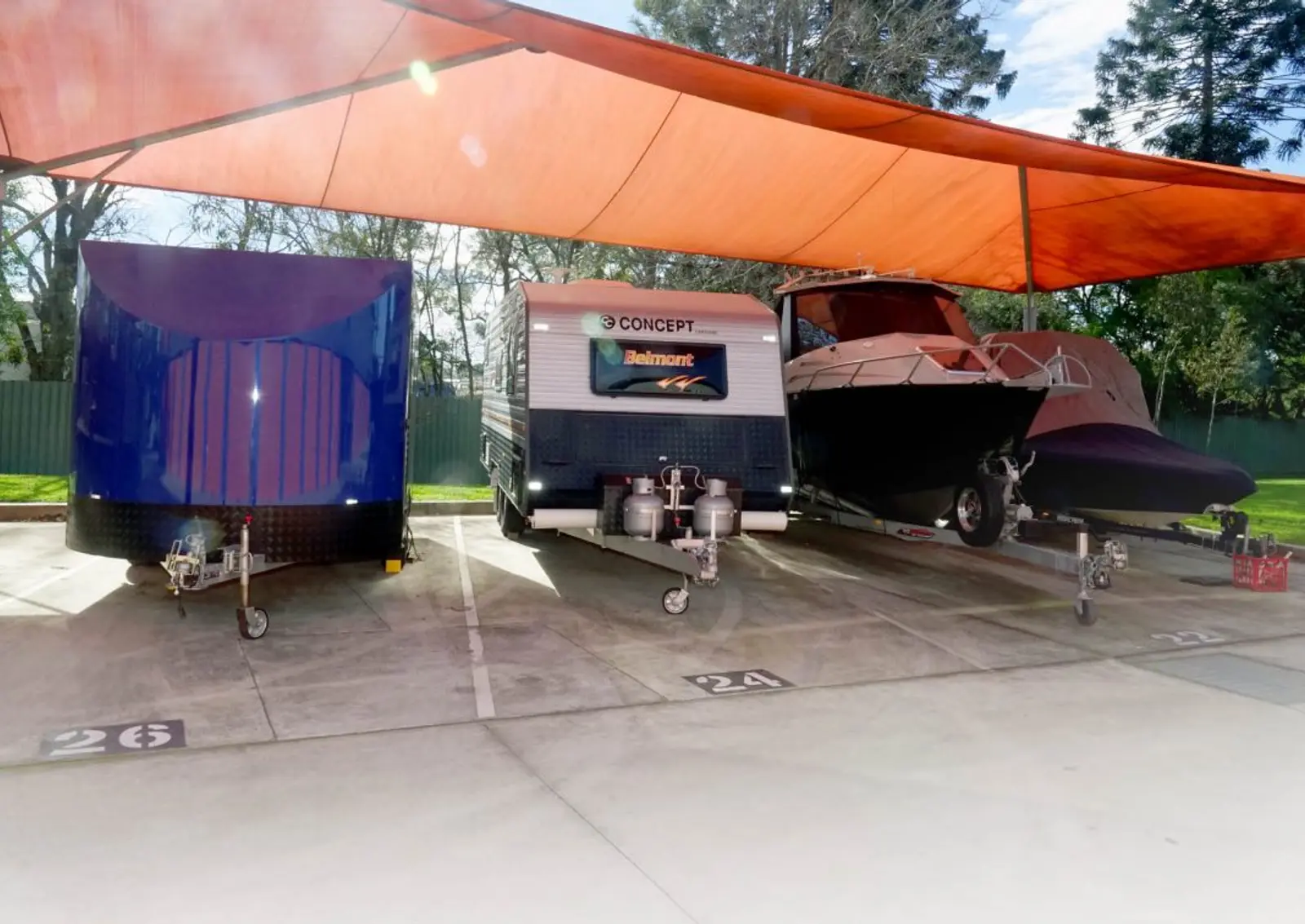
Many vans are stored outside in the weather because there is no way they can fit in a garage or carport. Others are stored in secure yards but still exposed to the elements. The elements simply destroy anything rubber; even tyres can get damaged from the sun’s rays.
Van covers are great – except when they come loose, flap around and scratch the paint and windows. Leaking seals can cause water damage and mould, and gas pipes can deteriorate in the sun as well – there are so many things to protect.
RV Daily is offering our top 10 tips for storing your van and keeping your investment exactly that – an investment!
1. Getting Under Cover Storing a van undercover away from direct sunlight is perfect. A carport and cover is good, followed by just a cover. A cover under a carport is better. Under trees is a no-no; falling limbs, sap and bird poo are bad!
2. Raising the Bar Many vans are stored outside in the weather because there is no way they can fit in a garage or carport. Others are stored in secure yards but still exposed to the elements. The elements simply destroy anything rubber; even tyres can get damaged from the sun’s rays.
3. Fridge Follies Once back from any trip, the fridge should be emptied and cleaned with the door left open to prevent mould and nasty smells. There’s nothing worse than opening the fridge to find it full of furry friends before touring.
4. Gaseous Extremes Turn off the gas at the bottle and burn off any gas in the lines. Do not undo any lines or leave them open as they make good bug homes. Cover the gas bottles and lines from direct sunlight.
5. Venting for Air Always leave a vent or two open to prevent mould and smells inside the van. All vans should be opened and aired regularly during storage. Be careful that inclement weather can’t get inside the van.
6. Dunny Dangers After every trip, the toilet and toilet cartridge should be emptied and cleaned. This crappy job is critical to prevent disease, smells and a nasty experience far worse than the furry friends you could find in the fridge.
7. Tanks for the Water Water tanks and lines should be emptied and drained and vented from the inside of the van not underneath where bugs can get into the lines. Flush tanks before any trip and there are ways to purify the water if smells occur.
8. Electrical Connections All electrical connections should be covered and dry before storage. Batteries can be disconnected or a charger used to maintain their charge. Ensure the leads and power source used to charge the van are legal.
9. The Big Clean Before storing any van it should be cleaned to within an inch of its life. A good wax or polish should be used to protect the paint. Ensure the van is dry inside and out before packing it up.
10. Insurance to Stay Talk to your insurance agent to ensure your van is covered for damage while being stored at home, in a storage yard or even at a caravan park or friend’s place whilst travelling. Remember, insurance is one of the best ways to protect your investment all year round!