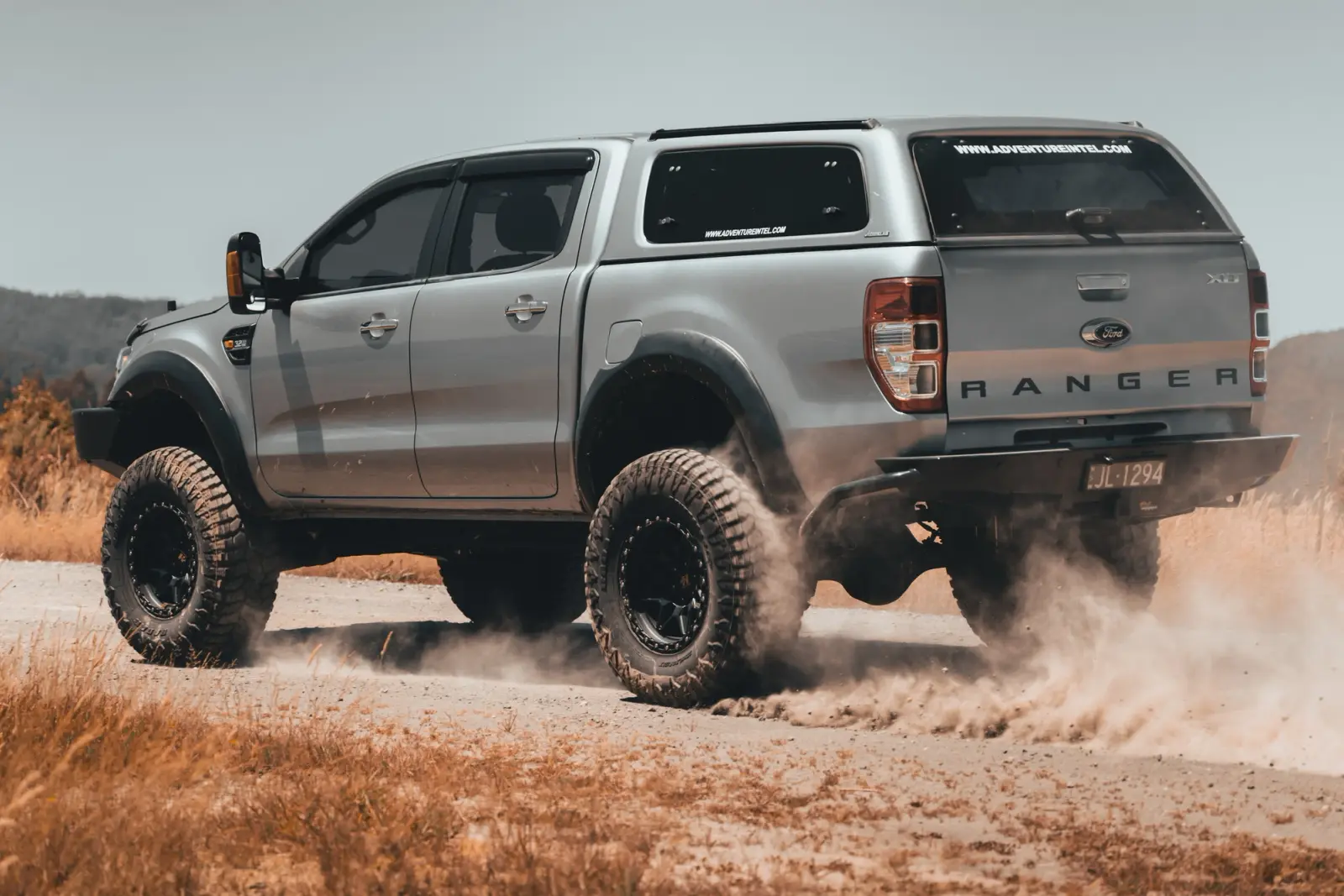
There was a time when buying a ute meant you actually needed one. You were a farmer, a tradie, or the sort of person who considered a milk crate an acceptable passenger seat. They rode like a wheelbarrow full of bricks, had all the creature comforts of a public toilet, and if you wanted to take the family away for the weekend, you’d probably have to leave a couple of them at home.
Fast-forward a few decades and we’ve somehow convinced ourselves that an $80,000 dual-cab and another $30,000 worth of accessories are essential equipment for navigating the treacherous journey between the school drop-off and the local Bunnings.
From the Moreton to the High Country
We cover anywhere you can legally go in Australia
Not that I'm pointing fingers. I've spent the better part of my adult life turning perfectly functional 4X4s into increasingly expensive and mechanically complicated ways of getting to places where there's no phone reception, no running water and a very real possibility of doing a number two behind a tree.
But somewhere along the way, the humble ute went from being something you bought because you had work to do, to something you bought because you had absolutely no intention of working on the weekend.
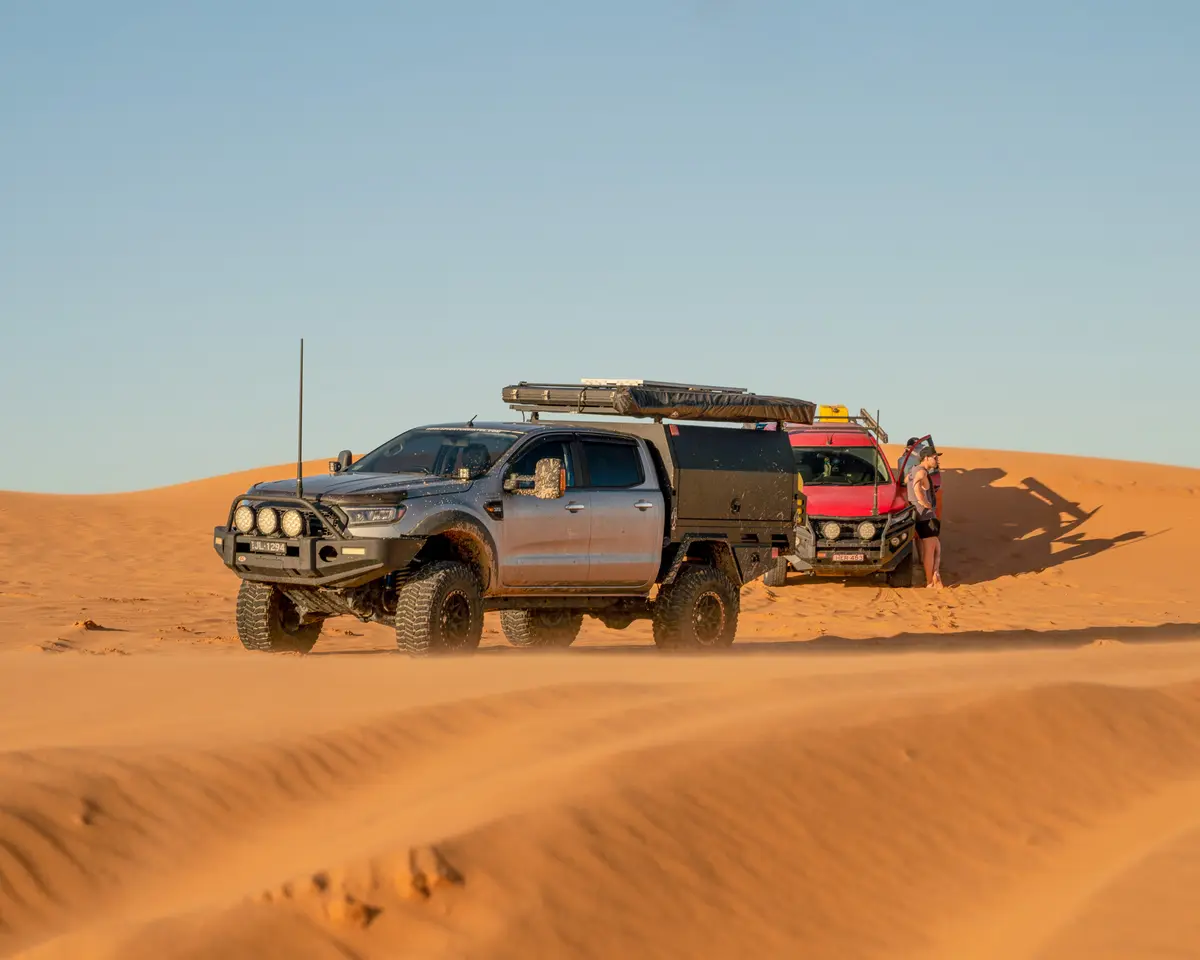
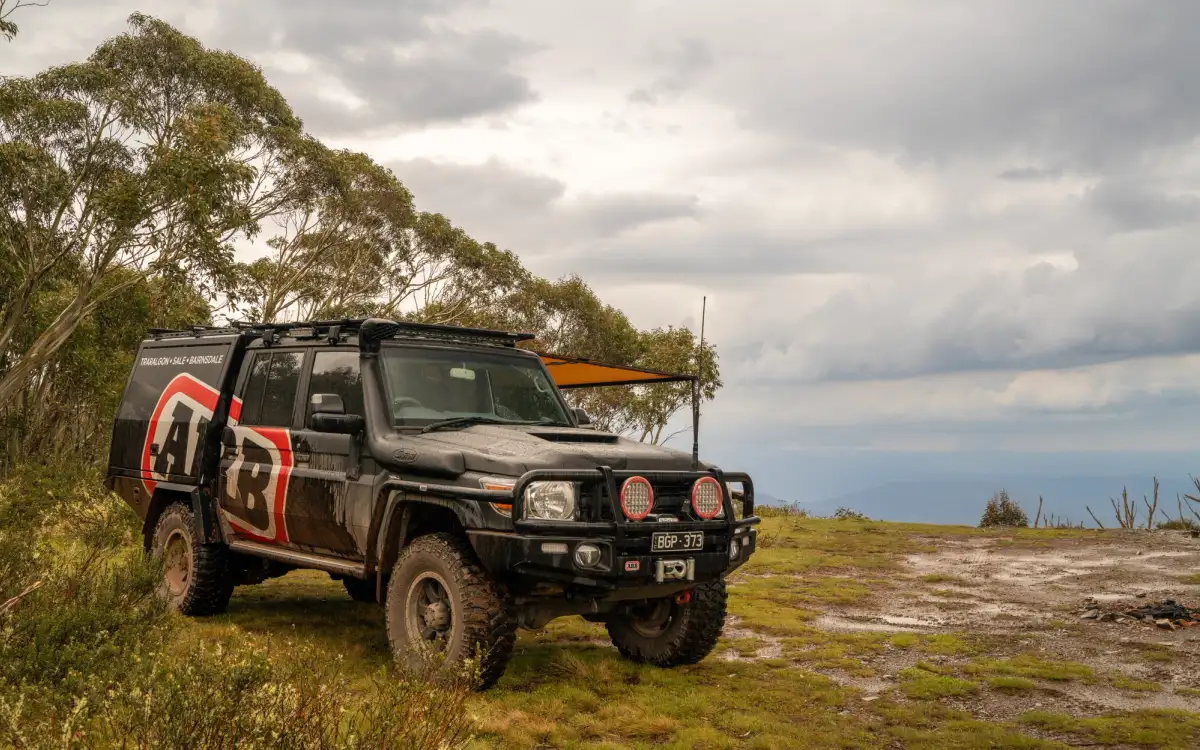
4X4 utes in a desert setting
We traded the bench seat for leather upholstery, the dog in the tray for two kids in the back, and the battered toolbox for a fridge that costs more than my first 4X4… which, of course, was a dual-cab ute.
And in doing so, we might just have created the most Australian vehicle imaginable. A machine equally at home on a building site, in the Bunnings car park or halfway across the Simpson Desert.
So how did a country that once worshipped the Commodore and Falcon end up having a full-blown love affair with a glorified farm implement?
And why the hell isn't there one on our coat of arms?
The Swiss Army Knife of Australian Motoring
I reckon the biggest reason we fell in love with the dual-cab is that we're a nation of people who want one vehicle to do absolutely everything.
We want something comfortable enough to take the kids to school, practical enough to cart our unhinged marketplace purchases home on a Saturday, capable of towing a caravan and, when the opportunity presents itself, getting us halfway across the country without turning around when the blacktop stops.
That's a fairly ambitious job description for something that started life as a farm implement.
But with five seats, a separate tub for all the dirty gear and genuine off-road capability, the dual-cab ticks an awful lot of boxes. Throw a canopy on the back and you've suddenly got room for a fridge, drawers and enough camping equipment to survive a minor apocalypse.
Or, y'know… a camping trip.
“WHEN YOU CONSIDER THE SHEER VARIETY OF ROLES THESE THINGS PERFORM, I'D HAPPILY DECLARE THE DUAL-CAB UTE ONE OF THE MOST VERSATILE VEHICLES IN THE WORLD.”
Of course, being reasonably good at everything doesn't necessarily mean you're brilliant at anything. But that's precisely why the dual-cab works. It's the ultimate compromise for people who don't particularly like compromising.
Farm Implement to Family Fourby
If you'd told someone 30 years ago that Australians would eventually spend upwards of $80K on a ute with leather upholstery, heated seats and enough cameras to film the next season of Married at First Sight, they'd probably have asked what you were smoking.
Yet here we are.
Manufacturers realised that buyers weren't necessarily purchasing these things exclusively for work. They were families, commuters, caravanners and wheelers who wanted the practicality of a ute without sacrificing the comforts they'd grown accustomed to in their everyday vehicles.
So we got better interiors, improved safety technology, more sophisticated suspension and increasingly powerful engines. The days of accepting a crook back and ringing ears as part of the ute ownership experience were slowly disappearing.
And as dual-cabs became more comfortable, the argument for owning one became considerably easier to make.
Suddenly, you didn't need to choose between a practical work vehicle and something the family would actually enjoy travelling in.
You could have both.
Four Wheels and a Way of Life
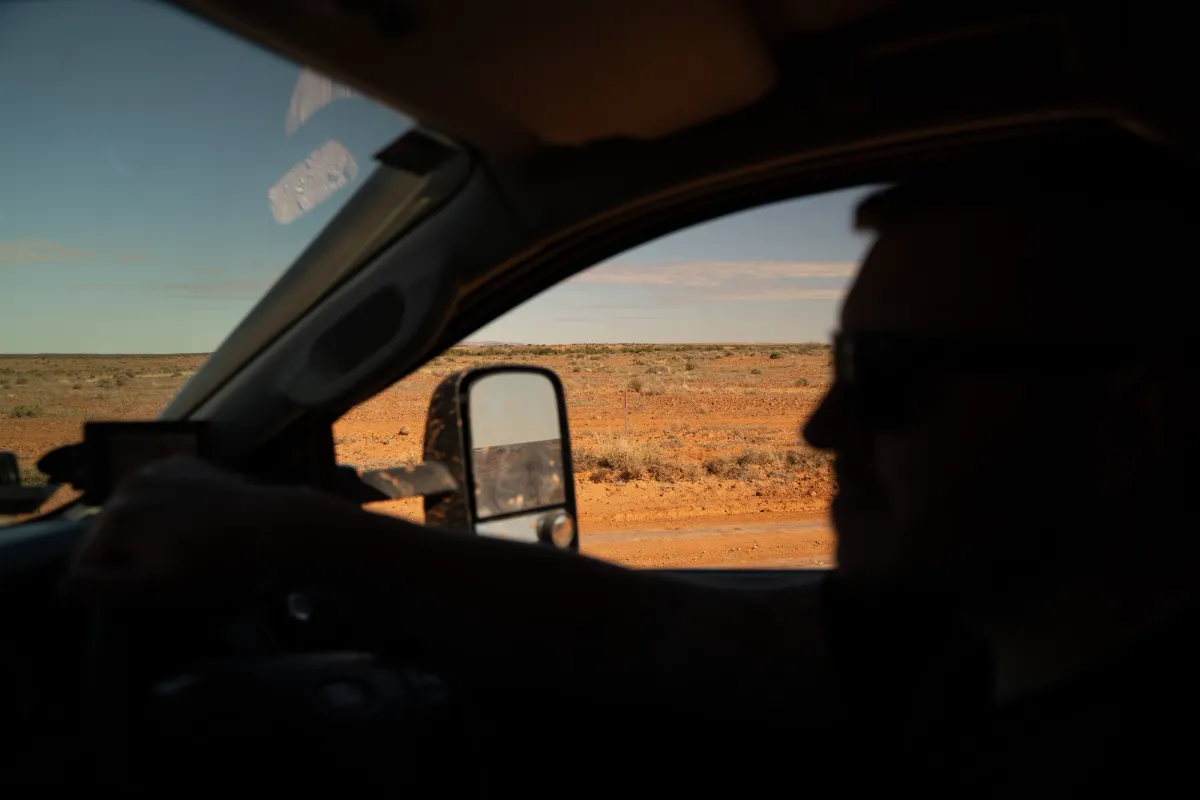
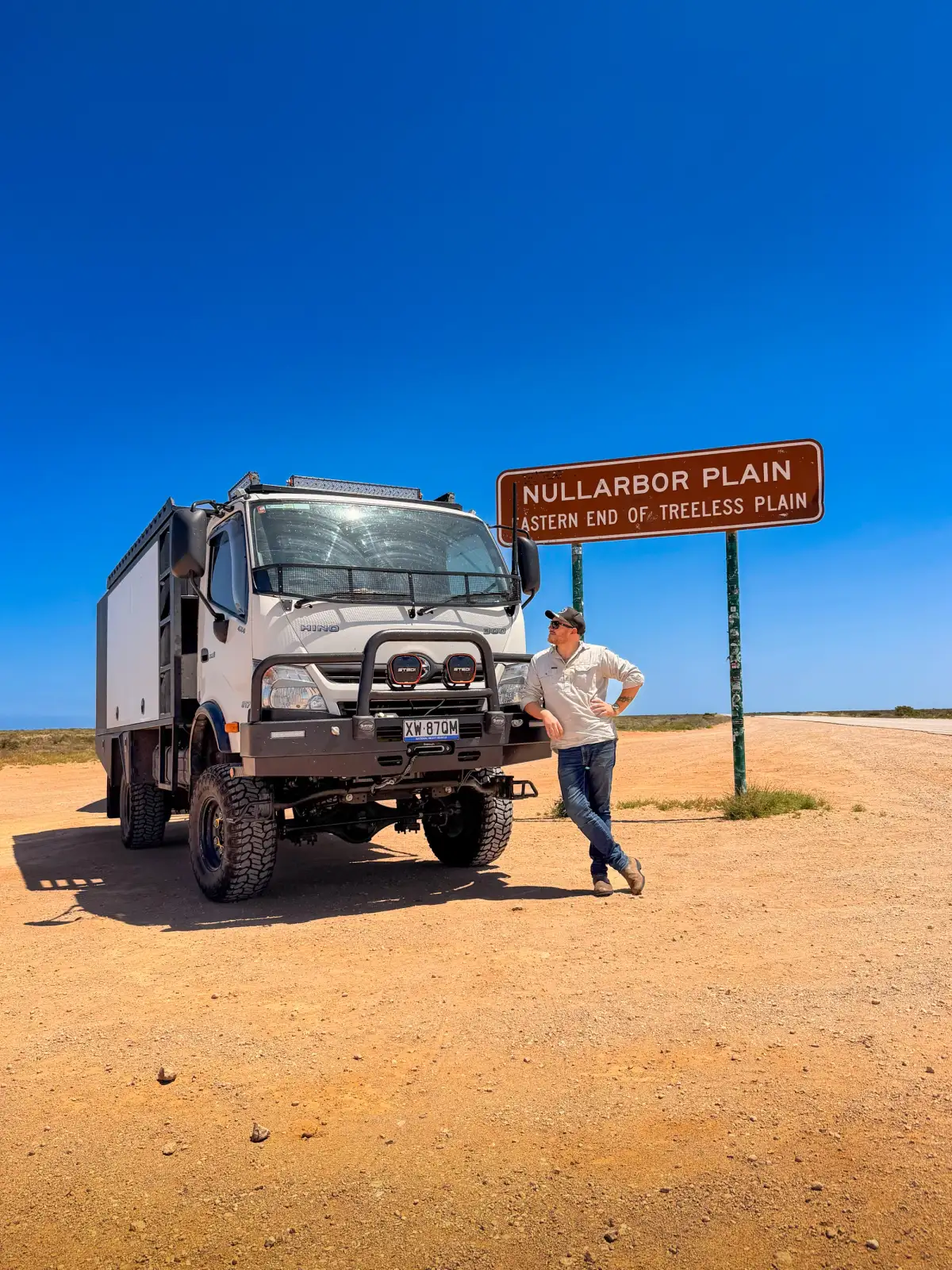
a man driving a 4x4 ute
I suspect this is where the dual-cab really won us over. It stopped being a vehicle we needed and became a vehicle we wanted, not simply for what it could carry, but for where it could take us.
Whether it's the Cape, the Simmo or a campsite two hours from home, there's something pretty bloody appealing about knowing you can pack up on a Friday afternoon and leave civilisation in the rear-view mirror.
And the dual-cab became the perfect blank canvas for that freedom.
The aftermarket industry certainly hasn't hurt our enthusiasm, either. With seemingly endless ways to personalise our vehicles, we've transformed the humble workhorse into everything from a fully equipped chippy's rig to a continent-crossing touring machine.
But underneath the bullbars, canopies and increasingly elaborate electrical systems, we're all chasing much the same thing.
The freedom to throw a few things in the back, point the bonnet towards somewhere we've never been and see where the track takes us.
So Good we Decided to Build Our Own
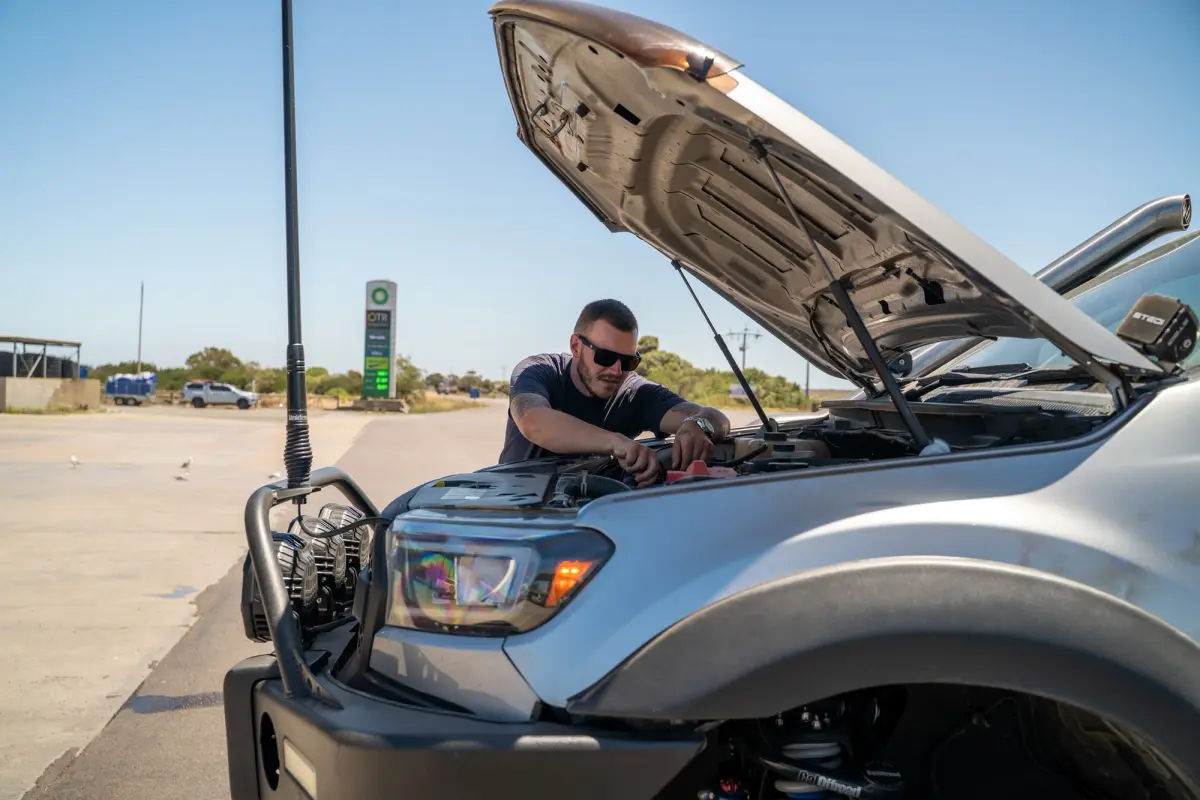
a man working on the engine of a 4x4 ute
If you need any further proof of Australia's love affair with the dual-cab, consider the fact that we'll happily purchase a perfectly good, brand-new 4X4 wagon, take a nine-inch grinder to the back of it and spend an utterly unreasonable amount of money turning it into a ute.
And the ridiculous thing is, there's actually some logic behind it.
A dual-cab combines the passenger-carrying ability of a family vehicle with the practicality of a ute and, in 4X4 form, the ability to explore some of the most remote corners of the country.
Of course, they're not without their compromises. Payload, axle ratings and towing limits can quickly become an issue once you start piling on accessories, particularly if there's a caravan hanging off the back. And converting a wagon into a ute certainly doesn't guarantee it'll carry more weight.
But set one up properly, understand its limitations and choose the right configuration for the job, and there aren't many vehicles capable of wearing quite so many hats.
An Australian Love Affair
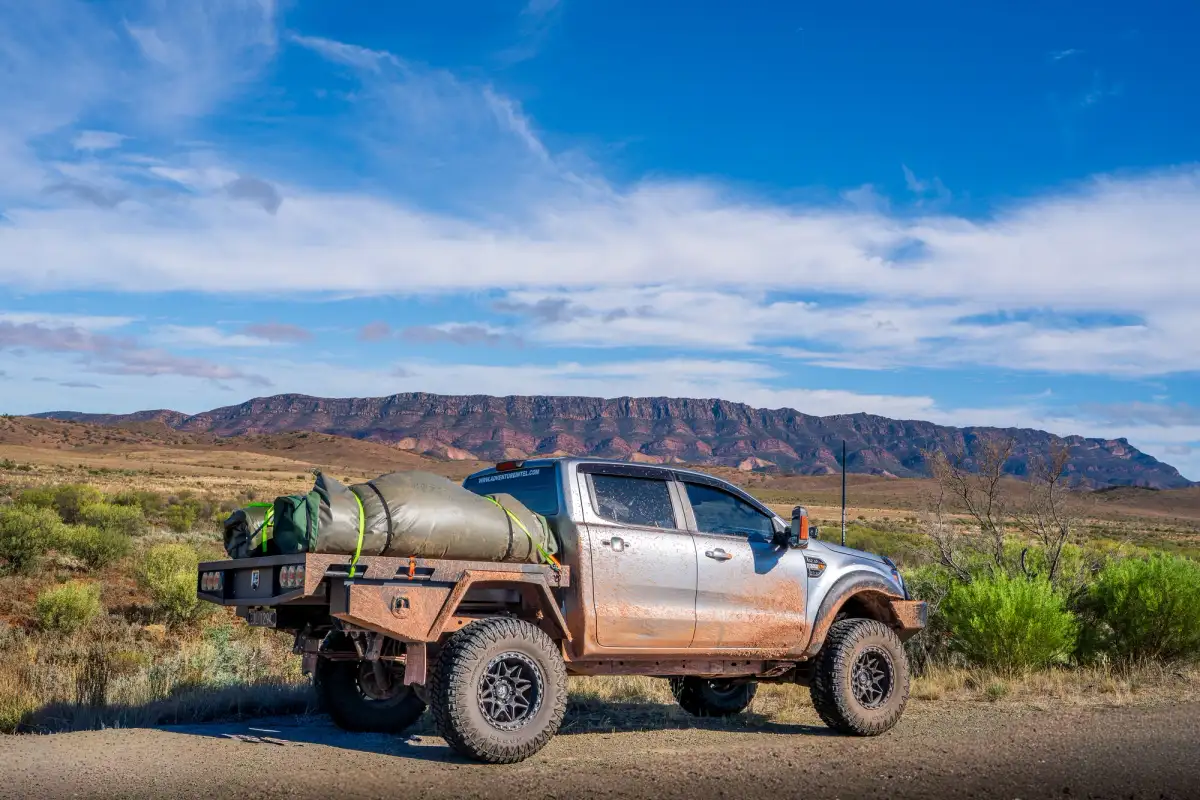
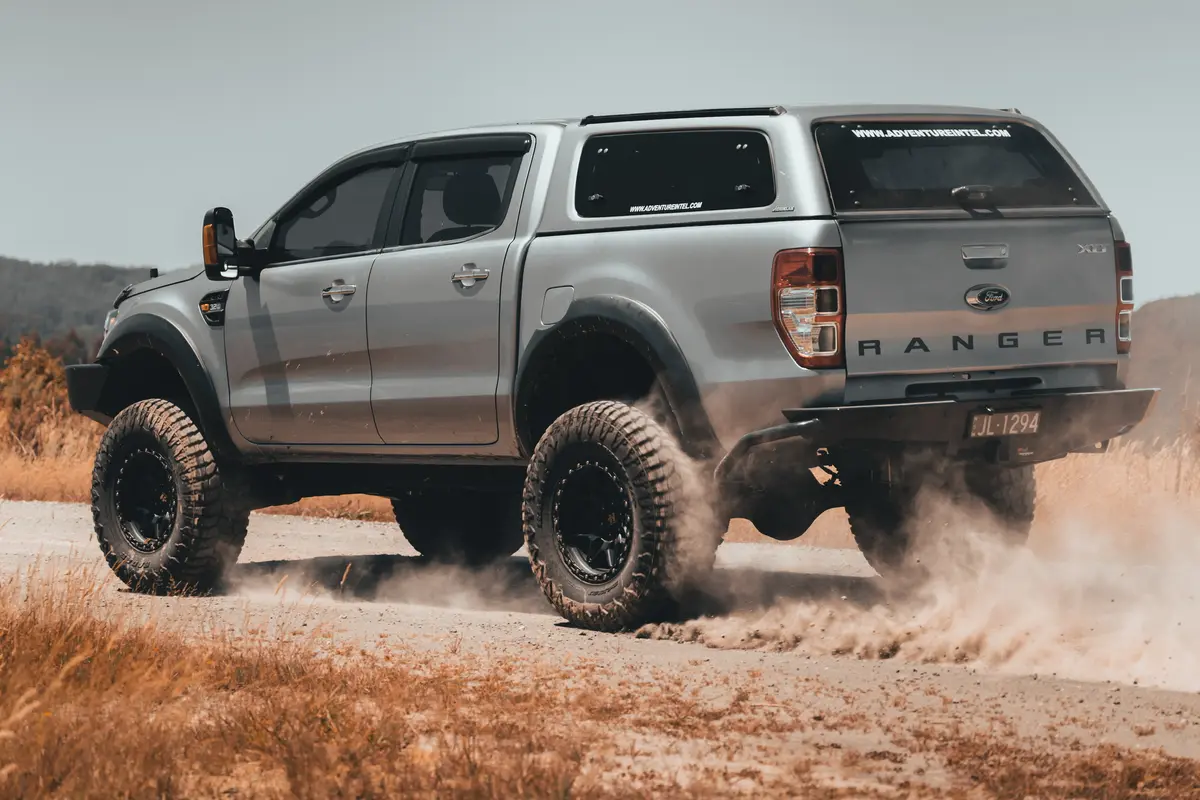
A silver 4X4 ford ranger ute in Australia
Two people can drive out of the same dealership in identical utes and, twelve months later, have two completely different machines sitting in their driveways. I reckon that's what makes the dual-cab such an extraordinary vehicle.
One might be earning its keep on a building site, while the other is carrying everything its owners need to spend six months exploring the country.
And neither is doing it wrong.
We've taken a vehicle that was once little more than a means of getting the job done and turned it into something that reflects how we work, travel and spend our spare time and who we are.
Is it the perfect family car? Probably not. The perfect workhorse? Depends on the job. The ultimate touring vehicle? That depends entirely on who's behind the wheel and what they've built it to do.
But when you consider the sheer variety of roles these things perform, I'd happily declare the dual-cab ute one of the most versatile vehicles in the world.
And if that doesn't warrant a spot on the Australian coat of arms, I don't know what does.
From the Moreton to the High Country
We cover anywhere you can legally go in Australia