Image

Expert Advice

Safety Tips for Remote Country Travel

Out in the remote bits, a flat tyre or dead battery can turn into an overnight survival story real quick. A bit of planning, the right gear, and a solid understanding of what you’re walking (or wheeling) into can make all the difference.

Image
Pat Callinan
Oct 30 2025

Oct 30 2025

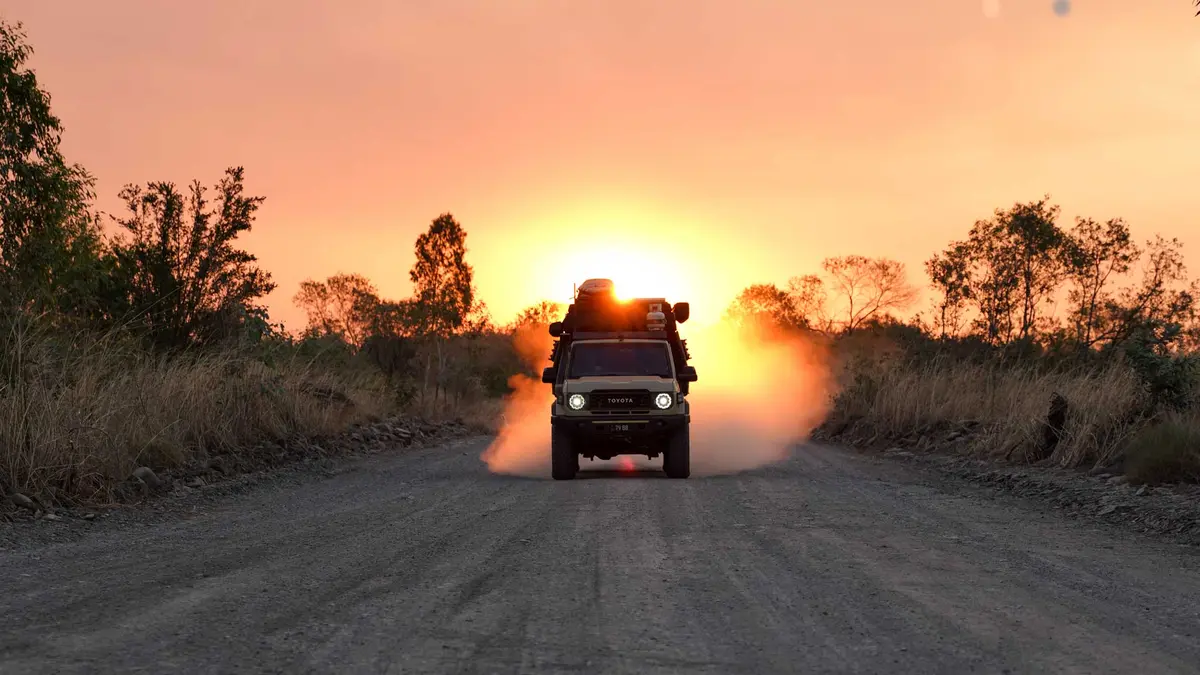
4wd on a remote road with a blue road sign

Australia’s a big place. Wide, empty, and unforgiving in all the ways that make it magic, but if you’re heading into the scrub without thinking about safety, you’re not being brave, you’re just rolling the dice. Out in the remote bits, a flat tyre or dead battery can turn into an overnight survival story real quick.

And the cavalry? It could be hours, or even days, away.

Don’t stress. A bit of planning, the right gear, and a solid understanding of what you’re walking (or wheeling) into can make all the difference. Let’s run through it.

Know Where You’re Going (And Who Knows It)

First thing’s first: tell someone where you’re headed. Sounds simple, but it’s the single biggest lifesaver in remote touring. Whether it’s a mate, your partner, or the local constabulary, let someone know where you’re going and when you’re due back. That way, if you go quiet for too long, someone knows to raise the alarm.

Buy good quality paper maps, and know how to use them. Print up some topo maps if you need to. GPS is great, until it isn't. Always have a paper backup and know how to use it.

three men inspecting a map on the bonnet of a 4wd

three men inspecting a map on the bonnet of a 4wd

Comms: Don’t Just Rely On Your Mobile

Phone coverage might be decent in the cities, but it’s patchy at best once you're west of the range. Relying on a phone alone is asking for trouble.

Here’s what you should carry:

  • UHF Radio: Channel 40 is the truckies’ highway chat, but keep an ear on emergency channels (like 5/35) too. Even in convoy, a UHF is worth its weight in gold for calling out hazards and keeping the crew tight.
  • Satellite Phone or Starlink: Pricier, sure. But when you’re outside mobile range, it’s your lifeline. With sat-phones, you can call help or loved ones directly. Starlink’s been a game-changer for those needing internet (or uploading TV shows from the desert).
  • iPhone SOS via Satellite: If you’ve got a newer phone, some have the option for emergency satellite SOS features that let you text triple-zero even without reception. It’s slow and limited, but it could be the thing that gets you home.

Carry the Right Recovery Gear

Getting bogged is one thing. Getting bogged 300 kays from anywhere with no shovel, no comms, and no plan? That’s how the news articles start.

At a bare minimum:

  • Snatch strap and rated shackles
  • Tyre deflator and compressor
  • Traction boards (and a shovel to pair them with)
  • Jump starter or a dual battery that links to your main
  • Spare tyre, plug kit, and the tools to actually change one

Know how to use everything before you leave. If you’ve never snatched a vehicle or used a winch, don’t wait ‘till you’re chest-deep in a river crossing to figure it out.

Pack For Contingency, Not Comfort

If something goes wrong, you might be stuck out there longer than planned. That means water, food, and warmth are non-negotiable. A jerry or two of clean drinking water, some non-perishables (muesli bars, rice, tinned stuff), and a decent sleeping setup should be with you on every trip, yep, even day ones.

Chuck in a first-aid kit too, a spare head torch, and a power bank for phones and radios. And always check your vehicle's fluids, belts, and battery before heading bush. Preventative maintenance saves lives.

a closeup of a snake in a desert environment

a closeup of a snake in a desert environment

Respect The Terrain

Whether you’re crossing the desert, winding through the high country, or poking around Cape York, every region has its own hazards. Soft sand, bulldust holes, dodgy creek crossings. They’ll all catch you out if you get too cocky.

Drive to conditions. Keep an eye on tyre temps and pressures. Be cautious, and trust your gut when a track looks sketchy. The chicken track might not give you the glory but it beats walking half a day to get help after breaking your 4X4.

Final Word

Remote travel in Australia is one of the best things you can do with a 4X4. The stars shine brighter, the campside drinks taste colder, and the silence is deeper than you’d ever hear in town. But out there, you’re on your own. And while the rewards are massive, so are the risks if you’re not prepared.

So don’t just load the fridge and hit the highway. Take the time to prep. Have a plan. Carry the right gear. And respect the land you’re travelling through. Because out there, your best recovery tool isn’t in your canopy, it’s what’s between your ears.

It's there to be explored

Cover anywhere you can legally go in Australia
Get a Quote
Image
Pat Callinan
Pat Callinan is one of Australia's leading four wheel drive experts. Pat Callinan's 4X4 Adventures is sponsored by Club 4X4
Blog

Discover other stories

View all

Warm up with weekly articles aimed at adventure

Image

Expert Advice

Top 10 Must-Haves for Summer 4WD Camping

Long days, warm nights, and finding that perfect secluded beach track where the only footprints are your own. But let’s be honest, it can turn into a nightmare pretty quick if you aren't prepared.

Read more  

Long days, warm nights, and finding that perfect secluded beach track where the only footprints are your own. But let’s be honest, it can turn into a nightmare pretty quick if you aren't prepared.

santa at a campsite

Partnerships, Promotions & Events

12 Days of Santa's Camping Swag

We don't think piping pipers, French hens or a partridge in a pear tree are much use when camping, so we've gone ahead and assembled 12 gifts from Santa's swag that will be a welcome asset on your next adventure.

Read more  

We don't think piping pipers, French hens or a partridge in a pear tree are much use when camping, so we've gone ahead and assembled 12 gifts from Santa's swag that will be a welcome asset on your next adventure.

4x4 towing a caravan through an arid landscape

Expert Advice

6 Mistakes Almost Every First-Time Traveller Makes

Heading off on your first full-time travel lap? Avoid the common mistakes that catch first-time caravanners and 4×4 travellers unawares—from overpacking and water use to safety gear and budgeting.

Read more  

Heading off on your first full-time travel lap? Avoid the common mistakes that catch first-time caravanners and 4×4 travellers unawares—from overpacking and water use to safety gear and budgeting.

View all

Frequently Asked Questions

Australia’s remote areas are vast and unforgiving. A simple breakdown like a flat tyre or dead battery can quickly turn into a survival situation when help is hours or days away. Proper planning reduces risk and gives you options when things go wrong.

Tell someone where you’re going and when you expect to return. This is one of the most important safety measures you can take. If you don’t check in on time, someone knows to raise the alarm.

No. GPS is useful but not foolproof. Batteries die, devices fail, and maps can be outdated. Always carry quality paper maps and know how to read them as a backup.

No. Mobile coverage drops off quickly once you leave populated areas. You should never rely solely on a mobile phone for communication in remote locations.

At a minimum, consider:

  • A UHF radio for vehicle-to-vehicle communication and emergency channels
  • A satellite phone or Starlink for reliable contact outside mobile coverage
  • A phone with satellite SOS capability as a last-resort emergency option

Each adds a layer of safety if something goes wrong.

Yes. UHF radios are valuable for monitoring traffic, calling out hazards, and contacting nearby vehicles, especially on popular routes and highways.

At a minimum, you should carry:

  • Snatch strap and rated shackles
  • Tyre deflator and air compressor
  • Traction boards and a shovel
  • Jump starter or dual battery system
  • Spare tyre, plug kit, and the tools to change or repair tyres

Just as important as carrying the gear is knowing how to use it.

Absolutely. Remote travel is not the place to learn recovery skills for the first time. Practice using recovery gear and understand safe techniques before you need them in the bush.

Pack for delays, not just the planned duration. Carry extra drinking water, non-perishable food, and a sleeping setup even on day trips. Getting stuck overnight is always a possibility.

Drive to the conditions, not your ego. Lower tyre pressures when needed, watch temperatures, and don’t be afraid to take the easier line. Choosing the safer option can prevent vehicle damage or being stranded.