There are road trips in Australia, and then there are adventures…
Some journeys become stories people talk about for years. The kind where the red dust sticks to everything, the landscapes feel almost unreal, and every day brings something new.
For us, exploring the Kimberley and driving the famous Gibb River Road between Derby and Wyndham was exactly that.
We’re Wim and Sam from Bush and Bay, and we spent three weeks exploring this iconic drive through the heart of the Kimberley. And it turned out to be one of the biggest adventures we’ve had in Australia so far.
If you’re planning to explore the Gibb River Road in 2026, or you’re still wondering whether it’s a trip you can actually do, here’s everything you need to know before heading out.
What Makes the Gibb River Road so Special?
The Gibb River Road is a 660 kilometres dirt road running through the heart of the Kimberly. This iconic outback track connects the towns of Derby and Wyndham in Western Australia.
But the distance alone doesn’t tell the story…
Once you leave the bitumen and hit the gravel, everything changes. The landscapes feel wilder, the distances between places grow larger, and the sense of remoteness becomes very real.
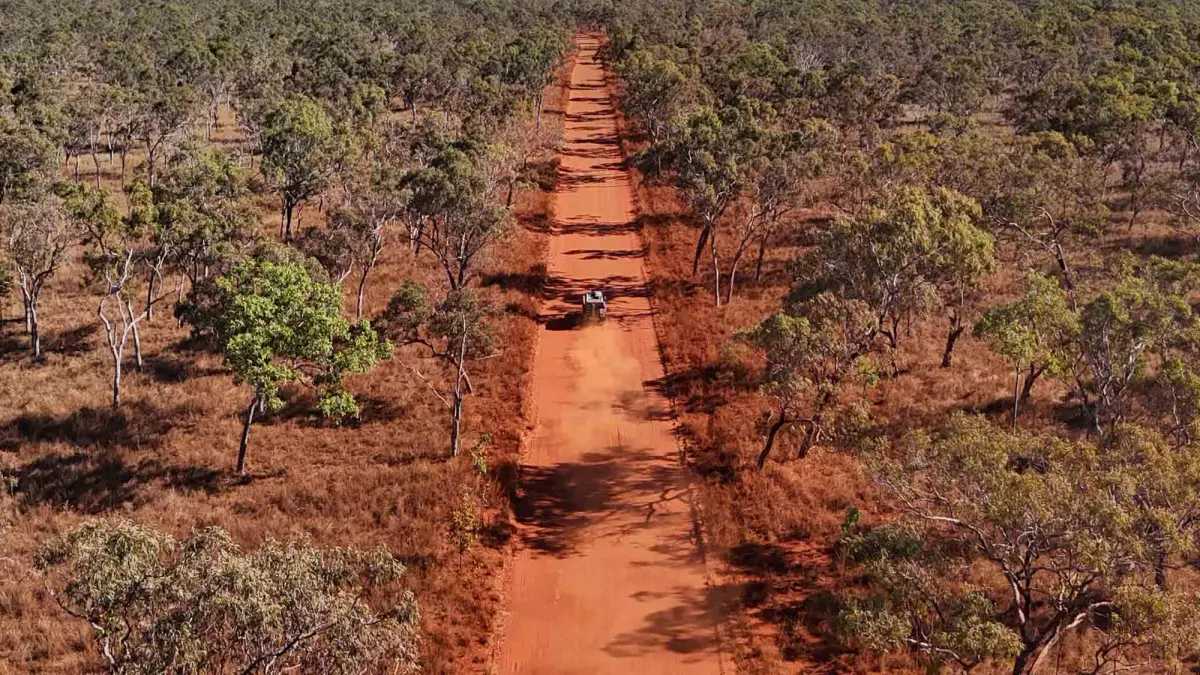
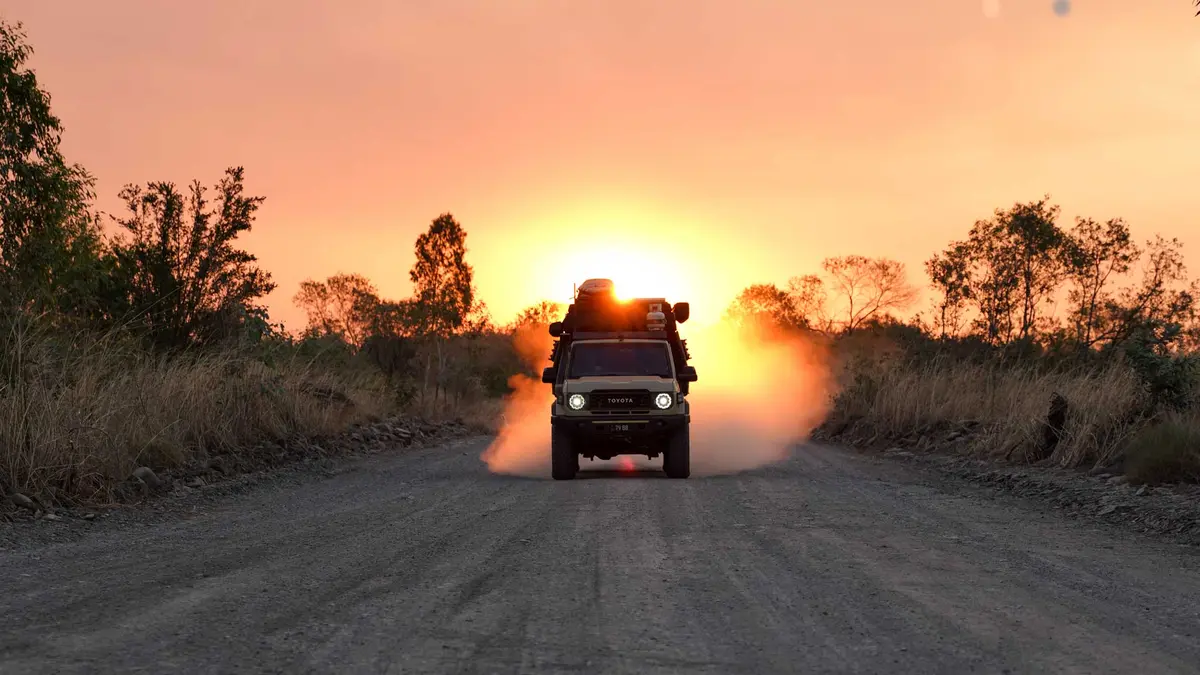
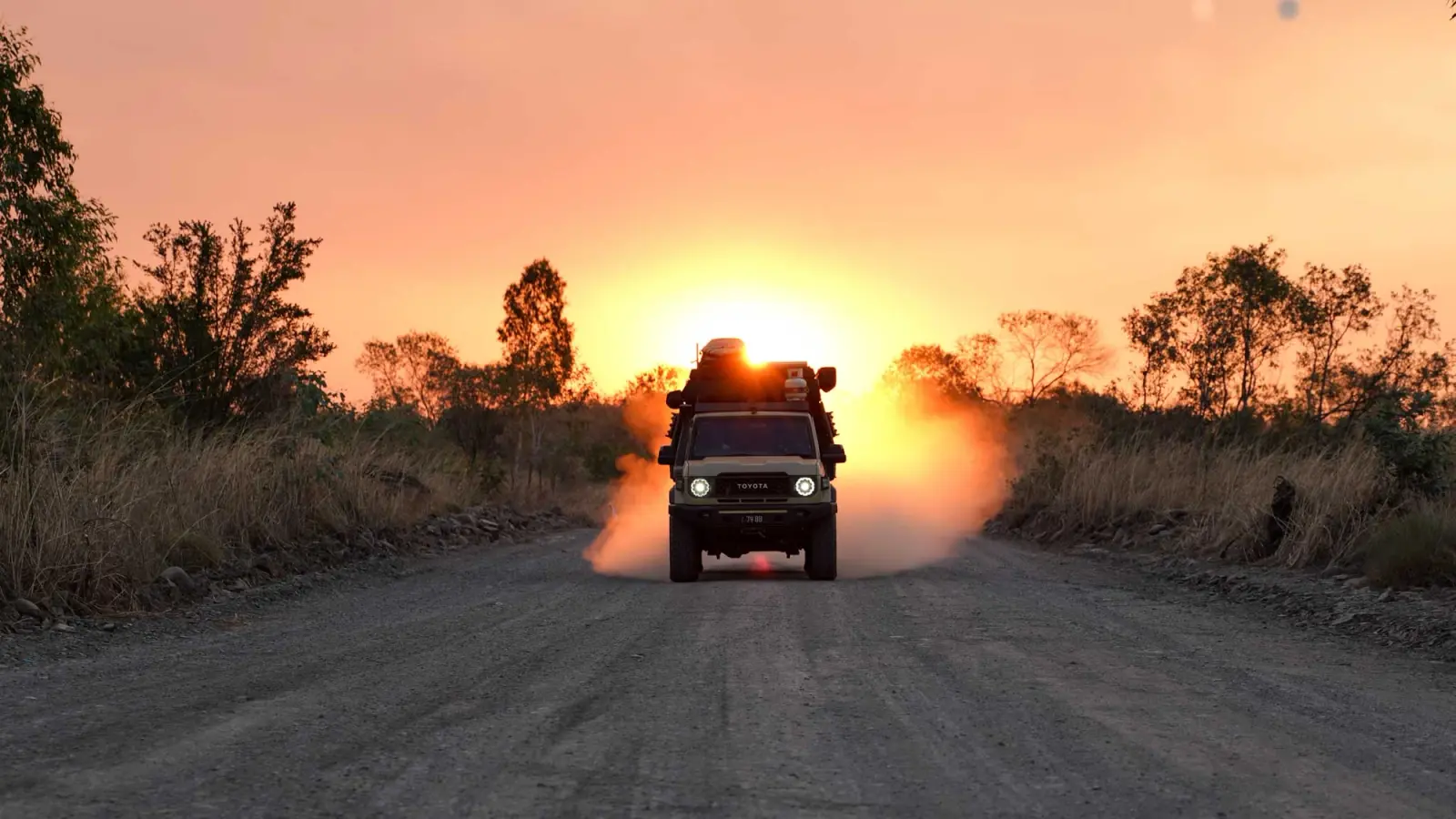
Gibb River Road, WA. Red road
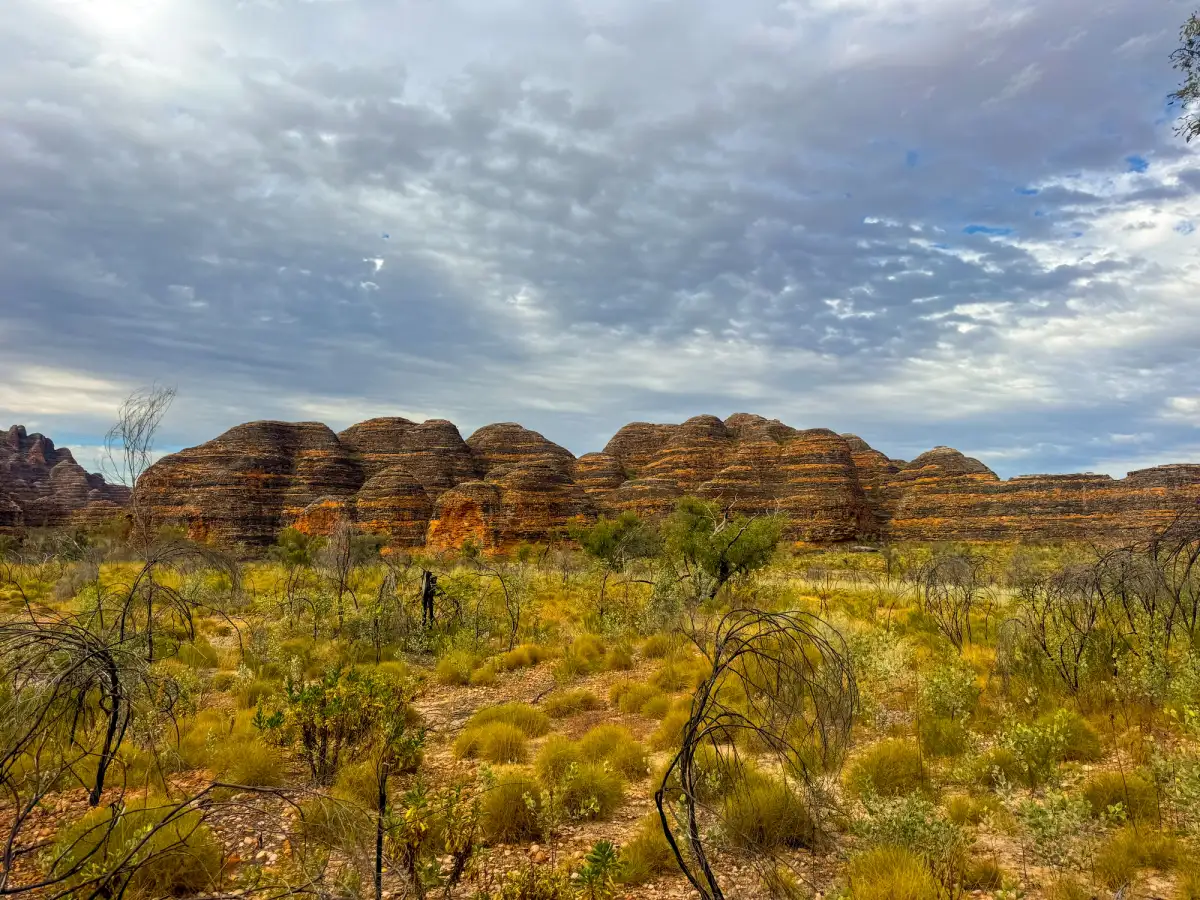
This part of the Kimberley is raw and incredibly beautiful. Towering gorges, hidden waterfalls, remote stations, and rivers cutting through ancient rock formations.
Driving here isn’t about rushing from one destination to the next. It’s about committing to the journey itself. And that’s exactly what makes it so memorable.
Is this Trip for Experienced Four-Wheel Drivers Only?
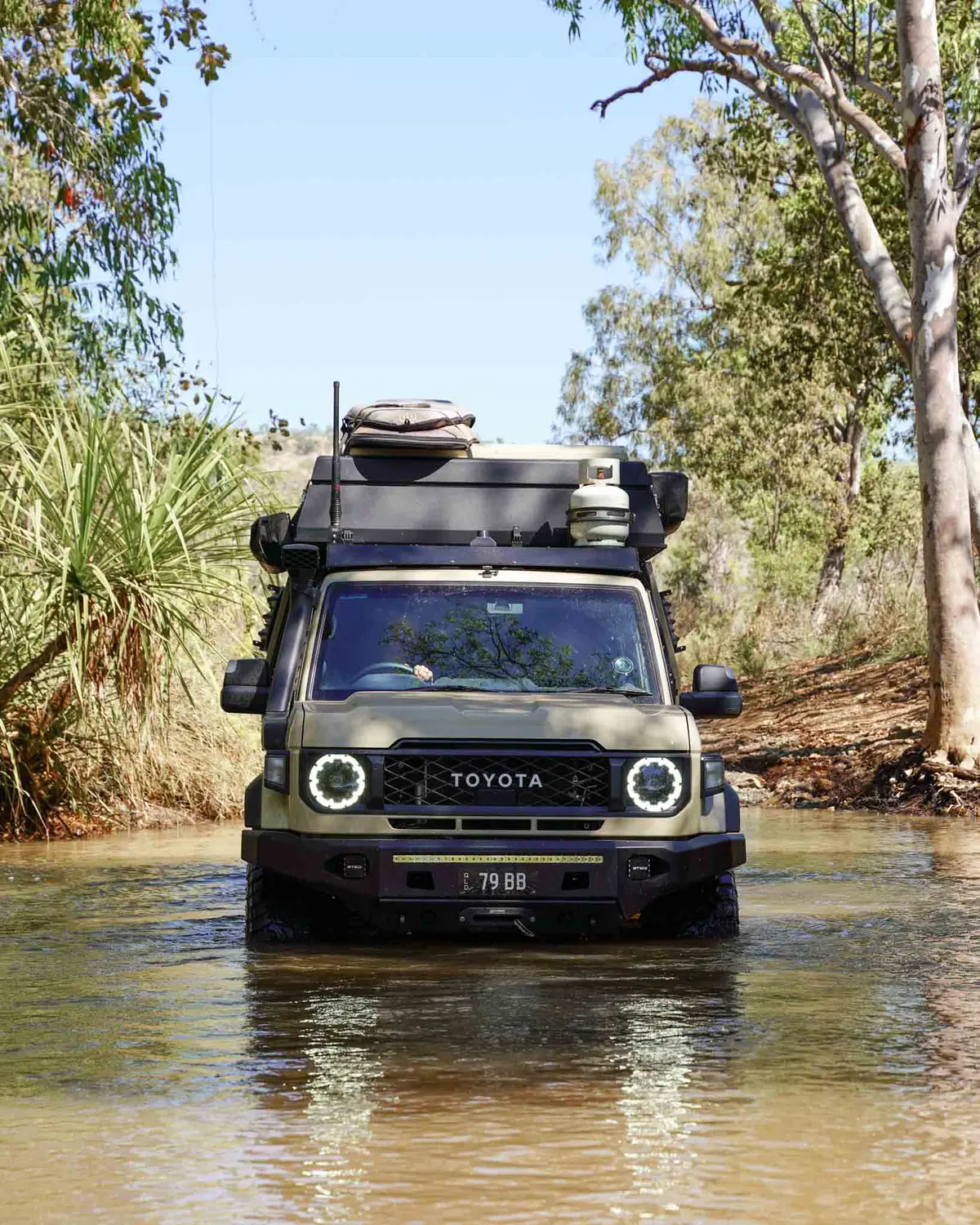
Gibb River Road River crossings
One of the most common questions people ask is whether this journey is only suitable for very experienced drivers with heavily modified vehicles.
The answer? Not necessarily.
While a capable and high-clearance 4WD is essential, the main road itself isn’t overly technical in terms of driving difficulty. Most travellers with a well-prepared vehicle and some basic off-road experience can comfortably tackle the route.
The real challenge comes from the conditions.
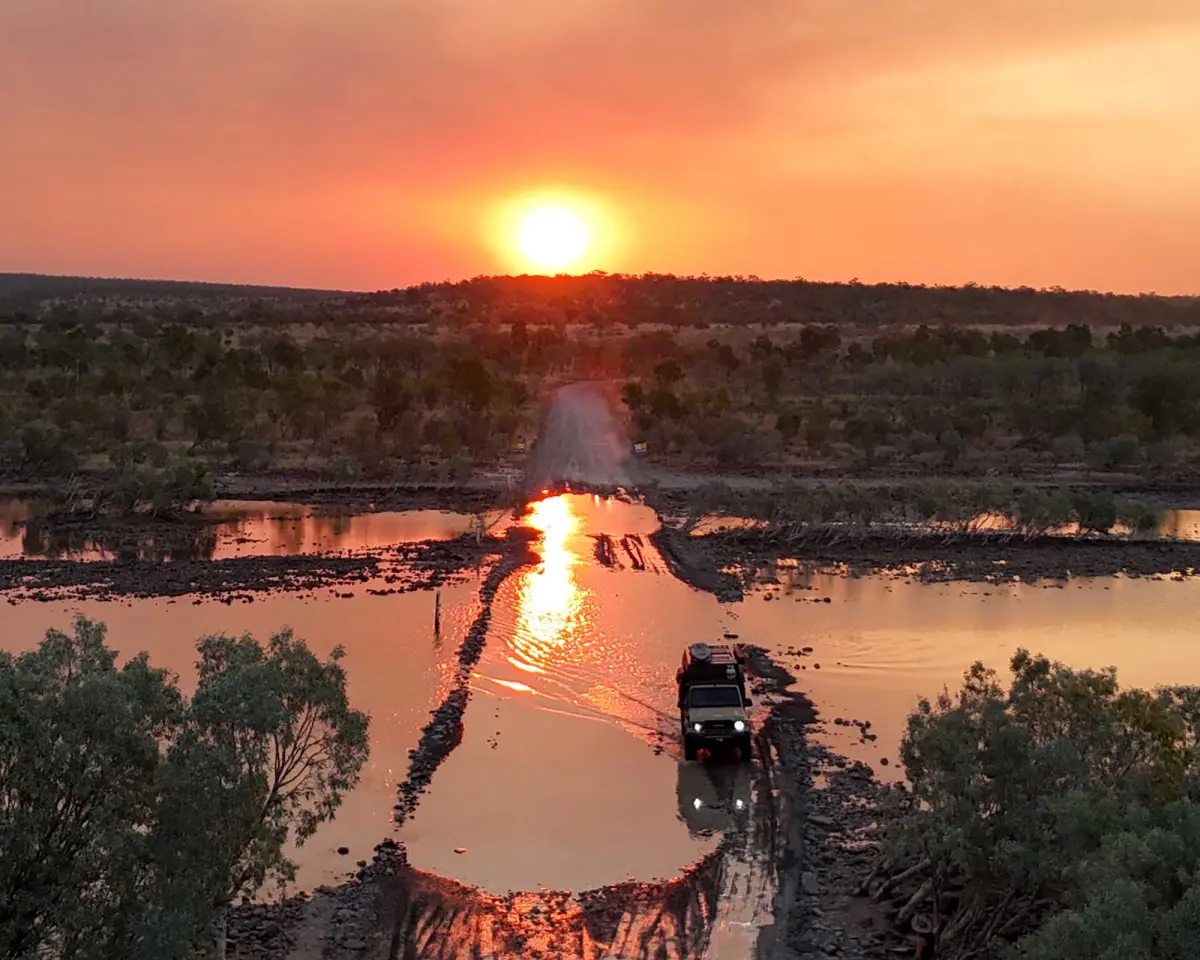
Gibb River Road Pentecost River crossing
Corrugations, dust, heat, creek crossings and long distances between services all play a role. It’s less about difficult driving and more about preparation, patience and taking your time.
Slow down, plan properly, and the trip becomes far more enjoyable.
How Much Time Should you Allow?
Time is one of the most important factors that will make or break your experience.
We found that two weeks is a great timeframe for most travellers. It gives you enough time to visit the major gorges, enjoy the stations, and break up the driving without feeling rushed.
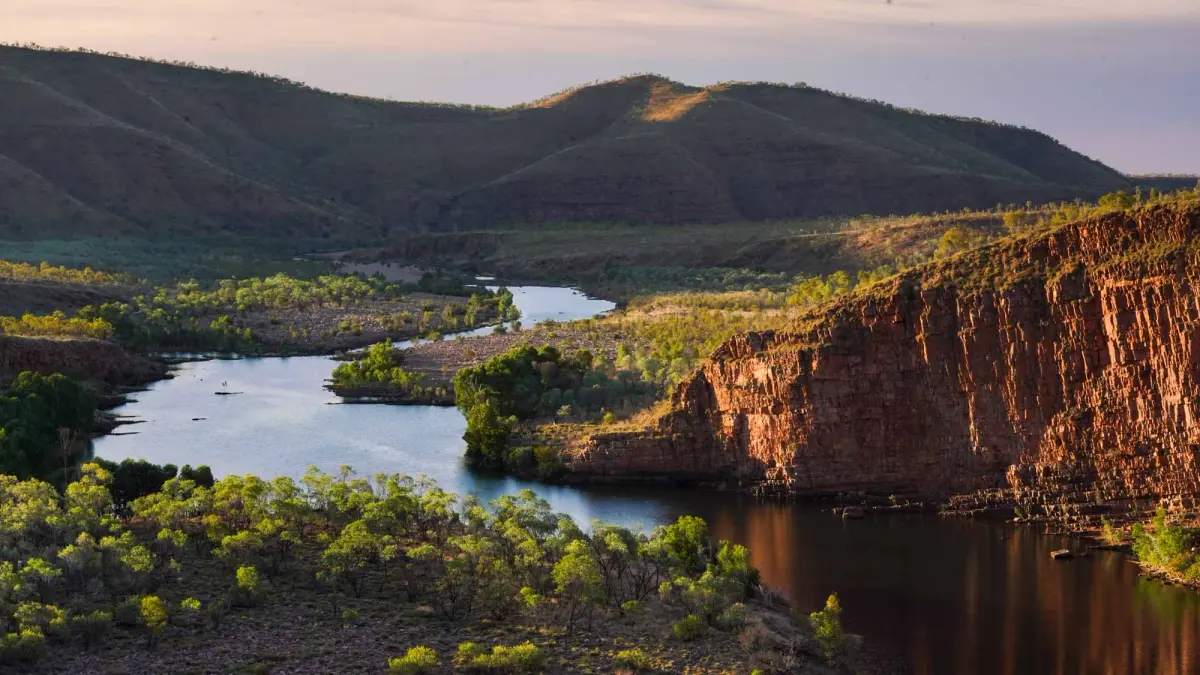
Gibb River Road El Questro
If you want to include a visit to Mitchell Falls - https://www.bush-and-bay.com/western-australia/mitchell-falls/ - , one of the most spectacular waterfalls in the Kimberley, then three weeks is a much better option.
The key is not pushing long driving days.
Fatigue can creep in quickly on corrugated roads. And that’s when mistakes tend to happen. Allowing plenty of time gives you flexibility if conditions change or if you simply want to stay somewhere longer.
Road Conditions and Corrugations
When people imagine remote four-wheel driving, they often picture difficult obstacles, rock or steep tracks.
In reality, the biggest challenge on the Gibb River Road is much simpler: corrugations.
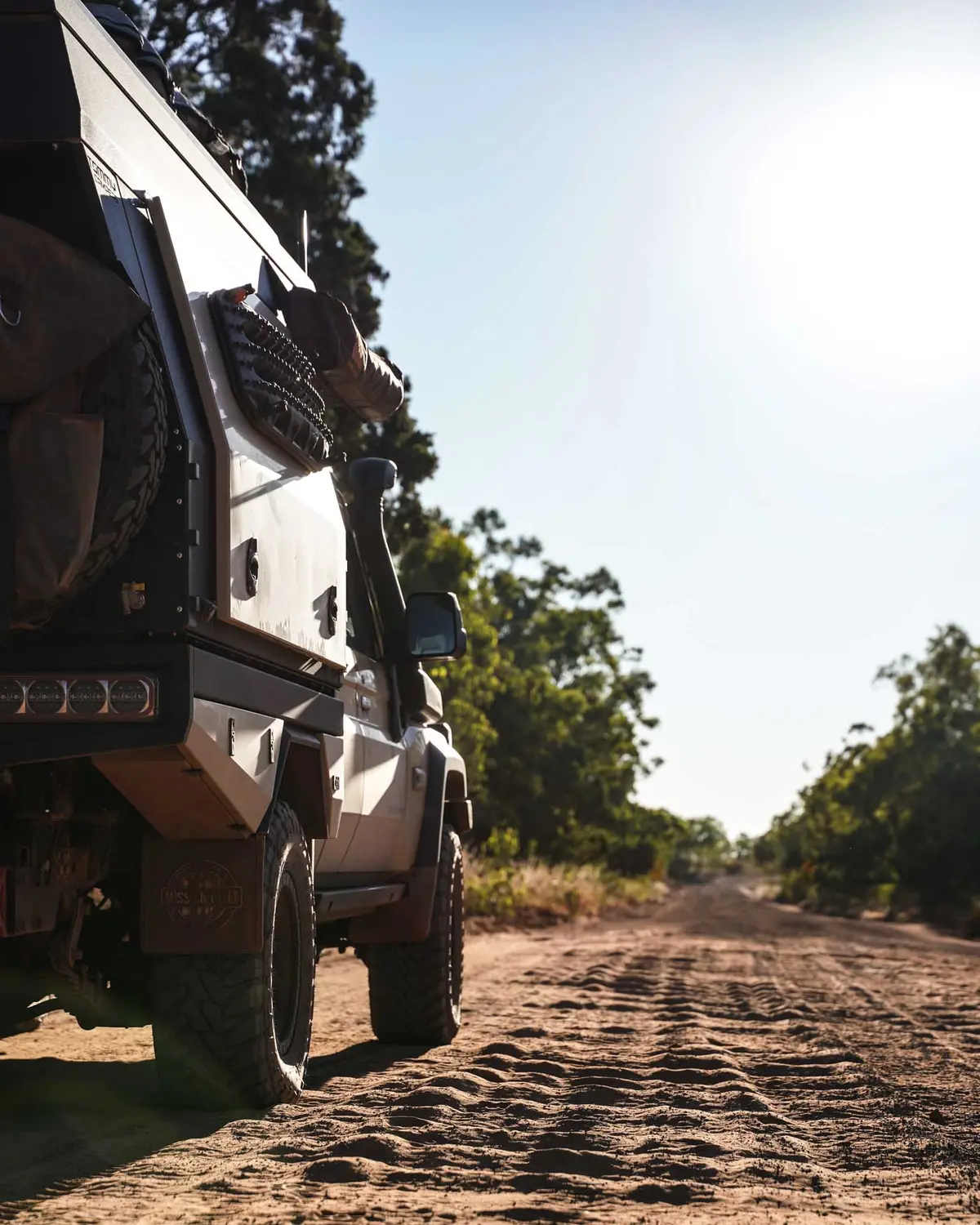
Gibb RIver Road corrugations
Some sections of the road can be extremely rough, with long stretches of washboard-style bumps that shake your vehicle, your camper and everything inside.
The best way to manage this is by lowering your tyre pressure and adjusting your speed to suit the conditions. Slowing down makes a huge difference to both comfort and vehicle wear.
We also made it a habit to check our setup regularly. After long days on corrugated roads, it’s worth checking bolts, mounts, and gear to make sure nothing has shaken loose.
It may sound simple, but small checks can prevent bigger problems later.
Where to stay on the Gibb River Road?
Station Stays & National Parks
One of the things we loved most about travelling through the Kimberley was the variety of places you can stay.
There are several station stays along the route that offer facilities such as flushing toilets and hot showers, and even a meal! After a long, dusty day on the road, being able to enjoy a hot shower and a good meal can feel pretty amazing.
Some of the well-known stations include Mt Barnett, Mt Elizabeth, Drysdale River Station, Ellenbrae (famous for its scones) and El Questro.
Another great option is camping within national parks near some gorges, with just a short drive or walks to incredible swimming spots and water falls.
One of our favourite national parks campgrounds was Silent Grove Campground. It even has a hot-water shower and is only a twenty minute drive from Bell Gorge, one of the most beautiful swimming spots on the Gibb River Road.
Camping and Booking Tips
During peak season, some campgrounds and stations can fill up quickly, so it’s worth checking ahead if you have a particular place in mind. Booking in advance can help secure a spot, especially at the national park campgrounds.
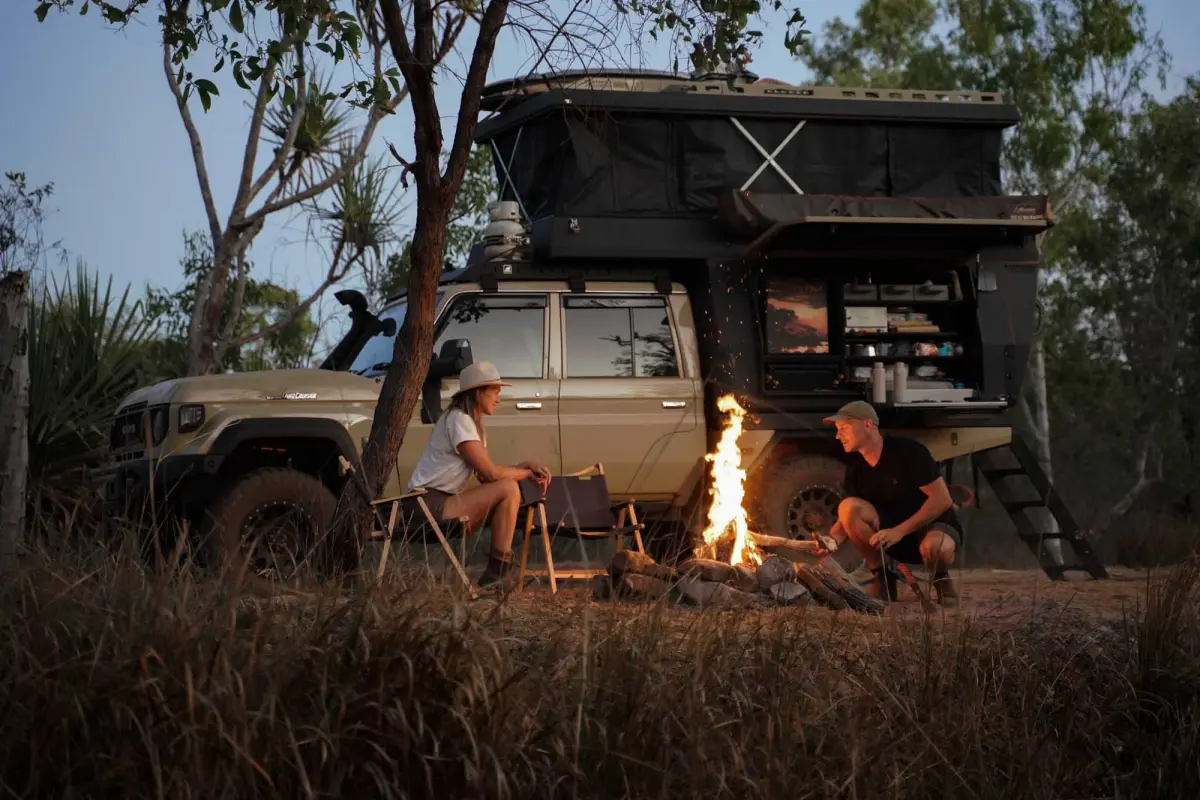
Gibb River Road camping
When we explored the Gibb River Road, it was peak season, but outside the school holidays. We were still able to arrive at most stations and national parks and book on the spot. If you’re unsure, the easiest option is to call the station ahead of time and ask how they prefer bookings to be handled.
Free Camping on the Gibb River Road
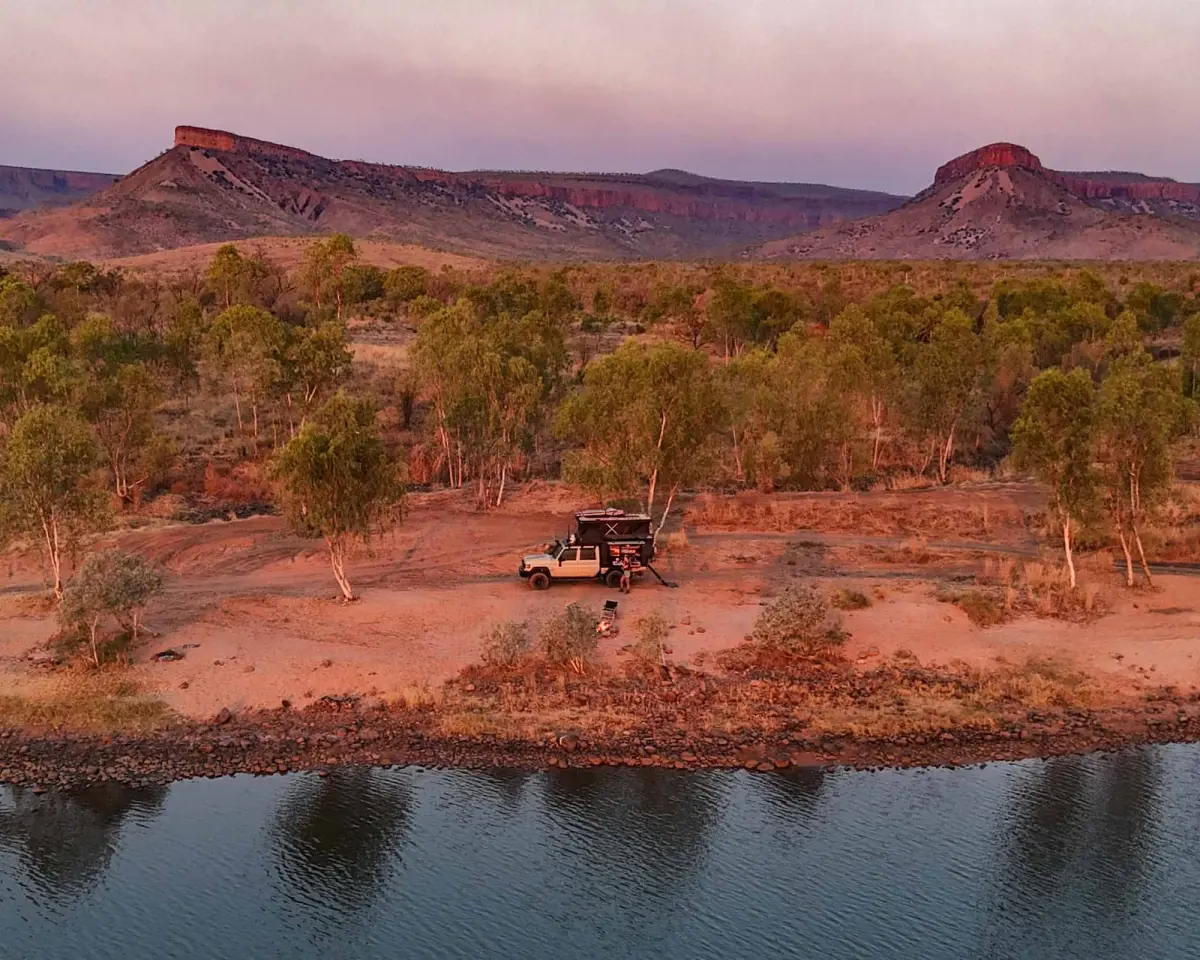
Pentecost River free camp Gibb River Road, WA
And then, there are the free camps.
The free camps on the Gibb River Road are very basic, meaning you need to be fully self-sufficient with your own water, power and supplies. Popular spots like Hahn River, Gibb River Free Camp and the Pentecost River can fill up quickly in peak season. Arriving early helps secure a good campsite.
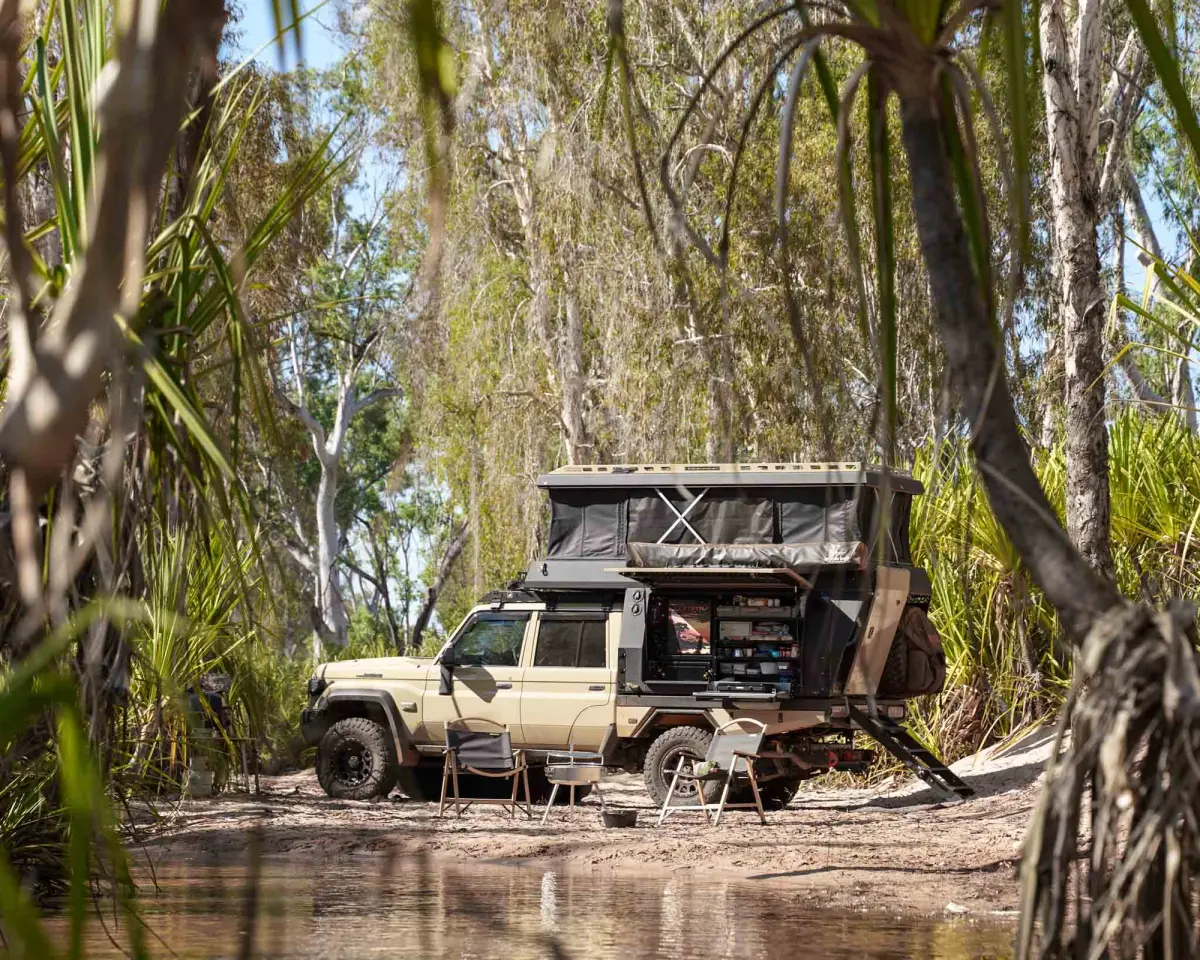
Gibb River Road Hahn River Free Camp
But…if you find the right spot, camping beside these rivers can easily become the highlight of your trip.
Permits and Access
Because of the region’s remote location and extreme wet season, access to the Gibb River Road is seasonal.
Most years, the road opens sometime between May and October, depending on how the wet season affects the track conditions.
It’s always important to check the latest road updates before heading off.
Some areas also require permits.
For example, visiting Mitchell Falls area requires a Uunguu Visitor Pass (which you can buy at Drysdale River Station). And many national park campgrounds require online bookings and a valid WA National Parks pass.
Fuel, Supplies and Staying Connected
Planning fuel and water stops is another key part of preparing for the journey.
There are several fuel points along the route, including Imintji, Mt Barnett and Drysdale River Station. We always top up whenever fuel is available, rather than waiting until you absolutely need it. But, remote fuel means remote pricing, so keep that in mind.
Phone reception is also very limited throughout most of the region. There’s Telstra and Optus signal available at most of the stations, but once you’re out on the road, coverage is minimal.
Many travellers now carry Starlink to stay connected if needed. While it’s not essential, it adds an extra layer of safety when travelling in remote areas.
If you’re planning your route, having a good map - https://www.bush-and-bay.com/western-australia/gibb-river-road-map/ - of the Kimberley and the major stops along the way can make trip planning much easier.
Vehicle Preparation
If there’s one thing we noticed while exploring the Gibb River Road, it’s that vehicle preparation really matters.
Along the way, we saw plenty of travellers pulled over with punctures, changing tyres, or waiting for assistance.
The rough conditions can take a toll on vehicles, especially if tyres aren’t suited to the terrain.
Before heading out, it’s worth checking that your tyres are in good condition and that you’re carrying at least one reliable spare. Ideally two if you have the space.
Simple habits like marking bolts with paint and doing quick daily checks can also help catch problems early.
Even with good preparation, small issues can still happen. We had a few minor dramas ourselves, but luckily nothing we couldn’t fix ourselves.
The Most Memorable Moments
While the driving itself is a big part of the adventure, the moment you remember most usually happen when the engine is switched off. Swimming in a gorge after a hot, dusty day, jumping off a waterfall or plunging in an incredible swimming hole from a rope swing.
Even though more travellers are exploring the Gibb River Road each year, the Kimberley still manages to feel incredibly remote and special.
Some of our favourite spots were Galvans Gorge, Manning Gorge and Bell Gorge. Camping at Hahn River and next to the Pentecost River were also highlights. And if you have some extra time, the detour to Mitchell Falls is absolutely worth the effort.
Advice from Someone who Explored the Area
If you’re planning on tackling the Gibb River Road this year, the biggest piece of advice is simple:
Don’t rush it.
Prepare your vehicle properly, plan your fuel and water stops and allow plenty of time to enjoy the journey.
When you travel this way, the trip becomes far more than just a drive. It becomes an experience that will stay long after the dust has washed off the car. Although, if you’ve driven the Kimberley, you’ll know that might never fully happen.. Bull dust somehow finds its way into places you didn’t even know existed.
And if you’re still doubting about it? Consider this as your sign. It’s really worth the effort.
Author Bio
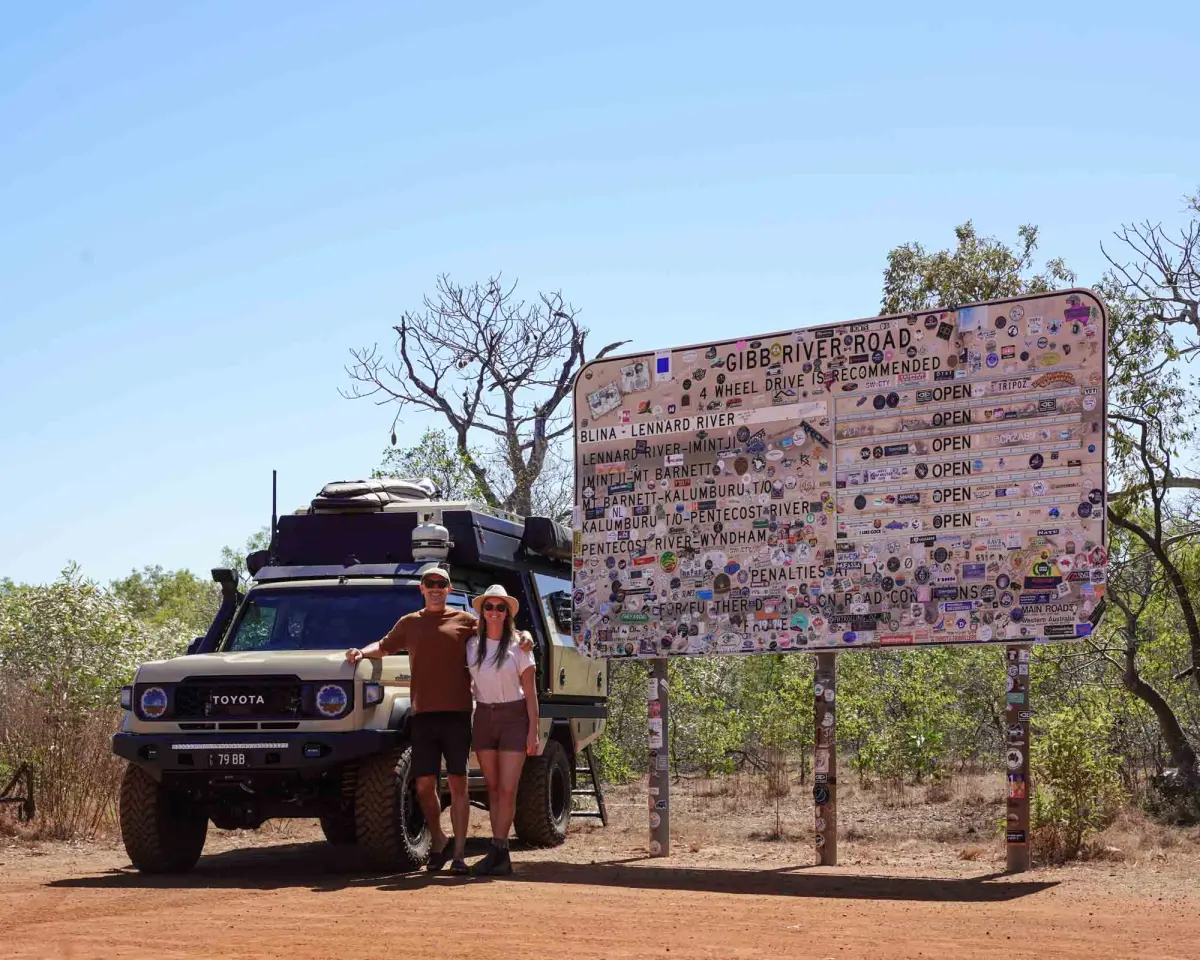
Gibb River Road Bush and Bay
Sam & Wim are the couple behind Bush and Bay https://www.bush-and-bay.com/ What started as a simple idea to document their travels has turned into a travel platform where they share road trip itineraries, 4WD guides, camping tips and real experiences from exploring Australia by 4WD. With Bush and Bay, they aim to inspire others to get out there and explore Australia, no matter their level of experience.
Prepare for adventure
Cover anywhere you can legally go in Australia