
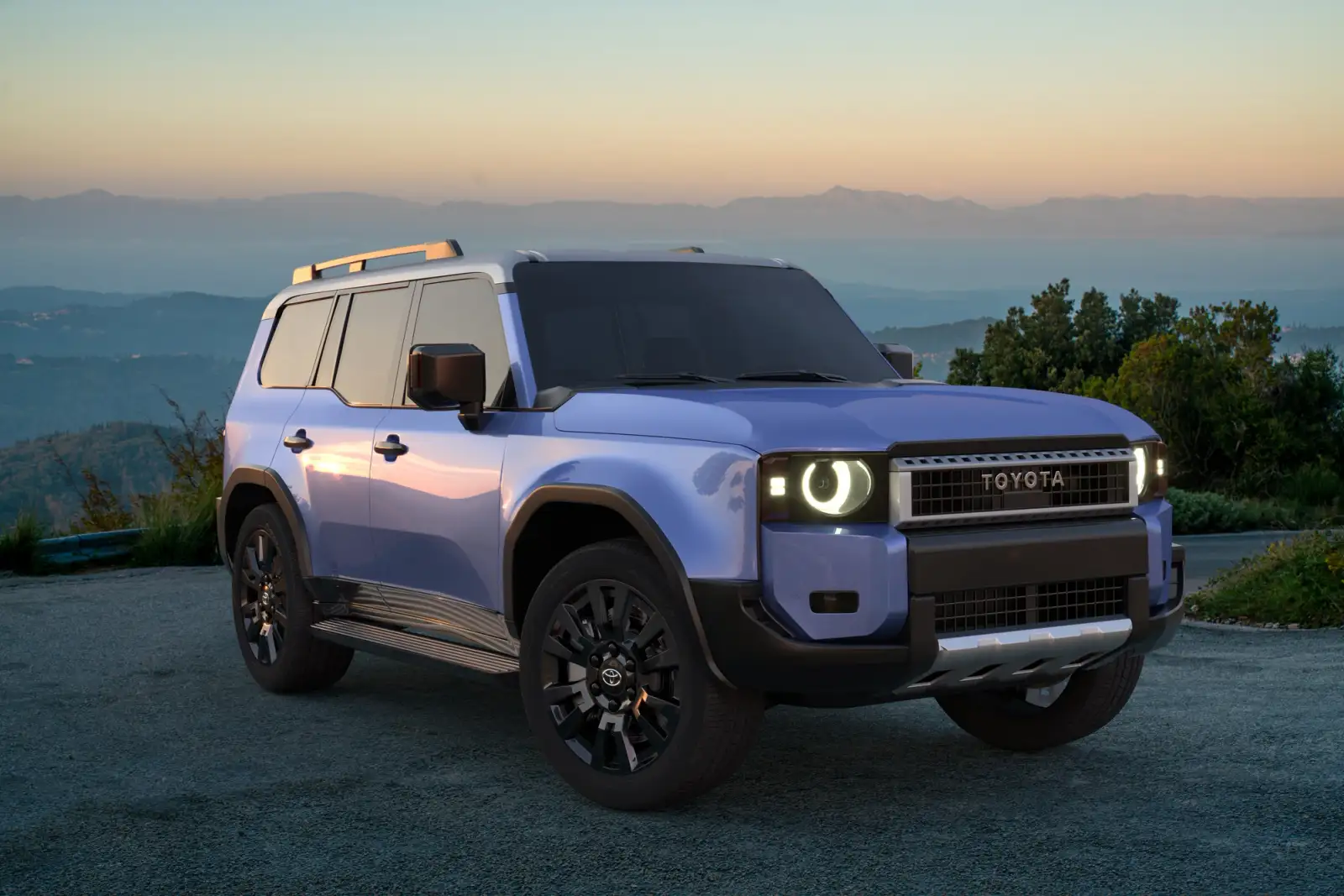
The 2025 Toyota LandCruiser Prado arrived in Australia carrying more expectations than almost any other large SUV on the market. This was not just a mid-cycle update or cosmetic refresh, but an all-new generation, officially known as the LandCruiser Prado 250 Series, and it represents the biggest step forward for the Prado in decades.
For many Australians, the Prado has long been the bridge between rugged, light-truck LandCruisers and family-friendly SUVs. It’s the vehicle that does school runs Monday to Friday, then hauls a camper trailer into the bush on the weekend. It’s trusted, familiar and deeply woven into Australia’s touring and towing culture.
With the 250 Series, Toyota has modernised the Prado in almost every meaningful way. A new platform, updated technology, improved towing capacity and enhanced off-road hardware has been introduced, all while being careful not to alienate the loyal buyers who value durability over gimmicks.
So, does the 2025 Prado still deserve its place as one of Australia’s most popular large SUVs? Let’s break down every major aspect to see how it stacks up on city streets, open highways, corrugated outback roads and remote tracks.
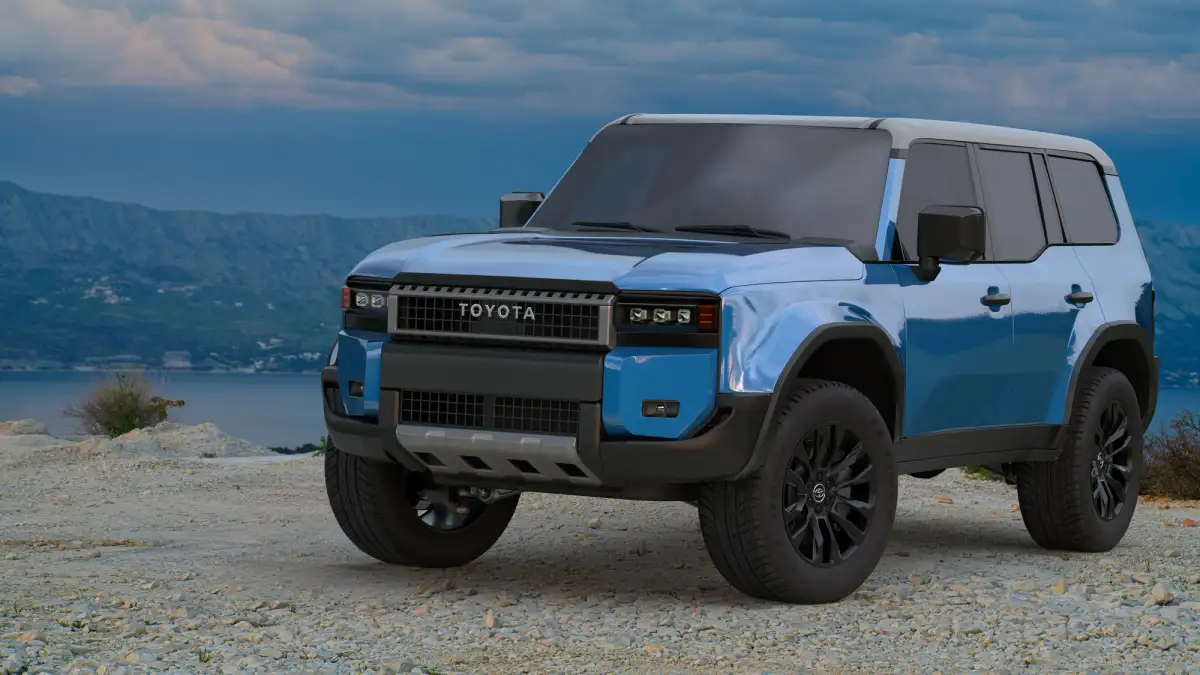
2025 Toyota LandCruiser Prado
New-Generation Design and Exterior
At first glance, the 2025 Prado is unmistakably a Prado — boxy, upright and purposeful — but it’s also clearly more modern. However, Toyota has leaned into a tougher, more squared-off aesthetic, moving away from the softer curves of the outgoing model.
The biggest change sits underneath the body. The new Prado is built on Toyota’s TNGA-F ladder-frame platform, shared with the latest LandCruiser 300 Series, Lexus GX and Tundra. This platform delivers increased chassis rigidity, improved suspension geometry and better crash performance, while also allowing Toyota to fine-tune ride comfort and handling.
Key exterior highlights include:
- LED headlights and daytime running lights standard across the range
- A wider stance and longer wheelbase, improving stability and interior space
- Chunkier guards and higher beltline for a more planted look
- New Australian-specific colours such as Tanami Taupe and Ningaloo Blue, with optional two-tone finishes on selected grades
Toyota has also improved approach and departure angles, particularly on off-road-focused variants, while underbody protection has also been upgraded to better handle rocky terrain.
There’s no getting around the Prado’s size. It remains a large SUV by modern standards, and while that brings benefits for touring and towing, it does mean tight city car parks and older shopping centres require a bit more awareness. That said, improved cameras and sensors help offset its physical footprint.
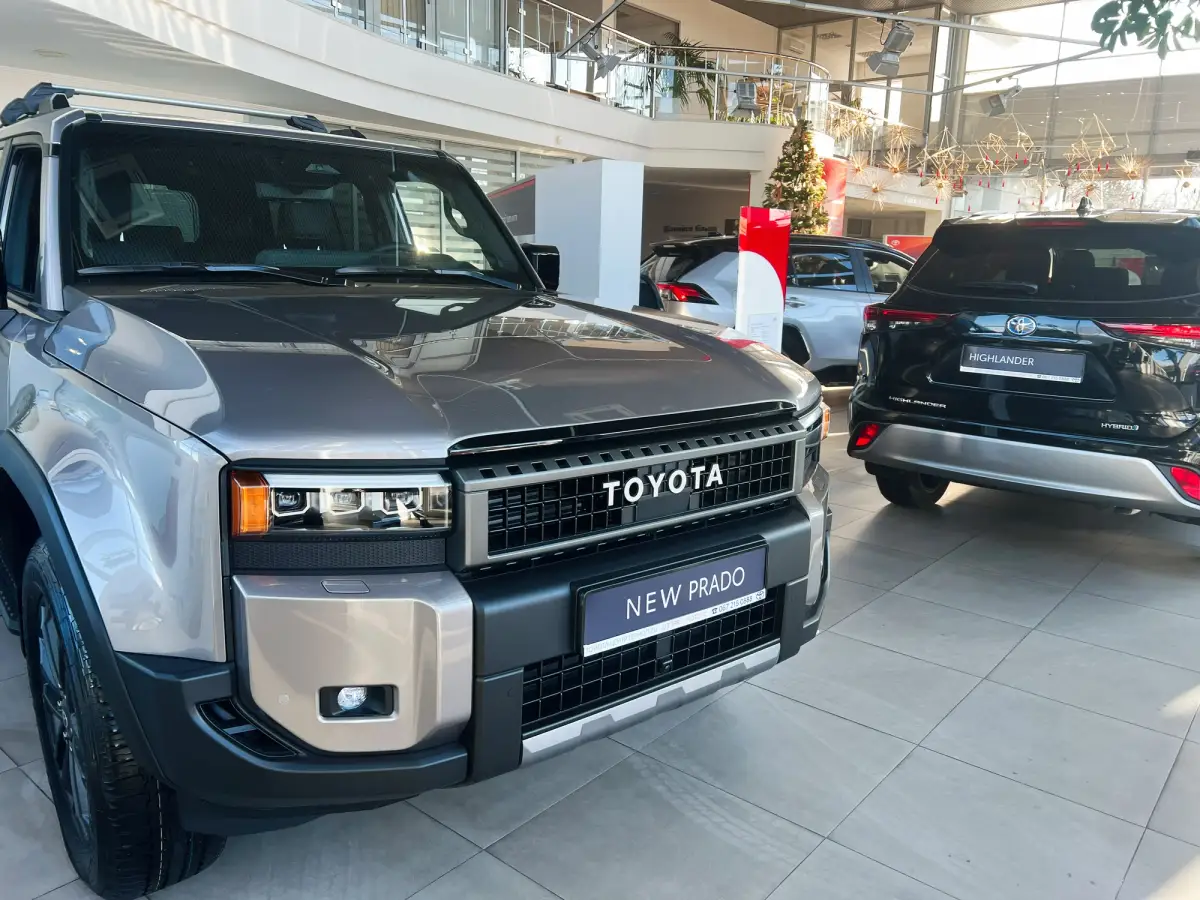
2025 Toyota LandCruiser Prado
Interior Comfort, Space and Technology
Step inside the 2025 Prado, and the generational leap becomes immediately obvious. Where the previous model felt durable but dated, the new cabin finally brings the Prado inline with modern expectations.
Most grades now feature a 12.3-inch touchscreen infotainment system, complete with wireless Apple CarPlay and Android Auto. The system is quicker, clearer and far more intuitive than before, with physical buttons retained for key functions which is a welcome choice for off-road driving and gloved hands.
Interior highlights include:
- Generous headroom and legroom in both rows
- Optional 7-seat layout on GXL, VX and Kakadu grades
- Improved seat comfort with better bolstering and support
- Wireless phone charging and multiple USB-C ports across all rows
- A cleaner, more ergonomic dashboard layout
Material quality has also stepped up. Soft-touch surfaces, improved switchgear and better sound insulation give the Prado a noticeably more refined feel, particularly on longer highway drives.
Despite the upgrades, Toyota hasn’t lost sight of practicality. Storage solutions remain excellent, with large door bins, deep centre console storage and clever cubbies designed for touring gear, water bottles and everyday clutter.
Performance and Powertrain
Under the bonnet, Toyota has chosen evolution over experimentation, sure to please long-term Prado owners.
The 2025 Prado continues with the familiar 2.8-litre four-cylinder turbo-diesel, now enhanced with 48-volt mild-hybrid V-Active technology. Output remains around 150kW of power and 500Nm of torque, but the hybrid system smooths engine operation and improves efficiency.
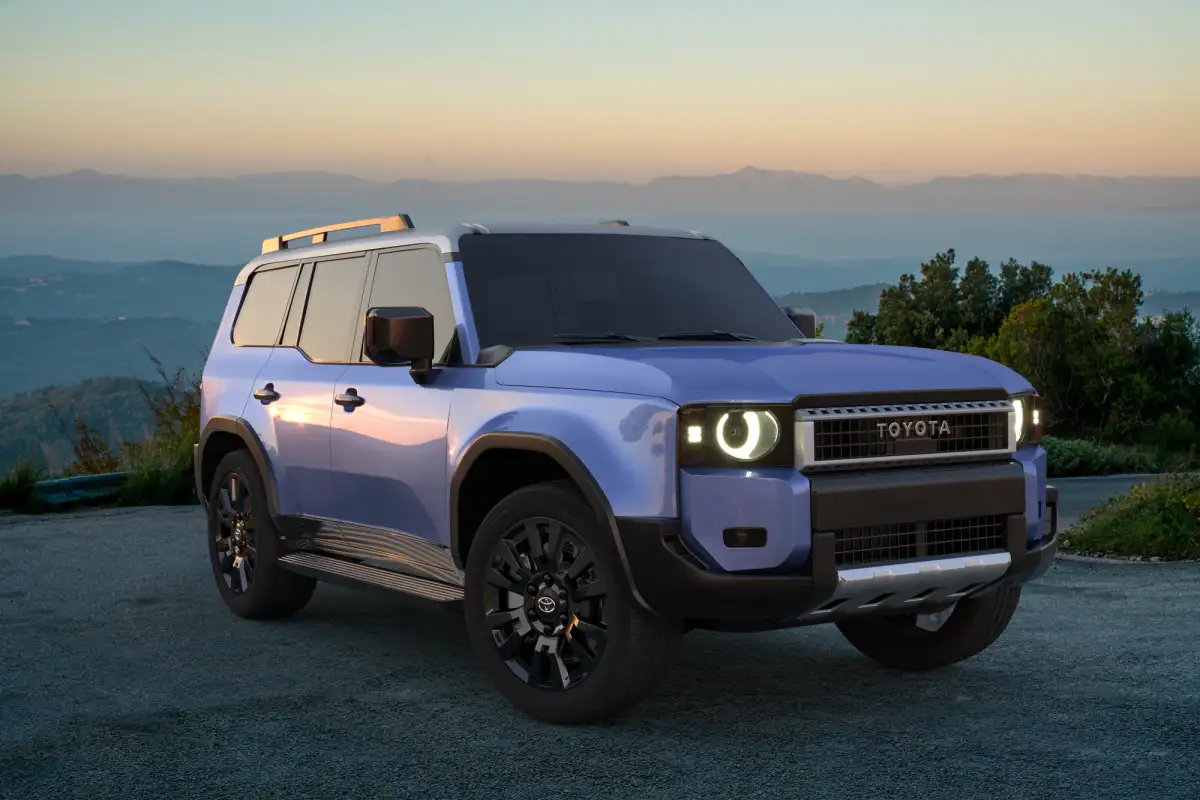
Blue 2025 Toyota LandCruiser Prado
The mild-hybrid setup:
- Assists during acceleration
- Recovers energy under braking
- Improves stop-start smoothness
- Reduces engine load at low speeds
Power is delivered through a new eight-speed automatic transmission, replacing the old six-speed unit. The extra ratios make a noticeable difference, particularly when towing or cruising at highway speeds.
On the road, the Prado feels more refined than ever. Around town, it’s smooth and predictable. On the open road, it settles into an easy, relaxed cruise with plenty of torque on tap for overtaking or climbing long grades.
Off-Road Capability
Off-road performance has always been the Prado’s calling card, and the 250 Series builds on that reputation rather than watering it down.
Every Prado comes standard with:
- Full-time four-wheel drive
- Low-range gearing
- Lockable Torsen centre differential
- Crawl Control
- Downhill Assist Control
Higher grades, including the new Altitude variant, push things even further with:
- Rear locking differential
- Stabiliser Disconnect Mechanism (SDM) for increased wheel articulation
- Off-road-specific tyres and underbody protection
Toyota quotes a wading depth of around 700mm, making the Prado well suited to creek crossings and flood-affected tracks when driven sensibly.
Whether you’re navigating corrugations, rocky climbs or sandy beach access tracks, the Prado’s electronics work quietly in the background, offering confidence without feeling intrusive.
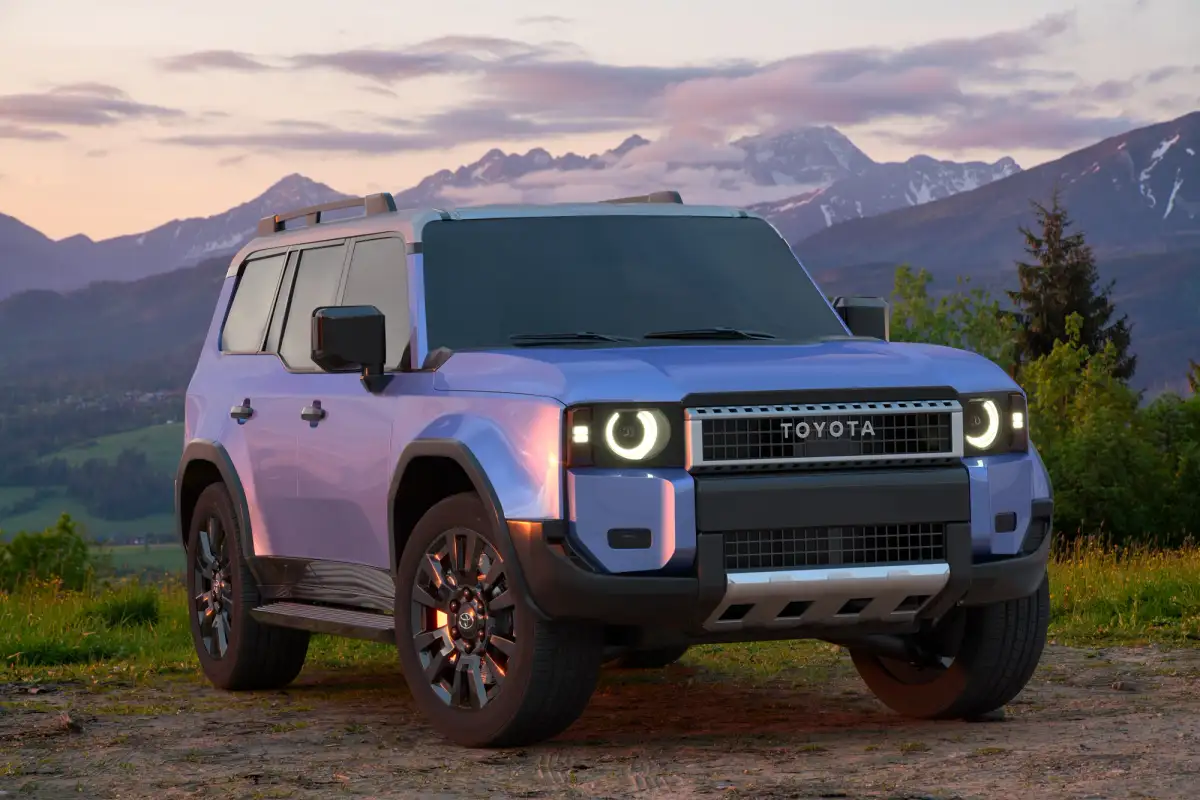
A blue 2025 Toyota LandCruiser Prado in the mountains
Safety and Driver Assistance
Safety has become a major buying factor for family SUVs, and the 2025 Prado delivers strongly.
All models come standard with Toyota Safety Sense, which includes:
- Adaptive cruise control
- Lane Trace Assist
- Autonomous Emergency Braking
- Road sign recognition
- Front and rear parking sensors
- Reversing camera
Higher grades (such as the Kakadu) add features such as:
- 360-degree camera systems
- Blind-spot monitoring
- Rear cross-traffic alert
Combined with the stronger TNGA-F platform and multiple airbags, the Prado offers reassuring protection whether you’re commuting in traffic or travelling long distances in remote areas.
Practicality, Towing and Running Costs
For many Australian buyers, towing is non-negotiable, and this is where the 2025 Prado makes one of its biggest gains.
Braked towing capacity has increased to 3,500kg, up from 3,000kg in the previous model. That puts the Prado firmly in line with many dual-cab utes and makes it far more appealing for caravan and boat owners.
Practical highlights include:
- Large cargo area with seats folded
- Flat load floor for touring setups
- Strong aftermarket and accessory support
- Excellent resale value and nationwide service coverage
Official combined fuel consumption sits around 7.6L/100km, though real-world figures will vary depending on load, terrain and driving style. The mild-hybrid system helps at the margins, particularly in stop-start driving.
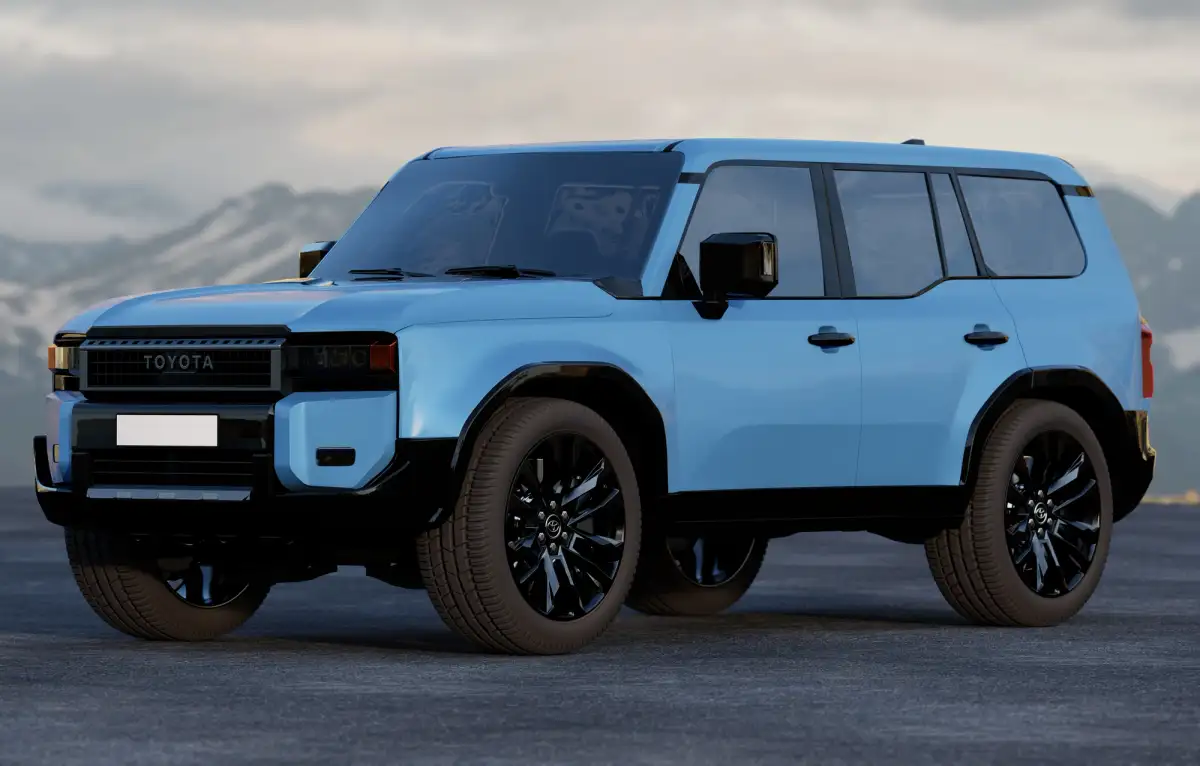
A 2025 Toyota LandCruiser Prado with a mountainous backdrop
Verdict: Still Australia’s Go-To Large SUV?
The 2025 Toyota LandCruiser Prado doesn’t try to reinvent itself — and that’s exactly why it works.
Toyota has modernised the Prado where it mattered most: technology, safety, towing and refinement, while preserving the reliability and off-road capability that built its reputation in the first place.
It remains one of the few vehicles genuinely capable of handling school runs, highway touring and remote off-road travel without compromise.
For Australian families, grey nomads and adventurers alike, the Prado 250 Series proves that sometimes the best evolution is a smart, carefully judged one.
Considering the latest Prado?
Cover anywhere you can legally take it in Australia