Article by RV Daily
Off-road caravans and camper trailers are becoming more and more popular amongst adventure-loving Aussies. But there are a few things that you need to consider before towing off-road to ensure you, your passengers, your fellow road users and your gear all remain safe and sound. Here are our eight top safety tips for towing off-road.
1. Complete an off-road towing course
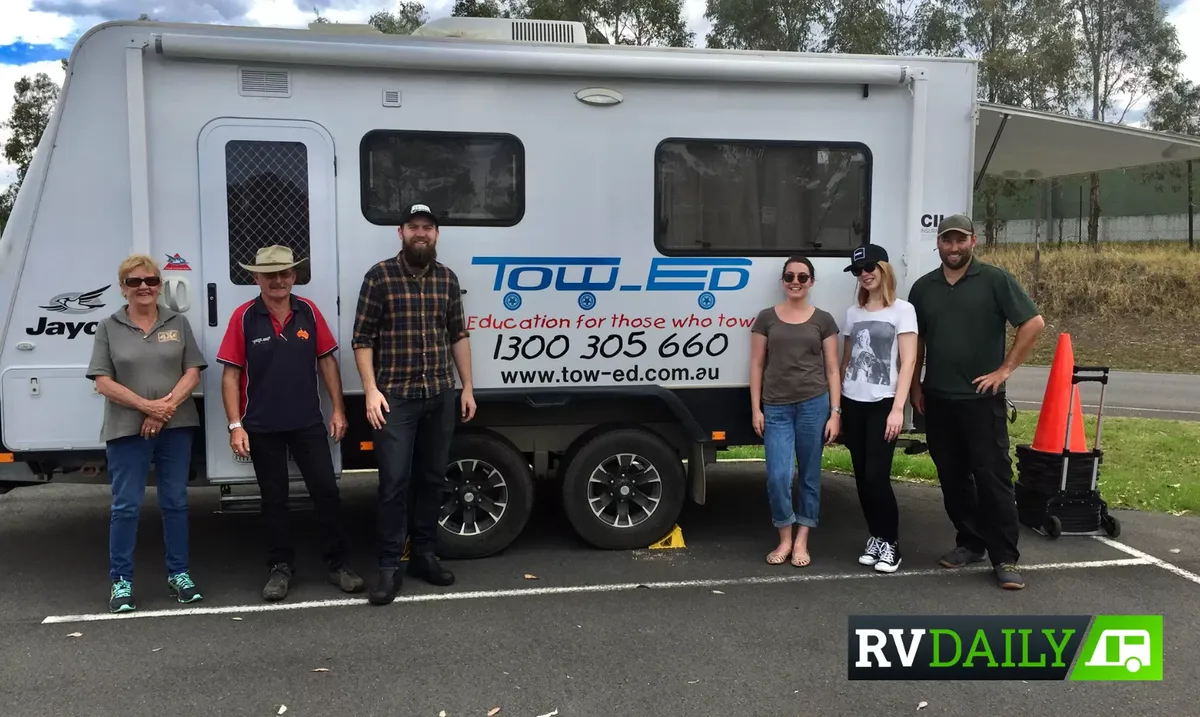
Complete An Off Road Towing Course
Like any skill, towing a caravan is something that needs to be learnt and practiced. Towing off-road adds additional complexities that are best explained by an accredited instructor at a reputable driver training school. Completing an off-road towing course will give you an armoury of skills and knowledge to help you make smart decisions while out adventuring.
2. Service your vehicle and caravan prior to departure
Service Vehicle Before Departure
Preventative maintenance is an excellent way to protect your caravan and tow vehicle from damage off-road. It’s best to book in for a service before you set off on your adventure, especially when you’re planning on driving off-road for extended periods. This will allow you to rectify any minor issues at home before they become major issues when you’re in the middle of nowhere. Once you’re on the road, conduct regular checks of your vehicle’s fluids, oil and air filter, and your trailer’s hubs, nuts and bolts.
3. Check the current road conditions
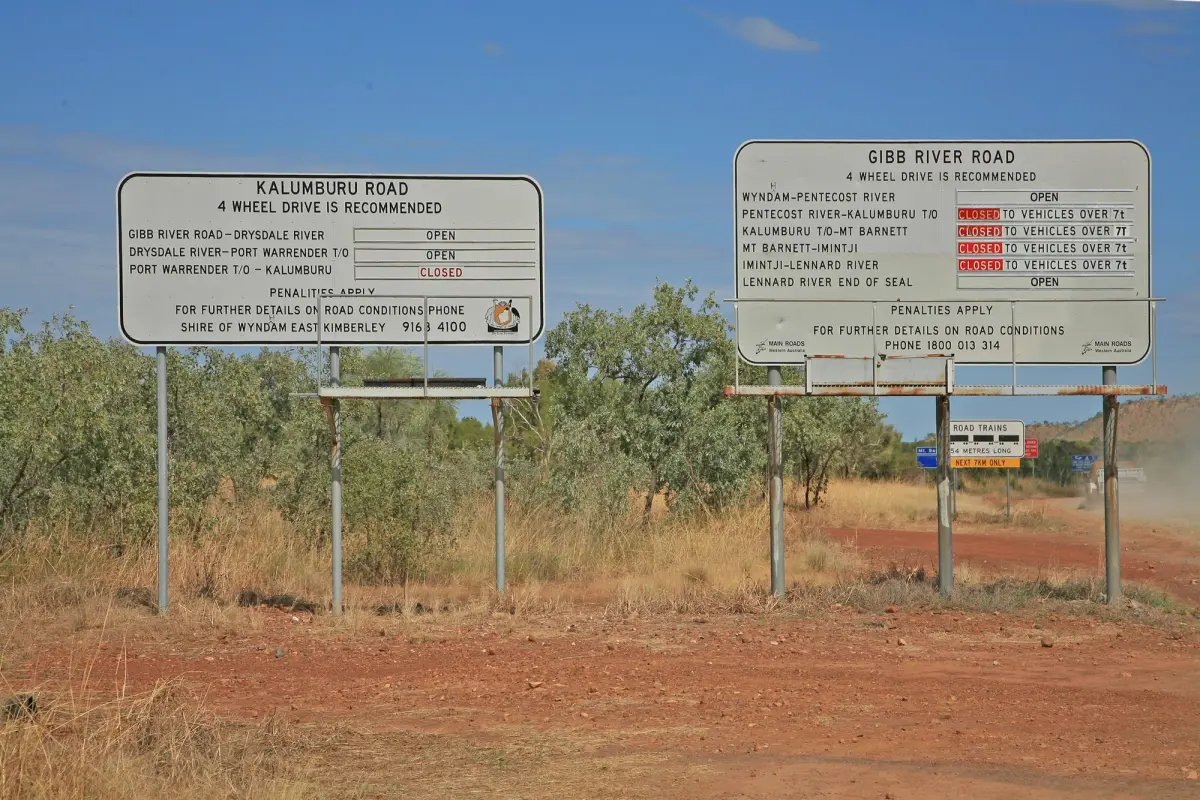
Check Current Road Conditions
Even roads that are well-graded and frequented by caravaners can deteriorate quickly in bad weather events, so it’s best to check the current condition of whatever roads you plan to drive before setting off on your trip. You can do this by phoning local visitors’ centres, national parks or roadhouses in the area – depending on where you’re travelling. If you’re planning to camp at a working station, property holders are excellent sources of information on local road conditions, so give them a call. And if in doubt, opt for your Plan B itinerary.
4. Know what to expect from a track
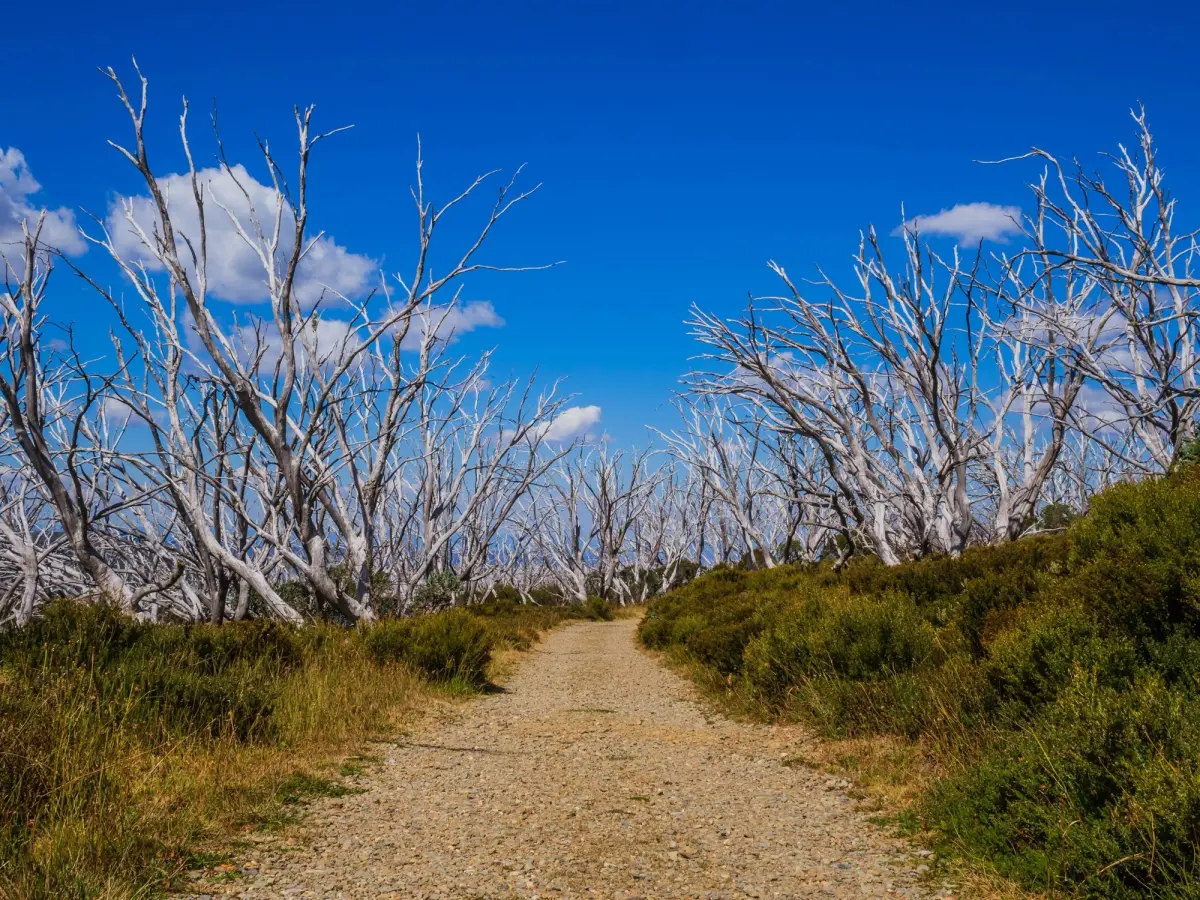
Know What To Expect From A Track
It might seem adventurous to turn the nose of your vehicle down an interesting-looking road that you’ve happened upon by chance, but unless you know what that road will lead to and what condition it’s in, it’s best to avoid it when you’ve got a caravan in tow. Road condition can quickly go from ‘looks fine’ to ‘rough as guts’. The track might become tight and overgrown, with little or no spots to make a safe U-turn. Not a happy position to be in with a caravan on the back. When it comes to picking your tracks, it’s always better the devil you know – or have researched.
5. Make sure you’re insured for off-road use
Off Road Caravan Insurance
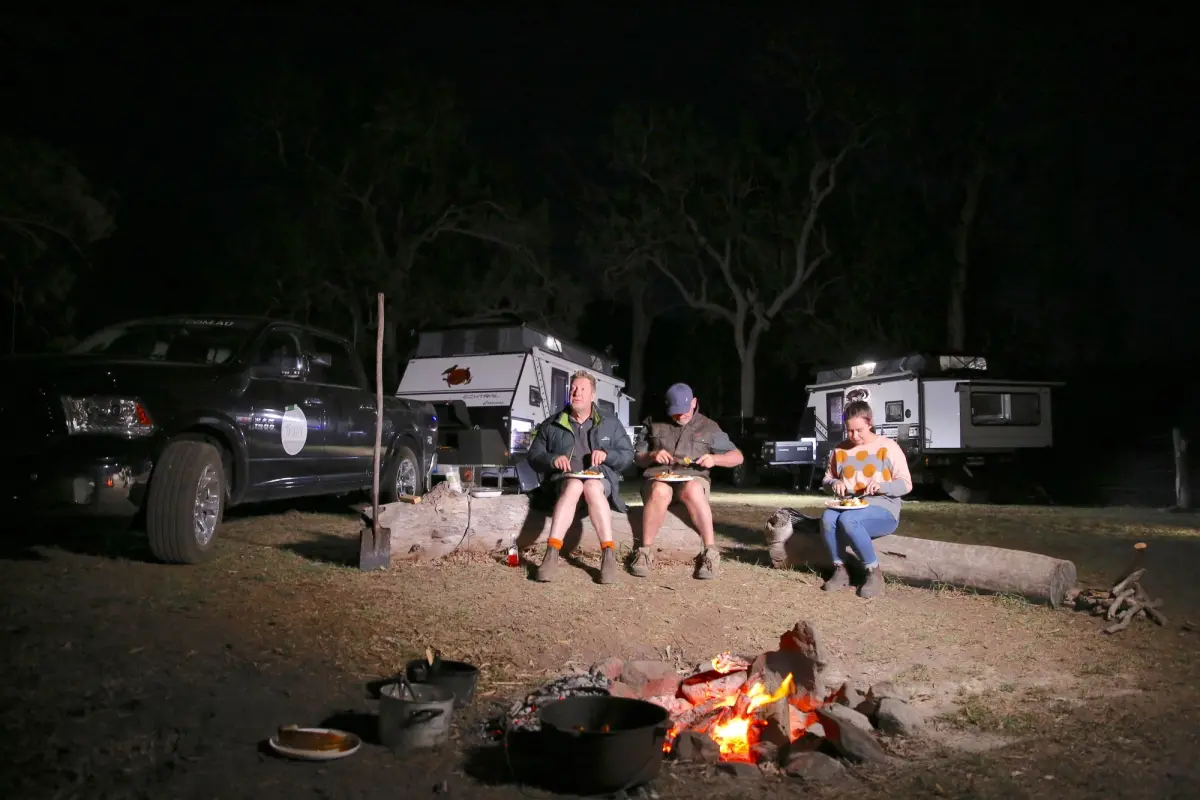
Not all insurance providers will cover your caravan and/or tow vehicle once you leave sealed roads. If you plan to drive off-road, it’s a very good idea to find an insurer that will cover your set-up adequately. You’ll want to find a policy that offers coverage on- and off-road throughout Australia inclusive of your gear, aftermarket accessories and vehicle modifications, with suitable off-road recovery included in the premium. Club 4×4 insurance is a great option because it’s designed for off-road enthusiasts, which is most decidedly what we are. But, as always, it’s best to shop around to find the right insurer for your specific requirements.
6. Install a UHF radio in your tow vehicle
In Car Uhf Radio
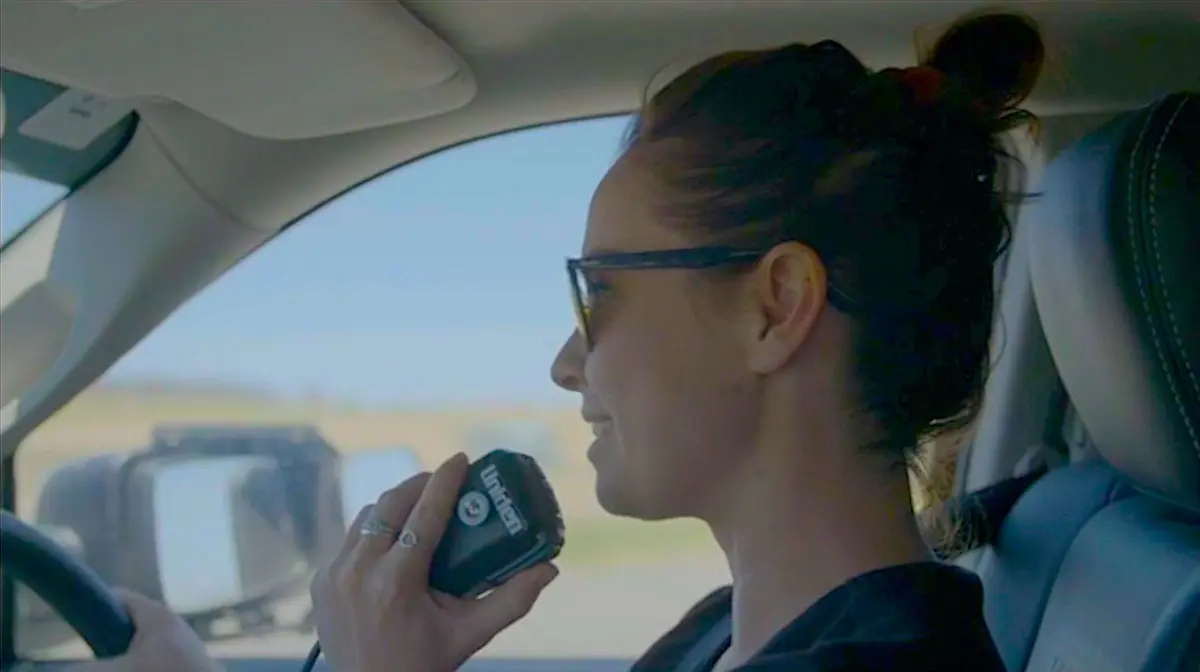
Being able to communicate with other vehicles in your touring convoy and other road users in general is vital for road safety, but in many environments where you’ll be towing off-road you’ll find little or no mobile phone coverage. For that reason it’s best to install a quality UHF radio in your vehicle. That will enable you to warn members of your convoy of road hazards or oncoming vehicles, and to plan roadside stops so drivers in your convoy know what to expect and when. You’ll also be able to communicate with other road users including fellow caravaners and truck drivers, which is handy when it comes to planning safe overtaking manoeuvres and checking upcoming road conditions. And, in the event of a serious incident or breakdown in remote areas, a UHF can be a lifeline, enabling you to reach local authorities and/or landholders who can provide help.
7. Carry a handheld UHF radio
Handheld Uhf
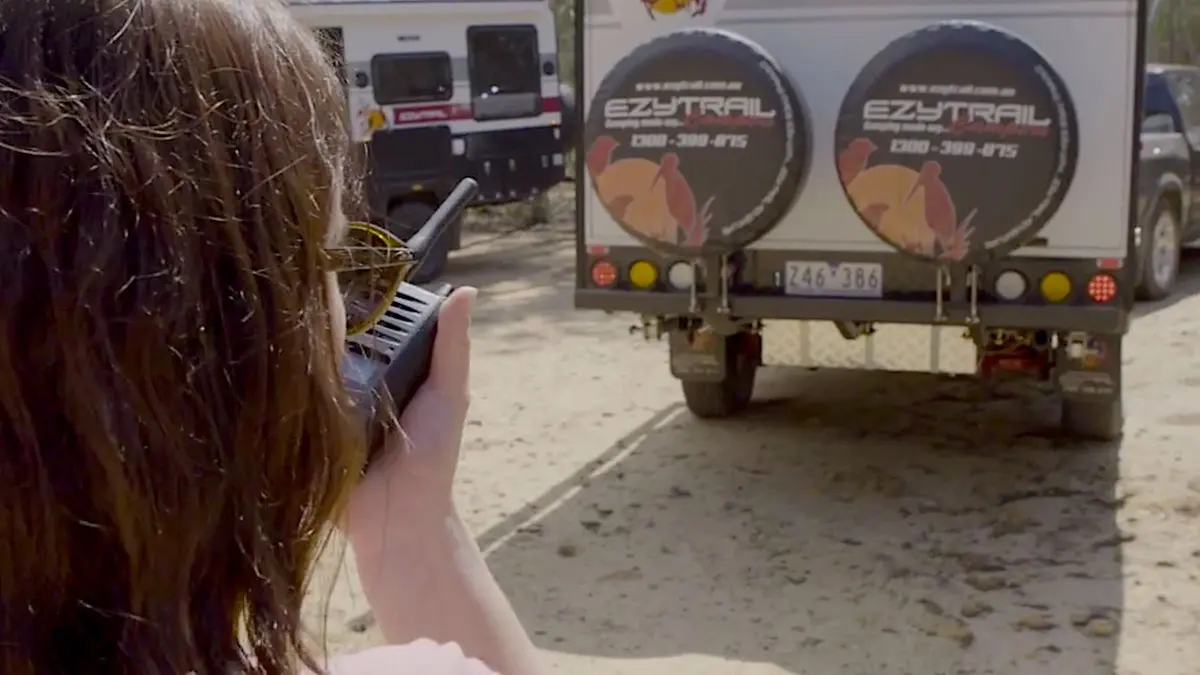
While we’re on the subject of clear communication, even if you have a UHF installed in your vehicle it’s a good idea to carry one or two handheld UHF radios, too. If a passenger needs to get out of the vehicle to guide the driver through a tricky spot or assist in a vehicle recovery, it helps immeasurably if they can communicate clearly and calmly with the driver. Wild, ambiguous hand gestures and yelling over the sound of a straining diesel engine does not equate to clear, calm communication. Similarly, once you arrive to camp, a passenger with a handheld UHF radio can be very useful in guiding the driving into position.
8. Turn your headlights on
Turn Headlights On
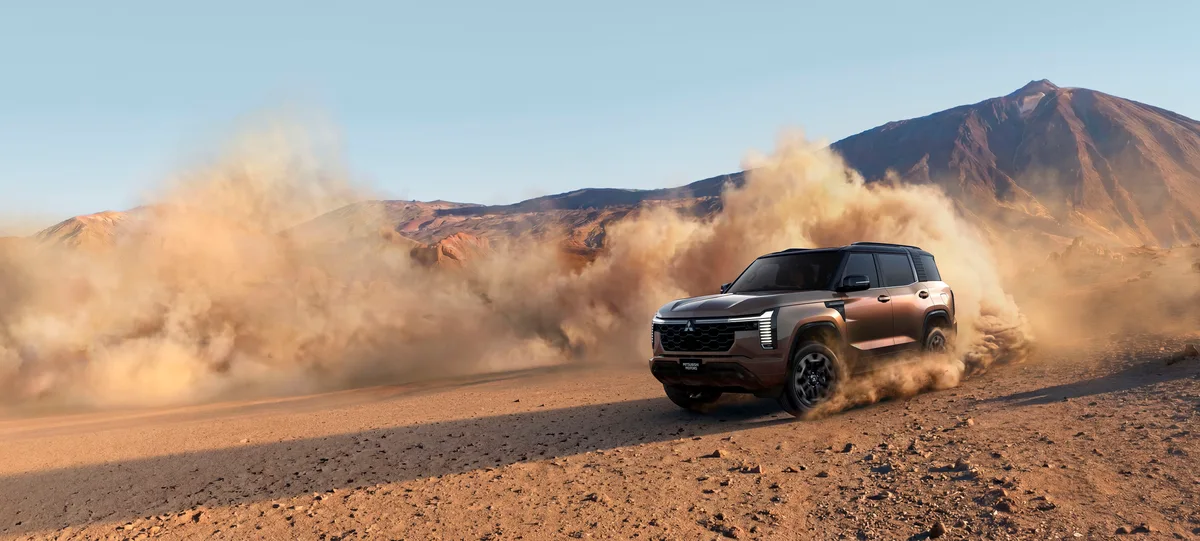
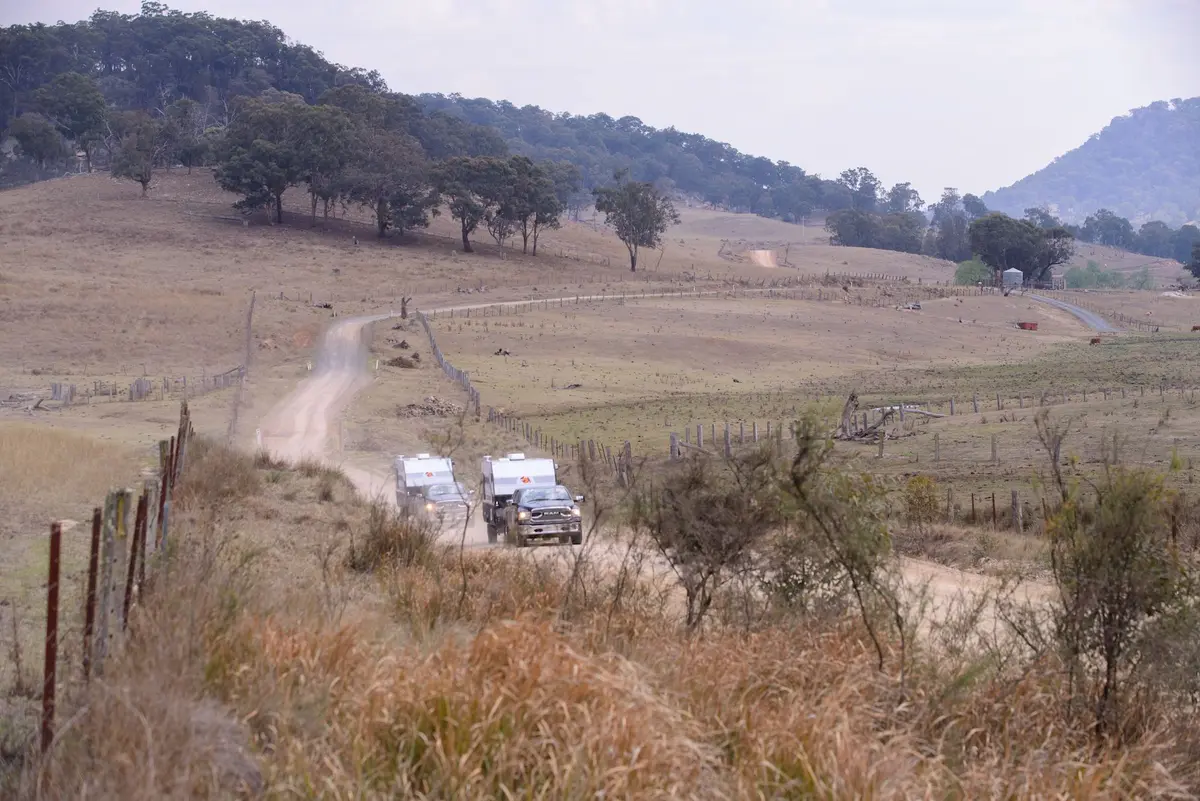
Many road users have cottoned on to the fact that it’s safest to drive with headlights on, even during the day. After all, it can’t hurt. But this becomes particularly important when towing off-road in dusty conditions. Dust stirred up by other vehicles can make vision very difficult, so ensure you can be seen by other road users by flicking your headlights on when you leave the blacktop – if they weren’t on already, of course.