Image
📣 March Offer

Free Roadside Assistance for new 4X4 policies until 31st March 2026

News

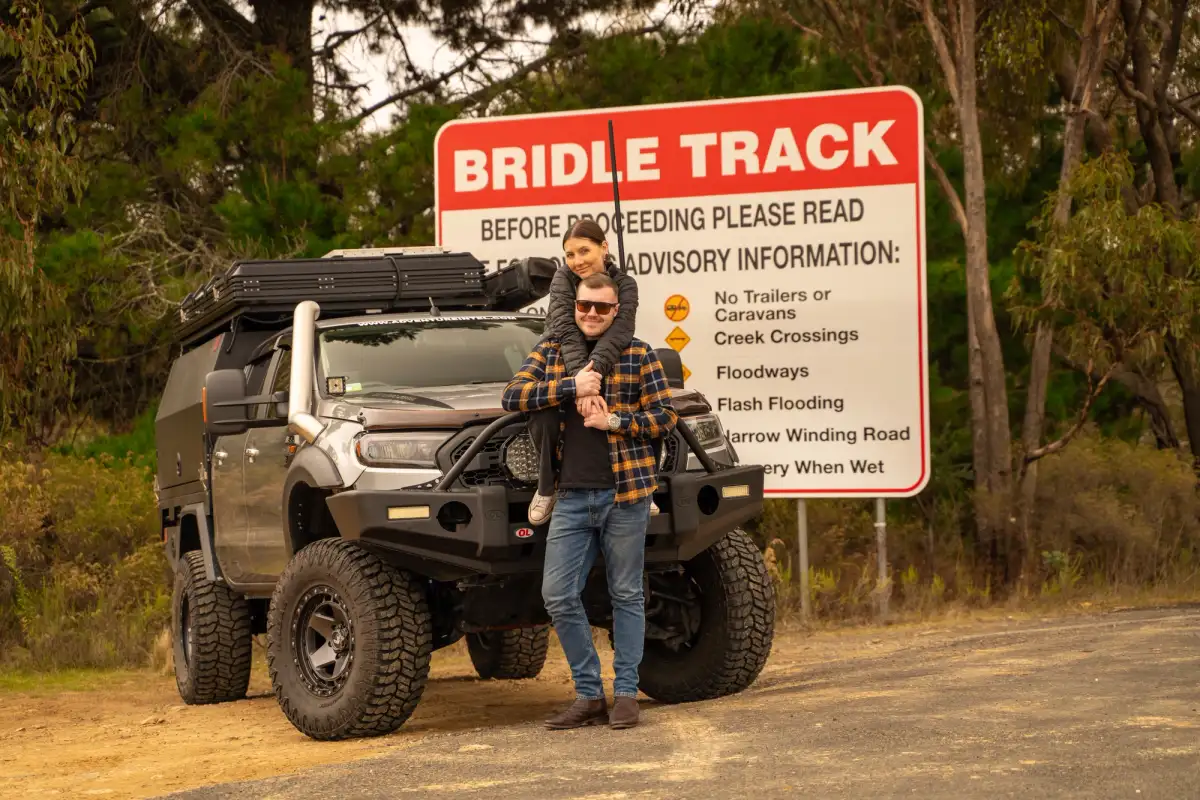
Recipe: Classic Pork Loin Roast

Article from: Unsealed 4X4 The perfect roast for a chilly night, and enough time to socialise while it cooks. Serves: 4-6 Time: 80 minutes INGREDIENTS 1.5kg pork loin, rolled, with the skin scored well Sea …

Image
Club 4X4 Insurance
Jul 26 2019

Jul 26 2019

Image

Article from: Unsealed 4X4

The perfect roast for a chilly night, and enough time to socialise while it cooks.

Serves: 4-6

Time: 80 minutes

INGREDIENTS

  • 1.5kg pork loin, rolled, with the skin scored well
  • Sea salt
  • Olive oil or olive oil spray
  • 3 apples – peeled, cored and cut into wedges
  • ¼ cup flour
  • 1½ cups vegetable or chicken stock (can be made with stock cubes)

METHOD

  • Preheat your camp oven to hot, loading your coals half under and around, and half on the lid. Drop in a trivet.
  • Pat the pork skin completely dry with paper towel; sprinkle with plenty of salt and oil, rubbing well into the skin and score marks.
  • Place the pork, skin side up, on the trivet in your camp oven and roast at high heat for 20 minutes. Reduce the coal load to a medium heat, then roast for a final 30 minutes.
  • If the crackling is not crisp, load up the coals to high heat for another 10 minutes, concentrating the coals on the lid.
  • Remove the pork when done and set to the side, keeping it warm. Drain the excess fat out of the camp oven; then place it back over medium coals.
  • Toss in the apples and stir to coat them in the leftover oil. Cook gently for about 10 minutes; then set aside, keeping warm.
  • Sprinkle the flour into the camp oven, stirring constantly until it takes up the oil and juices in the bottom; then slowly add the stock. Bring to a gentle boil, stirring constantly, until it becomes gravy.
  • Serve the sliced pork with apples and the gravy poured over, and some mashed potato.
Image
Club 4X4 Insurance
Blog

Discover other stories

View all

Warm up with weekly articles aimed at adventure

Pat Callinan and his 4X4 Ford F-150 around a campfire in the Outback

Expert Advice

The Off-Grid Power Setup That Can Make or Break Your Remote Trip

When you're travelling far beyond powered campsites, a reliable off-grid power setup isn’t a luxury, but an essential. From battery capacity and solar charging to monitoring and redundancy, here’s how to design a 12-volt system that keeps your fridge cold, your lights on and your trip running smoothly in remote Australia.

Read more  

When you're travelling far beyond powered campsites, a reliable off-grid power setup isn’t a luxury, but an essential. From battery capacity and solar charging to monitoring and redundancy, here’s how to design a 12-volt system that keeps your fridge cold, your lights on and your trip running smoothly in remote Australia.

Pat Callinan's 4X4 and caravan

Expert Advice

The Golden Rules of Off-Road Towing

Off-road towing puts big loads through every part of your vehicle, and if the setup isn’t right, things can unravel quickly. Broken components, poor control, and near-miss moments usually come back to the same few fundamentals. Get those right, and towing in the bush becomes predictable, controlled, and far more enjoyable.

Read more  

Off-road towing puts big loads through every part of your vehicle, and if the setup isn’t right, things can unravel quickly. Broken components, poor control, and near-miss moments usually come back to the same few fundamentals. Get those right, and towing in the bush becomes predictable, controlled, and far more enjoyable.

Josh from Adventure Intel Australia filling up his Ford Ranger at a service station in the Outback

Expert Advice

Planning Fuel Stops for Remote Area Travel

Fuel planning for remote travel doesn’t need to be complicated, but it does need to be conservative. It’s about understanding your real-world consumption, knowing how far you can comfortably travel, allowing a buffer, and choosing fuel-carrying solutions that are simple and easy to live with.

Read more  

Fuel planning for remote travel doesn’t need to be complicated, but it does need to be conservative. It’s about understanding your real-world consumption, knowing how far you can comfortably travel, allowing a buffer, and choosing fuel-carrying solutions that are simple and easy to live with.

View all