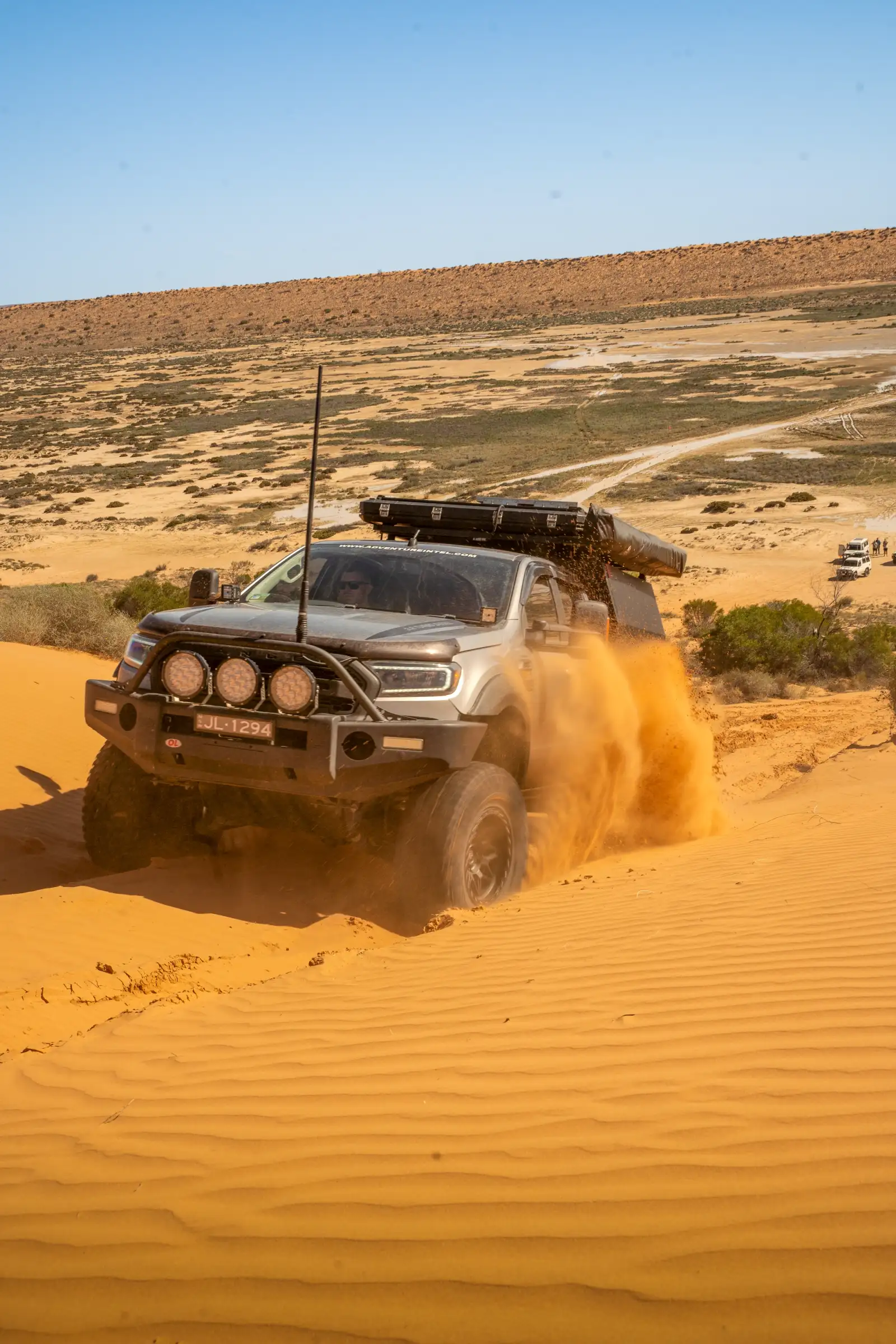
The etiquette of embarking on an adventure via a 4WD track is a little less spoken about than say the unspoken rules of free camping. We’re kind of embedded with rules like ‘no littering’ from being at primary school and many of us can work out that camping on top of someone else isn’t the right thing to do. However, isolated 4WD tracks can sometimes feel like a free-for-all where all hell is allowed to break loose and every man is for himself. Which is ironic, because the 4WD community is full of helpful and selfless people who love to help fellow wheelers adventure.
If you’re new to 4WDing or you need a little reminder on what’s okay and what behaviours should be left home, I’ve created this cheat sheet to guide you on the tracks.
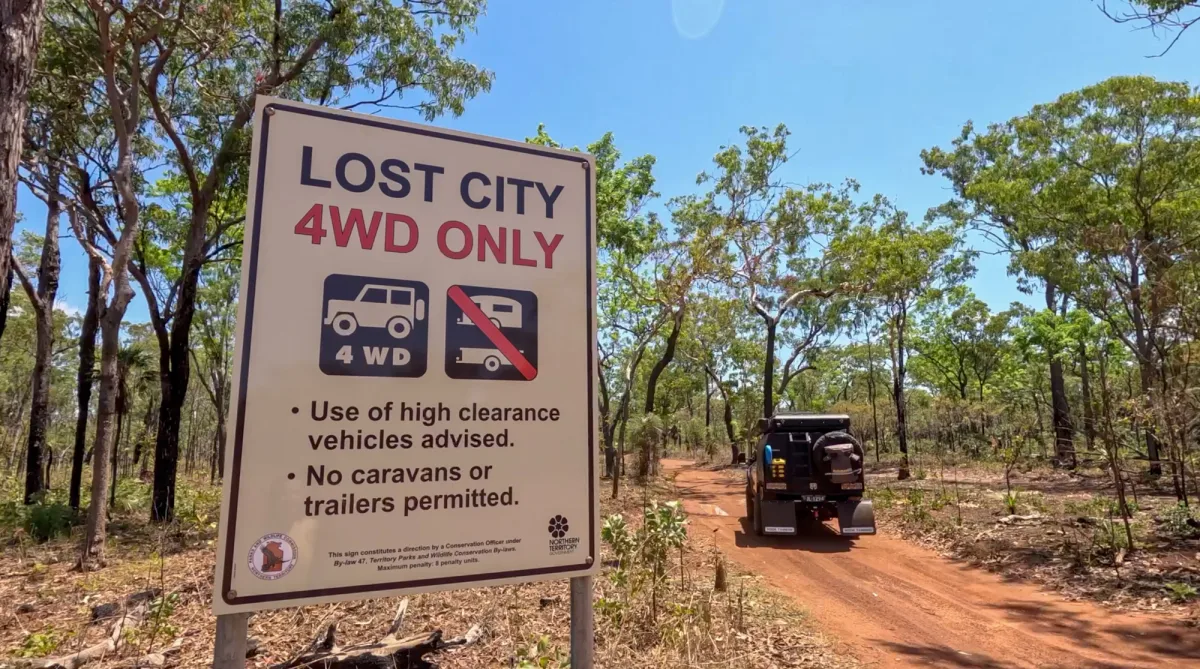
4WD only sign in outback bush
Respect the Right of Way
We all want the tracks to ourselves, but the reality is that Australia is full of adventure-loving wheelers, so oftentimes we find ourselves sharing. Just like on the black stuff, the tracks do have situations where you should give right of way to others. This is typically the case if you’re approaching a big rig on a narrow track that’s towing a caravan or trailer. They’ve got less flexibility in the sense of moving out of the way than you would if you’re flying solo, so scoot over and let them pass when it’s safe to do so.
The direction also matters; if two vehicles meet, the one driving up the hill generally has right-of-way as it’s more difficult and unsafe to reverse downhill than it is to back uphill.
If you’re travelling in convoy, the larger convoy has right-of-way as there are more of them to pass through. Best practise if you’re the leader of the convoy is to indicate how many are in your group with a hand signal so the vehicles who are waiting to continue know when they can safely go again. I remember my first time out on the Bridle Track, Josh and I pulled over for a convoy of girls to let them past and the first driver threw up 2 fingers. I thought she was simply saying “peace”... Now with a lot more wheeling under my belt, I can’t help but laugh thinking back on that encounter.
It goes without saying, but you should always give way to bikers, pedestrians and horse riders alike. Allow for plenty of space when passing by to ensure everyone feels safe and respected on the track.
Use Your UHF to Communicate
I was going to include UHF communication in the point above, however I think it’s important enough to have its own section in this yarn. A UHF isn’t just a way to chat to your convoy throughout your trip, it can also be a lifeline out there and an essential piece of safety equipment and quite frankly, it’s an unspoken rule that you will be communicative on the tracks.
Some ways that UHFs can be of use while wheeling is calling out your position when you’re coming up to a blind corner, hill crests or travelling on a section with particularly low visibility. The clearer and simpler your language, the better. For example, “One Ford Ranger, southbound, approaching the rocky ascent”. Although it’s not an ‘unspoken rule’, it is great etiquette to voice any obstacles that you come across over the UHF, to keep your fellow adventurers safe as well.
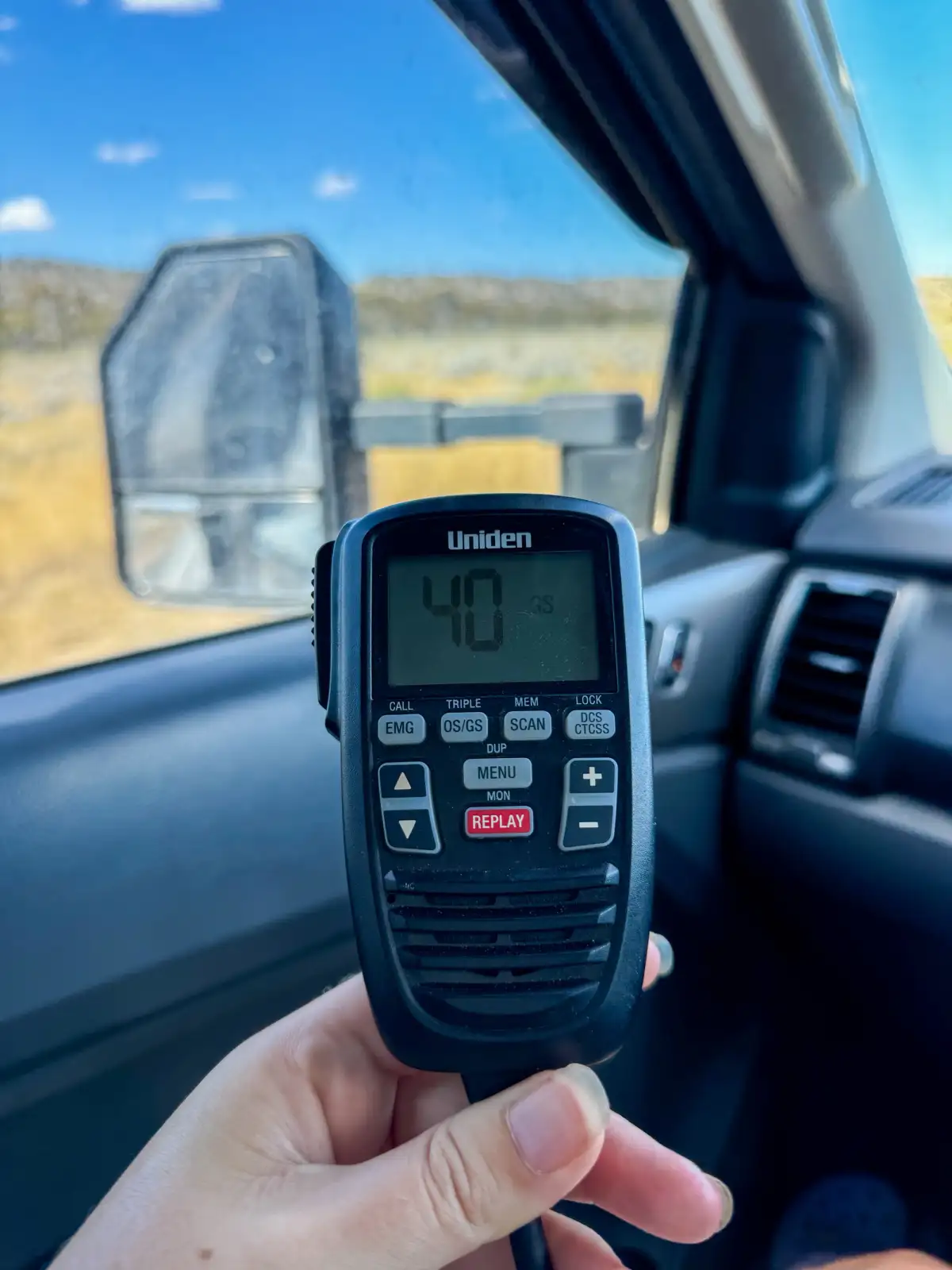
UHF in 4x4 on channel 40
Stay on the Track
Driving on unsealed roads feels freeing in the best way possible, like you’re getting back to your roots and enjoying nature. However, when wheelers begin going off the designated tracks, they start turning into detrimental territory. I’m calling it holistically detrimental as it not only damages the natural environment, especially when that impacts vegetation, but it’s detrimental to the status of the track. If 4WDers head out there and continually do the wrong thing, that’s when we start to see tracks shut down and the experience taken away from everyone, even those that respect the unspoken rules.
Respect Closures
When a track is closed, it’s typically for good reason. Recently, Josh and I were in Judbarra/Gregory National Park, which has a whopping amount of 4WD tracks - over 500km to be specific. Although not the entire reason we went there, we were super keen to get behind the wheel and adventure. Sadly, we came across nothing but ‘road closure’ signs. Perplexed, we went to the Ranger station who advised they were conducting burning that day in preparation for peak season. We’d timed it a few weeks too early!
A shame, for sure, but can you imagine if we’d ignored the sign and just driven on through? We’d have put ourselves in serious danger. It’s not just an unspoken rule or etiquette; respecting road closure signs is actually the law.
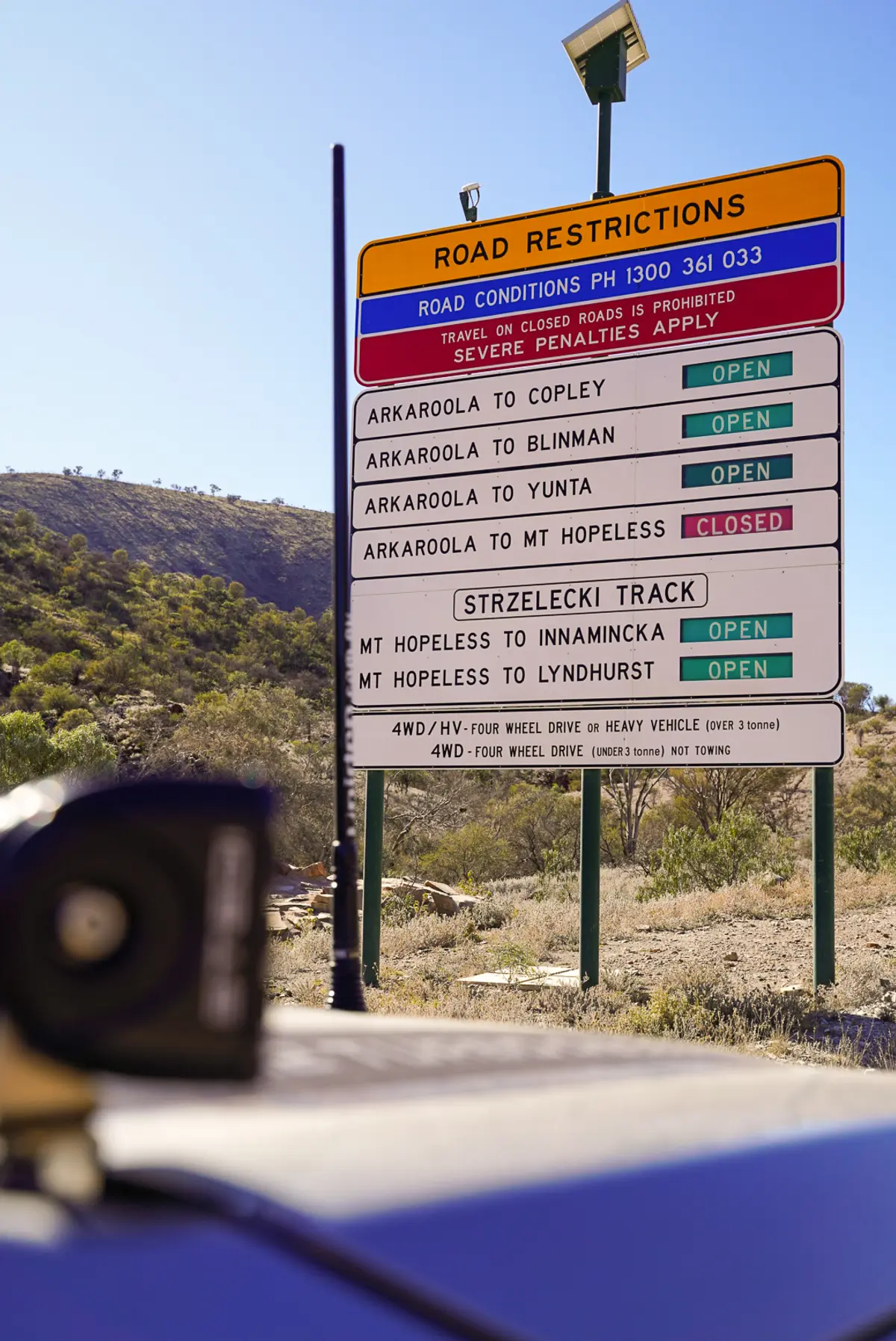
road sign showing road statuses
“Whoever Sunk it, Recovers it”
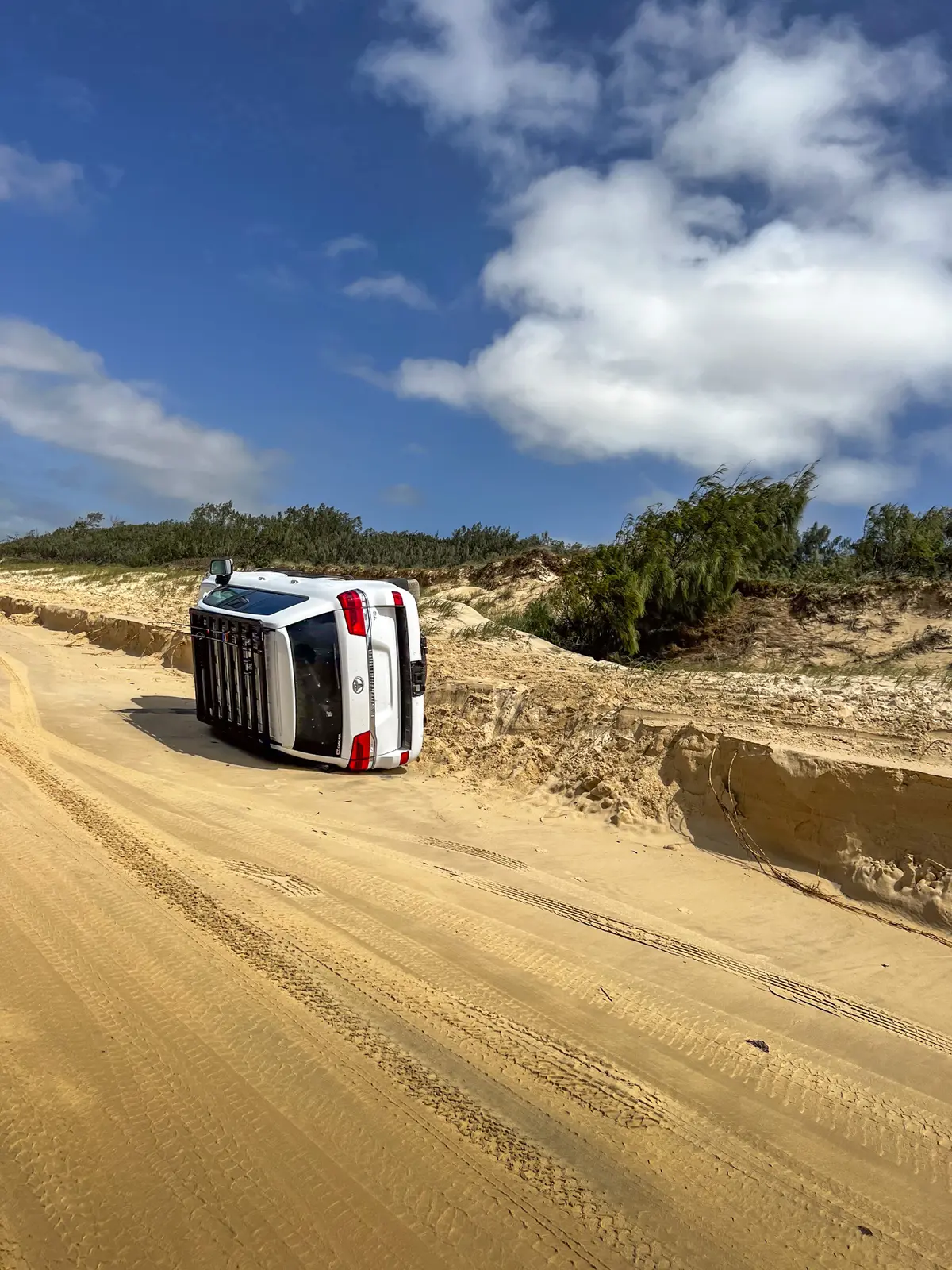
Another unspoken rule of the tracks comes into play when we’re talking about recovery. Firstly, ensure before you head out that you have the right recovery gear for your vehicle, such as snatch straps, recovery boards, winches and rated shackles. Not only this, but you should have the knowledge on how to use them safely.
Then onto the actual recovery… The term “whoever sunk it, recovers it” means if you’re the one who got the vehicle stuck, it’s your recovery gear that’ll be used. Doesn’t mean you’ve got to do it on your own, but you should take the lead, and definitely use your gear not others’.
It’s good wheeler etiquette to offer assistance if you come across someone else along the track who’s stuck, but only if you have the know-how to do it. If you’re not confident in helping someone don’t put others at risk, instead put the call out over the UHF to see if anyone close-by can help instead.
Spending a weekend wheeling can be an epic adventure and bonding experience if you choose to do it with mates or create a camping trip out of it. At the end of the day, you don’t know what you don’t know, so make sure when you’re heading out you’ve got the 4WD etiquette top of mind, as well as the unspoken rules of the tracks.
Hitting the tracks?
Cover anywhere you can legally go in Australia