
I’ve had moments out bush where everything has gone quiet. Not the kind of quiet where you’re sat back listening to distant bird calls and the wisp of the wind through the salt bush that surrounds you. The kind of quiet where all that’s left to hear is your heart rate elevate and your stomach turn as you assess the scene that’s confronting you. Sometimes it’s severe mechanical failure that thrusts the reality of just how remote you are to the forefront of your mind, or perhaps it’s a medical emergency. Either way, those are the times you’re glad you’re carrying satellite communications equipment. But in this day and age, what’s best to be carrying? Is it still the Sat Phone, or is it Starlink? I reckon the answer will surprise you.

A map of remote Australia
Ready for the rough stuff?
get a quote for insurance that covers you anywhere you can legally go in Australia
What Are We Actually Comparing?
A satellite phone is exactly what it sounds like. It connects to satellites, so you can make a call or send a text without any mobile coverage. If you’ve got a clear bit of sky above you, you can get in contact with the outside world.
And that’s why they’ve been around forever out here. They’re simple, they’re direct, and they’re reliable.
Starlink’s a different kettle of fish.
Instead of just calls and texts, you’re basically bringing the entire internet into the bush with you. They’re slightly more complex, usually consisting of a dish and router and require constant power. That said, they're not exactly complicated either and can be run off 12V if needed.
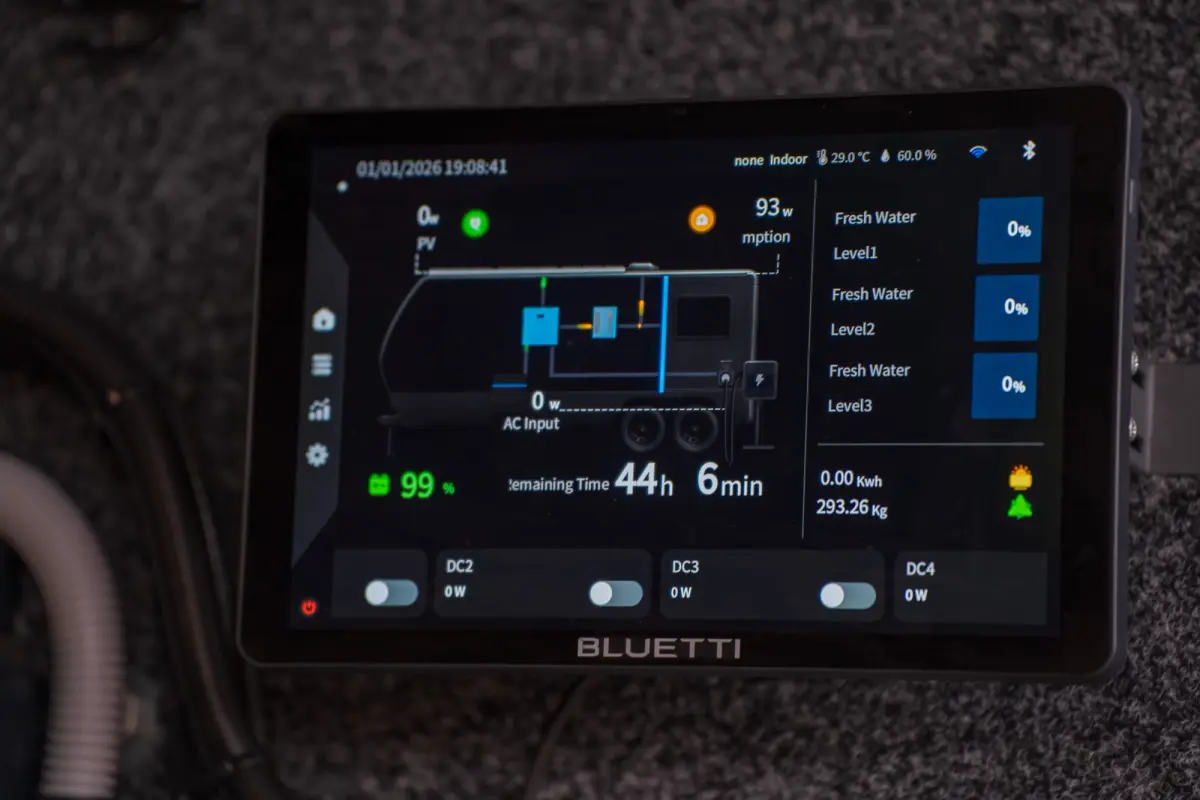
12V battery monitor
Starlink taps into a stack of low orbit satellites which allow for messages, emails, weather, maps, video calls or whatever else you’d use the internet for. And it’s fast.
So the way I see it: A sat phone is a portable satellite comms device that’s built for one thing above all else, getting a message out when it matters. You can use it day to day to call your folks and friends, but where it really earns its keep is when things go sideways.
Starlink is satellite internet. It gives you all the benefits of being online all without a lick of mobile reception.
But it’s not purpose-built for emergencies. It relies on power, setup, and everything working as it should… whereas a sat phone’s designed for that exact moment when nothing else is.
The Costs: Upfront and Ongoing
A sat phone isn’t something you grab at a newsagent for a fiver. A decent unit will set you back anywhere from about $1,500 to over $2,500. Then you’ve got plans which can run anywhere from $60 to $250+ per month, prepaid credit, or casual rates that can sting pretty quickly. Calls can be a couple of bucks a minute, sometimes more depending on the network.
The thing with sat phones is, because they’re really for one thing, they spend the majority of the time in the glovebox not doing a whole lot, while potentially costing you a bunch.
Starlink flips that.
You can get your hands on a kit for between $350 - $650 depending on the model.
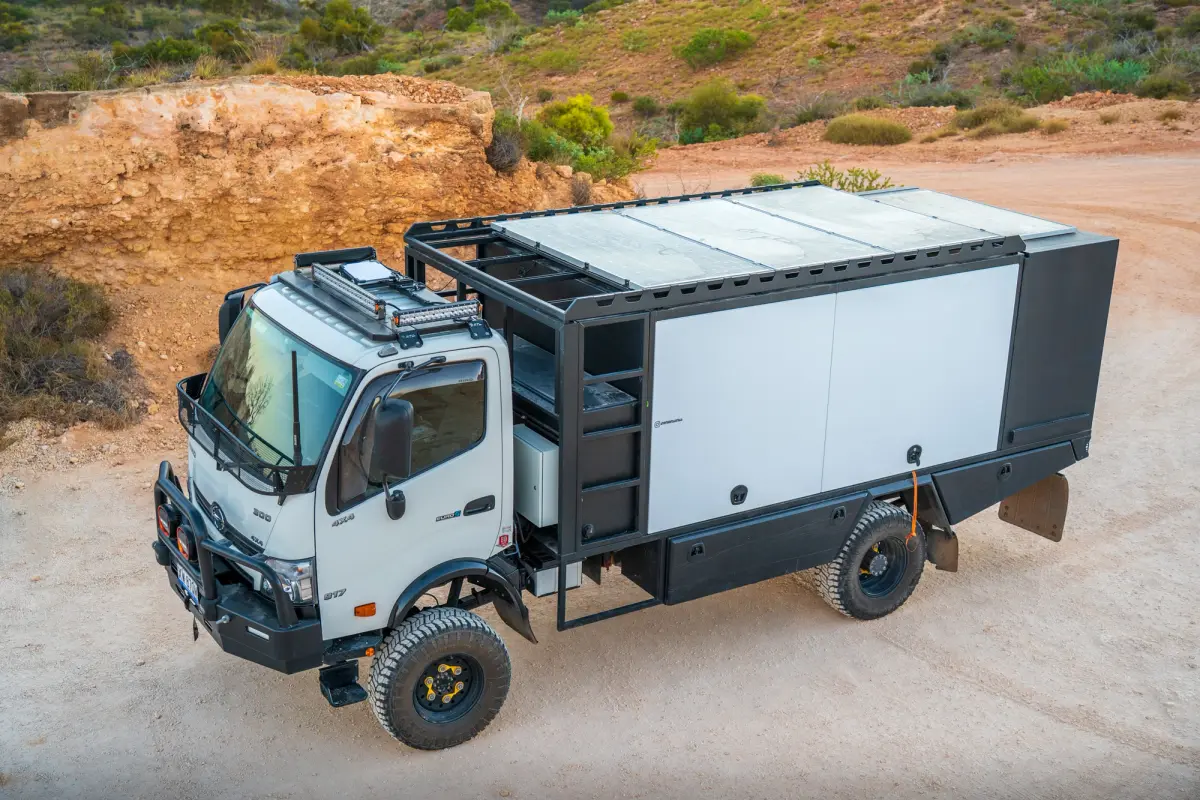
Starlink mounted on a 4X4 Hino truck
The monthly plan, especially the roam options, gives you unlimited data and you can pause it when you’re not travelling, then fire it back up when you are.
So instead of paying for the ability to make a call, you’re paying for full connectivity.
Which sounds unreal, and in a lot of ways it is… but there’s no such thing as a free lift kit.
Those roam plans aren’t pocket change, the plan I use gives unlimited high speed internet and use in-motion for $195 per month.
What Happens In An Emergency?
I reckon this is the only part of the argument that actually matters.
If things are truly going sideways, you shouldn’t be relying on a phone call at all.
You should be carrying a PLB.
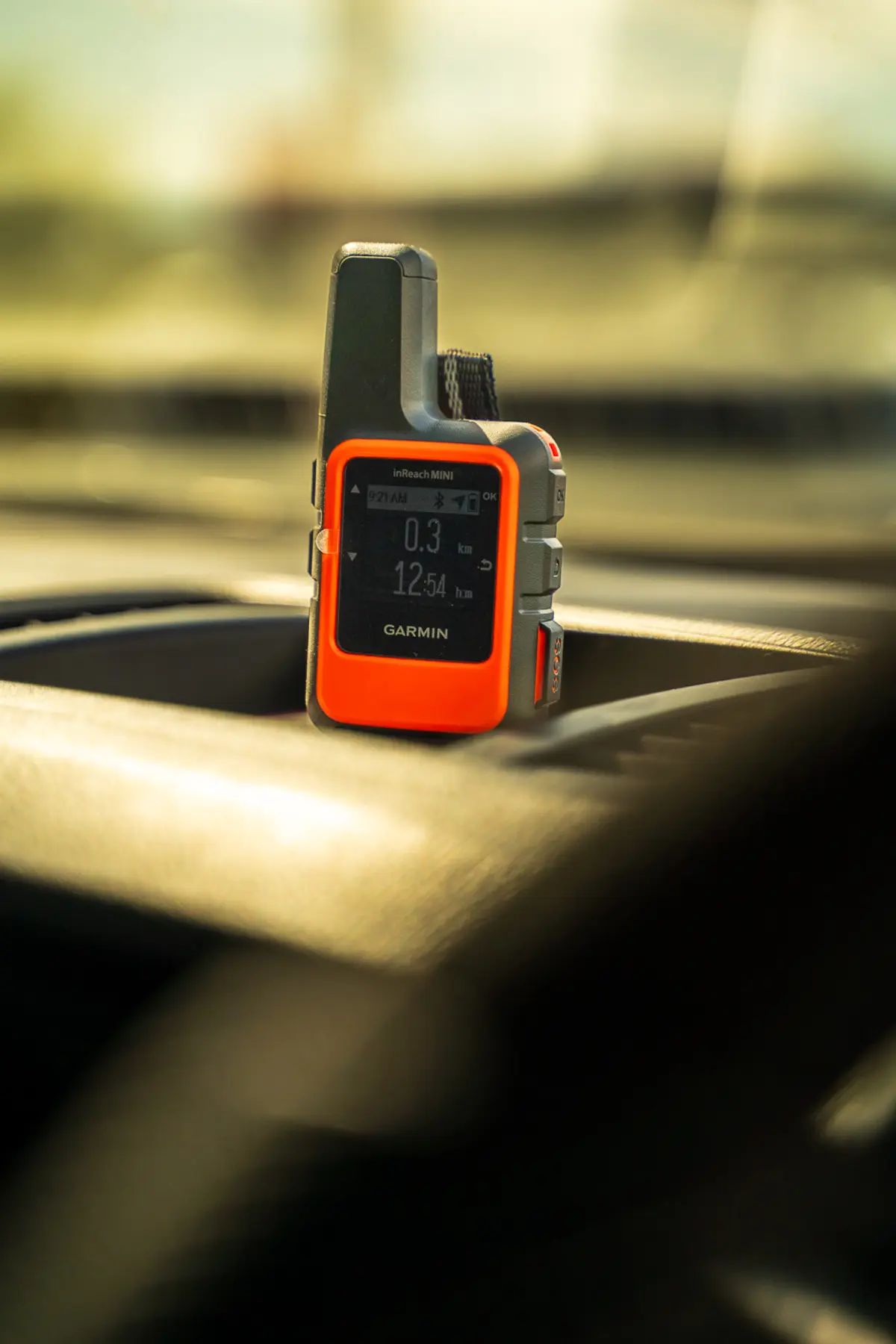
Personal Locator Beacon
One button, distress signal, your GPS location fired straight to search and rescue. No signal needed, no setup, no mucking around. It’s the one bit of gear that doesn’t rely on you being calm, clear, or even able to explain what’s going on.
For the rest of the “emergencies” we actually see out bush… busted gear, delays, needing advice, checking weather, calling for help that isn’t life-or-death, you’ve got time.
Time to pull up, get the Starlink out, and get proper comms running.
And when you do, you’re not stuck trying to have a broken conversation with a two-second delay. You’ve got full communication and the entire internet.
The Verdict
I’ve carried sat phones for years. After running Starlink properly in the bush, I stopped taking one. Not because sat phones don’t work. They do.
But because Starlink is much more versatile and way more valuable to me out here, and it’s what I actually use every single day when I’m remote.
Calls, texts, weather, planning, keeping in touch… the whole lot.
So my setup now is simple.
Starlink as primary comms. PLB as the “this has gone properly wrong” backup.
That covers real-world touring far better than a single-purpose sat phone ever did for me.

Night sky with tail lights
Bush bound?
Get comprehensive insurance that can go there too.