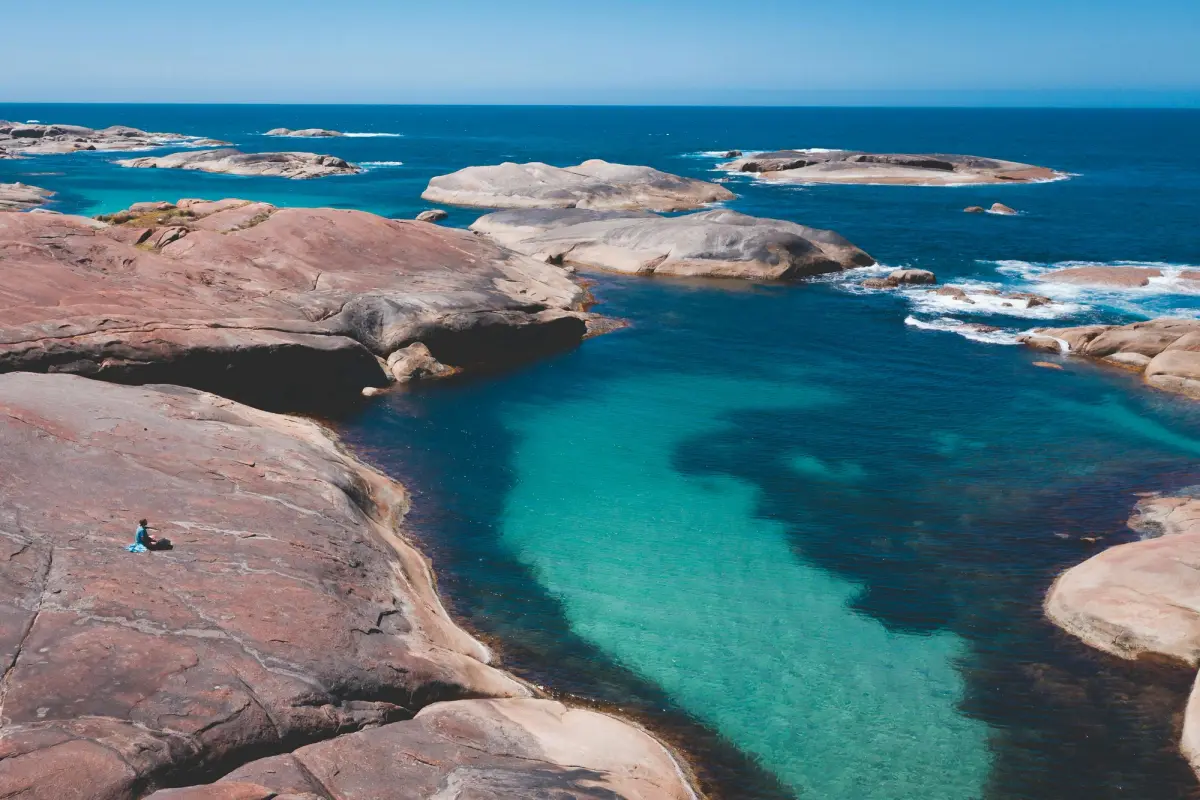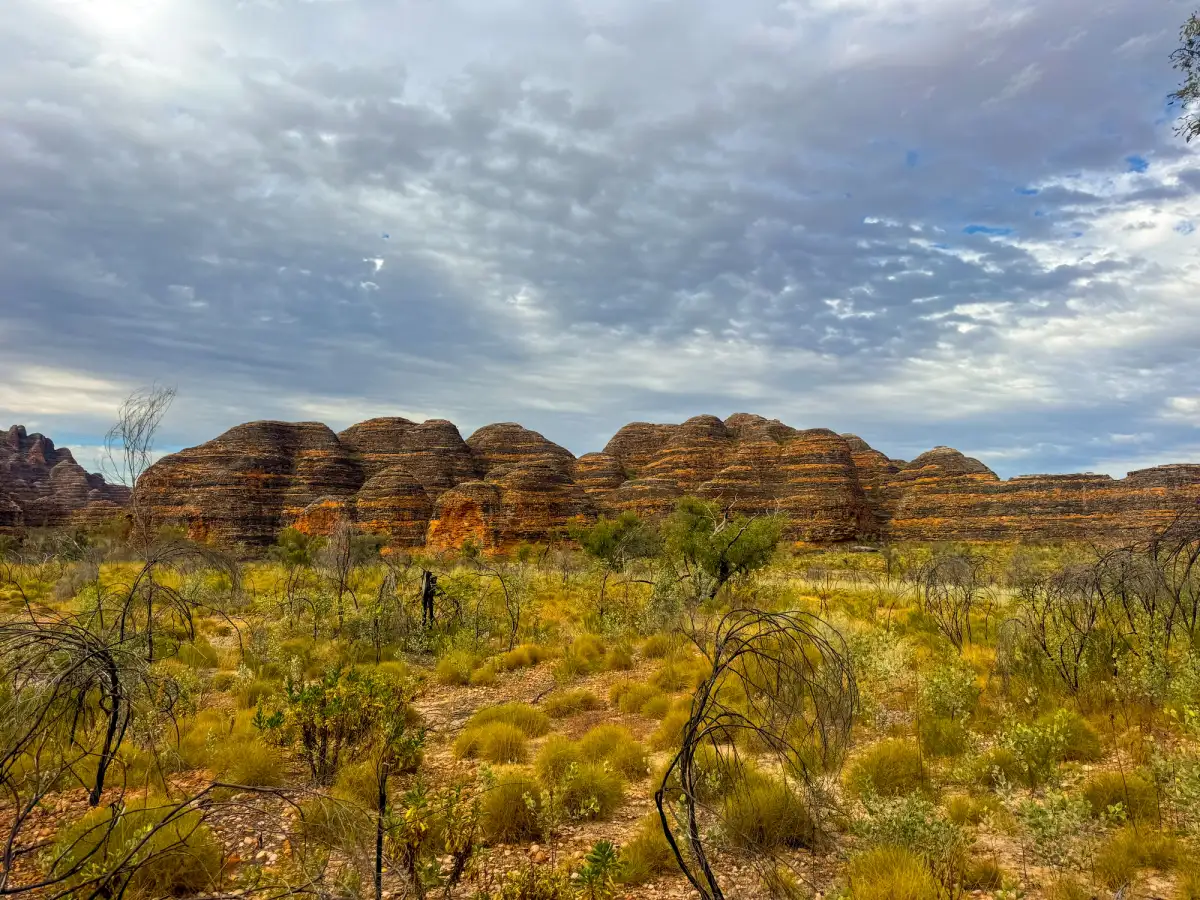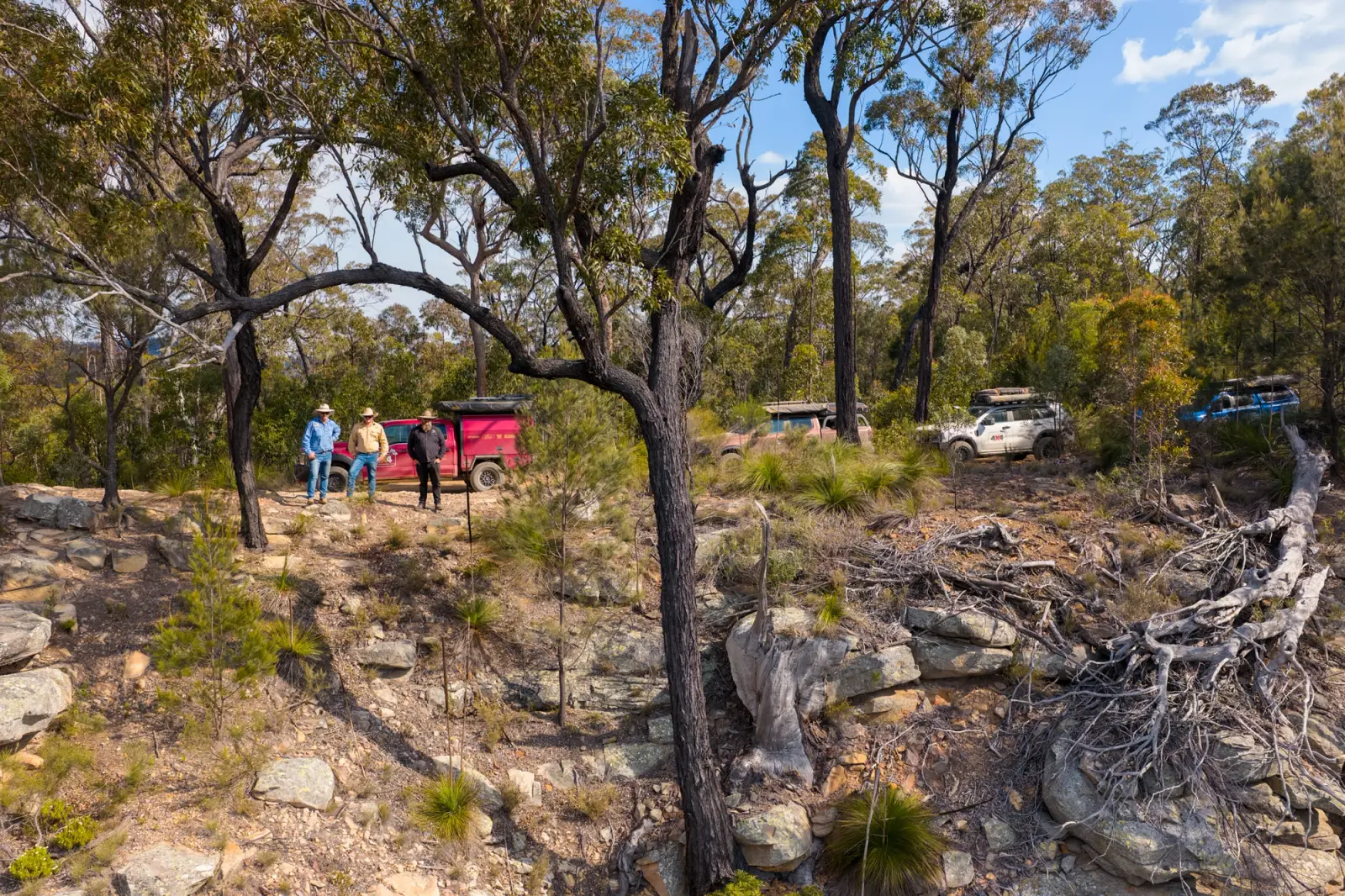
There’s a funny thing that happens when you roll down the eastern face of Big Red.
You’ve just crossed the Simpson Desert. You’ve done the dunes. You’ve aired down, aired up, burned through jerries and probably half your snack stash. And there’s a temptation to think the hard part’s done.
Truth is, the adventure isn’t over.
In many ways, heading back to the coast is where the trip really comes together. The desert might have been the headline act, but the run home can be just as rewarding, if you plan it properly.
Here’s how to turn the “drive back” into the second half of the story.
Step One: Reset After the Desert
Before you point the bonnet east and chase green country, give your rig some love.
The Simpson is relentless. Fine dust finds everything. Corrugations shake everything. Sand works into places it shouldn’t.
When you hit Birdsville or one of the eastern exit points:
- Check wheel nuts and suspension bolts
- Inspect shock absorbers for leaks
- Clean or replace your air filter
- Look over your tyres for stakes or sidewall damage
It’s also a good time to reassess tyre pressures. What worked in soft dunes won’t suit gravel or bitumen. Bring them back up to match the terrain ahead.
Top up fuel and water, restock supplies, and give yourself a mental reset. You’re transitioning from desert rhythm to touring mode.
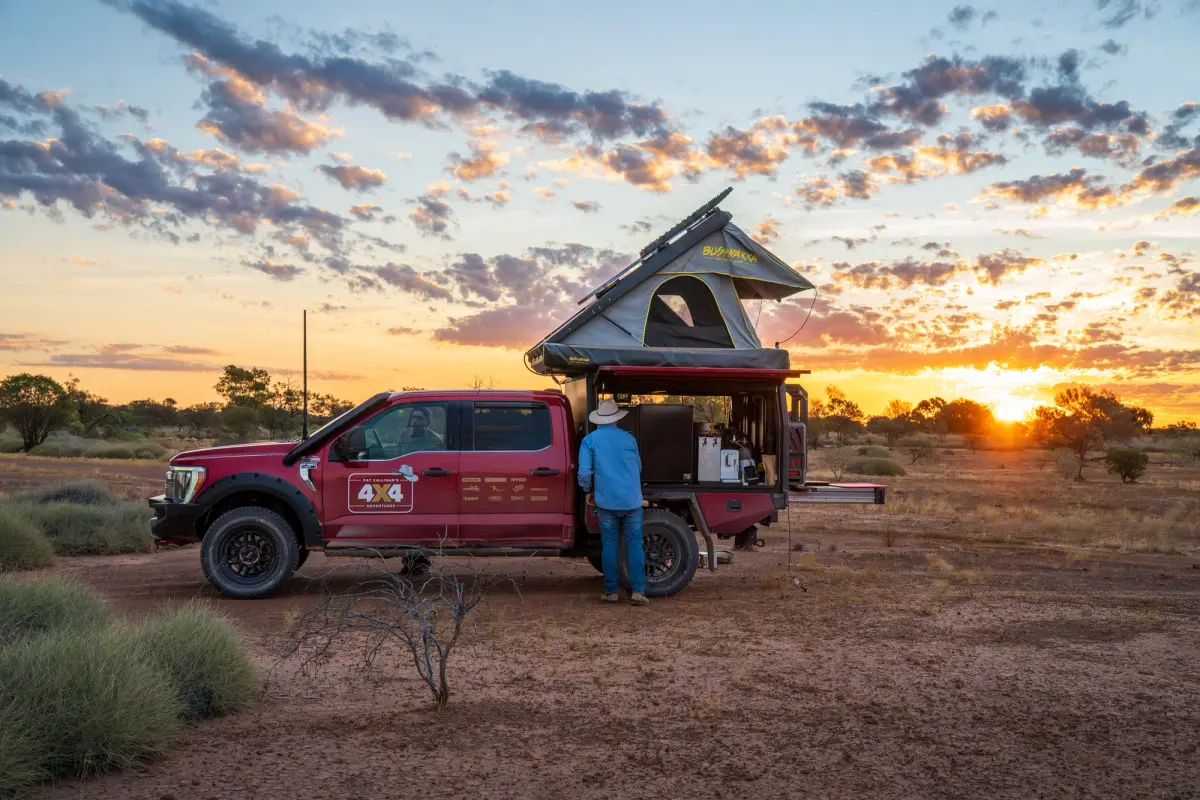
Pat Callinan with his Ford F-150 4X4 in the Aussie Outback
Pick a Route That Adds to the Story
From the Simpson’s eastern edge, you’ve got options, and that’s where the magic lies.
You can:
- Head south toward Innamincka and explore the Cooper Creek system
- Cut across to Windorah and follow the Thomson River country
- Track north-east toward Bedourie and then into western Queensland
Each route offers something different.
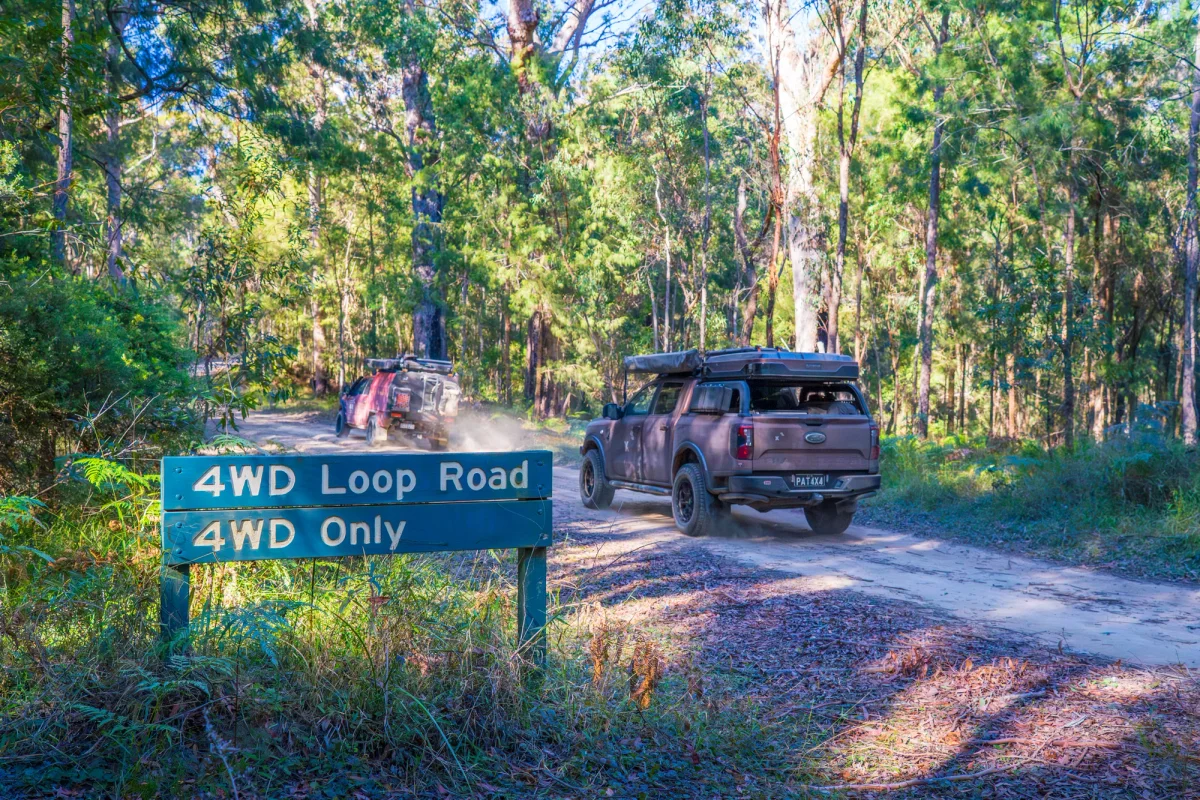
4WD Loop Road sign
Innamincka gives you history and remote river country. Windorah and Jundah open up wide, cattle-station landscapes and quiet camp spots along waterholes. Push further and you’ll start seeing the country soften, the soil darken and the vegetation change.
Don’t treat this leg like a transit stage. Plan it as part of the adventure.
Adjust Your Driving Style
The terrain changes as you move east.
Sand gives way to gravel, then clay, then sections of formed road. After days of dune driving, it’s easy to carry that same throttle mindset forward.
Don’t.
Gravel demands smooth inputs and sensible speeds. Watch for bulldust holes and washouts, particularly after rain. River crossings may appear as you enter greener country, so be prepared to reassess depth and current rather than assuming it’s “just another track”.
Your suspension has already worked hard in the desert. Back the pace off. Let the vehicle and van recover as much as you do.
Refuel More Than the Tank
Small towns on the way back to the coast are more than fuel stops.
They’re part of the experience.
Places like Windorah, Quilpie, or further east toward Charleville and Roma offer proper bakeries, country pubs and the kind of hospitality that reminds you why remote touring matters. Stop. Stay a night. Support the local businesses. Have a yarn.
These communities sit at the edge of some of the harshest country in Australia. They keep it accessible for travellers like us.
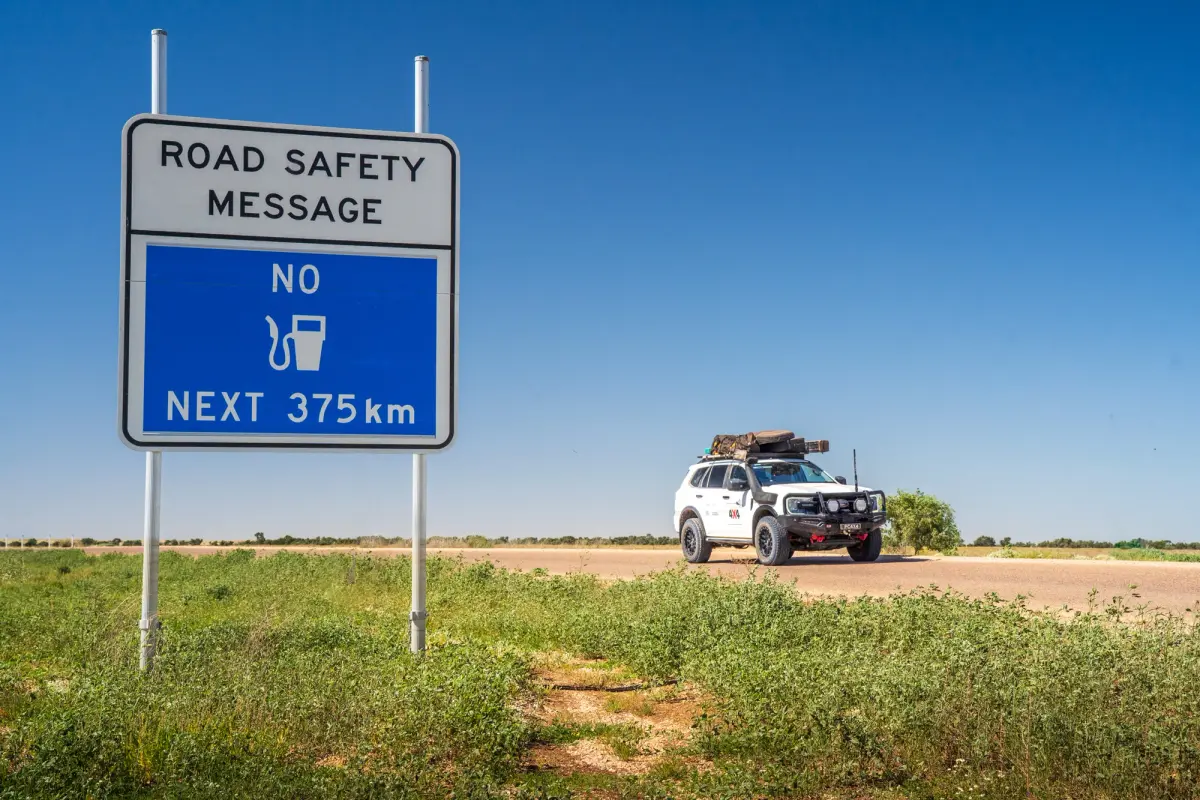
Australian highway road sign with a 4WD
Prepare for the Green Shift
One of the most satisfying parts of heading east is watching the landscape transform.
The deep reds fade. Grass returns. Creeks widen. In good seasons, the country comes alive with birdlife and stock.
As you approach the coast, whether that’s Fraser Coast, Capricorn Coast or further south, the air changes. Humidity creeps in. Salt replaces dust.
But don’t switch off mentally just because you can smell the ocean.
Beach driving requires its own prep:
- Drop tyre pressures again for soft sand
- Watch tide times
- Rinse salt off underbody and trailer components as soon as you can
You’ve just survived the desert. Don’t let corrosion be what catches you out at the finish line.
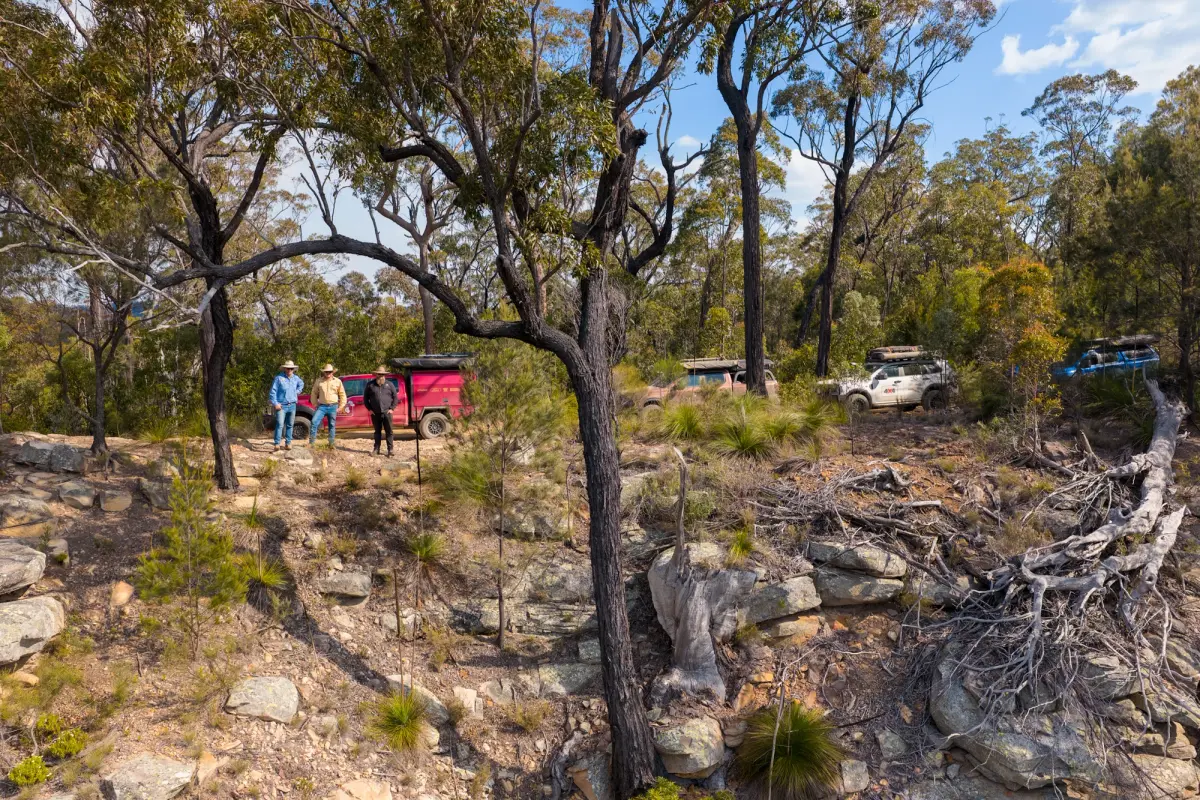
Australian bush drone shot 4Wd track
The Big Picture
Crossing the Simpson is a bucket-list achievement. But if you treat the run home as a necessary evil, you miss half the fun of the trip.
The journey back to the coast is your decompression chamber.
It’s where you process the red dunes. Where you replay the recoveries, the sunrises, the quiet nights under impossible stars. It’s where you transition from remote explorer back to everyday life.
And if you choose your route wisely, take your time, and respect the changing terrain, it becomes a second adventure, not just a return leg.
From Big Red to The Big Blue, Australia shows you just how dramatically this country can change over a few thousand kilometres. The desert might mark the halfway point. But the real reward is bringing it home properly.
Travel smart, take the long way east, and keep the shiny side up.
From desert to beach
Cover anywhere you can legally go in Australia