Over the years I’ve been lucky enough to rack up hundreds of thousands of kilometres touring across some of the most remote and inhospitable places this country has to offer. In that time I’ve also had the privilege of travelling Australia in just about everything you could imagine and have seen both the best and worst of what the bush can throw at you.
I’ve crossed deserts in naturally aspirated four-cylinder clunkers I bought off a bloke at a pub for two grand. I’ve towed massive vans with big V10 diesels. I’ve driven heavily modified tourers worth more than some houses, and I’ve limped broken vehicles home after failures that should have ended the trip entirely.
I’ve had steering fail in the middle of the desert. I’ve converted vehicles to front-wheel drive beside the track after catastrophic rear-end failures and not only finished some of Australia’s toughest tracks in 2WD, but drove that same vehicle thousands of kilometres to get home.
Spend enough time out there and you learn something pretty quickly.
Out in the bush, especially when you’re a long way from help, small mistakes can snowball into very real problems.
Here are five mistakes I reckon almost every 4X4’er will make at some point, and why I reckon they matter more than you might think.
1. Driving Too Fast on Dirt Roads
This one catches plenty of people out, but you don’t hear about it much. Usually because it ends in an accident, and people understandably don’t rush to publish or talk about moments like that.
It’s worth saying up front that I’m not talking about someone doing a buck fifty down the Tanami. We all know that’s ridiculous.
What I’m talking about is something far more common.
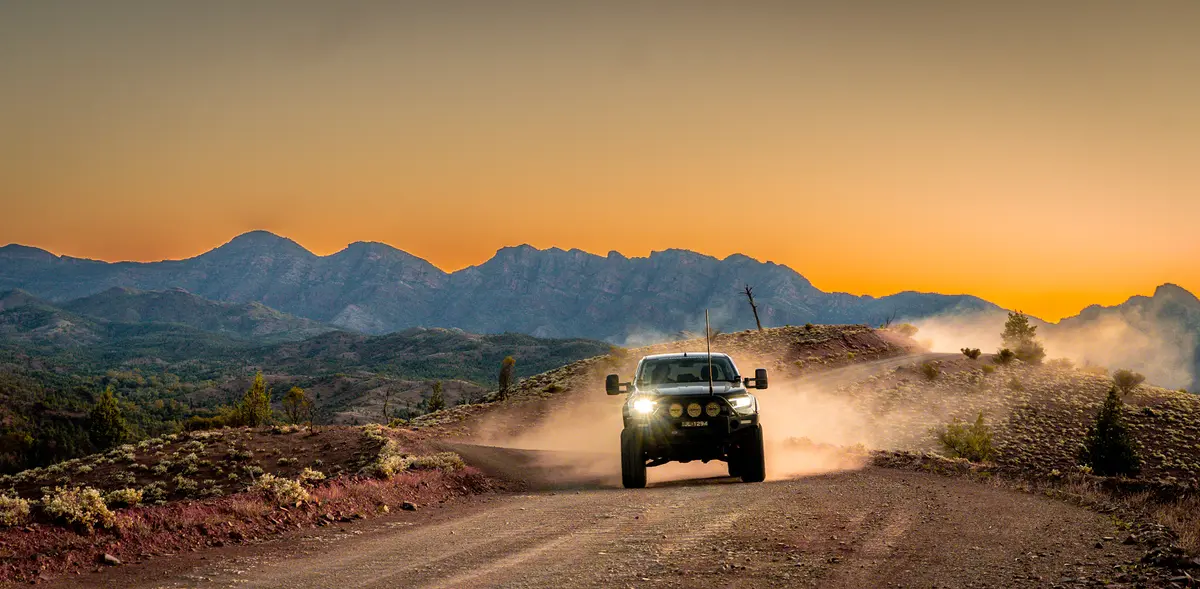
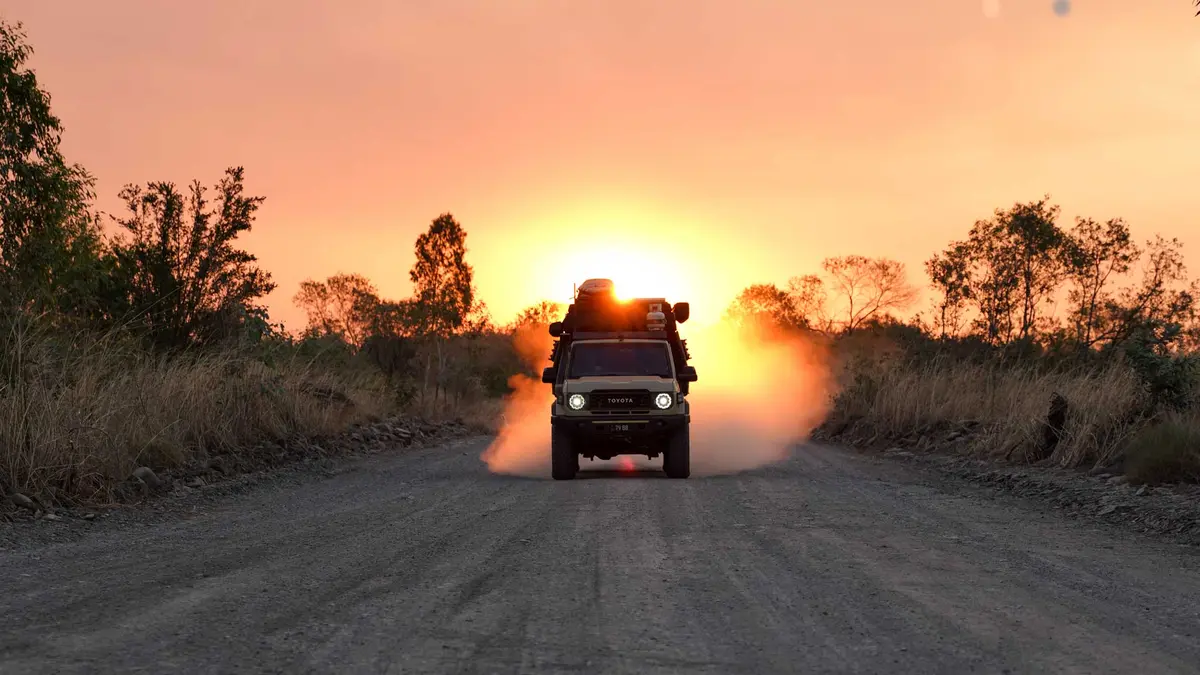
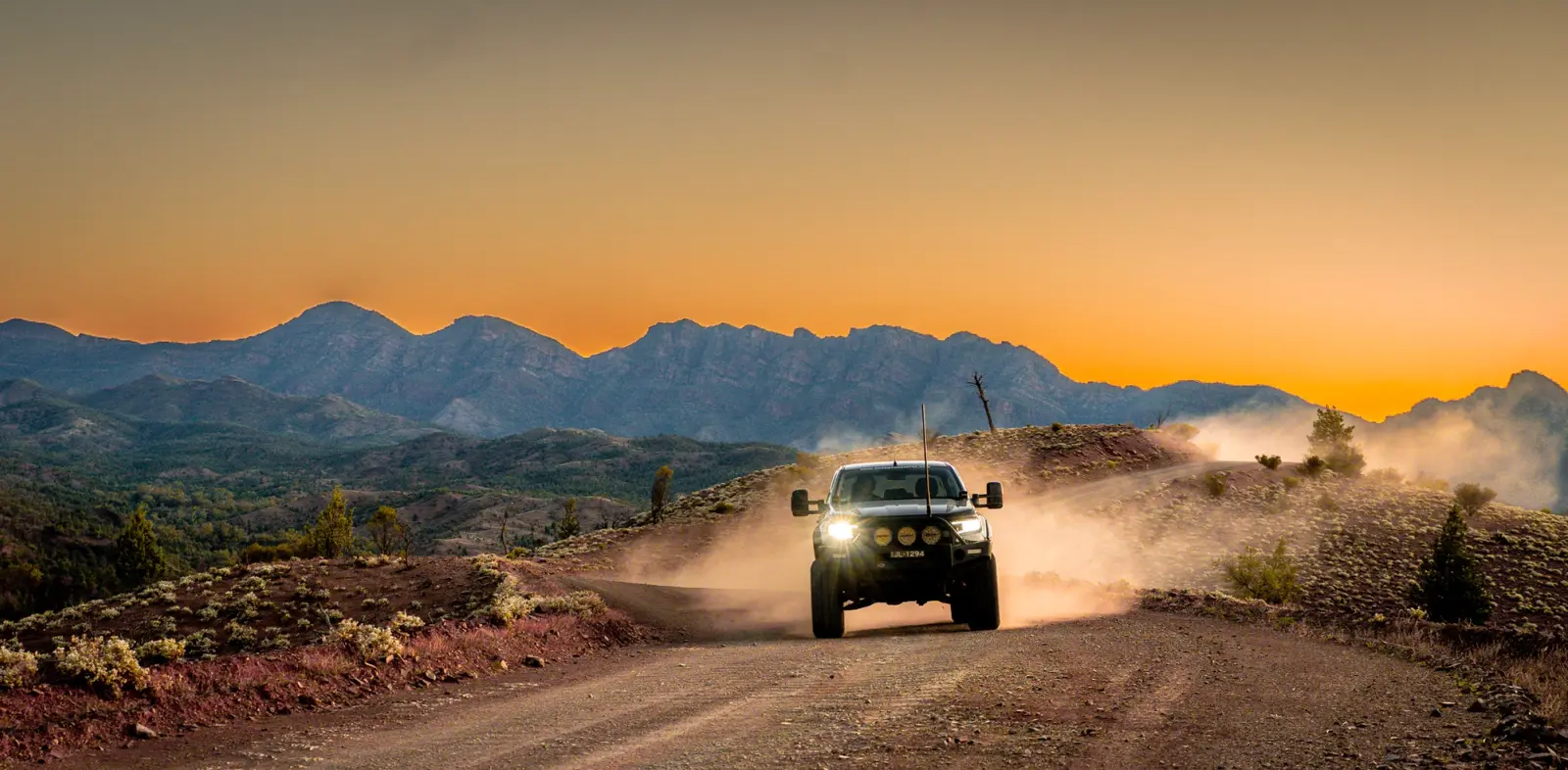
You leave the blacktop and turn on to a wide dirt road, before long you’re sitting on 80 or 90 km/h thinking it actually feels pretty comfortable. The vehicle feels stable, the road looks straight and you start covering ground pretty quickly.
Then suddenly there’s a washout, a cattle grid, an oncoming vehicle, a patch of bulldust or a section of corrugations far worse than the last few kilometres. Dirt roads can change quickly, and what looked like an easy run can turn nasty around the next bend.
I understand how it happens though.
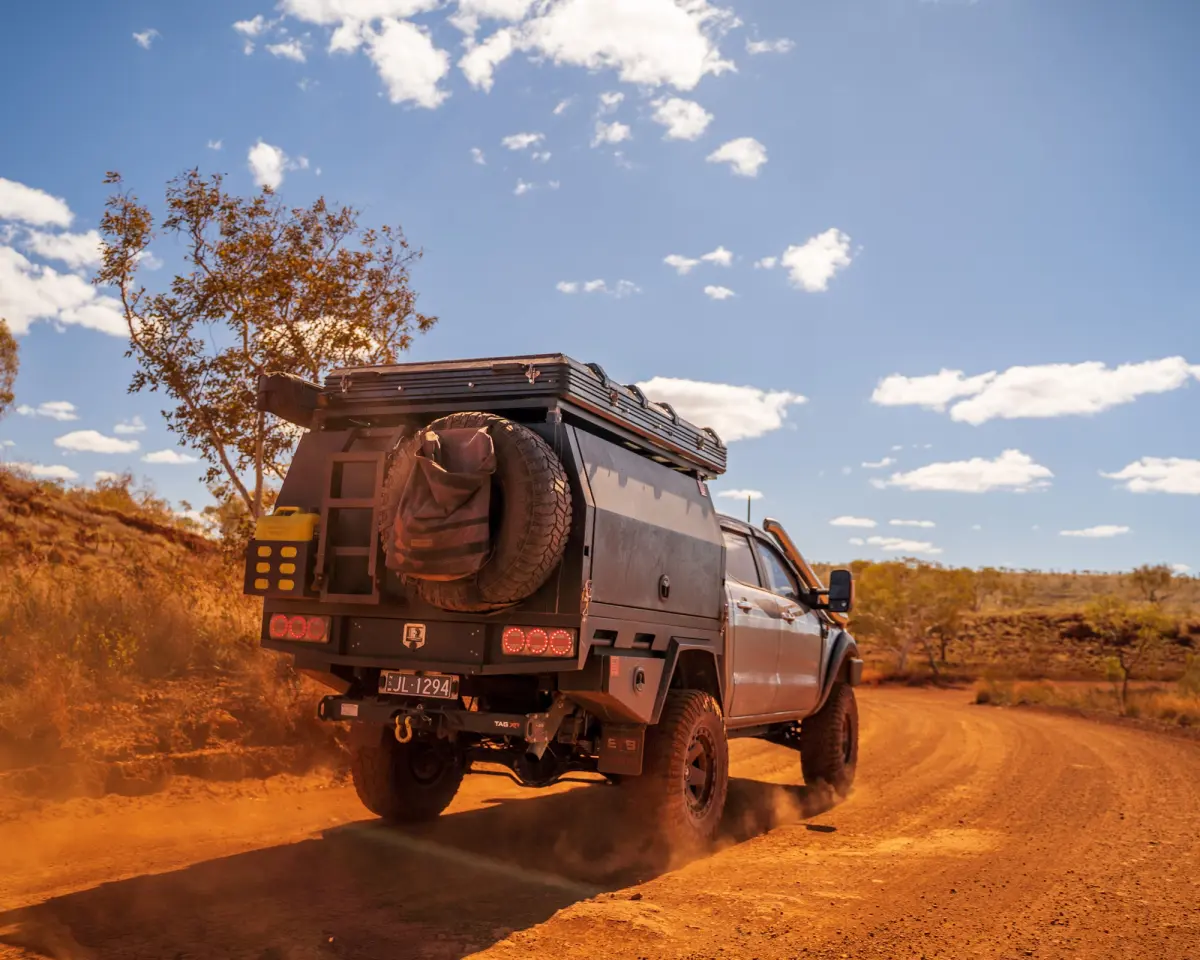
4X4 Ford Ranger on dirt road
If you talk to experienced 4X4’ers about corrugations, they’ll often say to drop your tyre pressures and travel at a speed that feels comfortable. That advice isn’t wrong, but it’s not something that should be taken 100% literally either.
The reason corrugations feel smoother at higher speeds is because your tyres are effectively skimming across the tops of them. The suspension isn’t working through every ripple and the tyres are spending far less time in contact with the ground.
That can absolutely make things feel smoother from behind the wheel, but the trade-off is control. When the tyres aren’t properly planted, the vehicle simply doesn’t have the grip you think it does. The problem is you usually don’t realise that until the exact moment you suddenly need it.
Plenty of accidents happen exactly this way. A vehicle is hammering down a dirt road and comes up behind another rig travelling at a more sensible pace. The faster vehicle jumps on the anchors, but the tyres simply slide across the surface and the driver has very little control over where the vehicle ends up. More often than not they shoot off the road and into the bush.
The frustrating part is that it’s almost always avoidable.
The bush rewards patience. The harder you try to rush through it, the more likely it is to remind you why that’s not always a great idea.
2. Not Letting Your Tyres Down
If there’s one mistake almost every 4X4’er makes at some point (and then 470 times after that), it’s this one.
You hit the dirt and think “she’ll be right.” The road doesn’t look too bad and dropping tyre pressures feels like a hassle, so you just keep rolling. Then you get halfway down and start thinking “I definitely should have aired down… but we’re halfway through, there’s no point now.”
The problem is that high tyre pressures off-road don’t just reduce traction. They send far more shock through the entire vehicle. Every bump, rock and corrugation is transferred straight into suspension components, steering parts, driveline gear and chassis.
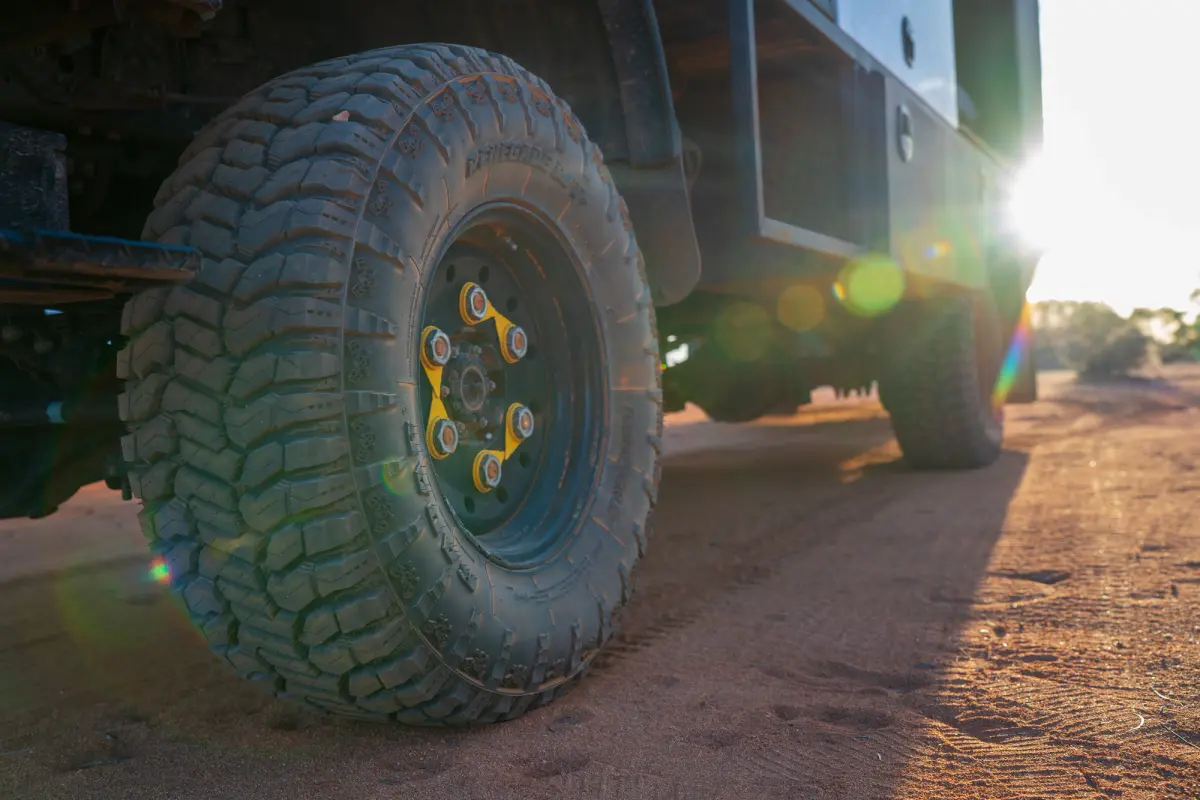
close up of a 4X4 Hino truck tyre
The vehicle works harder, the driver works harder and both people and parts become more fatigued than they needed to be.
Dropping tyre pressures does the opposite. It increases the tyre’s footprint, improves traction and allows the suspension to actually do its job. It also makes the vehicle far more comfortable to drive, helps tyres last longer and significantly reduces the chances of punctures or tyres being torn to pieces by sharp rocks and gravel.
It’s one of the easiest things you can do to improve how a vehicle performs, and yet it’s still one of the most commonly skipped steps.
3. Thinking Recovery Gear Means You’re Prepared
Having recovery gear is important.
But a lot of people confuse carrying recovery equipment with actually being prepared.
Winches, recovery boards and snatch straps are fantastic tools when you get stuck. But they don’t solve every problem you might face in remote areas.
Real preparation means thinking about the bigger picture, before you even enter the frame.
Water. Communications. Spare parts. Basic tools. A plan for if something goes wrong.
Getting bogged is one thing. Being stranded hundreds of kilometres from help because you didn’t check the weather or ended up stuck somewhere with nothing to winch off is a whole different problem.
My advice is to remember that recovery gear is there to help when things go wrong on the track, but it doesn’t guarantee you’ll get unstuck. And recovery gear isn’t just snatch straps, winches and recovery boards. Real recovery gear is satellite communications, water, preparation and common sense. Unfortunately, the most important pieces of that kit can’t be bought from BCF.
4. Not Getting Out and Looking
Every 4WD’er is guaranteed to learn this lesson at some point.
You’re making your way along a track and come across an obstacle. A steep climb, a gnarly section or ruts so deep you could hide the Harbour Bridge in them.
Instead of stopping and having a proper look, you just send it.
Don’t ask me how I know this, but it usually goes something like this: you commit to the send, realise within metres that you’ve made a mistake and shortly thereafter confirm it was a spectacularly bad one as you look down to find your ankles slowly disappearing into murky, stagnant water that somehow looked perfectly inviting only moments earlier.
Sometimes you get away with it.
Other times you find yourself halfway through the obstacle realising the line you chose wasn’t quite as good as you thought, and now you’re in a proper predicament.
Getting out and walking a section of track might take a minute or two, but it gives you a completely different perspective on what you’re about to drive. You can see where the holes are, where the rocks sit and where the safest line actually is. You can also figure out whether it’s a sensible challenge or just a spectacularly bad idea.
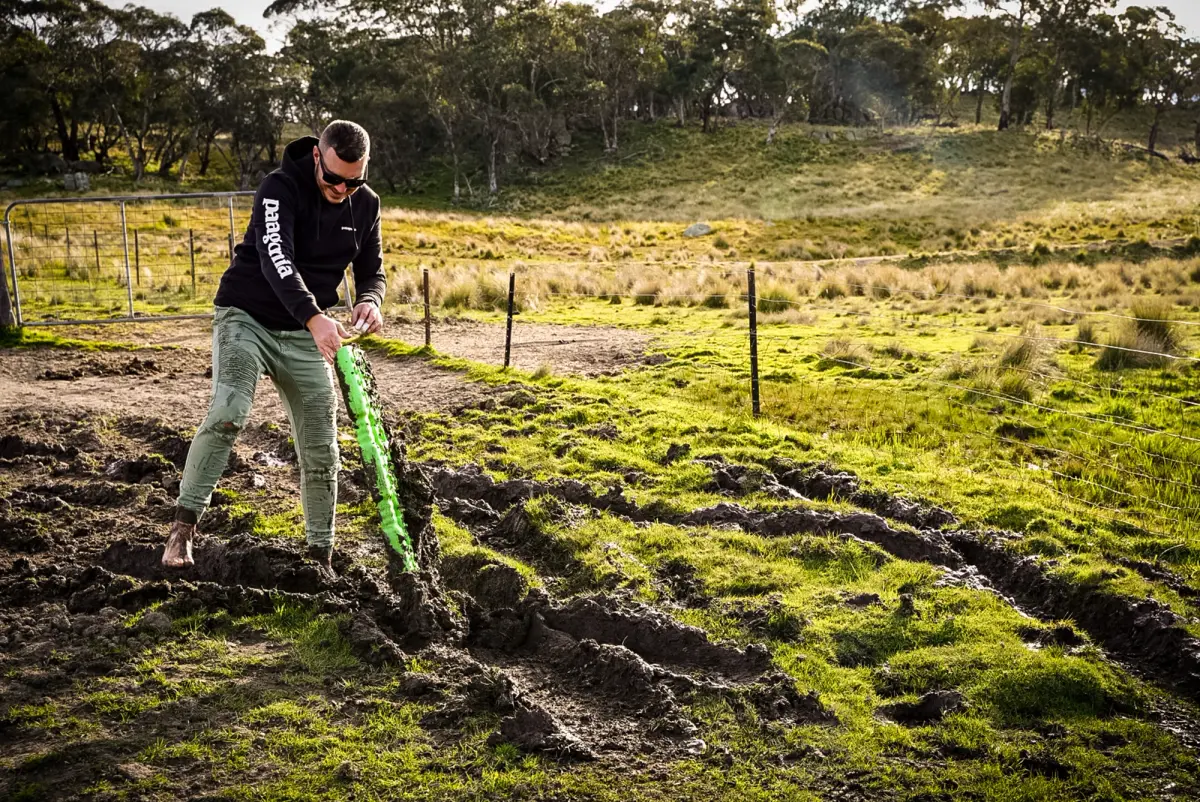
Josh from Adventure Intel Australia digging through mud
The last time I drove the Old Tele Track in Cape York I watched a group of drivers heckling complete strangers for getting out and walking an obstacle before attempting it. Apparently taking a minute to have a look first was something worth laughing at.
The irony, of course, is that experienced drivers don’t walk tracks because they’re worried or overly cautious. They do it because they’ve been caught out before.
Bravado should never make decisions for you. When it comes to 4X4’ing, the smartest driver on the track is almost always the one who got out and had a
5. Not Doing a Shakedown Trip
This is something that doesn’t get mentioned nearly enough.
When people finish building their 4X4, the temptation is to load it up and head straight off on the big adventure as soon as the last bolt is torqued to spec. If we’re being real, it’s usually because you’ve overcommitted, promised your partner you’ll be on the road by a certain date and underestimated how long some of this stuff actually takes.
When you modify a vehicle extensively, you inevitably change both its dynamics and characteristics. Electrical systems, suspension, weight distribution, engine upgrades, etc. All of it now needs to be proven in the real world.
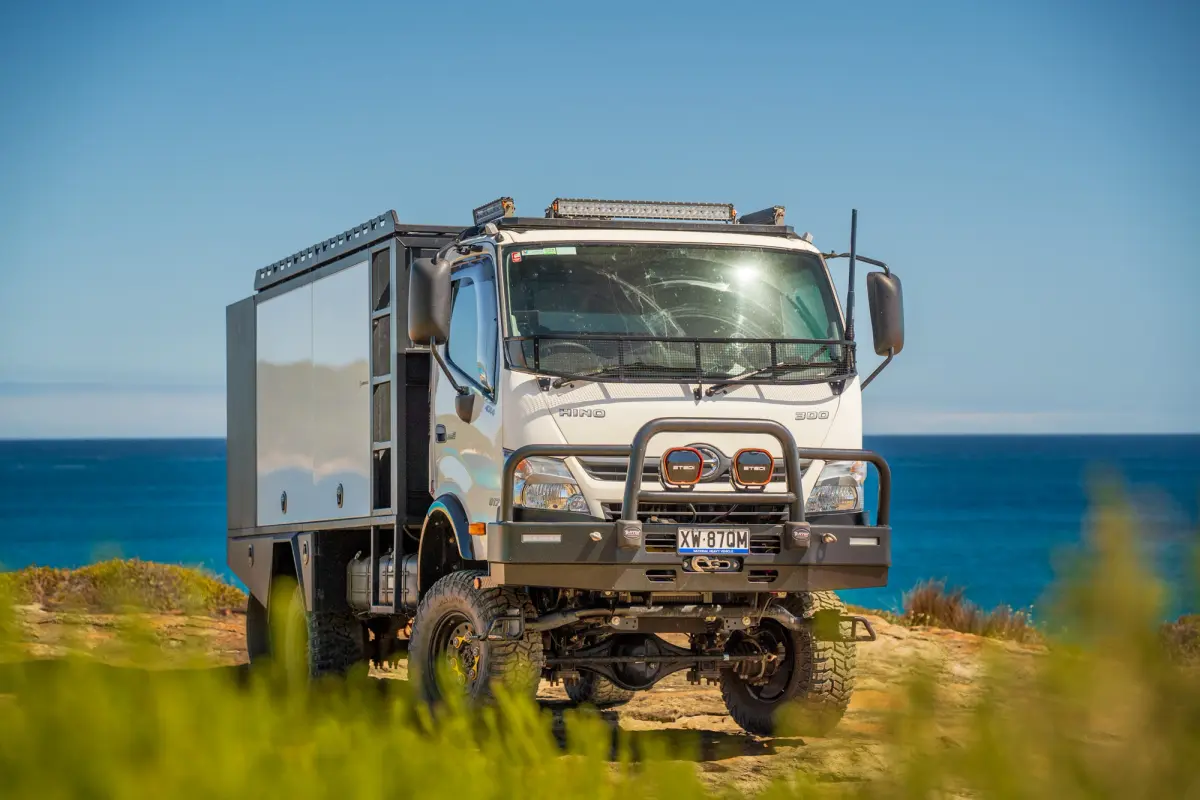
Hino truck 4X4 near ocean
No shipbuilder delivers a brand new vessel out without first doing sea trials, and no vehicle manufacturer releases a new model without thousands of hours of testing beforehand. That would be irresponsible, right? A freshly built 4X4 deserves the same treatment.
I’m not suggesting four-wheel drivers need to go to those extremes, but doing a proper shakedown trip close to home is one of the smartest things you can do. Spend a weekend using the vehicle exactly the way you plan to on a big trip. Sleep in it, cook with it, drive it on rough tracks and see how everything works together as an ecosystem.
You’ll quickly discover the little things that need tweaking before you find yourself thousands of kilometres from home trying to fix them in the middle of nowhere.
Out in the bush, mistakes have a funny way of turning into lessons.
Whether it’s the moment you cop a blowout because you didn’t air down or sink past the doorsills on a line you wouldn’t have taken if you’d walked it first. Sometimes it’s discovering that the expensive bit of gear you thought you needed wasn’t actually the thing that mattered.
But that’s part of the deal.
4X4’ing has always been a game of learning as you go. No amount of money spent on accessories, no perfectly planned build and no amount of internet advice will ever replace time behind the wheel and experience out on the tracks.
The good news is that the bush is an incredibly effective teacher.
And while most lessons out there are learned the hard way, hopefully these five mistakes are now a little easier to avoid.
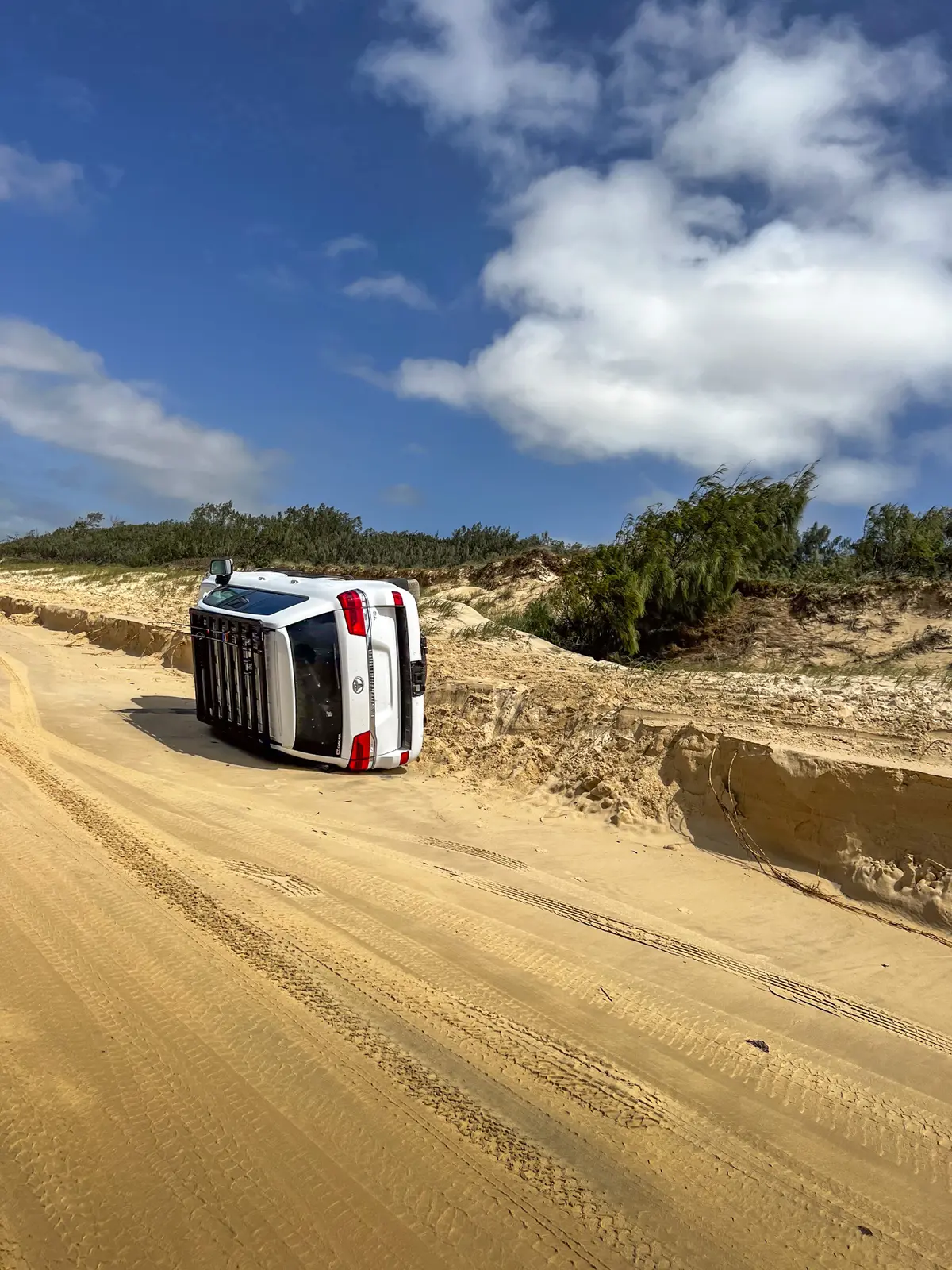
A 4X4 Toyota LandCruiser rolled over on a beach
Prepare for adventure
Cover anywhere you can legally go in Australia