This time of year is storm season, and given the barrage of torrential rain we’ve seen over the last few weeks across the north east of Australia, we thought we’d put together 5 quick and sometimes obvious tips to consider to secure your pride and joy/s.
Obviously, selecting the right insurance product for your needs and ensuring adequate coverage is important, but prevention is almost always better than a cure!
1. Check the conditions.
This sounds really basic, but check the conditions where you’re planning to go or where you are. There’s a lot of different information sources out there, including the Bureau of Meteorology. Some more remote locations will require expert knowledge from locals to understand whether roads are passable or in fact closed, with rural hotels and pubs often happy to share the latest local news with passing travellers. The National Parks and Wildlife Service (NPWS) control access to many roads and popular destinations, so checking their website or calling a local office can be a great source of information too.
2. Be prepared.
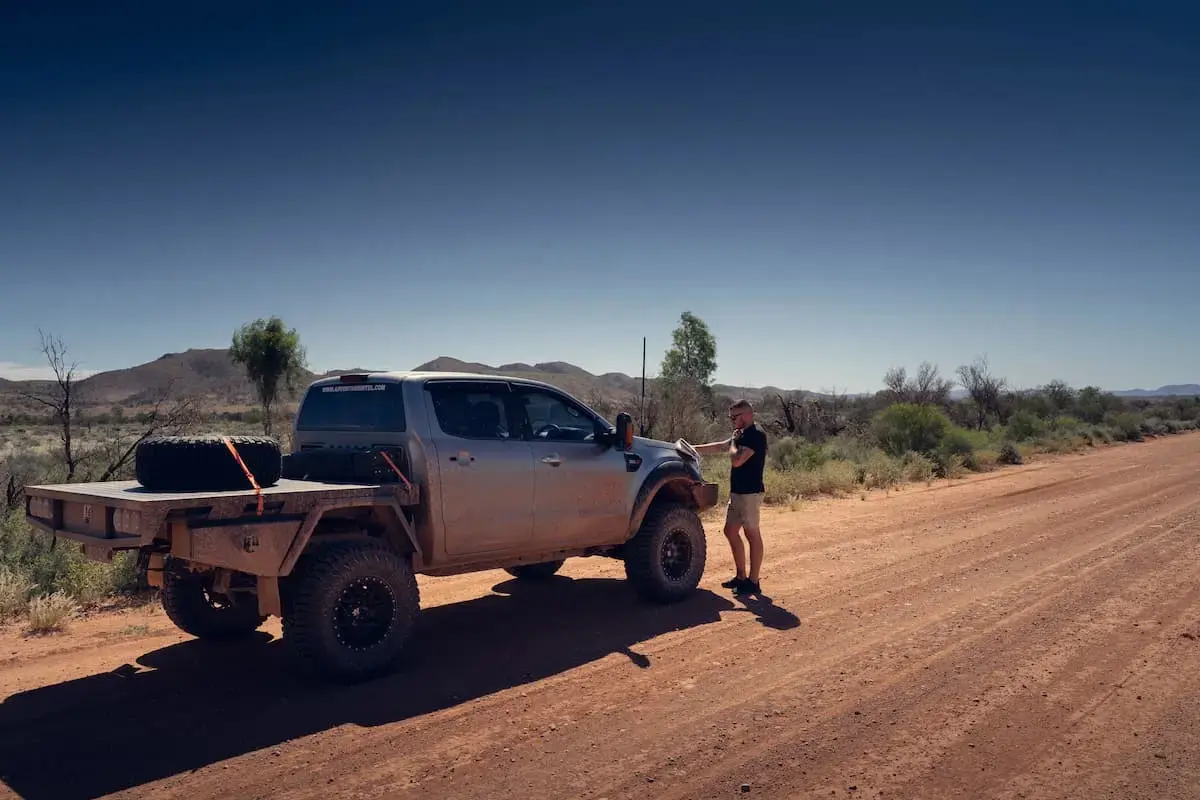
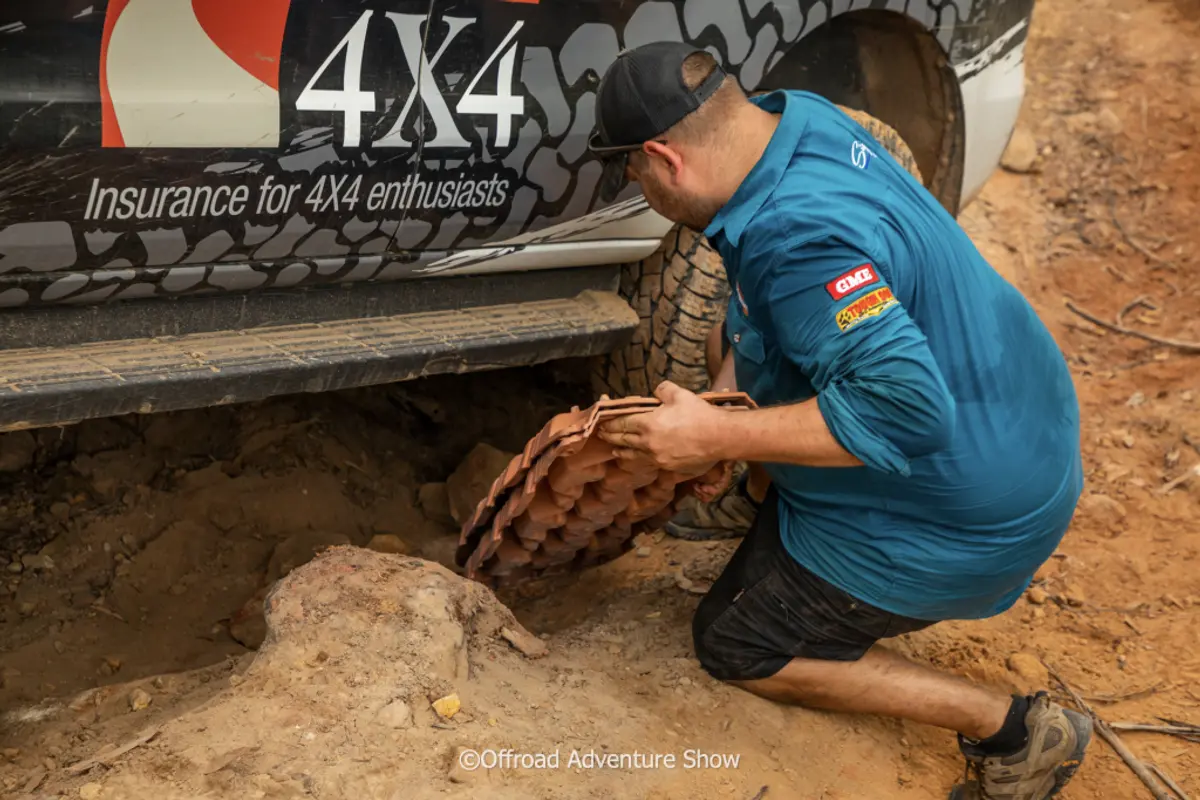
If you are traversing difficult terrain in inclement weather and you can’t avoid it, make sure you’re ready to self-recover. A good set of traction board like Tred’s, a winch and a good recovery kit is critical whenever four-wheel driving, but the chances of you needing them in inclement weather increases. Like AMEX, don’t leave home without it, but having the right gear means nothing if it’s not ready to go in an emergency. Keeping critical gear easily accessible and thinking ahead by preparing your recovery gear before tackling the tough stuff allows you to react rapidly if things don’t go to plan. If all else fails, ensure your insurance product covers you for where you’re going!
3. If you can’t walk it…
A track that you’d pretty easily traverse in the dry can become a real challenge depending on the surface and conditions. Clay-based surfaces can turn into glass from a traction perspective with any sort of moisture, add some elevation change and you could be finding yourself sliding off and out of control. Mud driving is a bit of an art in my opinion and conditions can change very quickly. Take the time to get out and survey the terrain. The muddy boots are better than a wrecked four by!
4. Have a plan to get out, fast.
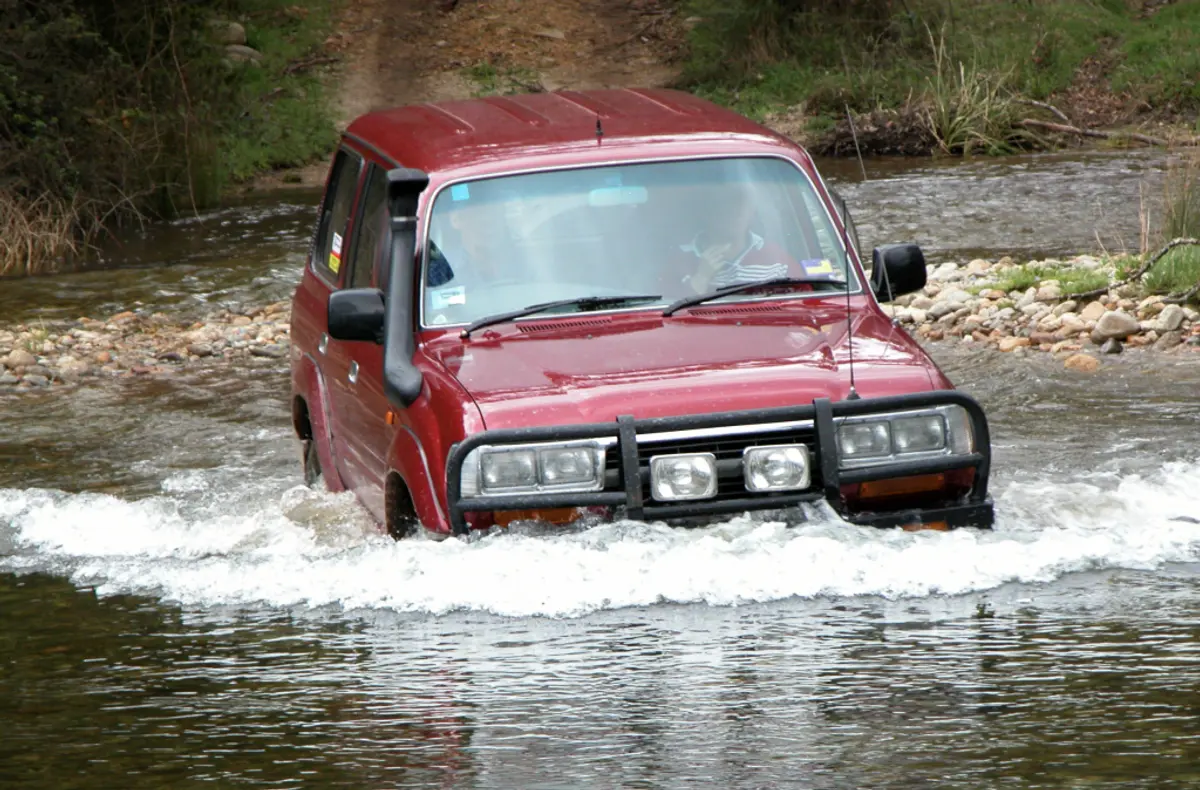
This applies when you’re out camping or at home in flood prone areas. Conditions change fast, so having a plan to evacuate is important. Think about the routes out, the gear you will take and when you will call it to get out. Believe it or not we have had claims where people have woken up at night with floodwater rushing under their camper where it was completely dry when they went to sleep. Human life is more important than your items, as sad as that is to say.
5. If it’s flooded, forget it.
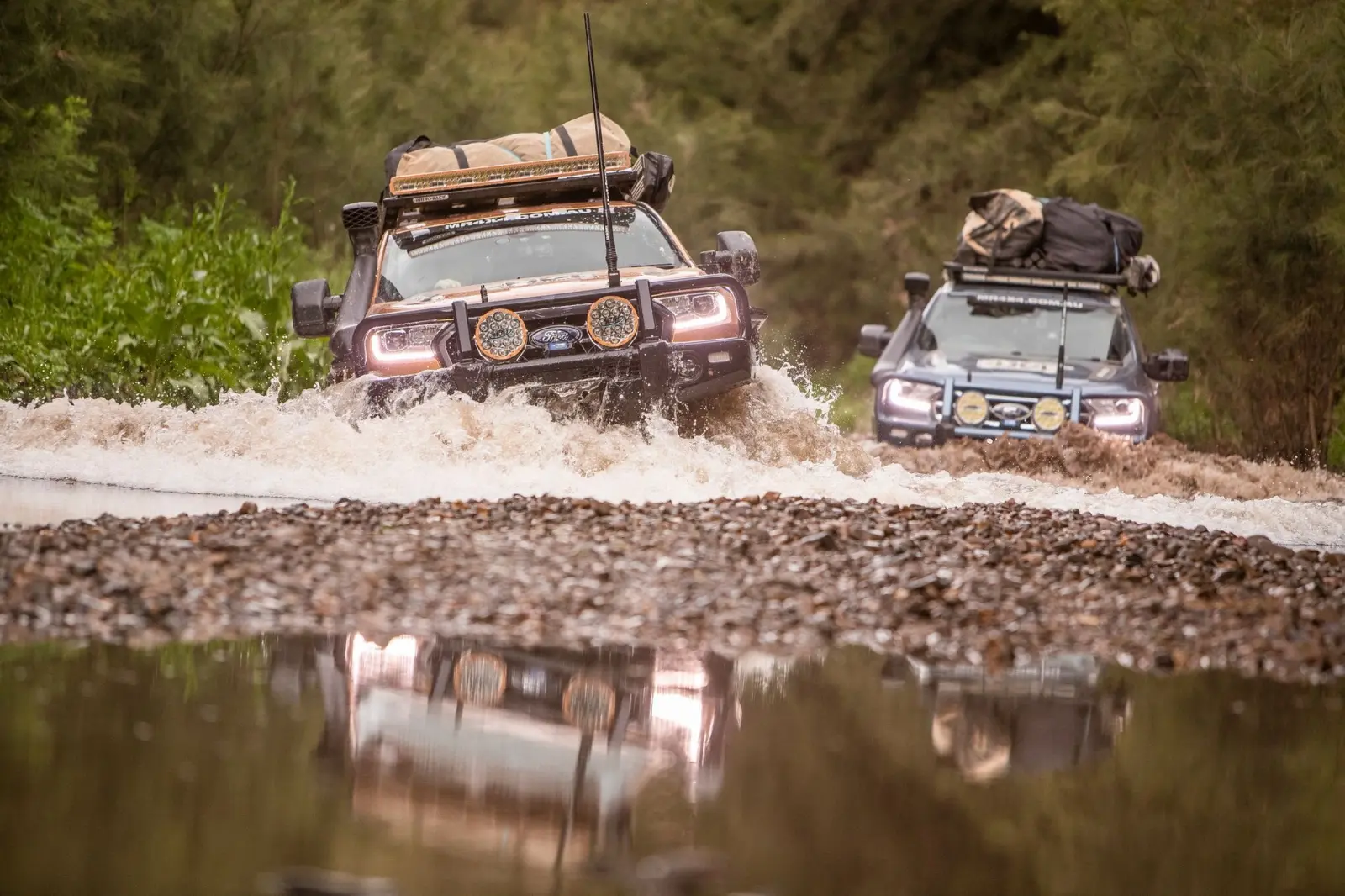
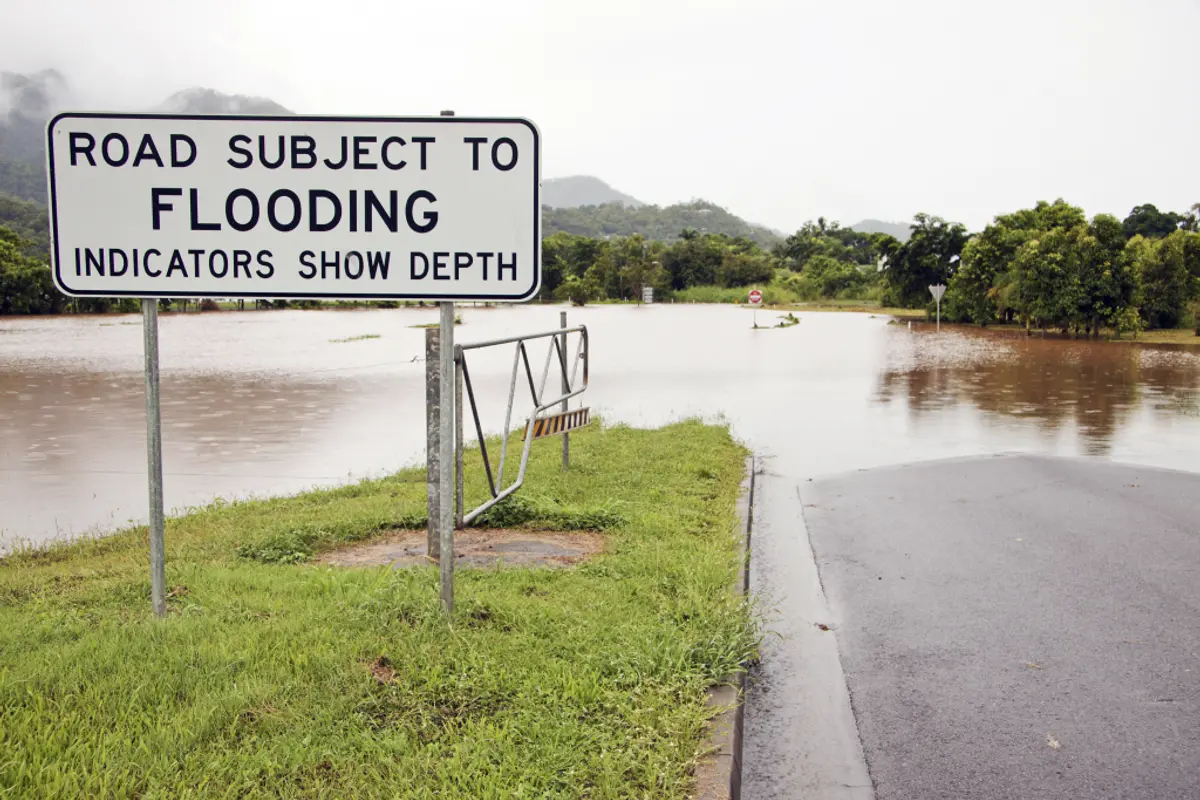
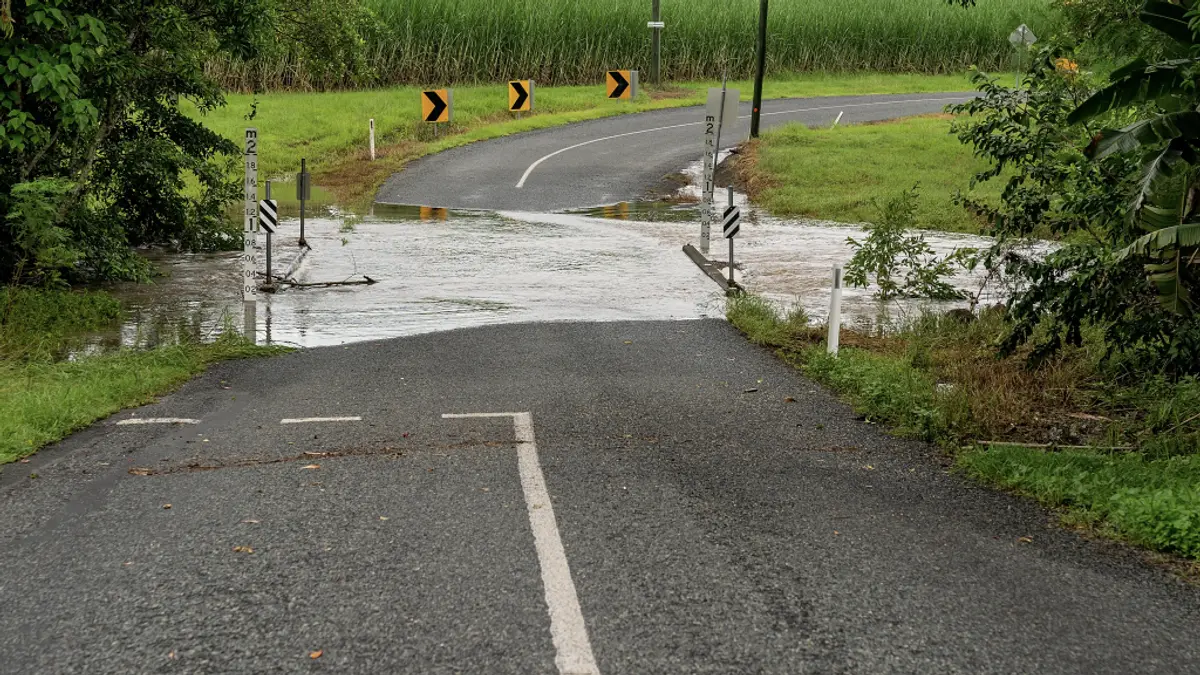
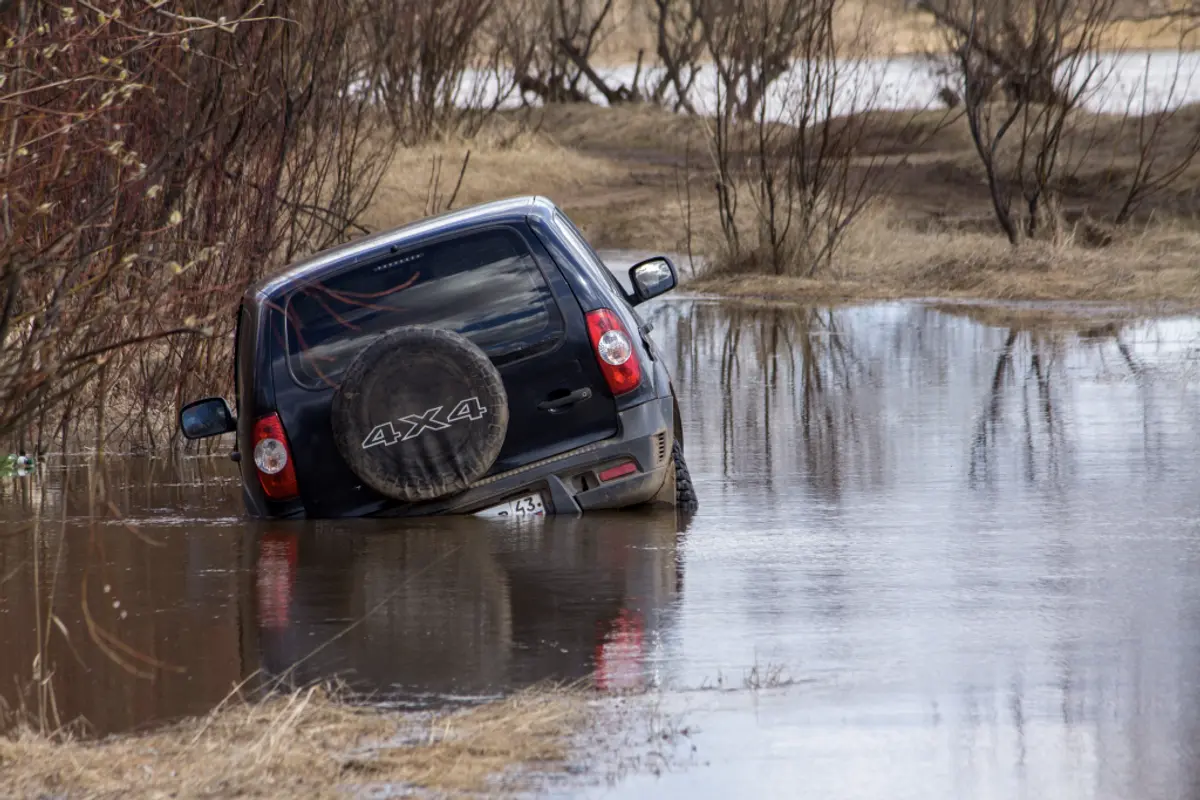
This has been said so many times, but it seems the message simply doesn’t get through. Our four-wheel drives are much more capable to traverse bodies of water than your average commuter vehicle, but they aren’t boats, nor are they submarines. It only takes 45cms of floodwater to render a full sized 4X4 unstable and only 60 cm to have it float away completely. This is without even considering what the deluge of water has done to the surface underneath the water line that you simply can’t see. We usually recommend you walk the water before driving in, but definitely DO NOT do this in floodwater!
What other tips do you have? We’d love to hear them below!
Happy Touring,
Kalen